Dr Dray Links Fiber to Clearer Skin, Warns Diet Cannot Replace Medicine
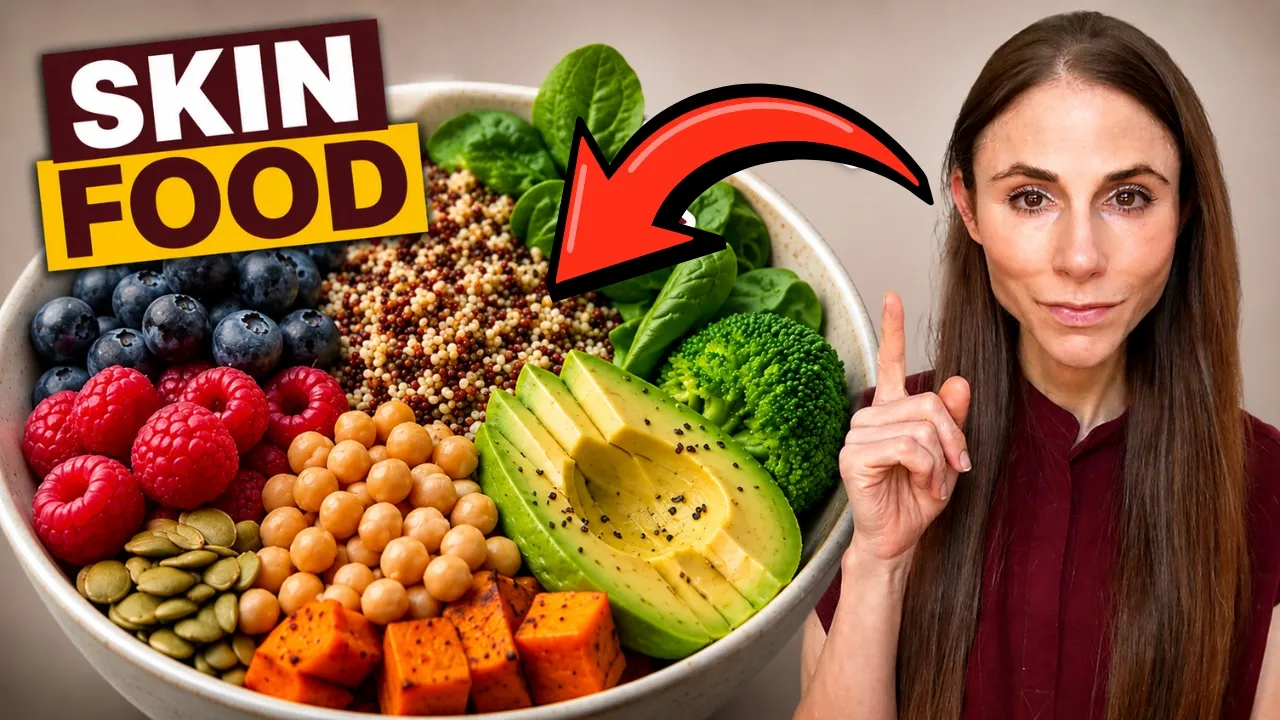
Dr Dray
While gut fermentation of whole-food fiber curbs systemic inflammation and stabilizes acne-triggering insulin spikes, it cannot reliably clear chronic inflammatory disorders like eczema or psoriasis without prescription therapy.
AI-assisted summary of Can Eating More Fiber Improve Your Skin? | Dermatologist Explains — original source. Check the original for full context.
Source published:
Key ideas
- Dietary fiber is fermented by colon bacteria into short-chain fatty acids—acetate, propionate, and butyrate—which enter systemic circulation to suppress pro-inflammatory cytokines (IL-6 and TNF-alpha) and directly interact with epidermal keratinocytes to support skin barrier repair. (1:41)
- In acne management, dietary fiber acts primarily by lowering dietary glycemic load, blunting postprandial blood sugar spikes to prevent surges of insulin and IGF-1 that stimulate sebaceous oil production and follicular hyperkeratinization. (6:45)
- While preclinical models demonstrate that fiber-derived metabolites reduce cutaneous inflammation in eczema and psoriasis, clinical evidence in humans remains insufficient to treat dietary fiber as a cure or a replacement for prescription medications. (0:00)
- Consuming concentrated insoluble fiber additives found in commercial keto and low-carb breads (such as modified wheat starch and cellulose) without adequate hydration can pull moisture from the colon wall, risking severe constipation and fecal impaction. (14:36)
Detailed notes
## Background Published on YouTube by board-certified dermatologist Dr Dray on August 27, 2026, this video examines the emerging science behind dietary fiber and the gut-skin axis. According to the page description, Dr Dray breaks down how microbial fermentation produces short-chain fatty acids that influence inflammation, evaluates the research linking fiber to conditions like eczema, psoriasis, and acne, and shares practical guidance for increasing fiber intake without gastrointestinal distress.
## TL;DR Dr Dray explores how gut bacteria ferment dietary fiber into short-chain fatty acids like butyrate, dampening systemic inflammatory cytokines and reinforcing epidermal barrier function via the gut-skin axis. Although high-fiber diets provide clear metabolic and anti-inflammatory advantages—such as stabilizing blood sugar to reduce acne triggers and protecting cardiovascular health in psoriasis—fiber is an adjunct lifestyle measure rather than a standalone medical cure. She cautions against misleading commercial 'high-fiber' processed foods and vague Mediterranean diet prescriptions, highlighting the importance of whole plant foods and sufficient hydration. To prevent severe gastrointestinal side effects, she advises gradually building up legume, nut, seed, and vegetable portions across meals over time.
## Atmosphere & style The presentation is candid, educational, and refreshingly no-nonsense, delivered in Dr Dray's characteristically dry, methodical style. Her tone balances rigorous scientific breakdowns of immunological and metabolic pathways with sharp, humorous critiques of food-industry marketing gimmicks and lazy dietary advice. Watching feels like having an honest, grounding consultation with an experienced clinician who demystifies wellness trends while firmly emphasizing patient safety and realistic lifestyle habits.
## Bulletin - [01:41](https://www.youtube.com/watch?v=FzrowYqQnnE&t=101s) Dietary fiber is fermented by colon bacteria into short-chain fatty acids—acetate, propionate, and butyrate—which enter systemic circulation to suppress pro-inflammatory cytokines (IL-6 and TNF-alpha) and directly interact with epidermal keratinocytes to support skin barrier repair. - [06:45](https://www.youtube.com/watch?v=FzrowYqQnnE&t=405s) In acne management, dietary fiber acts primarily by lowering dietary glycemic load, blunting postprandial blood sugar spikes to prevent surges of insulin and IGF-1 that stimulate sebaceous oil production and follicular hyperkeratinization. - [00:00](https://www.youtube.com/watch?v=FzrowYqQnnE&t=0s) While preclinical models demonstrate that fiber-derived metabolites reduce cutaneous inflammation in eczema and psoriasis, clinical evidence in humans remains insufficient to treat dietary fiber as a cure or a replacement for prescription medications. - [14:36](https://www.youtube.com/watch?v=FzrowYqQnnE&t=876s) Consuming concentrated insoluble fiber additives found in commercial keto and low-carb breads (such as modified wheat starch and cellulose) without adequate hydration can pull moisture from the colon wall, risking severe constipation and fecal impaction.
## Key takeaways - [00:00](https://www.youtube.com/watch?v=FzrowYqQnnE&t=0s) Increasing dietary fiber is an excellent nutritional habit, but it is not a standalone cure for chronic inflammatory skin diseases like eczema, psoriasis, or hidradenitis suppurativa, and should never replace prescribed medical treatments. - [01:41](https://www.youtube.com/watch?v=FzrowYqQnnE&t=101s) Indigestible fiber reaches the colon intact, where microbial fermentation generates short-chain fatty acids (SCFAs)—particularly butyrate, which fuels colonocytes and maintains local gut lining integrity. - [02:38](https://www.youtube.com/watch?v=FzrowYqQnnE&t=158s) The gut-skin axis connects the body's internal and external barriers; higher gut microbial diversity drives SCFA production that dampens systemic IL-6 and TNF-alpha while reinforcing epidermal barrier function. - [04:06](https://www.youtube.com/watch?v=FzrowYqQnnE&t=246s) Although preclinical animal models indicate that dietary fiber and microbial metabolites diminish atopic dermatitis inflammation, human trials have not yet validated specific clinical dosages or outcomes. - [05:36](https://www.youtube.com/watch?v=FzrowYqQnnE&t=336s) While eating 30 grams of daily fiber will not reliably resolve psoriasis plaques, it provides crucial cardiometabolic and lipid protection against the systemic inflammatory risks tied to psoriasis. - [06:45](https://www.youtube.com/watch?v=FzrowYqQnnE&t=405s) Fiber improves acne primarily through metabolic pathways rather than direct microbiome shifts, slowing glucose absorption and curbing insulin and IGF-1 spikes that trigger excess sebum production. - [07:57](https://www.youtube.com/watch?v=FzrowYqQnnE&t=477s) Blanket clinical recommendations to follow a 'Mediterranean diet' are often overly vague; the real dermatological benefit comes from adopting a low-processed dietary pattern rich in whole plant fibers, polyphenols, and omega-3s. - [08:44](https://www.youtube.com/watch?v=FzrowYqQnnE&t=524s) The food processing industry frequently co-opts nutritional health advice—similar to past low-fat and high-protein trends—by marketing packaged 'Mediterranean' items laden with excess sodium, refined sugars, and cheap oils. - [11:19](https://www.youtube.com/watch?v=FzrowYqQnnE&t=679s) Adult fiber guidelines recommend 25 to 38 grams daily, but whole foods provide a synergistic package of intrinsic moisture, micronutrients, and polyphenols that isolated fiber supplements and fortified snacks lack. - [11:19](https://www.youtube.com/watch?v=FzrowYqQnnE&t=679s) Concerns that high-fiber diets inhibit the bioavailability of essential minerals like iron, zinc, and calcium are largely disproven when fiber originates from intact whole foods rather than isolated extracts. - [14:36](https://www.youtube.com/watch?v=FzrowYqQnnE&t=876s) Insoluble fiber additives like modified wheat starch and cellulose in packaged keto products lack natural moisture and can pull fluid directly from the intestinal wall if consumed without adequate water. - [16:14](https://www.youtube.com/watch?v=FzrowYqQnnE&t=974s) Digestive distress from dietary transitions can be prevented by scaling up fiber gradually, beginning with easily digestible legumes like lentils in single-tablespoon increments. - [17:48](https://www.youtube.com/watch?v=FzrowYqQnnE&t=1068s) Replacing pure cooking oils and dressings with whole nuts and seeds like pumpkin seeds or almonds adds intact plant fiber and micronutrients while preserving healthy fats and natural satiety. - [18:48](https://www.youtube.com/watch?v=FzrowYqQnnE&t=1128s) Long-term dietary sustainability matters more than perfection; fortified fiber products are acceptable in moderation, but the core foundation should consist of diverse, hydrating whole plant foods.
## Detailed walkthrough ### [00:00](https://www.youtube.com/watch?v=FzrowYqQnnE&t=0s) Dietary Fiber, Chronic Skin Conditions, and a Crucial Medical Warning
Board-certified dermatologist Dr. Dray opens by addressing a ubiquitous health conversation: the widespread lament that most people fail to consume enough dietary fiber despite its well-documented whole-body benefits. While fiber is universally celebrated for supporting general well-being, Dr. Dray highlights emerging science showing that increasing fiber intake can have direct, tangible impacts on the skin. As researchers uncover the complexities of the gut-skin axis, it has become evident that inflammation rooted in digestion exerts downstream effects on how skin looks, behaves, and manages disease. This relationship is particularly compelling for chronic inflammatory dermatological conditions, including atopic dermatitis, hidradenitis suppurativa, and psoriasis.
Before diving into the nutritional mechanisms, Dr. Dray issues an emphatic caveat: eating more fiber is a wonderful nutritional upgrade, but it is not a standalone cure for inflammatory skin disease. It should never serve as the primary pursuit in treating chronic conditions or replace evidence-based medical therapies. While rare individuals manage to control or clear skin disease through dietary modifications alone, Dr. Dray stresses that this is decidedly "not the norm." Most patients who experience improvement still require prescription medications. She issues a strong warning against abruptly discontinuing prescribed treatments without physician supervision, cautioning that attempting to "DIY your own medical therapy" can severely backfire.
[01:41](https://www.youtube.com/watch?v=FzrowYqQnnE&t=101s) What Actually Happens to Fiber in the Colon: The Role of Short-Chain Fatty Acids
The biological magic of fiber begins with an apparent paradox: fiber is a carbohydrate that the human body cannot fully digest. Rather than being broken down and absorbed in the small intestine alongside simple carbohydrates, fiber travels intact into the colon. In the large intestine, gut bacteria step in to ferment this indigestible plant matter, creating potent metabolic byproducts.
The primary outputs of this microbial fermentation are short-chain fatty acids (SCFAs), most notably acetate, propionate, and butyrate. Butyrate is especially crucial because colonocytes (the cells lining the colon) rely on it as their primary energy fuel. Beyond nourishing the local gut epithelium, these SCFAs enter the circulation, where they modulate immune signaling and regulate inflammatory cascades throughout the entire body, setting the stage for systemic crosstalk between the digestive tract and the skin.
[02:38](https://www.youtube.com/watch?v=FzrowYqQnnE&t=158s) The Gut-Skin Axis: Microbial Diversity and Epidermal Barrier Crosstalk
The gut and the skin share an identical evolutionary purpose: both are primary barrier interfaces separating the body from the external environment. The intestinal tract must continuously filter nutrients while barring pathogens, just as the cutaneous barrier shields internal tissues from environmental insults. Because both organs constantly interact with dense microbial communities, external exposures, and immune cells, changes in intestinal immune tone reverberate outward to the skin. This reciprocal communication network is precisely what scientists define as the gut-skin axis.
A fiber-dense diet fosters a richer, more diverse gut microbiome. In turn, diverse bacteria churn out higher levels of SCFAs that suppress systemic inflammatory mediators, specifically interleukin-6 (IL-6) and tumor necrosis factor-alpha (TNF-alpha). Fascinatingly, these metabolites appear to act directly on cutaneous tissue: research indicates SCFAs can interact with epidermal keratinocytes, reinforcing biological processes that preserve and repair the skin barrier.
```mermaid flowchart TD accTitle: The Gut-Skin Axis Mechanism accDescr: Flowchart illustrating how dietary fiber is fermented into short-chain fatty acids to influence systemic inflammation and the epidermal barrier.
subgraph Colon ["Large Intestine"] A["Dietary Fiber Intake"] --> B["Bacterial Fermentation"] B --> C["Short-Chain Fatty Acids (SCFAs)<br/>• Acetate<br/>• Propionate<br/>• Butyrate"] C --> D["Colonocyte Fuel & Local Integrity"] end
subgraph Systemic ["Systemic Circulation & Immunity"] C --> E["Modulation of Immune Cells"] E --> F["Suppression of Pro-Inflammatory Cytokines<br/>(IL-6 & TNF-alpha)"] end
subgraph Skin ["Cutaneous Interface"] F --> G["Lower Systemic Inflammatory Burden"] C --> H["Direct Interaction with Keratinocytes"] G --> I["Support for Epidermal Barrier Function"] H --> I end ```
[04:06](https://www.youtube.com/watch?v=FzrowYqQnnE&t=246s) Atopic Dermatitis: Between Promising Animal Data and Human Clinical Realities
When evaluating barrier dysfunction, atopic dermatitis (eczema) represents the textbook example, marked by an impaired epidermal stratum corneum coupled with an overactive immune response. Scientists frequently detect distinct gut microbiome variations in patients with eczema compared to healthy controls. Dr. Dray clarifies that a disrupted gut microbiome is not necessarily the sole direct cause of eczema, as genetics and environmental triggers remain paramount, but observational research shows that populations with higher dietary fiber intake exhibit a lower risk of allergic and atopic disorders.
In preclinical animal studies, supplementing feed with dietary fiber or administering specific microbial metabolites significantly diminishes cutaneous inflammation. Nevertheless, Dr. Dray emphasizes her recurring rule of evidence: animal models spark exciting hypotheses, but they do not prove what happens in human biology. Until robust human clinical trials confirm exact dosages and effects, dietary fiber should be viewed as a supportive lifestyle adjunct rather than a primary treatment. As Dr. Dray dryly warns, "don't just abandon your eczema treatments and start eating a bunch of beans and thinking that's going to solve everything."
[05:36](https://www.youtube.com/watch?v=FzrowYqQnnE&t=336s) Psoriasis: Beyond Skin Plaques to Systemic Cardiometabolic Health
Psoriasis represents another classic chronic inflammatory disorder where gut dysbiosis has been thoroughly documented. While animal models demonstrate that fiber-derived metabolites can dampen the specific inflammatory profiles seen in psoriasis, human clinical data remains insufficient to prescribe dietary changes as a targeted cure. Dr. Dray states bluntly that "simply eating 30 g of fiber every day is not going to clear your psoriasis predictably."
However, fiber is uniquely valuable for psoriasis patients because psoriasis is not merely an isolated skin condition; it is a systemic inflammatory disease carrying heightened risks of cardiovascular disease and metabolic dysfunction. A fiber-rich dietary pattern reliably improves cardiometabolic markers, regulates lipids, and reduces overall systemic inflammatory burden. Consequently, prioritizing fiber delivers critical systemic protection even if it does not single-handedly clear cutaneous plaques.
[06:45](https://www.youtube.com/watch?v=FzrowYqQnnE&t=405s) Fiber and Acne: The Crucial Link to Glycemic Load, Insulin, and IGF-1
The rationale linking fiber to acne differs fundamentally from the microbiome-centric pathways of eczema and psoriasis. While gut flora may play a secondary role, the primary driver connecting fiber to clearer skin is dietary glycemic load. Clinical dermatology recognizes that low glycemic load diets correlate with demonstrable reductions in acne severity, and dietary fiber serves as the central lever for lowering glycemic impact.
Replacing refined, ultra-processed carbohydrates with fiber-rich whole plant foods slows the absorption of glucose into the bloodstream, blunting sharp postprandial blood sugar spikes. This steady release prevents surges in circulating insulin and insulin-like growth factor 1 (IGF-1), endocrine triggers known to drive sebaceous oil production and follicular hyperkeratinization in acne-prone skin. Over time, high-fiber eating protects against insulin resistance. Dr. Dray notes that simply "kicking back a couple of fiber supplements" will not cure acne, but swapping refined grains for whole foods provides real, sustained therapeutic momentum.
[07:57](https://www.youtube.com/watch?v=FzrowYqQnnE&t=477s) Why the Blanket "Mediterranean Diet" Recommendation Drives Dr. Dray Berserk
Dr. Dray vents her frustration with how frequently physicians tell patients to "eat a Mediterranean diet" without offering meaningful guidance. She finds the blanket recommendation deeply flawed and unhelpful because the Mediterranean encompasses diverse nations with wildly distinct culinary traditions; someone living in Greece does not eat the same foods as someone in Spain, Italy, or Morocco. She humorously asks viewers from Mediterranean regions to drop their home countries in the comments, confessing that vague medical hand-waving around the diet "drives me berserk."
Stripped of romanticized branding, what the Mediterranean diet truly represents is an overarching dietary pattern defined by high fiber and minimal industrial processing. Rather than a magical geographical formula, its clinical utility rests on replacing ultra-processed convenience foods with abundant fruits, vegetables, legumes, whole grains, nuts, and seeds.
[08:44](https://www.youtube.com/watch?v=FzrowYqQnnE&t=524s) The Reality of the Mediterranean Diet and Food Industry Marketing
The Mediterranean diet is fundamentally structured around plants, legumes, and whole grains while strictly moderating meat consumption, emphasizing seafood, fish, and olive oil, with optional red wine in moderation. The mechanistic benefit of this pattern comes from combining plant fibers, anti-inflammatory omega-3 fatty acids from fish, and a diverse profile of polyphenols from olive oil. At the same time, it sharply curbs dietary sodium and limits exposure to harmful pro-inflammatory and carcinogenic compounds formed during high-heat red meat cooking—such as polycyclic aromatic hydrocarbons (PAHs) and advanced glycation end products (AGEs) common in smoked meats. However, this dietary pattern represents an overall nutritional archetype rather than an exact adherence to specific regional cuisines. Because broad health recommendations often lack actionable specifics, consumers easily "fall prey to... the food industry."
Dr. Dray cautions viewers bluntly: "I highly caution against letting the food industry tell you that their food is healthy because they're lying through their teeth." She draws a parallel to the low-fat and fat-free craze of decades past. While recommending lower saturated fat intake had sound clinical reasoning, food manufacturers co-opted the message by stripping out fats and replacing them with refined sugar. The resulting snacks were just as caloric, but consumers ate multiple servings under the halo of health, fueling weight gain and increased body fat. The exact same trajectory is unfolding with protein-obsession—spawning high-protein toaster pastries and chips—and will soon produce deceptive "Mediterranean diet-approved" frozen TV dinners laden with sodium, sugar-sweetened sauces, and cheap industrial oils cut with only a token drop of actual olive oil.
```mermaid flowchart TD accTitle: Dietary Guidance vs Commercial Distortion accDescr: Flowchart illustrating how legitimate nutritional advice gets distorted by the ultra-processed food industry.
subgraph ScientificGuidance ["Evidence-Based Nutritional Advice"] A["Focus on Whole Plant Foods & Fiber"] B["Reduce Saturated Fats & Red Meat"] C["Incorporate Omega-3s & Polyphenols"] end
subgraph IndustryDistortion ["Food Industry Manipulation"] D["Ultra-Processed Low-Fat Items<br/>(Fat replaced with refined sugar)"] E["'High-Protein' Junk Food<br/>(Snacks with protein isolate added)"] F["'Mediterranean' Packaged Foods<br/>(High salt, sugar sauces, cheap seed oils)"] end
subgraph ConsumerOutcome ["Patient Health Consequences"] G["Low Satiety & Overeating"] H["Excess Calorie Intake & Weight Gain"] I["Persistent Systemic Inflammation"] end
ScientificGuidance -->|"Co-opted for profit"| IndustryDistortion IndustryDistortion -->|"Marketed with health claims"| ConsumerOutcome ```
[11:19](https://www.youtube.com/watch?v=FzrowYqQnnE&t=679s) Fiber Targets, Whole Foods, and Micronutrient Absorption
For average adults, general dietary guidelines recommend consuming roughly 25 to 38 grams of fiber daily based on age and sex. For an individual accustomed to the standard American diet, reaching this target is an enormous leap, whereas for those already consuming plant-forward diets, it might look like an ordinary or even light intake. Dr. Dray advises against obsessively counting every gram. The critical question is the dietary matrix delivering that fiber:
- **Isolated & Fortified Fiber:** Ultra-processed goods—like fiber-enriched cookies or breakfast cereals—often carry high concentrations of added fats and sugars while offering minimal volume. Although supplemental fiber can offer marginal satiety, these packaged items encourage overconsumption without providing a complete nutrient profile. - **The Whole Food Package:** Intrinsic fiber from legumes, vegetables, fruits, and whole grains comes naturally packaged with water, essential micronutrients, and bioactive polyphenols that nourish the gut microbiome.
When addressing whether one can consume "too much fiber," there is technically no established upper limit. However, a rapid surge in intake causes significant gastrointestinal distress, throwing patients into what Dr. Dray calls the "house of pain"—characterized by acute bloating, cramping, gas, and bowel distress. Furthermore, patients frequently worry that excess dietary fiber will bind to essential minerals and prevent their uptake. Clinical evaluations of rural, non-Westernized populations consuming high-fiber diets of whole beans, greens, and produce show no deficiencies in serum zinc, iron, or calcium. The intestinal tract increases its absorption efficiency and adapts over time, provided the fiber originates from natural whole foods rather than concentrated supplements or processed isolates.
[14:36](https://www.youtube.com/watch?v=FzrowYqQnnE&t=876s) The Critical Need for Hydration and Insoluble Fiber Pitfalls
Fiber supports regularity by adding bulk to the stool, but bulking alone is insufficient for healthy transit: it requires water to lubricate and pass waste through the gastrointestinal tract. Whole plant sources, including properly cooked beans, vegetables, and fresh fruits, naturally bring significant moisture along with their fibrous structure.
In contrast, modern commercial items like keto or low-carbohydrate breads and tortillas rely heavily on extracted, concentrated insoluble fibers—primarily modified wheat starch and purified cellulose—to drive down net carbohydrates on the nutrition label. When individuals consume these dense, dry, fiber-fortified products without substantial water intake, the insoluble fibers draw existing moisture directly out of the intestinal wall. This sharp drop in hydration can trigger severe constipation, ileus, or painful fecal impaction—the clinical reality behind consumer ads warning about "stuck poop."
[16:14](https://www.youtube.com/watch?v=FzrowYqQnnE&t=974s) Strategic, Pain-Free Steps to Increase Daily Fiber
To successfully elevate fiber intake without triggering severe digestive side effects, transitions must be gradual and deliberate:
- **Begin with Lentils:** Among legumes, lentils are considerably easier to break down than dense beans or chickpeas. - **Micro-Dosing Legumes:** Start with just a single tablespoon of cooked beans or lentils added to an existing meal for several weeks before slowly expanding the portion size. - **Smart Substitutions:** Use the gradual introduction of legumes to displace inflammatory ingredients, such as swapping processed deli meats in a salad for a serving of seasoned beans. - **Incremental Scaling:** Incorporating modest vegetable portions across every meal allows the gut microbiome and intestinal transit to adjust over time. Shifting slowly from 5 grams to 7 grams daily over several weeks—and gradually building across an entire year—prevents patients from suffering gastrointestinal distress and abandoning a beneficial dietary pattern altogether.
[17:48](https://www.youtube.com/watch?v=FzrowYqQnnE&t=1068s) Simple Swaps: Nuts, Seeds, and Gut Adaptation
Dr. Dray acknowledges that some viewers might not need to start with tiny single-tablespoon increments of beans if they already have a cultural background rooted in fiber-rich cooking. For many people, it is simply a matter of returning to the home-cooked meals they grew up on—like a daily staple of beans and rice—and cutting back on convenience junk food. Over time, the gut microbiome adapts to handling complex plant carbohydrates: beneficial bacterial populations expand, and digestion becomes significantly more efficient.
```mermaid flowchart LR accTitle: Dietary Fat Swap Mechanism accDescr: Replacing extracted cooking oils with whole nuts and seeds adds dietary fiber and micronutrient diversity while maintaining healthy fats. subgraph Swap["Dietary Adjustment"] A["Extracted Cooking Oils"] -->|"Swap for"| B["Whole Nuts & Seeds<br/>(Almonds, Pumpkin Seeds)"] end subgraph Benefits["Nutritional Payoff"] B --> C["Retains Healthy Fats"] B --> D["Adds Dietary Fiber"] B --> E["Boosts Micronutrients & Satiety"] end ```
To easily sneak more fiber into everyday meals without feeling like you are overhauling your entire lifestyle, Dr. Dray recommends swapping out some servings of cooking or dressing oils for whole nuts and seeds: - **Pumpkin seeds and almonds**: Replacing pure liquid fats with whole seeds or nuts preserves healthy dietary fats while introducing intact plant fiber. - **Micronutrient density**: Whole nuts and seeds "bring something else along for the ride," expanding the spectrum of micronutrients and polyphenols without dramatically slashing calories. - **Effortless satiety**: Elevating fiber intake naturally regulates appetite, making healthy body weight maintenance considerably easier without conscious deprivation.
---
[18:48](https://www.youtube.com/watch?v=FzrowYqQnnE&t=1128s) Whole Foods vs. Processed "High Fiber" Products
When building a fiber-rich dietary pattern, Dr. Dray urges viewers to focus on intact whole plant foods rather than relying on ultra-processed products marketed as "high fiber." Whole plants naturally contain high water volume, which helps the fiber swell and navigate the gastrointestinal tract smoothly. In contrast, many packaged foods—such as low-carbohydrate, keto-friendly breads and wraps—rely on isolated, low-moisture fiber additives like cellulose or modified wheat starch. While these fortified products are far from harmful and provide significantly more satiety than refined white bread, relying on them as your sole fiber source can lead to sluggish digestion and discomfort if not accompanied by adequate fluid intake.
Dietary changes should remain practical and sustainable rather than punitive: "It's not about making your diet insufferable. It has to be something that you can maintain." If you love having a sandwich every day and find that modified low-carb breads help you feel satisfied, there is no need to eliminate them entirely. The goal is simply to avoid leaning on them exclusively to hit daily nutritional targets, ensuring the foundation of your diet consists of diverse whole foods.
---
[20:12](https://www.youtube.com/watch?v=FzrowYqQnnE&t=1212s) Final Takeaway and Sign-off
Dr. Dray closes by reminding viewers that nutrition should work for your lifestyle, supporting your gut microbiome and overall systemic wellness through consistent, realistic whole-food choices. She encourages viewers to give the video a thumbs up if they found the breakdown helpful, share it with friends, and leaves everyone with her signature sign-off: remember to wear your sunscreen, subscribe to the channel, and tune in for the next video.
## Notable quotes > [00:00](https://www.youtube.com/watch?v=FzrowYqQnnE&t=0s) not the norm — Dr. Dray
> [00:00](https://www.youtube.com/watch?v=FzrowYqQnnE&t=0s) DIY your own medical therapy — Dr. Dray
> [04:06](https://www.youtube.com/watch?v=FzrowYqQnnE&t=246s) don't just abandon your eczema treatments and start eating a bunch of beans and thinking that's going to solve everything. — Dr. Dray
> [05:36](https://www.youtube.com/watch?v=FzrowYqQnnE&t=336s) simply eating 30 g of fiber every day is not going to clear your psoriasis predictably. — Dr. Dray
> [06:45](https://www.youtube.com/watch?v=FzrowYqQnnE&t=405s) kicking back a couple of fiber supplements — Dr. Dray
> [07:57](https://www.youtube.com/watch?v=FzrowYqQnnE&t=477s) drives me berserk — Dr. Dray
> [08:44](https://www.youtube.com/watch?v=FzrowYqQnnE&t=524s) fall prey to... the food industry. — Dr. Dray
> [08:44](https://www.youtube.com/watch?v=FzrowYqQnnE&t=524s) I highly caution against letting the food industry tell you that their food is healthy because they're lying through their teeth. — Dr. Dray
> [11:19](https://www.youtube.com/watch?v=FzrowYqQnnE&t=679s) house of pain — Dr. Dray
> [14:36](https://www.youtube.com/watch?v=FzrowYqQnnE&t=876s) stuck poop — Dr. Dray
> [17:48](https://www.youtube.com/watch?v=FzrowYqQnnE&t=1068s) bring something else along for the ride — Dr. Dray
> [18:48](https://www.youtube.com/watch?v=FzrowYqQnnE&t=1128s) It's not about making your diet insufferable. It has to be something that you can maintain. — Dr. Dray
## Mentioned Dr. Dray, Short-chain fatty acids (SCFAs), Acetate, Propionate, Butyrate, Interleukin-6 (IL-6), Tumor necrosis factor-alpha (TNF-alpha), Insulin-like growth factor 1 (IGF-1), Polycyclic aromatic hydrocarbons (PAHs), Advanced glycation end products (AGEs), Cellulose, Modified wheat starch
## Video description Fiber may be doing much more than supporting digestion. In this video, dermatologist Dr. Dray explains the emerging science behind the gut-skin axis and how dietary fiber may influence the gut microbiome, inflammation, immune function, metabolic health, and potentially skin health.
When gut bacteria ferment fiber, they produce short-chain fatty acids (SCFAs) such as acetate, propionate, and butyrate. These compounds can influence immune signaling and may play a role in maintaining the skin barrier and regulating inflammation.
Dr. Dray discusses what the research currently shows about fiber and eczema, psoriasis, acne, and other inflammatory skin conditions, while separating promising mechanisms from what has actually been demonstrated in human clinical studies.
The video also explains why fiber may be relevant to acne through its relationship with blood sugar, insulin, IGF-1, and dietary glycemic load, and why a Mediterranean-style dietary pattern keeps appearing in discussions about gut and skin health.
Dr. Dray also shares practical advice for increasing fiber intake without triggering excessive bloating, gas, or abdominal discomfort, including how to gradually introduce foods such as beans, vegetables, fruits, whole grains, nuts, and seeds.
In this video:
00:00 Introduction 01:41 What Happens to Fiber in Your Gut? 02:38 The Gut-Skin Axis 04:06 Fiber and Eczema 05:36 What About Psoriasis? 06:45 Fiber and Acne: The Connection May Be More Indirect 07:57 Why the Mediterranean Diet Keeps Coming Up 11:19 How Much Fiber Should You Eat? 12:45 How to Increase Fiber Without Feeling Awful 13:45 What About Inflammatory Skin Disease? 20:12 Final Takeaway
Key topics covered:
• Dietary fiber and skin health • The gut-skin axis • Gut microbiome and skin • Short-chain fatty acids and butyrate • Fiber and inflammation • Fiber and eczema • Fiber and psoriasis • Fiber and acne • Insulin, IGF-1 and acne • Mediterranean diet and skin health • How much fiber to eat • Whole food sources of fiber • How to increase fiber gradually • Fiber supplements and highly processed high-fiber foods
Dr. Dray emphasizes that fiber is not a treatment or cure for inflammatory skin diseases. While laboratory, animal, and observational research provides interesting evidence connecting fiber, the microbiome, immune regulation, and skin inflammation, more high-quality human clinical trials are needed to determine how much increasing fiber intake can actually influence conditions such as eczema or psoriasis.
The goal is not to find a highly processed food simply because it is labeled "high fiber." Instead, Dr. Dray discusses the benefits of getting fiber from a variety of whole plant foods, which also provide vitamins, minerals, polyphenols, and other compounds that interact with the gut microbiome.
If you're interested in gut health, skin health, eczema, psoriasis, acne, nutrition, the microbiome, or the connection between diet and skin, this video provides an evidence-based look at what researchers currently know about fiber and the skin.
#Fiber #GutSkinAxis #GutHealth #SkinHealth #Dermatologist #Eczema #Psoriasis #Acne #GutMicrobiome #Nutrition #DietAndSkin #ShortChainFattyAcids #HealthySkin #skincare
FTC: This video is not sponsored. Links are commissionable, meaning I may earn commission from purchases made through links.
💜Shop my Amazon store https://o.bttn.io/0BwiPWFIZLG 💜Follow me on liketoknowit https://www.liketoknow.it/drdrayzday 💜Social media Instagram @drdrayzday Pinterest https://www.pinterest.com/drdrayzday/ Facebook @DrDrayzDay Twitter: @drdrayzday Tiktok: @drdrayzday
Disclaimer: This video is not intended to provide diagnosis, treatment or medical advice. Content provided on this Youtube channel is for informational purposes only. Please consult with a physician or other healthcare professional regarding any medical or health related diagnosis or treatment options. Information on this Youtube channel should not be considered as a substitute for advice from a healthcare professional. The statements made about specific products throughout this video are not to diagnose, treat, cure or prevent disease.
[Source](https://www.youtube.com/watch?v=FzrowYqQnnE)