Dr. Dray Warns Stacking Exfoliants Triggers Skin Barrier Collapse
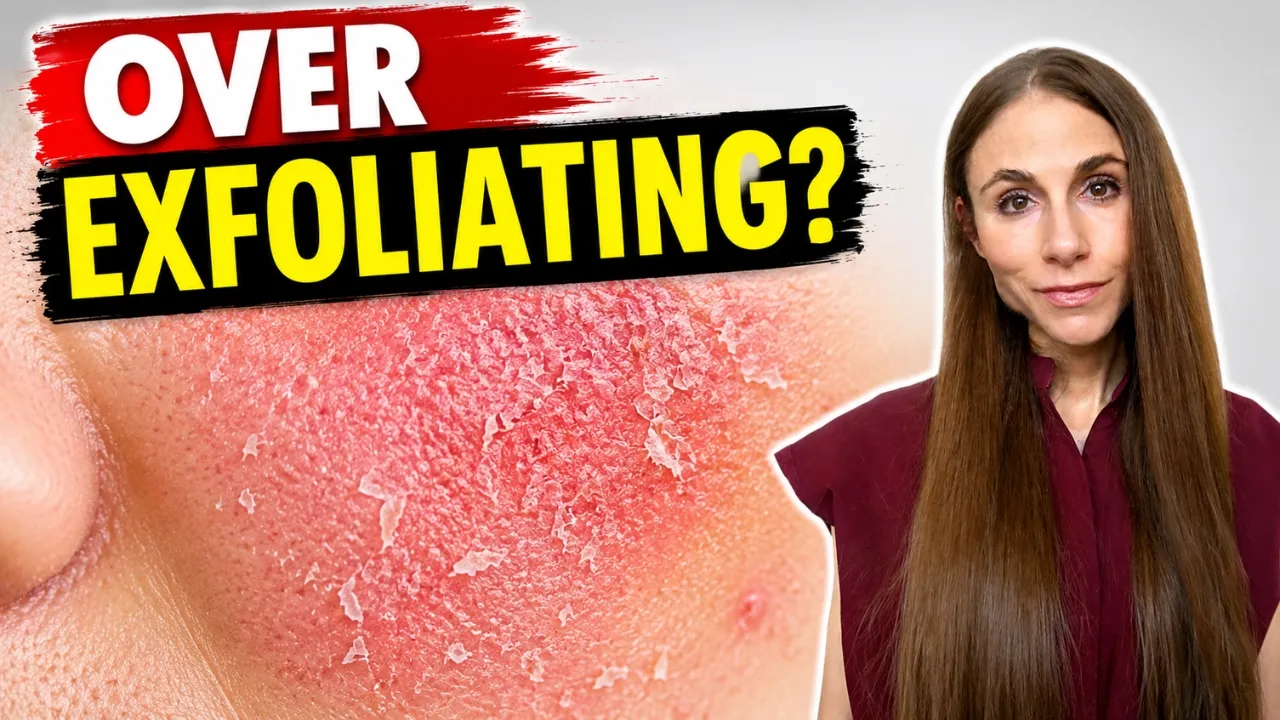
Dr Dray
Natural dead-cell shedding depends on water-activated enzymes, meaning moisturizers resolve dry and flaky skin while additional scrubs and chemical acids only accelerate barrier damage.
AI-assisted summary of How Often Should You Really Exfoliate Your Skin? — original source. Check the original for full context.
Source published:
Key ideas
- Exfoliation needs are highly individual, with routine grooming habits such as razor shaving, washcloth cleansing, and high-pressure shower water already providing significant overlooked mechanical exfoliation. (3:10)
- Stratum corneum shedding depends on endogenous hydrolytic enzymes that require adequate water to function; maintaining barrier hydration through moisturizers often resolves flakiness without any exfoliating acids or scrubs. (8:11)
- Scrubbing or applying chemical acids to tretinoin-induced peeling exacerbates barrier collapse; gently massaging mineral oil or facial oil safely loosens dead flakes while preserving moisture. (9:04)
- Estrogen decline during menopause reduces natural moisturizing factors and slows shedding, making humectant alpha hydroxy acids helpful, though caution is necessary for those with co-occurring rosacea. (10:33)
Detailed notes
## Background This video was published on YouTube by dermatologist Dr Dray on September 2, 2026. According to the page description, it breaks down how often to exfoliate, the differences between chemical and physical methods, how everyday habits contribute to friction, and how to spot and manage an over-exfoliated skin barrier.
## TL;DR Dr Dray dispels the myth of a universal exfoliation schedule, explaining that natural desquamation already sheds dead skin cells and that everyday activities like shaving, washing with cloths, and showering introduce hidden physical exfoliation. She details how chemical exfoliants (AHAs and BHAs) work compared to mechanical methods and retinoids, highlighting why hydration and moisturizing are essential for natural enzymatic shedding. The video outlines common warning signs of barrier collapse—such as burning, redness, and worsening melasma or flaking—and advises dealing with retinoid peeling using gentle oils rather than aggressive scrubs. Ultimately, she emphasizes a minimalist, barrier-first philosophy: assess existing friction, avoid stacking active ingredients, and refrain from introducing exfoliants if the skin is already healthy and functional.
## Atmosphere & style The presentation is clinical, measured, and refreshingly pragmatic, driven by Dr Dray's direct and no-nonsense educational delivery. Rather than peddling skincare trends, she speaks with the reassuring authority of a practicing dermatologist cautioning viewers against commercial hype and unnecessary multi-step regimens. The tone feels grounded, candid, and demystifying, stripping away consumer anxiety with clear biological explanations and sensible, barrier-protective advice.
## Bulletin - [03:10](https://www.youtube.com/watch?v=bLDs-KM0F1o&t=190s) Exfoliation needs are highly individual, with routine grooming habits such as razor shaving, washcloth cleansing, and high-pressure shower water already providing significant overlooked mechanical exfoliation. - [08:11](https://www.youtube.com/watch?v=bLDs-KM0F1o&t=491s) Stratum corneum shedding depends on endogenous hydrolytic enzymes that require adequate water to function; maintaining barrier hydration through moisturizers often resolves flakiness without any exfoliating acids or scrubs. - [09:04](https://www.youtube.com/watch?v=bLDs-KM0F1o&t=544s) Scrubbing or applying chemical acids to tretinoin-induced peeling exacerbates barrier collapse; gently massaging mineral oil or facial oil safely loosens dead flakes while preserving moisture. - [10:33](https://www.youtube.com/watch?v=bLDs-KM0F1o&t=633s) Estrogen decline during menopause reduces natural moisturizing factors and slows shedding, making humectant alpha hydroxy acids helpful, though caution is necessary for those with co-occurring rosacea.
## Key takeaways - [00:00](https://www.youtube.com/watch?v=bLDs-KM0F1o&t=0s) Exfoliation merely accelerates desquamation—the skin's intrinsic biological process of shedding dead corneocytes—and is not an automatic requirement simply because someone has skin. - [01:38](https://www.youtube.com/watch?v=bLDs-KM0F1o&t=98s) Chemical exfoliants break intercellular bonds (AHAs) or penetrate sebum-rich pores (BHAs), whereas topical retinoids regulate cell differentiation upstream rather than directly dissolving dead surface cells. - [01:38](https://www.youtube.com/watch?v=bLDs-KM0F1o&t=98s) High acid concentrations act faster but carry elevated risks of irritation and flaking, whereas lower concentrations achieve identical long-term clinical improvements with greater barrier safety. - [03:10](https://www.youtube.com/watch?v=bLDs-KM0F1o&t=190s) Everyday friction from washcloths, manual razor shaving, and the kinetic pressure of shower water functions as mechanical exfoliation that must be factored into overall skin tolerance. - [05:02](https://www.youtube.com/watch?v=bLDs-KM0F1o&t=302s) There is no universal exfoliation schedule; while some resilient skin tolerates frequent use, many people benefit from once or twice weekly exfoliation, and others do best without any at all. - [06:15](https://www.youtube.com/watch?v=bLDs-KM0F1o&t=375s) The earliest indicator of an over-exfoliated skin barrier is sudden stinging or burning upon application of gentle, non-active cleansers and moisturizers. - [06:15](https://www.youtube.com/watch?v=bLDs-KM0F1o&t=375s) Excessive exfoliation can induce post-inflammatory hyperpigmentation (PIH) and provoke severe flares in reactive pigmentary conditions like melasma. - [08:11](https://www.youtube.com/watch?v=bLDs-KM0F1o&t=491s) Dehydration deactivates the enzymes responsible for breaking down corneodesmosomes, causing dead skin cells to compact into rough, dry flakes that require moisture rather than harsher exfoliation. - [09:04](https://www.youtube.com/watch?v=bLDs-KM0F1o&t=544s) Tackling retinoid peeling with scrubs or chemical acids creates a cycle of worsening irritation, whereas lubricating dry patches with mineral or facial oil gently removes flakes without abrasion. - [10:33](https://www.youtube.com/watch?v=bLDs-KM0F1o&t=633s) Menopausal skin experiences thinning and reduced natural moisturizing factors, making humectant AHAs beneficial for both hydration and cell turnover, provided underlying redness or rosacea is not provoked. - [12:12](https://www.youtube.com/watch?v=bLDs-KM0F1o&t=732s) Recovering from over-exfoliation requires stopping all active acids and physical abrasives, simplifying care to a gentle cleanser, barrier-repair moisturizer, soothing agents like niacinamide, and sunscreen. - [12:41](https://www.youtube.com/watch?v=bLDs-KM0F1o&t=761s) The availability of inexpensive, targeted skincare actives frequently drives unnecessary multi-step routines, whereas optimal skin health relies on using only what the skin genuinely requires.
## Detailed walkthrough ### [00:00](https://www.youtube.com/watch?v=bLDs-KM0F1o&t=0s) The Purpose of Exfoliation and Desquamation
Online advice regarding how frequently to exfoliate is full of conflicting dogmas, ranging from claims that skin must be exfoliated twice a day to declarations that once a week is the absolute limit. Dr. Dray emphasizes that no single correct schedule exists. An individual's optimal frequency depends on their skin type, environmental climate, concurrent skincare steps, and active ingredients. The most frequent pitfall in skincare routines is unintentional over-exfoliation: people rarely recognize how many everyday habits already accelerate cell shedding before they ever pick up a dedicated exfoliating product.
Fundamentally, the outermost surface of the skin undergoes an ongoing, intrinsic physiological process called desquamation, shedding dead cellular plates known as corneocytes. Exfoliating products and tools merely speed up and hasten this natural rate of shedding. Stripping away the top layer of compacted dead cells leaves the skin feeling visibly smoother, more even, and noticeably more radiant. It can also accelerate the clearance of superficial epidermal pigment and tackle stubborn rough, cracked, or bumpy skin textures. Furthermore, certain exfoliants target the pores directly to relieve blackheads, whiteheads, and acne flares. However, Dr. Dray cautions against treating exfoliation as an automatic requirement: "Simply having skin is not a reason to exfoliate." The real question is whether adding an exfoliant supplies any tangible benefit that the skin's built-in renewal processes cannot achieve on their own.
- **Corneocyte Shedding**: The biological process of shedding outer dead cells is called desquamation. - **Visual and Clinical Outcomes**: Exfoliation enhances surface smoothness, promotes a radiant appearance, lifts superficial epidermal pigment, and refines rough or bumpy texture. - **Targeted Utility**: Depending on the formulation, exfoliants can either clear follicular debris to reduce acne lesions or soften thick, hyperkeratotic skin.
---
[01:38](https://www.youtube.com/watch?v=bLDs-KM0F1o&t=98s) Chemical Exfoliants and Cellular Turnover
Chemical exfoliation functions by dissolving and breaking the intercellular bonds that anchor shedding dead cells together, prompting them to detach much faster. The most prevalent chemical agents are alpha hydroxy acids (AHAs), such as glycolic, lactic, and mandelic acid. In contrast, beta hydroxy acids—chiefly salicylic acid—are lipid-soluble, allowing them to penetrate deep into the sebum-rich environment of the pores to dissolve debris and curb the formation of open and closed comedones. Other non-exfoliating ingredients achieve similar clarity by regulating cell differentiation upstream. Topical retinoids (including prescription formulas as well as cosmetic retinol and retinaldehyde) do not directly dissolve dead surface cells; instead, they normalize the rate at which the epidermis matures and travels outward. Because the cells reach the surface in uniform cohorts, shedding becomes far more orderly and regular, substantially reducing the baseline need for traditional exfoliants.
The intensity of a chemical exfoliant depends heavily on formulation attributes, especially the active concentration. Lower-percentage acids work more gradually, offering gentler exfoliation that minimizes the risk of barrier impairment, whereas high concentrations work more rapidly but sharply increase the incidence of irritation, flaking, and dryness. Dr. Dray reminds viewers that pursuing the highest potency is unnecessary: safe, home-use exfoliants arrive at the exact same clinical result over time, differing only in their speed of action and risk of adverse reactions.
```mermaid flowchart TD accTitle: Chemical Exfoliation and Turnover Mechanisms accDescr: Diagram illustrating how chemical exfoliants and retinoids operate on the skin surface and pores. subgraph DirectExfoliation["Direct Bond Breakdown"] A["Surface Corneocytes"] --> B["AHAs: Glycolic, Lactic, Mandelic"] C["Pore Follicle & Sebum"] --> D["BHA: Oil-Soluble Salicylic Acid"] B --> E["Accelerated Cell Detachment"] D --> E end subgraph UpstreamRegulation["Epidermal Maturation"] F["Topical Retinoids & Retinaldehyde"] --> G["Normalized Epidermal Maturation"] G --> H["Uniform, Predictable Shedding"] end ```
---
[03:10](https://www.youtube.com/watch?v=bLDs-KM0F1o&t=190s) Mechanical Exfoliation and Everyday Friction
Mechanical exfoliation relies on physical friction to scrape away loosening corneocytes. While traditional examples include abrasive facial scrubs, loofahs, facial brushes, and exfoliating body mitts, significant physical abrasion occurs during regular grooming routines. Simply washing with a cloth using light to medium pressure acts as an effective mechanical exfoliant. Shaving is another major, commonly overlooked physical exfoliant: running a razor across the skin not only shears away facial or body hair at the skin line but also physically planes away layers of surface cells. In clinical settings, professional procedures such as microdermabrasion and dermaplaning utilize this same mechanism in a standardized, controlled manner.
Friction also accumulates during basic hygiene routines. The sheer velocity and pressure of shower water striking the skin hastens the detachment of corneocytes, functioning as a mild mechanical exfoliant on its own. Showering, body washes, and facial cleansers—particularly those fortified with low-level chemical acids—all compound physical and chemical shearing forces. When someone showers under high water pressure, scrubs with a washcloth, shaves their legs or face, applies a physical scrub, and finishes with an acid-infused lotion, the layered friction severely compromises the stratum corneum. These small, uncounted stressors rapidly add up, producing barrier collapse, stinging, and reactive redness.
- **Primary Physical Tools**: Abrasive bead scrubs, loofahs, brushes, washcloths, and exfoliating body mitts. - **Overlooked Physical Exfoliation**: Manual razor shaving and the physical force of high-pressure shower streams. - **Clinical Modalities**: Dermaplaning and microdermabrasion. - **The Stacking Hazard**: Combining showers, washcloths, razors, scrubs, and exfoliating moisturizers creates excessive cumulative abrasion.
---
[05:02](https://www.youtube.com/watch?v=bLDs-KM0F1o&t=302s) Determining Your Ideal Exfoliation Frequency
Because tolerance varies radically across individuals, there is no universal exfoliation schedule. Certain resilient skin types can handle twice-daily chemical exfoliants without adverse effects, whereas individuals with compromised barriers or reactive skin types achieve far better results by skipping dedicated exfoliants entirely. Dr. Dray advises approaching any new exfoliating treatment conservatively, starting at low frequencies to observe biological tolerance before escalating. She remarks that "you don't get extra credit for exfoliating every day, but you also don't get extra credit for going around and policing everybody and telling them that they should never exfoliate every day."
For many individuals, applying an exfoliant once or twice a week provides noticeable textural improvement and radiance without compromising the barrier. Mechanical friction requires particular caution: if an individual already shaves an area daily—such as women shaving their legs every morning—layering chemical acids or scrubs onto that same site is an easy way to trigger severe dermatitis. Routine frequency must always be judged against the background friction already taking place.
---
[06:15](https://www.youtube.com/watch?v=bLDs-KM0F1o&t=375s) Recognizing Over-Exfoliation and the Dangers of Stacking
When introduced judiciously, exfoliation effectively smooths coarse skin, clarifies uneven skin tone, minimizes follicular impactions, and softens conditions like keratosis pilaris, which is characterized by rough, keratin-plugged hair follicles sitting on an erythematous base. However, noticing early benefits often tempts people into believing that more frequent or aggressive exfoliation will yield even better outcomes. In reality, stepping past the skin's tolerance threshold quickly induces cutaneous distress.
The initial indicators of an over-exfoliated skin barrier are unmistakable: gentle, everyday products that were previously well tolerated suddenly cause acute stinging and burning upon contact. The skin often displays persistent erythema, sudden flushing, and a rebound flare of inflammatory conditions like rosacea or acne vulgaris. In skin prone to hyperpigmentation, excessive exfoliation generates sustained cutaneous inflammation, triggering post-inflammatory hyperpigmentation (PIH). It is particularly destructive for melasma—a pigmentary disorder that Dr. Dray highlights as being "oh so sensitive, oh so fickle." Stacking multiple active steps, such as shaving the face, applying a glycolic acid toner, and following with a salicylic acid cream, virtually guarantees barrier collapse. A fundamental skincare principle applies: the greater the number of active, irritating products layered together, the higher the risk of adverse inflammatory reactions.
- **Keratosis Pilaris**: Characterized by keratinized, dry buildups around follicular openings, often presenting as rough bumps on an inflamed, red base. - **Subjective Warning Signs**: Stinging, tingling, or burning sensations from gentle, non-active moisturizers and cleansers. - **Objective Warning Signs**: Persistent erythema, flushing episodes, and flare-ups of baseline rosacea or acne. - **Pigment Risks**: Induction of post-inflammatory hyperpigmentation (PIH) and severe flares of finicky melasma patches.
---
[08:11](https://www.youtube.com/watch?v=bLDs-KM0F1o&t=491s) Why Proper Moisturization Facilitates Natural Shedding
Moisturizing is frequently dismissed as a purely cosmetic or comforting step, yet it plays a fundamental biological role in skin renewal. When stratum corneum hydration drops, the endogenous hydrolytic enzymes responsible for breaking down the corneodesmosomes that bind dead skin cells together become inactive. In this water-depleted state, cellular shedding grinds to a halt; dead cells cannot detach, becoming dry, compacted, and "caked on," which manifests clinically as rough patches and flaky skin.
Counterintuitively, the remedy for dry, rough flaking is rarely more aggressive exfoliation. Regular application of effective moisturizers restores the water reservoir in the outer skin layers, re-establishing the optimal enzymatic environment for normal desquamation. By maintaining adequate skin barrier hydration, dead cells shed on schedule without intervention, eliminating the textural buildup and rough feel that leads people to reach for scrubs and acids in the first place.
[09:04](https://www.youtube.com/watch?v=bLDs-KM0F1o&t=544s) Managing Flakes and Peeling: Why Moisturizer Trumps Exfoliation
A well-moisturized stratum corneum naturally appears smoother and can even diminish the look of uneven pigmentation through light scattering. However, the single most common pitfall occurs when individuals notice dry, peeling, or flaky patches and instinctively reach for an exfoliating scrub or acid to scrape them away. Flakiness is actually visible proof that the skin is already attempting to shed excess cells on its own; piling extra exfoliation on top of an already compromised barrier only triggers deeper irritation and further peeling.
A prime clinical example is the familiar retinization peeling that accompanies topical tretinoin, especially during the introductory weeks. Instead of attacking tretinoin flakes with an alpha hydroxy acid or an abrasive facial scrub, the far gentler and more effective remedy is applying mineral oil or a preferred facial oil directly to the dry areas. Massaging the oil over the skin lubricates the surface and allows dead, clumped flakes to slough away effortlessly while simultaneously reinforcing moisture retention. Once those rough clusters are removed without friction or irritation, regular moisturizer spreads smoothly across the surface, effectively sealing in hydration and stopping the cycle of persistent dryness.
```mermaid flowchart TD accTitle: Dealing with Tretinoin Peeling and Flakes accDescr: Flowchart illustrating the right approach versus the damaging approach when managing facial peeling.
subgraph Problem["Skin Peeling & Flaking"] A["Flaky Skin / Tretinoin Peeling"] end
subgraph WrongWay["Damaging Instinct"] B["Reach for AHAs or Physical Scrubs"] C["Stripped Barrier & Escalating Flaking"] end
subgraph RightWay["Barrier-Supporting Approach"] D["Apply Mineral or Facial Oil"] E["Gently Slough Clumped Dead Flakes"] F["Apply Rich Moisturizer to Lock Hydration"] end
A -->|"Common Mistake"| B B --> C A -->|"Recommended Method"| D D --> E E --> F ```
- **The Tretinoin Trap**: Using chemical exfoliants or physical scrubs to polish away tretinoin-induced peeling temporarily strips surface flakes but damages the stratum corneum, creating a vicious cycle of heavier flaking. - **The Oil Method**: Mineral oil or gentle facial oils mechanically soften and detach shedding skin without compromising underlying moisture levels or disturbing fragile cells.
---
[10:33](https://www.youtube.com/watch?v=bLDs-KM0F1o&t=633s) Menopause, Aging Skin, and the Double-Edged Sword of AHAs
Women navigating their 40s and beyond are perpetually bombarded with marketing declaring that exfoliation is an absolute, non-negotiable imperative. While there is a solid biological rationale behind this advice, mature skin requires a nuanced approach. The hormonal shifts of menopause bring a significant drop in estrogen levels, which rapidly alters skin physiology. Skin loses water far more readily because it stops producing natural moisturizing factors (NMFs) in robust quantities, epidermal and dermal layers thin out, and the protective barrier becomes compromised. This steep drop in water content impairs natural enzymatic shedding, resulting in a dull, rough buildup of dead stratum corneum cells on the surface.
Because water content dictates natural desquamation, moisturizer remains the frontline defense for postmenopausal skin, frequently reducing the need for aggressive exfoliants altogether. When intentional chemical exfoliation is warranted, alpha hydroxy acids (AHAs) shine because they behave intrinsically as humectants—binding moisture into the tissue while chemically ungluing compacted, flaky cellular heaps. Depending on formulation and concentration, AHAs can also encourage structural thickness in mature tissue. Nevertheless, this is not a one-size-fits-all solution; many mature women simultaneously contend with skin conditions like rosacea, where intentional acid exfoliation can easily spark severe flushing, irritation, and barrier collapse.
- **Estrogen Decline**: Causes reduced synthesis of natural moisturizing factors, leading to accelerated transepidermal water loss and structural thinning of both epidermis and dermis. - **Hydration and Shedding**: Desquamation enzymes require water to function; maintaining hydration via moisturizers directly supports natural cellular turnover. - **The Role of AHAs**: AHAs combine chemical exfoliation with humectant hydration and potential collagen-stimulating benefits, but must be avoided or used with extreme caution by those prone to rosacea.
---
[12:12](https://www.youtube.com/watch?v=bLDs-KM0F1o&t=732s) Recovering from Over-Exfoliation: The Reset Routine
When exfoliation has gone too far—leaving the complexion stinging, tight, red, or excessively sensitized—the immediate mandate is to hit pause on all exfoliating actives. Every acid, scrub, washcloth, and active treatment must be eliminated from the regimen until the skin's protective lipid barrier has an opportunity to rebuild itself. The focus shifts entirely to rehabilitation, favoring rich, occlusive barrier creams designed to halt water loss and accelerate stratum corneum repair.
To calm persistent inflammation and sensitivity during this recovery phase, lightweight hydrating essences or toners packed with soothing ingredients like niacinamide can be introduced. Stripping the daily ritual down to the bare essentials—a gentle, non-stripping cleanser, a restorative moisturizer, and a dedicated moisturizing sunscreen every morning—is typically all that is required. Given a few weeks of consistency and zero abrasive interference, the cutaneous barrier reliably bounces back to a calm, resilient state.
- **Immediate Cessation**: Stop all physical and chemical exfoliants entirely at the first sign of burning, stinging, or redness. - **Barrier Repair**: Swap lighter lotions for dense, lipid-replenishing barrier creams that seal in water. - **Soothing Actives**: Incorporate anti-inflammatory agents like niacinamide to diminish post-irritation sensitivity. - **The Core Routine**: Restrict daily care strictly to gentle cleansing, intensive moisturizing, and broad-spectrum sun protection.
---
[12:41](https://www.youtube.com/watch?v=bLDs-KM0F1o&t=761s) The Modern Skincare Trap and Final Takeaways
There is no universal, rigid schedule dictating how frequently an individual must exfoliate. Skin needs vary dramatically across different skin types, environmental climates, and phases of life. Some individuals thrive with zero deliberate exfoliation in their routines, whereas others genuinely benefit from targeted chemical or mechanical interventions. The governing philosophy should always be: "if it's not broken, don't fix it." If the skin feels comfortable, texture is soft, and the barrier is intact, adding an exfoliant simply for the sake of following a routine trend is an unnecessary gamble.
This tendency to overdo things is one of the most perilous traps of the contemporary skincare market. While consumers enjoy unprecedented access to an endless array of targeted active ingredients and affordable formulas, this abundance tempts people to purchase and layer treatments their skin never actually needed. When managing cellular turnover, "more isn't better"—the true objective is doing only what is strictly required to support skin function. Viewers looking to delve deeper into comparative ingredients for mature skin are encouraged to review the breakdown of glycolic acid versus ammonium lactate (as formulated in AmLactin lotion) to see how different AHA profiles compare for aging skin.
- **Individualized Frequency**: Exfoliation frequency ranges from never to several times weekly depending on genetic tendencies, skin thickness, and barrier health. - **The Pitfall of Product Abundance**: The proliferation of cheap, specialized skincare products frequently leads to unnecessary multi-step routines that trigger preventable barrier dysfunction. - **Glycolic Acid vs. Ammonium Lactate**: Different AHAs offer distinct humectant and exfoliating profiles, with lactic acid derivatives like ammonium lactate serving as potent moisturizers for xerotic, mature skin.
## Notable quotes > [00:00](https://www.youtube.com/watch?v=bLDs-KM0F1o&t=0s) Simply having skin is not a reason to exfoliate. — Dr. Dray
> [01:38](https://www.youtube.com/watch?v=bLDs-KM0F1o&t=98s) safe, home-use exfoliants arrive at the exact same clinical result over time, differing only in their speed of action and risk of adverse reactions. — Dr. Dray
> [05:02](https://www.youtube.com/watch?v=bLDs-KM0F1o&t=302s) you don't get extra credit for exfoliating every day, but you also don't get extra credit for going around and policing everybody and telling them that they should never exfoliate every day. — Dr. Dray
> [06:15](https://www.youtube.com/watch?v=bLDs-KM0F1o&t=375s) oh so sensitive, oh so fickle. — Dr. Dray
> [06:15](https://www.youtube.com/watch?v=bLDs-KM0F1o&t=375s) the greater the number of active, irritating products layered together, the higher the risk of adverse inflammatory reactions. — Dr. Dray
> [08:11](https://www.youtube.com/watch?v=bLDs-KM0F1o&t=491s) Counterintuitively, the remedy for dry, rough flaking is rarely more aggressive exfoliation. — Dr. Dray
> [09:04](https://www.youtube.com/watch?v=bLDs-KM0F1o&t=544s) Flakiness is actually visible proof that the skin is already attempting to shed excess cells on its own — Dr. Dray
> [10:33](https://www.youtube.com/watch?v=bLDs-KM0F1o&t=633s) Because water content dictates natural desquamation, moisturizer remains the frontline defense for postmenopausal skin — Dr. Dray
> [12:12](https://www.youtube.com/watch?v=bLDs-KM0F1o&t=732s) When exfoliation has gone too far—leaving the complexion stinging, tight, red, or excessively sensitized—the immediate mandate is to hit pause on all exfoliating actives. — Dr. Dray
> [12:41](https://www.youtube.com/watch?v=bLDs-KM0F1o&t=761s) if it's not broken, don't fix it. — Dr. Dray
> [12:41](https://www.youtube.com/watch?v=bLDs-KM0F1o&t=761s) more isn't better — Dr. Dray
> There is no universal answer for how often to exfoliate. — Dr. Dray
## Mentioned Dr. Dray, AmLactin, Amazon, YouTube
## Video description How often should you really exfoliate your skin? In this video, dermatologist Dr. Dray explains how often to exfoliate, the difference between chemical and physical exfoliation, and how to tell when your skin is being over-exfoliated.
Exfoliation can help improve rough texture, clogged pores, keratosis pilaris, flaky skin, and the appearance of uneven skin tone. But exfoliating too frequently or combining multiple exfoliating methods can disrupt the skin barrier and lead to dryness, burning, stinging, redness, peeling, and worsening of certain skin conditions.
Dr. Dray explains why everyday habits such as shaving, using a washcloth, and cleansing can contribute to the overall amount of physical stress on the skin, even though they may not be thought of as traditional exfoliation. She also discusses the importance of regular moisturizing for supporting the skin barrier and normal shedding of dead skin cells.
The video also covers how exfoliation needs can change with aging and menopause, when skin may become drier and rougher but also more sensitive and fragile.
Topics covered:
0:00 Introduction 0:34 What Does Exfoliation Actually Do? 1:38 Chemical Exfoliation 3:10 Mechanical Exfoliation 5:02 How Often Should You Exfoliate? 6:15 The Benefits of Exfoliation 6:51 When Exfoliation Becomes Too Much 7:37 Don't Stack Exfoliants 8:11 Don't Forget Moisturizer 10:33 What About Menopause and Aging? 12:12 What Should You Do If You've Over-Exfoliated? 12:41 Final Points
Whether someone uses glycolic acid, lactic acid, salicylic acid, a facial scrub, a washcloth, or simply shaves regularly, the ideal exfoliation routine depends on the individual and how their skin responds.
Key takeaway: There is no universal answer for how often to exfoliate. Some people may benefit from exfoliating once or twice a week, while others can tolerate more frequent exfoliation. Some people may not need to exfoliate at all. Paying attention to skin sensitivity and maintaining a healthy skin barrier are essential.
#Exfoliation #Skincare #Dermatologist #SkinBarrier #ChemicalExfoliation #PhysicalExfoliation #AgingSkin #KeratosisPilaris
FTC: This video is not sponsored. Links are commissionable, meaning I may earn commission from purchases made through links.
💜Shop my Amazon store https://o.bttn.io/0BwiPWFIZLG 💜Follow me on liketoknowit https://www.liketoknow.it/drdrayzday 💜Social media Instagram @drdrayzday Pinterest https://www.pinterest.com/drdrayzday/ Facebook @DrDrayzDay Twitter: @drdrayzday Tiktok: @drdrayzday
Disclaimer: This video is not intended to provide diagnosis, treatment or medical advice. Content provided on this Youtube channel is for informational purposes only. Please consult with a physician or other healthcare professional regarding any medical or health related diagnosis or treatment options. Information on this Youtube channel should not be considered as a substitute for advice from a healthcare professional. The statements made about specific products throughout this video are not to diagnose, treat, cure or prevent disease.
[Source](https://www.youtube.com/watch?v=bLDs-KM0F1o)