Dr. Dray Rebuffs Luxury Skincare in Favor of Drugstore Tretinoin
Dr Dray
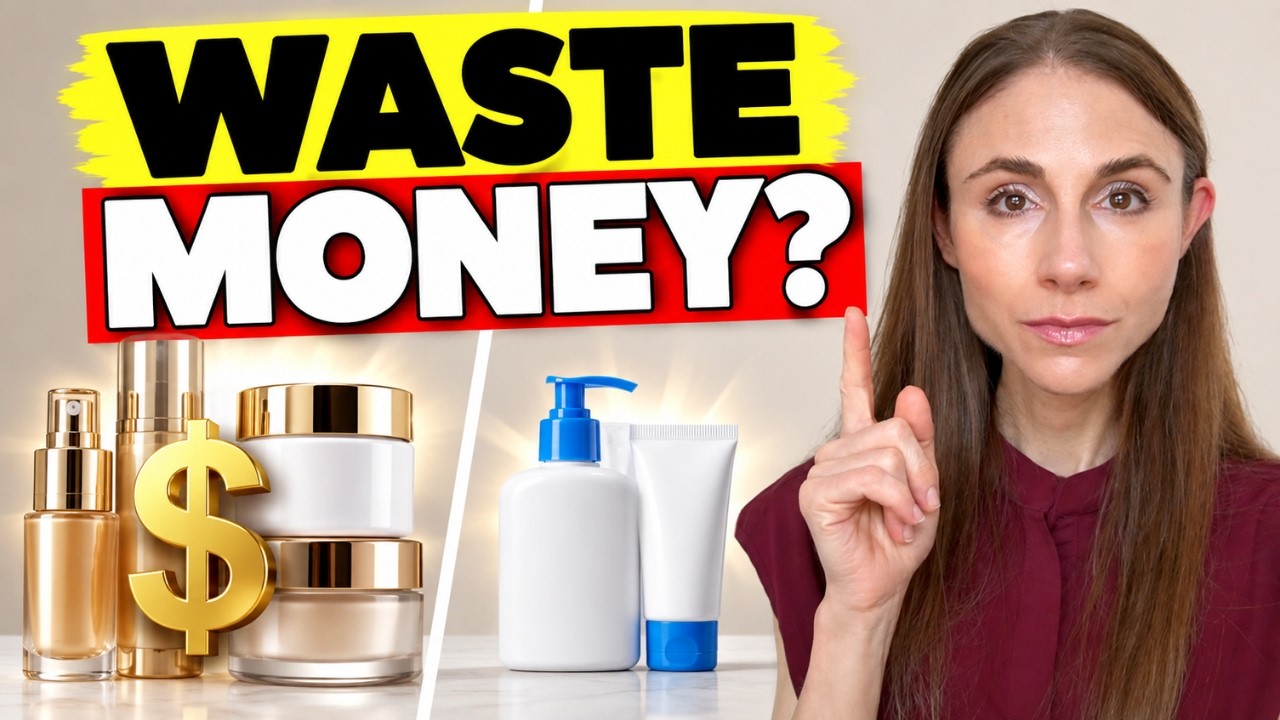
Rigorous sun protection and basic topical retinoids deliver stronger clinical anti-aging results than costly cosmetic lines or sculpting gadgets that rely on marketing over medical evidence.
AI-assisted summary of Do You Really Need Expensive Anti-Aging Skincare? Dermatologist Q&A — original source. Check the original for full context.
Source published:
Key ideas
- Effective anti-aging regimens rely primarily on photoprotection and topical retinoids or alpha hydroxy acids, demonstrating that costly luxury skincare lines and complex multi-step routines are clinically unnecessary. (0:20)
- Vehicle chemistry heavily dictates skin penetration, allowing a 15% azelaic acid gel to release active medication more efficiently and achieve comparable or superior potency to a 20% cream. (6:10)
- Routine hand hygiene in healthcare settings is best accomplished with standard, non-medicated soap and water rather than antibacterial cleansers, protecting the skin barrier while avoiding antimicrobial resistance. (3:01)
- Microscopic inflammation occurs even within subclinical, non-inflammatory comedones, which is sufficient to trigger long-lasting post-inflammatory hyperpigmentation, particularly in deeper skin tones. (10:08)
Detailed notes
## Background Published on YouTube by board-certified dermatologist Dr Dray on September 27, 2026, this Q&A video addresses viewer questions regarding evidence-based skincare. The program covers building affordable anti-aging routines, hand hygiene in healthcare settings, drug delivery mechanics, ingredient compatibility, and viral skincare tools and trends.
## TL;DR Dr. Dray emphasizes that an effective anti-aging routine does not require luxury products or complex schedules, highlighting sun protection, topical retinoids, and consistent basics over costly marketing gimmicks. She clarifies that plain Dove soap suffices for routine care while 15% azelaic acid gel can outperform a 20% cream due to vehicle penetration efficiency, and notes that laser hair removal treats oral minoxidil-induced facial hair only if the follicles contain sufficient pigment. She also debunks perceived incompatibilities between vitamin C and copper peptides, explains how microscopic inflammation causes post-inflammatory hyperpigmentation, and dismisses claims that Gua Sha or artisan goat milk soaps provide structural anti-aging or clinical benefits.
## Atmosphere & style The session has a practical, no-nonsense, and gently wry tone, feeling like a candid one-on-one consultation with a pragmatic clinician. Dr. Dray delivers clinical explanations with relaxed authority, interspersing evidence-backed critique with relatable humor about overcomplicated regimens and marketing hype. Her grounded, reassuring delivery cuts cleanly through aesthetic industry trends to emphasize barrier health, consistency, and realistic expectations.
## Bulletin - [00:20](https://www.youtube.com/watch?v=j8LDR9OivSs&t=20s) Effective anti-aging regimens rely primarily on photoprotection and topical retinoids or alpha hydroxy acids, demonstrating that costly luxury skincare lines and complex multi-step routines are clinically unnecessary. - [06:10](https://www.youtube.com/watch?v=j8LDR9OivSs&t=370s) Vehicle chemistry heavily dictates skin penetration, allowing a 15% azelaic acid gel to release active medication more efficiently and achieve comparable or superior potency to a 20% cream. - [03:01](https://www.youtube.com/watch?v=j8LDR9OivSs&t=181s) Routine hand hygiene in healthcare settings is best accomplished with standard, non-medicated soap and water rather than antibacterial cleansers, protecting the skin barrier while avoiding antimicrobial resistance. - [10:08](https://www.youtube.com/watch?v=j8LDR9OivSs&t=608s) Microscopic inflammation occurs even within subclinical, non-inflammatory comedones, which is sufficient to trigger long-lasting post-inflammatory hyperpigmentation, particularly in deeper skin tones.
## Key takeaways - [00:20](https://www.youtube.com/watch?v=j8LDR9OivSs&t=20s) Aggressive skincare marketing leads consumers to overspend, even though sun protection and topical retinoids possess the strongest clinical evidence for reversing and preventing skin aging. - [02:20](https://www.youtube.com/watch?v=j8LDR9OivSs&t=140s) Daily lifestyle choices—including adequate exercise, a balanced diet, and avoiding smoking—influence skin health and aging far more than luxury cosmetic products. - [03:01](https://www.youtube.com/watch?v=j8LDR9OivSs&t=181s) The CDC recommends plain, non-antibacterial soap over antibacterial washes for routine hygiene because it effectively cleanses without degrading the skin barrier or promoting bacterial resistance. - [03:45](https://www.youtube.com/watch?v=j8LDR9OivSs&t=225s) Alcohol-based sanitizers fail against pathogens such as Clostridium difficile, norovirus, and Cryptosporidium, requiring mechanical handwashing with soap and water to physically rinse spores away. - [05:39](https://www.youtube.com/watch?v=j8LDR9OivSs&t=339s) Laser hair removal can manage facial hair growth stimulated by oral minoxidil, but it is only effective on pigmented terminal hairs and cannot target blonde or fine vellus hair. - [06:10](https://www.youtube.com/watch?v=j8LDR9OivSs&t=370s) Active ingredient percentage alone does not determine product strength; gel formulations generally enable deeper drug penetration than heavier cream bases. - [08:05](https://www.youtube.com/watch?v=j8LDR9OivSs&t=485s) The belief that copper peptides deactivate ascorbic acid is an ungrounded myth in modern cosmetics, as stabilized formulations and chelating agents prevent oxidative breakdown. - [08:59](https://www.youtube.com/watch?v=j8LDR9OivSs&t=539s) Copper peptides lack robust clinical evidence, and attempting to cycle multiple unproven actives risks overcomplicating routines and eroding long-term adherence. - [10:08](https://www.youtube.com/watch?v=j8LDR9OivSs&t=608s) Histological studies demonstrate that comedones harbor subclinical inflammation, which can stimulate melanogenesis and cause persistent hyperpigmentation in patients with skin of color. - [11:00](https://www.youtube.com/watch?v=j8LDR9OivSs&t=660s) Acne regimens for deeper complexions should prioritize early pigment prevention and low-irritation formulations, as post-inflammatory marks persist far longer than active breakouts. - [12:08](https://www.youtube.com/watch?v=j8LDR9OivSs&t=728s) Gua Sha stones and lymphatic drainage brushes do not alter facial anatomy; any visible depuffing is temporary fluid drainage that gravity naturally accomplishes over the course of the day. - [12:35](https://www.youtube.com/watch?v=j8LDR9OivSs&t=755s) Overly aggressive Gua Sha use risks petechiae and capillary bruising, while textured lymphatic brushes can disrupt the superficial skin barrier through friction. - [12:54](https://www.youtube.com/watch?v=j8LDR9OivSs&t=774s) Artisan goat milk soaps produced via traditional lye cold-process methods carry an alkaline pH that strips skin lipids, making standardized, pH-balanced syndet bars a far safer choice.
## Detailed walkthrough ### [00:00](https://www.youtube.com/watch?v=j8LDR9OivSs&t=0s) Building an Effective Anti-Aging Routine: Drugstore Skincare vs. Expensive Treatments
Dr. Dray opens the weekend Q&A session by welcoming viewers back and noting that all questions are timestamped and organized in her dedicated skincare Q&A playlist for easy browsing. The first question tackles a fundamental industry debate: can a solid anti-aging routine be built strictly using drugstore products and prescription tretinoin, or are expensive luxury products and specialized in-office procedures truly necessary? Dr. Dray laments that the very existence of this question proves how remarkably effective skincare marketing is at convincing consumers they must invest heavily in endless product tiers. In reality, the most impactful interventions for skin aging are accessible and affordable.
First and foremost is sun protection, which Dr. Dray emphasizes goes far beyond just applying sunscreen. While sunscreen is vital, overall sun-protective behaviors matter just as much; putting on sunscreen only to lie out in a bikini for hours still results in a massive dose of ultraviolet radiation. Ranking just alongside photoprotection in terms of rigorous clinical evidence are topical retinoids. Prescription tretinoin and over-the-counter cosmetic retinols carry the strongest backing in scientific literature for treating signs of aging. Other drugstore options can provide measurable benefits, such as topical alpha hydroxy acids (AHAs) like buffered ammonium lactate (found in brands like AmLactin), which have been demonstrated to improve both epidermal and dermal thickness.
Regarding topical antioxidants like ascorbic acid (pure vitamin C), Dr. Dray notes that while well-formulated serums can help address wrinkles and age spots, formulation stability is notoriously difficult. Even the famous patented formulation used in SkinCeuticals C E Ferulic—long heralded as the pinnacle of evidence-based vitamin C—does not possess an overwhelming amount of clinical research when compared to prescription drugs like topical retinoids. Vitamin C simply has not met the threshold of an FDA-approved drug for treating intrinsic and extrinsic aging.
When addressing tools beyond topicals, Dr. Dray explains that while at-home devices can provide modest improvements, the market is flooded with gimmicky gadgets. Red and near-infrared light therapy devices have valid evidence showing modest improvements in collagen synthesis, skin texture, and fine lines when used with strict consistency. In-office procedures can also make a noticeable difference for surface textural concerns, but she cautions viewers to question their personal goals: cosmetic interventions are not medical necessities. Ultimately, spending a lot of money is not required to achieve meaningful results, and keeping a routine stripped down—sunscreen, a topical retinoid, and perhaps an AHA—will serve most people best. She reminds viewers that daily lifestyle choices, such as regular exercise, a balanced diet, and avoiding smoking, move the needle far more than any luxury cosmetic jar.
[03:01](https://www.youtube.com/watch?v=j8LDR9OivSs&t=181s) Dove Hand Wash vs. Antibacterial Soaps and Sanitizers in Healthcare Settings
A viewer who provides full-time care for their elderly mother asks whether Dr. Dray's frequently recommended Dove body wash and hand wash products are strong enough for a healthcare environment. The viewer had tested Hibiclens (chlorhexidine gluconate), knowing it is used as a pre-surgical antiseptic, but found it severely drying and unpleasant in fragrance, prompting them to look for an antibacterial soap that smells pleasant while offering high antimicrobial protection.
Dr. Dray reassures the viewer that regular, non-medicated hand soaps like Dove are more than adequate for routine patient care and are explicitly recommended by the Centers for Disease Control and Prevention (CDC) over antibacterial soaps. Standard soaps clean just as effectively while causing significantly less irritation and barrier disruption. Furthermore, antibacterial washes offer no clinical advantage in non-surgical home or clinical settings and actively contribute to antimicrobial resistance. While healthcare staff in hospitals and nursing homes frequently rely on 70% ethanol-based hand sanitizers for convenience and rapid room-to-room compliance, sanitizers have critical blind spots. Hand sanitizers fail against pathogens like *Clostridium difficile* (*C. diff*), norovirus, and *Cryptosporidium*. In those specific instances, mechanical hand washing with soap and water is non-negotiable because the physical friction of soapy lather and water rinsing is required to physically remove bacterial spores and viral particles from the skin.
- **Routine handwashing:** Plain soap and water are preferred over antibacterial soaps to protect skin barrier integrity and prevent antimicrobial resistance. - **Surgical prep vs. daily care:** Cleansers like Hibiclens are designed for pre-operative surgical scrubbing where skin incisions are planned, not for repetitive daily hand hygiene. - **Proper technique:** To achieve complete hygiene, wash every surface—palms, the backs of hands, webbing between fingers, all sides of each digit, and around and under the fingernails—for the duration it takes to sing the alphabet.
[05:39](https://www.youtube.com/watch?v=j8LDR9OivSs&t=339s) Laser Hair Removal for Facial Hair Caused by Oral Minoxidil
A viewer taking oral minoxidil for scalp hair loss reports excellent results on their head but is distressed by unwanted facial hair growth resembling a beard, asking if laser hair removal can eliminate this medication-induced facial hair without requiring them to quit oral minoxidil. Dr. Dray confirms that laser hair removal can indeed work for this indication, though its success depends entirely on hair color and pigment.
Traditional laser hair removal targets pigment in the follicle, performing best on dark terminal hair against lighter skin tones, though modern laser platforms—including picosecond lasers and longer-wavelength systems—have made the procedure safe and effective for deeper complexions. The critical caveat is that minoxidil can sometimes stimulate fine, unpigmented vellus hair ("peach fuzz") or light blonde hair. If the facial growth consists of fine blonde peach fuzz rather than coarse, dark hairs, laser hair removal will not be effective, as there is insufficient melanin in the follicle to absorb the laser energy.
[06:10](https://www.youtube.com/watch?v=j8LDR9OivSs&t=370s) Azelaic Acid 15% Gel vs. 20% Cream: The Truth About Vehicle and Penetration
A viewer dealing with both rosacea and melasma asks whether it is a myth or fact that prescription 15% azelaic acid gel delivers more active drug into the skin than the higher-percentage 20% azelaic acid cream due to differences in formulation. Dr. Dray confirms that this is true: gel vehicles generally facilitate superior drug delivery and ingredient penetration compared to thick creams.
This formulation dynamic illustrates why consumers should not fixate solely on ingredient percentages when judging efficacy. Because the 15% gel vehicle releases azelaic acid more efficiently into the tissue, a lower overall concentration achieves the exact same—or greater—clinical potency as the 20% cream formulation. Dr. Dray points to a similar misconception in over-the-counter body care: patients frequently wonder if they must upgrade from 12% to 15% AmLactin (ammonium lactate) for skin-thickening benefits. In her view, the minor percentage increase usually just reflects vehicle adjustments rather than a meaningful increase in potency. Furthermore, ingredient penetration is influenced by several factors: - **Vehicle chemistry:** Gels typically penetrate more readily than heavier cream bases. - **Penetration enhancers:** Humectants such as hyaluronic acid within a formula can enhance the uptake of other active ingredients. - **Formulation pH:** The acid-base balance of the overall product heavily dictates stability and skin bioavailability. - **Mechanism of action:** Not all actives require deep dermal absorption; azelaic acid primarily exerts its anti-inflammatory and antimicrobial properties right at the epidermal surface without needing to bind to deep cellular receptors.
[08:05](https://www.youtube.com/watch?v=j8LDR9OivSs&t=485s) Combining Vitamin C and Copper Peptides in a Morning Routine
The discussion turns to ingredient compatibility when a viewer asks about alternating mornings between a vitamin C serum and copper peptides, wondering if cycling them every other day prevents either active from delivering visible anti-aging results. Dr. Dray acknowledges that staggered routines (using products every second or third day) rarely have dedicated clinical research behind them, making definitive clinical claims difficult.
Addressing the root concern, Dr. Dray debunks the common online skincare myth that copper peptides and ascorbic acid should never be used together. The theoretical fear originated from bench chemistry, where copper ions can catalyze the oxidative degradation of ascorbic acid. However, cosmetic chemists have repeatedly clarified that modern vitamin C formulations—stabilized by precise pH levels and chelating agents—do not undergo this rapid breakdown when layered with peptide products on the skin. While Dr. Dray admits she does not specialize in the intricate formulation chemistry, cosmetic formulators maintain that the incompatibility claim is unfounded and consumers can safely use both.
[08:59](https://www.youtube.com/watch?v=j8LDR9OivSs&t=539s) Copper Peptides, Routine Complexity, and Consistency
Dr. Dray continues evaluating copper peptides, expressing skepticism that they deliver anywhere near the level of results people expect. While they might offer some perks, they simply lack robust, high-quality clinical research. Having personally tested numerous copper peptide formulations over the years, Dr. Dray notes that results vary wildly: while some felt beneficial, others either irritated her skin or left her wondering where the hype came from. Because of this inconsistency, copper peptides are not an ingredient she actively urges patients to prioritize if they want specific, measurable outcomes. They fall into the "nice to have" category, but if incorporating them complicates an existing routine, they are best left out.
Her straightforward guidance is to prioritize daily ascorbic acid (vitamin C) above all else. Users can either pair copper peptides alongside vitamin C if their skin tolerates it or test an alternating day schedule, though Dr. Dray points out that nobody has formally researched how alternating compares to daily use. More broadly, she warns against building routines that are overly rigid and convoluted, humorously remarking that hyper-scheduled regimens are far too complex for her "tiny brain" to follow. She jokes about wondering whether viewers maintain dedicated whiteboards in their bathrooms just to track which active ingredient belongs to which day of the week. In dermatology, overcomplicated scheduling is counterproductive: the more complex a regimen becomes, the less likely someone is to remain consistent with it over the long haul, in which case "nothing works."
- **Clinical standing:** Copper peptides are far less researched than gold-standard actives like ascorbic acid and tretinoin. - **Formulation variability:** User experiences range from mild soothing to active irritation depending on formulation and individual barrier tolerance. - **Adherence over complexity:** Sticking consistently to a simple daily routine of proven actives yields far better long-term results than rotating multiple niche products across an intricate calendar.
---
[10:08](https://www.youtube.com/watch?v=j8LDR9OivSs&t=608s) Post-Inflammatory Hyperpigmentation from Scratches, Bites, and Acne
Addressing a viewer's question about why even very pale skin can develop persistent dark spots after insect bites, animal scratches, cuts, or wounds, Dr. Dray identifies the culprit as post-inflammatory hyperpigmentation (PIH). Whenever the skin experiences trauma or inflammatory insult, melanocytes can be triggered to deposit excess pigment at the site of repair. While this can happen in fair complexions, it is an especially pronounced and stubborn challenge for individuals with deeper skin tones. For patients with skin of color, even the tiniest minor breakout can leave behind prominent, long-lasting dark marks.
Dr. Dray reflects on how dermatology has evolved in its understanding of acne pathophysiology. Acne lesions were historically divided into distinct categories of non-inflammatory lesions (such as comedones) versus inflammatory lesions (papules and pustules). Modern histological evaluations have demonstrated that even classically "non-inflammatory" comedones harbor microscopic inflammation beneath the skin's surface. In deeper skin tones, that low-grade microinflammation is more than enough to "tip the balance over" and activate melanogenesis, driving stubborn pigmentation even when the surface acne looks relatively mild. Consequently, treating acne in patients with skin of color requires an early, proactive strategy focused on stopping dark marks before they start. Pimples typically resolve quickly, but PIH lingers for months or years. Dr. Dray emphasizes that any skincare product causing friction or irritation can worsen this pathway, reminding viewers that actives should only ever be used if individual tolerance is solid.
```mermaid flowchart TD accTitle: Path to Post-Inflammatory Hyperpigmentation accDescr: Diagram illustrating how mechanical injury or microinflammation drives persistent dark marks on the skin.
subgraph Triggers ["Skin Insults"] A["Physical Trauma<br/>(Bites, Scratches, Cuts)"] B["Subclinical Acne<br/>(Microscopic Comedonal Inflammation)"] end
subgraph Mechanism ["Inflammatory Cascade"] C["Dermal & Epidermal Inflammation"] D["Melanocyte Overactivation"] end
subgraph Outcome ["Clinical Result"] E["Post-Inflammatory Hyperpigmentation (PIH)<br/>(Long-Lasting Dark Marks)"] end
A --> C B --> C C --> D D --> E ```
- **Histology of comedones:** Microscopic inflammation exists beneath the surface even in non-erythematous blackheads and whiteheads. - **Treatment priority:** In deeper skin tones, preventing PIH takes priority because pigment clearance takes exponentially longer than acne lesion resolution. - **Product tolerability:** Irritating topicals introduce secondary inflammation, inadvertently worsening pigmentation concerns.
---
[12:08](https://www.youtube.com/watch?v=j8LDR9OivSs&t=728s) Gua Sha vs. Lymphatic Face Brushes
Evaluating the viral trend of facial sculpting tools, Dr. Dray addresses whether Gua Sha stones offer a better alternative to lymphatic drainage brushes. In her assessment, neither modality produces meaningful or lasting structural changes to facial anatomy. The most either technique can achieve is a mild, fleeting reduction in morning puffiness or fluid retention—a shift that would happen naturally anyway once someone gets out of bed, remains upright, and lets gravity assist normal venous and lymphatic drainage away from the face.
Comparing the two tools, Dr. Dray notes that a smooth Gua Sha stone is generally less abrasive than dragging textured brush bristles across facial skin, reducing the risk of superficial barrier disruption. However, Gua Sha carries its own risks if people press down too aggressively, which can lead to capillary rupture and bruising. While she has no objection to people using Gua Sha as a relaxing, enjoyable self-care ritual as long as it causes no trauma, she firmly rejects the exaggerated social media claims that manual stone manipulation will sculpt facial bones or make someone look "20 years younger."
- **Mechanism:** Transient depuffing occurs via fluid mobilization, which natural gravity accomplishes throughout the day without tools. - **Risk profile:** Brushes pose a greater risk of superficial friction and irritation; heavy-handed Gua Sha use carries a risk of tissue bruising and broken capillaries. - **Efficacy limits:** Neither tool changes facial architecture, firms structural elastin, or alters biological aging.
---
[12:54](https://www.youtube.com/watch?v=j8LDR9OivSs&t=774s) The Reality of Goat Milk Soap and DIY Formulations
In response to a question regarding the supposed skin benefits of goat milk soap, Dr. Dray discusses the massive surge in consumer popularity surrounding goat milk over the past decade. She acknowledges the theoretical rationale behind the ingredient: goat milk naturally contains fats, proteins, and anti-inflammatory compounds that could plausibly benefit sensitive or eczema-prone barriers by helping moisturize the skin. However, theoretical nutritional profiles do not equate to proven topical superiority, as there are no rigorous clinical trials showing that goat milk soap outperforms standard cleansers for managing specific dermatological disorders.
Dr. Dray questions whether goat milk bars provide any tangible clinical advantage over a standard drugstore syndet (synthetic detergent) beauty bar, such as a Dove or Cetaphil cleansing bar, which are specifically engineered to deposit moisture onto the skin barrier without disrupting its acid mantle. She also raises a strong cautionary note about buying artisan or farmers market goat milk soaps during festival season. Small-batch hobbyist makers often use traditional, harsh lye-based cold-process saponification methods ("you don't know what they're cooking up in the back"). These traditional formulations yield high alkaline pH soaps that are notoriously stripping and irritating to delicate skin, making commercially standardized, pH-balanced cleansing bars the safer, more dependable choice.
- **Theoretical benefits:** Goat milk contains natural lipids, proteins, and soothing components that could support barrier hydration on paper. - **Lack of clinical trials:** No robust, comparative evidence proves goat milk soap outcleanses or outhydrates mainstream syndet bars. - **Artisan formulation risk:** Small-batch festival soaps often rely on traditional lye saponification, yielding an alkaline pH that damages the skin barrier.
---
[14:11](https://www.youtube.com/watch?v=j8LDR9OivSs&t=851s) Outro
Dr. Dray closes out the weekend Q&A by thanking her community for submitting thoughtful, clinically relevant skincare questions. She invites viewers to hit the thumbs-up button and share the video with friends before wrapping up with her signature closing reminder: "don't forget sunscreen and subscribe." She lets everyone know she will be back with another video tomorrow before signing off.
## Notable quotes > [05:39](https://www.youtube.com/watch?v=j8LDR9OivSs&t=339s) peach fuzz — Dr. Dray
> [08:59](https://www.youtube.com/watch?v=j8LDR9OivSs&t=539s) nice to have — Dr. Dray
> [08:59](https://www.youtube.com/watch?v=j8LDR9OivSs&t=539s) tiny brain — Dr. Dray
> [08:59](https://www.youtube.com/watch?v=j8LDR9OivSs&t=539s) nothing works — Dr. Dray
> [10:08](https://www.youtube.com/watch?v=j8LDR9OivSs&t=608s) non-inflammatory — Dr. Dray
> [10:08](https://www.youtube.com/watch?v=j8LDR9OivSs&t=608s) tip the balance over — Dr. Dray
> [12:08](https://www.youtube.com/watch?v=j8LDR9OivSs&t=728s) 20 years younger — Dr. Dray
> [12:54](https://www.youtube.com/watch?v=j8LDR9OivSs&t=774s) you don't know what they're cooking up in the back — Dr. Dray
> [14:11](https://www.youtube.com/watch?v=j8LDR9OivSs&t=851s) don't forget sunscreen and subscribe. — Dr. Dray
## Mentioned AmLactin, Azelaic acid, Centers for Disease Control and Prevention (CDC), Cetaphil, Chlorhexidine gluconate, Clostridium difficile, Copper peptides, Cryptosporidium, Dove, Dr. Dray, Food and Drug Administration (FDA), Gua Sha, Hibiclens, Minoxidil, Norovirus, SkinCeuticals C E Ferulic, Tretinoin, Vitamin C (Ascorbic acid)
## Video description In this skincare Q&A, dermatologist Dr. Dray answers questions from viewers about building an effective anti-aging skincare routine, drugstore skincare, tretinoin, hand washing, laser hair removal, azelaic acid, vitamin C, copper peptides, hyperpigmentation, Gua Sha, and goat milk soap.
Dr. Dray explains which skincare ingredients and treatments have the strongest evidence for improving signs of skin aging and whether an effective anti-aging routine really requires expensive products or in-office treatments. She also discusses how drugstore skincare products can provide many of the same evidence-based benefits.
Other questions covered include whether Dove hand wash is appropriate for routine hand washing in healthcare settings, whether laser hair removal can help facial hair caused by oral minoxidil, and whether 15% azelaic acid gel penetrates the skin better than 20% azelaic acid cream.
Dr. Dray also discusses using vitamin C and copper peptides together, what causes dark marks after insect bites, animal scratches, and wounds, whether Gua Sha or lymphatic facial brushes can actually sculpt the face, and whether goat milk soap offers meaningful benefits for the skin.
TIMESTAMPS:
0:00 Intro 0:20 Can You Build an Anti-Aging Routine With Drugstore Products and Tretinoin? 3:01 Is Dove Hand Wash Effective Enough for Healthcare Settings? 5:39 Can Laser Hair Removal Treat Facial Hair From Oral Minoxidil? 6:10 15% Azelaic Acid Gel vs. 20% Cream: Which Penetrates Better? 8:05 Can You Use Vitamin C and Copper Peptides Together? 10:08 Why Do Insect Bites, Scratches, and Wounds Leave Dark Marks? 12:08 Gua Sha vs. Lymphatic Face Brushes: Do They Really Sculpt Your Face? 12:54 Does Goat Milk Soap Have Special Benefits for Skin? 14:11 Outro
This video covers anti-aging skincare, tretinoin, drugstore skincare, azelaic acid, rosacea, melasma, hyperpigmentation, post-inflammatory hyperpigmentation, vitamin C, copper peptides, oral minoxidil, laser hair removal, Gua Sha, facial massage, goat milk soap, hand washing, and dermatologist skincare advice.
#SkincareQandA #Dermatologist #DrDray #Skincare #AntiAgingSkincare #Tretinoin #AzelaicAcid #Rosacea #Melasma #Hyperpigmentation #VitaminC #CopperPeptides #GuaSha #drugstoreskincare
FTC: This video is not sponsored. Links are commissionable, meaning I may earn commission from purchases made through links.
💜Shop my Amazon store https://o.bttn.io/0BwiPWFIZLG 💜Follow me on liketoknowit https://www.liketoknow.it/drdrayzday 💜Social media Instagram @drdrayzday Pinterest https://www.pinterest.com/drdrayzday/ Facebook @DrDrayzDay Twitter: @drdrayzday Tiktok: @drdrayzday
Disclaimer: This video is not intended to provide diagnosis, treatment or medical advice. Content provided on this Youtube channel is for informational purposes only. Please consult with a physician or other healthcare professional regarding any medical or health related diagnosis or treatment options. Information on this Youtube channel should not be considered as a substitute for advice from a healthcare professional. The statements made about specific products throughout this video are not to diagnose, treat, cure or prevent disease.
[Source](https://www.youtube.com/watch?v=j8LDR9OivSs)