Why Are Your Eyebrows Thinning? 10 Causes You Need to Know
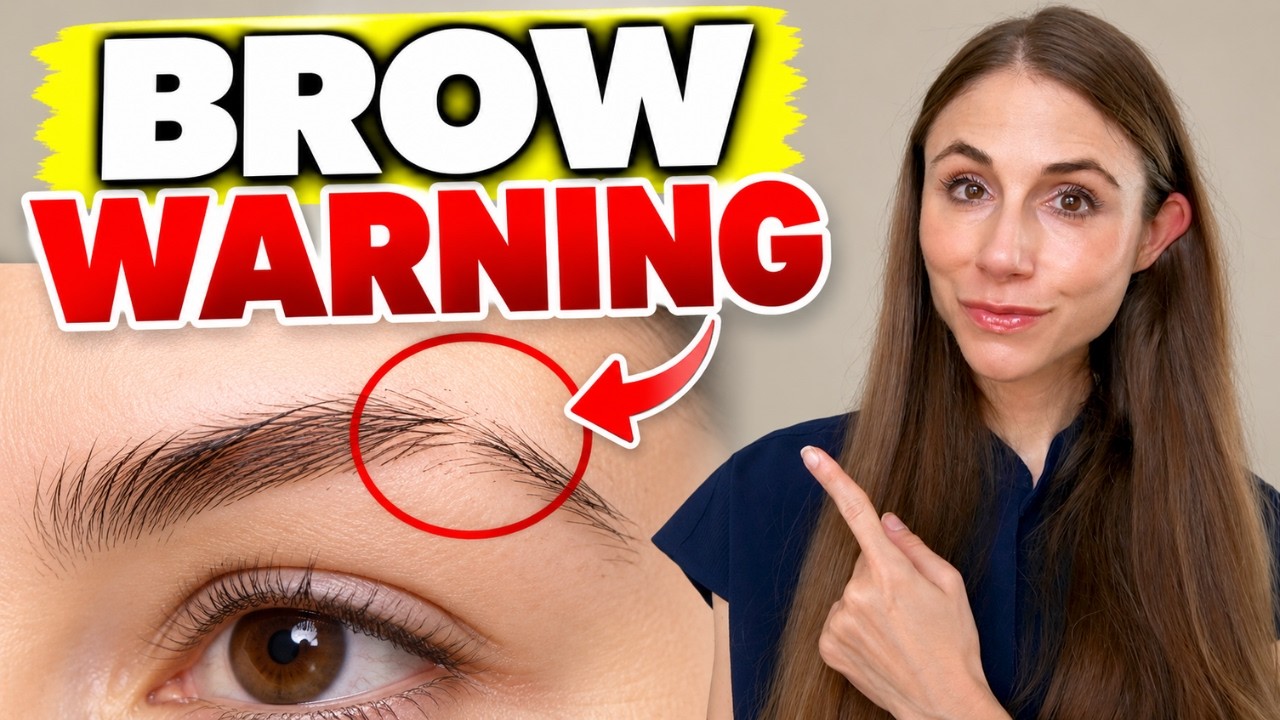
Dr Dray
AI-assisted summary of Why Are Your Eyebrows Thinning? 10 Causes You Need to Know — original source. Check the original for full context.
Source published:
Key ideas
- Eyebrow thinning is a symptom that requires clinical evaluation rather than immediate cosmetic self-treatment, as over-the-counter brow serums cannot treat underlying pathology and delay proper medical therapy. (0:00)
- Differentiating scarring from nonscarring hair loss is the most vital clinical priority; scarring alopecias such as frontal fibrosing alopecia permanently destroy follicles and require rapid intervention to halt irreversible spread. (1:14)
- Eyebrow loss patterns offer crucial systemic clues, such as Hertoghe's sign (lateral third thinning) pointing to hypothyroidism and smooth, round patches signaling alopecia areata. (3:35)
- Indiscriminate nutritional supplementation can worsen brow loss, as excessive zinc induces copper deficiency hair shedding, and high-dose vitamin A toxicity directly triggers follicular loss. (5:56)
Detailed notes
## Background Published on YouTube by dermatologist Dr Dray on September 28, 2026, this educational video explores the various underlying causes of eyebrow hair loss (madarosis). The channel description explains that finding the root condition—ranging from autoimmune diseases and thyroid disorders to scarring alopecias like frontal fibrosing alopecia—is far more critical than reflexively reaching for cosmetic growth serums.
## TL;DR Dr. Dray explains that eyebrow thinning is a clinical symptom requiring an accurate diagnosis rather than a quick fix with over-the-counter serums. She divides eyebrow loss into nonscarring conditions—such as alopecia areata, thyroid dysfunction, eczema, infections, nutritional imbalances, and medication side effects—and irreversible scarring alopecias like frontal fibrosing alopecia and discoid lupus. While nonscarring forms retain dormant follicles that can regrow once systemic or dermatologic triggers are treated, scarring conditions permanently destroy follicles, demanding rapid medical intervention to halt disease progression. Ultimately, growth stimulants like minoxidil or bimatoprost are only useful as supportive therapies after the root cause has been properly identified and controlled.
## Atmosphere & style The presentation is clinical, direct, and pragmatic, marked by Dr. Dray's signature no-nonsense delivery and grounded medical authority. Her delivery blends educational seriousness with candid, wry humor, warning viewers against falling for wellness trends, self-prescribed supplements, or health coaches. The video feels like an illuminating, thorough consultation in an exam room, pivoting from practical reassurances about treatable shedding to sharp clinical urgency when detailing scarring conditions.
## Bulletin - [00:00](https://www.youtube.com/watch?v=ivkDDeSnLbE&t=0s) Eyebrow thinning is a symptom that requires clinical evaluation rather than immediate cosmetic self-treatment, as over-the-counter brow serums cannot treat underlying pathology and delay proper medical therapy. - [01:14](https://www.youtube.com/watch?v=ivkDDeSnLbE&t=74s) Differentiating scarring from nonscarring hair loss is the most vital clinical priority; scarring alopecias such as frontal fibrosing alopecia permanently destroy follicles and require rapid intervention to halt irreversible spread. - [03:35](https://www.youtube.com/watch?v=ivkDDeSnLbE&t=215s) Eyebrow loss patterns offer crucial systemic clues, such as Hertoghe's sign (lateral third thinning) pointing to hypothyroidism and smooth, round patches signaling alopecia areata. - [05:56](https://www.youtube.com/watch?v=ivkDDeSnLbE&t=356s) Indiscriminate nutritional supplementation can worsen brow loss, as excessive zinc induces copper deficiency hair shedding, and high-dose vitamin A toxicity directly triggers follicular loss.
## Key takeaways - [00:00](https://www.youtube.com/watch?v=ivkDDeSnLbE&t=0s) Eyebrows serve vital functional roles in facial recognition and eye protection, and their thinning should not be casually written off as an unavoidable result of aging or menopause. - [00:00](https://www.youtube.com/watch?v=ivkDDeSnLbE&t=0s) Over-the-counter growth serums and minoxidil are ineffective when used as standalone solutions if the underlying metabolic, autoimmune, or inflammatory driver remains unaddressed. - [01:14](https://www.youtube.com/watch?v=ivkDDeSnLbE&t=74s) Scarring alopecias permanently obliterate hair follicles into fibrotic tissue, making hair transplantation the only restorative option once tissue has scarred down. - [02:28](https://www.youtube.com/watch?v=ivkDDeSnLbE&t=148s) Alopecia areata can cause sudden, nonscarring loss of part or all of the eyebrow, necessitating targeted immunosuppressive therapies such as corticosteroids or JAK inhibitors. - [03:35](https://www.youtube.com/watch?v=ivkDDeSnLbE&t=215s) Thinning of the outer third of the eyebrows (Hertoghe's sign) is a classic indicator of low thyroid hormone levels that requires systemic medical correction. - [04:01](https://www.youtube.com/watch?v=ivkDDeSnLbE&t=241s) Common inflammatory skin conditions like atopic dermatitis and seborrheic dermatitis cause localized eyebrow shedding that requires barrier repair, anti-inflammatories, or antifungals. - [04:44](https://www.youtube.com/watch?v=ivkDDeSnLbE&t=284s) Infectious pathogens—including secondary syphilis, facial ringworm from domestic pets, and leprosy—can manifest directly as eyebrow hair loss. - [05:56](https://www.youtube.com/watch?v=ivkDDeSnLbE&t=356s) Hair production is metabolically demanding, but self-supplementing with high-dose zinc can backfire by precipitating secondary copper deficiency and worsening shedding. - [07:00](https://www.youtube.com/watch?v=ivkDDeSnLbE&t=420s) Trichotillomania is a nonscarring mechanical cause of eyebrow thinning that requires behavioral management strategies rather than reliance on topical hair stimulants. - [07:53](https://www.youtube.com/watch?v=ivkDDeSnLbE&t=473s) Medications such as cytotoxic chemotherapies, selective estrogen receptor modulators, and aromatase inhibitors frequently trigger eyebrow loss. - [08:53](https://www.youtube.com/watch?v=ivkDDeSnLbE&t=533s) Excessive intake of fat-soluble vitamin A through over-the-counter supplements can trigger follicular toxicity and diffuse eyebrow shedding due to its long tissue half-life. - [09:22](https://www.youtube.com/watch?v=ivkDDeSnLbE&t=562s) Frontal fibrosing alopecia (FFA) is a lichenoid scarring alopecia that affects both women and men, often attacking eyebrows before or alongside frontotemporal hairline recession. - [10:48](https://www.youtube.com/watch?v=ivkDDeSnLbE&t=648s) Autoimmune conditions such as morphea en coup de sabre and discoid lupus erythematosus cause destructive, permanent eyebrow scarring if not rapidly controlled with immunosuppressants. - [13:37](https://www.youtube.com/watch?v=ivkDDeSnLbE&t=817s) Red flag symptoms—including sudden patchy loss, skin redness, scaling, burning, or shiny scar tissue—warrant an in-person dermatology evaluation utilizing dermoscopy.
## Detailed walkthrough ### [00:00](https://www.youtube.com/watch?v=ivkDDeSnLbE&t=0s) Why Eyebrows Matter and the Pitfall of Brow Serums
Dr. Dray welcomes viewers and immediately redirects the common impulse people have when they notice their eyebrows thinning, losing their tail ends, or developing completely bald gaps. Rather than typing "what's a good brow growth serum for sparse brows" into a search bar, people need to be asking a much more fundamental question: "why do I have sparse brows?" Jumping straight to an over-the-counter growth serum without understanding the root cause can actively backfire. Not only is a serum often entirely useless for the underlying pathology, but relying on it wastes critical time that could have been spent initiating proper medical therapy.
Brows are far more than aesthetic decorations. They are functional facial structures that play a vital role in facial recognition and physically shield the eyes from sweat running down the forehead and aeroallergens drifting through the air. Dr. Dray cautions against casually writing off eyebrow changes as an inevitable consequence of aging or menopause, noting that "people will just put everything on the shoulders of menopause." When brow loss begins, it demands a clinical explanation rather than casual dismissal.
[01:14](https://www.youtube.com/watch?v=ivkDDeSnLbE&t=74s) Scarring vs. Nonscarring Eyebrow Loss
The absolute first question a dermatologist asks when evaluating eyebrow thinning is whether the process is scarring or nonscarring. In scarring alopecias, the inflammatory disease process directly targets and destroys the hair follicle. Once a follicle "scars down," it is gone forever—"there's no turning back. You will not grow a hair from that follicle ever again." Under those circumstances, the only way to restore hair to the scarred patch is through hair transplantation, which Dr. Dray emphasizes is a challenging and intricate procedure into the delicate brow region that most patients would prefer to avoid.
```mermaid flowchart TD accTitle: Scarring vs Nonscarring Eyebrow Loss Evaluation accDescr: A decision flowchart distinguishing between scarring and nonscarring eyebrow loss and their respective management goals.
A["Eyebrow Thinning or Hair Loss"] --> B{"Clinical Evaluation:<br/>Scarring vs. Nonscarring?"}
subgraph Scarring["Scarring Alopecia"] B -->|"Follicles destroyed & replaced by scar"| C["Permanent Follicle Obliteration"] C --> D["Goal: Rapid Medical Intervention to Halt Spread"] D --> E["Regrowth Impossible<br/>(Transplant only option)"] end
subgraph Nonscarring["Nonscarring Alopecia"] B -->|"Follicles preserved but dormant/inhibited"| F["Follicular Potential Intact"] F --> G["Goal: Diagnose & Treat Root Cause"] G --> H["Potential for Regrowth<br/>(Adjunctive Serums/Minoxidil)"] end ```
Because an unaddressed scarring condition progressively obliterates remaining follicles, time is of the essence. Letting any hair loss process linger makes it substantially harder to halt or reverse, but in scarring conditions, early intervention is the only window available to save surviving follicles before irreversible tissue destruction takes place.
[02:28](https://www.youtube.com/watch?v=ivkDDeSnLbE&t=148s) Autoimmune Eyebrow Loss: Alopecia Areata
One major nonscarring etiology is alopecia areata, an autoimmune disease where the body's own immune system abruptly mounts an attack against the hair follicles. While well known for creating round bald patches on the scalp, it can strike any hair-bearing site, including the eyebrows. The hallmark of alopecia areata is a sudden, "out of the blue frank loss of a patch of hair" within the brow, or even the loss of the entire eyebrow or both brows altogether.
The skin left behind in alopecia areata is smooth and devoid of tiny broken hairs or emerging stubble. Because the follicles remain intact beneath the skin, this is a nonscarring form of loss, but regaining hair requires turning off the targeted autoimmune assault:
- **Targeted Anti-inflammatories:** Dermatologist-prescribed anti-inflammatory agents are essential to suppress the local immune attack. - **JAK Inhibitors:** Janus kinase (JAK) inhibitors represent advanced immune modulators proving highly effective at interrupting the specific signaling pathways driving alopecia areata. - **Supportive Regrowth Agents:** Minoxidil or cosmetic brow serums can serve as adjunctive therapies to stimulate dormant follicles, but only alongside proper immune suppression.
[03:35](https://www.youtube.com/watch?v=ivkDDeSnLbE&t=215s) Systemic and Dermatologic Causes: Thyroid Disease and Eczema
Eyebrow patterns often act as subtle clinical clues for systemic endocrine disorders. A classic sign is Hertoghe's sign—the selective thinning or complete absence of the outer (lateral) third of the eyebrows—which is a well-established warning sign of low thyroid hormone (hypothyroidism). Because thyroid dysfunction carries wide-ranging, serious metabolic consequences for overall health, noticing that the tails of the brows have vanished should prompt a visit to a primary care provider to test thyroid levels, as correcting thyroid hormone balance helps address the hair loss.
Thinning of the outer brows is not exclusive to thyroid disease; common dermatologic conditions of the face also trigger eyebrow shedding:
- **Atopic Dermatitis:** Severe eczema affecting the periorbital and brow skin can lead to localized outer-brow thinning due to chronic eczema-related barrier dysfunction and scratching. - **Seborrheic Dermatitis:** This oily inflammatory condition is driven by an abnormal immune response to *Malassezia* yeast thriving in sebum-rich areas. When it establishes itself in the brows, the accompanying inflammation causes hair to shed. - **Treatment Approach:** Seborrheic dermatitis requires targeted topical antifungals, anti-dandruff active ingredients, and short courses of topical anti-inflammatories for active flares. Growth serums cannot counteract brow loss if active seborrheic dermatitis is left smoldering underneath.
[04:44](https://www.youtube.com/watch?v=ivkDDeSnLbE&t=284s) Infectious Causes: Syphilis, Ringworm, and Leprosy
Several infectious pathogens can manifest directly in the eyebrows, and failing to identify them carries severe consequences:
- **Secondary Syphilis:** Syphilis is clinically infamous as "the great imitator." When it causes patchy or outer-third eyebrow loss, the presentation is historically referred to as the omnibus sign (or Omni-bus sign). Dr. Dray warns that leaving syphilis untreated risks devastating neurologic damage from "that little trep" (*Treponema pallidum*). - **Tinea Faciei (Facial Ringworm):** Fungal dermatophyte infections can spread directly across the face and infiltrate the eyebrow hair follicles. Dr. Dray highlights a classic, relatable scenario: adopting and cuddling a new kitten carrying fungal spores on its fur, which can lead to fungal folliculitis and sudden brow shedding. - **Lepromatous Leprosy:** Far from being an eradicated relic confined to biblical history, leprosy continues to occur and causes characteristic eyebrow loss, clinically termed madarosis.
[05:56](https://www.youtube.com/watch?v=ivkDDeSnLbE&t=356s) Metabolic Demand and Nutritional Pitfalls
Hair synthesis is an exceptionally energy-intensive, metabolically demanding biological process. When the body faces severe physiological or emotional stress, it triages its resources and deprioritizes hair production. Similarly, systemic nutritional deficiencies can trigger shedding in both scalp and brow hair.
Zinc deficiency is a recognized trigger for eyebrow loss, frequently seen in individuals with malabsorption disorders such as inflammatory bowel disease (IBD) or rare inherited defects in zinc transport. However, Dr. Dray warns against blindly self-diagnosing and supplementing with zinc for sparse brows. Taking high doses of unnecessary zinc over extended periods induces secondary copper deficiency, which in turn triggers its own severe hair loss across the scalp and brows. Self-prescribing supplements often produces the exact outcome the patient was trying to avoid.
[07:00](https://www.youtube.com/watch?v=ivkDDeSnLbE&t=420s) Trichotillomania and Mechanical Trauma
Eyebrow loss can also stem from mechanical, behavioral trauma known as trichotillomania—a compulsive urge to pull out one's own hair. Often serving as a subconscious or soothing coping mechanism, it commonly affects the scalp, but because eyebrows are prominently and easily accessible, they are frequently targeted. Children may develop temporary hair-pulling behaviors that they eventually outgrow, while in others it persists as an ongoing disorder.
Stimulating agents like minoxidil, bimatoprost (Latisse), or over-the-counter prostaglandin analog serums can technically stimulate regrowth in these nonscarred follicles, but they are entirely futile if the physical pulling behavior remains active. Dr. Dray points to comprehensive behavioral management strategies and evidence-based supplements such as N-acetylcysteine (NAC) as central pillars for managing the urge before relying on growth serums.
[07:53](https://www.youtube.com/watch?v=ivkDDeSnLbE&t=473s) Medication-Induced Brow Loss
A variety of systemic medications interrupt the follicular cycle, with cancer chemotherapies being the most dramatic example. Chemotherapy drugs eradicate rapidly dividing cells, and as a bystander effect, the rapidly dividing matrix cells of the hair follicle abruptly shut down, causing anagen effluvium:
- **Chemotherapy Regimens:** Classes such as taxanes, doxorubicin, and cyclophosphamide regularly induce extensive, dramatic loss of scalp hair, eyelashes, and eyebrows. - **Post-Chemotherapy Regrowth:** Although brows typically regrow once treatment concludes, some patients experience permanently sparse or incomplete regrowth compared to their baseline. In these post-treatment phases, topical bimatoprost (Latisse) or minoxidil can assist in boosting density. - **Hormone Therapies:** Endocrine-targeted treatments, including selective estrogen receptor modulators (SERMs) and aromatase inhibitors, are also clinically recognized triggers of eyebrow alopecia.
[08:53](https://www.youtube.com/watch?v=ivkDDeSnLbE&t=533s) Nutritional Excess and Vitamin A Toxicity
While nutritional deficits are widely discussed, excess nutrient intake can be equally destructive to eyebrow density. Ingesting high doses of vitamin A is a frequently overlooked culprit behind eyebrow thinning, often catching patients completely off guard because they assume over-the-counter supplements are inherently benign. Many wellness products and multivitamins pack a massive payload of vitamin A. Unlike pharmaceutical retinoids modeled after vitamin A derivatives—such as isotretinoin—supplemental fat-soluble vitamin A has an exceptionally long biological half-life and lingers in body tissues for extended periods.
Dr. Dray warns patients to exercise extreme caution with standalone vitamin A supplementation, emphasizing that aggressive intake routinely backfires. Beyond shedding and thinning of the brows, vitamin A toxicity triggers severe skin dryness, peeling, and widespread dermatological issues. While every preceding cause covered in the discussion falls into the nonscarring category—where correcting the underlying trigger offers an excellent chance of restoring the hair—patients must recognize when follicle damage risks becoming permanent.
[09:22](https://www.youtube.com/watch?v=ivkDDeSnLbE&t=562s) Frontal Fibrosing Alopecia (FFA) and Scarring Hair Loss
The conversation pivots to scarring alopecias, where inflammatory destruction of the hair follicle creates irreversible damage if left unchecked. A primary driver of this is frontal fibrosing alopecia (FFA). Although classically recognized in post-menopausal women, FFA can arise at any age and frequently affects men, who are routinely excluded from the conversation or misdiagnosed with standard androgenetic alopecia (male pattern baldness). In men, FFA typically assaults the beard area in addition to the eyebrows and hairline.
FFA begins as an insidious perifollicular inflammatory reaction, manifesting as subtle, scaly, erythematous bumps surrounding individual hair follicles. If this inflammation is permitted to "cook there and brew," it inevitably destroys the stem cell reservoir and replaces the follicle with scar tissue. Loss of the eyebrows commonly goes hand-in-hand with frontotemporal hairline recession and can even precede scalp loss. Halting this process requires prompt clinical diagnosis and targeted anti-inflammatory or immunomodulatory therapy to put out the fire before any stimulatory agents are introduced.
```mermaid flowchart TD accTitle: Clinical Pathway for Frontal Fibrosing Alopecia accDescr: Step-by-step diagnostic and treatment progression from early inflammation to maintenance for FFA.
subgraph EarlyStage["1. Early Presentation"] A["Perifollicular Scaly Bumps & Erythema"] --> B["Eyebrow Thinning & Hairline Recession"] end
subgraph HaltInflammation["2. Anti-Inflammatory Control"] B --> C["Systemic Therapy: Hydroxychloroquine"] B --> D["Topical Agents: Steroids or Calcineurin Inhibitors"] end
subgraph RegrowthPhase["3. Secondary Stimulation"] C --> E["Minoxidil or Bimatoprost for Viable Follicles"] D --> E end ```
- **Pathology:** Lichenoid inflammation attacks the infundibulum and isthmus of the hair follicle, progressing to irreversible scarring (cicatricial alopecia). - **Misdiagnosis risk:** Men with FFA are frequently mislabeled with male pattern baldness, allowing eyebrow, beard, and hairline loss to advance unchecked. - **Medical interventions:** Regrowth stimulants cannot salvage destroyed follicles; the inflammatory assault must first be arrested using systemic agents like hydroxychloroquine or localized prescription topicals such as corticosteroids and calcineurin inhibitors.
[10:48](https://www.youtube.com/watch?v=ivkDDeSnLbE&t=648s) Scleroderma En Coup de Sabre, Discoid Lupus, Trauma, and Radiation
Beyond FFA, a spectrum of autoimmune and physical insults can obliterate eyebrow follicles through scarring. Scleroderma (systemic sclerosis) includes a localized facial variant known as *morphea en coup de sabre*, so named because the lesion resembles the indurated strike of an open saber across the forehead. This linear sclerotic band produces unilateral eyebrow loss alongside tissue atrophy. Failure to arrest this disease with systemic immunosuppressive and anti-inflammatory drugs not only cements permanent madarosis but can result in severe structural facial disfigurement.
Discoid lupus erythematosus (DLE), a scarring subtype of cutaneous lupus, is another aggressive condition where autoimmune inflammation literally "cooks" the hair follicles. DLE plaques induce follicular plugging, erythema, hyper- or hypopigmentation, and permanent scarring that will erode the eyebrows unless suppressed with specialized systemic medications and strict photoprotection, as ultraviolet radiation exacerbates the disease.
Physical trauma and oncology treatments round out the destructive etiologies. Deep thermal burns or lacerations—whether from an accident or "if you got into a knife fight and somebody got you in the brow area"—replace functional follicular units with dense fibrotic scar tissue where hair physically cannot regrow. In those irreversible scenarios, surgical hair transplantation remains the sole restorative route, though it carries distinct aesthetic challenges that patients must weigh carefully. Similarly, external beam radiation therapy targeting head, neck, or facial cancers inevitably causes localized scarring and permanent madarosis whenever the treatment field intersects the brow margin.
[12:41](https://www.youtube.com/watch?v=ivkDDeSnLbE&t=761s) The Reality of Minoxidil and Eyebrow Growth Serums
Turning to the widespread commercial craze for brow growth serums, minoxidil, and prostaglandin analogs (such as bimatoprost), Dr. Dray emphasizes that these products are not universal fixes. While growth stimulants can provide noticeable cosmetic density in the right diagnostic setting, or serve as standalone recovery aids once an acute, self-limiting insult has cleared, they cannot bypass biology. Relying on an over-the-counter peptide serum or topical minoxidil while ignoring the underlying systemic driver is an exercise in futility.
A prime illustration is thyroid disease: when untreated hypothyroidism induces lateral thinning of the eyebrows, no commercial serum will reverse the shedding until systemic thyroid hormone levels are normalized. Dr. Dray humorously points out that masking the issue makes no sense when systemic health is compromised: "Hello, you have low thyroid. You need to fix that... You're going to feel like stink and be wondering why you have all these problems." Stimulating a follicle that is either actively starved of metabolic support or being actively dismantled by immune cells wastes valuable time and money.
[13:37](https://www.youtube.com/watch?v=ivkDDeSnLbE&t=817s) Red Flags, Dermoscopy, and When to See a Dermatologist
Eyebrow thinning is not an independent diagnosis; it is a clinical symptom pointing to an underlying problem. Dr. Dray urges viewers to abandon the urge to self-treat and schedule a formal evaluation with a board-certified dermatologist, especially when hair loss exhibits distinct red flags. Dermatologists approach hair loss fundamentally differently than consumers looking for quick cosmetic fixes: the clinical priority is to isolate and treat the root mechanism so that hair loss halts and recovery can begin.
During an in-office exam, dermatologists use specialized clinical training alongside dermoscopy—high-powered polarized magnifying instruments—to inspect subtle follicular clues that remain completely invisible to the naked eye, such as follicular hyperkeratosis, loss of follicular ostia, or delicate vascular patterns. A full evaluation may require a punch biopsy, systemic lab work, a comprehensive scalp and body check, and a close nail examination. Dr. Dray strictly advises patients: "Don't go to the dermatologist with nail polish on. Can't look at your nails if they're covered up with polish or artificial nails," as nail matrix changes frequently mirror systemic autoimmune disorders, psoriasis, and alopecia areata.
She also warns strongly against ordering direct-to-consumer lab panels or consulting unlicensed "health coaches" for medical hair loss:
- **Direct-to-consumer lab kits:** Blood panels for endocrine or autoimmune markers require precise clinical timing, specialized handling, and medical expertise to interpret correctly; self-ordered labs often mislead patients. - **Provider qualifications:** A health coach lacks the medical licensure and diagnostic tools necessary to manage scarring alopecias or complex endocrine disorders. - **Urgent signs that mandate an evaluation:** - Sudden, rapid, or patchy eyebrow shedding. - Progressive hair loss extending along the scalp hairline, beard, eyelashes, or body sites. - Localized cuticular erythema, scaling, pustules, burning, or intense pruritus. - Shiny, smooth, indurated, or porcelain-white skin where follicular openings have vanished.
## Notable quotes > [00:00](https://www.youtube.com/watch?v=ivkDDeSnLbE&t=0s) people will just put everything on the shoulders of menopause. — Dr. Dray
> [01:14](https://www.youtube.com/watch?v=ivkDDeSnLbE&t=74s) there's no turning back. You will not grow a hair from that follicle ever again. — Dr. Dray
> [02:28](https://www.youtube.com/watch?v=ivkDDeSnLbE&t=148s) out of the blue frank loss of a patch of hair — Dr. Dray
> [04:44](https://www.youtube.com/watch?v=ivkDDeSnLbE&t=284s) the great imitator. — Dr. Dray
> [04:44](https://www.youtube.com/watch?v=ivkDDeSnLbE&t=284s) that little trep — Dr. Dray
> [09:22](https://www.youtube.com/watch?v=ivkDDeSnLbE&t=562s) cook there and brew — Dr. Dray
> [10:48](https://www.youtube.com/watch?v=ivkDDeSnLbE&t=648s) if you got into a knife fight and somebody got you in the brow area — Dr. Dray
> [12:41](https://www.youtube.com/watch?v=ivkDDeSnLbE&t=761s) Hello, you have low thyroid. You need to fix that... You're going to feel like stink and be wondering why you have all these problems. — Dr. Dray
> [13:37](https://www.youtube.com/watch?v=ivkDDeSnLbE&t=817s) Don't go to the dermatologist with nail polish on. Can't look at your nails if they're covered up with polish or artificial nails — Dr. Dray
## Mentioned Dr. Dray, Minoxidil, Bimatoprost, Latisse, N-acetylcysteine (NAC), Hydroxychloroquine, Isotretinoin, Taxanes, Doxorubicin, Cyclophosphamide, Treponema pallidum, Malassezia
## Video description Why are your eyebrows thinning? Eyebrow hair loss, also called madarosis, can have many different causes, and finding the underlying cause is often more important than simply reaching for a brow growth serum.
In this video, dermatologist Dr. Dray explains the most common causes of eyebrow thinning and eyebrow hair loss, including alopecia areata, thyroid disease, atopic dermatitis, seborrheic dermatitis, infections, nutritional deficiencies, medication side effects, trichotillomania, and trauma. She also explains why distinguishing scarring from nonscarring eyebrow hair loss is so important.
One of the key conditions discussed is frontal fibrosing alopecia (FFA), a form of scarring hair loss that can cause eyebrow loss and may sometimes affect the eyebrows before obvious scalp hairline changes develop. Early recognition and treatment can be important for preserving remaining hair follicles.
Dr. Dray also discusses minoxidil for eyebrows, cosmetic brow growth serums, prostaglandin analogs, and why stimulating hair growth is not the same thing as treating the underlying cause of eyebrow loss.
The video covers clues that may help distinguish different causes of eyebrow thinning, including patchy eyebrow loss, loss of the outer third of the eyebrows, redness or scaling, itching, changes in the scalp hairline, and shiny or scarred skin.
TIMESTAMPS
0:00 Introduction 0:51 Why Do Eyebrows Matter? 1:14 Scarring vs. Nonscarring Eyebrow Hair Loss 2:28 Alopecia Areata and Eyebrow Loss 3:35 Thyroid Disease and Thinning Eyebrows 4:01 Atopic Dermatitis and Seborrheic Dermatitis 4:44 Infections That Can Cause Eyebrow Loss 5:56 Nutritional Deficiencies and Eyebrow Thinning 7:00 Trichotillomania and Trauma 7:53 Medications That Can Cause Eyebrow Loss 8:51 Vitamin A and Other Toxic Exposures 9:22 Scarring Causes of Eyebrow Hair Loss 9:30 Frontal Fibrosing Alopecia (FFA) 11:00 Other Scarring Conditions 12:41 Minoxidil and Eyebrow Growth Serums 13:50 When Should You See a Dermatologist? 14:26 Bottom Line
KEY TOPICS COVERED
• Eyebrow hair loss and thinning eyebrows • Madarosis • Frontal fibrosing alopecia and eyebrow loss • Alopecia areata of the eyebrows • Thyroid disease and eyebrow thinning • Hertoghe's sign • Seborrheic dermatitis and eyebrow loss • Atopic dermatitis • Syphilis and eyebrow hair loss • Nutritional deficiencies • Trichotillomania • Medication-induced eyebrow loss • Vitamin A toxicity • Scarring vs. nonscarring alopecia • Minoxidil for eyebrows • Eyebrow growth serums • When to see a dermatologist for eyebrow loss
If eyebrow thinning is sudden, patchy, progressive, associated with inflammation or scaling, or accompanied by changes to the scalp hairline or eyelashes, Dr. Dray explains why a dermatology evaluation may be more appropriate than simply trying another brow growth serum.
#EyebrowHairLoss #EyebrowThinning #Madarosis #FrontalFibrosingAlopecia #AlopeciaAreata #HairLoss #Minoxidil #Dermatologist #ScarringAlopecia #ThyroidDisease #EyebrowGrowth #DrDray
FTC: This video is not sponsored. Links are commissionable, meaning I may earn commission from purchases made through links.
💜Shop my Amazon store https://o.bttn.io/0BwiPWFIZLG 💜Follow me on liketoknowit https://www.liketoknow.it/drdrayzday 💜Social media Instagram @drdrayzday Pinterest https://www.pinterest.com/drdrayzday/ Facebook @DrDrayzDay Twitter: @drdrayzday Tiktok: @drdrayzday
Disclaimer: This video is not intended to provide diagnosis, treatment or medical advice. Content provided on this Youtube channel is for informational purposes only. Please consult with a physician or other healthcare professional regarding any medical or health related diagnosis or treatment options. Information on this Youtube channel should not be considered as a substitute for advice from a healthcare professional. The statements made about specific products throughout this video are not to diagnose, treat, cure or prevent disease.
[Source](https://www.youtube.com/watch?v=ivkDDeSnLbE)