Michigan ECMO Team Bridges Sudden Heart Failure to Rapid Transplant
University of Michigan
Extracorporeal life support sustains patients facing acute organ failure by providing a mechanical bridge that buys critical time for emergency transplantation and full recovery.
AI-assisted summary of A Bridge to Survival: ECMO at the University of Michigan | Look to Michigan — original source. Check the original for full context.
Source published:
Key ideas
- The University of Michigan established the first ECMO center in the United States under Dr. Robert Bartlett, helping pioneer a life-support therapy that has saved over 100,000 lives globally since 1980. (1:02)
- During the COVID-19 pandemic, Michigan Medicine rapidly scaled its high-acuity life support capacity, doubling its pre-pandemic peak from 7–8 concurrent ECMO circuits to 14 simultaneous patients. (2:22)
- Extracorporeal life support served as a critical bridge for 44-year-old patient Rachel after sudden heart failure, sustaining circulation until a matching donor heart was secured within 24 hours of transplant listing. (3:51)
- Translational ECMO research at Michigan is actively expanding beyond traditional intensive care into emerging frontiers such as fetal surgery, pediatric surgery, organ preservation, and cardiac resuscitation. (2:22)
Detailed notes
## Background Published on YouTube by the University of Michigan on September 18, 2026, this video highlights Michigan Medicine's pioneering extracorporeal life support program through the story of a patient named Rachel. The description details how ECMO acted as a lifesaving bridge to a heart transplant after Rachel suffered sudden heart failure, showcasing an institution whose work has helped transform ECMO into a standard of care responsible for saving more than 100,000 lives worldwide.
## TL;DR When 44-year-old Rachel experienced sudden, catastrophic heart failure, Dr. Jonathan Haft and the team at Michigan Medicine placed her on Extracorporeal Membrane Oxygenation (ECMO) to keep her alive while awaiting a heart transplant. The video details how ECMO mechanically replaces cardiac and pulmonary function, highlighting Michigan's legacy as the first U.S. ECMO center and the program's resilience during pandemic surges and cutting-edge translational research. Thanks to continuous around-the-clock bedside care, Rachel secured a matching donor heart on Thanksgiving Day just one day after being listed, eventually making a full recovery and returning to her active life.
## Atmosphere & style The presentation blends high-stakes clinical drama with profound personal warmth, moving from the sudden terror of acute heart failure to reflective gratitude. Thoughtful commentary from surgeons, researchers, and bedside specialists grounds the advanced biomedical technology in genuine empathy and institutional dedication. Watching the piece feels inspiring and emotionally uplifting, balancing the stark reality of critical organ failure with the life-affirming relief of a miraculous Thanksgiving match.
## Bulletin - [01:02](https://www.youtube.com/watch?v=MJiSKGaOscM&t=62s) The University of Michigan established the first ECMO center in the United States under Dr. Robert Bartlett, helping pioneer a life-support therapy that has saved over 100,000 lives globally since 1980. - [02:22](https://www.youtube.com/watch?v=MJiSKGaOscM&t=142s) During the COVID-19 pandemic, Michigan Medicine rapidly scaled its high-acuity life support capacity, doubling its pre-pandemic peak from 7–8 concurrent ECMO circuits to 14 simultaneous patients. - [03:51](https://www.youtube.com/watch?v=MJiSKGaOscM&t=231s) Extracorporeal life support served as a critical bridge for 44-year-old patient Rachel after sudden heart failure, sustaining circulation until a matching donor heart was secured within 24 hours of transplant listing. - [02:22](https://www.youtube.com/watch?v=MJiSKGaOscM&t=142s) Translational ECMO research at Michigan is actively expanding beyond traditional intensive care into emerging frontiers such as fetal surgery, pediatric surgery, organ preservation, and cardiac resuscitation.
## Key takeaways - [00:00](https://www.youtube.com/watch?v=MJiSKGaOscM&t=0s) Sudden, catastrophic heart failure can strike healthy individuals with no prior cardiac history, requiring immediate mechanical circulatory support. - [01:02](https://www.youtube.com/watch?v=MJiSKGaOscM&t=62s) ECMO mechanically replaces heart and lung function by drawing deoxygenated venous blood from the body, clearing carbon dioxide, infusing oxygen, and pumping it back into circulation. - [01:02](https://www.youtube.com/watch?v=MJiSKGaOscM&t=62s) Despite the extreme complexity of human physiology, ECMO achieves critical life support through an elegantly simple foundation: a mechanical pump, an oxygenator, and specialized tubing. - [01:02](https://www.youtube.com/watch?v=MJiSKGaOscM&t=62s) The clinical scope of ECMO spans diverse demographics and conditions, including newborns with congenital heart defects, acute respiratory failure from viral infections, and post-cardiac surgery recovery. - [01:02](https://www.youtube.com/watch?v=MJiSKGaOscM&t=62s) Dr. Robert Bartlett's pioneering efforts established the University of Michigan as the nation's first ECMO center and transitioned the technology into a worldwide standard of care. - [01:02](https://www.youtube.com/watch?v=MJiSKGaOscM&t=62s) Duration of ECMO support is highly variable based on recovery needs, ranging from a matter of hours up to several months on an active circuit. - [02:22](https://www.youtube.com/watch?v=MJiSKGaOscM&t=142s) Managing double the typical circuit capacity during public health surges required Michigan's multidisciplinary team to innovate operational workflows while maintaining strict clinical standards. - [02:22](https://www.youtube.com/watch?v=MJiSKGaOscM&t=142s) Ongoing laboratory research led by Dr. Rojas-Peña focuses on improving circuit safety and pioneering extracorporeal support for organ transplantation, fetal interventions, and resuscitation. - [03:51](https://www.youtube.com/watch?v=MJiSKGaOscM&t=231s) ECMO served as an effective bridge-to-transplant for Rachel, maintaining full perfusion until a matching heart was secured on Thanksgiving Day just one day after listing. - [03:51](https://www.youtube.com/watch?v=MJiSKGaOscM&t=231s) Continuous, 24/7 bedside presence from multidisciplinary specialists provides essential physiological surveillance while establishing deep emotional connections with critically ill patients and their families. - [03:51](https://www.youtube.com/watch?v=MJiSKGaOscM&t=231s) Successful ECMO stabilization and subsequent heart transplantation can deliver complete functional recovery, enabling patients to return to vigorous physical activities like boating and bicycling.
## Detailed walkthrough ### [00:00](https://www.youtube.com/watch?v=MJiSKGaOscM&t=0s) A Sudden Crisis and an Urgent Diagnosis
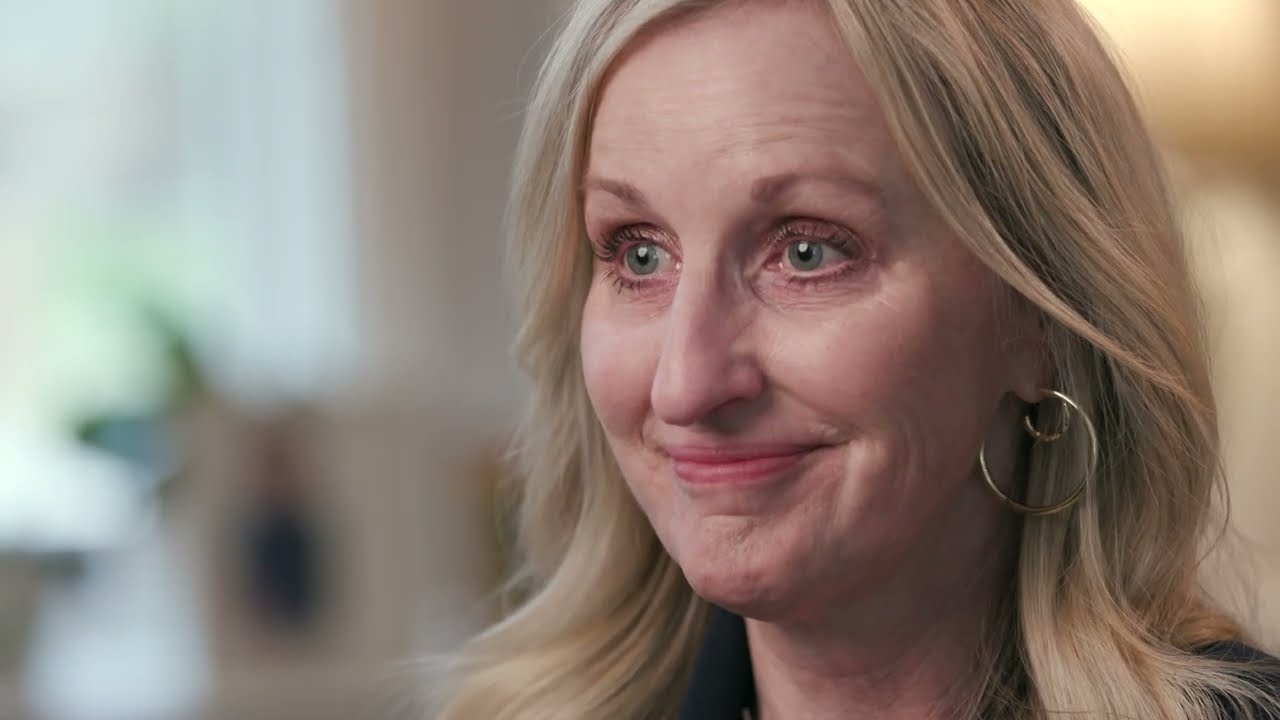
Rachel reflects with profound gratitude on something most people take for granted: the simple act of breathing. At 44 years old, she was living an active, vibrant life, dedicating her time to her children and her local community. Suddenly, over the course of a single weekend, she developed severe shortness of breath unlike anything she had ever experienced. Having had no prior history of heart disease or major health complications, the realization that her heart was failing came as an utter shock.
A subsequent heart biopsy revealed a rare, acute, and life-threatening condition. The clinical reality was immediately stark. Her cardiac surgeon, Dr. Jonathan Haft, delivered the diagnosis and treatment plan without hesitation: her heart was failing, she needed an urgent heart transplant, and in order to survive long enough to receive one, the medical team had to take drastic measures by immediately placing her on Extracorporeal Membrane Oxygenation (ECMO).
[01:02](https://www.youtube.com/watch?v=MJiSKGaOscM&t=62s) The Mechanics and Legacy of ECMO at Michigan
ECMO serves as an advanced mechanical life-support system tailored for patients experiencing catastrophic failure of the heart, lungs, or both. Mechanically, the circuit withdraws deoxygenated blood from the patient's body, routes it through an external artificial membrane that oxygenates it and clears carbon dioxide, and pumps it directly back into circulation. As Dr. Haft observes, while human anatomy and physiology are profoundly complex, ECMO addresses critical failure by recreating cardiac and pulmonary function through an elegantly simple mechanical foundation: a pump, an oxygenator, and specialized tubing.
```mermaid flowchart LR accTitle: ECMO Blood Oxygenation Circuit accDescr: Simple diagram showing how ECMO pulls deoxygenated blood from the body, routes it through an external pump and oxygenator, and returns it to the patient. A["Failing Heart/Lungs<br>(Venous Blood)"] --> B["Mechanical Pump"] B --> C["Membrane Oxygenator<br>(Gas Exchange)"] C --> D["Oxygenated Blood<br>(Returned to Body)"] ```
The clinical applications of ECMO span a wide spectrum of critical illness. As clinical specialist Samantha points out, ECMO is deployed for diverse emergencies: acute respiratory distress from illnesses like influenza, neonates born with complex congenital heart defects, and elderly post-operative patients struggling to recover after cardiac surgery. For Rachel, the system served as an indispensable mechanical bridge to keep her alive until a donor organ became available. The University of Michigan holds a foundational place in this therapy, standing as the very first ECMO center in the United States thanks to the pioneering work of faculty surgeon Dr. Robert Bartlett. The duration of therapy depends entirely on patient need: while some require support for only a few hours, others remain on circuits for months during extended recovery trajectories.
[02:22](https://www.youtube.com/watch?v=MJiSKGaOscM&t=142s) Rising to Surges and Expanding Research Horizons
Operating artificial life-support circuits demands relentless vigilance and technical adaptability, particularly during public health crises. Clinical specialist Steve notes that prior to the COVID-19 pandemic, the University of Michigan typically managed a peak of seven or eight active ECMO circuits at any single time. During the pandemic, that clinical demand surged almost overnight to fourteen simultaneous circuits. The ECMO team had to devise innovative approaches to manage unprecedented capacity in an era of extreme patient need, relying on mutual teamwork to scale operations without compromising clinical standards.
Globally, ECMO technology has supported hundreds of thousands of patients, and research teams at Michigan continue working to make circuits both safer and broader in application. Dr. Rojas-Peña explains that the laboratory's core mission focuses on refining delivery methods and applying extracorporeal support to emergent fields, including pediatric surgery, fetal surgery, organ preservation and transplantation, and cardiac resuscitation. Operating artificial hearts and lungs carries an awesome clinical responsibility accompanied by immense stress, but staff view the ability to impact thousands of lives through translational research and bedside care as uniquely rewarding.
- Pre-pandemic operational capacity: 7 to 8 concurrent ECMO circuits at maximum. - Pandemic peak: Rose rapidly to 14 active circuits running simultaneously. - Emerging research frontiers: Pediatric surgery, fetal surgery, organ transplantation, and cardiac resuscitation.
[03:51](https://www.youtube.com/watch?v=MJiSKGaOscM&t=231s) A Thanksgiving Match and Reclaiming Life
Rachel’s critical timeline moved with extraordinary speed once she was placed on ECMO life support. On Wednesday, she was officially placed on the national organ transplant list. The very next day—Thanksgiving Day—a matching donor heart was located.
The care surrounding such high-acuity interventions relies heavily on bedside presence. Multidisciplinary teams of physicians, bedside nurses, perfusionists, and respiratory therapists maintain 24/7 monitoring. Rachel emphasizes that throughout her critical stay, she never felt treated as a detached medical case, but as a person who was genuinely cared for. Samantha explains that being present around the clock allows clinicians to build deep bonds of trust with families and share in their highest emotional highs, offering individuals who might otherwise not have lived until tomorrow the chance to grow old and lead full lives. By the following summer, Rachel had fully resumed her active lifestyle, returning to riding her bicycle and spending time on her boat, expressing boundless gratitude for her organ donor and Michigan Medicine's specialized ECMO and transplant teams.
- Listed for heart transplant: Wednesday. - Matching donor heart secured: Thursday (Thanksgiving Day). - Long-term outcome: Full return to physical activities, including boating and bicycling by the following summer.
## Notable quotes > [00:00](https://www.youtube.com/watch?v=MJiSKGaOscM&t=0s) breathing is something that most people take for granted, until suddenly you can't. — Rachel
> [00:00](https://www.youtube.com/watch?v=MJiSKGaOscM&t=0s) over the course of a weekend, I experienced severe shortness of breath unlike anything I had ever felt. — Rachel
> [00:00](https://www.youtube.com/watch?v=MJiSKGaOscM&t=0s) her heart was failing, she needed an urgent heart transplant, and in order to survive long enough to receive one, we had to place her on ECMO. — Dr. Jonathan Haft
> [01:02](https://www.youtube.com/watch?v=MJiSKGaOscM&t=62s) ECMO addresses critical failure by recreating cardiac and pulmonary function through an elegantly simple mechanical foundation: a pump, an oxygenator, and specialized tubing. — Dr. Jonathan Haft
> [01:02](https://www.youtube.com/watch?v=MJiSKGaOscM&t=62s) ECMO is deployed for diverse emergencies: acute respiratory distress from illnesses like influenza, neonates born with complex congenital heart defects, and elderly post-operative patients struggling to recover after cardiac surgery. — Samantha
> [02:22](https://www.youtube.com/watch?v=MJiSKGaOscM&t=142s) prior to the COVID-19 pandemic, we typically managed a peak of seven or eight active ECMO circuits at any single time. — Steve
> [02:22](https://www.youtube.com/watch?v=MJiSKGaOscM&t=142s) during the pandemic, that clinical demand surged almost overnight to fourteen simultaneous circuits. — Steve
> [02:22](https://www.youtube.com/watch?v=MJiSKGaOscM&t=142s) our laboratory's core mission focuses on refining delivery methods and applying extracorporeal support to emergent fields, including pediatric surgery, fetal surgery, organ preservation and transplantation, and cardiac resuscitation. — Dr. Rojas-Peña
> [03:51](https://www.youtube.com/watch?v=MJiSKGaOscM&t=231s) throughout my stay, I never felt treated as a detached medical case, but as a person who was genuinely cared for. — Rachel
> [03:51](https://www.youtube.com/watch?v=MJiSKGaOscM&t=231s) being present around the clock allows clinicians to build deep bonds of trust with families and share in their highest emotional highs, offering individuals who might otherwise not have lived until tomorrow the chance to grow old and lead full lives. — Samantha
## Mentioned Rachel, Dr. Jonathan Haft, ECMO, Extracorporeal Membrane Oxygenation, Samantha, Dr. Robert Bartlett, University of Michigan, Steve, COVID-19, Dr. Rojas-Peña, Michigan Medicine
## Video description After sudden heart failure, ECMO served as Rachel’s bridge to a lifesaving transplant.
At Michigan Medicine, decades of pioneering innovation in extracorporeal life support continue to give critically ill patients hope when every moment matters.
The University of Michigan's ECMO Program helped transform ECMO from an experimental therapy into a globally recognized standard of care. Since 1980, ECMO life support has helped save more than 100,000 lives worldwide.
For innovations in critical care, Look to Michigan.
Learn more: looktomichigan.umich.edu/stories/ecmo/
[Source](https://www.youtube.com/watch?v=MJiSKGaOscM)