彭丽媛同梅拉尼娅参观博物馆 ,听美国孩子唱《茉莉花》|新闻特写20260925
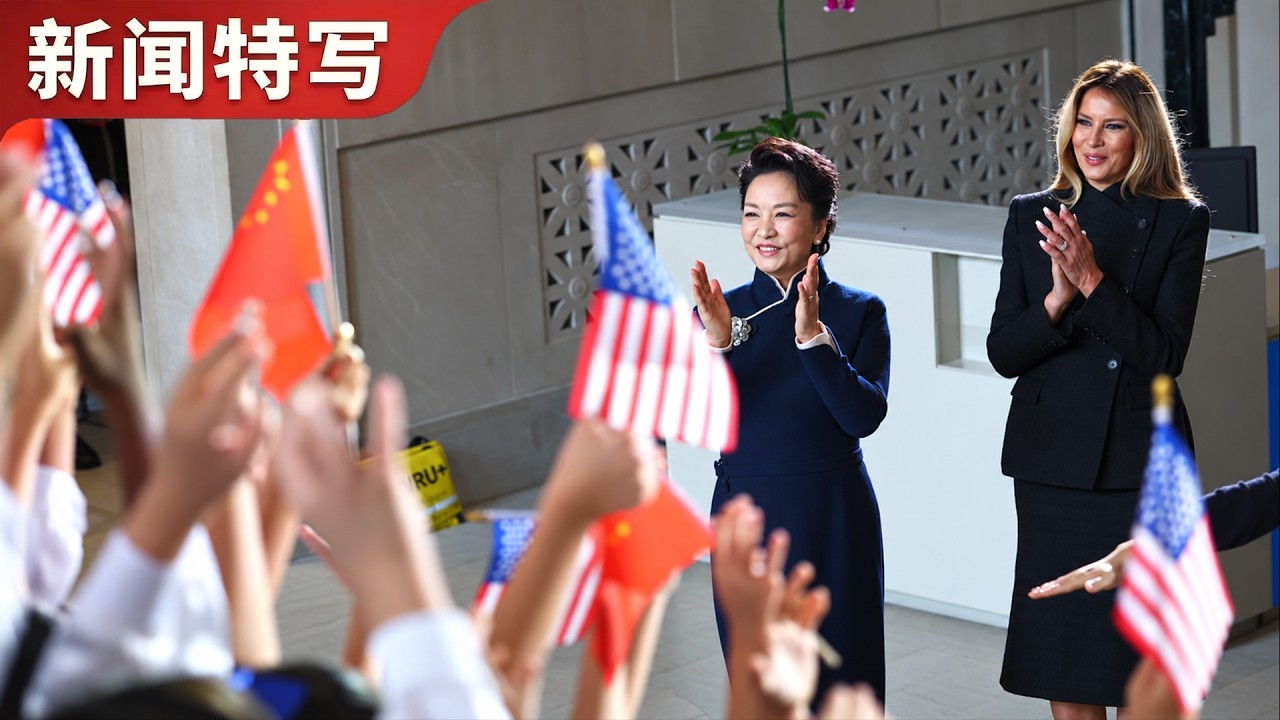
彭丽媛同梅拉尼娅参观博物馆 ,听美国孩子唱《茉莉花》|新闻特写20260925 — 王志安

王志安

AI-assisted summary of 彭丽媛同梅拉尼娅参观博物馆 ,听美国孩子唱《茉莉花》|新闻特写20260925 — original source. Check the original for full context.

Source published:

Key ideas

  • 中美元首夫人共同参观史密森学会弗利尔美术馆,并在专业策展团队引导下重点观赏著名的孔雀厅(The Peacock Room)。 (0:08)
  • 策展人详述了孔雀厅融汇东西方美学的历史背景,包括惠斯勒如何受中国青花瓷底款及日本艺术影响,以及艺术家与赞助人莱兰之间的纠纷细节。 (1:42)
  • 美国儿童合唱团现场献唱包括中国民歌《茉莉花》在内的多首曲目,以音乐传递两国民间交流与跨文化友谊。 (13:31)

Detailed notes

## Background This video was published on YouTube by 王志安 on September 25, 2026. The accompanying page description promotes membership tiers on YouTube and Patreon, alongside links to purchase the author's e-book, 'Wang Zhian on Governance Volume II.'

## TL;DR During a joint museum visit, Peng Liyuan and Melania Trump tour the Smithsonian's Freer Gallery of Art to examine James McNeill Whistler's celebrated Peacock Room. Curators guide the delegation through the room's cross-cultural aesthetic synthesis of Chinese porcelain and Western design, recounting Whistler's infamous artistic feud with his patron Frederick Leyland. The party is then escorted through the museum lobby to an auditorium for a youth musical performance. An American children's choir sings a bilingual selection of songs promoting international friendship, including the Chinese folk classic 'Mo Li Hua.' The visit concludes with warm expressions of gratitude, applause, and a commemorative photo session with the young performers.

## Atmosphere & style The presentation captures the formal yet observant rhythm of a high-profile diplomatic cultural exchange, blending the organized hustle of security and camera crews with quiet gallery reverence. The tour of the Peacock Room feels scholarly and engaging as curators recount the vivid, eccentric history behind Whistler's gilded masterpiece. The mood shifts into something tender and uplifting during the musical presentation, where the children's bright choral harmonies and innocent delivery bring an authentic warmth to the official proceedings.

## Bulletin - [00:08](https://www.youtube.com/watch?v=qIHwir4ZBBA&t=8s) 中美元首夫人共同参观史密森学会弗利尔美术馆,并在专业策展团队引导下重点观赏著名的孔雀厅(The Peacock Room)。 - [01:42](https://www.youtube.com/watch?v=qIHwir4ZBBA&t=102s) 策展人详述了孔雀厅融汇东西方美学的历史背景,包括惠斯勒如何受中国青花瓷底款及日本艺术影响,以及艺术家与赞助人莱兰之间的纠纷细节。 - [13:31](https://www.youtube.com/watch?v=qIHwir4ZBBA&t=811s) 美国儿童合唱团现场献唱包括中国民歌《茉莉花》在内的多首曲目,以音乐传递两国民间交流与跨文化友谊。

## Key takeaways - [00:08](https://www.youtube.com/watch?v=qIHwir4ZBBA&t=8s) 安保与博物馆团队严密协调媒体动线,为外宾参观预留中央通道并维持现场秩序。 - [00:08](https://www.youtube.com/watch?v=qIHwir4ZBBA&t=8s) 博物馆高层向代表团介绍深谙亚洲及中国艺术史的资深策展专家团队。 - [01:42](https://www.youtube.com/watch?v=qIHwir4ZBBA&t=102s) 弗利尔美术馆的孔雀厅由美国著名艺术家詹姆斯·麦克尼尔·惠斯勒操刀设计,以其画作《瓷之国的公主》为核心构建。 - [01:42](https://www.youtube.com/watch?v=qIHwir4ZBBA&t=102s) 孔雀厅体现了19世纪中后期日本、中国与欧洲之间的审美交融与历史性艺术对话。 - [01:42](https://www.youtube.com/watch?v=qIHwir4ZBBA&t=102s) 西方自18世纪起便掀起中国瓷器收藏热潮,连乔治·华盛顿等历史人物亦在其宅邸摆放中国瓷器。 - [01:42](https://www.youtube.com/watch?v=qIHwir4ZBBA&t=102s) 惠斯勒在孔雀厅的金色壁画设计中,直接吸纳并摹绘了中国古代瓷器的底款图案与纹样。 - [05:21](https://www.youtube.com/watch?v=qIHwir4ZBBA&t=321s) 英国航运大亨弗雷德里克·莱兰最初委托设计该厅以陈列其收藏的中国青花瓷,但惠斯勒在擅自改动壁饰后与莱兰爆发严重报酬与艺术争端。 - [05:21](https://www.youtube.com/watch?v=qIHwir4ZBBA&t=321s) 惠斯勒在主画作对面的墙上创作了两只争斗的孔雀,以视觉隐喻讽刺拜金的赞助人与骄傲的艺术家。 - [05:21](https://www.youtube.com/watch?v=qIHwir4ZBBA&t=321s) 莱兰去世后,整座孔雀厅被完整拆解并漂洋过海运至美国得以完好保留。 - [08:33](https://www.youtube.com/watch?v=qIHwir4ZBBA&t=513s) 代表团结束展厅观赏后穿行穿过美术馆大厅,前往礼堂准备观摩音乐表演。 - [13:31](https://www.youtube.com/watch?v=qIHwir4ZBBA&t=811s) 美国儿童合唱团用中英双语演唱多首歌曲,包括中国传统民歌经典《茉莉花》。 - [13:31](https://www.youtube.com/watch?v=qIHwir4ZBBA&t=811s) 少儿合唱曲目融入跨越全球、分享友谊与微笑的主题,彰显跨文化交流的温暖氛围。 - [19:21](https://www.youtube.com/watch?v=qIHwir4ZBBA&t=1161s) 代表团对外场小演员及指导教师的出色表现表达高度赞赏与感谢,并共同合影留念。 - [19:21](https://www.youtube.com/watch?v=qIHwir4ZBBA&t=1161s) 礼宾与特勤人员迅速部署离场路线,安全护送代表团离开,圆满结束本次联合参观活动。

## Detailed walkthrough ### [00:08](https://www.youtube.com/watch?v=qIHwir4ZBBA&t=8s) Press Coordination and Entry into the Gallery

Before the dignitaries enter the gallery, museum staff and security personnel actively manage the press pool and camera operators to establish clear sightlines. Handlers direct the media to step back toward the rear railings as the guests are scheduled to walk down the central walkway and pivot around the installation rather than proceeding straight through the hallway. Amid lighthearted banter, organizers repeatedly instruct the crowd to yield space, ensuring the perimeter remains secure.

As the party arrives, museum officials introduce the curatorial team, highlighting the museum's specialist expertise in Asian art. A guide introduces James Stewart and the accompanying Chinese art curators, emphasizing their vast scholarly background and intimate familiarity with the collection before ushering the guests into the primary exhibit space.

- Handlers instruct camera crews to retreat completely to the rear railing to clear the central passage for the walking tour. - Museum leaders introduce the curating staff, pointing out their deep background and extensive experience handling Chinese historical artifacts.

[01:42](https://www.youtube.com/watch?v=qIHwir4ZBBA&t=102s) Tour of the Peacock Room: Whistler, Porcelain, and Cross-Cultural Arts

The delegation is welcomed directly into the Peacock Room (*Harmony in Blue and Gold: The Peacock Room*), a landmark interior decorative installation housed at the Smithsonian's Freer Gallery of Art. The guide explains that the entire room was created by the prominent American expatriate artist James McNeill Whistler, who conceived the room's interior architecture and decorative scheme around his central canvas, *Rose and Silver: The Princess from the Land of Porcelain*. As the guide remarks: “This room was designed by James Whistler, the great American artist.”

The presentation highlights how the decorative scheme serves as a profound historical record of artistic dialogue between East and West. The curator explains that the painting and surrounding shelving capture the dynamic aesthetic engagement between Japan, China, and Europe during the mid-to-late nineteenth century. The guide traces the fascination with Chinese porcelain back to the early eighteenth century, noting that porcelain collecting became so intense across Europe and North America that even foundational figures like George Washington sought to display Chinese porcelain within their residences. Whistler integrated these motifs directly into the room's gilded wall designs, copying stylistic patterns and circular markings directly from the base marks of historic Chinese ceramics.

```mermaid flowchart TD accTitle: The Artistic Heritage of the Peacock Room accDescr: Flowchart illustrating the cultural elements converging in Whistler's Peacock Room design.

subgraph Influences ["Historical & Cultural Roots"] A["Chinese Blue & White Porcelain"] B["18th-Century Western Porcelain Craze"] C["Japanese Aesthetics"] end

subgraph Creation ["Whistler's Design Scheme"] D["Central Painting:<br/>The Princess from the Land of Porcelain"] E["Gilded Shelving & Gold Patterns<br/>Derived from Chinese Base Marks"] end

subgraph Legacy ["Architectural Result"] F["The Peacock Room<br/>(Freer Gallery of Art)"] end

A --> E B --> D C --> D D --> F E --> F ```

[05:21](https://www.youtube.com/watch?v=qIHwir4ZBBA&t=321s) The Feud with the Patron and Whistler’s Hidden Story

The tour turns to the dramatic background of the Peacock Room's creation, focusing on the bitter dispute between Whistler and his original patron, the British shipping magnate Frederick Leyland. Leyland had initially commissioned the room in his London residence to showcase his prized collection of Chinese blue-and-white porcelain. However, while Leyland was away, Whistler took extensive artistic liberties, painting over expensive leather wall hangings with elaborate blue and gold peacock motifs to better accentuate the palette of his centerpiece painting.

The guide explains the visual allegory Whistler left behind to mock his patron. On the wall opposite the central painting, Whistler rendered two fighting peacocks: one representing the aggressive, money-focused patron surrounded by scattered gold coins, and the other depicting the proud, indomitable artist. As the guide recounts when describing the conflict over compensation and artistic license: “The patron actually did after everything had peacock feathers and gold and the artist chose these colors to bring the best of the height and the patron money.” Following Leyland's death, the entire room was purchased, dismantled, and transported across the Atlantic, preserving both its exquisite aesthetic synthesis and the legendary quarrel between patron and creator.

[08:33](https://www.youtube.com/watch?v=qIHwir4ZBBA&t=513s) Transition Through the Museum to the Performance Stage

Following the conclusion of the Peacock Room tour, staff and security teams direct the entourage out of the gallery and through the lobby. Ushers, Secret Service, and video crews coordinate movement to clear corridors, directing media members to specific viewing lanes.

The production staff directs everyone toward the designated performance station, calling out positions and instructing the press pool to hold their stations and remain still. As final technical adjustments are made for the press setup, the delegation gathers in the auditorium space where an ensemble of young students awaits their arrival.

- Museum staff guides the delegation and press corps out of the gallery wing back into the open lobby. - Camera operators and media liaisons maneuver into designated press enclosures, calling out instructions to ensure clear pathways. - The crowd settles into place in preparation for a special youth musical presentation.

[13:31](https://www.youtube.com/watch?v=qIHwir4ZBBA&t=811s) Children's Choir Performance and Musical Presentation

The visiting delegation takes their seats for a cultural performance by an American children's choir. The students perform a repertoire highlighting cross-cultural friendship and goodwill, featuring traditional and popular selections sung in both Chinese and English, including the Chinese folk classic *Mo Li Hua* (*Jasmine Flower*).

The young singers follow with uplifting vocal numbers, including selections featuring themes of international connection and carrying joy across "every corner of the world." The audience, including the dignitaries and accompanying officials, listens attentively as the children deliver the melodic harmonies, concluding the performance with spirited applause across the hall.

- The youth choir presents a vocal showcase combining Eastern and Western songs to celebrate cultural ties. - The performance features expressive harmonies, closing with lyrical messages of friendship, smiles, and global goodwill. - The audience responds enthusiastically with applause at the conclusion of each selection.

[19:21](https://www.youtube.com/watch?v=qIHwir4ZBBA&t=1161s) Concluding the Performance and Departure

At the conclusion of the musical presentation, the guests warmly thank the children and choir directors for their performance. Observing the children's hard work across the musical pieces, an observer remarks approvingly: “is a beautiful job.” The dignitaries offer their appreciation to the performers for preparing the songs and participate in a commemorative photo opportunity with the young singers.

Security personnel and protocol officers promptly move into position to coordinate the official departure. Escorts confirm movement assignments to keep the delegation together as they exit the hall, while security officers direct remaining bystanders and press to clear the walkways, wrapping up the joint museum visit.

## Mentioned 彭丽媛, 梅拉尼娅·特朗普, 王志安, 詹姆斯·麦克尼尔·惠斯勒, 弗雷尔美术馆, 史密森尼学会, 孔雀厅, 《瓷器之国的公主》, 弗雷德里克·雷兰, 乔治·华盛顿, 《茉莉花》, 詹姆斯·斯图尔特, 美国特勤局

## Video description 1. YouTube 会员平台 成为本频道的会员,即可尊享专属福利,提前观看节目,直播,专属会员节目。 点击链接了解详情并加入:https://www.youtube.com/channel/UCBKDRq35-L8xev4O7ZqBeLg/join

2. Patreon 会员平台 在 Patreon 中加入「王局」会员,您不仅可以观看会员专属视频,直播,更能参与会员社群互动,更贴心的是,Patreon 支持使用中国大陆银行卡支付!点击链接立刻加入: Patreon 会员加入链接:https://www.patreon.com/join/8734589

王局新书【王志安谈治国理政第二卷电子书】不怎么火热销售中 【PATREON购买链接】https://www.patreon.com/c/wangzhian/shop 【苹果书店购买链接】 https://books.apple.com/us/book/%E7%8E%8B%E5%BF%97%E5%AE%89%E8%B0%88%E6%B2%BB%E5%9B%BD%E7%90%86%E6%94%BF%E7%AC%AC%E4%BA%8C%E5%8D%B7/id6739830450 【亚马逊电子书购买链接】 https://www.amazon.co.jp/%E7%8E%8B%E5%BF%97%E5%AE%89%E8%B0%88%E6%B2%BB%E5%9B%BD%E7%90%86%E6%94%BF%E7%AC%AC%E4%BA%8C%E5%8D%B7-Traditional-Chinese-%E5%BF%97%E5%AE%89-%E7%8E%8B-ebook/dp/B0DRJ8R48M

[Source](https://www.youtube.com/watch?v=qIHwir4ZBBA)

中文简报

彭丽媛同梅拉尼娅参观博物馆,听美国孩子唱《茉莉花》 在一次联合博物馆参观活动中,彭丽媛与梅拉尼娅·特朗普参观了史密森学会弗利尔美术馆,观赏了詹姆斯·麦克尼尔·惠斯勒著名的“孔雀厅”。策展人引导代表团参观了该展厅融合中国瓷器与西方设计的跨文化美学结合,并讲述了惠斯勒与其赞助人弗雷德里克·莱兰之间著名的艺术纠纷。随后,一行人穿过博物馆大厅前往礼堂观看青年音乐演出。一支美国儿童合唱团用双语演唱了多首促进国际友谊的歌曲,其中包括中国经典民歌《茉莉花》。参观活动在热烈的致谢、掌声以及与小演员们的合影留念中结束。 中美元首夫人共同参观史密森学会弗利尔美术馆,并在专业策展团队引导下重点观赏著名的孔雀厅(The Peacock Room)。 (0:08) 策展人详述了孔雀厅融汇东西方美学的历史背景,包括惠斯勒如何受中国青花瓷底款及日本艺术影响,以及艺术家与赞助人莱兰之间的纠纷细节。 (1:42) 美国儿童合唱团现场献唱包括中国民歌《茉莉花》在内的多首曲目,以音乐传递两国民间交流与跨文化友谊。 (13:31)

Reading summary

During a joint museum engagement, visiting dignitaries toured the Smithsonian's Freer Gallery of Art to examine James McNeill Whistler's Peacock Room as an emblem of historical East-West artistic exchange, followed by an American children's choir performance highlighting cross-cultural goodwill. Curatorial Framing and Media Coordination (0:08) Before the tour commenced, museum personnel and security teams actively managed media positioning, clearing central pathways and setting press enclosures to ensure secure transit through the galleries. Museum leadership introduced the Freer Gallery's specialist curatorial team, including James Stewart and Asian art curators, spotlighting their scholarly depth and extensive experience handling Chinese historical artifacts. This organizational setup framed the walking tour as both a high-profile diplomatic visit and an academic exploration of cross-cultural art history, setting clear sightlines for observers before the delegation entered the primary exhibition galleries. The Peacock Room and Transpacific Aesthetic Exchange (1:42) The core of the gallery tour focused on Whistler's famed interior installation, Harmony in Blue and Gold: The Peacock Room. Curators explained that the entire decorative scheme was built around Whistler's central canvas, Rose and Silver: The Princess from the Land of Porcelain, capturing mid-to-late nineteenth-century aesthetic interactions among China, Japan, and Western fine arts. Museum guides connected Whistler's gilded wall designs directly to Chinese ceramic traditions, pointing out decorative patterns and circular motifs derived from historical base marks on porcelain. The presentation contextualized this fascination within a broader historical craze for Chinese blue-and-white porcelain that swept Europe and North America beginning in the early eighteenth century, noting that foundational figures such as George Washington actively acquired and displayed Chinese ceramics in their homes. Patronage Dispute and Transatlantic Relocation (5:21) The curatorial narrative also detailed the contentious history behind the Peacock Room's creation. British shipping magnate Frederick Leyland originally commissioned the room in his London residence to exhibit his Chinese porcelain collection. However, while Leyland was away, Whistler exercised extensive artistic license, painting over costly leather wall hangings with elaborate peacock motifs to harmonize the room's color palette with his central painting. This unauthorized redesign triggered a bitter dispute over compensation and creative autonomy. Whistler commemorated the clash directly on the gallery wall by painting two fighting peacocks, allegorically contrasting the defiant artist against the money-minded patron surrounded by coins. Following Leyland's death, the entire installation was purchased, dismantled, and transported across the Atlantic to Washington, D.C., preserving both the aesthetic synthesis and the historic feud. Musical Presentation and Cultural Exchange (13:31) Transitioning from the decorative arts exhibit, security and museum staff escorted the delegation through the lobby into an auditorium for a youth musical showcase. An ensemble from an American children's choir presented a musical program celebrating cross-cultural ties, performing bilingual repertoire in both Chinese and English. A centerpiece of the recital was the choir's rendition of the traditional Chinese folk classic Mo Li Hua (Jasmine Flower), alongside uplifting vocal numbers centered on international friendship and goodwill. The dignitaries praised the young performers' preparation and execution, commending their efforts before participating in commemorative photographs and concluding the museum visit. The program demonstrates how museum curation and youth performing arts are integrated into public diplomacy, utilizing Whistler's blended decorative masterpiece and bilingual musical performances to symbolize enduring cross-cultural connections.

精炼阅读摘要

本期节目记录了代表团在史密森学会弗利尔美术馆(Freer Gallery of Art)的参访过程,重点展现了融合东西方艺术精髓的“孔雀厅”历史渊源,以及美国青少年合唱团用中英双语演唱《茉莉花》等曲目所传递的人文交流氛围。 动线管控与专业策展团队引导 (0:08) 在贵宾进入展厅前,现场安保与博物馆工作人员对媒体记者和摄像团队实施了严格的动线控制,要求各家媒体后撤至指定围栏区域,以确保中央通道畅通无阻,便于嘉宾绕行艺术装置参观。组织团队通过明确的指令规范现场秩序,保障了参观路线的通畅与周边环境的安全。 随后,博物馆管理层向代表团介绍了负责导览的亚洲艺术策展团队,其中包括詹姆斯·斯图尔特(James Stewart)及多位中国艺术策展专家。馆方特别强调了策展团队在亚洲艺术研究方面的深厚学术造诣,以及长期负责打理和保护中国历史文物的专业经验,为后续参观建立了学术导览背景。 孔雀厅的东西方艺术交织与历史渊源 (1:42) 代表团首先步入弗利尔美术馆标志性的室内装饰艺术空间——孔雀厅(Harmony in Blue and Gold: The Peacock Room)。导览人员说明,该空间由著名旅欧美国艺术家詹姆斯·麦克尼尔·惠斯勒(James McNeill Whistler)主持设计,所有建筑与装饰构想均围绕其核心油画《瓷国公主》(Rose and Silver: The Princess from the Land of Porcelain)展开,生动呈现了19世纪中后期日本、中国与欧洲之间活跃的美学交融。 策展专家进一步向嘉宾介绍了西方对中国瓷器的狂热历史,指出这种追捧早在18世纪初便已风靡欧美,甚至乔治·华盛顿(George Washington)等历史人物也曾热衷于在住所内摆设中国瓷器。惠斯勒将这些东方元素直接融入金色壁架与墙面装饰中,其装饰纹样正是直接取材于中国传统陶瓷底部的底款标记与图案。 艺术意志与赞助冲突:双孔雀争斗隐喻 (5:21) 导览人员详细回顾了孔雀厅背后激烈的艺术与资助人矛盾。该房间原系英国航运大亨弗雷德里克·雷兰(Frederick Leyland)为其伦敦宅邸定制,初衷是用以陈设其收藏的中国青花瓷器。然而在雷兰外出期间,惠斯勒自行采取激进的艺术改造,用蓝金相间的孔雀羽毛图案大面积覆盖了昂贵的西班牙皮质墙布,以呼应中央画作的色彩调性。 为回击赞助人在报酬与权限上的争执,惠斯勒在主画作正对面的墙上绘制了极具讽刺意味的“两只争斗的孔雀”寓言画:一只孔雀身边散落着金币,象征贪恋金钱且咄咄逼人的赞助人;另一只则代表桀骜不驯、坚持自我的艺术家。雷兰去世后,整间孔雀厅被完整拆解、跨越大西洋运往美国,这段赞助人与创作者之间的历史公案亦随之被永久保存。 美中文化共鸣:童声合唱与双语展示 (13:31) 参观完孔雀厅后,代表团在礼宾人员和特勤部门的协调下穿过开放式大厅,前往礼堂的表演区域。现场由美国青少年组成的学生合唱团已在舞台就位,为来宾准备了以民间友谊与跨文化交流为主题的合唱展演。孩子们运用中文和英文双语,动情演唱了中国传统经典民歌《茉莉花》(Mo Li Hua)及多首传递全球善意与友爱主题的乐曲,现场嘉宾与随行官员报以热烈掌声。 演出落幕后,代表团成员对孩子们的精彩演唱和合唱团指导老师的辛勤指导致以感谢,现场观摩者亦高度称赞演出完成得非常漂亮(is a beautiful job)。嘉宾随后与小演员们共同合影留念,最后在严密的安全护卫下有序撤离展厅,顺利结束了本次兼具艺术鉴赏与人文互动的博物馆之行。 本期新闻特写完整记录了外事参访中以艺术与音乐为载体的人文互动,展现了西方艺术史中融合东方瓷器美学的历史脉络,并通过美国少年儿童对中国传统歌曲的演绎传达了跨文化交流的善意。

Detailed notes — zh

## Background 该视频由“王志安”于2026年9月25日发布在YouTube平台上。视频简介主要介绍了频道YouTube与Patreon会员的专享福利与加入方式,并推广了王局新书《王志安谈治国理政第二卷电子书》在多平台的销售链接。 ## TL;DR 本期新闻特写记录了彭丽媛同梅拉尼娅共同参观弗利尔美术馆并开展人文交流的完整过程。活动开场由工作人员协调密集的媒体与安保动线,随后策展人带领嘉宾参观了融合东西方美学的著名“孔雀厅”,细致讲述了展厅的历史渊源与艺术创作轶事。转场后,到访嘉宾聆听了美国中小学生用清晰中文演唱的经典民歌《茉莉花》及温馨的英文歌曲。彭丽媛与梅拉尼娅对孩子们的精彩表演给予了高度赞赏,整场外事参访与文化交流活动在融洽的掌声中圆满落幕。 ## Atmosphere & style 整段视频呈现出纪实新闻特写特有的现场感与生动张力。起初媒体记者调动机位与安保穿梭其间,带有些许公务活动的忙碌与紧凑;随着馆方对孔雀厅艺术细节的娓娓道来,气氛逐渐转入沉静高雅的美学鉴赏;而当纯净稚嫩的童声在大厅响起时,严肃的外事距离感瞬间消融,全场洋溢着温馨真挚的跨文化暖意与情感共鸣。 ## Bulletin - [01:20](https://www.youtube.com/watch?v=qIHwir4ZBBA&t=80s) 彭丽媛与梅拉尼娅共同参观弗利尔美术馆,重点走访了融合东西方美学风格的著名展厅“孔雀厅”。 - [01:20](https://www.youtube.com/watch?v=qIHwir4ZBBA&t=80s) 策展方详细介绍了孔雀厅所体现的西方中国风潮,展示了自18世纪起中国瓷器及艺术纹样对欧美社会的深远影响。 - [13:31](https://www.youtube.com/watch?v=qIHwir4ZBBA&t=811s) 美国中小学生在博物馆现场用中文合唱经典民歌《茉莉花》及英文歌曲,以此进行文化交流并受到嘉宾盛赞。 ## Key takeaways - [00:08](https://www.youtube.com/watch?v=qIHwir4ZBBA&t=8s) 活动正式开始前,安保与工作人员在展厅内紧急协调媒体机位与走动路线,确保贵宾进场通道畅通。 - [01:20](https://www.youtube.com/watch?v=qIHwir4ZBBA&t=80s) 代表团参观由美国艺术家詹姆斯·麦克尼尔·惠斯勒设计的弗利尔美术馆“孔雀厅”。 - [01:20](https://www.youtube.com/watch?v=qIHwir4ZBBA&t=80s) “孔雀厅”集中展现了19世纪60至70年代日本、中国与欧美艺术文化之间的跨文化碰撞与对话。 - [01:20](https://www.youtube.com/watch?v=qIHwir4ZBBA&t=80s) 中国瓷器早在18世纪初便风靡欧美,连美国开国总统乔治·华盛顿也曾热衷于在住所中收藏摆放。 - [01:20](https://www.youtube.com/watch?v=qIHwir4ZBBA&t=80s) 孔雀厅墙面与展架上的金色圆圈及纹样设计,大量直接借鉴并临摹了中国瓷器底部的款识与图案。 - [05:21](https://www.youtube.com/watch?v=qIHwir4ZBBA&t=321s) 策展人讲述了惠斯勒与富商赞助人雷兰德因装饰风格与报酬引发的争端,艺术家借壁画中的孔雀宣泄不满。 - [05:21](https://www.youtube.com/watch?v=qIHwir4ZBBA&t=321s) 展厅参观结束后,现场工作人员高效疏导媒体记者转场至表演大厅就位。 - [11:05](https://www.youtube.com/watch?v=qIHwir4ZBBA&t=665s) 美国当地学生身着整齐服装列队,为到访嘉宾准备了精心排练的中英文经典曲目合唱。 - [13:31](https://www.youtube.com/watch?v=qIHwir4ZBBA&t=811s) 学生们以纯净的嗓音和标准的中文发音深情演唱了中国民歌《茉莉花》。 - [13:31](https://www.youtube.com/watch?v=qIHwir4ZBBA&t=811s) 学生们随后献唱了温馨友好的英文歌曲,用歌声传递友好与欢迎之意。 - [19:13](https://www.youtube.com/watch?v=qIHwir4ZBBA&t=1153s) 彭丽媛与梅拉尼娅高度赞赏学生们的精彩表现,称赞合唱演出十分出色。 - [19:13](https://www.youtube.com/watch?v=qIHwir4ZBBA&t=1153s) 在热烈融洽的交流与合影后,现场安保人员引导疏散人群,人文交流活动圆满收尾。 ## Detailed walkthrough ### [00:08](https://www.youtube.com/watch?v=qIHwir4ZBBA&t=8s) 现场安保与媒体路线调度 参观活动开始前,博物馆展厅内气氛忙碌而略带紧张。安保人员与现场工作人员正紧急协调现场动线,指挥随行媒体与摄影团队调整拍摄机位。工作人员一边指引讲解路线,一边高声提醒拍摄人员往后退:“Start here first and then she's going to walk down and around. So, we're just sort of going to pivot.” 随着人群就位,现场人员不断提示记者往后退让出通道,避免挡住代表团的行进方向。大家在轻微的骚动与笑声中不断后撤,直至退到后方的栏杆处,以确保展厅核心区域留出充足的走动空间,迎接贵宾入场。 ### [01:20](https://www.youtube.com/watch?v=qIHwir4ZBBA&t=80s) 参观弗利尔美术馆“孔雀厅”:跨文化艺术交融的杰作 进入展厅后,博物馆馆长及中国艺术策展专家向贵宾们热情介绍著名展厅——“孔雀厅”(The Peacock Room)。该展厅由美国著名艺术大师詹姆斯·麦克尼尔·惠斯勒(James McNeill Whistler)倾力设计,其核心是惠斯勒的一幅经典画作。讲解人员特别指出,这个空间不仅展现了强烈的视觉冲击,更生动反映了19世纪60至70年代日本、中国与欧美艺术文化之间的深度碰撞与对话。 策展人向嘉宾们阐述,孔雀厅在整体上代表了欧美与中国艺术交融的高水平体现。早在18世纪初,中国瓷器和中国风尚在西方家庭中便风靡一时,甚至连美国开国总统乔治·华盛顿也曾热衷于在住所中收藏和摆放中国瓷器。展厅中墙面与陈列架上的金色圆圈与精美纹样,许多正是直接借鉴并临摹自中国瓷器底部的款识与图案。馆方赞叹道:“So I think that cultural love is somewhat inspiring.” - **核心艺术设计**:由美国画家詹姆斯·麦克尼尔·惠斯勒围绕其画作全面打造。 - **历史渊源**:展示了西方自18世纪以来对中国瓷器及东方工艺的追捧与借鉴。 - **装饰细节**:展厅金饰图案融合了中国瓷器底款与东方美学元素。 ### [05:21](https://www.youtube.com/watch?v=qIHwir4ZBBA&t=321s) 孔雀厅背后的赞助人故事与转场准备 策展人还向贵宾们生动讲述了孔雀厅背后一段关于艺术家与赞助人之间的轶事。当时该房间原本是为英国伦敦的一位富商赞助人(弗雷德里克·雷兰德)所设计。然而,惠斯勒在未经赞助人充分许可的情况下,将房间全部涂饰上华丽的孔雀羽毛金饰,并选用浓烈的色彩以衬托瓷器的高度与美感。赞助人对此极为不满,并在报酬支付上与惠斯勒发生激烈争执,导致艺术家在壁画中绘制了象征贪婪与金钱纠纷的孔雀图案来宣泄不满。 讲解结束后,现场工作人员再次组织路线转场,提醒所有随行人员和媒体注意秩序。工作人员在走廊与大厅间反复提示“One side or the other”、“Head back out the lobby”,引导媒体记者尽快转移至下一个活动环节的现场,确保接下来的活动按原定计划有序推进。 ### [11:05](https://www.youtube.com/watch?v=qIHwir4ZBBA&t=665s) 现场合唱准备:迎接学生音乐表演 媒体记者与工作人员提前转移至演艺区域布置机位。现场调度人员高呼:“Get ready. All right. Let's go. Press now.” 指导各路摄影师蹲位拍摄并保持安静,确保表演环节能够完整且平稳地记录。 舞台区域准备就绪后,来自美国当地学校的学生们身着整齐服装列队站好,准备为到访的嘉宾献上精心排练的中英文经典曲目。全场随着乐声渐起迅速安静下来,展现出极为专注而温馨的文化交流氛围。 ### [13:31](https://www.youtube.com/watch?v=qIHwir4ZBBA&t=811s) 美国学生深情演唱《茉莉花》等经典曲目 在柔和优美的音乐伴奏下,美国中小学生们齐声演唱了包括中国传统民歌《茉莉花》在内的多首曲目。孩子们用清晰标准的中文咬字认真演唱,纯净童稚的歌声在美术馆的大厅中回荡,将东西方文化交流的暖意推向高潮。 孩子们随随后又献唱了富有感染力的英文歌曲,歌词中饱含着温暖与善意:“go back home and take with you, but you never take your smile away”,用真诚的微笑与歌声向远道而来的客人们表达欢迎。一曲唱毕,全场爆发出了热烈的掌声与喝彩。 ### [19:13](https://www.youtube.com/watch?v=qIHwir4ZBBA&t=1153s) 嘉宾盛赞演出与活动圆满落幕 表演结束后,彭丽媛与梅拉尼娅对孩子们的精彩演出表达了由衷的喜爱与感谢。看到美国学生能够如此流利且投入地演唱中文歌曲,现场嘉宾纷纷夸赞孩子们表现卓越:“is a beautiful job.” 在合影与交流结束后,安保人员与工作人员迅速上前疏导人流,礼貌地引导在场各方离开展厅:“Thank you. Thank you for clearing the way.” 整个参观与人文交流活动在轻松融洽的气氛中顺利画上句号。 ## Mentioned 彭丽媛, 梅拉尼娅, 王志安, 孔雀厅, 詹姆斯·麦克尼尔·惠斯勒, 乔治·华盛顿, 弗雷德里克·雷兰德, 茉莉花, 弗利尔美术馆 ## Video description 1. YouTube 会员平台 成为本频道的会员,即可尊享专属福利,提前观看节目,直播,专属会员节目。 点击链接了解详情并加入:https://www.youtube.com/channel/UCBKDRq35-L8xev4O7ZqBeLg/join 2. Patreon 会员平台 在 Patreon 中加入「王局」会员,您不仅可以观看会员专属视频,直播,更能参与会员社群互动,更贴心的是,Patreon 支持使用中国大陆银行卡支付!点击链接立刻加入: Patreon 会员加入链接:https://www.patreon.com/join/8734589 王局新书【王志安谈治国理政第二卷电子书】不怎么火热销售中 【PATREON购买链接】https://www.patreon.com/c/wangzhian/shop 【苹果书店购买链接】 https://books.apple.com/us/book/%E7%8E%8B%E5%BF%97%E5%AE%89%E8%B0%88%E6%B2%BB%E5%9B%BD%E7%90%86%E6%94%BF%E7%AC%AC%E4%BA%8C%E5%8D%B7/id6739830450 【亚马逊电子书购买链接】 https://www.amazon.co.jp/%E7%8E%8B%E5%BF%97%E5%AE%89%E8%B0%88%E6%B2%BB%E5%9B%BD%E7%90%86%E6%94%BF%E7%AC%AC%E4%BA%8C%E5%8D%B7-Traditional-Chinese-%E5%BF%97%E5%AE%89-%E7%8E%8B-ebook/dp/B0DRJ8R48M [Source](https://www.youtube.com/watch?v=qIHwir4ZBBA)

Original transcript

[0:08] You're coming right down the middle, [0:09] right? [0:10] >> Start here. [0:10] >> Start here first [0:11] >> and then she's going to walk down and [0:13] around. So, we're just sort of going to [0:14] pivot. [0:15] >> I'm giving a tour. [0:16] >> Tell me what's going on. [0:17] >> We're looking at this painting. Let me [0:19] just [0:22] We're turning this way. Okay. So, [0:26] back to the back. The back to the back. [0:28] Back. Back. [0:30] They're not coming the hallway. They're [0:31] turning. So all the way back, back, [0:34] [laughter] back, back. Okay, we are we [0:36] are going to keep going back. We're [0:39] back. We're back to the back [0:40] >> till you hit the back railing, guys. [0:41] Back [0:45] in the way. [0:48] >> Just everyone take steps back. [1:20] James Stewart is one of our curators of [1:22] Chinese. [1:29] immense experience. [1:33] >> Her expertise is very very deep. [1:42] >> So welcome to the peacock room. [1:46] >> This room was designed by James [1:50] Whistler, the great American artist. [2:01] The room is designed around this [2:02] painting which is by whistler. [2:14] to this room especially is that this is [2:17] not just an iconic space of African [2:20] slaves but because it speaks so [2:22] powerfully to America's nation [2:44] So I'll turn to my curator colleague in [2:46] a moment but I'll say this painting [2:47] around which these this gallery was [2:50] designed. This painting captures that [2:54] engagement between Japan, China and [2:58] Europe in the 1860s 197 [3:19] So just brief [3:23] this room as a whole entity [3:28] represents I think the best in Euro [3:32] American Chinese [3:37] there was actually going [3:43] things [3:51] in the early 18th century. [3:54] It was so popular [4:00] that the joke was in a household. [4:08] So this technology [4:17] and even going back to George [4:19] Washington, [4:20] he wanted in his home. [4:27] So this room was [4:31] it had this painting by James [4:37] and if you look at the [4:39] Chinese [4:51] look at the gold [4:53] the circles and the [4:56] are copied from the marks on the bottom [4:59] of Chinese. [5:01] So what we're doing [5:06] in Chinese art [5:10] is very inspiring [5:15] So I think that cultural love is [5:18] somewhat [5:21] >> and then this room also involves a [5:25] secret story between the artist and the [5:30] patron of the room. [5:33] The patron actually did [5:37] after everything had peacock feathers [5:40] and gold and the artist chose these [5:43] colors to bring the best of the [5:46] height [5:53] and the patron [5:56] money. [6:20] this. [6:25] And there's money. [6:33] And this is [6:35] so [6:52] >> Thank you. Those are just as I said, [7:04] but it also [7:07] displays itself. [7:20] The room itself was designed for [7:22] residents in London [7:39] 199. [7:43] This is [7:50] plates [7:52] that have feathers and so there is this [7:58] res. [8:00] So [8:05] peacocks [8:08] are a little bit like [8:33] We got to make room. Oh, I need it. [8:38] Thank you. We're going to protect [8:41] >> one side or the other. One side or the [8:42] other? [8:43] >> This side. [8:45] >> One side or the other? I need to go [8:47] back. Thank you. One side or the other? [9:06] Head back out the lobby. [9:10] Thank you everyone. Thank you. [9:44] What's up? [9:58] This is going to be a little bit [10:35] Got it. And I got it. [11:05] I want to try. [11:10] schools. [11:19] Um, head down to that station. [11:23] >> Yeah. You want here or down here? [11:28] >> Where we Where are we going? You're [11:31] fine. [11:44] your video. I need [11:48] I just barely [11:57] >> No, no, no. [12:02] >> No, just be still. [12:06] Everyone else [12:26] press. Get ready. Get ready. Press. Get [12:29] ready. All right. Let's go. Press now. [12:31] Let's go. Let's go. Come on. Down. Down. [12:34] Down. [12:37] Where? [12:40] Here. And then where just [12:47] leave it? Yes. Yes. Yes. [12:52] Thank you so much. [12:59] Heat. Heat. [13:10] Heat. Heat. [13:31] >> [music] [13:38] [music] [13:41] >> Heat. Heat. [13:45] >> [music] [13:53] [music] [13:54] >> Hallelujah. [singing] [14:04] [singing] [14:13] Your [singing] [14:14] I know I [14:23] need [14:26] soy. [14:38] [music] [14:43] >> [music] [14:50] [music] [14:54] [music] [15:01] [music] [15:05] >> How [singing] [15:06] many [15:08] Heat. Heat. [15:15] [singing] [15:19] >> [music] [15:23] >> Heat. Hey, heat. Hey, heat. [15:36] So [music and singing] [15:39] [screaming] [15:41] [music] [15:43] why [singing] [15:44] am [15:47] [music] [15:56] [music] [15:59] Sing [16:00] [applause] [16:27] to my [16:38] He gives [16:40] Baby, [17:03] up. [17:12] But you never [17:15] [music] [17:16] go back home and take with you. But you [17:20] never take your [17:26] corner of every corner of the world. [17:34] Big following [17:57] down. [18:13] Baby, [18:42] with you. But you never take your smile [18:45] away. [18:51] But you never [19:02] Heat. Heat. [19:13] OH, [19:21] thank you very much. [19:44] original. [20:03] two songs. [20:14] like someone [20:34] is a beautiful job. [20:37] They're [20:43] going to do a f. They're doing a [20:45] >> I'll go down. [20:50] >> She No, she's with her. She's with us. [20:52] She's with her. [21:30] Okay. Thank you. Thank you. Thank you. [21:32] >> Thank you. Thank you for clearing the [21:34] way. Clear the way. Thank you.