【FINAiUS】纪录片——摩根家族完整历史:主导全球金融权力的商业帝国
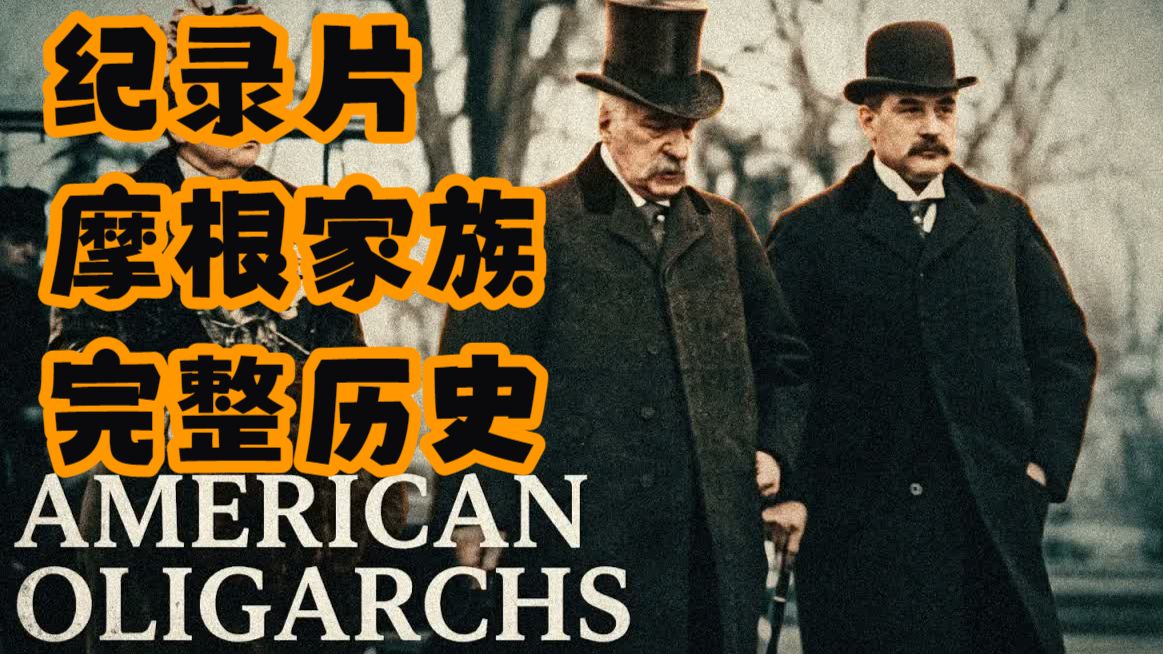
浑水摸鱼清源
AI-assisted summary of 【FINAiUS】纪录片——摩根家族完整历史:主导全球金融权力的商业帝国 — original source. Check the original for full context.
Source published:
Key ideas
- 1870年普法战争期间,朱尼厄斯·摩根在欧洲传统老牌银行拒绝借贷的情况下,以85%折价包销1000万英镑法国国债并于1873年全额兑付,斩获150万英镑暴利,使摩根商行跻身欧洲顶级金融家族之列。 (3:00)
- 在美联储成立前,J.P. 摩根两次以私人财力充当国家央行角色:1895年联合罗斯柴尔德运抵350万盎司欧洲黄金化解财政部挤兑危机,1907年则在私人图书馆闭门迫使银行家联合出资平息全美流动性恐慌。 (10:07)
- 第一次世界大战爆发后,摩根财阀垄断了协约国在美物资采购代理权并提供巨额战争信贷支持,将美国实体产能与前线战事深度绑定,客观上成为推动美国参战的核心经济推手。 (18:00)
- 受1933年《格拉斯-斯蒂格尔法案》强制分拆影响,摩根帝国一分为二催生出摩根士丹利;经历百年演变,摩根家族血脉完全淡出金融管理,现代摩根大通在“堡垒资产负债表”战略下成长为掌管4.4万亿美元资产的华尔街巨擘。 (28:00)
Detailed notes
## Background 本视频由UP主“浑水摸鱼清源”于2026年10月25日发布于哔哩哔哩(Bilibili)。简介表明,视频旨在全景复盘关于全球金融巨兽摩根财阀的纪录片,梳理其横跨近两百年、四代掌门人的发展史,展现其在国家财政濒临绝境时扮演“中央银行”角色的历程,并为宏观与美股投资者提炼逆周期风控与资产定价的启示。
## TL;DR 纪录片详述了摩根财阀从19世纪中叶维多利亚时代的伦敦信贷起步,逐步成长为全球金融中枢的史诗历程。J.P. 摩根凭借“摩根化”重组美国铁路网、并购组建美国钢铁公司等巨型托拉斯,并在1895年黄金危机与1907年大恐慌中两度私人主导救市,进而推动了美联储的设立与随后的反托拉斯监管。经历一战物资统筹、华尔街爆炸案与1929年大萧条的冲击后,该帝国在《格拉斯-斯蒂格尔法案》下拆分为商业银行与摩根士丹利。最终,随着家族后人淡出金融权力核心,现代摩根凭借杰米·戴蒙构筑的“堡垒式资产负债表”穿越2008年次贷危机,展现了以声誉和制度适应力为核心的百年传承。
## Atmosphere & style 全片充溢着古典宏大的历史厚重感与惊心动魄的资本博弈张力,叙事冷峻深邃且极具戏剧感染力。从游艇上逼迫铁路巨头停火的“海盗协议”,到私人图书馆闭门逼捐拯救华尔街,再到长岛刺杀与炸弹袭击的血腥创痕,镜头与解说共同勾勒出顶级金融权力的冷酷与威压。观众在聆听跌宕起伏的家族兴衰时,能清晰感受到维多利亚时代绅士道德契约在现代华尔街机器化运转中消解的宿命感与历史沧桑。
## Bulletin - [03:00](https://www.bilibili.com/video/BV1NiJk67Eeh?t=180s) 1870年普法战争期间,朱尼厄斯·摩根在欧洲传统老牌银行拒绝借贷的情况下,以85%折价包销1000万英镑法国国债并于1873年全额兑付,斩获150万英镑暴利,使摩根商行跻身欧洲顶级金融家族之列。 - [10:07](https://www.bilibili.com/video/BV1NiJk67Eeh?t=607s) 在美联储成立前,J.P. 摩根两次以私人财力充当国家央行角色:1895年联合罗斯柴尔德运抵350万盎司欧洲黄金化解财政部挤兑危机,1907年则在私人图书馆闭门迫使银行家联合出资平息全美流动性恐慌。 - [18:00](https://www.bilibili.com/video/BV1NiJk67Eeh?t=1080s) 第一次世界大战爆发后,摩根财阀垄断了协约国在美物资采购代理权并提供巨额战争信贷支持,将美国实体产能与前线战事深度绑定,客观上成为推动美国参战的核心经济推手。 - [28:00](https://www.bilibili.com/video/BV1NiJk67Eeh?t=1680s) 受1933年《格拉斯-斯蒂格尔法案》强制分拆影响,摩根帝国一分为二催生出摩根士丹利;经历百年演变,摩根家族血脉完全淡出金融管理,现代摩根大通在“堡垒资产负债表”战略下成长为掌管4.4万亿美元资产的华尔街巨擘。
## Key takeaways - [00:00](https://www.bilibili.com/video/BV1NiJk67Eeh?t=0s) 维多利亚时代的跨大西洋金融极度依赖商业信誉,朱尼厄斯·摩根接管皮博迪商行后将严苛风控与账目审核确立为家族核心生存法则。 - [03:00](https://www.bilibili.com/video/BV1NiJk67Eeh?t=180s) 朱尼厄斯在1870年普法战争中逆向押注法国的战后偿债韧性,以八五折包销1000万英镑国债净赚150万英镑,一举与罗斯柴尔德及巴林银行平起平坐。 - [05:25](https://www.bilibili.com/video/BV1NiJk67Eeh?t=325s) J.P. 摩根(皮尔庞特)在父亲严厉的心理管束下成长,凭借1859年新奥尔良咖啡现货的大胆交易展现出超越传统官僚流程的决断力与市场直觉。 - [07:35](https://www.bilibili.com/video/BV1NiJk67Eeh?t=455s) 面对1880年代美国铁路恶性价格战,J.P. 摩根在游艇“海盗号”上促成《海盗契约》,开创了以派驻董事和表决权信托为核心的“摩根化”产业重组模式。 - [10:07](https://www.bilibili.com/video/BV1NiJk67Eeh?t=607s) 1895年美国财政部黄金储备见底面临违约危机,J.P. 摩根联合罗斯柴尔德从欧洲调运350万盎司黄金,以私人财力行使了央行职能并稳定了美元汇率。 - [11:15](https://www.bilibili.com/video/BV1NiJk67Eeh?t=675s) 摩根在1901年主导组建首个十亿美元级巨头美国钢铁公司,并在1907年大恐慌中强令银行家注资救市,但其掌控225亿美元资产的“金钱托拉斯”引发了反垄断审查与普乔委员会调查。 - [15:00](https://www.bilibili.com/video/BV1NiJk67Eeh?t=900s) J.P. 摩根于1913年去世引发纽交所罕见休市致哀,其离世加速促成了美联储立法成立,终结了个体超级银行家独揽国家最终流动性的时代。 - [18:00](https://www.bilibili.com/video/BV1NiJk67Eeh?t=1080s) 一战期间,杰克·摩根执掌的财团同时扮演协约国在美采购总代理与战争信贷核心发行方,使全美金融体系与盟军战局利益深度绑牢。 - [21:00](https://www.bilibili.com/video/BV1NiJk67Eeh?t=1260s) 战争投机引发民间强烈敌意,杰克·摩根在1915年遭遇刺杀身中两枪后制伏凶徒,而1920年华尔街23号大楼外遭遇马车炸弹袭击,外墙创痕被永久保留以彰显坚挺。 - [23:45](https://www.bilibili.com/video/BV1NiJk67Eeh?t=1425s) 1920年代摩根主导《道威斯计划》援助魏玛德国,并向日本政府提供关键承销信贷,战后私人资本无意中资助了美国未来的两大交战国。 - [26:10](https://www.bilibili.com/video/BV1NiJk67Eeh?t=1570s) 1929年股市大崩盘中,摩根财团牵头筹集2.4亿美元托市基金仅支撑一日便被抛售狂潮吞噬,宣告私人银行家救市神话彻底破灭。 - [28:00](https://www.bilibili.com/video/BV1NiJk67Eeh?t=1680s) 大萧条时期国会调查曝光摩根合伙人两年零个税引发公愤,罗斯福签署《格拉斯-斯蒂格尔法案》强行分拆,促使投行部门剥离成立摩根士丹利。 - [35:00](https://www.bilibili.com/video/BV1NiJk67Eeh?t=2100s) 二战后摩根与担保信托(Guaranty Trust)合并补充资本实力,并在1980年代兼并重组浪潮中彻底转变为现代华尔街激进交易文化。 - [40:00](https://www.bilibili.com/video/BV1NiJk67Eeh?t=2400s) 摩根家族后代相继转向军事、艺术与体育并彻底退出金融管理,杰米·戴蒙执掌后凭借保守的“堡垒资产负债表”带领摩根大通在2008年次贷危机中逆势扩张。 - [45:00](https://www.bilibili.com/video/BV1NiJk67Eeh?t=2700s) 截至2026年,原摩根体系三家实体走向迥异:摩根大通资产达4.4万亿美元,摩根士丹利转型财富管理巨头,而英国发源地摩根建富早已消亡。 - [45:50](https://www.bilibili.com/video/BV1NiJk67Eeh?t=2750s) 摩根财阀穿越两百年周期长盛不衰的核心在于将“机构信誉”置于首位,并在历次制度演变、恐慌危机与反垄断重压下主动拥抱自我拆分与专业化重组。
## Detailed walkthrough ### [00:00](https://www.bilibili.com/video/BV1NiJk67Eeh?t=0s) An Unprecedented Banking Dynasty and the Rise of Junius Morgan
The House of Morgan stands as the most formidable banking dynasty in global financial history. From intervening during the Panic of 1907 to reshaping the financial landscape in the 2008 crisis, and from underwriting Allied war efforts in the First World War to financing reconstruction after the Second, its influence repeatedly superseded that of state institutions. For decades, the firm did not merely operate within the American economy—it effectively functioned as the economy itself, exercising greater authority over international sovereign credit than monarchs and presidents. Over a century after its zenith, J.P. Morgan remains the largest and most influential banking institution in the United States.
The modern dynasty began on a gray morning in 1864 on Old Broad Street in London. Junius Spencer Morgan, then 48 years old, took over the merchant banking house of his mentor, George Peabody, following Peabody’s retirement and subsequent passing. Peabody, having spent decades in London, had lost touch with American commercial developments and possessed no heir. He chose Junius deliberately because Junius had spent twenty years building commercial relationships across the American South, methodically collecting debts and accepting raw cotton when cash was unavailable. Junius was a cautious, meticulous operator who measured every risk twice rather than gambling.
In mid-nineteenth-century finance, banking rested entirely upon trust and personal integrity. In an era without electronic wire transfers or statutory regulatory oversight, transatlantic capital flowed purely on the strength of a firm’s name, where a merchant bank's only true asset was its reputation. Upon assuming full control, Junius placed his own name on the door, rechristening the enterprise J.S. Morgan & Company. While the firm enjoyed established respect, Junius still required a defining, landmark transaction to cement his standing among Europe's elite financial houses.
- The House of Morgan's institutional reach stretched uninterrupted from nineteenth-century sovereign debt markets to twentieth-century wartime finance and modern mega-banking. - Junius Spencer Morgan had established his reputation by managing physical commodity settlements and debt collections under austere conditions in the American South. - The fundamental premise of Victorian merchant banking was that if European institutions trusted a banker's word, that firm's paper traded as equivalent to gold.
---
[03:00](https://www.bilibili.com/video/BV1NiJk67Eeh?t=180s) The 1870 Franco-Prussian War Gamble
The defining opportunity arrived across the English Channel in 1870. Continental Europe was thrown into crisis when tensions between Napoleon III’s French Empire and Otto von Bismarck’s expanding Prussian state erupted into the Franco-Prussian War in July. The conflict unraveled with stunning speed. At the Battle of Sedan that September, Prussian forces decimated the French army and captured Napoleon III, precipitating the overnight collapse of the Second Empire. A fragile French Third Republic assumed control over a nation reeling from military defeat, facing territorial occupation, and desperate for emergency capital.
Europe's established financial houses viewed the defeated French Republic as an unacceptable credit risk. The continent's two dominant merchant banks, Rothschild and Baring Brothers, adamantly refused to extend loans to the provisional government. Junius Morgan, however, assessed the situation through a counter-cyclical lens, concluding that France was a resilient, productive society experiencing acute military distress rather than a terminal collapse. Convinced that France would survive, stabilize, and fulfill its sovereign obligations, Junius organized an international banking syndicate to issue £10 million in French government bonds.
To entice investors into what was universally regarded as the single most dangerous trade in banking—underwriting a sovereign state in the midst of war—Junius discounted the bonds aggressively, pricing them at 85 percent of their face value (15 points below par). When the war ended and the French economy rebounded with unexpected vigor, the French government redeemed the debt in full in 1873. The bonds recovered to par value, earning Junius a windfall profit of £1.5 million. Overnight, an upstart American firm in London achieved parity with Rothschild and Baring, elevating the Morgan family into a transnational financial powerhouse.
```mermaid flowchart TD accTitle: The 1870 French Sovereign Bond Syndicate accDescr: Flowchart illustrating how Junius Morgan underwrote French bonds after traditional houses refused.
subgraph Context ["1870 Geopolitical Collapse"] A["Franco-Prussian War & Battle of Sedan"] --> B["Capture of Napoleon III & French Defeat"] B --> C["Provisional Third Republic Desperate for Cash"] end
subgraph EuropeanRefusal ["Traditional Banking Stance"] C --> D["Rothschild & Baring Refuse Credit"] end
subgraph MorganIntervention ["Junius Morgan's Strategic Syndicate"] C --> E["Junius Morgan Identifies Inherent French Productive Capacity"] E --> F["Issues £10M French Bonds at 15-Point Discount (85% Par)"] end
subgraph Settlement ["1873 Post-War Resolution"] F --> G["France Rebounds Rapidly & Honors Debt in Full"] G --> H["£1.5M Net Profit Generated"] H --> I["J.S. Morgan & Co. Joins Tier-1 European Banking Dynasty"] end ```
---
[05:25](https://www.bilibili.com/video/BV1NiJk67Eeh?t=325s) The Strict Upbringing and Audacity of J. Pierpont Morgan
With his international prestige secured, Junius directed his attention toward grooming his son, John Pierpont Morgan, born in Hartford, Connecticut, in 1837. Pierpont was raised in elite comfort and educated in Europe’s premier institutions, yet his youth was marred by severe health crises. At age fifteen, a debilitating bout of rheumatic fever left him temporarily unable to walk, prompting Junius to send him alone to the Azores to convalesce. Throughout this period, Junius subjected Pierpont to relentless paternal surveillance. Junius feared his son's passionate temperament, rash impulses, and appetite for high-stakes risks, and sought to curb these tendencies through unyielding religious rectitude.
Junius imposed rigid psychological accountability from across the Atlantic, explicitly warning the youth of divine and paternal judgment. As the narrator emphasizes: “In a letter to his son, Junius writes the line that defines the boy's entire youth: 'There is an eye above that is ever upon you, and for every act, word, and deed you will one day be called to give account.'” Pierpont spent his formative years working to emerge from under this suffocating paternal shadow and prove his competence on his own terms.
That breakthrough occurred in New Orleans in 1859 while Pierpont was acting as a junior agent. Discovering a stranded shipload of Brazilian coffee whose original purchaser had vanished, Pierpont acted instantly without consulting his superiors. He deployed the firm's capital to buy the entire cargo on the spot and promptly resold it at an immense margin before the home office could intervene. Though his superiors were furious at his insubordination, Pierpont remained unrepentant. The trade proved that Pierpont trusted his own market instincts above institutional orthodoxy. By 1861, at age twenty-four, he set up his own banking office in New York, setting his sights on restructuring the most chaotic sector of the post-Civil War American economy: the railroads.
- John Pierpont Morgan's youth was shaped by physical vulnerability, including severe rheumatic fever that required a solitary recovery in the Azores. - The 1859 New Orleans coffee transaction demonstrated Pierpont's willingness to commit large sums of proprietary capital on real-time market intuition without bureaucratic sign-off. - Establishing an independent presence in New York allowed Pierpont to act as the primary American conduit for the British investment capital managed by his father in London.
---
[07:35](https://www.bilibili.com/video/BV1NiJk67Eeh?t=455s) Railroad Chaos, the Corsair Compact, and "Morganization"
By the 1880s, the American railroad industry had descended into ruinous competition. Rival railroad barons engaged in predatory expansion, laying parallel tracks along identical routes and slashing freight rates to cannibalize competitors' market shares until both sides faced insolvency. British investors, whose capital flowed continuously into American rail debt through the House of Morgan, grew alarmed by the endless corporate bankruptcies. Pierpont, now heading Drexel, Morgan & Co. and holding a seat on the board of the New York Central, controlled access to the European capital these lines needed to survive.
Pierpont rejected classical free-market competition, viewing uncoordinated corporate warfare as economic madness. As the narrator explains: “Morgan didn't believe in competition, not the way we do. He thought rate wars were a pure destruction. His philosophy came down to one idea: Order is good, chaos is waste, and whoever controls the money controls everything.” In 1885, when the competing West Shore Railroad laid tracks directly parallel to the New York Central within clear sight of Morgan’s country estate, Pierpont intervened with theatrical authority.
Pierpont summoned the warring railroad presidents aboard his black steam yacht, the *Corsair*, and sailed them along the Hudson River, refusing to allow them ashore until they negotiated a settlement. Only at seven o’clock that evening, as the yacht docked, did the exhausted executives agree to end their rate war and divide the territory. This agreement, remembered as the "Corsair Compact," provided the blueprint for his national strategy. Over the subsequent decade, Pierpont seized control of bankrupt lines, ousted existing executive suites, installed his own deputies, and locked in operational control using voting trusts. This process became known nationwide as "Morganization"—an enforced rationalization that concentrated direct control over American industrial transit in his hands.
- Rate wars in the 1880s railroad sector systematically destroyed equity and bondholder value on both sides of speculative routes. - The Corsair Compact established Morgan’s trademark method of imposing private arbitration through personal force of will. - Voting trusts allowed Morgan to concentrate corporate proxy voting power, ensuring operating decisions answered directly to his financial standards rather than speculative shareholders.
---
[10:07](https://www.bilibili.com/video/BV1NiJk67Eeh?t=607s) Saving the Republic: The 1895 Gold Crisis and Rothschild Syndicate
By 1895, the fallout from the Panic of 1893 had plunged the United States into a prolonged depression, shuttering businesses and leaving millions unemployed. A critical flaw in the monetary system triggered an existential crisis for the federal government: citizens and overseas investors, unnerved by the economic stagnation, steadily exchanged their paper greenbacks for physical Treasury gold. The statutory gold reserve dropped precipitously toward zero. If the reserve depleted entirely, the United States government would face immediate default on foreign sovereign obligations, precipitating a catastrophic collapse of the dollar.
At the time, the country had no central banking apparatus to intervene as a lender of last resort. As the narrator observes: “Here's what people forget: there was no Federal Reserve, no central banking, the government had no tool to save itself.” Consequently, the federal government had to turn directly to a private citizen for its financial salvation. Pierpont Morgan traveled to Washington, D.C., to meet with President Grover Cleveland, presenting an audacious rescue plan engineered in partnership with the European House of Rothschild.
Morgan and the Rothschilds proposed to underwrite a specialized private bond issue, leveraging their overseas networks to amass 3.5 million ounces of gold in Europe and ship it across the Atlantic directly to the United States Treasury. In exchange, the federal government issued thirty-year gold bonds to the syndicate. The influx of physical bullion successfully stabilized the statutory reserve, halted the domestic run on the currency, and preserved international confidence in the dollar, illustrating how private capital could underwrite the sovereign balance sheet of the United States.
```mermaid flowchart LR accTitle: The 1895 US Treasury Gold Rescue accDescr: Flowchart showing the House of Morgan and Rothschild intervention during the 1895 gold run.
subgraph USCrisis ["1895 Liquidity Run"] A["Panic of 1893 Aftermath"] --> B["Public Redeems Paper for Gold"] B --> C["US Treasury Reserves Approach Zero"] end
subgraph TheIntervention ["Syndicate Mobilization"] C --> D["No Central Bank Exists"] D --> E["J.P. Morgan & Rothschild Syndicate"] E --> F["Procures 3.5M Ounces of European Gold"] end
subgraph Stabilization ["Resolution"] F --> G["Physical Bullion Shipped to US Treasury"] G --> H["US Issues 30-Year Sovereign Bonds to Syndicate"] H --> I["Gold Run Arrested & US Dollar Parity Secured"] end ```
---
[11:15](https://www.bilibili.com/video/BV1NiJk67Eeh?t=675s) Industrial Megamergers and the Backlash Against the Money Trust
By the turn of the twentieth century, Morgan moved beyond reorganizing distressed rail infrastructure to engineering entire manufacturing industries. In 1901, he bought out Andrew Carnegie's steel empire for nearly $500 million, merging it with rival producers to form the United States Steel Corporation—the first corporation in history capitalized at over $1 billion. He applied the same playbook to agricultural manufacturing with the creation of International Harvester, as well as to oceanic shipping, systematically dismantling competition in favor of vertically integrated trusts managed by his banking representatives.
When liquidity evaporated during the Panic of 1907, with major trust companies failing and a systemic bank run underway, Morgan once again stepped into the void left by the absence of a central bank. He summoned New York’s top commercial bankers to his private library on 36th Street, locked the doors, and refused to let them leave until they pledged their institutions' reserves to supply liquidity to solvent but cash-starved firms. His decisive intervention halted the panic, marking the second time in twelve years that a private financier had personally rescued the American financial system.
This unparalleled concentration of power alarmed the American public and political establishment. Congressional investigators revealed that Morgan and his partners held 72 directorships across 112 major corporate boards, commanding resources valued at $22.5 billion—equivalent to nearly 80 percent of the aggregate capitalization of the New York Stock Exchange. The federal government mobilized against this "Money Trust": President Theodore Roosevelt initiated landmark antitrust litigation against Morgan's Northern Securities railroad holding company, and Congress summoned Morgan before the Pujo Committee to answer for his cartel's reach. As the narrator concludes regarding this growing democratic resistance: “A democracy cannot allow one man to hold that much power. It doesn't matter if he's used as well. The power itself is the threat. And so the same country he saved decided it has to bring him down.”
- The 1901 launch of U.S. Steel consolidated dozens of competing mills into the world's first billion-dollar corporation. - During the Panic of 1907, Morgan's private library functioned as a de facto central bank, establishing liquidity facilities ahead of the creation of the Federal Reserve in 1913. - Congressional scrutiny revealed that Morgan's network held directorships spanning $22.5 billion in corporate wealth, sparking intense antitrust enforcement and public debate over banking cartels in a constitutional democracy.
[15:00](https://www.bilibili.com/video/BV1NiJk67Eeh?t=900s) 巨兽陨落与美联储诞生:告别“银行家之王”
旷日持久的国会质询与公众审判彻底摧垮了全美最具权势者的体魄。年迈的 J.P. 摩根(John Pierpont Morgan)心力交瘁,选择像往常避世时那样登船远航,前往尼罗河巡游。起初,古老的神庙与无垠的荒漠苍穹似乎重新唤醒了他的生机,但当旅程抵达罗马时,他的身体彻底崩溃。食道麻痹剥夺了这位生前拥有惊人食量与钢铁意志的老人的进食能力。1913年3月31日,75岁的摩根在罗马的睡梦中辞世。
灵柩运抵纽约时,华尔街降半旗致哀,纽约证券交易所史无前例地休市整整两个小时——这一殊荣通常只为逝世的美国总统保留。然而,随着这位“银行家之王”离世,历史迎来了根本转折点:短短数月之内,美国国会便立法通过建立了联邦储备系统(Federal Reserve)。公众与统治阶层绝不允许再有任何一个个体独揽匹敌国家的终极流动性。“The age of the banker king is over. The world will never let one man hold that much again.”
摩根帝国的权柄交接给他的长子——杰克·摩根(J.P. "Jack" Morgan Jr.)。杰克出生于1867年,在哈佛与伦敦接受了最精英的绅士教育。与性格如同狂风骤雨、生来即是征服者的父亲不同,杰克审慎、内敛且恪守职责,他更像是一名守成者与大管家,却注定要接手一个即将滑入烈火的动荡世界。
- J.P. 摩根于1913年3月31日在罗马去世,享年75岁。 - 纽交所休市两小时致哀,华尔街降半旗。 - 美联储于同年正式建立,终结了私人银行家充当最后贷款人的历史。 - 杰克·摩根全面接管摩根财阀(House of Morgan)。
---
[18:00](https://www.bilibili.com/video/BV1NiJk67Eeh?t=1080s) 第一次世界大战:同盟国的“军需官兼提款机”
1914年,第一次世界大战在欧洲爆发,千百万人开进堑壕厮杀。大洋彼岸的美国政府宣布保持中立,力图远离欧洲的屠场。然而,行事谨慎的杰克·摩根却做出了重新定义其一生的抉择:将整个摩根财阀的全部力量压注在英国与协约国一方。摩根公司随即被指定为英国在美采购的总代理,全权负责为协约国统筹调配火炮、钢铁、棉花和粮食,并在每一笔庞大的采购决策中提取佣金。
更为关键的是,当英法两国的黄金储备枯竭、无力支付源源不断的物资订单时,摩根顺理成章地接管了另一半业务——直接向协约国提供巨额信贷支持。摩根既是军火杂货铺,又是放贷钱庄,将美国庞大的过剩产能与前线战事牢牢绑定。当全美金融体系的巨量资产皆系于协约国的战场胜负时,美国的绝对中立已名存实亡,摩根在客观上成为将美国拖入世界大战的核心推手。
```mermaid flowchart LR accTitle: Morgan wartime purchasing and lending loop accDescr: Flowchart illustrating how House of Morgan acted as both purchasing agent and creditor for Allied powers during WWI.
subgraph Allies["协约国阵营"] UK["英国政府"] FR["法国政府"] end
subgraph Morgan["摩根财阀 (House of Morgan)"] Agent["独家采购代理\n(统筹枪炮/钢铁/棉花/粮食)"] Lender["战争信贷发行\n(提供流动性与债券融资)"] end
subgraph US["美国实体产业"] Supply["工业与农业物资"] end
UK -->|"支付佣金与委托采购"| Agent FR -->|"采购需求"| Agent Agent -->|"采购订单与资金注入"| Supply Supply -->|"军需物资运往欧洲"| Allies Lender -->|"巨额战争贷款"| Allies Allies -->|"以此贷款支付采购款项"| Agent ```
- 摩根成为英国在美采购物资的总代理兼统筹方。 - 在英法黄金储备见底后,摩根主导发行了天量对协约国信贷,奠定了美国参战的经济底层逻辑。
---
[21:00](https://www.bilibili.com/video/BV1NiJk67Eeh?t=1260s) 血溅庄园与华尔街爆炸案:资本图腾背后的刺杀与恐袭
对摩根财阀暗中操纵战争的敌意在民间迅速发酵。1915年7月的一个早晨,杰克·摩根正在长岛庄园与英国大使共进早餐,一名双手各持转轮手枪的刺客强行闯入大宅。管家虽机警地将其引入岔道并示警,但枪手很快在二楼楼梯转角逼近了杰克及其幼子。千钧一发之际,杰克挺身护住家人,凶徒连开两枪,分别击中其腹股沟与大腿。
就在所有人以为大局已定时,这位体重达220磅的银行家展现出了被世人低估的血性:他忍着剧痛负伤扑向枪手将其撞翻在地,其妻子迅速夺下手枪,最终管家用煤块猛击凶手头颅将其制伏。解说在此感叹道,外界此前往往轻视杰克,认为他只是个养尊处优的二代,但他却能“身中两枪依然扑向持枪暴徒以保护骨肉,这正是他的本色”。
然而仇恨并未随着战火熄灭而消散。五年后的1920年9月,在全美金融心脏——华尔街23号摩根大楼外的街角,正值午餐高峰,一辆满载100磅炸药与生铁碎片的马车停在路边,车夫随后弃车潜逃。数分钟后,剧烈的爆炸将整个街区撕碎,30余人当场身亡,约300人受伤。遇难者绝大多数是无辜的文员、跑腿信使和速记员。这是当时美国历史上伤亡最惨重的恐怖袭击,且始终未能破案。遇袭次日清晨,摩根大楼照常开门营业,华尔街23号外墙被炸弹破片撕开的深深凹坑被刻意保留,至今仍清晰可见,以此向世人宣告摩根帝国的不可撼动。
- 1915年7月:杰克·摩根在长岛庄园遭刺客枪击,身中两弹后肉搏制伏凶手。 - 1920年9月:华尔街23号(摩根总部)遭遇马车炸弹袭击,造成30余人死亡、约300人受伤。 - 爆炸留下的外墙创痕被永久保留,未加修补,作为帝国傲然存续的象征。
---
[23:45](https://www.bilibili.com/video/BV1NiJk67Eeh?t=1425s) 1920年代的超级帝国与战后重建的宿命隐患
一战结束后,欧洲满目疮痍、财政崩溃,而美国本土则迎来了空前的经济繁荣。由于美国联邦政府拒绝动用公共财政去援助欧洲大陆,全球重建的重任落在了私人金融巨头的肩上。在1920年代,摩根财阀跃升为整个西方世界的无冕财政部。“In the 1920s, Morgan wasn't a bank, it was the bank. When Europe needed rebuilding, it didn't go to government. It went to Morgan.”
摩根的资本版图触及全球角落: - **德国**:通过1924年的《道威斯计划》(Dawes Plan),摩根主导发行了挽救德国魏玛共和国财政崩溃的关键国际贷款; - **南欧与西欧**:斥资支撑动荡的法国法郎与意大利里拉; - **亚太地区**:派遣资深合伙人跨越太平洋,使摩根成为日本政府的关键承销银行。
这波繁荣隐藏着巨大的历史宿命与悲剧:“The money that rebuilt Germany and Japan was rebuilding the two nations America would go to war with 15 years later. Morgan was helping to finance its own country's future enemies.” 与此同时,这股宽松信贷在支撑全球复苏的同时,也在本土催生了失控的投机泡沫,借来的繁荣终将面临清算。
---
[26:10](https://www.bilibili.com/video/BV1NiJk67Eeh?t=1570s) 1929大崩盘与银行家拯救时代的终结
1929年10月,席卷全美的大崩盘降临。杠杆资金在恐慌中夺路而逃,经纪商以创纪录的速度强平保证金账户,资产价格出现断崖式暴跌。面对灭顶之灾,摩根财阀试图重现1907年皮尔庞特·摩根单骑救市的传奇:杰克·摩根与其合伙人迅速集结华尔街顶尖银行家,筹集了2.4亿美元的联合托市基金,大举吃进蓝筹股以图筑底。
这笔庞大的资金仅支撑了市场短短一天,紧接着便被更汹涌的抛售狂潮彻底吞噬。历史在此宣告了一个残酷的事实:市场规模与大众恐慌已经彻底凌驾于私人财阀之上。摩根合伙人们不得不公开承认这一现实:“There is no man and no group of men who can buy all the stocks the American public wants to sell.” 属于超级银行家充当“救世主”的时代彻底落幕。
---
[28:00](https://www.bilibili.com/video/BV1NiJk67Eeh?t=1680s) 炉边怨怒与帝国裂变:摩根史丹利的诞生
随之而来的大萧条使整个国家陷入深渊,备受煎熬的民众急需一个替罪羊。富兰克林·德拉诺·罗斯福(Franklin D. Roosevelt)入主白宫后,直截了当地将政治矛头指向华尔街的头号图腾——摩根财阀。罗斯福公开将有组织的金融资本斥为与暴民政治无异的威胁,并留下了那句名言:“My organized money is just as dangerous as government by organized mobs. They are unanimous in their hate for me, and I welcome their hatred.”
国会随即传讯杰克·摩根展开彻查。质询演变为一场公众舆论审判,而最具杀伤力的指控随之曝光:摩根及其合伙人在大萧条爆发后的连续两年内,合法缴纳的个人所得税均为零。尽管摩根严格依循现有税法行事、未触犯任何法条,但在千百万人流离失所的时代,这一事实在道德层面判处了摩根极刑。
严厉的监管惩罚随之以法律形式确立。罗斯福总统签署《银行法》(即《格拉斯-斯蒂格尔法案》),强制要求商业银行业务与证券承销业务彻底分离: - 原有的摩根大楼保留商业银行与存贷款业务(J.P. Morgan & Co.); - 包括杰克之子亨利·摩根(Henry S. Morgan)在内的部分资深合伙人被迫脱离母体,创立了独立的投资银行机构——摩根士丹利(Morgan Stanley)。
至此,不可一世的摩根金融帝国被生生劈为两半。
```mermaid flowchart TD accTitle: Glass-Steagall split of the House of Morgan accDescr: Diagram showing how the 1933 Banking Act split the House of Morgan into a commercial bank and an investment bank.
Original["摩根财阀原体\n(The House of Morgan)"] Act["1933年《银行法》\n(Glass-Steagall Act 强制混业拆分)"]
Commercial["J.P. Morgan & Co.\n(保留商业银行及存贷款牌照)"] Investment["摩根士丹利 (Morgan Stanley)\n(由亨利·摩根等合伙人出走组建,专营投行业务)"]
Original --> Act Act -->|"存贷款分离"| Commercial Act -->|"承销与证券分离"| Investment ```
---
[29:40](https://www.bilibili.com/video/BV1NiJk67Eeh?t=1780s) 阴云再起:宿敌间的历史重聚
被国会与白宫联手削弱后,摩根家族名誉蒙尘,年迈的杰克·摩根退居半退休状态。然而,大西洋对岸的风云突变打破了这一僵局。希特勒在德国重整军备,纳粹战争机器开始在欧洲大陆长驱直入,各国相继沦陷。
公开场合下,罗斯福总统对渴望和平的美国民众承诺“我们不会卷入战争”;但在幕后,深谙地缘政治危局的罗斯福明白美国的参战不可避免,急需调动天文数字般的战备资金。曾经亲手将摩根推上审判席、将财阀斩断的白宫领袖,在国家命运的重大关口,不得不再次将目光投向华尔街,寻求那位垂垂老矣的宿敌杰克·摩根的鼎力相助。两股曾经水火不容的权力,再次被命运推向了同一条战壕。
[30:00](https://www.bilibili.com/video/BV1NiJk67Eeh?t=1800s) The Second World War, the Death of Jack Morgan, and the Genesis of Morgan Stanley
As the late 1930s give way to global conflict, Jack Morgan confronts a bitter paradox: during the 1920s, the House of Morgan channeled vast sums of capital toward the postwar reconstruction of Germany and Japan, only to see that very money fund the mechanized war machines now aimed at the free world. In 1939, the United States remains ill-prepared for global war, with a minuscule standing army and virtually no modern arsenal. Outproducing the Axis requires industrial rearmament on a scale that federal financing alone cannot underwrite, pulling Wall Street and the House of Morgan back to the center of national survival. While capital flows back into industrial mobilization, Jack hopes for a swift conclusion to the fighting, unaware of his own impending end. On March 13, 1943, he suffers a fatal stroke in his sleep at a quiet resort in Florida. His passing brings no panic, no market collapse, and no public circus; instead, he slips away quietly while the global war he financed grinds toward a victory he will never see.
The death of Jack Morgan concludes three generations and nearly a century of dynastic rule, marking the definitive transition of the House of Morgan from a family partnership into a modern corporate apparatus. Reflecting on this transition, the narrator observes: “When he died in 1943 it wasn't just a man who passed an entire era passed with him.” The age of the patrician gentleman banker—the rare individual capable of settling the economic destiny of sovereign states over a private lunch—abruptly ends, replaced by an era dominated by impersonal committees, professional managers, and corporate machinery.
This structural fragmentation had already been set into motion years earlier by congressional passage of the Glass-Steagall Act, which legally banned commercial banks from underwriting securities and compelled the House of Morgan to split its operations. While J.P. Morgan & Co. retained customer deposits and accepted the quieter mantle of a commercial bank, its most lucrative franchise—originating and underwriting corporate securities—required a new vehicle. In August 1935, a discreet team of Morgan partners boarded a northbound train toward Maine carrying secret strategy files marked "Proposed Organization of XYZ Corporation." Gathering on the porch of a quiet island summer cottage, they decided to establish an independent investment bank: Morgan Stanley.
The enterprise was entrusted to Harold Stanley, an operator whose moral rectitude was so uncompromising that he once ejected a senior partner from a boardroom meeting merely for swearing. However, Stanley lacked one essential asset: the dynasty's family name. To bridge this divide, the founders enlisted Henry Morgan, grandson of J. Pierpont Morgan and son of Jack, ensuring the lineage remained attached to the new venture. Reflecting on Stanley's discipline, the narrator states: “Stanley believed you did first-class business in a first-class way.” Under his leadership, Morgan Stanley absorbed both the ancestral name and the aristocratic ethos of Pierpont Morgan, dominating the underwriting world with traditional restraint while its commercial sibling charted a separate course.
```mermaid flowchart TD accTitle: The Partition of the House of Morgan under Glass-Steagall accDescr: Diagram illustrating the split of J.P. Morgan into a commercial bank and an investment bank in 1935. subgraph HousePre["House of Morgan (Pre-1935)"] JM["J.P. Morgan & Co."] end
subgraph SplitOps["Post-Glass-Steagall Partition"] JPC["J.P. Morgan & Co.<br>(Commercial Banking)"] MS["Morgan Stanley (1935)<br>(Investment Banking & Underwriting)"] end
JM -->|"Retains Commercial Deposits"| JPC JM -->|"Spins off Underwriting Business"| MS ```
- **March 13, 1943**: Jack Morgan dies in his sleep from a stroke at a Florida resort, concluding nearly a century of direct family governance over the firm. - **August 1935**: Morgan partners travel secretly to an island in Maine with plans for "XYZ Corporation," creating Morgan Stanley. - **Key Leadership**: Harold Stanley provides executive operational leadership and unyielding ethical standards, while Henry Morgan provides the dynastic name and lineage.
---
[35:00](https://www.bilibili.com/video/BV1NiJk67Eeh?t=2100s) Henry Alexander's Gambit and the 1980s Takeover Era
By the 1950s, post-war American industry is expanding at a dizzying pace, and commercial banks must amass unprecedented balance sheets to service these industrial behemoths. Within this environment, sheer capital volume becomes the ultimate metric of survival. Having chosen commercial banking, J.P. Morgan & Co. preserves its exclusive blue-chip client roster and patrician composure, but quietly slips to become merely the 22nd largest bank in the nation—operating as a small bank wearing a giant's historical crown.
The institution breaks out of this stagnation under Henry Alexander, a combative farmer's son from Tennessee whose father ran a local feed store. Refusing to coast on hereditary laurels, Alexander drills his younger bankers to act as aggressive "bird dogs" dispatched to hunt for new accounts. To engineer a true recovery, Alexander engineers a transformational merger with Guaranty Trust, then the ninth-largest bank in America. Guaranty holds massive reserves of capital but lacks prestige, social cachet, and elite brand recognition. The merger fuses Guaranty's sheer financial firepower with Morgan's elite pedigree. As the narrator explains: “This was a name marrying a balance sheet.” The merged entity, Morgan Guaranty Trust, is helmed by Alexander, keeping the Morgan operational ethos and identity at the forefront of American banking.
```mermaid flowchart LR accTitle: The 1959 Morgan Guaranty Trust Merger accDescr: Flowchart showing the merger between prestige-heavy J.P. Morgan and capital-rich Guaranty Trust. subgraph Morgan["J.P. Morgan & Co."] J1["Elite Prestige & Blue-Chip Rolodex"] J2["22nd Largest US Bank"] end
subgraph Guaranty["Guaranty Trust"] G1["Massive Capital Reserves"] G2["9th Largest US Bank"] end
subgraph Result["Morgan Guaranty Trust (1959)"] MGT["Henry Alexander (CEO)<br>Scale, Capital, and Patrician Name"] end
Morgan --> Result Guaranty --> Result ```
By the 1980s, the economic stagnation of the prior decade gives way to the Reagan bull market, ushering in an era of corporate raiders, leveraged buyouts (LBOs), and hostile takeovers. The various descendants of the Morgan empire adapt by shedding their traditional restraint and embracing the aggressive deal-making culture of the Street: - At Morgan Stanley, Parker Gilbert breaks with a half-century of firm orthodoxy by taking the partnership public in 1986. - At Morgan Guaranty, Louis Preston pivots the traditional commercial bank into an international powerhouse dealing heavily in global capital and proprietary trading markets. - In London, Morgan Grenfell—for over a century an icon of quiet British merchant-banking tradition—transforms into the most predatory corporate takeover shop in the City of London.
Yet beneath these swelling balance sheets, the original character of the banking house has vanished. Summarizing this divergence, the narrator remarks: “The name was Morgan, the soul was Wall Street.” The firms grew wealthier and more aggressive, but the aristocratic codes that once anchored Pierpont Morgan's authority were permanently discarded in the race for transaction volume and scale.
---
[40:00](https://www.bilibili.com/video/BV1NiJk67Eeh?t=2400s) The Vanishing Bloodline and Jamie Dimon's Ascent
While the commercial institutions bearing the Morgan name expand across the globe, the Morgan family itself gradually drifts away from finance. The final family member to run an affiliated institution is Pierpont's grandson, Henry Sturgis Morgan. After co-founding Morgan Stanley in 1935, he steps away from high-stakes dealmaking to serve as president of the Pierpont Morgan Library, spending his twilight years cataloging his grandfather's collection of rare manuscripts, books, and artwork. When he passes away in 1982, the bloodline departs from executive leadership entirely. As the narrator notes: “The last active Morgan spent his final years as a librarian basically guarding the family legacy and when he was gone that was it.”
Unlike the Rockefellers, who retained family positions in public life, the descendants of Pierpont Morgan dispersed into widely diverse callings: - One descendant serves as a U.S. Navy rear admiral, commanding submarine fleets and directing naval combat forces during the Korean War. - Another secures an Olympic gold medal in competitive sailing, later insisting on founding his own independent investment firm rather than inheriting a legacy seat. - Others turn entirely toward the arts, including one who pursues a career as a classical music composer.
The family's departure was not caused by catastrophic losses or reckless speculation. Rather, the banking institutions had simply outgrown the private resources of any single family. By the dawn of the 21st century, J.P. Morgan had evolved into a sprawling bureaucratic machine completely severed from its founding family.
Following its year-2000 merger with Chase Manhattan, the consolidated firm finds itself unwieldy, directionless, and tarnished by complex corporate scandals—such as an internal email surfaced during regulatory probes into Enron where a Chase banker noted that "Enron loves these transactions because it can hide debt from its equity analysts." The firm possessed massive assets but lacked a unifying leadership will.
```mermaid flowchart TD accTitle: The Path to Modern Leadership at J.P. Morgan accDescr: Flowchart tracking Jamie Dimon's career progression from Citigroup to Bank One and finally to J.P. Morgan Chase. subgraph Exile["Mentorship & Ouster"] A["Sandy Weill & Jamie Dimon<br>Build Citigroup"] -->|"1998 Ouster"| B["Jamie Dimon Ousted from Citigroup"] end
subgraph Turnaround["Midwestern Turnaround"] B --> C["Becomes CEO of Bank One (Chicago)<br>Institutes Strict Operational Discipline"] end
subgraph Succession["Return to Wall Street"] C -->|"2004 Acquisition"| D["J.P. Morgan Buys Bank One"] D -->|"2006 CEO & Chairman"| E["Jamie Dimon Restores Fortress Balance Sheet"] end ```
That driving leadership emerges through an unconventional trajectory in the person of Jamie Dimon. For 16 years, Dimon served as the chief lieutenant to Sandy Weill, engineering the acquisitions that forged Citigroup into the world's largest financial services conglomerate. In 1998, a bitter rift led Weill to abruptly fire Dimon, casting the 40-something executive out of Wall Street. Rather than accepting defeat, Dimon decamped to Chicago to take over Bank One, a troubled Midwestern lender. Through fierce cost-cutting and risk management, Dimon turned Bank One into a lean, highly profitable operation.
Recognizing its own leadership vacuum, J.P. Morgan acquired Bank One in 2004 largely to secure Dimon's executive talents. Returning to New York, Dimon ascended to the position of Chairman and Chief Executive Officer of J.P. Morgan Chase in 2006. Dimon rejected the reckless speculative fever taking hold of Wall Street, enforcing a conservative operating philosophy centered on building an unassailable capital cushion: “While everyone else on Wall Street was chasing insane, reckless bets, he was obsessed with one thing, a fortress balance sheet.” When the subprime credit bubble burst and technology and financial equities cratered—triggering the steepest market declines since the 1987 crash—Dimon's conservative risk posture shielded the bank. While rival institutions collapsed or sought emergency rescues, J.P. Morgan leveraged its fortress balance sheet to absorb damaged competitors, restoring the firm to preeminence as the largest, most stable banking powerhouse in America.
[45:00](https://www.bilibili.com/video/BV1NiJk67Eeh?t=2700s) Three Houses, Three Fates: Modern Titans and the Fading Bloodline
By 2026, JPMorgan Chase continues to reign as the largest banking institution in the United States, managing an immense $4.4 trillion balance sheet. For two decades, the institution has operated under the iron-fisted leadership of Jamie Dimon, often viewed as the modern reincarnation of J. Pierpont Morgan himself. However, after a 20-year tenure, Dimon is finally preparing to step down from the helm, prompting the bank to quietly orchestrate its succession plan to determine who will next occupy Wall Street's most formidable executive suite. Meanwhile, Morgan Stanley continues to thrive as an independent powerhouse, establishing itself as a dominant colossus in global wealth management under its chief executive, Ted Pick.
In stark contrast to these thriving American behemoths, the oldest branch of the dynasty—the London merchant bank Morgan Grenfell, where the family's entire financial saga originally took root under George Peabody and Junius Spencer Morgan—has ceased to exist, its historic name having been formally extinguished in 1999. These three institutions ultimately experienced three vastly divergent historical trajectories.
While the Morgan moniker still commands global finance, the direct descendants of J. Pierpont Morgan exercise no institutional control or executive authority over any entity carrying their surname. The family bloodline has long drifted far from the financial throne, pursuing private, artistic, and athletic endeavors rather than high finance: - **Divergent Paths of the Heirs**: The generation that grew up as direct heirs to the Morgan legacy has largely departed from the world stage, punctuated by the passing of Morgan's great-grandson, an Olympic sailor, in 2025, and another great-grandson, an accomplished composer, in 2024. - **The Divergence of the Three Houses**: - **JPMorgan Chase**: Retains unmatched commercial and investment banking scale ($4.4 trillion in assets), transitioning beyond the 20-year Jamie Dimon era. - **Morgan Stanley**: Rebuilt as an independent global wealth management and advisory titan led by Ted Pick. - **Morgan Grenfell**: The ancestral London cornerstone, fully dissolved and scrubbed from institutional existence before the turn of the millennium.
```mermaid flowchart TD accTitle: Evolution of the House of Morgan Entities accDescr: Diagram tracing the divergence of the original House of Morgan into three separate corporate paths and their modern status in 2026.
subgraph Origin["19th-Century Foundation"] MOrg["The House of Morgan<br/>(Peabody, Junius & J.P. Morgan)"] end
subgraph Split["Three Houses, Three Fates"] JPMC["JPMorgan Chase<br/>• $4.4 Trillion in Assets<br/>• Jamie Dimon Retiring After 20 Years"] MS["Morgan Stanley<br/>• Wealth Management Powerhouse<br/>• Led by CEO Ted Pick"] MG["Morgan Grenfell (London)<br/>• Historic Peabody-Junius Base<br/>• Name Erased in 1999"] end
MOrg --> JPMC MOrg --> MS MOrg --> MG ```
---
[45:50](https://www.bilibili.com/video/BV1NiJk67Eeh?t=2750s) The Currency of Trust and Institutional Adaptability
The enduring mystery of the House of Morgan lies in how its institutional name not only endured every economic panic, market crash, regulatory reckoning, corporate dismemberment, and founder's death across two centuries, but emerged in the 21st century standing more powerful than ever before—an achievement virtually unparalleled in the history of global finance. The foundational secret to this longevity was never raw financial muscle alone, but rather an unyielding reputational monopoly. As the narrator emphasizes: “From day one, what the Morgans really sold was trust, not money, trust.” Whenever systematic panics paralyzed the markets—whether during the liquidity drought of 1907 or the subprime contagion of 2008—the entire financial ecosystem instinctively sought shelter behind the single brand name they trusted above all others to honor commitments and anchor liquidity.
Equally decisive was the firm’s willingness to evolve and dismantle its own structures whenever history demanded it. When antitrust pressures and regulatory mandates forced structural splits, the bank adapted; when changing markets required massive commercial mergers, it consolidated; and when the founding family’s managerial dominance waned, it willingly surrendered operating control to outside professional managers. Reflecting on this organizational Darwinism, the narrator notes: “Most great banks died because they refused to change. The House of Morgan survived because it always did.” While the flesh-and-blood dynasty that erected the empire has faded into the archives of history, the corporate identity and reputation they forged will outlive modern generations.
- **The Primary Asset**: Capital was merely secondary; the bank’s ultimate currency was institutional credibility, ensuring that both private financiers and governments looked to Morgan leadership in systemic crises across different centuries (1907 and 2008). - **Survival Through Evolution**: Unlike rigid financial institutions that collapsed under the weight of tradition, Morgan weathered external shocks by embracing structural division, strategic mega-mergers, and professional external leadership. - **Sponsorship Note**: The segment concludes by referencing trench.io for retail traders seeking leverage of up to 1,000x without KYC requirements to capitalize on short-term market volatility.
## Notable quotes > [45:50](https://www.bilibili.com/video/BV1NiJk67Eeh?t=2750s) From day one, what the Morgans really sold was trust, not money, trust. — 解说
> [45:50](https://www.bilibili.com/video/BV1NiJk67Eeh?t=2750s) Most great banks died because they refused to change. The House of Morgan survived because it always did. — 解说
> [26:10](https://www.bilibili.com/video/BV1NiJk67Eeh?t=1570s) There is no man and no group of men who can buy all the stocks the American public wants to sell. — 摩根合伙人
## Mentioned 摩根财阀 (House of Morgan), J.P. 摩根 (John Pierpont Morgan), 朱尼厄斯·斯潘塞·摩根 (Junius Spencer Morgan), 乔治·皮博迪 (George Peabody), 杰克·摩根 (J.P. 'Jack' Morgan Jr.), 亨利·摩根 (Henry S. Morgan), 哈罗德·斯坦利 (Harold Stanley), 亨利·亚历山大 (Henry Alexander), 杰米·戴蒙 (Jamie Dimon), 桑迪·威尔 (Sandy Weill), 特德·皮克 (Ted Pick), 富兰克林·德拉诺·罗斯福 (Franklin D. Roosevelt), 西奥多·罗斯福 (Theodore Roosevelt), 格罗弗·克利夫兰 (Grover Cleveland), 安德鲁·卡内基 (Andrew Carnegie), 拿破仑三世 (Napoleon III), 奥托·冯·俾斯麦 (Otto von Bismarck), 摩根大通 (JPMorgan Chase / J.P. Morgan & Co.), 摩根士丹利 (Morgan Stanley), 摩根建富 (Morgan Grenfell), 担保信托公司 (Guaranty Trust / Morgan Guaranty Trust), 第一银行 (Bank One), 花旗集团 (Citigroup), 大通曼哈顿 (Chase Manhattan), 罗思柴尔德家族 (Rothschild), 巴林兄弟 (Baring Brothers), 美国钢铁公司 (United States Steel Corporation), 国际收割机公司 (International Harvester), 北方证券公司 (Northern Securities), 美联储 (Federal Reserve), 普约委员会 (Pujo Committee), 格拉斯-斯蒂格尔法案 (Glass-Steagall Act), 道威斯计划 (Dawes Plan)
## Video description 【FINAiUS】 纪录片——摩根家族完整历史:主导全球金融权力的商业帝国 The House of Morgan - The Complete History | 2026 Documentary
今天带大家深度复盘这部关于全球金融史上最强商业帝国——摩根财阀的全景纪录片。作为一个跨越近两个世纪、历经四代掌门人的金融巨兽,摩根家族不仅塑造了现代华尔街,甚至在国家财政陷入绝境时充当过“中央银行”的角色。对于我们做美股和宏观研究的投资者来说,理解摩根的历史,就是理解现代资本主义信贷与权力的底层逻辑。
维多利亚时代的伦敦起步与信誉基石 整个帝国的序幕由乔治·皮博迪在19世纪30年代的伦敦拉开。当时的美国处于扩张期,极度依赖海外资本融资来修建运河和铁路。皮博迪敏锐地抓住了美洲债券代理的商机,并在日后挑选了朱尼厄斯·摩根作为合伙人。摩根家族的核心优势并非单纯依靠暴利,而是将“绝对的信誉与极度保守的风险控制”刻入基因。在1857年席卷全球的金融恐慌中,当无数同行破产倒闭时,朱尼厄斯凭借严谨的账目审核和对现金流的极致掌控度过危机,为日后进军美国本土奠定了坚实的资本底蕴。
铁腕垄断与镀金时代的资本狂飙 随着朱尼厄斯的儿子——传奇巨头J.P.摩根(约翰·皮尔庞特·摩根)登场,摩根财阀迎来了其权力的巅峰。在内战后的铁路大跃进时期,美国铁路系统陷入价格战泥潭,资产价格遭到严重严重践踏。摩根通过强力整合,将数十家亏损的铁路公司重组为少数几家巨无霸企业,史称“摩根化(Morganization)”。他不仅向这些企业注入数以千万计美元的海外资本,还直接派驻董事会成员掌控管理权。巅峰时期,摩根集团直接控制或影响了美国总资产近四分之一的工业巨头与铁路网络,真正实现了产业资本与金融资本的高度融合。
拯救美联储诞生前的金融大恐慌 最能体现摩根权力的标志性事件发生在1907年的金融大恐慌。当时美国没有现代意义上的中央银行,华尔街面临全面挤兑与多米诺骨牌式崩盘。J.P.摩根在自己的纽约私人图书馆里,将全美各大银行家和财阀大佬锁在大门紧闭的房间内,逼迫他们共同出资数千万美元进行联合救市,直到金融流动性恢复正常。这场由私人资本主导的史诗级救援,直接促成了后来美联储(Federal Reserve)在1913年的正式诞生。历史证明,当体制失效时,掌控终极流动性的人便掌控了国家命脉。
顺应周期的宏观投资与避险智慧 从摩根家族近两百年的兴衰沉浮中,我们可以总结出三条投资启示: 拥抱具备强现金流与定价权的行业龙头:在经济周期动荡时,真正能够穿越牛熊的永远是垄断细分行业、具备极强现金创造能力和低杠杆率的头部企业。 重视流动性危机的逆向布局机会:当市场因恐慌出现流动性枯竭、优质资产泥沙俱下时,保持充足的现金头寸去承接错杀资产,往往能获取超额回报。 将信誉与风险合规视为长期生存的护城河:无论是做美股期权还是长线价值投资,切忌过度加杠杆,风控永远排在盈利之前。
简洁时间轴 [00:00] 摩根帝国起源与伦敦起步 [15:30] 铁路大跃进与J.P.摩根崛起 [32:45] 1907年金融大恐慌与联合救市 [50:10] 两次世界大战中的资本运作 [01:12:20] 现代金融监管与财阀的分裂演变
[Source](https://www.bilibili.com/video/BV1NiJk67Eeh)