帕西尼推触觉编码模型拟开源灵巧手 携比亚迪三星攻克物理AI执行
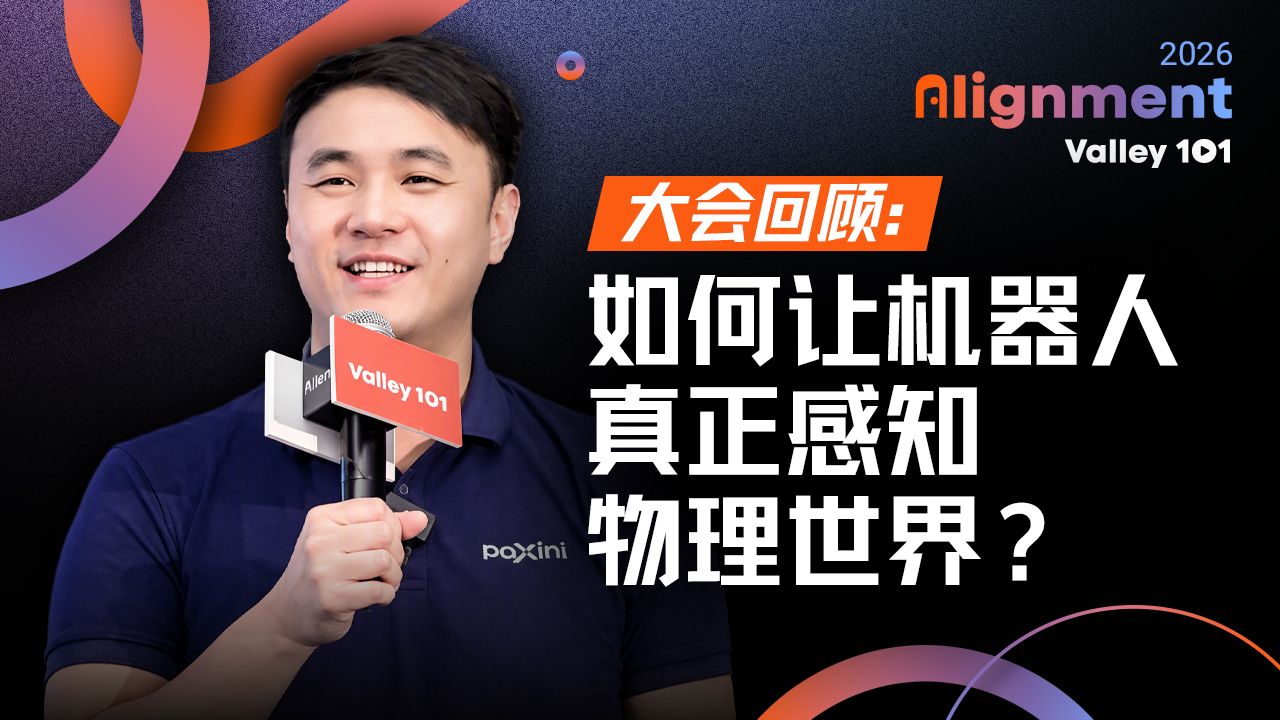
机器人也需要“手感”:帕西尼谈触觉、数据与物理AI|硅谷101年度线下大会 — 硅谷101

硅谷101

单纯依赖视觉与文本无法实现真实世界交互,机器人必须嵌入底层触觉受力感知与硬件执行闭环,才能跨越从知道动作到可靠执行的鸿沟。

AI-assisted summary of 机器人也需要“手感”:帕西尼谈触觉、数据与物理AI|硅谷101年度线下大会 — original source. Check the original for full context.

Source published:

Key ideas

  • 帕西尼提出物理AI的“PIE”全栈架构(感知Perception、智能Intelligence、执行Execution),致力于解决机器人从“理解指令”到“物理世界可靠执行”的巨大鸿沟。 (0:00)
  • 团队构建了包含5座数据工厂的经验层采集网络,沉淀出超100万小时高精度人类触觉交互数据OmniSharing DB,并通过自研Omni VTOA算法模型支持预训练与终身学习闭环。 (10:00)
  • 帕西尼即将推出融合慢适应触觉信号的触觉编码器模型,使机器人具备跨未知操作任务的零样本与少样本泛化能力。 (15:00)
  • 硬件端旗舰H13灵巧手已完成超20,000小时严苛耐久度测试,公司计划开源部分机械手硬件设计,并在三星、LG、比亚迪、京东、荣耀等工业场景推进规模落地。 (15:00)

Detailed notes

## Background 本视频由B站频道“硅谷101”于2026年10月29日发布,内容记录了硅谷101 Alignment 2026年度线下大会的现场演讲。视频中,帕西尼(PaXini AI)创始人兼CEO许晋诚博士分享了团队在触觉与力觉传感器、灵巧手研发以及超100万小时OmniSharing DB数据集上的突破,探讨如何让机器人拥有感知并可靠地作用于物理世界。

## TL;DR 许晋诚指出,物理AI面临从“知道动作”到“可靠执行”的巨大鸿沟,机器人无法仅凭视觉像素理解世界,而必须依赖触觉与交互受力经验。为此,帕西尼构建了PIE架构:在感知(Perception)端自研融合传感芯片、六维力矩传感器与全身触觉皮肤;在智能(Intelligence)端依托5座数据工厂积累的100万+小时OmniSharing DB训练Omni VTOA多模态触觉模型;在执行(Execution)端打造了寿命超20,000小时的H13灵巧手并计划开源部分设计。帕西尼将PIE进一步定义为生态集成平台(Platform for Integration for Ecosystem),旨在通过开放软硬件底座加速通用机器人的普及并解放人类劳动力。

## Atmosphere & style 整场演讲呈现出务实、严谨且极具行业洞察的技术前瞻风格。许晋诚以沉稳自信的叙事展开,结合精密捏针、吸尘清洁和弹奏钢琴等具象化演示,将原本抽象的模型算法拉回充满摩擦力与动态受力的现实世界。现场氛围从对传统视觉AI局限性的理性反思,逐渐过渡到展示软硬件全栈闭环突破时的振奋,最终在呼吁行业共建开源生态与解放人类繁重劳动的愿景中达到高潮,兼具硬核工程质感与开创者的人文理想。

## Bulletin - [00:00](https://www.bilibili.com/video/BV1a5sZ6LEUG?t=0s) 帕西尼提出物理AI的“PIE”全栈架构(感知Perception、智能Intelligence、执行Execution),致力于解决机器人从“理解指令”到“物理世界可靠执行”的巨大鸿沟。 - [10:00](https://www.bilibili.com/video/BV1a5sZ6LEUG?t=600s) 团队构建了包含5座数据工厂的经验层采集网络,沉淀出超100万小时高精度人类触觉交互数据OmniSharing DB,并通过自研Omni VTOA算法模型支持预训练与终身学习闭环。 - [15:00](https://www.bilibili.com/video/BV1a5sZ6LEUG?t=900s) 帕西尼即将推出融合慢适应触觉信号的触觉编码器模型,使机器人具备跨未知操作任务的零样本与少样本泛化能力。 - [15:00](https://www.bilibili.com/video/BV1a5sZ6LEUG?t=900s) 硬件端旗舰H13灵巧手已完成超20,000小时严苛耐久度测试,公司计划开源部分机械手硬件设计,并在三星、LG、比亚迪、京东、荣耀等工业场景推进规模落地。

## Key takeaways - [00:00](https://www.bilibili.com/video/BV1a5sZ6LEUG?t=0s) 下一代物理AI的瓶颈不仅在于认知理解,更在于从“知道怎么做”跨越到在物理世界中“可靠地执行”。 - [05:00](https://www.bilibili.com/video/BV1a5sZ6LEUG?t=300s) 物理世界无法仅靠像素与摄像头理解,真实的物理交互必须依靠触觉感知的动态受力反馈。 - [05:00](https://www.bilibili.com/video/BV1a5sZ6LEUG?t=300s) 衡量通用物理智能落地的终极标准,在于机器人能否在零样本情况下处理从未见过、从未操作过的物体。 - [10:00](https://www.bilibili.com/video/BV1a5sZ6LEUG?t=600s) 帕西尼构建了软硬件协同的“PIE”体系,即感知(Perception)、智能(Intelligence)与执行(Execution)。 - [10:00](https://www.bilibili.com/video/BV1a5sZ6LEUG?t=600s) 感知层基于自研融合传感芯片,形成了覆盖指尖、掌心、六维力矩传感器、全身触觉皮肤及脚底板的全域物理感知矩阵。 - [10:00](https://www.bilibili.com/video/BV1a5sZ6LEUG?t=600s) 智能层依托全国布局的5座数据工厂与分布式采集设备,沉淀超100万小时的高精度带触觉多模态数据集OmniSharing DB。 - [10:00](https://www.bilibili.com/video/BV1a5sZ6LEUG?t=600s) 自研Omni VTOA算法模型覆盖预训练、后训练与机器人终身闭环自迭代,构成物理智能数据与算法飞轮。 - [15:00](https://www.bilibili.com/video/BV1a5sZ6LEUG?t=900s) 触觉基础编码器模型将慢适应触觉信号与视觉、语言深度融合,赋予机器人强大的零样本泛化操作能力。 - [15:00](https://www.bilibili.com/video/BV1a5sZ6LEUG?t=900s) 执行层是完成闭环的关键,帕西尼H13灵巧手通过超20,000小时的连续运行测试,验证了高可靠性。 - [15:00](https://www.bilibili.com/video/BV1a5sZ6LEUG?t=900s) 帕西尼计划向合作伙伴开源部分灵巧手硬件设计,降低行业解决执行端瓶颈的门槛。 - [17:10](https://www.bilibili.com/video/BV1a5sZ6LEUG?t=1030s) PIE拥有第二重释义——“生态集成平台(Platform for Integration for the Ecosystem)”,旨在通过模块化技术赋能开发者与产业伙伴。 - [17:10](https://www.bilibili.com/video/BV1a5sZ6LEUG?t=1030s) 帕西尼的终极愿景是通过普及个人具身机器人解放人类繁重劳动,使人类转向更有创造力与生活价值的事务。

## Detailed walkthrough ### [00:00](https://www.bilibili.com/video/BV1a5sZ6LEUG?t=0s) 从“知道”到“可靠执行”:物理世界的动作鸿沟

机器人领域近年来在“大脑”层面取得了显著进展,但在迈入物理世界时,却始终面临着关键缺失——人类所具备的触觉感知以及对交互受力动态变化的理解。在硅谷101举办的 Alignment 2026 大会上,帕西尼(PaXini AI)创始人兼 CEO 许晋诚博士(Dr. Michael Shi)分享了团队在具身智能(Physical AI)上的思考与技术破局路径。

作为触觉与力觉领域的先驱,帕西尼目前已与包括三星(Samsung)、LG、比亚迪(BYD)在内的全球行业巨头建立紧密合作,为工业与自动化场景定制先进机器人与工具。许晋诚指出,大企业之所以对人工智能在现实世界的落地投入巨大关注,是因为意识到“智能存在于现实物理世界”这一命题不仅关乎理解,更关乎行动。在清洁等具体任务中,仅仅知道怎么做是远远不够的,机器人必须能够感知喷嘴(nozzle)与地面的压力,并通过物理反馈精确施加力量来完成清扫与吸尘。许晋诚强调:

> “The robots from knowing to doing and from doing to doing reliably is also a big cross, it has a very big gap.”

下一代人工智能绝不能仅仅停留在“理解人类提示词指令(prompts)并给出反应”的虚拟交互阶段,而是必须真正与现实世界交互,推动物理状态的实际改变。

```mermaid flowchart LR accTitle: 从认知到物理执行的鸿沟 accDescr: 展示传统AI与下一代Physical AI在感知与行动上的层次跃迁。 subgraph Virtual["虚拟认知层"] A["理解指令 (Prompts/Text)"] --> B["知道动作 (Knowing)"] end subgraph Physical["物理执行层"] B --> C["执行动作 (Doing)"] C --> D["可靠交互 (Doing Reliably)"] end ```

---

[05:00](https://www.bilibili.com/video/BV1a5sZ6LEUG?t=300s) 世界并非由像素构成:经验层与数据飞轮

许晋诚强调,现实物理世界绝不仅仅由像素(pixels)构成,机器人不能仅凭摄像头来理解一切。现实不仅是我们看到的,更是我们触摸(touch)、感知(feel)并为之改变(change)的。传统的被动感知(passive sensing)必须升级为对物理世界的主动理解(actively understanding)。

在现场演示中,搭载触觉传感器的机械手在抓取喷嘴、物体乃至精密灯泡时,能够动态感知抓握力度的微妙变化。许晋诚指出,真正的主动智能所需要的远超文本形式的书本知识(knowledge),它更需要“经验(experience)”,而这种经验的本质正是包含触觉与物理受力的高质量人类操作数据。一台机器人也许在视觉上明白圆柱体是一个杯子,但若缺乏触觉与物理交互经验,它根本不知道该以多大的力度去抓取和操作。

为了弥补这一缺失,帕西尼构建了专属的“经验层(experience layer)”与数据工厂(Data Factory)。在数据工厂中,人类采集员执行物体观察、交互和抓取的标准作业流程,将物理互动沉淀为高质量的多模态数据集;此外,帕西尼还推出了便携式的分布式采集设备,让人们可以在家庭等多样化场景下训练机器人,打造“物理智能数据飞轮(physical intelligence flywheel)”。许晋诚总结机器人的终极测试指标:

> “And for a very simple way is that can the robot handle with what is never in Concord before? For example, the object it never sees, the object it never handled before.”

如果机器人能够在零样本的情况下应对从未见过的物体并成功完成交互,真正的通用物理智能才算在现实中落地。

---

[10:00](https://www.bilibili.com/video/BV1a5sZ6LEUG?t=600s) 帕西尼的 PIE 架构:感知芯片、数据工厂与 Omni VTOA 模型

现实世界是检验机器人的终极考场。为了让物理 AI 扎根于可度量的真实世界交互中,帕西尼提出了核心的“PIE”技术架构体系。很多外部伙伴经常询问“PIE”是否是某种派(苹果派、菠萝派),许晋诚解释道,PIE 代表的是构建机器人生态的三大支柱: 1. **P(Perception,感知)** 2. **I(Intelligence,智能)** 3. **E(Execution,执行)**

“Perception, intelligence and executions. Every robot needs these three things. And one pi can create infinite possibilities.” 许晋诚这样阐述该架构的意义。

在**感知(Perception)**层面,帕西尼基于自研的融合传感芯片架构(fuse chip architecture),构建了全方位的触觉力觉矩阵。演示视频展示了张博士(Dr. Zhang)利用手部高精度触觉传感技术,用机械指尖灵巧捏取极细锋利针头的画面。基于这一底层架构,帕西尼已推出多款硬件产品: - 机械臂末端的六维力矩传感器(6-axis force torque sensors) - 机械手掌心与指尖触觉传感器 - 机器人全身触觉皮肤(robot skin) - 机器人脚底触觉感知底板(robot sole) 这使得机器人具备了全身物理感知能力(whole body physical sensing abilities),并能灵活应对汽车工业等诸多领域的非标定制需求。

在**智能(Intelligence)**层面,帕西尼全面推进数据工厂建设,目前已在华东(如舒城)、华北(如天津)等地区布局了 5 座数据工厂。数据工厂沉淀出名为 **OmniSharing DB** 的大规模数据集,累计拥有超过 100 万小时的高精度人类带触觉多模态操作数据。

为了让机器人从海量数据中高效吸收经验,帕西尼推出了覆盖预训练(pre-training)、后训练(post-training)及终身学习(lifelong learning)的多系统算法架构——**Omni VTOA 模型**。该模型构建了算法飞轮:不仅可以利用数据工厂的高精度数据进行预训练以实现强大泛化与零样本(zero-shot)能力,还能在机器人自主作业生成新数据后持续回流以实现终身学习,从而催生了帕西尼探索机器人具身智能的“Felix World”。

```mermaid flowchart TD accTitle: 帕西尼 PIE 架构与数据飞轮 accDescr: 展示感知芯片、数据工厂、Omni VTOA 模型与执行层之间的循环迭代关系。 subgraph Perception["P: 感知 (Perception)"] P1["自研融合传感芯片"] --> P2["指尖/手掌触觉"] P1 --> P3["6轴力矩传感器"] P1 --> P4["全身触觉皮肤/脚底传感"] end subgraph Intelligence["I: 智能 (Intelligence)"] I1["5座数据工厂采集"] --> I2["OmniSharing DB (100万+小时)"] I2 --> I3["Omni VTOA 算法模型"] I3 -->|"预训练 / 后训练"| I4["零样本执行 (Zero-Shot)"] end subgraph Execution["E: 执行 (Execution)"] E1["多场景操作 (工业/家庭/仓储)"] --> E2["自主生成交互数据"] E2 -->|"终身学习 (Lifelong Learning)"| I3 end Perception --> Intelligence Intelligence --> Execution ```

- **全触觉产品矩阵**:涵盖指尖、手掌、皮肤、鞋底以及末端六维力传感,提供整机全域物理受力反馈。 - **OmniSharing DB 数据体量**:超过 1,000,000 小时的高精度人类带触觉感知交互数据。 - **数据工厂布局**:已在华东舒城、华北天津等地区落地,规划及在建共计 5 座数据工厂。 - **算法模型**:自研 Omni VTOA 飞轮模型,支持预训练、后训练与机器人终身闭环自迭代。

[15:00](https://www.bilibili.com/video/BV1a5sZ6LEUG?t=900s) Tactile Foundation Models and the "E" in PIE: The Execution Layer

Dr. Jasper Xu announces an imminent technology release slated for around the end of the month, designed to act as an encoder for tactile sensing information so that robots can genuinely feel the physical world. Rather than discarding existing modalities, PaXini AI incorporates vision and language alongside interaction dynamics, while treating tactile sensing as the core missing pillar. Specifically, the model embeds slow-adapting tactile signals directly into the algorithm, providing robots with zero-shot and few-shot generalization capabilities across novel manipulation tasks and physical environments.

```mermaid flowchart LR accTitle: The PaXini PIE Framework accDescr: Perception feeds tactile and multimodal data into Intelligence, which drives the physical Execution layer. subgraph Perception ["Perception (P)"] Sensors["Tactile & Force Sensing<br/>(Slow-Adapting Signals)"] VisionLang["Vision & Language Inputs"] end subgraph Intelligence ["Intelligence (I)"] Encoder["Tactile Foundation Model / Encoder"] Policy["Zero-Shot & Few-Shot<br/>Task Policies"] end subgraph Execution ["Execution (E)"] DexHand["H13 Dexterous Hand<br/>(20,000+ hr durability)"] Body["Whole-Body Robotics<br/>& End-Effectors"] end Sensors --> Encoder VisionLang --> Encoder Encoder --> Policy Policy --> DexHand Policy --> Body ```

Xu transitions from intelligence to the final letter of PaXini's core architecture—the "E" in "PIE," which stands for Execution. He stresses that software and sensors alone cannot fulfill the robotics promise without robust hardware actuation. Emphasizing the necessity of closing the physical loop, Xu argues: “Because if you have the perfect perception, sensing ability, you have the brilliant brain, but you don't have a very qualified execution layer, then you are actually far away from the finishing or closed loop of the robot to doing the mission in the reality.” PaXini has developed dedicated robotic hand designs, including the dexterous hands showcased playing the piano on the Mr. Chestnut humanoid robot. To accelerate industry-wide adoption, PaXini is prepared to open-source its hand hardware designs to partner companies. In terms of hardware durability, PaXini’s flagship H13 dexterous hand has surpassed 20,000 hours of rigorous continuous testing while maintaining reliable performance across enterprise deployments with industry leaders such as LG, Samsung, JD.com, BYD, and Honor.

- **Multimodal Tactile Encoder**: Combines slow-adapting tactile data, natural language, and visual inputs to unlock zero-shot and few-shot physical manipulation. - **Hardware Longevity**: The H13 dexterous hand logged over 20,000 hours of operational stress testing without performance degradation. - **Open-Source Hardware Strategy**: PaXini plans to open-source certain end-effector designs to assist robotics builders in solving the execution bottleneck. - **Industry Partners**: Deployments span consumer electronics, logistics, and automotive manufacturing, including LG, Samsung, JD.com, BYD, and Honor.

---

[17:10](https://www.bilibili.com/video/BV1a5sZ6LEUG?t=1030s) Dual "PIE" Concept: Perception-Intelligence-Execution and the Open Platform Ecosystem

Reflecting on the overarching roadmap, Xu presents a play on words regarding PaXini's identity, distinguishing two complementary definitions of "PIE." The first PIE represents the technical operational loop: Perception, Intelligence, and Execution, which grants the robot the complete capability to perceive, reason about, and physically act upon the real world. The second "PIE" stands for a Platform for Integration for the Ecosystem—an open, collaborative foundation enabling any roboticist, developer, or enterprise to build their own custom robotic systems using PaXini’s modular technologies.

Xu expresses PaXini’s long-term aspiration to build “one PIE for one future and then have infinite possibilities.” He invites the community to collaborate, urging listeners to “bring your piece and build your own PIE, or build our PIE.” The ultimate mission is to democratize robotics so that every individual can eventually own a capable personal robot. By offloading monotonous manual tasks and liberating human labor, robots can take over hazardous or tedious real-world missions, enabling people to focus on creative pursuits and enjoy life in the physical world.

- **Dual Meaning of PIE**: 1. *Perception, Intelligence, Execution*: The technological stack required to master closed-loop physical interaction. 2. *Platform for Integration for Ecosystem*: An open developer and industry platform to democratize advanced manipulation hardware and models. - **Core Vision**: Automating physical labor to transition human effort away from drudgery toward leisure and creativity through universal personal robots.

## Notable quotes > [00:00](https://www.bilibili.com/video/BV1a5sZ6LEUG?t=0s) The robots from knowing to doing and from doing to doing reliably is also a big cross, it has a very big gap. — 许晋诚

> [15:00](https://www.bilibili.com/video/BV1a5sZ6LEUG?t=900s) if you have the perfect perception, sensing ability, you have the brilliant brain, but you don't have a very qualified execution layer, then you are actually far away from the finishing or closed loop of the robot to doing the mission in the reality. — 许晋诚

## Mentioned 许晋诚, 张博士, 帕西尼, 硅谷101, OmniSharing DB, Omni VTOA, Felix World, H13, Mr. Chestnut, 三星, LG, 比亚迪, 京东, 荣耀

## Video description 当AI开始走进物理世界,机器人也需要学会感受每一次接触。拿起一个物体,该用多大的力?碰到东西之后,又该怎样调整动作?这些我们习以为常的细节,都是机器人需要学习的东西。 在硅谷101 Alignment 2026大会上,帕西尼(PaXini AI)创始人兼CEO许晋诚博士介绍了团队研发的触觉与力觉传感器、灵巧手以及已累积超100万小时的OmniSharing DB数据集。从感知接触和受力,到让模型学习,再到准确执行动作,他分享了帕西尼如何把这些工作连接起来,让机器人感知世界、理解世界,并真正作用于世界。 当机器人能够感知环境,并从一次次操作中积累经验,它们离真正承担更多工作还有多远?这期,让我们回到Alignment 2026大会现场,听听帕西尼的探索。

大会嘉宾: 许晋诚,帕西尼(PaXini AI)创始人兼CEO

[Source](https://www.bilibili.com/video/BV1a5sZ6LEUG)

中文简报

帕西尼推触觉编码模型拟开源灵巧手 携比亚迪三星攻克物理AI执行 单纯依赖视觉与文本无法实现真实世界交互,机器人必须嵌入底层触觉受力感知与硬件执行闭环,才能跨越从知道动作到可靠执行的鸿沟。 许晋诚指出,物理AI面临从“知道动作”到“可靠执行”的巨大鸿沟,机器人无法仅凭视觉像素理解世界,而必须依赖触觉与交互受力经验。为此,帕西尼构建了PIE架构:在感知(Perception)端自研融合传感芯片、六维力矩传感器与全身触觉皮肤;在智能(Intelligence)端依托5座数据工厂积累的100万+小时OmniSharing DB训练Omni VTOA多模态触觉模型;在执行(Execution)端打造了寿命超20,000小时的H13灵巧手并计划开源部分设计。帕西尼将PIE进一步定义为生态集成平台(Platform for Integration for Ecosystem),旨在通过开放软硬件底座加速通用机器人的普及并解放人类劳动力。 帕西尼提出物理AI的“PIE”全栈架构(感知Perception、智能Intelligence、执行Execution),致力于解决机器人从“理解指令”到“物理世界可靠执行”的巨大鸿沟。 (0:00) 团队构建了包含5座数据工厂的经验层采集网络,沉淀出超100万小时高精度人类触觉交互数据OmniSharing DB,并通过自研Omni VTOA算法模型支持预训练与终身学习闭环。 (10:00) 帕西尼即将推出融合慢适应触觉信号的触觉编码器模型,使机器人具备跨未知操作任务的零样本与少样本泛化能力。 (15:00) 硬件端旗舰H13灵巧手已完成超20,000小时严苛耐久度测试,公司计划开源部分机械手硬件设计,并在三星、LG、比亚迪、京东、荣耀等工业场景推进规模落地。 (15:00)

Reading summary

帕西尼(PaXini AI)创始人许晋诚在硅谷101年度线下大会上表示,具身智能不能仅靠视觉像素与虚拟文本指令,必须依托触觉力觉感知、高质量经验数据与高耐久执行机构构成的闭环架构,跨越从“知道”到“可靠执行”的鸿沟。 超越像素:物理世界需要触觉与经验层 (0:00) 在真实物理环境中执行任务不仅需要识别物体,更需要理解受力与交互变化。许晋诚指出,虚拟AI已能理解指令并给出反馈,但物理世界的执行需要精确力控,例如清洁操作必须实时感知喷嘴与地面的接触压力。单纯依靠摄像头的被动感知无法提供关于施力大小的知识,机器人必须拥有包含触觉与受力反馈的“经验层”。他提出机器人的关键测试标准,在于能否以零样本方式稳健操作从未见过、从未处理过的新物体。 自研感知芯片与数据飞轮驱动智能 (10:00) 为了让机器人建立物理经验,帕西尼构建了软硬件一体的感知与数据体系。在感知端,帕西尼依托自研融合传感芯片,推出了涵盖指尖、掌心触觉传感器、末端六维力矩传感器、全身触觉皮肤以及脚底感知底板的硬件矩阵,支持微米级或精细物体的抓取。在智能端,帕西尼在华东舒城、华北天津等地布局了5座数据工厂,结合便携式分布式采集设备,沉淀出超100万小时高精度带触觉操作数据的OmniSharing DB;同时基于Omni VTOA多系统算法模型实现预训练、后训练和自主生成数据的终身学习迭代。 触觉基础编码器与万小时级硬件执行 (15:00) 针对模型层面,帕西尼宣布推出触觉感知信息编码器,将慢适应触觉信号与视觉、语言模态相融合,赋予模型应对新环境与新任务的零样本及少样本泛化能力。而在PIE架构中的执行(Execution)环节,许晋诚强调完备的感知与大脑若无合格的执行层配合,仍无法形成物理闭环。帕西尼研发了钢琴演奏级灵巧手,其旗舰H13灵巧手已完成超20,000小时连续疲劳测试,并应用于LG、三星、比亚迪、京东和荣耀等企业的工业与物流场景中,同时团队计划开源部分末端手部硬件设计。 双重PIE定义与开放生态平台定位 (17:10) 许晋诚阐述了“PIE”的双重含义:其一是技术层面的“感知(Perception)、智能(Intelligence)、执行(Execution)”三位一体全栈闭环;其二则是面向产业生态的“生态集成平台”(Platform for Integration for the Ecosystem)。帕西尼希望通过模块化硬件与模型接口向开发者及行业开放技术能力,推动机器人在制造、清洁与危险任务中的普及,最终将人类劳动力从单调重复的体力劳动中解放出来。 帕西尼试图通过触觉感知、大规模操作数据与硬件开源来打通具身智能落地的技术闭环,但触觉基础模型的大规模泛化表现以及跨行业通用机器人的真正普及,仍有待在更多工业及家庭场景的零样本交互中持续检验。

精炼阅读摘要

帕西尼(PaXini AI)创始人兼 CEO 许晋诚博士在硅谷101大会上指出,通用物理AI的瓶颈不仅在于认知,更在于触觉缺失导致的执行鸿沟;团队通过自研感知芯片、全域触觉矩阵、大规模数据工厂及高耐用性硬件,构建闭环的PIE软硬件体系。 超越像素:物理世界中的动作鸿沟与触觉缺失 (0:00) 许晋诚指出,当前人工智能在虚拟指令理解层面进展迅速,但迈入现实物理世界时面临着“从知道到做、再到可靠执行”的巨大鸿沟。现实世界不仅由摄像头捕捉的像素(pixels)构成,更需要依靠触摸、受力感知和动态反馈来改变物体状态。例如在常规清洁任务中,机器人仅知道清洁动作并不足够,还必须精确感知喷嘴对地面的接触压力并施加适量力量。被动感知必须升级为包含物理互动的主动理解,使机器人在面对从未见过的物体时仍能具备零样本交互能力。 构建经验层:五座数据工厂与Omni VTOA飞轮 (5:00) 为了让机器手掌握书本知识之外的“物理经验”,帕西尼构建了专属的经验层与数据工厂体系。目前帕西尼已在华东舒城、华北天津等地区规划及在建共计5座数据工厂,配合便携式分布式采集设备,沉淀出名为OmniSharing DB的大规模数据集,已累积超过100万小时的高精度带触觉人类多模态操作数据。 在算法层面,帕西尼推出覆盖预训练、后训练与终身学习的Omni VTOA模型。该架构不仅利用高精度工业级多模态数据进行基础预训练,赋予机器人零样本(zero-shot)泛化能力,还能在机器人自主作业生成新交互数据后实现持续闭环迭代,解决传统纯视觉模型在抓取精密或非标物体时缺乏力度控制经验的难题。 技术栈解析:融合传感芯片与整机触觉感知矩阵 (10:00) 在硬件感知(Perception)层面,帕西尼基于自研的融合传感芯片架构,推出了覆盖整机的物理感知硬件,打破了传统单一维度的受力监测。其产品线包括机械臂末端六维力矩传感器、机械手掌心与指尖触觉传感器、全身触觉皮肤以及脚底触觉感知底板。 这套触觉矩阵使机器人具备全身物理感知能力,并在现场展示中实现了机械指尖捏取极细针头、动态抓取精密灯泡等高灵巧度动作。此外,针对即将发布的触觉基础模型,帕西尼将慢适应触觉信号(slow-adapting tactile signals)与视觉、语言深度融合,作为具身模型不可或缺的底层物理信号输入。 执行落地与双重PIE:硬件耐久性与生态开放 (15:00) 许晋诚强调,即使拥有顶级的大脑与传感器,缺乏可靠的执行层(Execution)也无法形成作业闭环。帕西尼研发的H13灵巧手已完成超过20,000小时的连续严苛测试,目前已在LG、三星、比亚迪、京东、荣耀等企业的工业与制造场景中部署应用。为降低行业开发门槛,帕西尼计划向合作伙伴开源部分末端执行器设计方案。 基于此,许晋诚对“PIE”提出了双重定义:它既指“感知-智能-执行”(Perception, Intelligence, Execution)的闭环技术栈,也代表“生态集成平台”(Platform for Integration for Ecosystem)。帕西尼希望通过模块化硬件与模型接口开放,让外部开发者快速搭建定制化机器人系统,最终实现普及个人机器人、解放危险和枯燥体能劳动的长期愿景。 帕西尼试图通过融合芯片、触觉编码器和百万小时数据工厂打通物理AI链条,但灵巧手开源生态的建立以及触觉基础模型在开放动态场景中的泛化表现,仍有待更广泛的跨行业实际部署检验。

Source quotes

[0:00] 许晋诚: The robots from knowing to doing and from doing to doing reliably is also a big cross, it has a very big gap. [15:00] 许晋诚: if you have the perfect perception, sensing ability, you have the brilliant brain, but you don't have a very qualified execution layer, then you are actually far away from the finishing or closed loop of the robot to doing the mission in the reality.

Original transcript

[0:00] 或许几年机器人大脑越来越聪明但要真正走进现实世界还差一样很重要的东西就是像人类一样能感知物体的触感理解接触时的受力变化那么如何让机器人真正拥有感知和理解物理世界的能力接下来就让我们回到贵股101的Alignment 2026打回现场看看麦克徐如何理解Physical AI的发展方向以及机器人还需要突破哪些技术瓶颈我是 Dr.Michael Shi所以我们的社会会有关的朋友们会问一下,为什么我们的社会会叫做Kopashini?啊是在设计的设计的设计。为什么我们的设计是否在设计上的设计是否在设计上的设计是否在设计是否在设计的设计。因为我们有很多设计设计的设计,所以我们的设计是因为我们的设计设计。所以,设计设计是非常重要的。我们的设计是非常重要的。我们的设计是非常重要的。很短的介绍的介绍。我们是一位 global leader,我们的社会是其实,比如说, Samsung, LG BYD这类似的大型的公司,他们是我们的社会所以他们是我们的社会员,我们也帮他们做了自己的 robots或自己的工具,他们的工具,他们的工具所以,在未来的工具,我们会看到这些大型的大型的公司他们非常关注于人工智能的技术,他们发现这个透过的资料是非常重要的,当我们开始意识到的相产与世界的相产we want to ask how does the intelligence存在的世界上的存在And this turns out we want to have more question coming up.是如果人能想想想,但能不能想想,但能不能想想,在世界上的世界上。如果是一种的动作,但是它会明白,或者是很明白,是做的我们要做的洗手间的洗手间and pressing the nozzle of the cleaning machine on the floor to actually clean it to do the vacuum但如果有机会认为动物的动物,其实是动物的。所以,有机会认为动物的动物,是动物的动物。incomplete and如果我们想知道the robots from knowing to doing and from doing to doing reliably is also a big cross it's a it hasa very big gap so we want to ask for example we want to know the next generation of the aithey will not just understandthe instruction they will not just react for the prompt他们需要与世界相关的,让事情变成或改变嗯 [5:00] And not only that, actually the world is not made of pixels. We are not just using the cameras to see everything. So reality is not just what we see. It's also what we touch, we feel, and we change. And to understand the world, actually we need to, for our companies, we actually push AI to understand the reality. And then to push the AI or push the, now we call it AI, but I think the video would just say you are now saying SI, right? Super intelligence. Are you saying super intelligence? I don't know. I use AI now, especially maybe outside of US. Okay, back to the slides. So AI must know to go beyond the observation, not only the scene, but to react or to interact with it. And from the observation to interaction, we have actually a lot of these kind of experiments because we want to have the robots from the passive sensing to really actively understanding the physical world So only that we can let the robot to learning from the realities So as you can see over here the tiny videos over here when the robot is actually doing the manipulations with the tactile sensor it actually feels how it grabs the nozzle, how it grabs the things, the object, or the light bulbs. And not only that, actually intelligence actually needs a lot more than knowledge. The knowledge is like, for example, the text. It needs actually more than text. It actually needs more like experience. What is the experience? It actually is human data. And a robot may know what a cup is. You can watch it. You can see a cup is surrounding cylinders. But does it know how to grab it or interact with it? Maybe it doesn't know. So the experiment actually teaches us or teaches robots how to act in it, do the action or manipulation with it. So more about that. If we want to have more experience and we actually need to build in the experience layer for robot or for AI and physical AI because we need to sense the world So if you see this there a procedure here It actually one of our procedures in our data factory The human observe and interact and then pick up the bottles, and we have the data to interact with this kind of object. So that's why we build this kind of foundation for the AI data or robot data, and then for machines to learn from the physical world. So this is actually very important layers. And for every interaction, it's actually an opportunity to learn from the physical world. So not only the data factory in one of the places, we also want to let the robot learn from everywhere. So actually, we have this kind of devices for some people. They just want to teach robots in their houses or in their families. So we want to have every opportunity that can teach the robot. And it's actually the real physical intelligence flywheel of the data itself. And turns out the physical interaction into intelligence is also one of the key points. So you can see over here it actually one of our love And we teach actually taught the robots And this is actually not the not a data operation We use the data actually to train a very little models and then it actually has very precise the action for the result. So turns out the perception is very very important for the the touchdown signal itself and also interaction with every object. And learning turns out to be the entire successful way for each kind of the mission for the robot itself. And if we have this kind of experiments and then to let the robot to learn, and how can we do the benchmark or how can we evaluate this kind of mission is fulfilled with our needs, human needs? So we need to actually build a benchmark. And for a very simple way is that can the robot handle with what is never in Concord before? For example, the object it never sees, the object it never handled before. Can it? Actually if the robot can handle with it, it actually can exist in the intelligence in the real world. [10:00] So, Eventually, we want to ask, reality is the ultimate task for the robots. And the only major thing is to let the robot... and the physical AI grounded in measurable and real-world interaction. That's why back to our Pi. So Pi is how intelligence meets the realities. With the Pi, I want to describe more about our Pi. A lot of people are asking why is Pi? It's Apple Pi, Pineapple Pi, what kind of Pi is it? It's actually built from perception, intelligence and executions. for Every robot needs these three things. And one pi can create infinite possibilities. With our Pashini Spy, we can create more than usual for these kinds of robots. First, I want to describe the perception itself. The perception is actually built from our own sensor chips As you can see over here, this is Dr. Zhang's hand, and Dr. Zhang actually teaching and using the tactile sensing ability on the hand itself. And this is actually a very sharp needle. on the fingertip when the robot hand is pinching. And if the robot actually having this kind of sensing ability, it actually can react and interact with human being. and With this kind of sensor chip architecture, we can build everything. So now what you see on the fingertip of the robot sensors and tactile sensors and also the sensor on the automobile, maybe for other different kind of applications, we actually we can build everything from this architecture of the chip, the fuse chip, fuse technology. Now we actually have different kind of products on the robots. We have the anti-factor for the 6-axis force torque sensors. We actually have the tactile sensor for the fingertip, for the palm, and for the robot skin, even for the robot soul. And this kind of technology actually brings out, we can let every robot have the whole body physical sensing abilities. Based on this kind of technology, it actually has higher potential. for even unknown needs? And because now recently we have a lot of customers, they also ask us if they want to have different kinds of sensors on their robots. And this is never heard before, the application. So it's actually stunning for these kinds of needs from every robot companies. And for the intelligent itself, We built actually the data factory. The data factory is actually a very major project for Pashini technology because now we can have more than one million hours with the high precision human data with tactile sensing information. And it's called Omni-Sharing Database. If anyone is interested, you can just check it online on our website. And with this kind of data, we can create, for example, this kind of application for, for example, in the warehouse, in different kind of family use, and also in the factories. And with the technology itself, we build. actually five different kinds of factories. One is in the East China, Shucheng, and then North China, Kenjin, and also we have three more coming up. With the data, we can have we can let the robot to learn from it. How to let the robot learn from it? We need to have the algorithm. So that's why we create this kind of multi-system algorithm for the robot itself. And a lot of people here, you may be an engineer of robotics, you must know about the robot training. We can have the data between the pre-training, post-training, and even with lifelong learning. So this kind of data is actually very important for a robot itself. And for that, we actually create a flywheel algorithm models for the robot model itself to actually to prove the data itself is very useful. So it's called Omni VTOA models. With these models, you can see we can use the data from the data factory and we can also use the data from the robot itself. When the robot generates the data itself, we can still use the data for lifelong learning. The model itself can be the very important part. therefore for the robot to do maybe a zero shot. And now, so that's why we actually create the so-called Felix World. [15:00] World will actually release very soon, maybe the end of this month. And this kind of technology actually to digest or make the encoder of the tactile sensing information and then to let the robot to fill the world. And then we can have a very few shot or zero shot technology for the robots. And as you can see over there, we are not giving up the language, but we are still using the language. We were still using the vision itself. And also we were using the robot to interact the information for itself. And not only that, the major part is the tactile sensing. So we will have the slow adapting tactile information and then embedding the tactile sensing information for the model and algorithm itself. More than that, actually, we use these models to use on different kind of applications. I will describe a little bit more about the applications. And about the PIE, the last part of the E, the execution. The execution is actually one of the major things for the robot. Because if you have the perfect perception, sensing ability, you have the brilliant brain, but you don't have... a very qualified execution layer. For example, you don't have the robot whole body robot. You don't have the execution any factor, for example, the robot hand. Then you are actually far away from the finishing or closed loop of the robot to doing the mission in the reality. So that's why we create this kind of execution layer to have different kind of robot hand design. And the a very major part for many many different kinds of robot companies. For example, the chestnut robot, they are just using Mr. Chestnut using his hand. to play the piano. It's actually one of the design of the robot hand itself. So for Pacini, we actually can open source. the hand design for the robot company they need. And for the design itself, we actually, we have a lot of improvement in reliability. For example, one of the major and famous hand is actually our H13. It actually have a lot of testing. We have over 20,000 hours of the usage. And after that, still, it's a very promising hand. Yeah. And not only that, we have a lot of different kind of applications with our customers. For example, the LG, Samsung, and also JD.com, BYD, and also with some of the companies in the phone area, the owners. Finally, we want to have not only the PIE for the perception, intelligence, and execution, we also want to build a Pi for the platform. for integration for the ecosystem itself. So we have two different kinds of pie. One is to have the robot to have the capability to react with this kind of physical world. The other part is to have the very good open ecosystem for everyone who wants to have their own robots to really successfully develop. with their own technology. We want to actually have the final part of our presentation. We want to have the one pie for the one future and then have infinite possibilities. In the last part is we want everyone to bring your piece and build your own pie or build our pie. For the technology itself, we want to have everyone to have your own own robots and personal robots and then to that the uh to free the uh the labor and then to have more fun into the physical world and then that the robots to do the entire things or missions so we hope you guys enjoy my presentations thank you very much