Courts, Vendors Enclose Amen Break as Sampling Faces Extinction
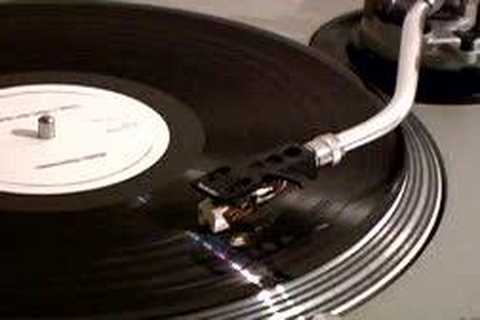
Video explains the world's most important 6-sec drum loop — Landon Proctor

Landon Proctor

Strict judicial rulings and corporate sample libraries privatized a foundational 1969 drum loop, outlawing the uninhibited appropriation that created modern electronic genres.

AI-assisted summary of Video explains the world's most important 6-sec drum loop — original source. Check the original for full context.

Source published:

Key ideas

  • A six-second drum solo from The Winstons' 1969 B-side track 'Amen, Brother' became the foundational rhythm for modern hip-hop, UK jungle, and drum and bass. (0:00)
  • Technological leaps transformed early one-bar hip-hop loops into complex, micro-chopped permutations distributed rapidly via underground UK acetate dubplates. (4:47)
  • Sample library companies like Zero-G repackaged and claimed copyright over the original 1969 breakbeat, selling restrictive end-user licenses to producers. (11:38)
  • Judicial clampdowns and copyright extensions, including a pivotal Sixth Circuit ruling, effectively ended the open era of sampling by requiring licenses for any snippet regardless of length. (15:00)

Detailed notes

## Background Uploaded to YouTube by Landon Proctor on February 21, 2006, this video presents Nate Harrison's 2004 audiovisual essay exploring the history and cultural impact of the 'Amen Break.' According to the page description, the piece is a meditation on the ownership of culture, the nature of creativity, and how a six-second drum snippet from a 1969 B-side grew into the rhythmic foundation for early hip-hop, jungle, and drum-and-bass.

## TL;DR The documentary traces the journey of a four-bar drum solo performed by Gregory Coleman on The Winstons' 1969 B-side 'Amen, Brother,' following its transformation from an obscure soul artifact into one of the most ubiquitous beats in modern music. Harrison details how digital samplers enabled early hip-hop producers to loop the break, after which UK rave and jungle innovators dismantled it into hyper-syncopated micro-chops before it migrated into experimental IDM and television advertising. The narrative highlights the commercial paradox of sample libraries like Zero-G copyrighting repackaged versions of the uncredited loop while original artists received neither credit nor royalties. Finally, citing legal scholars like Lawrence Lessig and Judge Alex Kozinski, Harrison examines how strict modern copyright rulings and term extensions threaten the public domain and stifle the very mechanisms of cultural remixing that made the break's legacy possible.

## Atmosphere & style The presentation carries the contemplative, analytical tone of an early-2000s media-arts lecture, blending crate-digger enthusiasm with rigorous legal and cultural critique. Harrison's measured, deliberate voiceover provides an intellectual throughline as audio demonstrations seamlessly transition from vintage vinyl crackle to frenetic breakcore rhythms. The experience feels both investigative and cautionary, shifting from an appreciative exploration of underground music production into a sober defense of the public commons against corporate enclosure.

## Bulletin - [00:00](https://www.youtube.com/watch?v=5SaFTm2bcac&t=0s) A six-second drum solo from The Winstons' 1969 B-side track 'Amen, Brother' became the foundational rhythm for modern hip-hop, UK jungle, and drum and bass. - [04:47](https://www.youtube.com/watch?v=5SaFTm2bcac&t=287s) Technological leaps transformed early one-bar hip-hop loops into complex, micro-chopped permutations distributed rapidly via underground UK acetate dubplates. - [11:38](https://www.youtube.com/watch?v=5SaFTm2bcac&t=698s) Sample library companies like Zero-G repackaged and claimed copyright over the original 1969 breakbeat, selling restrictive end-user licenses to producers. - [15:00](https://www.youtube.com/watch?v=5SaFTm2bcac&t=900s) Judicial clampdowns and copyright extensions, including a pivotal Sixth Circuit ruling, effectively ended the open era of sampling by requiring licenses for any snippet regardless of length.

## Key takeaways - [00:00](https://www.youtube.com/watch?v=5SaFTm2bcac&t=0s) The Amen Break originated in 1969 as an unaccompanied four-bar, six-second drum solo in the middle of The Winstons' soul track 'Amen, Brother.' - [00:00](https://www.youtube.com/watch?v=5SaFTm2bcac&t=0s) Over several decades, the break infiltrated the collective audio unconscious, appearing across underground music, pop hits, and corporate television advertisements. - [02:47](https://www.youtube.com/watch?v=5SaFTm2bcac&t=167s) The introduction of digital hardware samplers in the 1980s empowered producers to repurpose recorded fragments into entirely new musical compositions. - [02:47](https://www.youtube.com/watch?v=5SaFTm2bcac&t=167s) Early hip-hop records, such as tracks by N.W.A and 3rd Bass, popularized looping the unadorned one-bar Amen Break beneath rap vocals. - [04:47](https://www.youtube.com/watch?v=5SaFTm2bcac&t=287s) UK jungle deconstructed the breakbeat, micro-slicing individual drum hits to create blistering, syncopated rhythms suited for rave culture. - [04:47](https://www.youtube.com/watch?v=5SaFTm2bcac&t=287s) Acetate dubplates created an immediate feedback loop in the UK underground, enabling tracks produced in the morning to be tested in clubs the same night. - [06:33](https://www.youtube.com/watch?v=5SaFTm2bcac&t=393s) Experimental electronic producers pushed the rhythm into extreme abstraction, moving it beyond dancefloor utility into academic posturing and fetishization. - [09:34](https://www.youtube.com/watch?v=5SaFTm2bcac&t=574s) The Winstons never sued or sought royalties, allowing the break to exist functionally as a creative commons during a brief window before corporate copyright mobilization. - [11:38](https://www.youtube.com/watch?v=5SaFTm2bcac&t=698s) Commercial audio companies packaged the uncredited break on CDs like Zero-G's Jungle Warfare, creating a legal paradox by enforcing restrictive licenses on appropriated material. - [15:00](https://www.youtube.com/watch?v=5SaFTm2bcac&t=900s) Lawrence Lessig's Creative Commons framework advocates for open cultural borrowing, arguing that society is culturally richer when past works can be freely remixed. - [15:00](https://www.youtube.com/watch?v=5SaFTm2bcac&t=900s) The Sixth Circuit Court of Appeals established a strict bright-line rule requiring artists to license and pay for all samples, no matter how brief or obscured. - [15:00](https://www.youtube.com/watch?v=5SaFTm2bcac&t=900s) Statutory extensions like the Sonny Bono Copyright Term Extension Act froze twentieth-century sound recordings from entering the public domain. - [16:30](https://www.youtube.com/watch?v=5SaFTm2bcac&t=990s) Sample companies rely on the very copyright restrictions that would have criminalized their original foundation of unlicensed sampling. - [16:30](https://www.youtube.com/watch?v=5SaFTm2bcac&t=990s) Judge Alex Kozinski warned that excessive intellectual property protection stifles the natural accretionary process by which human culture and innovation evolve.

## Detailed walkthrough ### [00:00](https://www.youtube.com/watch?v=5SaFTm2bcac&t=0s) The Ubiquitous Six Seconds: Origins of the Amen Break

Recording in the winter of 2004, Nate Harrison introduces an exploration into the sonic history of contemporary pop culture by focusing on a single, inescapable drumbeat. He observes that listeners have likely heard this rhythm dozens of times without necessarily knowing what it is. Over the previous decade and a half, it evolved into an inescapable backdrop across the media landscape, surfacing everywhere from late-1980s gangsta rap to slick Madison Avenue television commercials selling Jeeps and blue jeans to suburban consumers. Harrison notes that just the prior week, he watched a television ad for a pharmaceutical company employing the exact same pattern to market a purple pill. The beat became so pervasive that Harrison argues “it's now entered into the collective audio unconscious,” having fully crossed that threshold around the turn of the millennium. Though widely taken for granted and glossed over in modern media, this particular breakbeat—or simply “break”—carries a rich musical pedigree and is known throughout the music world as the "Amen Break."

Despite driving cutting-edge electronic subgenres at the time of recording, the source recording dates back roughly 35 years to 1969. The break originates from a track titled "Amen, Brother," performed by the funk and soul outfit The Winstons. "Amen, Brother" was originally released as the B-side to their single "Color Him Father." While "Color Him Father" earned the group a Grammy Award, climbed into the Billboard Top 100 hits of 1969, and secured the band's historical legacy, it was the throwaway B-side that housed a clean, four-bar drum solo right in its center. Performed without any distracting vocal arrangements or melodic accompaniment, that brief solo created the ideal sonic blueprint for modern samplers. "Amen, Brother" was pressed to vinyl, played on the radio, slipped off the charts, and seemed destined to fade away as an unremarkable soul artifact—until the technology of the next era resurrected it.

- **Primary Source Track:** "Amen, Brother" by The Winstons (1969). - **A-Side Hit:** "Color Him Father" (Grammy Award-winning Top 100 single). - **Length of the Solo:** Approximately six seconds of unaccompanied drumming nestled in the middle of the track.

---

[02:47](https://www.youtube.com/watch?v=5SaFTm2bcac&t=167s) The Sampler and Early Hip-Hop Looping

The Amen Break received a second life in the 1980s thanks to the introduction of the digital sampler. Harrison describes the early sampler as an electronic hardware unit roughly the physical dimensions of a standard home VCR, capable of recording any analog sound into digital memory for immediate rhythmic triggering, pitch-shifting, and sequencer arrangement. Alongside the turntable, the sampler served as the bedrock engine for the emergence of hip-hop, unlocking an aesthetic where any recorded fragment—a drum hit, a guitar stab, or spoken phrase—could be repurposed into a completely new composition. Harrison underscores the revolutionary nature of this paradigm shift, stating: “With a sampler, any drum beat, any guitar riff, any sound that could be recorded, could be used as part of a new composition, a new contextualization.”

Early hip-hop producers quickly turned to the Amen Break as one of their primary testing grounds. In this initial wave of sampling, producers handled the six-second passage in a relatively straightforward manner, lifting a one-bar segment and repeating it as a continuous loop underneath rap verses. Harrison highlights three landmark late-1980s and early-1990s releases that illustrate this foundational looping practice:

- **3rd Bass – "Words of Wisdom" (1989):** An early golden-age hip-hop track by the New York duo using the looped break as their underlying cadence. - **N.W.A – "Straight Outta Compton" (1989):** The seminal gangsta rap anthem, anchored by the driving, slightly sped-up one-bar roll of the Amen loop beneath Ice Cube's iconic opening verses. - **Mantronix – "King of the Beats" (1990):** An influential electronic and hip-hop showcase highlighting the raw percussive punch of the unadorned break.

---

[04:47](https://www.youtube.com/watch?v=5SaFTm2bcac&t=287s) UK Jungle and the Slicing of the Breakbeat

```mermaid flowchart TD accTitle: The Evolution of the Amen Break accDescr: Flowchart tracing the Amen Break from its 1969 origins through hip-hop looping, UK jungle chopping, and commercial sample licensing.

subgraph Origin["1969: The Soul Source"] A["The Winstons: 'Amen, Brother'<br/>(6-second drum breakdown)"] end

subgraph HipHop["Late 1980s: Looping"] B["Digital Samplers (VCR-sized)"] C["Straight 1-Bar Loops:<br/>N.W.A, 3rd Bass, Mantronix"] A --> B B --> C end

subgraph Jungle["1990s: Deconstruction & Dubplates"] D["Micro-Chopping Drum Hits:<br/>Kick, Snare, Hi-Hats, Crash"] E["Acetate Dubplates:<br/>Cut in afternoon, played in club that night"] C --> D D --> E end

subgraph Commercial["Late 1990s–2000s: Recirculation"] F["IDM / Experimental Posturing:<br/>Squarepusher, Hrvatski"] G["Commercial Sample CDs:<br/>Zero-G's Jungle Warfare"] E --> F E --> G end ```

As digital samplers evolved with expanded internal memory and precision editing displays, production techniques shifted from basic looping to radical deconstruction. Right around the time N.W.A dropped *Straight Outta Compton*, the UK underground rave scene exploded, giving birth to genres such as hardcore techno, ragga jungle, and drum and bass. Jungle in particular took the breakbeat to its technological extreme. Built from a sonic collision of Jamaican sound-system reggae toasting, rumbling sub-bass lines, and blistering tempos, jungle made the dissection of the Amen Break its core identity. Rather than playing the six-second loop straight, producers digitally micro-sliced the break into individual component hits—isolating every kick, snare, ghost note, hi-hat tap, and crash cymbal—and rearranged them into frenetic, syncopated permutations.

Harrison illustrates this technique with Shy FX’s 1994 anthem "Original Nuttah" and L Double & Younghead's 1996 track "New Style." The speed of this musical dialogue was fueled by the UK's unique "dubplate" culture. Instead of waiting weeks to manufacture traditional commercial vinyl pressings—which typically required minimum plant runs of 1,000 copies—underground producers pressed test tracks directly onto soft acetate discs. Describing the dizzying turnaround of this dancefloor feedback loop, Harrison notes: “A musician could make an amen track in the morning, get a dub plate cut that afternoon and have a DJ play it to a crowd that night.” These acetate pressings were delicate, degrading into static after approximately 50 needle plays, but their speed of production allowed the sound of jungle to mutate almost daily.

---

[06:33](https://www.youtube.com/watch?v=5SaFTm2bcac&t=393s) From Chin-Stroking IDM to 24/7 Subculture

As jungle achieved widespread notoriety, the Amen Break migrated from urban warehouse parties into academic and experimental electronic circles. Harrison notes that the break was subsequently adopted by a “chin-stroking art crowd” engaging in highbrow posturing. Experimental producers began mangling the rhythm well beyond the natural boundaries of rhythmic syncopation or dancefloor utility, transforming the six-second snippet into an exercise in rhythmic complexity. Highlighting tracks such as "Vic Acid" (1997) by the UK's Tom Jenkinson (Squarepusher) and "Routine Exercise" (1998) by American composer Keith Fullerton Whitman (recording as Hrvatski), Harrison remarks that these artists “proceeded to push the levels of absurdity with its use, really tweaking the arrangements beyond a point of danceability and syncopation, and into a realm of pure fetishization and self-indulgence.”

Even after more than a decade had passed since the early UK raves, the Amen Break retained an intensely loyal following. Harrison highlights platforms like the internet streaming radio station `ragajungle.com`, which broadcast non-stop variations of the Amen Break twenty-four hours a day, seven days a week. It spawned clubs, record labels, and a global subculture entirely indebted to six seconds of drumming recorded in 1969. The beat’s infectious groove also breached mainstream rock, surfacing in odd experiments such as Jane’s Addiction frontman Perry Farrell recording a jungle-infused rock hybrid of Led Zeppelin’s "Whole Lotta Love"—ironically recorded originally in 1969, the exact same year The Winstons recorded "Amen, Brother."

---

[09:34](https://www.youtube.com/watch?v=5SaFTm2bcac&t=574s) The Winstons and the Golden Era of Unchecked Sampling

Harrison turns his focus away from the producers to ask a fundamental question: where were The Winstons while their drum beat was conquering global electronic culture? Did the band members know, or care, that their six-second rhythm had been lifted without permission or compensation? Harrison points out that Richard Lewis Spencer, the band's founding member, lead vocalist, and original copyright owner of "Amen, Brother," had long since exited the professional music business, eventually earning a PhD in political science. Harrison speculates that Spencer, like many observers in the early 1980s, likely viewed hip-hop and sampling as novel, fleeting fads confined to an urban underground that lacked long-term commercial longevity.

In those early days, producers plundered vintage funk, soul, and jazz records in a brief window where technological possibility outpaced institutional oversight. Harrison reflects on this historical window: “There seemed to be a brief few sort of glory years back then when the novelty of sampling and the rate at which it was being employed as a new technique grew faster than the rate at which any sort of copyright bureaucracy could maintain the law.” Artists recycled fragments under an unwritten ethos of collage and reinvention—an impulse to forge something fresh out of discarded pieces of the past. It was only when hip-hop became a multi-million-dollar industry that major record labels and corporate copyright holders mobilized their legal departments. Yet through all this, The Winstons—who continued touring in name only without any original members—never filed a lawsuit or pursued copyright claims against the thousands of tracks built on their groove. In Harrison's view, the Amen Break had transitioned out of private property into a functional, cultural public domain.

---

[11:38](https://www.youtube.com/watch?v=5SaFTm2bcac&t=698s) Corporate Recirculation and the Zero-G Copyright Paradox

Once jungle morphed into what corporate mass media rebranded as "Electronica," the Amen Break was reclaimed by mainstream commerce. Ad agencies, eager to borrow underground credibility to sell products to youth demographics, began inserting high-tempo breakbeats into prime-time television commercials, such as a regional Southern California campaign for a Jeep "Extreme Snow Event." As demand for the break surged among commercial music producers, commercial audio libraries stepped in to monetize the loop through ostensibly legitimate business avenues.

Harrison points to a stark case of corporate appropriation: UK company Zero-G Limited, which released a series of popular sample libraries titled *Jungle Warfare*. These CDs contained hundreds of drum loops, including a pristine copy of the Amen Break, bearing a formal copyright line of 2002 by Zero-G. Harrison plays Zero-G's version side-by-side with an original 1969 vinyl pressing of "Amen, Brother" he bought on eBay, demonstrating that Zero-G simply sped up the Winstons' break to jungle tempo despite their packaging assuring customers that all content was specially created for the disc. This reveals a bizarre legal contradiction:

| Metric / Dimension | The Winstons' Original Release | Zero-G Limited *Jungle Warfare* | |:--- |:--- |:--- | | **Year of Release / Copyright** | 1969 | 2002 | | **Format** | 7-inch Vinyl B-Side | Sample Construction Kit CD-ROM | | **Original Drummer / Creator** | Gregory Coleman / The Winstons | Uncredited (appropriated from vinyl) | | **Legal Status Granted to Buyer** | Full physical ownership of the disc | Non-exclusive usage license only | | **Resale Rights** | Buyer can sell or play the record freely | Buyer cannot repackage or resell the raw sample |

Harrison underscores the absurdity of this legal sleight-of-hand: though he purchased the Zero-G disc, he does not own the audio itself—only a restrictive end-user license granting him permission to use it in musical productions, while strictly forbidding him from reselling the sample in another library. Harrison observes the irony of ownership, arguing that “in some ways, the Amen belongs less now to the Winstons, and more to companies like Zero-G Limited.” Harrison closes this portion by explaining that he focuses on this six-second loop because its remarkable trajectory perfectly encapsulates the broader legal, economic, and creative conflicts surrounding digital sampling in modern culture.

[15:00](https://www.youtube.com/watch?v=5SaFTm2bcac&t=900s) The Golden Age of Sampling and the Legal Enclosure of Culture

Tracing the life of the Amen break offers a window into a singular, fleeting historical moment when emerging digital samplers seemed to open up an infinite horizon for artistic expression. In this fertile climate, musical culture flourished precisely because musicians possessed the freedom to appropriate fragments from recorded history, recombining existing sounds to generate entirely fresh aesthetic experiences and cultural meanings. Citing Stanford Law professor, copyright reform advocate, and Creative Commons co-founder Lawrence Lessig, the narration highlights that a society “free to borrow and build upon the past is culturally richer than a controlled one.”

However, that era of open sonic experimentation has rapidly drawn to a close. Phenomena like the widespread migration of the Amen break are becoming virtually impossible under modern legal frameworks. In September of the year the documentary was made, the Sixth Circuit Federal Appeals Court handed down a decision establishing a bright-line rule: recording artists must license and pay for every single sound sample not in the public domain, completely irrespective of how short, obscured, or unrecognizable that sample might be.

Compounding this judicial hostility are legislative shifts like the Copyright Act of 1976 and the Sonny Bono Copyright Term Extension Act of 1998, which continually pushed copyright expiration dates deep into the twenty-first century. As a direct consequence, virtually all twentieth-century recorded sound and cultural output remains locked away behind legal barriers, cordoned off from prospective samplers unless they possess deep corporate pockets and cadres of high-priced intellectual property attorneys.

- **The Creative Commons Alternative**: Lawrence Lessig co-founded Creative Commons specifically to offer creators a structured legal alternative to traditional, total copyright control, fostering environments where culture can be legally remixed. - **The Sixth Circuit Ruling (*Bridgeport Music, Inc. v. Dimension Films*)**: Mandated that any unauthorized digital sample of a sound recording—no matter how brief or manipulated—constitutes copyright infringement. - **Copyright Term Extensions**: The Copyright Act of 1976 and the 1998 Sonny Bono Copyright Term Extension Act effectively froze twentieth-century sound recordings from entering the public domain.

```mermaid flowchart TD accTitle: Legal Enclosure of the Sonic Commons accDescr: Flowchart illustrating how legal rulings and copyright extensions restrict sampling culture.

subgraph OpenEra["Flexible Culture (Pre-Restriction)"] A["Musical Archive / Past Works"] --> B["Digital Sampling Tools"] B --> C["Amen Break & Breakbeat Innovations"] C --> D["New Genres: Jungle, Drum & Bass, Hip-Hop"] end

subgraph LegalRestrictions["Statutory & Judicial Enclosure"] E["Copyright Act of 1976 & Sonny Bono Act of 1998"] --> G["Public Domain Frozen"] F["Sixth Circuit Ruling: Pay for Every Sample"] --> H["Strict Liability for Any Sample Length"] end

subgraph Outcome["Current Cultural Landscape"] G & H --> I["Sampling Barred Without Deep Pockets & Lawyers"] I --> J["Stifling of Grassroots Musical Evolution"] end ```

---

[16:30](https://www.youtube.com/watch?v=5SaFTm2bcac&t=990s) The Commercial Paradox of Sample Libraries and the Case for the Commons

This legal clampdown exposes a profound historical irony, personified by companies like Zero-G that package and sell breakbeats. In attempting to regulate, assert ownership over, and profit from the continued commercial use of the Amen break, Zero-G relies on and reinforces the supremacy of the very copyright regime that would have outlawed its own foundation. The company achieved commercial viability solely because of an initial absence of draconian copyright enforcement around breakbeat sampling. When copyright boundaries remain flexible, culture does not merely innovate in an artistic vacuum—it creates vibrant new markets, economic capital, and fanbases. New musical subgenres emerge, fresh sounds are demanded by audiences, releases sell out, stars are minted, and capital changes hands, all driven by the quest for original connections and communal listening experiences.

The video concludes by invoking a landmark opinion by Ninth Circuit Federal Court of Appeals Judge Alex Kozinski, warning that the legal system's obsession with enclosure directly threatens the machinery of human ingenuity. Narrating Kozinski's words, the piece reflects on how every leap forward in human history rests on what came before: “Overprotecting intellectual property is as harmful as underprotecting it. Culture is impossible without a rich public domain. Nothing today, like nothing since we tamed fire, is genuinely new. Culture, like science and technology, grows by accretion, each new creator building on the works of those who came before. Over-protection stifles the very creative forces it's supposed to nurture.”

- **The Commercial Cycle of Flexible Rights**: Rather than destroying musical markets, unrestrained sampling fueled commercial ecosystems by birthing entire electronic music scenes, record labels, and sound-design businesses. - **Corporate Enclosure Irony**: Zero-G built its market value by exploiting unlicensed breakbeats from the 1960s and 1970s, only to subsequently enforce proprietary licensing terms against new producers attempting to do the exact same thing. - **Judge Alex Kozinski's Admonition**: Intellectual property regimes that attempt to fence off every component of prior creative work undermine the natural accretionary process through which culture, science, and human innovation develop.

## Notable quotes > [16:30](https://www.youtube.com/watch?v=5SaFTm2bcac&t=990s) Culture, like science and technology, grows by accretion, each new creator building on the works of those who came before. Over-protection stifles the very creative forces it's supposed to nurture. — Alex Kozinski

> [02:47](https://www.youtube.com/watch?v=5SaFTm2bcac&t=167s) With a sampler, any drum beat, any guitar riff, any sound that could be recorded, could be used as part of a new composition, a new contextualization. — Nate Harrison

## Mentioned Amen Break, Nate Harrison, The Winstons, Amen, Brother, Color Him Father, 3rd Bass, Words of Wisdom, N.W.A, Straight Outta Compton, Ice Cube, Mantronix, King of the Beats, Shy FX, Original Nuttah, L Double, Younghead, New Style, Tom Jenkinson, Squarepusher, Vic Acid, Keith Fullerton Whitman, Hrvatski, Routine Exercise, ragajungle.com, Perry Farrell, Jane's Addiction, Led Zeppelin, Whole Lotta Love, Richard Lewis Spencer, Gregory Coleman, Zero-G Limited, Jungle Warfare, Lawrence Lessig, Creative Commons, Sixth Circuit Federal Appeals Court, Bridgeport Music, Inc. v. Dimension Films, Copyright Act of 1976, Sonny Bono Copyright Term Extension Act, Alex Kozinski, Ninth Circuit Federal Court of Appeals

## Video description This fascinating, brilliant 20-minute video narrates the history of the "Amen Break," a six-second drum sample from the b-side of a chart-topping single from 1969. This sample was used extensively in early hiphop and sample-based music, and became the basis for drum-and-bass and jungle music -- a six-second clip that spawned several entire subcultures. Nate Harrison's 2004 video is a meditation on the ownership of culture, the nature of art and creativity, and the history of a remarkable music clip.

[Source](https://www.youtube.com/watch?v=5SaFTm2bcac)

中文简报

法院与厂商圈禁“阿门破拍”,采样文化面临消亡 严格的司法判决与商业采样库将这一源自1969年的奠基性鼓点循环据为己有,使催生了现代电子音乐流派的自由挪用行为沦为非法。 这部纪录片追溯了格雷戈里·科尔曼(Gregory Coleman)在 The Winstons 乐队 1969 年 B 面曲目《Amen, Brother》中演奏的一段四小节鼓独奏的演变历程,展现它如何从一段鲜为人知的灵魂乐片段,蜕变为现代音乐中最无处不在的节拍之一。哈里森(Harrison)详细阐述了数字采样器如何让早期嘻哈制作人得以循环使用该破拍,此后英国锐舞和丛林乐的创新者将其拆解为高度切分的微细切片,进而延伸至实验性智能舞曲(IDM)与电视广告中。该叙事突出了一个商业悖论:Zero-G 等采样库公司为重新包装且未署名的该循环申请了版权,而原始创作者既未获得署名,也未拿到版税。最后,哈里森援引劳伦斯·莱斯格(Lawrence Lessig)等法律学者及亚历克斯·科津斯基(Alex Kozinski)法官的观点,审视了现代严格的版权裁决和保护期延长如何威胁公有领域,并遏制了成就该破拍传奇历史的文化混音机制本身。 出自 The Winstons 乐队 1969 年 B 面曲目《Amen, Brother》的一段 6 秒鼓独奏,成为了现代嘻哈、英国丛林乐以及鼓打贝斯的奠基性节奏。 (0:00) 技术飞跃使早期一小节的嘻哈循环演变为复杂的微切片置换形式,并通过英国地下醋酸纤维黑胶母盘迅速传播。 (4:47) 诸如 Zero-G 等采样库公司将原本属于 1969 年的破拍重新打包并声称拥有版权,向制作人出售具有限制性的最终用户许可。 (11:38) 司法层面的打压与版权保护期的延长(包括第六巡回法院的一项关键裁决),要求无论片段多短均须获得许可,从而事实上终结了开放采样的时代。 (15:00)

Reading summary

In his 2004 video analysis, Nate Harrison traces how a six-second drum solo from The Winstons' 1969 track "Amen, Brother" became the rhythmic foundation of global electronic subgenres, arguing that modern legal enclosure threatens the creative borrowing that made such innovation possible. From 1969 B-Side to Hip-Hop Foundation (0:00) The Amen Break originated in 1969 as a four-bar, unaccompanied drum solo played by Gregory Coleman on "Amen, Brother," a B-side single by the soul group The Winstons. While the A-side "Color Him Father" won a Grammy, the six-second drum passage remained an obscure musical artifact until early digital samplers emerged in the 1980s. These VCR-sized devices allowed producers to digitally capture analog audio fragments, adjust their pitch, and loop them into new compositions. Early hip-hop producers adopted the six-second solo as a versatile rhythmic bed. Late-1980s and early-1990s releases—such as N.W.A's "Straight Outta Compton," 3rd Bass's "Words of Wisdom," and Mantronix's "King of the Beats"—demonstrated this foundational technique, utilizing straightforward, looped one-bar segments of the unadorned drum break underneath rap vocals. Jungle Deconstruction and Underground Dubplate Culture (4:47) As digital sampler memory and editing interfaces improved, production evolved from basic looping to micro-editing. During the early 1990s, the UK underground rave scene gave birth to jungle and drum and bass, genres that dissected the Amen Break into individual kicks, snares, and cymbals to reconstruct them into hyperactive, syncopated polyrhythms. Tracks like Shy FX's 1994 "Original Nuttah" highlighted this intensive chop-and-rearrange method. This sonic mutation was accelerated by the UK's acetate dubplate culture, which bypassed traditional commercial vinyl manufacturing. Producers could sample a break in the morning, cut an acetate test disc by the afternoon, and test it on club dancefloors that night. The break later moved into academic and IDM subcultures, where experimental artists such as Squarepusher and Keith Fullerton Whitman (Hrvatski) pushed the rhythm into complex abstraction. Corporate Recirculation and the Zero-G Paradox (11:38) The Winstons never sued or collected royalties from the thousands of records built upon their rhythm. Original copyright holder Richard Lewis Spencer had left the music business, and early sampling flourished in a window when creative technology moved faster than legal oversight, effectively placing the break into a de facto cultural commons. However, as the sound entered mainstream television commercials for Jeeps and pharmaceuticals, commercial sample libraries capitalized on the unprotected rhythm. In 2002, the UK sound company Zero-G Limited released its *Jungle Warfare* sample CD, asserting its own copyright over a version of the Amen Break that was simply sped up from original vinyl. While customers paid for the library, Zero-G issued restrictive licenses that prohibited buyers from reselling the raw audio. Harrison observes the irony that Zero-G claimed proprietary control over a rhythm it had copied without credit or compensation to Coleman or The Winstons. Judicial Enclosure and Cultural Accretion (15:00) The widespread, grassroots migration of the Amen Break is effectively barred under contemporary legal standards. Federal decisions like the Sixth Circuit Court of Appeals ruling in *Bridgeport Music, Inc. v. Dimension Films* established strict liability, mandating that artists pay for every sound sample regardless of its length or distortion. Concurrently, statutory changes like the Copyright Act of 1976 and the Sonny Bono Copyright Term Extension Act of 1998 kept twentieth-century sound recordings locked away from public use. Citing Creative Commons advocate Lawrence Lessig and Ninth Circuit Judge Alex Kozinski, Harrison argues that overprotecting intellectual property undermines the collaborative process that drives creative growth. Rather than destroying commercial value, flexible borrowing created entirely new musical markets, fanbases, and audio software industries. Harrison concludes that the Amen Break perfectly encapsulates the ongoing friction between artistic collage and intellectual property law, leaving unresolved whether contemporary artists can ever innovate in the same way without facing corporate litigation.

精炼阅读摘要

内特·哈里森(Nate Harrison)在2004年的研究中指出,源自1969年的一段6秒鼓点独奏“Amen Break”深刻塑造了现代嘻哈、丛林乐与流行商业文化,而伴随版权法规与司法判例的日趋收紧,这种建立在自由拼贴与再创作之上的声音创新正面临全面封锁。 六秒鼓点的诞生与早期嘻哈循环 (0:00) “Amen Break”源自放克与灵魂乐团体The Winstons在1969年发行的单曲B面曲目《Amen, Brother》。虽然该单曲A面《Color Him Father》曾斩获格莱美奖并打入Billboard百强榜,但真正对后世产生深远影响的,是B面正中间由鼓手格雷戈里·科尔曼(Gregory Coleman)演奏、没有附加人声与旋律乐器的四小节纯鼓独奏,时长约6秒。随着20世纪80年代数字采样器的问世,音乐人得以将模拟声音录入内存并重新编排,为嘻哈音乐的崛起奠定了技术基础。以N.W.A的《Straight Outta Compton》(1989)、3rd Bass的《Words of Wisdom》(1989)和Mantronix的《King of the Beats》(1990)为代表,早期制作人直接将这段一小节的声音片段进行连续循环播放,使其成为伴随说唱人声的核心律动节奏。 英国丛林乐解构与实验电子异化 (4:47) 随着采样器内部存储容量与波形编辑精度的提升,音乐创作从简单的整体循环转向深度解构。90年代初,英国地下锐舞(rave)场景将碎拍(breakbeat)技术推向极致,融合牙买加音响系统文化、雷鬼喊麦(toasting)与极速低音,催生出ragga jungle与drum and bass等风格。制作人将这6秒音频切碎为底鼓、军鼓、踩镲和碎音镲等微观单音单元,重新拼贴出狂乱多变的切分节奏,如Shy FX的《Original Nuttah》(1994)所示;当地独有的醋酸纤维唱片(dubplate)文化允许制作人上午完成音轨、下午刻盘、当晚便在俱乐部放映,促成每日更新的高速实验生态。随后,这一节奏被Squarepusher与Hrvatski等智能舞曲(IDM)制作人吸收并推向极度复杂和反舞池化的自赏境地,同时催生出像ragajungle.com这样全天候播放变奏的网络电台,甚至渗透到主流摇滚乐之中。 商业回流与样本库的版权悖论 (11:38) 当地下丛林乐被大众传媒重塑为商业化的“电子乐”(Electronica)后,主流广告业迅速将其挪用至黄金时段电视广告,以迎合年轻受众。商业音频样本库顺势介入并变现这一流行节奏,英国Zero-G公司在2002年发售的《Jungle Warfare》采样CD中直接收录了该鼓点,并在包装上标明版权归该公司所有。哈里森将该光盘与1969年的黑胶唱片原版进行对比,证实Zero-G仅是单纯提升了原曲的播放速度。这一现象揭示出荒谬的法律矛盾:购买原版黑胶唱片拥有实物与公开播放的支配权,而购买样本CD的制作人仅获得有限的非排他使用许可,被严禁转售该样本;Zero-G在未获得The Winstons授权的前提下,却利用版权法律反向限制后来的创作者,哈里森认为这使Amen Break的现实控制权从最初的创作者转移到了样本发行商手中。 司法封锁与公共文化领域的收缩 (15:00) The Winstons的创始成员兼版权所有者理查德·路易斯·斯宾塞(Richard Lewis Spencer)早年退出乐坛并获得政治学博士学位,由于当时技术发展的速度远远甩开了版权机构的管理节奏,乐队从未对成千上万借用该鼓点的作品提起过诉讼,使这段节奏在事实上进入了文化公有领域。然而,这种宽松的创作黄金期随后被法律体系彻底终结。美国第六巡回联邦上诉法院在Bridgeport案判决中明确规定,未经许可对录音片段的任何数字采样——无论长短或变形程度——均构成侵权;加之1976年《版权法》和1998年《索尼·博诺版权期限延长法》将版权有效期推向21世纪深处,20世纪的录音作品被深锁在保护屏障之后。劳伦斯·莱斯格(Lawrence Lessig)与联邦法官亚历克斯·科津斯基(Alex Kozinski)均指出,文化的发展犹如科学技术一样依赖于层层累进与对过去的合理借用,对知识产权的过度保护将扼杀孕育创新的公共文化基础。 哈里森强调,这段6秒鼓点的演化历程浓缩了数字采样在现代文化中的创造力与经济张力。然而在现行严苛的版权追索和诉讼判例下,缺乏巨额资金与法律支持的草根音乐人已无法合法重现此类自下而上的风格裂变,声音公有领域的萎缩给未来的文化演进留下了未决的制度困境。

Detailed notes — zh

## Background 该视频由 Landon Proctor 于 2006 年 2 月 21 日发布在 YouTube 平台,实际呈现的是艺术家兼学者 Nate Harrison 于 2004 年创作的经典影像随笔。页面简介指出,视频讲述了 1969 年热门单曲 B 面仅 6 秒长的“Amen Break”鼓点样本的历史,记录了它如何孕育出早期嘻哈、丛林乐(Jungle)与鼓打贝斯(Drum and Bass)等完整亚文化,并借此深入反思了文化所有权、艺术与创造力的本质。 ## TL;DR 视频追溯了 The Winstons 乐队 1969 年曲目《Amen Brother》中一段 6 秒的纯鼓独奏,如何在 80 年代采样技术与嘻哈浪潮中重生,并进一步被英国地下俱乐部解构为 Jungle 与 Drum and Bass 的节奏基石。讲述者揭示了原作者分文未得、而商业音色公司却将采样打包转售牟利的荒谬“双重版权”悖论。结合 Lawrence Lessig 与法官 Alex Kozinski 的法律观点,全片深刻批判了版权法的步步收紧与公有领域的萎缩,指出过度保护知识产权正在扼杀依赖历史积淀而生的文化创造力。 ## Atmosphere & style 全片散发着深思熟虑、学术沉静且略带批判讽刺的影像随笔质感。讲述者的声调平缓克制,宛如一场在午夜工作室里展开的严肃文化独白,将复杂的音乐学分析与冰冷的法律条文抽丝剥茧般融为一体。随着从地下俱乐部的狂热创新走向商业收割与法庭判决的严酷现实,叙事氛围由对技术可能性的惊叹逐渐转为对公有领域消亡的深切忧思与警示。 ## Bulletin - [00:00](https://www.youtube.com/watch?v=5SaFTm2bcac&t=0s) 源自1969年 The Winstons 乐队B面单曲《Amen Brother》的6秒鼓点独奏,随80年代采样器普及演变为嘻哈、Jungle 与 Drum and Bass 等次文化的节奏骨干,并进入大众听觉潜意识。 - [05:00](https://www.youtube.com/watch?v=5SaFTm2bcac&t=300s) 90年代英国俱乐部场景借助廉价易制的单张乙酸测试片(Dubplate)与微观音频切片技术,迅速将 Amen Break 解构成无数高频节奏变体,随后更延伸至前卫实验艺术与主流商业广告中。 - [10:00](https://www.youtube.com/watch?v=5SaFTm2bcac&t=600s) 原作者 The Winstons 未曾对侵权采取法律手段或获利,而第三方音色公司(如 Zero-G)却将该鼓点收录并申请专有版权出售使用许可,凸显出采样文化与版权逻辑间的荒谬悖论。 - [15:00](https://www.youtube.com/watch?v=5SaFTm2bcac&t=900s) 美国版权立法与联邦法院近年对微小采样的严苛裁决,将20世纪绝大部分文化资产锁死至21世纪中叶,极大地压缩了公有领域并对基于文化累加的艺术创新构成严重威胁。 ## Key takeaways - [00:00](https://www.youtube.com/watch?v=5SaFTm2bcac&t=0s) Amen Break 最初仅是1969年格莱美获奖单曲《Color Him Father》B面曲目《Amen Brother》中一段时长6秒的纯鼓独奏,因无其他乐器干扰而成为完美的采样素材。 - [00:00](https://www.youtube.com/watch?v=5SaFTm2bcac&t=0s) 20世纪80年代硬件采样器的问世降低了声音重构门槛,与唱机转盘共同奠定了嘻哈音乐的核心技术基石。 - [00:00](https://www.youtube.com/watch?v=5SaFTm2bcac&t=0s) N.W.A. 的《Straight Outta Compton》与 3rd Bass 等早期嘻哈经典作品均直接使用 Amen Break 作为底层节奏循环,推动了该鼓点的早期传播。 - [05:00](https://www.youtube.com/watch?v=5SaFTm2bcac&t=300s) 英国锐舞场景通过微观切片技术将鼓点拆解为单个敲击音符并重新编排,以此为核心美学催生了 Jungle 和 Drum and Bass 音乐流派。 - [05:00](https://www.youtube.com/watch?v=5SaFTm2bcac&t=300s) Dubplate(单张乙酸乙烯酯测试压片)具备立等可取与低制作成本的特性,极大地加速了 Jungle 混音作品在俱乐部现场的流转与测试反馈。 - [05:00](https://www.youtube.com/watch?v=5SaFTm2bcac&t=300s) 前卫实验派音乐人(如 Squarepusher)将 Amen Break 推向反跳舞性的复杂解构极端,使这段街头鼓点演变成高雅艺术圈层迷恋的解构客体。 - [10:00](https://www.youtube.com/watch?v=5SaFTm2bcac&t=600s) 由于采样的创新与流行速度远超版权法律机构的反应,Amen Break 在长达数十年的地下创作中实质上进入了“文化层面的公有领域”。 - [10:00](https://www.youtube.com/watch?v=5SaFTm2bcac&t=600s) 商业广告界迅速收编地下音乐元素,将 Amen Break 广泛运用于推销吉普车、牛仔裤乃至医药产品的电视广告中。 - [10:00](https://www.youtube.com/watch?v=5SaFTm2bcac&t=600s) 商业音色库(如 Zero-G 的《Jungle Warfare》)对原版鼓点原样收录并标榜自身版权,形成了原作者颗粒无收、中间商转售许可获利的知识产权悖论。 - [15:00](https://www.youtube.com/watch?v=5SaFTm2bcac&t=900s) 美国联邦第六巡回上诉法院关于“任何非公有领域采样无论长短均须付费”的裁定,大幅抬高了声音采样的法律门槛,仅剩巨额资本支持的机构能够承担。 - [15:00](https://www.youtube.com/watch?v=5SaFTm2bcac&t=900s) 1976年《版权法》与1998年《桑尼·波诺版权期限延长法》将绝大多数20世纪文化成果的版权锁死至21世纪中叶,切断了现代创作者与公有领域的连接。 - [15:00](https://www.youtube.com/watch?v=5SaFTm2bcac&t=900s) 文化生产高度依赖对既有素材的层层借用与累加,过度严苛的版权保护机制在限制盗版的同时,也窒息了其原本旨在培育的文化创新与衍生市场。 ## Detailed walkthrough ### [00:00](https://www.youtube.com/watch?v=5SaFTm2bcac&t=0s) 6秒鼓点的传奇:从《Amen Brother》到采样器的诞生 2004年冬天,艺术家兼研究者 Nate Harrison 录制了这段关于一段传奇鼓点(即 Breakbeat,或简称为 Break)的沉思。这个被称为“Amen Break”的鼓点早已无处不在,成为大众流行文化声音景观中不可磨灭的一部分。它曾是80年代末匪帮说唱(Gangsta Rap)的节奏骨架,随后又被美国主流商业广告收编,用来向郊区受众推销吉普车和蓝色牛仔裤;甚至在 Harrison 录制视频的前一周,他还看到一家制药公司在电视广告中用这段鼓点推销一种“紫色药丸”。正如 Harrison 所言:“It's been used so much, I might argue it's now entered into the collective audio unconscious.”(它被使用得如此泛滥,我甚至可以断言,它已经在三四年前进入了集体听觉潜意识。) 尽管 Amen Break 在过去十几年里风靡全球,但它的历史可以追溯到近40年前。这段鼓点源自1969年放克与灵魂乐乐队 The Winstons 发行的单曲《Color Him Father》的 B 面曲目——《Amen Brother》。当年作为 A 面的《Color Him Father》大获成功,不仅荣获格莱美奖,还跻身1969年百大热门单曲,成为该乐队最广为人知的代表作。相比之下,B 面的《Amen Brother》原本只是一首平平无奇的器乐曲,发行后便淡出大众视野。然而,正是隐藏在歌曲中段的一段时长仅约6秒、没有任何其他乐器干扰的经典纯鼓独奏(Drum Breakdown),赋予了它在未来被采样的完美条件。 随着20世纪80年代“采样器”(Sampler)的问世,这段沉睡的鼓点迎来了重生。当时的采样器大小如同一台录像机(VCR),它允许音乐人录入任何声音并快速回放和编排。采样器与唱机转盘一道,成为推动嘻哈音乐诞生与发展的核心技术基石。任何录制下来的鼓点、吉他重复段(riff)都能在采样器中重构为全新的音乐语境。在这一技术浪潮中,Amen Break 成为最早被实验的鼓点之一。 早期嘻哈音乐人多采用整段单小节循环(One-bar Loop)的直接手法: - 纽约双人组合 3rd Bass 在1989年的作品《Words of Wisdom》中直接运用了该循环。 - 传奇说唱团体 N.W.A. 在同年极具轰动效应的经典专辑同名曲《Straight Outta Compton》中,将其作为标志性底层节奏。 - 制作人 Mantronix 在1990年的曲目《King of the Beats》中同样呈现了这一鼓点的标准用法。 --- ### [05:00](https://www.youtube.com/watch?v=5SaFTm2bcac&t=300s) 丛林乐的解构、Dubplate 文化与高雅艺术的迷恋 随着技术迭代,采样器变得愈加精密,对鼓点的处理手法也从简单的整段循环演变为激进的微观重构。正当《Straight Outta Compton》在美掀起狂潮之际,英国的锐舞(Rave)场景迎来大爆发。那里的音乐人和 DJ 将采样器与 Amen Break 结合,催生出了 Hardcore Techno、Ragga Jungle 以及 Drum and Bass。特别是 Jungle 音乐,它将雷鬼乐的 Toasting 念白、沉重低音线与高速碎拍(Breakbeats)融为一体,其核心美学几乎完全建立在对 Amen Break 的解构之上:音乐人将这6秒的音频“切片”(Slice)成单一的底鼓、军鼓、踩镲与碎音镲,再以无穷无尽的方式重新打乱编排,生成眼花缭乱的新节奏。例如 Shy FX 1994年的《Original Nuttah》以及 L Double 和 Younghead 1996年的《New Style》,均是该时期的代表作。 Jungle 音乐的极速流通得益于一种名为“Dubplate”(单张乙酸乙烯酯测试压片)的媒介。不同于商业黑胶唱片必须千张起印的门槛,Dubplate 制作廉价且立等可取。音乐人可以在早晨制作好一首混音,下午压成一张 Dubplate,当晚就能交给 DJ 在俱乐部放给舞客狂欢。不过 Dubplate 寿命极短,通常播放约50次就会磨损报废。 随着 Jungle 的大火,一股自命不凡、作“托腮深思”状的高雅艺术圈(“chin-stroking art crowd”)也盯上了这段鼓点。他们打着高级艺术姿态的旗号,将 Amen Break 推向了某种荒诞的极端,彻底剥离了音乐原有的跳舞律动与切分感,滑入纯粹的形式恋物癖与自我陶醉中。代表人物包括英国制作人 Tom Jenkinson(即 Squarepusher)在1997年发布的《Vic Acid》,以及美国音乐人 Keith Fullerton Whitman(以 Hrvatski 名字发布)在1998年的《Routine Exercise》。 这一时期的文化发展呈现出以下鲜明特征: - **全天候亚文化社群**:互联网电台(如 ragajungle.com)7×24小时不间断播放着 Amen Break 的各类衍生变体,证明了由短短6秒录音衍生出的庞大次文化生态。 - **跨流派渗透**:摇滚乐队 Jane's Addiction 和 Porno for Pyros 的主唱 Perry Farrell 甚至用 Amen Break 制作了齐柏林飞艇(Led Zeppelin)经典歌曲《Whole Lotta Love》的混合摇滚-Jungle翻唱版,而耐人寻味的是,《Whole Lotta Love》的原曲也是在1969年发行的。 ```mermaid flowchart TD accTitle: Amen Break 从解构到衍生流派的演变路径 accDescr: 展示1969年原版鼓点如何被切片重组,进而分化为英国丛林乐俱乐部场景与前卫实验音乐 subgraph Source ["声音源头与技术"] A["1969年 The Winstons<br/>《Amen Brother》6秒鼓点独奏"] --> B["1980-90年代高级采样器<br/>将鼓点切片为单个军鼓/底鼓/镲片"] end subgraph Pathways ["分化路径"] B --> C["俱乐部街头场景 (Jungle / DnB)"] B --> D["实验先锋派 (IDM / 实验电子)"] end subgraph Outputs ["文化输出形式"] C --> E["单张乙酸测试片 (Dubplate)<br/>极速制作并在当晚舞厅测试"] D --> F["Squarepusher 等前卫音乐人<br/>打破可舞性极限的高速复杂编排"] end ``` --- ### [10:00](https://www.youtube.com/watch?v=5SaFTm2bcac&t=600s) 版权真空、商业掠夺与“双重版权”悖论 在采样音乐于90年代疯狂生长的背景下,一个关键疑问油然而生:原创者 The Winstons 乐队去哪儿了?他们是否目睹了自己婴儿潮时代的灵魂乐鼓点演变成地下电子乐的基石?针对这种未经授权的大规模挪用,掌控版权的乐队成员难道毫无作为?《Amen Brother》的版权持有者兼乐队创始成员 Richard Spencer 后来退出了音乐行业并取得了政治学博士学位,或许他同早期大众一样,只把采样当成难登大雅之堂的地下短暂浪潮。 回顾80年代,当 DJ 们在老爵士和 R&B 唱片堆中淘金时,嘻哈与电子乐远未成为今日吸金无数的主流产业。在那个短暂的黄金期,采样的创新运用与蔓延速度远远甩开了版权法律官僚机构的反应速度。人们当时认为采样是在向旧形式致敬的同时创造新音乐,这种“推陈出新”是艺术史上一贯的创作策略。唯有当这些街头形式开始吸引巨额商业资本时,控制着海量老歌母带版权的唱片巨头们才开始对侵权行为重拳出击。令人唏嘘的是,尽管 The Winstons 乐队保留了名称(原班人马早已全部离开),但在长达二十余年里,他们从未对全球成百上千起盗用 Amen Break 的行为采取过任何法律行动。正如 Harrison 所总结:“It seemed the 'Amen' by the sheer amount of its use by producers and DJs around the world, had entered into a type of public domain. If not legally, then certainly culturally.”(似乎仅仅凭借全世界制作人和 DJ 的海量使用,Amen 就已经进入了某种公有领域——即使在法律层面上不是,在文化层面上也绝对是了。) 然而,当丛林乐从小众俱乐部走向被大众传媒包装的“Electronica”时,讽刺的商业扭曲出现了: - **广告界的文化收割**:商业广告公司敏锐捕捉到边缘年轻人的潮流,开始将 Amen Break 用在各大电视广告中,比如南加州用来推销“Extreme Jeep Snow Event”的吉普车广告。 - **第三方采样光盘的商业套利**:英国公司 Zero-G Limited 在90年代末推出了包含 Amen Break 的 Jungle 音色采样包《Jungle Warfare》。这套标注着2002年版权归 Zero-G 所有的采样光盘,声称所有声音均为专有订制,并在包装与说明文字中对原作者 The Winstons 隻字不提。 - **“双重版权”荒谬悖论**:将从 eBay 淘来的1969年原版黑胶稍微加速匹配 Jungle 速度,与 Zero-G 2002年的光盘版本对比,二者完全一致。普通音乐人付费购买了 Zero-G 的素材库后,只能获得该鼓点的“使用许可”以制作音乐,却并不拥有这段鼓点本身,更不能拿它转售做采样包。 在这套荒诞的现代知识产权逻辑下,原作者 The Winstons 一无所获,而将他人作品据为己有的商业音色公司反倒成了合法许可的拥有者,这深刻揭示了数字采样在技术崛起与现代知识产权博弈中所暴露出的核心病灶。 ### [15:00](https://www.youtube.com/watch?v=5SaFTm2bcac&t=900s) 版权枷锁、公有领域的消失与文化积累的危机 追溯“Amen Break”的历史,实际上是在追溯一个短暂的黄金时代。在那个时期,数字工具似乎带来了无限的新表达形式,音乐文化生产充满了无限可能——这一切全赖于创作者能够自由地挪用过去的音乐资产,通过重组产生全新的组合与意义。讲述者借用斯坦福大学法学教授、版权改革倡导者兼知识共享(Creative Commons)联合创始人劳伦斯·莱斯格(Lawrence Lessig)的话指出,一个“能够自由借用并建立在过去之上的社会,在文化上远比一个受到严格控制的社会更为丰富”。然而随着时代推进,像 Amen Break 这样的传奇案例将变得越来越罕见,乃至彻底绝迹。当年9月,美国联邦第六巡回上诉法院作出一项重磅裁决:录音艺术家必须为他们使用的每一个不在公有领域的采样支付报酬,无论采样的长度有多短,或者在最终作品中是否还能被听众识别出来。 与此同时,美国版权法的数次修订——尤其是1976年的《版权法》(Copyright Act of 1976)以及1998年的《桑尼·波诺版权期限延长法》(Sonny Bono Copyright Extension Act)——已经将绝大多数作品的版权期限直接锁死到了21世纪中叶。这意味着几乎所有20世纪的文化成果都被隔绝在公有领域之外;除非创作者财力雄厚且雇得起昂贵的律师,否则根本无法合法采样。讲述者特别讽刺了像 Zero-G 这样的采样公司:他们试图规范并靠 Amen Break 的使用来牟利,客观上是在巩固版权法的至高权威,但他们自身的成功,恰恰是建立在最初碎拍采样缺乏严格版权监管的温床之上。讲述者总结道,弹性的版权制度不仅推动了文化层面的创新,也繁荣了市场与资本;为了支撑这个论点,讲述者引用了美国联邦第九巡回上诉法院法官亚历克斯·科津斯基(Alex Kozinski)在前一年的版权诉讼裁决中的深刻论断:“Overprotecting intellectual property is as harmful as underprotecting it. Culture is impossible without a rich public domain. Nothing today, like nothing since we tamed fire, is genuinely new. Culture, like science and technology, grows by accretion, each new creator building on the works of those who came before. Over-protection stifles the very creative forces it's supposed to nurture.” ```mermaid flowchart TD accTitle: 版权法收紧对文化与商业创新的影响 accDescr: 展示灵活版权如何孕育繁荣市场,而过度保护如何锁死公有领域并窒息创新。 subgraph Flexible["宽松/弹性版权时期"] A["自由借用与挪用历史作品"] --> B["产生新组合与新文化意义"] B --> C["催生新风格、明星与商业繁荣<br/>(例如: Zero-G 的崛起与 Breakbeat 繁荣)"] end subgraph Rigid["严格版权控制收紧"] D["1976年法案 & 1998年桑尼·波诺法案"] --> E["20世纪文化成果被锁死至21世纪中叶"] F["联邦第六巡回法院裁决:<br/>任何采样无论长短均须付费"] --> G["仅剩财阀与昂贵律师可承受采样成本"] E --> H["公有领域枯竭,创造力遭到扼杀"] G --> H end ``` - 斯坦福法学院教授兼 Creative Commons 联合创始人 Lawrence Lessig 强调,能自由借用过去成果的社会在文化上更富足。 - 联邦第六巡回上诉法院于当年9月裁定,任何未进入公有领域的采样都必须付费,不考虑其时长与可识别度。 - 1976年《版权法》和1998年《桑尼·波诺版权期限延长法》将几乎全部20世纪文化成果封锁至21世纪中叶。 - 版权宽松时不仅带来艺术形式的突破,还催生了新风潮、新明星、庞大粉丝群体和蓬勃的商业资本流动。 - 联邦第九巡回上诉法院法官 Alex Kozinski 指出,自人类驯化火种以来没有任何东西是凭空绝对创新的,文化如同科技一样依赖层层累加,过度保护版权只会扼杀其本应滋养的创造力。 ## Notable quotes > [15:00](https://www.youtube.com/watch?v=5SaFTm2bcac&t=900s) 能够自由借用并建立在过去之上的社会,在文化上远比一个受到严格控制的社会更为丰富 — Lawrence Lessig ## Mentioned Nate Harrison, The Winstons, Color Him Father, Amen Brother, 3rd Bass, Words of Wisdom, N.W.A., Straight Outta Compton, Mantronix, King of the Beats, Shy FX, Original Nuttah, L Double, Younghead, New Style, Tom Jenkinson, Squarepusher, Vic Acid, Keith Fullerton Whitman, Hrvatski, Routine Exercise, Jane's Addiction, Porno for Pyros, Perry Farrell, Led Zeppelin, Whole Lotta Love, Richard Spencer, Zero-G Limited, Jungle Warfare, Lawrence Lessig, Creative Commons, Alex Kozinski, 1976年《版权法》, 1998年《桑尼·波诺版权期限延长法》 ## Video description This fascinating, brilliant 20-minute video narrates the history of the "Amen Break," a six-second drum sample from the b-side of a chart-topping single from 1969. This sample was used extensively in early hiphop and sample-based music, and became the basis for drum-and-bass and jungle music -- a six-second clip that spawned several entire subcultures. Nate Harrison's 2004 video is a meditation on the ownership of culture, the nature of art and creativity, and the history of a remarkable music clip. [Source](https://www.youtube.com/watch?v=5SaFTm2bcac)

Source quotes

[15:00] Lawrence Lessig: 能够自由借用并建立在过去之上的社会,在文化上远比一个受到严格控制的社会更为丰富

Source quotes

[16:30] Alex Kozinski: Culture, like science and technology, grows by accretion, each new creator building on the works of those who came before. Over-protection stifles the very creative forces it's supposed to nurture. [2:47] Nate Harrison: With a sampler, any drum beat, any guitar riff, any sound that could be recorded, could be used as part of a new composition, a new contextualization.

Original transcript

[0:00] . Thank you. Thank you. This is Nate Harrison, recording in winter of 2004. I'd like to talk about drums. or rather, about a particular drum beat. I'm sure you've heard it dozens of times before. It's a ubiquitous piece of the pop culture soundscape. It's been used as a rhythmic backdrop in everything from late 80s gangster rap to corporate America's recycling hip-hop forms to sell things like jeeps and blue jeans to suburban America. In fact, just last week I saw a TV commercial for a pharmaceutical company where this drumbeat was used to promote some sort of purple pill. It's been used so much, I might argue it's now entered into the collective audio unconscious. and did so about three or four years ago. It's been somewhat glossed over now, but it has quite a history to it. This particular drumbeat, or rather this "breakbeat" as it is more accurately called, or even more simply just break. Well, this particular break is called the Amen, the Amen break. Here's what it sounds like. Here, I'll play it again. . Now this break, despite its popularity and use over the last decade or so in contemporary culture, dates back almost 40 years. The Amen Break is a small piece of, and gets its name from, a song released in 1969 titled Amen Brother. A Man Brother was recorded by a funk and soul band who called themselves the Winstons. Amen Brother is the B-side of a single released by the Winstons, titled Color Him Father. "Color Him Father" went on to win a Grammy Award for the band, becoming one of the top 100 hits of 1969. It's probably the track for which the band is best known. However, it's the B-side, "Aman Brother," that has that classic drum breakdown right in the middle of the song. which makes it perfect for sampling. Here it is again, with more of the rest of the track included to give it context. So, Amen Brother was recorded, it was released, it was played, it came and went. Nothing terribly remarkable about it. However, the drum loop in the middle of the song was resuscitated with the advent of the sampler in the 1980s. Just a brief aside about the sampler, this was a machine about the size of a VCR that allowed its user to record any sound into it for quick playback and arrangement. the sampler, as well as the turntable. were principal tools largely responsible for the birth and development of hip-hop. With a sampler, any drum beat, any guitar riff, any sound that could be recorded, could be used as part of a new composition. a new contextualization. Nowadays, almost all commercially produced music has been at least in part realized with a sampler. But hip-hop and other electronic-based music genres pioneered the creative use of samplers and the Amen break was one of the first drum samples to be experimented with. Here's an early example, the track Words of Wisdom, by New York duo Third Bass, released in 1989. And here's another example, N.W.A.'s track Straight Outta Compton, also from 1989. Crazy motherfucker named Ice Cube. From the gang called niggas with attitudes. When I'm called off, I got a sawdome. Squeeze a trigger and bite some hard dog. You too, boy, if you fuck with me. The police are gonna have to come and get me. Finally, here is Mantronics with King of the Beats from 1990. In these cases, a one-bar loop of the Amen was used to create the rhythms. That is to say, it's a fairly straightforward use of the brake. His time went on and samplers became more complex. So did their usage. In the UK, right around the time Straight Outta Compton is released, The rave scene there explodes, with musicians and DJs who used [5:00] Samplers in the Amen Break to produce Hardcore Techno, Raga Jungle, and Drum and Bass. Jungle in particular, it being an amalgamation of reggae toasting, heavy bass lines, and high-speed breakbeats. centers its aesthetic almost entirely around the deconstruction of the Amen. This was done by slicing the original six-second sample into its individual drum hits. each snare drum, each bass drum, the hi-hats, the crash cymbal. The slices could then be rearranged and manipulated in any number of ways to create new patterns. Here's an earlier jungle artist. This is Shy FX's track Original Nata from 1994. And here's another by L Double and Younghead titled New Style from 1996. We'll see you next time. Amand tracks like these were plentiful and easily disseminated to their audiences via acetate test pressings, or "dub plates" as they're called. these one-off recordings unlike mass-produced vinyl records that typically had to be pressed in quantities of one thousand or more were and still are cheap to make and could be cut quickly A musician could make an amen track in the morning. Get a dub plate cut that afternoon and have a DJ play it to a crowd that night. Dub plates don't last very long, however, and can only be played about 50 times before they wear out. The recording you are listening to now is an example of a dub plate. In any event, with Jungle's popularity, what you got in reaction was this sort of chin-stroking art crowd who took the Amen as their own in the name of a sort of... as some might say, a high-bra posturing. They proceeded to push the levels of absurdity with its use. really tweaking the arrangements beyond a point of danceability and syncopation. and into a realm of pure fetishization and self-indulgence. Here's the UK's Tom Jenkinson, a.k.a. Squarepusher, with the track Vic Acid from 1997. and the U.S.'s Keith Whitman, a.k.a. Havradsky, with his track Routine Exercise from 1998. And now, just to fast forward a bit, If you tune in to the internet radio station www.ragajungle.com, you'll be massaged by endless permutations of the Amen Break. 24 hours a day, 7 days a week. Despite Jungle and Drummond Base being over ten years old now, They still have their hardcore fans. even if they based their devotion partly on the nostalgia of the early UK scene. I find this quite interesting. Hundreds of tracks. dozens of DJs, a number of clubs and events, in effect an entire subculture. based on this one drum loop. I mean... based on six seconds from 1969. What is it about the Amen Break? What's the fascination? Is it the punch of the snare drum? or maybe the overall groove of the loop. Obviously it seems to have infected a great many musicians. Here's one more example. and a kind of odd one of that. Perry Farrell, as some know as the front man for Jane's addiction, and porno for pyros. making some kind of hybrid rock jungle cover of Led Zeppelin's Whole Lotta Love. The original "Whole Lotta Love", ironically enough, was released by Led Zeppelin in 1969. the same year Amen Brother was released. Indeed, the Amen Break appears quite adaptable to a range of music genres and tastes. So perhaps an important question is: Where are the Winstons during all this? Sample-based music both in the US and abroad mushroomed during the 1990s. [10:00] Were they around to witness the transformation of their breakbeat? From a Baby Boomer solo groove into a staple for underground electronic music, Did any of the members of the band care about its blatant appropriation, seemingly without consent, by musicians in rave and hip-hop? Perhaps Richard Spencer, a founding member of the Winstons and the copyright holder of Amen Brother, and who interestingly enough left the music biz and later received a PhD in political science, simply didn't care. Perhaps he, like many people during hip-hop's early years, Didn't see it. and other sample-based music as having any potential beyond a limited underground appeal. During the 80s, when DJs plundered old jazz and R&B records looking for samples, Hip-hop in particular, and electronic music in general, were not the pop phenomena and moneymakers we know them as today. there seemed to be a brief few sort of glory years back then when the novelty of sampling and the rate at which it was being employed as a new technique grew faster than the rate at which any sort of copyright bureaucracy could maintain the law. older bits of sampling were appropriated perhaps under the assumption of their being able to be freely used in the spirit of a pledge to new forms In other words, sampling was not seen as merely rehashing past sounds, but as an attempt to make new from something old. an artistic strategy as time-honored as creative expression itself. Only when these urban forms began receiving a lot of attention and making a lot of money did people, and more importantly, corporate bigwigs who held the copyrights to much of the back catalog of contemporary American music, start cracking down on copyright violation. remarkably though the winstons who by the way do still exist today although in name only as none of the original members play in the band any longer never pursued legal action against those hundreds of instances of the amen-brake's appropriation over the last twenty years It seemed the "Amen" by the sheer amount of its use by producers and DJs around the world, had entered into a type of public domain. if not legally, then certainly culturally. At any rate, during Jungle's transformation from an underground club status to a more user-friendly "Electronica," as the media likes to call it, A curious chain of events happened. Advertising agencies, always looking for new angles to help peddle consumer products by tapping into what the kids on the margins are listening to these days. started using breakbeats, including the "Amen" in television commercials. For example, Here's a Jeep ad running in Southern California right now. promoting their Extreme Jeep Snow Event. Now, noticing a rise in popularity in breakbeat music, and recognizing a growing market of commercial producers wishing to use the Amen break, third-party companies started selling it through what seemed to be completely legal channels. For example, at the end of the 1990s, a UK company by the name of Zero G Limited, started selling jungle construction kits. sample CDs containing hundreds of breakbeats. including the Amen. Here is their version of it from their Jungle Warfare sample CD. which, by the way, is copyrighted 2002 by Zero-G. And here is the original Amen Break again, taken from the actual Winston's vinyl release I bought off eBay, copyrighted 1969. I sped the brake up slightly to match a jungle tempo. I don't think it's much of a stretch to conclude that Zero-G appropriated the Amen. although according to their packaging they guarantee that all samples in the construction kit have been created specially for it. Likewise, nowhere in their literature does it mention any licensing of the Amen from the Winstons. So, here we have two copyrights of the same material. How can this be? Furthermore, While I can use ZeroG's version of the AMEN to make and sell music, I don't own the AMEN sample I bought from them. I only own a license from them to use it. I cannot take their AMAN and make and sell my own sample CD kit. thus In some ways, the Amen belongs less now to the Winsons, and more to companies like Zero G Limited. Thank you. Why do I bring any of this up? What is significant about the Amen Break? I'm talking about it here because I think its story is a good example illustrating the rise in subsequent problematic of digital sampling in relation to today's engagement. [15:00] stringent copyright and trademark laws. To trace the history of the Amen break is to trace the history of a brief period of time, when it seemed digital tools offered a potentially unlimited amount of new forms of expression. where cultural production, at least musically, was full of possibilities, by virtue of being able to freely appropriate from the musical past. to make new combinations, and thus new meanings. The story demonstrates that a society, quote, free to borrow and build upon the past is culturally richer than a controlled one to use the words of lawrence lessig Stanford Law Professor. Copyright Reform Advocate and co-founder of Creative Commons, an organization offering a legal alternative to copyright control. As we go forward, examples like the Amen Break will become more and more rare, if non-existent. a sixth circuit federal appeals court ruled in september of this year that recording artists must pay for every sample they use not in the public domain regardless of the length or recognizability of the samples in question. But because of various changes to U.S. copyright laws, for example the Copyright Act of 1976 and the Sonny Bono Copyright Extension Act of 1998, which extend copyrights into the mid-21st century, Virtually all 20th century cultural output has been locked away from the public domain. barred from sampling. unless one has deep pockets and expensive lawyers. So it seems a company like Zero-G, with its attempt at regulating the use of, and profiting from, the use of the Amen Break, is helping to secure the supremacy of copyright laws. While the company's very success itself occurred because of a lack of strict copyright control surrounding breakbeat sampling, In other words, not only does the innovation within culture grow when copyright is flexible, So do its markets and capital. New trends are developed. New sounds are sought after. new releases are anticipated and become hugely popular. perhaps even selling out. new stars are born and new fan bases are created. money is exchanged, all in the pursuit of new forms and experiences, of potentials for new connections and meanings. I think the history of the use of the Amen break demonstrates this. To cite Federal Ninth Circuit Court of Appeals Judge Alex Kaczynski in a copyright ruling last year, quote, overprotecting intellectual property is as harmful as underprotecting it. Culture is impossible without a rich public domain. Nothing today. like nothing since we tamed fire, is genuinely new. Culture, like science and technology, grows by accretion. each new creator building on the works of those who came before. Over-protection stifles the very creative forces it's supposed to nurture, unquote. End of recording. Thank you.