Bryan Cranston Tells Actors to Drop Job-Seeking Mindset to Win Work
Oscars
Actors gain career momentum only when they treat auditions as character presentations and abandon concern over casting decisions they cannot control.
AI-assisted summary of Bryan Cranston's Advice to Aspiring Actors — original source. Check the original for full context.
Source published:
Key ideas
- Bryan Cranston emphasizes that the single most vital piece of advice for actors is to understand what their job truly entails. (0:00)
- An actor's actual role in an audition is to craft a compelling character that serves the text, rather than simply trying to get hired. (0:00)
- Performers should present their work in the audition space and walk away immediately, abandoning any attachment to casting decisions they cannot control. (0:00)
- Adopting this philosophy eighteen years earlier served as Cranston's major career breakthrough, making him busier than ever before. (0:00)
Detailed notes
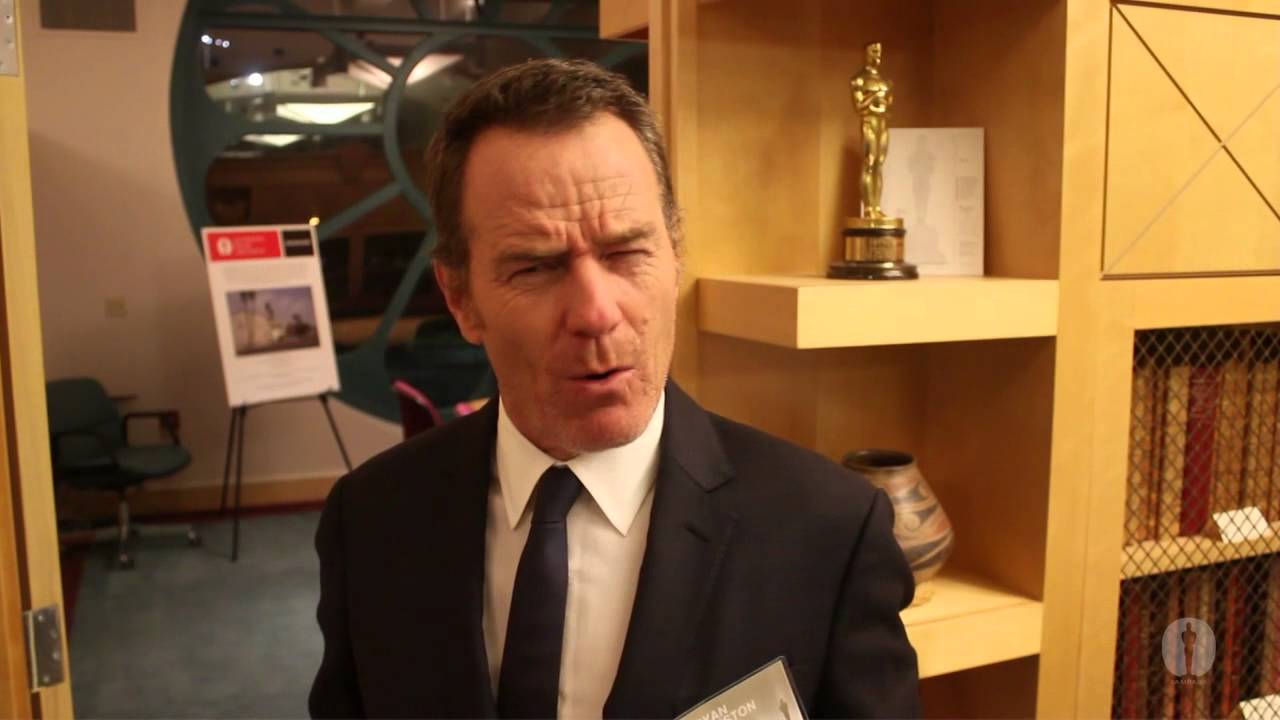
## Background Published by the official Oscars YouTube channel on September 27, 2013, this video features Bryan Cranston speaking at the Academy's new member reception. According to the video description, the acclaimed actor uses the platform to share his single best piece of advice for aspiring performers.
## TL;DR Bryan Cranston emphasizes that actors must clearly understand what their job actually is when stepping into an audition room. Rather than auditioning with the transactional mindset of trying to get hired, performers should focus solely on creating a compelling character that serves the text. Once that work is presented, the actor must immediately let go and walk away, acknowledging that casting decisions are entirely outside their control. Cranston credits this philosophical shift—made nearly two decades earlier—with transforming his career and leading to his busiest period as an actor.
## Atmosphere & style The delivery is calm, earnest, and deeply grounding, carrying the thoughtful cadence of an experienced mentor sharing hard-won wisdom. Listening to Cranston feels liberating and clarifying, stripping away the neurotic desperation and anxiety often associated with auditioning in favor of quiet artistic self-possession. The reflection moves from past career frustration to steady empowerment, leaving the viewer with a profound sense of relief and practical focus.
## Bulletin - [00:00](https://www.youtube.com/watch?v=v1WiCGq-PcY&t=0s) Bryan Cranston emphasizes that the single most vital piece of advice for actors is to understand what their job truly entails. - [00:00](https://www.youtube.com/watch?v=v1WiCGq-PcY&t=0s) An actor's actual role in an audition is to craft a compelling character that serves the text, rather than simply trying to get hired. - [00:00](https://www.youtube.com/watch?v=v1WiCGq-PcY&t=0s) Performers should present their work in the audition space and walk away immediately, abandoning any attachment to casting decisions they cannot control. - [00:00](https://www.youtube.com/watch?v=v1WiCGq-PcY&t=0s) Adopting this philosophy eighteen years earlier served as Cranston's major career breakthrough, making him busier than ever before.
## Key takeaways - [00:00](https://www.youtube.com/watch?v=v1WiCGq-PcY&t=0s) Understanding what your job actually is serves as the foundation of successful acting. - [00:00](https://www.youtube.com/watch?v=v1WiCGq-PcY&t=0s) Auditioning with the sole intention of landing a job is a fundamentally flawed approach. - [00:00](https://www.youtube.com/watch?v=v1WiCGq-PcY&t=0s) The core artistic responsibility of an actor is to create a compelling, interesting character that serves the text. - [00:00](https://www.youtube.com/watch?v=v1WiCGq-PcY&t=0s) The audition process requires presenting your specific interpretation within the room and nothing more. - [00:00](https://www.youtube.com/watch?v=v1WiCGq-PcY&t=0s) Actors must learn to walk away immediately after presenting their work without lingering on the outcome. - [00:00](https://www.youtube.com/watch?v=v1WiCGq-PcY&t=0s) Final casting decisions rely on factors entirely outside the performer's power, making it irrational to hold onto the result. - [00:00](https://www.youtube.com/watch?v=v1WiCGq-PcY&t=0s) Detachment from the hiring outcome provides actors with genuine confidence and personal empowerment. - [00:00](https://www.youtube.com/watch?v=v1WiCGq-PcY&t=0s) Letting go of control led to the most prolific and busy chapter of Cranston's acting career.
## Detailed walkthrough ### [00:00](https://www.youtube.com/watch?v=v1WiCGq-PcY&t=0s) Understanding the Actor's True Job and Letting Go of the Outcome
Bryan Cranston shares what he considers the single best piece of advice for fellow actors: “Know what your job is.” Reflecting on his own career trajectory, Cranston recalls a pivotal realization that occurred roughly eighteen years earlier. He realized that whenever he went into auditions, his mindset was fundamentally flawed because he was simply trying to land a job. He recognized that seeking employment was not what an actor is actually supposed to be doing in the audition room. Instead, an actor’s true responsibility is artistic rather than transactional. As Cranston explains, “An actor is supposed to create a compelling, interesting character that serves the text.”
Once the actor constructs that character, their sole duty is to enter the audition space, present their interpretation in that specific environment, and then immediately walk away. Cranston emphasizes that anything beyond that performance is entirely outside of the performer's hands. Trying to influence or obsess over casting outcomes is futile because those decisions rest on factors an actor cannot dictate. In Cranston's view, recognizing this boundary offers enormous liberation: “And then the decision of who might get a job is so out of your control that it really when you analyze it, it makes no sense to hold on to that.” Walking away immediately after presenting your craft instills genuine power and self-confidence, grounded in the honest realization that you can only do so much.
Internalizing this distinction marked a profound breakthrough in Cranston's professional life. Adopting the philosophy of viewing auditions as an opportunity to present his work—rather than a plea for employment—fundamentally transformed his career. He notes that from the moment he embraced that detachment from the outcome, he never looked back and ended up busier than he had ever been in his entire life.
```mermaid flowchart TD accTitle: The Actor Audition Mindset Shift accDescr: Diagram contrasting the counterproductive mindset of auditioning to get a job with the empowering mindset of presenting work and letting go.
subgraph Flawed["Counterproductive Mindset"] A["Auditioning to 'get a job'"] --> B["Focusing on casting decisions"] B --> C["Loss of control and anxiety"] end
subgraph Empowered["The Breakthrough Mindset"] D["Create a compelling character serving the text"] --> E["Present your work in the room"] E --> F["Walk away immediately"] F --> G["Gain power, confidence, and peace of mind"] end ```
- **The Core Mandate**: An actor's purpose in an audition is to build and present a compelling character that serves the written material, not to persuade casting directors to hire them. - **Letting Go of Control**: Casting decisions depend on variables completely outside the actor's influence; clinging to the outcome is irrational and counterproductive. - **Career Impact**: Making this psychological pivot roughly 18 years prior served as Cranston's personal breakthrough, leading directly to the busiest and most productive period of his career.
## Notable quotes > [00:00](https://www.youtube.com/watch?v=v1WiCGq-PcY&t=0s) An actor is supposed to create a compelling, interesting character that serves the text. — Bryan Cranston
## Mentioned Bryan Cranston, Academy of Motion Picture Arts and Sciences
## Video description At last year's Academy new member reception, Bryan Cranston shared his advice to aspiring actors.
Subscribe for more #Oscars videos ►► http://osca.rs/subscribeyt
Bryan Cranston's Advice to Aspiring Actors
#bryancranston #breakingbad #acting #advice
[Source](https://www.youtube.com/watch?v=v1WiCGq-PcY)