State Lotteries Divert School Funds to Finance Corporate Tax Cuts
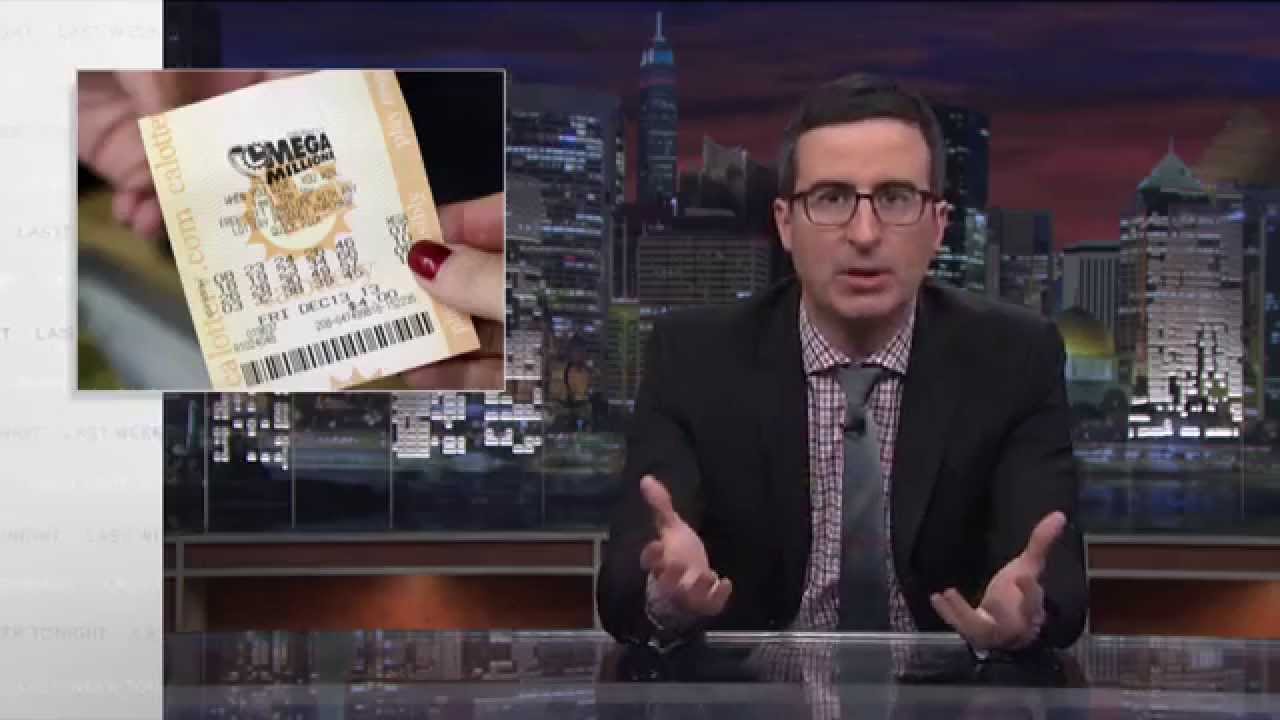
The Lottery: Last Week Tonight with John Oliver (HBO) — LastWeekTonight

LastWeekTonight

State-run lotteries exploit low-income households and fail to improve public education because lawmakers use the revenue to replace existing school budgets rather than supplement them.

AI-assisted summary of The Lottery: Last Week Tonight with John Oliver (HBO) — original source. Check the original for full context.

Source published:

Key ideas

  • State-run lotteries generate roughly $68 billion annually across 44 states, surpassing total consumer spending on movies, recorded music, porn, the NFL, MLB, and video games combined. (0:03)
  • Despite pervasive marketing campaigns touting education support, 21 out of 24 states that earmark lottery funds for education saw overall school spending drop or remain flat. (10:44)
  • State lotteries function as highly regressive revenue systems, disproportionately financed by lower-income households while utilizing predatory electronic terminals and mobile apps that intensify problem gambling. (3:00)
  • Lottery proceeds often trigger budget substitution rather than new funding; for example, North Carolina substituted $100 million in corporate tax school construction funds with lottery money before issuing corporate tax cuts. (10:44)

Detailed notes

## Background Published on YouTube by the official LastWeekTonight channel on November 10, 2014, this segment investigates whether state lotteries actually benefit public education and citizen wellbeing as advertised. The show's description succinctly undercuts state claims by delivering an immediate 'spoiler alert' that they do not.

## TL;DR John Oliver examines how 44 U.S. states run a $68 billion lottery industry, spending roughly half a billion dollars annually on aggressive advertising that frames ticket purchases as civic support for education. In reality, lotteries act as a deeply regressive tax that preys on lower-income populations, pushes addictive electronic gambling terminals, and rarely boosts public schooling due to state budget substitution. Because lottery money merely replaces existing corporate tax revenues rather than supplementing school budgets, Oliver argues that funding essential government services through state-sponsored gambling is fundamentally predatory and morally bankrupt.

## Atmosphere & style The segment maintains John Oliver's trademark high-energy, fast-paced blend of rigorous investigative critique and surreal comedy, bouncing rapidly from state budget flowcharts to ridiculous riffs on hang-gliding penguins and cinematic shark scripts. The mood shifts between bewildered amusement at manipulative marketing slogans and sharp indignation at government-sanctioned predation on vulnerable citizens and gambling addicts. Watching it feels like a sharply entertaining yet sobering reality check, culminating in a biting final parody that exposes the absurdity of state-promoted vice.

## Bulletin - [00:03](https://www.youtube.com/watch?v=9PK-netuhHA&t=3s) State-run lotteries generate roughly $68 billion annually across 44 states, surpassing total consumer spending on movies, recorded music, porn, the NFL, MLB, and video games combined. - [10:44](https://www.youtube.com/watch?v=9PK-netuhHA&t=644s) Despite pervasive marketing campaigns touting education support, 21 out of 24 states that earmark lottery funds for education saw overall school spending drop or remain flat. - [03:00](https://www.youtube.com/watch?v=9PK-netuhHA&t=180s) State lotteries function as highly regressive revenue systems, disproportionately financed by lower-income households while utilizing predatory electronic terminals and mobile apps that intensify problem gambling. - [10:44](https://www.youtube.com/watch?v=9PK-netuhHA&t=644s) Lottery proceeds often trigger budget substitution rather than new funding; for example, North Carolina substituted $100 million in corporate tax school construction funds with lottery money before issuing corporate tax cuts.

## Key takeaways - [00:03](https://www.youtube.com/watch?v=9PK-netuhHA&t=3s) Forty-four U.S. states run lotteries, spending approximately $500 million annually on flashy advertising to market state-run gambling. - [00:03](https://www.youtube.com/watch?v=9PK-netuhHA&t=3s) Annual lottery ticket sales reached about $68 billion, outstripping consumer spending on major entertainment industries combined. - [00:03](https://www.youtube.com/watch?v=9PK-netuhHA&t=3s) State advertising campaigns emotionally manipulate consumers by framing ticket purchases as an act of civic charity to fund education. - [03:00](https://www.youtube.com/watch?v=9PK-netuhHA&t=180s) Lower-income households spend a substantially higher percentage of their earnings on lotteries, turning state tickets into a regressive transfer of wealth. - [03:00](https://www.youtube.com/watch?v=9PK-netuhHA&t=180s) With Mega Millions jackpot odds standing at roughly 1 in 176 million, lotteries offer mathematically terrible odds and pay out far less proportionally than horse tracks. - [03:00](https://www.youtube.com/watch?v=9PK-netuhHA&t=180s) Jackpot winners frequently experience tragic outcomes, including bankruptcy, family estrangement, and violence, leading winners in some regions to conceal their identities. - [06:39](https://www.youtube.com/watch?v=9PK-netuhHA&t=399s) Responsible gaming tools offered by states frequently feature predatory design, such as Illinois triggering Lotto pop-ups and Washington D.C. buying sponsored search ads for 'lottery intervention'. - [06:39](https://www.youtube.com/watch?v=9PK-netuhHA&t=399s) In Oregon, 80% to 90% of lottery revenues come from over 12,000 video slot and poker machines, where players lose an average of $2,564 annually compared to $16 for paper ticket buyers. - [09:55](https://www.youtube.com/watch?v=9PK-netuhHA&t=595s) States have historically justified modern lotteries since New Hampshire's 1964 sweepstakes on the basis of funding public education. - [10:44](https://www.youtube.com/watch?v=9PK-netuhHA&t=644s) Because state budget funds are fungible, lottery revenue typically substitutes for existing general revenues rather than providing net increases to school budgets. - [10:44](https://www.youtube.com/watch?v=9PK-netuhHA&t=644s) North Carolina spent less per student on education after inaugurating its state lottery than it did beforehand. - [13:08](https://www.youtube.com/watch?v=9PK-netuhHA&t=788s) States are expanding lotteries into mobile applications, significantly reducing friction and increasing addiction risks for convenience-driven gambling. - [13:08](https://www.youtube.com/watch?v=9PK-netuhHA&t=788s) Oliver draws an analogy to alcohol, arguing it would be widely recognized as corrupt if state governments aggressively sold liquor under the guise of funding public schools.

## Detailed walkthrough ### [00:03](https://www.youtube.com/watch?v=9PK-netuhHA&t=3s) The Massive Business and Seductive Marketing of Lotteries

The lottery is introduced as “the second best use of magic marker on ping-pong balls after Kermit the Frog's eyes.” Following a massive $321 million Mega Millions jackpot draw won by a ticket sold in New York, John Oliver jokes that locating the newly minted multi-millionaire in any office should be simple: look for whoever told everyone to go screw themselves, flipped over their desk, and stormed out the door. For everyone else, 44 states run official lotteries, blanketing the airwaves with surreal, high-production commercials. These ads feature everything from a thunderstorm raining ping-pong balls and a furry dressed in a cat suit playing with a ball of cash, to an eccentric winner using his fortune to strap a penguin to his chest while hang-gliding. Oliver wholeheartedly endorses the latter: “Fuck you, evolution, I decide who flies!”

These flashy commercials are not just creative whimsy; they represent a coordinated half-billion-dollar annual advertising blitz by state governments. The states pour immense funds into advertising because lotteries are an enormous cash engine. In the previous year alone, lottery sales hit roughly $68 billion. To put that sum into perspective, Oliver points out that $68 billion surpasses what Americans spent that same year on movie tickets, music, pornography, the NFL, Major League Baseball, and video games combined. In essence, Americans spent more money on the lottery than on nearly all of American popular culture put together.

Despite essentially operating government-run commercial gambling enterprises, states successfully rebrand lotteries as benevolent public institutions. Televised state campaigns—from Tennessee claiming $3 billion raised for schools, to Oregon advertising $5 billion for public education under the banner “Doing Good Things,” to New York featuring a choir of schoolchildren singing “Thank You for Being a Friend”—aggressively frame buying tickets as an act of civic charity. Oliver notes the emotional manipulation baked into these slogans:

> “Those ads are basically implying that anyone who does not play the lottery is selfish: ‘Hey, why don't you want to educate these harmonizing children, you monster?’”

- **State participation:** 44 U.S. states operate lotteries. - **Advertising expenditure:** States collectively spend roughly $500 million ($0.5 billion) per year on lottery marketing. - **Annual sales revenue:** State lottery sales reached approximately $68 billion in the prior year. - **Spending comparison:** Annual lottery revenue exceeded consumer spending on movies, recorded music, porn, NFL football, MLB baseball, and video games combined.

```mermaid flowchart TD accTitle: Lottery Spending Versus Other Entertainment accDescr: Flowchart illustrating that annual lottery ticket sales surpass combined spending on major entertainment industries. subgraph Revenue ["$68 Billion Annual Lottery Sales"] L["State Lotteries (44 States)"] end

subgraph Outspent ["Outspent Entertainment Industries Combined"] M["Movie Tickets"] Mu["Music"] P["Pornography"] S["Sports (NFL + MLB)"] VG["Video Games"] end

L -->|"Exceeds total annual spending of"| Outspent ```

---

[03:00](https://www.youtube.com/watch?v=9PK-netuhHA&t=180s) The Odds, The Target Demographics, and The Pitfalls of Winning

Examining who actually finances this $68 billion enterprise reveals a deeply regressive pattern. Over two decades of empirical studies confirm that lower-income households spend a significantly higher percentage of their earnings on lottery tickets than wealthier households. While affluent individuals gamble through high-risk stock market plays or ill-advised personal decisions, lotteries target working-class citizens by commodifying hope. Advertisements frame Mega Millions tickets not as a reckless gamble, but as a responsible vehicle to “start a college fund for our kids,” deliberately mimicking the tone of mutual fund promotions.

In reality, the lottery is mathematically atrocious as an investment. The true odds of hitting a Mega Millions jackpot are an abysmal 1 in 176 million. Oliver highlights a news broadcast observing that winning is roughly equivalent to being struck by lightning at the exact instant you are being mauled by a shark—an image Oliver immediately spins into a Hollywood pitch titled *Slumshark Gillionaire*, a body-swap comedy where a shark gains human consciousness via lightning strike, wins the jackpot, and Channing Tatum passes on the script. Even on scratchers and smaller games with nominally better odds, lotteries pay out a far smaller fraction of revenue than horse racing tracks.

Furthermore, state promotions rely on catchy slogans like “You never know” and “Anything can happen” to convince players to discard statistical reality. Even when players defy the odds, catastrophic outcomes often follow, with winners blowing through tens of millions of dollars, being found dead, or facing murder plots orchestrated by their own relatives. Oliver compares hitting the jackpot to marrying Tom Cruise: exciting to imagine, but within five years your family is estranged and you have seen things you can never unsee. The curse of winning is so potent that in Israel, winners routinely wear masks to hide their faces, while archival footage from the 1990s reveals a 24-year-old Palestinian winner in Gaza collecting his check with a burlap bag pulled over his head just to remain safe and anonymous.

> “Winning the Mega Millions is akin to getting struck by lightning at the same time you're being eaten by a shark.”

---

[06:39](https://www.youtube.com/watch?v=9PK-netuhHA&t=399s) Problem Gambling, Predatory Tactics, and Oregon's Video Terminals

The dark underbelly of the lottery business model is addiction. While states run token responsible gaming campaigns, their execution often borders on predatory absurdity. When the *Last Week Tonight* staff clicked on the “Responsible Gaming” link on the Illinois Lottery website, the site triggered an immediate pop-up advertisement encouraging users to buy Lotto tickets. Oliver compares this to the first step of Alcoholics Anonymous being a complimentary gin and tonic. Similarly, a Google search for the phrase “lottery intervention” brought up a sponsored search ad from the DC Lottery proclaiming: “Need a lottery intervention? Play the new DC Fast Play games from the DC Lottery. Feel the thrill of winning instantly.”

Beyond paper tickets, state lotteries have actively expanded into aggressive electronic gambling formats. In Oregon, the state lottery nets around $1 billion every two years, with 80% to 90% of that total generated by video slot machines and video poker terminals. Although the state labels them lottery devices, they function identically to traditional casino gambling machines. The financial devastation wrought by these terminals is stark: internal Oregon Lottery figures reveal that while traditional ticket players lose an average of $16 annually, Oregon video poker and slot machine players lose an average of $2,564 per year.

With more than 12,000 video poker and slot machines scattered throughout Oregon bars and venues, their ubiquity presents severe hazards for addicts. A televised interview showcases an Oregon woman describing how she regularly squanders her family's grocery budget on the terminals, walking through her front door empty-handed with her boyfriend knowing immediately that they will have no food to eat. Oliver notes the bitter irony that Oregon brands its state lottery with the slogan “It Does Good Things” while utilizing a logo of crossed fingers—the universal body language for telling a lie.

> “Internal Oregon Lottery data indicates that regular lottery players lost an average of $16 per year, whereas video poker and slots players lost an average of $2,564.”

- **Oregon Lottery revenue:** Generates roughly $1 billion every two years. - **Terminal share:** 80% to 90% of Oregon's lottery earnings stem directly from video poker and video slot machines. - **Machine footprint:** More than 12,000 video gambling machines operate across Oregon. - **Loss disparity:** Traditional lottery ticket buyers lose an average of $16 per year, compared to $2,564 per year for video poker/slot players.

---

[09:55](https://www.youtube.com/watch?v=9PK-netuhHA&t=595s) The Justification of Education Funding

When asking why state lawmakers continually authorize and expand gambling operations, the primary defense has always been public education. Modern state-run lotteries were illegal across the United States until 1964, when New Hampshire established the first modern sweepstakes. From the very beginning, proponents sold tickets by linking them directly to school funding. Archival newsreel footage shows an early New Hampshire customer explaining his rationale for buying the country's first state lottery ticket:

> “I would like to participate in it, and I also feel that it's for a very good cause of education; I don't think there's a better reason for buying one of these.”

Oliver concedes that while there might not be a more noble psychological rationalization for gambling, there are infinitely better policy mechanisms for financing public schools—such as standard sales taxes, community bake sales, or simply stuffing cash into an envelope marked “school.”

[10:44](https://www.youtube.com/watch?v=9PK-netuhHA&t=644s) The Reality of Education Funding and Budget Substitution

Despite widespread marketing claims that state lotteries provide a massive boost to education, investigations reveal a drastically different outcome. An investigation into government spending across the 24 states that officially dedicate lottery revenues to education uncovered that the percentage of state spending on education actually declined or remained flat in 21 of those states. Oliver jokes that according to math students in those failing districts, 21 out of 24 represents "nearly 50%." North Carolina serves as a prime example: when its governor inaugurated the North Carolina Education Lottery nearly a decade earlier, he announced, “When the lottery is fully implemented, we'll be adding another half billion dollars annually for education.” One might imagine that such massive funding would leave North Carolina preschoolers walking around in bespoke suits quoting Friedrich Nietzsche and Søren Kierkegaard, but the state currently spends less per student on education than it did before the lottery was introduced.

```mermaid flowchart TD accTitle: North Carolina Budget Substitution Flow accDescr: Diagram illustrating how incoming lottery funds replaced corporate tax revenues instead of adding new school construction funding.

subgraph Revenues["State Revenue Streams"] A["Lottery Revenue<br/>(+$100M earmarked)"] B["Corporate Income Tax<br/>(Diverted away)"] end

subgraph Budget["School Construction Budget"] C["Total Construction Budget<br/>(Net Zero Increase)"] end

subgraph Result["Policy Outcome"] D["Substantial Corporate<br/>Tax Cuts"] end

A -->|"Substitutes existing funds"| C B -.->|"Removed from schools"| D ```

This shortfall happens because state budget money is entirely fungible, meaning adding funds for one specific cause rarely increases the total pool. As Oliver explains, “Trying to add money just for one purpose is a bit like trying to piss in one corner of a swimming pool—it's going all over the place no matter what you play.” In 2012, North Carolina directed $100 million of lottery proceeds to school construction, but the total construction budget did not grow by $100 million. Previously, a dedicated portion of corporate income taxes funded school building projects; once the lottery passed, lawmakers simply substituted that corporate tax revenue with lottery money. Corporate tax dollars disappeared from the education budget, and in a seemingly linked development, North Carolina enacted substantial corporate tax cuts over subsequent years, leaving public schools right back where they started.

- Out of 24 states that earmark lottery revenue for education, 21 saw education spending drop or stagnate. - North Carolina spent less per student on education after establishing its state lottery than before it launched. - In 2012, $100 million in North Carolina lottery funds merely replaced existing corporate tax revenue earmarked for school construction rather than supplementing it.

---

[13:08](https://www.youtube.com/watch?v=9PK-netuhHA&t=788s) Mobile Apps and the State-Sponsored Vice Analogy

Rather than rethinking these broken promises, states are doubling down by making lotteries even more accessible. Illinois launched a mobile app allowing residents to purchase lottery tickets directly from their smartphones. Oliver warns of the dangers of friction-free digital gambling, noting that if mothers could play the lottery as casually as *Candy Crush*, they would be preparing Thanksgiving dinner over a trash can fire within three weeks. States consistently defend these efforts with the rationale that state-sponsored gambling generates funding for noble public causes, even though lotteries harm losers, often ruin winners, and serve as an unethical mechanism for funding basic public services.

To expose the absurdity of this arrangement, Oliver draws a comparison between gambling and alcohol. Both are vices that most people enjoy, some become addicted to, and neither can realistically be outlawed by the government. However, it would be seen as utterly disgraceful if a state ran its own liquor business and promoted drinking by telling citizens that every shot helps a classroom. The segment ends on an acted sketch of a man downing shots of vodka from a bottle wrapped in a brown paper bag, slurping the alcohol and triumphantly shouting, “I'm gonna get those kids an iPad! I'm a winner! Everybody's a winner!”

- Illinois introduced an app allowing users to buy lottery tickets straight from their cell phones. - Oliver summarizes the ethical problem of state lotteries: “Except as I think we've seen by now, lotteries are bad for losers, often bad for winners, and a pretty compromising way to assist state budgets.” - The sketch highlights the bizarre moral logic of state gambling by equating lottery ticket promotions with state-sponsored vodka commercials claiming drinking funds education.

## Notable quotes > [13:08](https://www.youtube.com/watch?v=9PK-netuhHA&t=788s) Except as I think we've seen by now, lotteries are bad for losers, often bad for winners, and a pretty compromising way to assist state budgets. — John Oliver

> [10:44](https://www.youtube.com/watch?v=9PK-netuhHA&t=644s) Trying to add money just for one purpose is a bit like trying to piss in one corner of a swimming pool—it's going all over the place no matter what you play. — John Oliver

## Mentioned Mega Millions, John Oliver, Kermit the Frog, Tennessee Lottery, Oregon Lottery, New York Lottery, Slumshark Gillionaire, Channing Tatum, Tom Cruise, Illinois Lottery, Alcoholics Anonymous, DC Lottery, North Carolina Education Lottery, Friedrich Nietzsche, Søren Kierkegaard, Candy Crush

## Video description State lotteries claim to be good for education and the general wellbeing of citizens. But are they? (Spoiler alert: No.)

Connect with Last Week Tonight online... Subscribe to the Last Week Tonight YouTube channel for more almost news as it almost happens: www.youtube.com/user/LastWeekTonight

Find Last Week Tonight on Facebook like your mom would: http://Facebook.com/LastWeekTonight

Follow us on Twitter for news about jokes and jokes about news: http://Twitter.com/LastWeekTonight

Visit our official site for all that other stuff at once: http://www.hbo.com/lastweektonight

[Source](https://www.youtube.com/watch?v=9PK-netuhHA)

中文简报

州立彩票挪用学校资金以资助企业减税 州营彩票剥削低收入家庭且未能改善公共教育,因为立法者利用这笔收入替代现有的学校预算,而非用于补充预算。 约翰·奥利弗(John Oliver)审视了美国44个州如何运营规模达680亿美元的彩票产业,每年花费大约5亿美元进行铺天盖地的广告宣传,将购买彩票包装为支持教育的公民行为。而实际上,彩票是一种极其倒退的税收形式,它掠夺低收入群体,推广易成瘾的电子赌博机,并且由于州预算替代效应,极少真正改善公共教育。由于彩票收入仅仅是替代了原有的企业税收,而非对学校预算进行补充,奥利弗认为通过国家支持的赌博来资助基本公共服务,从根本上讲是掠夺性的,且在道德上是破产的。 在全美44个州,州营彩票每年产生约680亿美元的收入,超过了消费者在电影、唱片音乐、色情制品、NFL、MLB以及电子游戏上的总支出总和。 (0:03) 尽管宣传支持教育的营销无处不在,但在将彩票资金专项用于教育的24个州中,有21个州的学校总支出反而出现下降或停滞不前。 (10:44) 州立彩票充当着极具倒退性的税收系统,主要由低收入家庭提供资金,同时还利用掠夺性的电子终端机和移动应用程序加剧问题赌博。 (3:00) 彩票收益往往导致预算替代而非新增资金;例如,北卡罗来纳州用彩票资金替代了原用于学校建设的1亿美元企业税收,随后便推出了企业减税政策。 (10:44)

Reading summary

Host John Oliver argues that U.S. state lotteries operate as regressive, predatory commercial gambling enterprises that fail to deliver meaningful funding gains for public education despite deceptive marketing campaigns framing ticket purchases as civic charity. The Multibillion-Dollar Government Gambling Blitz (0:03) Forty-four U.S. states run lotteries that generated roughly $68 billion in sales during the prior year, exceeding the combined American consumer spending on movie tickets, recorded music, pornography, the NFL, Major League Baseball, and video games. To sustain this revenue stream, states spend approximately $500 million annually on aggressive advertising campaigns that reframe gambling as an act of public virtue and community support. Regressive Demographics and Vanishing Odds (3:00) Studies spanning over two decades confirm that lower-income households spend a significantly higher share of their earnings on lottery tickets than wealthier households do. Rather than marketing tickets as high-risk wagers, state promotions frequently mimic financial planning, encouraging players to view games with odds as long as 1 in 176 million for Mega Millions as responsible ways to fund goals like college tuition. Even rare jackpot winners frequently face ruin, familial estrangement, or violence, leading winners in places like Israel and Gaza to collect their winnings masked or hooded to protect their safety. Predatory Practices and High-Loss Electronic Terminals (6:39) State lottery systems routinely engage in aggressive commercial tactics that undermine their own responsible gaming messaging, such as the Illinois Lottery displaying ticket-buying pop-ups on its responsible gaming webpage and the DC Lottery targeting search queries for lottery intervention with ads for instant games. In Oregon, the lottery yields roughly $1 billion every two years, with 80% to 90% coming from over 12,000 video poker and slot machine terminals. Internal Oregon Lottery figures reveal that while traditional ticket players lose an average of $16 annually, video poker and slot machine players lose an average of $2,564 per year. Budget Substitution and the Education Earmark Illusion (10:44) While modern lotteries have justified their existence by earmarking proceeds for schools since New Hampshire launched the first sweepstakes in 1964, government spending records reveal that education funding dropped or stagnated in 21 of the 24 states that officially dedicate lottery revenues to schools. Because state revenues are fungible, legislatures routinely divert existing general funds away from education once lottery money arrives. In North Carolina, for instance, $100 million in 2012 lottery funds simply substituted for corporate income tax revenue that was previously dedicated to school construction, facilitating corporate tax cuts while leaving the state spending less per student than before the lottery was enacted. Oliver concludes that state-run lotteries harm losers, frequently burden winners, and serve as an unethical budgetary mechanism. He notes that while vices like gambling and alcohol cannot realistically be prohibited, it remains hypocritical for state governments to aggressively market addictive behavior under the guise of funding public services.

精炼阅读摘要

John Oliver 指出,美国各州政府运营的彩票表面上被包装为资助公共教育的慈善义举,实质上却是一种极具掠夺性的累退博彩机制;它不仅诱导低收入群体和成瘾者蒙受财务损失,更通过财政资金的“预算替代”,使教育拨款承诺彻底沦为空谈。 巨额产业规模与道德包装宣传 (0:03) 目前全美有 44 个州设立并运营官方彩票,各州每年合计投入约 5 亿美元进行密集的广告轰炸。这些高制作成本的宣传片往往伴随荒诞且吸引人的视觉特效,推动全美上年度彩票销售总额达到约 680 亿美元。Oliver 指出,这一巨额销售额已经超过了美国消费者在电影票、录制音乐、色情产业、NFL 橄榄球赛、MLB 棒球赛以及电子游戏上的年度支出总和,表明民众在彩票上的花费压倒了几乎整个美国流行文化娱乐产业的总和。 尽管本质上属于政府自营的商业博彩,各州却通过高调的舆论宣传将其重塑为利国利民的公共事业。例如,田纳西州宣称彩票为学校筹集了 30 亿美元,俄勒冈州打出“行善事”旗号宣扬 50 亿美元教育资助,纽约州甚至让学童合唱团在广告中演唱感恩歌曲。Oliver 批评这种营销手段构成了严重的情感道德绑架,将购买彩票曲解为公民慈善行为,反向暗示不买彩票的民众是在漠视公共教育发展。 极低中奖概率与对低收入群体的累退剥削 (3:00) 长达二十余年的实证研究表明,彩票在本质上呈现出极度不平等的累退税特征:低收入家庭将自身收入中显著更高的比例用于购买彩票。广告商蓄意将希望商品化,甚至将“超级百万”(Mega Millions)彩票营销成形同共同基金式的“子女大学基金储备”,以此诱导工人阶层将积蓄投入高风险博彩。 从数学回报来看,购买彩票极为糟糕。以“超级百万”为例,其中奖概率仅为 1.76 亿分之一,媒体形象地将其比作遭遇鲨鱼袭击的同时被闪电击中;哪怕是中奖率看似稍高刮刮乐或小型彩票,其派彩比例也远逊于传统的赛马跑道。此外,即使极少数人侥幸中奖,随之而来的往往是财产败光、家庭反目甚至亲属谋杀等灾难性后果;其诅咒效应导致以色列中奖者领奖时需佩戴面具隐匿身份,20 世纪 90 年代加沙地带一名 24 岁的巴勒斯坦中奖者领奖时甚至被迫在头上套着粗麻袋以自保。 虚伪的防沉迷举措与高成瘾性电子终端 (6:39) 尽管各州宣称支持“理性博彩”,其实际执行却暴露出赤裸的掠夺性。节目组在访问伊利诺伊州彩票官网的“理性博彩”支持页面时,网站随即自动弹出了诱导购买 Lotto 彩票的弹窗广告;在 Google 搜索“彩票干预”时,华盛顿特区彩票局投放的赞助广告赫然写着“需要彩票干预吗?快来体验全新快速玩法,感受即刻中奖的快感”。 更为严峻的是,部分州已将业务重心转向成瘾性极强的高频电子博彩设备。在俄勒冈州,州彩票系统每两年可获利约 10 亿美元,其中 80% 到 90% 的利润直接来源于全州酒吧和营业场所分布的 1.2 万余台视频老虎机与视频扑克终端。虽然官方冠以彩票之名,但其机制与传统赌场无异。俄勒冈州彩票局内部数据显示,购买传统纸质彩票的玩家年均损失仅为 16 美元,而视频扑克与老虎机玩家的年均损失高达 2,564 美元;节目记录的受害者甚至频繁将全家每月的食品采购预算输光,导致基本生计陷入危机。 教育专款承诺落空与财政替代陷阱 (9:55) 自 1964 年新罕布什尔州创立现代第一家州营抽奖机制起,各州一直以“支持学校教育”作为合法化彩票的核心说辞。然而针对全美将彩票收入明确定向用于教育的 24 个州的调查发现,其中 21 个州的实际教育支出占州预算比例在引入彩票后不升反降,或始终停滞不前。 这种现象根源于政府预算极高的“资金可替代性”。以北卡罗来纳州为例,州长曾承诺彩票全面实施后每年将额外为教育注入 5 亿美元,但该州目前每个学生获得的实际教育经费反而低于彩票设立前的水平。2012 年,北卡罗来纳州将 1 亿美元彩票资金调拨给学校建设,但学校建设总预算并未随之增加 1 亿美元;立法者只是撤出了此前专门用于建校的企业所得税款,用彩票资金填补空缺,随后将腾出的税收额度用于给大企业实施巨额减税,导致学校基础设施建设资金的原有困境毫无改善。 移动端扩散与政府经营恶习的伦理荒谬 (13:08) 面对种种弊端,部分州政府不仅未加收敛,反而进一步放宽博彩门槛,例如伊利诺伊州推出了支持智能手机直接购彩的移动应用程序,极大降低了博彩摩擦力,加剧了冲动消费与成瘾隐患。 Oliver 将博彩与饮酒进行类比指出,博彩和酒精一样都是人类普遍享受但少数人极易成瘾的恶习,政府无法彻底根除;然而,如果由州政府亲自专营伏特加酒类销售,并在广告中公然宣称“公民每喝下一杯烈酒就能为学校里的孩子买一台平板电脑”,这种做法必然遭到公众强烈的道德谴责。Oliver 总结指出,州营彩票伤害了绝大多数输家,往往毁灭了少数中奖者,更是一种在道德上极度妥协且扭曲的州级财政融资手段。 Oliver 明确指出,由州政府垄断经营彩票并以此填补公共预算,是一套建立在伦理妥协与财政幻觉之上的错误政策。虽然节目深刻揭示了彩票资金被挪作他用以及助长贫困人口沉迷博彩的现实,但并未进一步探讨在不依赖彩票收入的前提下,各州应当如何通过常规税制改革克服政治阻力、填补庞大的公共教育财政缺口。

Detailed notes — zh

## Background 该视频由 YouTube 频道 LastWeekTonight 于 2014 年 11 月 10 日发布。根据页面简介,该节目聚焦于美国各州立彩票系统,尖锐探讨了各州声称彩票能促进公共教育与公民福祉的说法是否属实,并提前给出了直截了当的剧透否定答案。 ## TL;DR 节目揭露了年销售额高达 680 亿美元的美国州立彩票系统的运作真相与虚伪本质。彩票往往借由“资助教育”等崇高慈善名义大肆宣传,实则主要收割低收入家庭,并凭借极低的中奖率和高成瘾性的机台加剧社会问题。调查显示,在将彩票收益定向用于教育的 24 个州中,有 21 个州的教育支出比例不增反降,彩票资金往往只是替代了原有的常规税收(如企业税)。主持人约翰·奥利弗指出,各州政府亲自运营并扩张赌博不仅让输家受害、赢家遭遇诅咒,更像政府通过垄断卖烈酒来为学校筹资一样荒谬扭曲。 ## Atmosphere & style 全片充斥着约翰·奥利弗标志性的辛辣讽刺与机智吐槽,在荒诞幽默与严肃调查之间切换自如。从开场调侃带企鹅滑翔的离奇广告,到揭露各州在戒赌页面投放彩票广告的丑陋现实,现场笑声与惊呼不断交织。随着奥利弗用“在泳池一角尿尿”等生动比喻层层剥离政府的财政谎言,整期节目的情绪最终落入对制度性伪善与掠夺性政策的强烈荒谬感与义愤之中。 ## Bulletin - [00:03](https://www.youtube.com/watch?v=9PK-netuhHA&t=3s) 全美 44 个州运营着官方彩票系统,去年销售额高达约 680 亿美元,超越电影、音乐、电子游戏和职业体育联赛的消费总和,各州每年投入约 5 亿美元广告进行狂轰滥炸。 - [10:44](https://www.youtube.com/watch?v=9PK-netuhHA&t=644s) 调查显示在将彩票收益专款专用于教育的 24 个州中,多达 21 个州的教育支出比例在彩票推出后不升反降或停滞,彩票收益常被用来冲抵削减企业税留下的预算缺口。 - [03:00](https://www.youtube.com/watch?v=9PK-netuhHA&t=180s) 彩票本质上具有极强的累退税性质,低收入群体花费的收入占比远高于富人,而赢得超级百万头奖的概率低至 1.76 亿分之一,整体返奖率甚至不如赛马。 - [06:39](https://www.youtube.com/watch?v=9PK-netuhHA&t=399s) 各州表面设立戒赌干预机制,实则变相推广:伊利诺伊州等正将彩票移向智能手机端,俄勒冈州则有八至九成收益来自极易上瘾的视频老虎机与扑克机。 ## Key takeaways - [00:03](https://www.youtube.com/watch?v=9PK-netuhHA&t=3s) 全美 44 个州已将彩票合法化与官方化,年销售总额达 680 亿美元,政府每年投入 5 亿美元公款投放营销广告。 - [00:03](https://www.youtube.com/watch?v=9PK-netuhHA&t=3s) 彩票系统将赌博行业包装成“人人皆赢家”的教育慈善事业,利用民众的善意掩盖其敛财本质。 - [03:00](https://www.youtube.com/watch?v=9PK-netuhHA&t=180s) 低收入家庭在彩票上的开销占其收入比例远高于高收入群体,彩票实质上在向弱势群体兜售难以实现的暴富幻想。 - [03:00](https://www.youtube.com/watch?v=9PK-netuhHA&t=180s) 超级百万(Mega Millions)的头奖中奖率仅有 1.76 亿分之一,常规彩票的返奖率显著低于正规赛马赌博。 - [03:00](https://www.youtube.com/watch?v=9PK-netuhHA&t=180s) 大奖得主往往并未获得幸福,反而频繁遭遇破产、家庭反目甚至被谋杀的悲惨结局。 - [06:39](https://www.youtube.com/watch?v=9PK-netuhHA&t=399s) 各州的“负责任博彩”监管流于形式,官网上戒赌链接往往直接弹出彩票广告,搜索引擎中的干预词条甚至被买下用于推广速开游戏。 - [06:39](https://www.youtube.com/watch?v=9PK-netuhHA&t=399s) 俄勒冈州彩票收入超 80% 依赖高成瘾性的视频扑克机和老虎机,此类机台玩家年均亏损高达 2,564 美元,是对普通家庭的掠夺性吸金工具。 - [09:55](https://www.youtube.com/watch?v=9PK-netuhHA&t=595s) 自 1964 年新罕布什尔州以筹集教育经费为由打破彩票禁令以来,“支持教育”始终是各州推行官方博彩的遮羞布。 - [10:44](https://www.youtube.com/watch?v=9PK-netuhHA&t=644s) 设立教育彩票的 24 个州中,有 21 个州的实际教育支出比例未见增长甚至下滑,彩票资金在财政大盘中产生了明显的挤出与冲抵效应。 - [10:44](https://www.youtube.com/watch?v=9PK-netuhHA&t=644s) 北卡罗来纳州将彩票收入注入学校建设的同时撤走了原有的企业所得税支持,实际上是通过彩票盘剥底层民众来为企业减税买单。 - [13:08](https://www.youtube.com/watch?v=9PK-netuhHA&t=788s) 伊利诺伊州等州开始推出移动端购彩应用,进一步降低博彩门槛,使大众随时随地置身于沉迷与财务风险之中。 - [13:08](https://www.youtube.com/watch?v=9PK-netuhHA&t=788s) 政府亲自下场垄断并推销高成瘾性彩票,其荒谬程度等同于政府开办伏特加酒厂并宣称‘每喝一杯烈酒都在帮学童受教育’。 ## Detailed walkthrough ### [00:03](https://www.youtube.com/watch?v=9PK-netuhHA&t=3s) 彩票的狂欢与庞大的吸金帝国 本周全美掀起超级百万(Mega Millions)的开奖狂潮,纽约售出了一张中奖彩票,奖金高达 3.21 亿美元,全网都在寻找这位神秘赢家。John Oliver 调侃道,如果你的同事突然在办公室掀翻桌子、破口大骂后扬长而去,那很可能就是中奖者。即使这次没中也没关系,全美目前有 44 个州运营着州立彩票,并充斥着极具诱惑力且无处不在的商业广告——从乒乓球风暴、穿猫装玩钱球的毛绒兽装爱好者(Furry),再到一个怪异男人中奖后带着企鹅去玩悬挂滑翔翼的离奇场景。John Oliver 吐槽这种花法过于精准:“如果我的号码中了,我就把企鹅绑在胸口飞上天,去你的进化论,我来决定谁能飞!” 各州政府每年仅在彩票广告上的支出就高达 5 亿美元,因为彩票是各州极其庞大的摇钱树。仅在去年,全美彩票销售额就达到了约 680 亿美元。这一数字令人咋舌:它不仅超过了美国人去年在电影票、音乐、色情产业、NFL、职棒大联盟(MLB)和电子游戏上的花费总和,甚至可以说“美国人在彩票上的花费,比他们在‘美国’本身的花费还要多”。然而,政府亲自下场运营本质上是庞大赌博产业的业务,听起来极其吊诡。之所以公众接受度极高,是因为彩票从未以赌博形象示人,而是被包装成慈善基金会,比如田纳西州彩票打出“为教育提供 30 亿美元”的口号,俄勒冈州宣称“超 50 亿美元用于支持公共教育”,纽约州彩票则配着合唱学生宣称“人人皆赢家(Everybody wins)”,甚至让人觉得不买彩票简直就是在剥夺孩子的受教育权。 - 全美 44 个州拥有自己的官方彩票系统。 - 每年州政府在彩票广告上的投放预算约为 5 亿美元。 - 全年彩票销售总额达到 680 亿美元,超越电影票、音乐、色情、NFL、MLB 及电子游戏的总和。 ### [03:00](https://www.youtube.com/watch?v=9PK-netuhHA&t=180s) 兜售希望:低收入群体与渺茫概率 那么,这 680 亿美元究竟来自哪里?过去二十年间的多项研究显示,低收入家庭在彩票上花费的收入比例远高于高收入家庭。富人想要用金钱冒险时,通常会投资股市,或者不签婚前协议就出轨;而对低收入群体来说,彩票成了他们能负担得起的少数致富幻想。彩票行业贩卖的核心是“希望”,广告甚至打着“给孩子存大学基金”的感人名义,将自身伪装成类似于共同基金的稳健规划。 ```mermaid flowchart TD accTitle: 彩票营销与现实差距流程图 accDescr: 描述彩票系统如何通过教育公益和梦想宣传吸引民众,但最终导致极低回报与沉迷负债的流程。 subgraph PROMO["各州彩票的宣传包装"] A["巨额广告宣传 ($5亿/年)"] --> B["慈善与教育外衣<br/>('人人皆赢家')"] B --> C["贩卖希望与家庭梦想<br/>('为孩子存大学学费')"] end subgraph REALITY["残酷的现实机制"] C --> D["主要收割低收入群体"] D --> E["极低中奖率<br/>(超级百万:1/1.76亿)"] E --> F["返奖率低于赛马等赌博"] F --> G["中奖者悲剧 / 沉迷成瘾"] end ``` 然而,彩票绝不是投资,那些宣传中的“超级梦想”几乎不可能成真。赢得超级百万头奖的几率仅为极其可怜的 1.76 亿分之一。新闻评论曾比喻:“中超级百万头奖的概率,相当于你在被鲨鱼吃掉的同时被闪电击中。”即便是一些较小的游戏或中低奖项,彩票的返奖率也远低于赌马。但人们依然源源不断地买单,因为广告不断洗脑“凡事皆有可能”、“仅需 2 美元就能点燃梦想”。 更有讽刺意味的是,即便真正赢得了大奖,赢家的命运也往往迅速恶化。头条新闻屡见不鲜:中奖者挥霍光 2700 万美元、赢家离奇横尸床上,或是亲兄弟因 1600 万美元奖金反目并雇凶杀人。正如 John Oliver 直言:“中彩票就像嫁给汤姆·克鲁斯,在脑海里想象似乎很美好,但如果真的发生了,五年后魔法破灭,你和家人反目成仇,还会目睹一辈子都抹不掉的心理阴影。”在以色列,彩票赢家领奖时甚至需要佩戴面具保护隐私,20 世纪 90 年代加沙一名 24 岁的巴勒斯坦得主甚至头套纸袋领奖,在中东地区只因交了好运就要套袋示人,足见巨奖背后的诅咒。 - 超级百万(Mega Millions)头奖的中奖几率仅为 1 亿 7600 万分之一。 - 彩票的返奖比例甚至显著低于正规的赛马赌博。 - 媒体报道的真实赢家结局包括:败光 2700 万美元、被杀或遭亲兄弟雇凶暗杀。 ### [06:39](https://www.youtube.com/watch?v=9PK-netuhHA&t=399s) 伪善的干预与成瘾机台的扩张 彩票具有极高的成瘾性,各州政府对此心知肚明,表面上设置了戒赌援助项目,暗地里却吃相难看。伊利诺伊州彩票网站设立了“负责任博彩”板块,但当用户点击该链接时,弹出的居然是一则彩票销售广告。John Oliver 讽刺道:“戒瘾十二步法的第一步绝不会是‘恭喜你加入戒酒计划,何不来一杯清爽的杜松子金汤力犒劳一下自己?’”更有甚者,如果在谷歌搜索“彩票干预(lottery intervention)”,跳出来的头条广告居然是华盛顿特区彩票(DC Lottery)的促销:“需要彩票干预吗?快来玩 DC 彩票全新的快速开奖游戏,体验瞬间中奖的快感!” “华盛顿特区彩票局的某些人在直接下地狱之前,真该被升职加薪。”John Oliver 尖锐指出各州政府的虚伪。各州不仅没有遏制赌博,反而在积极扩张更具成瘾性的产品。以俄勒冈州为例,该州彩票每两年为州政府赚取约 10 亿美元,其中高达 80% 至 90% 的收入并非来自传统彩票,而是来自视频赌博机——主要是视频老虎机和视频扑克机。州政府将这些老虎机包装成“彩票机器”,就像把轮盘赌桌硬说成彩票工具一样荒谬。 | 玩家类型 | 俄勒冈彩票内部年均亏损数据 | 差异与危害 | |:--- |:--- |:--- | | **传统彩票玩家** | 约 $16 / 年 | 属于日常小额娱乐性质 | | **视频扑克/老虎机玩家** | 约 $2,564 / 年 | 亏损高出上百倍,可买下一辆带天窗的 98 年二手马自达 | 这种高成瘾性机台在俄勒冈州分布超过 12,000 台,遍布便利店和酒吧,给普通家庭带来了毁灭性打击。一名当地受访女性痛苦地自白,她原本只是和朋友外出或去超市买菜,却陷在视频扑克机前输光所有钱,回家面对男友时身无分文、连饭都吃不上。讽刺的是,带来这些灾难的正是标榜“彩票行善事”的州政府,而俄勒冈州彩票的双指交叉 Logo,恰好是西方文化中代表“撒谎”的手势。 ### [09:55](https://www.youtube.com/watch?v=9PK-netuhHA&t=595s) 教育掩护:谎言的起源 既然危害如此严重,为什么各州立法者还不断为彩票大开绿灯?原因正是广告里那些童声合唱所传达的幌子:彩票是为了“支持教育等崇高事业”。历史上,美国各州曾长期立法禁止彩票,直到 1964 年新罕布什尔州以“资助教育”为名打破坚冰,推出了美国现代第一款州立彩票。 当时的街头采访中,购买首张彩票的民众就坦言,买彩票是为了参与历史,更重要的是“觉得这是为了教育这一崇高事业,我认为没有比这更好的购买理由了”。然而,资助教育本有大把光明正大的途径——调整消费税、义卖,甚至直接把钱塞进写着“学校”的信封里,但各州却选择了依靠兜售虚妄梦想和掠夺性赌博机制来维系财政。 ### [10:44](https://www.youtube.com/watch?v=9PK-netuhHA&t=644s) 彩票资助教育的谎言与预算“泳池尿尿”效应 州政府经常宣称彩票是支持公共教育的巨大推手,然而现实却截然相反。一项针对将彩票收益专门指定用于教育的 24 个州的政府支出调查显示,其成绩单惨不忍睹:在其中 21 个州,州政府用于教育的支出比例不增反降,或者基本持平。换句话说,全美绝大多数声称“买彩票支持教育”的州,彩票根本没有给教育带来任何额外资金。约翰·奥利弗(John Oliver)讽刺道,如果按照那些缺乏教育经费地区的数学水平来算,“这差不多就是 50% 吧”。 为了说明这种现象是如何发生的,奥利弗以北卡罗来纳州为例。大约十年前,北卡罗来纳州州长在启动“北卡罗来纳教育彩票”(North Carolina Education Lottery)时立下宏愿:“When the lottery is fully implemented, we'll be adding another half billion dollars annually for education.” 每年额外增加 5 亿美元听起来极其诱人,让人觉得该州的学龄前儿童现在应该都身穿定制西装、张口闭口引用尼采和克尔凯郭尔了。然而讽刺的是,北卡罗来纳州如今在每名学生身上投入的教育支出,比彩票刚推行时还要少。 造成这种局面的核心原因在于州政府预算具有极强的流动性和可替代性。奥利弗打了个生动的比方:“Trying to add money just for one purpose is a bit like trying to piss in one corner of a swimming pool — it's going all over the place no matter what you plan.” 专项资金一旦进入大盘子,就会被四处挪用冲抵。 ```mermaid flowchart TD accTitle: 彩票资金对教育预算的替代效应 accDescr: 展示彩票收入如何取代原本的企业税,导致教育净预算并未增加而企业税得以削减 subgraph NorthCarolinaCase ["北卡罗来纳州案例 (2012)"] A["彩票收入注入<br/>(1亿美元指定用于学校建设)"] --> C["学校建设总预算"] B["原本的企业所得税拨款"] -.->|"被彩票资金挤出替代"| D["企业税专项资金消失"] C -.->|"实际净预算并未增加"| E["人均学生教育支出不升反降"] end subgraph TaxPolicy ["后续政策联动"] D --> F["州政府大幅削减企业所得税"] end ``` - 在设立教育彩票的 24 个州中,有 21 个州的教育支出比例在彩票推出后不升反降或维持停滞。 - 2012 年,北卡罗来纳州将 1 亿美元的彩票收入用于学校建设,但这并没有让建设预算净增 1 亿。 - 过去该州有一部分企业所得税专门用于学校建设,而彩票法案通过后,这笔企业税支持随即被彩票收益替换撤走,原来的税收不知所终。 - 与此同时,北卡罗来纳州计划在随后几年大幅削减企业税,实际上是用买彩票民众的钱填补了减税留下的财政漏洞。 --- ### [13:08](https://www.youtube.com/watch?v=9PK-netuhHA&t=788s) 移动化下注与政府角色的荒诞本质 尽管彩票资助教育的承诺早已破产,各州不仅没有反思,反而变本加厉,甚至试图通过智能手机吸引更多玩家。伊利诺伊州便推出了一款手机 App,允许居民直接在手机上购买彩票。奥利弗直言这令人不寒而栗:如果老百姓的母亲能像玩《糖果传奇》(Candy Crush)一样随手在手机上买彩票,不出三星期,她可能就沦落到只能在垃圾桶里点火烤感恩节火鸡的地步了。 各州政府推行官方博彩时,总搬出同一套说辞——这是为了崇高的公益事业筹款。但事实证明,彩票对于输家是灾难,对于赢家往往也带来不幸,而对州预算而言,更是一种妥协且虚伪的筹款途径。 奥利弗最后深刻剖析了州政府经营赌博的荒谬逻辑。博彩在某种程度上和酒精非常相似:大多数人喜欢喝两口,少数人则会上瘾;政府固然无法也不应该彻底禁绝酒精,但想象一下,如果州政府亲自下场垄断开酒厂卖烈酒,并打出宣传口号宣称“你喝下的每一盅伏特加都在帮助学童受教育”,那将是何等扭曲与诡异。在节目的最后,奥利弗模仿起边猛灌烈酒边自我麻痹的赌徒形象:“I'm going to get those kids an iPad! I'm a winner! Everybody's a winner!” 用辛辣的讽刺揭露了国家运营赌博掩耳盗铃的丑陋现实。 - 伊利诺伊州推出官方手机购彩应用,进一步降低了博彩门槛并加剧成瘾风险。 - 奥利弗总结彩票的本质:“Lotteries are bad for losers, often bad for winners, and a pretty compromising way to assist state budgets.” - 将政府办彩票类比为政府卖烈酒,揭穿了“为了孩子而赌博”这套冠冕堂皇道德借口的荒谬面目。 ## Notable quotes > [13:08](https://www.youtube.com/watch?v=9PK-netuhHA&t=788s) Lotteries are bad for losers, often bad for winners, and a pretty compromising way to assist state budgets. — John Oliver > [10:44](https://www.youtube.com/watch?v=9PK-netuhHA&t=644s) Trying to add money just for one purpose is a bit like trying to piss in one corner of a swimming pool — it's going all over the place no matter what you plan. — John Oliver ## Mentioned John Oliver, Last Week Tonight with John Oliver, 超级百万 (Mega Millions), HBO, 田纳西州彩票, 俄勒冈州彩票, 纽约州彩票, 伊利诺伊州彩票, 华盛顿特区彩票 (DC Lottery), 北卡罗来纳教育彩票 (North Carolina Education Lottery), NFL, MLB, 汤姆·克鲁斯 (Tom Cruise), 糖果传奇 (Candy Crush), 弗里德里希·尼采 (Friedrich Nietzsche), 索伦·克尔凯郭尔 (Søren Kierkegaard) ## Video description State lotteries claim to be good for education and the general wellbeing of citizens. But are they? (Spoiler alert: No.) Connect with Last Week Tonight online... Subscribe to the Last Week Tonight YouTube channel for more almost news as it almost happens: www.youtube.com/user/LastWeekTonight Find Last Week Tonight on Facebook like your mom would: http://Facebook.com/LastWeekTonight Follow us on Twitter for news about jokes and jokes about news: http://Twitter.com/LastWeekTonight Visit our official site for all that other stuff at once: http://www.hbo.com/lastweektonight [Source](https://www.youtube.com/watch?v=9PK-netuhHA)

Source quotes

[13:08] John Oliver: Lotteries are bad for losers, often bad for winners, and a pretty compromising way to assist state budgets. [10:44] John Oliver: Trying to add money just for one purpose is a bit like trying to piss in one corner of a swimming pool — it's going all over the place no matter what you plan.

Source quotes

[13:08] John Oliver: Except as I think we've seen by now, lotteries are bad for losers, often bad for winners, and a pretty compromising way to assist state budgets. [10:44] John Oliver: Trying to add money just for one purpose is a bit like trying to piss in one corner of a swimming pool—it's going all over the place no matter what you play.

Original transcript

[0:03] the lottery it's the second best use of [0:06] magic marker on pingpong balls after [0:08] Kermit the Frog's eyes now this past [0:10] week saw a huge Mega Millions draw a big [0:15] winning lottery ticket was sold in New [0:16] York lots of people around here have [0:18] been peeking up their lottery tickets [0:20] this morning in the Mega Millions [0:21] mystery this evening that 321 Million [0:24] dooll jackpot the search for the winner [0:27] is on tonight well the winner shouldn't [0:28] be too hard to find if someone at your [0:30] work this week marched in and told [0:32] everyone to go themselves before [0:34] flipping their desk over and storming [0:36] out that's probably your winner right [0:37] there but but don't worry if you didn't [0:40] hit the jackpot you will frankly have an [0:42] unbelievable number of other [0:44] opportunities to play 44 States [0:47] currently have lotteries and you can't [0:49] have missed the commercials featuring [0:50] everything from a pingpong ball [0:52] thunderstorm to a fur dressed as a cat [0:55] playing with a ball of money to a weird [0:57] lucky man who for some reason decided to [1:00] spend his lottery winnings terrifying a [1:02] penguin by taking it [1:03] hangliding that is a bizarrely specific [1:06] use of a big lottery win look if my [1:09] numbers come up I'm strapping a penguin [1:11] to my chest and I'm taking to the skies [1:13] you Evolution I decide who flies [1:16] that's my choice my [1:19] choice Lotter [1:22] commercials Lottery commercials are [1:25] incredibly seductive and they're also [1:26] everywhere states spend half a billion [1:29] dollars on them every year and the [1:30] reason they do that is that the lottery [1:32] is a massive Money Maker for them last [1:35] year alone lottery sales totaled about [1:38] $68 [1:40] billion 68 billion that's more than [1:43] Americans spent last year on movie [1:45] tickets music porn the NFL Major League [1:49] Baseball and video games combined which [1:52] means Americans basically spent more on [1:54] the lottery than they spent on America [1:56] and and if you think about it it's a [1:59] little strange for the government to be [2:01] running what is basically a gigantic [2:03] gambling business but but we don't think [2:05] about lotteries like that perhaps [2:07] because they're sold to us more as [2:09] charitable foundations $3 billion for [2:13] Education opens a lot of doors the [2:15] Tennessee Lottery game changing [2:18] lifechanging fun education matters to [2:20] oregonians that's why over 5 billion in [2:22] Lottery dollars have gone to support [2:23] public education the Oregon Lottery that [2:25] does good things every time you play a [2:27] New York Lottery game a portion of your [2:29] sale goes to Aid New York state school [2:31] children just like them New York Lottery [2:34] everybody wins thank you for being a [2:37] friend Those ads are basically implying [2:40] that anyone who does not play the [2:41] lottery is selfish hey why do you want [2:44] to educate these harmonizing children [2:46] you monster so so let's take a [2:48] look at those slogans everybody wins the [2:51] lottery does good things and it's game [2:53] changing lifechanging fun is it does it [2:57] and do they let's start with the basic [3:00] the lottery generates $68 billion in [3:02] sales a year so where does that money [3:04] come from over the course of the last [3:06] two decades multiple Studies have found [3:08] lower income households spend a higher [3:10] percentage of their money on lottery [3:12] tickets okay that kind of makes sense [3:14] lots of people like to gamble and for [3:15] lower income households the lottery is [3:17] an affordable way to do it now generally [3:19] when wealthy people want to take risks [3:20] with their money they either choose to [3:22] invest in the stock market or they leave [3:24] their wife for Amber without signing a [3:26] prenup because Amber's forever besides [3:29] she just gets you she's a little tiring [3:31] but she'll be there the the lottery is [3:34] in the business of selling people hope [3:37] and they do a great job of that start a [3:40] college fund for our [3:44] kids start a college fund for their kids [3:48] a game with jackpots worthy of your [3:50] dreams Mega Millions dream [3:54] Mega that feels like an ad for a mutual [3:57] fund but crucially the lottery is not an [4:00] investment because it's worth mentioning [4:02] that those Mega dreams are Mega unlikely [4:04] to happen what are the real chances of [4:07] winning a lousy one in [4:09] 176 million winning the Mega Millions is [4:13] akin to getting struck by lightning at [4:15] the same time you're being eaten by a [4:16] shark [4:18] okay that that is both an evocative [4:21] image and an amazing pitch for a movie [4:24] okay so there's this guy he's getting [4:26] eaten by a shark see lightning hits him [4:28] he switches Minds with this shark the [4:30] shark wins the lottery it's freaky riday [4:32] meets Jaws I'm calling it slum shark [4:35] gillionaire slum shark [4:38] gillionaire tring Tatum has [4:41] passed now now the lottery does have [4:45] some smaller games and prizes where the [4:47] odds are a little better but even then [4:49] it pays out a much lower percentage of [4:51] its revenues than even a horse racing [4:53] and the worst part is when you lose the [4:55] lottery and you're angry with your [4:56] ticket you don't even have the [4:58] satisfaction of knowing that it'll be [4:59] turned into dog food and yet and yet we [5:03] are still drawn to the lottery partly [5:07] because we're told to ignore the odds [5:10] it's your dream Anything Can Happen [5:12] dream play Win hey you never know power [5:15] your dream for Just Two Bucks I got the [5:18] power Those ads are so effective in the [5:21] time it took you to watch that Montage I [5:24] went out and bought all of these lottery [5:25] tickets someone's got a win it might as [5:28] well be me but even when people do win [5:32] big things have a tendency to go south [5:34] fast we've all seen tragic headlines [5:37] about lottery winners like a lottery [5:39] winner blows through 27 million lottery [5:41] winner found dead in bed or brother [5:43] hired Hitman over 16 Million jackpot win [5:46] it seems winning the lottery can be like [5:48] marrying Tom Cruz sure it seems amazing [5:51] in your mind you might even dream about [5:54] it happening one day but if it actually [5:57] does 5 years later the magic will be [5:59] over you'll be aranged from your family [6:01] and you will have seen things you can [6:02] never unsee [6:06] never now in [6:09] Israel in Israel lottery winners are [6:12] actually photographed wearing masks to [6:14] protect their identities and in the '90s [6:16] this is how one man from Gaza collected [6:18] his prize most lottery winners don't [6:21] turn up with a bag over their head but [6:23] this 24-year-old Palestinian wanted to [6:26] remain anonymous that's right winning [6:28] the lottery is such a curse that you can [6:31] find yourself in the Middle East with a [6:33] bag over your head because something [6:34] good happened to you so so why do people [6:39] play well for some they can't stop the [6:41] lottery can be extremely addictive and [6:43] States know this many lotteries offer [6:46] resources to help problem gamblers the [6:48] Illinois Lottery even has a section on [6:50] their website for responsible gaming [6:53] although when we clicked on the link we [6:54] got and this is true a popup ad for the [6:58] lotto seriously Illinois there is a [7:01] reason that the first step in a 12-step [7:03] program isn't congratulations on [7:05] starting the program why not reward [7:07] yourself with a refreshing gin and tonic [7:10] cheers but look I'm [7:12] sure I'm sure that that is just an [7:15] innocent mistake just like I'm sure that [7:17] it's a coincidence that if you Google [7:19] lottery intervention this is what comes [7:25] up need a lottery intervention play the [7:28] new DC fast play games from the DC [7:31] Lottery feel the thrill of winning [7:33] instantly are you kidding me someone at [7:37] the DC Lottery deserves a promotion [7:39] before they go directly to hell and and [7:42] at the very same time they're supposedly [7:44] addressing problem gambling states are [7:46] actively expanding into even more [7:48] addictive products just look at Oregon [7:51] the lottery takes in about a makes about [7:53] a billion dollar every two years for the [7:55] state about 80% of it maybe even more 86 [7:58] 90% yeah that's what we're running right [8:00] there on the screen Boy comes from one [8:02] source and that's these video machines [8:04] mostly video slot machines or video [8:06] poker the vast majority of Oregon's [8:09] Lottery income comes from video slots [8:11] and video poker meaning that Oregon [8:13] claims this is a lottery machine because [8:16] of course it is just like this is a [8:18] lottery wheel and this is a lottery [8:21] table and of course we all remember [8:22] Martin scor's movie [8:25] Lottery machines machines like these are [8:28] not only addictive they're incredibly [8:30] lucrative internal Oregon Lottery data [8:32] indicates that regular Lottery players [8:35] lost an average of $16 per year whereas [8:38] video poker and Slots players lost an [8:40] average of [8:43] $2,564 that's an insane amount of money [8:46] you could buy a 98 Mazda with that money [8:49] and you should you should it's got a [8:50] moon roof and six-way speakers you [8:52] should get in it right now and drive in [8:54] the opposite direction of any video [8:56] poker machine although good luck with [8:59] that if you live in Oregon because these [9:01] machines are everywhere there are more [9:03] than 12,000 of them in the state and [9:06] that kind of ubiquity puts some people [9:08] in serious danger my boyfriend and I [9:11] have got gotten into into fights uh over [9:14] you know I'll go out you know I'm just [9:17] going somewhere with with a friend of [9:19] mine and and I end up playing video [9:21] poker and or I was supposed to go to the [9:23] store to buy food and and I come home [9:25] with no food and no money you know as [9:27] soon as I walk in the door he knows [9:31] and then we don't have any food remember [9:34] the machines that are causing her such [9:36] trouble are run by the state a state [9:39] which proclaims its Lottery does good [9:41] things and at this point I'm thinking it [9:43] may not be a coincidence that the logo [9:45] for the Oregon State Lottery is someone [9:47] crossing their fingers the universal [9:49] sign for [9:50] lying okay so so maybe maybe the next [9:55] question maybe the next question should [9:58] be this [10:00] why do state lawmakers keep approving [10:03] all this well as those singing children [10:05] told us lotteries are really all about [10:08] good causes like education and that's [10:10] always been the excuse state lotteries [10:12] were illegal in this country until 1964 [10:15] when New Hampshire launched the first [10:17] one under the guise of a very familiar [10:20] message how come you're buying one of [10:22] these tickets this is the first one in [10:24] our country and I would like to [10:25] participate in it and I also feel that [10:28] it's for a very good cars of Education I [10:32] don't think there's a better reason for [10:33] buying one of these well there probably [10:36] isn't a better reason but there are [10:37] plenty of better ways to fund education [10:40] sales tax bake sale or simply putting [10:42] cash into an envelope writing school on [10:44] the front of it and mailing it [10:47] because for all the claims for all the [10:51] claims that lotteries are a huge boost [10:53] to education the reality is a little [10:55] different our investigation of [10:57] government spending in the 24 stat that [10:59] dedicate Lottery funds for Education [11:02] yields a stunningly bad report card the [11:05] percentage of State spending on [11:06] education is down or flat in 21 of those [11:09] States from coast to coast lotteries [11:12] provided no additional funding for [11:14] education in 21 out of 24 States as math [11:18] students in one of those places would [11:19] put it that is nearly [11:22] 50% how is this how is this possible [11:26] well look let's let's let's just look at [11:29] North Carolina their governor [11:30] inaugurated the North Carolina Education [11:33] Lottery nearly a decade ago with big [11:36] promises when the lottery is fully [11:38] implemented we'll be adding another half [11:41] billion dollars annually for Education [11:44] half a billion extra that sounds great [11:47] you'd think by now all North Carolina [11:48] preschoolers would be strutting around [11:50] in Fine bespoke Suits quoting nature and [11:54] kard but in fact North Carolina [11:57] currently spends less per student on [11:58] education than it did when the lottery [12:00] even began and if you're thinking how [12:03] the is that possible it's because [12:05] money in state budgets tends to move [12:07] around a lot trying to add money just [12:10] for one purpose is a bit like trying to [12:12] piss in one corner of a swimming pool [12:15] it's going all over the place no matter [12:18] what you [12:19] play and let me give you just a narrow [12:23] example in 2012 North Carolina used $100 [12:26] million of Lottery money for school [12:28] Construction but that didn't mean the [12:30] school construction budget was 100 [12:32] million bigger than it would have been [12:34] because while that money was flowing in [12:36] other money was flowing out a portion of [12:39] corporate income taxes used to go toward [12:42] construction but when the lottery passed [12:44] that tax money went away substituted [12:47] with Lottery revenue and where did that [12:49] corporate tax money go who knows there's [12:52] not even a warm spot where it once was [12:54] but but in a completely unconnected [12:56] development North Carolina plans to cut [12:59] corporate taxes substantially over the [13:01] next few years so thanks for playing the [13:03] education lottery North Carolina better [13:05] luck next time but despite all this [13:08] states are not only keeping faith in [13:10] lotteries they're doubling down and [13:12] trying to reach new players by putting [13:14] it on your cell phone Illinois launched [13:17] an app this year to let you buy tickets [13:19] on your phone which is terrifying [13:22] because we all know that if starting [13:24] right now your mother could play the [13:26] lottery as easily as she plays Candy [13:28] Crush in 3 weeks she'd be preparing [13:31] Thanksgiving dinner over a trash can [13:33] fire but but I'm sure I'm sure that [13:37] Illinois will make the same argument [13:39] that everyone does to justify state [13:41] sponsored gambling hey it brings in [13:43] money for good causes except as I think [13:45] we've seen by now lotteries are bad for [13:48] losers often bad for winners and a [13:50] pretty compromising way to assist State [13:53] budgets think about it this way gambling [13:56] is a little like alcohol most people [13:58] like it some are addicted to it and it's [14:00] not that the state can or should Outlaw [14:02] it Alto together but it would be a [14:04] little strange if the state was in the [14:06] liquor business advertising it by [14:08] claiming that every shot of vodka you [14:10] drink helps school children learn yeah [14:13] thank me for being a [14:18] friend I'm going to get those kids and [14:20] iPads I'm a winner everybody's a [14:24] [Applause] [14:28] winner [14:34] for