Alexander Urges Coders to Replace Architects and Rebuild Cities
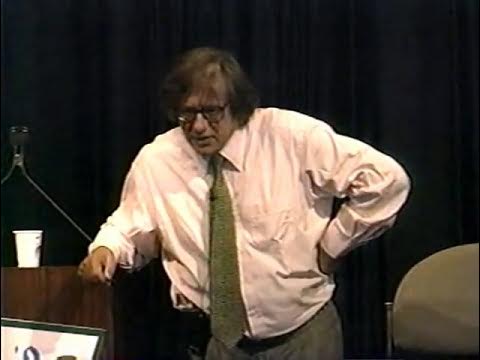
Christopher Alexander - Patterns in Architecture — Peter Petrash

Peter Petrash

Modern architecture cannot generate living structure due to rigid industrial processes, leaving generative software as the only viable genetic infrastructure to rebuild human environments.

AI-assisted summary of Christopher Alexander - Patterns in Architecture — original source. Check the original for full context.

Source published:

Key ideas

  • Christopher Alexander argues that contemporary construction methods are fundamentally incapable of producing "living structure," creating a post-war crisis across an estimated 10^12 to 10^13 square feet of global built environment. (5:51)
  • Alexander reassesses his original pattern languages as incomplete and static, superseded by a deeper recursive framework of "centers" governed by fifteen geometric properties and unfolding step-by-step through structure-preserving transformations. (21:10)
  • Alexander challenges software engineers to move beyond their role as mercenary "guns for hire" and adopt software as the generative, genetic infrastructure required to reshape and heal the physical world. (61:01)

Detailed notes

## Background Published on YouTube by Peter Petrash on September 9, 2013, with video provided by The Understanding Group (TUG), this video captures architect Christopher Alexander's keynote address at the 1996 ACM OOPSLA conference in San Jose, California. The talk documents Alexander's presentation on architectural patterns and their theoretical evolution, exploring the unexpected intersection between his built-environment theories and modern software engineering.

## TL;DR Christopher Alexander addresses an audience of software engineers to reflect on how his seminal work on pattern languages was adopted by computer science, arguing that the field embraced the practical format while leaving behind its essential moral purpose: creating life-affirming wholeness. He introduces his evolving theory from 'The Nature of Order', explaining how recursive networks of 'centers' and step-by-step 'structure-preserving transformations' produce living structure in contrast to the rigid, static methods of modern industrial construction. Acknowledging that traditional architecture and urban planning have utterly failed to build nurturing physical environments, Alexander turns the conventional keynote premise upside down by delivering an urgent plea to the audience. He challenges programmers to move beyond acting as passive 'guns for hire' and instead leverage computational, generative systems to serve as the genetic infrastructure capable of healing the physical world.

## Atmosphere & style The address carries a candid, disarming tone, beginning with Alexander's wry, self-effacing humor as an architectural outsider standing before a football field of technologists. As the lecture unfolds, the vibe shifts from reflective intellectual exposition to an earnest, almost desperate ethical appeal, marked by blunt appraisals of contemporary design and heartfelt philosophical reflection. Watching the presentation feels like witnessing an intimate, vulnerable conversation staged in a cavernous hall, culminating in an electrifying, counterintuitive challenge that directly confronts the software industry's sense of purpose.

## Bulletin - [05:51](https://www.youtube.com/watch?v=98LdFA-_zfA&t=351s) Christopher Alexander argues that contemporary construction methods are fundamentally incapable of producing "living structure," creating a post-war crisis across an estimated 10^12 to 10^13 square feet of global built environment. - [21:10](https://www.youtube.com/watch?v=98LdFA-_zfA&t=1270s) Alexander reassesses his original pattern languages as incomplete and static, superseded by a deeper recursive framework of "centers" governed by fifteen geometric properties and unfolding step-by-step through structure-preserving transformations. - [01:01:01](https://www.youtube.com/watch?v=98LdFA-_zfA&t=3661s) Alexander challenges software engineers to move beyond their role as mercenary "guns for hire" and adopt software as the generative, genetic infrastructure required to reshape and heal the physical world.

## Key takeaways - [00:00](https://www.youtube.com/watch?v=98LdFA-_zfA&t=0s) Alexander recounts his surprising introduction to Silicon Valley after technologists offered $3,000 to have dinner with him, prompting him to investigate why computer scientists adopted his architectural work. - [05:51](https://www.youtube.com/watch?v=98LdFA-_zfA&t=351s) Since World War II, society has suffered a catastrophic collapse in its ability to generate living, nurturing environments across towns, buildings, and everyday places. - [08:29](https://www.youtube.com/watch?v=98LdFA-_zfA&t=509s) A Pattern Language was originally intended to put generative, adaptive building tools into the hands of ordinary people, who construct the vast majority of the physical world rather than professional architects. - [11:18](https://www.youtube.com/watch?v=98LdFA-_zfA&t=678s) While software engineers successfully adopted the outward pattern format as a communication tool, they largely missed the foundational moral imperative of creating life-affirming, deeply human structures. - [14:19](https://www.youtube.com/watch?v=98LdFA-_zfA&t=859s) True pattern languages require twin criteria: the moral capacity to increase human wholeness and the generative capacity to produce coherent, unified entities. - [18:42](https://www.youtube.com/watch?v=98LdFA-_zfA&t=1122s) Real-world buildings constructed using 1970s patterns produced isolated improvements but fundamentally failed to achieve profound, living substance. - [21:10](https://www.youtube.com/watch?v=98LdFA-_zfA&t=1270s) Alexander discovered fifteen recurring geometric properties of living structure that form the underlying substrate beneath individual practical patterns. - [24:58](https://www.youtube.com/watch?v=98LdFA-_zfA&t=1498s) Comparative tests comparing two objects or spaces demonstrate that human judgments of whether an environment increases their wholeness show striking, statistically significant objective agreement. - [32:37](https://www.youtube.com/watch?v=98LdFA-_zfA&t=1957s) Functional engineering success and profound human feeling are fundamentally linked; physical objects that are functionally most profound awaken the deepest feeling in people. - [36:00](https://www.youtube.com/watch?v=98LdFA-_zfA&t=2160s) Space is recursively organized through focal entities called "centers," whose livingness depends on the life of their constituent sub-centers and the larger containing centers around them. - [40:08](https://www.youtube.com/watch?v=98LdFA-_zfA&t=2408s) Living structure cannot be assembled statically; it emerges exclusively through an unfolding wholeness driven by successive, structure-preserving transformations. - [42:33](https://www.youtube.com/watch?v=98LdFA-_zfA&t=2553s) Modern architectural, legal, financial, and management processes treat design as a static blueprint, mathematically guaranteeing the production of dead, inert structures. - [50:01](https://www.youtube.com/watch?v=98LdFA-_zfA&t=3001s) Traditional cultural influence through books and architectural discourse is far too sluggish to safeguard the earth's estimated 10^12 to 10^13 square feet of built space. - [52:37](https://www.youtube.com/watch?v=98LdFA-_zfA&t=3157s) Software has quietly become the true operational architect of civilization, governing manufacturing, transportation, construction, and healthcare workflows. - [57:51](https://www.youtube.com/watch?v=98LdFA-_zfA&t=3471s) Just as the automotive industry displaced carriage makers, software developers and generative algorithmic systems could supersede traditional architects unable to produce living structure. - [59:43](https://www.youtube.com/watch?v=98LdFA-_zfA&t=3583s) Alexander directly asks programmers for help, urging them to view code not as passive contract work, but as the generative genetic infrastructure of a living physical world.

## Detailed walkthrough ### [00:00](https://www.youtube.com/watch?v=98LdFA-_zfA&t=0s) An Unlikely Keynote and a $3,000 Dinner Offer

Christopher Alexander begins his address by acknowledging the surreal nature of standing before an audience in an auditorium the size of a football field while knowing virtually nothing about what they do professionally. Asking the crowd to “be nice to me,” he recounts how his unlikely connection to the software engineering community took root two or three years earlier. Out of the blue, a computer scientist telephoned him with an astonishing proposition: a group of technologists in Silicon Valley was willing to pay $3,000 just to have dinner with him. Alexander remembers being completely bewildered by the offer, wondering what in the world was going on.

Over the intervening years, Alexander began to piece together how his architectural theories had migrated into computer science. Although he had worked with computers in the late 1950s, the modern software patterns movement was an entirely new development to him. When asked a few months prior to write an introduction for Richard Gabriel’s book, he found himself wrestling with the exact same puzzle that now confronted him on stage: what meaningful insight could an architect possibly offer to a hall full of programmers?

- Alexander humorously admits his unfamiliarity with software: “I’m addressing a room full of people, a hall football field full of people, and I don’t know hardly anything about what all of you do, so be nice to me.” - On learning about the Silicon Valley dinner invitation: “I thought, what the hell is this?”

---

[01:45](https://www.youtube.com/watch?v=98LdFA-_zfA&t=105s) Three Questions and an Agenda for the OOPSLA Address

When Alexander consulted conference organizers such as Jim Coplien about what he should present, he was told that it hardly mattered what topic he chose; because of his foundational role in the history of patterns, the audience would simply be fascinated to hear him speak. Dissatisfied with giving a purely anecdotal or flattering talk, Alexander spent months probing the substantive bridge between his architectural pursuits and the computing field. That reflection led him to conclusions that he warns may sound startling or strange to the audience.

To unpack his thinking, Alexander sets out a three-part agenda for the lecture:

```mermaid flowchart TD accTitle: Structure of Alexander's Presentation accDescr: Three progressive stages of the talk outlining pattern history, modern theoretical evolution, and the connection to computing. subgraph S1["1. Historical Foundations"] A["Late 1960s & 1970s:<br/>Patterns and Pattern Languages"] end subgraph S2["2. Theoretical Evolution"] B["The Nature of Order:<br/>A Radical New Framework"] end subgraph S3["3. The Core Connection"] C["The Moral and Living<br/>Bridge to Computing"] end A --> B B --> C ```

He explains that he will first revisit the origins of patterns and pattern languages from the late 1960s and early 1970s, touching on the specific practical hurdles his team encountered. Second, he will outline the theoretical evolution that superseded that work—his forthcoming multi-volume treatise, *The Nature of Order*, scheduled for publication by Oxford University Press. While consistent with pattern languages, this new work represents a radical conceptual departure. Finally, he plans to move beyond the tentative observations he made in Richard Gabriel's preface to articulate the profound, underlying connection he now sees linking computing and architecture.

- When asking organizers what to prepare, Alexander recalls: “Jim, for example, when he invited me, he was very friendly and I said to him, ‘Look, what do you want me to talk about?’ and so forth, and he said, ‘Oh, it doesn’t matter, just talk about anything, and because it’s you and because of the history of this pattern thing, people will find it interesting.’” - Alexander wanted to push past polite generalities: “I couldn’t really find that satisfying, and I felt that there is some more significant connection between your field and mine, or perhaps that there is, and the third thing I’ll talk about is how I now perceive that connection.”

---

[05:51](https://www.youtube.com/watch?v=98LdFA-_zfA&t=351s) The Quest for Living Structure and the Post-War Architectural Crisis

Stepping into his native territory, Alexander describes his life's singular ambition: discovering how to generate "living structure" in the physical world. By living structure, he means environments—towns, streets, buildings, rooms, gardens, and everyday places—that are themselves fundamentally alive. He contrasts this ideal with what he sees as a catastrophic collapse in modern building practices over the preceding fifty years. Ever since World War II, modern society has steadily lost the ability to create environments that sustain and nurture human life, an innate capacity that had previously thrived in traditional societies, rural settlements, and early cities.

Alexander acknowledges that many contemporary practitioners would dispute his assessment—jesting that the architect responsible for the very convention hall they are sitting in would surely claim the room is completely fine. Yet Alexander insists the failure is severe, widespread, and lamentable. Because global population growth and economic development have resulted in the vast majority of the earth's inhabited fabric being constructed within the post-war era, our collective ignorance of how to build nurturing spaces directly damages the daily well-being of every man, woman, and child alive.

- Alexander defines his core life mission: “All of my life I’ve spent trying to learn how to produce living structure in the world; that means towns, streets, buildings, rooms, gardens, places which are themselves living or alive.” - Assessing the modern state of construction, Alexander laments: “Actually, it isn’t fine; it’s a hell of a problem, it’s a serious problem, it affects every man, woman, and child on Earth, and we are so ignorant about how to do this, it is lamentable and it’s very, very serious.”

---

[08:29](https://www.youtube.com/watch?v=98LdFA-_zfA&t=509s) The Generative Vision of Pattern Languages

The original publication of *A Pattern Language* was born out of an urgent desire to address this crisis on two fronts. First, it sought to identify the specific physical relationships and configurations that make an environment truly nurturing. Second, and more importantly, it aimed to solve the problem of scale. Professional architects design only a tiny fraction of the built world; the vast majority of physical construction is carried out by ordinary people, commercial developers, hotel chains, railroad companies, and self-builders, such as do-it-yourself homebuilders in Latin America.

Alexander explains that the enduring quality of traditional architecture did not stem from master planning, but from deep, localized adaptation. In traditional societies, people laid out and built their own houses and streets directly, using a shared, tacit pattern language. Because the builders were the immediate inhabitants, the environment naturally adapted to every local nuance. By publishing explicit pattern languages, Alexander hoped to return that generative power to society at large, giving ordinary individuals the tools to build a positive, living environment through continuous local adaptation.

- Alexander emphasizes who truly constructs the physical world: “Architects build a very, very small part of the world; most of the physical world is just built by all kinds of people: it’s built by developers, it’s built by do-it-yourselfers in Latin America, it’s built by hotel chains, railroad companies, etc.” - On the original social goal of his work: “One of the efforts of the pattern language was not merely to try and identify structural features which would make the environment positive or nurturing, but also to do it in a fashion which could be in everybody’s hands so that the whole thing would effectively then generate itself going forward.”

---

[11:18](https://www.youtube.com/watch?v=98LdFA-_zfA&t=678s) Software Patterns and the Missing Moral Imperative

Turning his gaze back toward the audience, Alexander offers his outside impressions of how computer science has adapted his work. He observes that software engineers have embraced the standardized pattern format—context, problem, solution, and forces—as a neat, disciplined vehicle for capturing, discussing, and refining good engineering ideas. He affirms that this format has clearly served as a useful communication tool for designing programming languages and systems, and he has no quarrel with that utility as far as it goes.

However, Alexander questions whether the software discipline adopted only the outward form of patterns while missing their underlying soul. In architecture, pattern languages were never purely pragmatic tools; they were anchored in a continuous, non-negotiable moral preoccupation with discovering what conditions make an environment genuinely good and life-affirming. While software patterns undoubtedly help engineers make programs technically "better," Alexander challenges the room to consider whether they are asking the deeper moral questions: does the software being created actually enrich human existence, play a profound role in human life, and make the world better for its presence?

- Evaluating the format adopted by technologists: “I see that the format of a pattern—context, problem, solution, and so forth—it’s kind of a neat format; it allows you to write down, let’s just call them good ideas, in a way that can be discussed, shared, modified, and so forth, so it’s kind of a really useful vehicle of communication.” - Alexander raises the central moral challenge to software developers: “Then the issue again, if I’m translating from my experience, would be: well, do they go far enough so that the program or the thing that is being created is morally profound, actually has the capacity to play a more significant role in human life, a deeper role in human life, will actually make human life better as a result of its injection into the system?”

[14:19](https://www.youtube.com/watch?v=98LdFA-_zfA&t=859s) The Dual Demands: Wholeness and Generativity

Christopher Alexander turns his focus directly to the computer scientists gathered at OOPSLA, drawing a stark contrast between his architectural intent and how software engineers have adopted patterns. When he and his colleagues worked on *A Pattern Language*, their relentless ambition was to create patterns that genuinely healed the environment and the self. He raises an open challenge to the software field: “I don’t know whether you are after that; I haven't heard a whole lot about that, so I have no idea whether that is what you're searching for, or are you only searching for a—what shall I call it—a technical performance that is good out of a program? That seems to me a very, very vital issue.”

He recalls being frequently asked how his team actually created their pattern languages and what underlying method drove their choices. Two core testing processes governed their work: 1. **The Human and Moral Dimension:** Judging candidate patterns by whether their presence in the environment truly caused human beings to feel more whole in themselves. 2. **Generativity and Coherence:** Evaluating whether a collection of patterns—such as a language intended to design a university campus—could actually produce a coherent, integrated entity when handed over to ordinary people to generate real places.

Alexander points out that many proposed pattern languages fail the second test; they might contain a cluster of good isolated ideas or fragmentary structural suggestions, but when put together, they fail to generate a coherent whole. Assessing this from the outside, he notes that while software engineers have embraced patterns as a neat, useful format for exchanging programming ideas, he has yet to see much evidence that the computing community shares the deeper two-pronged commitment to moral living structure and genuine generativity.

```mermaid flowchart TD accTitle: Alexander's Criteria for True Pattern Languages accDescr: Diagram showing the two necessary dimensions of a pattern language: human wholeness and generativity of coherent wholes.

subgraph Core["Twin Dimensions of True Pattern Languages"] A["Pattern Language"] --> B["1. Moral & Human Capacity<br/>(Increases wholeness in people)"] A --> C["2. Generative Coherence<br/>(Produces whole, unified entities)"] end

subgraph Software["Current Software Adoption"] D["Software Patterns"] --> E["Effective communication format<br/>& technical performance"] D -.->|"Missing / Unclear"| B D -.->|"Missing / Unclear"| C end ```

[18:42](https://www.youtube.com/watch?v=98LdFA-_zfA&t=1122s) The Shortcomings of 1970s Applied Patterns

Alexander recounts a major turning point that began in the late 1970s. As third parties started utilizing the patterns from *A Pattern Language* to design and construct actual physical buildings, he closely scrutinized the real-world results. On the surface, things seemed positive: occupants reported a tangible sense of control over their built environment, and individual isolated features were noticeably enhanced—daylight was improved, entranceways worked better, street characteristics improved, and bedroom alcoves provided newfound intimacy.

Yet beneath these surface improvements, Alexander felt deeply dissatisfied with the larger result. The resulting buildings were "okay," but they were fundamentally not profound, failing to possess the living substance he had envisioned. Recognizing that this failure was systemic rather than incidental, he explains: “I felt that we had fallen very far short of the mark that I had intended, but I also realized that whatever was going wrong or was not adequate wasn't going to be corrected by writing a few more patterns or making the patterns a little bit better.” This unsettling realization forced him to look beneath patterns to find the more fundamental, missing substrate of order.

[21:10](https://www.youtube.com/watch?v=98LdFA-_zfA&t=1270s) The Fifteen Fundamental Properties of Space

Digging deeper in the late 1970s and early 1980s, Alexander discovered that the specific configurations gathered inside individual patterns were actually manifestations of a compact set of underlying geometric and structural characteristics that appear recursively throughout space. He identified fifteen of these deep properties that constantly recur whenever living structure is present: - Levels of scale - Positive space - Alternating repetition - The void (which he characterizes as somewhat mysterious) - Eleven additional structural invariants (forming a set of 15 properties in total)

These fifteen characteristics acted as the common structural substrate from which the individual practical patterns arose. Concurrently, Alexander and his colleagues recognized that their original formulation of patterns had relied on loose intuition rather than rigorous criteria. To move beyond vague sensibility, they set out to establish rigorous, repeatable methods for answering a central question: what exact structural difference distinguishes an object with more life from one with less life—whether evaluating a handheld doorknob, a chair, a city's main street, or an entire landscape?

[24:58](https://www.youtube.com/watch?v=98LdFA-_zfA&t=1498s) The Objective Basis of Wholeness and the Comparative Experiment

Addressing the OOPSLA audience, Alexander tackles the intellectual resistance his ideas face within the architectural establishment. He remarks with sharp humor that mainstream architects maintain a vested professional interest in claiming that objective architectural truth does not exist, simply because everyone wants the license to do their own self-indulgent thing without being held accountable. Addressing the skepticism head-on, he quips: “Depending on who you talk to, they'd say, ‘Well, this stuff Alexander has been telling is a lot of horseshit; there is no such thing as objectivity about this,’ and so forth. But anyway, I'm here today and they're not here, so I'm telling you that there is such a thing.”

Alexander explains that ordinary people inherently possess an intuitive recognition of life and wholeness, but contemporary cultural conditioning and modern intellectual dogmas have suppressed this innate understanding, leaving individuals detached from their own genuine perceptual judgments. To bypass this learned intellectual interference, he and his team devised a peculiar comparative experiment: - Two objects or environments are placed side by side (for instance, two distinct sidewalk or street segments). - Rather than asking subjective preference questions, the subject is asked: “Is my wholeness increasing in the presence of this object or in the presence of this one, and is it more or less?” - While people initially find the phrasing strange, unconventional, or even "a little bit nutty," when they play along and answer honestly, their independent judgments produce striking, statistically significant agreement comparable to standard scientific experiments in other disciplines.

[28:44](https://www.youtube.com/watch?v=98LdFA-_zfA&t=1724s) Objective Life and the Measure of the Self

Christopher Alexander explains the nature of the comparative experiments he conducts to test wholeness. In these tests, an observer looks at two entities side by side and compares them: do you feel more whole in the presence of this thing, does it make you feel more alive, and is this one more a picture of your own true self than that one? At first glance, this methodology sounds like pure, rank subjectivity—merely an observation about human cognition, perception, or feelings, rather than proof that "living structure" actually resides inside the physical objects themselves.

However, Alexander emphasizes that these subjective-sounding assessments consistently correlate with real structural features and with the degree of life in the object measured through other, independent methods. It is not a matter of someone casually saying "I groove to this and I don't groove to that." Rather, it serves as a rigorous way to measure a deep, actual condition in the physical world. Crucially, as his investigations advanced, they repeatedly linked large-scale, practical engineering questions back to the human person.

To illustrate, Alexander points to mundane and technical environments like a parking lot. A parking lot involves very concrete engineering requirements: traffic circulation, vehicular turning, ingress and egress, security, and functional efficiency. Yet ordinary technical evaluations of whether the lot functions well correlate directly with whether a human being feels more whole when standing inside it. The same correlation holds true for the structural behavior of a section of a bridge, or for the complex pedestrian flow patterns where crowds walk through a space. Across all these domains, real functional success maps onto whether the structure possesses life and promotes life within us. As Alexander reflects on this emerging framework: “The life that is actually in the thing is correlated in some peculiar fashion with the condition in ourselves when we are in the presence of that thing.”

[32:37](https://www.youtube.com/watch?v=98LdFA-_zfA&t=1957s) The Removal of Feeling from the Built World

Taking the argument further, Alexander asserts that physical objects—whether a building, a street, a doorknob, a shelf, a room, a dome, or a bridge—that are functionally the most profound are precisely those that awaken the deepest feeling in human beings. While this statement risks sounding like sentimentalism at first hearing, it directly diagnoses what Alexander considers the most tragic and problematic feature of modern times: feeling has been stripped away from the physical environment.

Alexander gestures around the San Jose conference room, noting that whatever feeling exists in the space is undeniably far from profound. Across small, medium, and large scales, the absence of deep human feeling in our surroundings is a widespread tragedy that authors have lamented for decades. Yet society appears helpless to change course. In Alexander's own field of architecture, the situation is actively deteriorating rather than improving: the built world is growing increasingly unfeeling, leaving human beings feeling lost, fragmented, and wandering through a lonely desert. He stresses that constructing an intellectual apparatus capable of treating functional engineering and profound human feeling as the exact same reality represents a radical, unfamiliar, yet desperately needed shift in worldview. As Alexander puts it: “The objects that are the most profound functionally are the ones which also promote the greatest feeling in us.”

[36:00](https://www.youtube.com/watch?v=98LdFA-_zfA&t=2160s) Centers and the Recursive Nature of Living Structure

Alexander returns to the 15 geometric properties of living structure, explaining that underneath them lies an underlying recursive architecture built entirely from a single type of entity: the *center*. These centers are field-like structures that emerge in a given region of space without sharp, rigid boundaries, serving as the focal, organizing entities that the human mind perceives. Alexander observes that while he calls them centers, there might even be a loose conceptual connection to what the software audience calls "objects." In this model, everything in the physical universe is composed of centers.

```mermaid flowchart TD accTitle: Recursive Composition of Centers accDescr: Diagram showing how centers are recursively composed of smaller centers and embedded in larger centers.

subgraph Macro ["Macro Context"] LC["Larger Containing Center"] end

subgraph Focus ["Focal Entity"] C["Living Center<br/>(Degree of life determined recursively)"] end

subgraph Micro ["Constituent Elements"] SC1["Sub-center A"] SC2["Sub-center B"] SC3["Sub-center C"] end

LC -->|"embeds and intensifies"| C C -->|"composed of"| SC1 C -->|"composed of"| SC2 C -->|"composed of"| SC3 ```

Within this framework, the only essential property a center possesses is that it is either more living or less living. Its degree of life is defined recursively by the livingness of the constituent centers that make it up, as well as the larger containing centers in which it is nested. While Alexander cannot predict whether this recursion directly translates into software, he shares that within his own architectural practice, adopting this center-based paradigm made it vastly easier to generate living form.

This realization also led Alexander to reconsider his earlier work on design patterns. In retrospect, he explains, patterns are merely fragmentary glimpses of this deeper geometry—isolated structural invariants that appear within centers under specific circumstances. Because patterns represent only partial reflections of this universal recursive structure, Alexander considers them ultimately limited, stating: “It's because they're only really fragmentary perceptions of this deeper structure that I'm describing that they are ultimately unsatisfactory I think and not capable of delivering the goods.”

[40:08](https://www.youtube.com/watch?v=98LdFA-_zfA&t=2408s) Unfolding Wholeness through Structure-Preserving Transformations

Addressing the second part of his lecture—drawn from his work on *The Nature of Order*—Alexander confronts the fundamental production challenge: once living structure is understood as an objective, recursive network of centers, how do you actually build it? Recognising a living structure or clumsily feeling one's way toward it is one thing, but what are the universal operational rules for bringing it into existence?

Alexander summarizes the generative rule: living structure cannot be created by mechanical assembly; it can only arise through an *unfolding wholeness*. In this process, space begins in a given state and is modified step by step through what Alexander terms "structure-preserving transformations." Each successive operation preserves and respects the existing whole while introducing new differentiations one after another. If every transformation is genuinely structure-preserving and structure-enhancing, the resulting artifact will possess living structure. Alexander concludes by noting that this exact generative dynamic governs the structures of nature: “Living structures can only be produced by an unfolding wholeness that is there's a condition in which you have space in a certain state you operate on it through things that I have come to call structure preserving transformations.”

- Living structures cannot be manufactured through static assembly; they must emerge through sequential unfolding. - A structure-preserving transformation maintains and enriches the existing macro-wholeness at each progressive step of differentiation. - This stepwise unfolding process mirrors the fundamental generative behavior seen in natural biological and physical systems.

[42:33](https://www.youtube.com/watch?v=98LdFA-_zfA&t=2553s) The Failure of Modern Construction to Produce Living Structure

In the natural world, structure-preserving transformations operate continuously, which explains why nature left to its own devices inherently yields living structure. By contrast, contemporary approaches to the built environment—town planning, architecture, and construction—wholly diverge from this dynamic. The prevailing design process merely involves an architect or designer moving components around in an attempt to hit upon a "good configuration," drawing blueprints of that configuration, and then constructing it wholesale. Because this method lacks the step-by-step unfolding that characterizes organic growth, the end product is never a living structure.

```mermaid flowchart TD accTitle: Natural Unfolding vs Modern Design Processes accDescr: Diagram contrasting how natural structure-preserving transformations yield living structure while modern design produces dead structure.

subgraph Nature["Natural Process"] A["Initial State"] --> B["Step-by-Step Structure-Preserving Transformations"] B --> C["Living Structure"] end

subgraph Construction["Contemporary Construction Process"] D["Drafting & Moving Pieces Around"] --> E["Static Drawings of 'Good Configuration'"] E --> F["Contractual & Rigid Execution"] F --> G["Dead / Inert Structure"] end ```

Alexander explains that one could practically write formal mathematical theorems demonstrating that modern industrial conditions make producing living structure impossible. The professional responsible for an ordinary, dead building cannot be personally faulted: “So the poor son of a bitch that did this thing was stuck with it; there was nothing he could do, or she, because it was part of the process by which this kind of entity is produced in today's society that it cannot come out with a living structure at the end.” Discovering this systemic trap was a shattering realization. Consequently, Alexander’s recent work focuses on defining administrative, legal, financial, and management processes that permit true societal unfolding. Implementing this in real-world projects requires confronting deep, cumbersome institutions: - The contemporary building process treats design as an arbitrary static arrangement of components rather than a dynamic sequence of adaptations. - Institutional barriers include modern contract structures, administrative financial controls, and outdated management practices. - Alexander identifies this systemic incompatibility as a fundamental obstacle to reforming the built environment.

[46:21](https://www.youtube.com/watch?v=98LdFA-_zfA&t=2781s) Seeking a Convergence Between Architecture and Computer Science

Alexander brings the second phase of his address to a close and reflects on his invitation to speak at OOPSLA. Organizers had encouraged him to present his core philosophy, assuring him that software practitioners would intuitively translate his architectural ideas into terms relevant to software engineering. When writing the foreword to Richard Gabriel’s book earlier that year, Alexander’s thoughts had stalled at that very boundary—presenting his latest work and leaving its software relevance open to interpretation. Checking the remaining session time (about 15 minutes), he decides to venture beyond that safe stance into bolder territory.

Alexander admits that what he is about to propose might make the audience think he is "off his head," yet he perceives a profound, necessary convergence between their discipline and his own. He is driven by a deep professional urgency: it is insufficient merely to state that the world lacks living structure; one must actively confront the overwhelming deterioration of the physical environment. Despite decades spent designing multi-million-dollar projects, Alexander views individual architectural triumphs as inconsequential drops in the ocean relative to the sheer scale of the global built landscape. - Alexander’s earlier perspective (spring 1996) had reached an impasse after writing the foreword for Richard Gabriel’s *Patterns of Software*. - Individual architectural interventions—even those costing $10 million each—are described as an infinitesimal "atom in the bucket."

[50:01](https://www.youtube.com/watch?v=98LdFA-_zfA&t=3001s) The Sheer Scale of the Earth and the Slowness of Cultural Influence

To put the physical crisis into perspective, Alexander calculates the sheer magnitude of the human-built footprint across the globe. He estimates that total constructed space amounts to approximately $10^{12}$ to $10^{13}$ square feet (with Manhattan alone representing around $10^9$ square feet). When factoring in all adjacent exterior spaces shaped by human interaction—such as gardens, streets, and agricultural zones—the area expands to between $10^{15}$ and $10^{16}$ square feet.

Thirty years prior, when developing *A Pattern Language*, Alexander naively assumed the work would rapidly transform the earth. Instead, he found that conventional cultural influence is far too sluggish to keep pace with the destruction: “I believe that the cultural process of influence is simply too slow to be able to take care of this problem.” The conventional pipeline of discussing ideas, publishing treatises, and hoping to slowly persuade other architects cannot stem the tide of modern building methods. Feeling an ethical duty to preserve the world, Alexander turned his attention directly to the computer revolution as the only sector possessing the systemic leverage required to intervene. - Global built construction: $\approx 10^{12}$ to $10^{13}\text{ ft}^2$. - Manhattan built environment: $\approx 10^9\text{ ft}^2$. - Total human-influenced physical space (including agriculture, streets, gardens): $\approx 10^{15}$ to $10^{16}\text{ ft}^2$. - Conclusion: Traditional peer-to-peer architectural discourse cannot protect the physical world in time.

[52:37](https://www.youtube.com/watch?v=98LdFA-_zfA&t=3157s) Software as the True Architect of the Physical World

Alexander addresses the audience as the vanguard of the computational revolution, questioning whether they grasp the immense, indirect power they hold over physical reality. It is not the computer hardware, but the programs they write that dictate the shape of modern human activity: - Manufacturing workflows and industrial automation - Transportation routing, logistics, and planning - Construction management and operational methods - Medical diagnosis and clinical systems - Printing, media, and publishing operations

Despite software’s infancy—barely 10 to 15 years old in its widespread application—it already governs virtually every major sector of civilization. Yet Alexander expresses disappointment after browsing the conference proceedings supplied by Jim Coplien: “I don't really see discussion about what are we supposed to be doing with all these programs; how are they supposed to help the Earth?” The collective power to repair the world sits directly in the room, but the discourse remains narrow.

Over the preceding eighteen months of interacting with the computer science community, Alexander noticed a surprising trend: many prominent software figures are "closet architects" intensely committed to the real world. For example, Bill Joy writes about workstations in terms of tangible, physical space, while Jim Coplien investigates organizational social structures. This dual interest hints at a monumental opportunity. Alexander and his colleagues have moved beyond static patterns to develop generative, instruction-based processes that function essentially like code. By executing sequential, structure-preserving instructions, these generative processes allow spatial form to unfold naturally, presenting a direct methodological bridge between software engineering and the preservation of physical space.

[57:51](https://www.youtube.com/watch?v=98LdFA-_zfA&t=3471s) Generative Processes and the Paradigm Shift of Software

Christopher Alexander reflects on the difference between static structures and truly generative processes. Looking back at his published work, *A Pattern Language*, he candidly points out its limitations: compared to dynamic, living processes, the published pattern language feels rather static. It is made up of distinct, interesting objects or entities that a practitioner must somehow attempt to mush together. In contrast, it is entirely possible to construct computational procedures and processes that unfold dynamically and actually generate living structure. Because of the vast complexity involved in shaping the built environment and the rapid evolution of software engineering, Alexander argues that software deliberately created to generate living structure could quickly take the world by storm.

```mermaid flowchart TD accTitle: Paradigm Shift from Building Buggies to Generative Software accDescr: Diagram contrasting historical craft limitations with technological disruptions in transportation and architecture.

subgraph Historical["Historical Precedent (Transportation)"] A["Horse-and-Buggy Builders<br>(Old craft methods)"] -.->|Displaced by outsider innovation| B["Henry Ford & Automakers<br>(New industrial paradigm)"] end

subgraph Architectural["Current Crisis & Proposed Future (Architecture)"] C["Architects, Planners & Developers<br>(Static methods unable to produce life)"] -.->|Potential takeover| D["Software Engineers & Generative Systems<br>(Algorithmic infrastructure for living structure)"] end ```

To illustrate how technical change typically unfolds, Alexander turns to a familiar historical analogy: when major technological disruptions occur, the established practitioners within a specialty are rarely the ones who spearhead the subsequent revolution. The people who manufactured horse carriages did not evolve into Henry Ford; rather, Ford and the pioneers of the automobile emerged completely from left field, taking over the transportation industry while the horse and buggy quietly disappeared. In the exact same way, Alexander suggests that software developers could end up displacing traditional architectural gatekeepers by building the systems that truly regenerate the human environment. As Christopher Alexander puts it: “It is conceivable to imagine a future in which this problem of generating the living structure in the world is something that you would explicitly recognize as part of your responsibility.”

[59:43](https://www.youtube.com/watch?v=98LdFA-_zfA&t=3583s) A Plea for Help: Why Architects Cannot Fix the World

Alexander notes that this proposition represents a completely unexpected kind of marriage between himself and the computer science community—one fundamentally different from what the conference organizers originally asked him to deliver. He was invited to OOPSLA essentially to answer the question: what new insights has he uncovered in architecture that software engineers might borrow to benefit their own domain? While the first two parts of his lecture addressed that question, the third and concluding part carries an entirely different purpose: Alexander directly asks the audience for help.

He explains that traditional builders—architects, city planners, commercial developers, and construction firms—are entirely failing to generate living structure in the modern world. More critically, Alexander insists that conventional architectural practitioners will never be able to accomplish this task because their fundamental methods, commercial paradigms, and mental models simply lack the capacity to handle that level of living complexity. In contrast, the algorithmic, generative, and procedural methods that programmers manipulate every single day are uniquely and perfectly suited for this mission. If software practitioners possess the interest, they already possess both the operational capacity and the technical means to reshape physical reality.

- Traditional architects, urban planners, and developers rely on static, linear methods incapable of generating organic, living order. - Programmers work daily with systemic, unfolding, and procedural abstractions that match the actual requirements of living structure. - Alexander directly confronts the audience: “I want you to help me. I want you to realize that the problem of generating living structure is not being handled by architects or planners or developers or construction people now.”

[01:01:01](https://www.youtube.com/watch?v=98LdFA-_zfA&t=3661s) From Guns for Hire to the Genetic Infrastructure of Society

Touching on the social pulse of the gathering, Alexander mentions hearing a rumor over breakfast that attendees were harboring an undercurrent of anxiety regarding their careers and the trajectory of their industry. Despite the massive, rapid expansion of programming across society, an uneasy question lingers: where is all this code actually headed, and what is its ultimate human purpose? Alexander pauses, asking for forgiveness to speak bluntly for a moment. He observes that software developers currently operate in a way that resembles “guns for hire”—technicians who possess remarkable engineering talent but simply wait around for marching orders, telling their employers: “Tell us what to do, Daddy, and we'll do it.”

Alexander proposes a radical, noble alternative to this mercenary mindset. Instead of acting as passive implementers, developers should recognize software as the natural genetic code and procedural framework of the physical world. By stepping into this role, software engineers could make genuine living structure attainable once again across towns, neighborhoods, workplaces, and entire cities—a quality of human life that has been completely absent from architecture for the past fifty to one hundred years. While he acknowledges that the audience might think he is crazy or simply uninterested in taking up a responsibility outside their discipline, he insists that no other profession is going to step up to solve it. As Christopher Alexander summarizes his parting challenge: “What I'm proposing here is something a little bit different from that, which is a view of programming as the natural genetic infrastructure of a living world which you are capable of creating, managing, making available.” With that final vision, he thanks the audience, receiving enthusiastic applause.

## Notable quotes > [32:37](https://www.youtube.com/watch?v=98LdFA-_zfA&t=1957s) The objects that are the most profound functionally are the ones which also promote the greatest feeling in us. — Christopher Alexander

> [08:29](https://www.youtube.com/watch?v=98LdFA-_zfA&t=509s) Architects build a very, very small part of the world; most of the physical world is just built by all kinds of people: it’s built by developers, it’s built by do-it-yourselfers in Latin America, it’s built by hotel chains, railroad companies, etc. — Christopher Alexander

> [59:43](https://www.youtube.com/watch?v=98LdFA-_zfA&t=3583s) I want you to realize that the problem of generating living structure is not being handled by architects or planners or developers or construction people now. — Christopher Alexander

> [05:51](https://www.youtube.com/watch?v=98LdFA-_zfA&t=351s) All of my life I’ve spent trying to learn how to produce living structure in the world; that means towns, streets, buildings, rooms, gardens, places which are themselves living or alive. — Christopher Alexander

> [28:44](https://www.youtube.com/watch?v=98LdFA-_zfA&t=1724s) The life that is actually in the thing is correlated in some peculiar fashion with the condition in ourselves when we are in the presence of that thing. — Christopher Alexander

## Mentioned Christopher Alexander, Jim Coplien, Richard Gabriel, Bill Joy, Henry Ford, A Pattern Language, The Nature of Order, Patterns of Software, OOPSLA, ACM, Oxford University Press, Silicon Valley, San Jose, California, Peter Petrash, The Understanding Group (TUG)

## Video description This presentation was recorded live in San Jose, California, October of 1996, at The 1996 ACM Conference on Object-Oriented Programs, Systems, Languages and Applications (OOPSLA).

A full transcript of this talk is available here: http://www.patternlanguage.com/archive/ieee/ieeetext.htm

Video transcoded from VHS and provided by The Understanding Group (TUG): http://understandinggroup.com/2011/11/christopher-alexander-from-1996-patterns-in-architecture/

[Source](https://www.youtube.com/watch?v=98LdFA-_zfA)

中文简报

亚历山大敦促程序员取代建筑师并重建城市 现代建筑因僵化的工业流程而无法生成有生命的结构,这使得生成式软件成为重建人类环境唯一可行的基因级基础设施。 克里斯托弗·亚历山大(Christopher Alexander)面向软件工程师发表演讲,反思了其关于模式语言的开创性著作如何被计算机科学界采纳。他指出,该领域虽接受了其实用的形式,却遗弃了其核心的道德宗旨:创造肯定生命的整体性。他介绍了自己在《秩序的本质》中不断发展的理论,阐释了由“中心”构成的递归网络以及逐步推进的“保结构变换”,如何能够产生有生命的结构,并与现代工业化建造僵化、静态的方法形成鲜明对比。亚历山大承认传统建筑与城市规划在营造滋养身心的物理环境方面彻底失败,从而颠覆了传统主题演讲的预设,向听众发出了紧急呼吁。他挑战程序员们不要再充当被动的“雇佣工”,而是去利用计算与生成系统,将其作为有能力治愈物理世界的基因级基础设施。 克里斯托弗·亚历山大认为,当代建造方法从根本上无法产生“有生命的结构”,导致全球约10^12至10^13平方英尺的建成环境陷入了战后危机。 (5:51) 亚历山大重新评估了他最初提出的模式语言,认为其是不完整且静态的,并已被更深层的“中心”递归框架所取代;该框架受十五种几何特性的支配,并通过保结构变换逐步展开。 (21:10) 亚历山大向软件工程师提出挑战,敦促他们摆脱唯利是图的“雇佣工”角色,将软件作为重塑并治愈物理世界所需的生成式基因级基础设施。 (61:01)

Reading summary

Architect Christopher Alexander argues that modern society has lost the ability to create nurturing, living physical environments, and he challenges software engineers to move beyond viewing patterns as mere technical tools to become the generative engine capable of rebuilding the physical world. The Post-War Collapse of Living Structure (5:51) Alexander asserts that since World War II, architecture, planning, and industrial construction have systematically failed to generate what he terms 'living structure'—environments such as streets, rooms, and towns that actively sustain and nurture human life. While traditional settlements achieved deep adaptation because ordinary inhabitants built their own dwellings using shared, tacit traditions, post-war development turned to static blueprints, rigid contractual arrangements, and fragmented assembly, producing spaces that lack profound human feeling. Limits of Patterns and the Discovery of Centers (18:42) Although Alexander intended *A Pattern Language* to place generative design tools into the hands of ordinary people, he noticed by the late 1970s that buildings designed with isolated patterns were merely adequate rather than deeply alive. He concluded that patterns were static, fragmentary reflections of a deeper structural order. Through work later compiled in *The Nature of Order*, he identified fifteen fundamental structural properties organized around field-like entities called 'centers', whose degree of life is determined recursively by the centers they contain and the larger centers in which they are nested. Unfolding Wholeness and Objective Feeling (24:58) To counter skepticism from mainstream architects who dismiss objective architectural standards, Alexander developed comparative experiments where observers evaluate which of two objects increases their own wholeness. He reports that these tests produce statistically consistent results that correlate directly with structural and functional performance. Alexander maintains that living structures cannot be assembled statically; like natural biological systems, they can only emerge through 'structure-preserving transformations'—sequential, step-by-step differentiations that respect and enhance the existing whole. Software as the Genetic Infrastructure for the World (11:18) Alexander expresses mixed feelings about how computer science adopted his work: while programmers successfully embraced the pattern format for technical communication, he contends they overlooked its foundational moral requirement to enrich human life. Observing that total human-influenced physical space spans roughly 10^15 to 10^16 square feet, Alexander argues that traditional architectural discourse spreads far too slowly to arrest environmental decay. Because modern software already governs manufacturing, logistics, healthcare, and construction, he argues that code forms the true operational fabric of modern civilization. A Direct Appeal Beyond 'Guns for Hire' (57:51) Comparing the current architectural establishment to horse-and-buggy makers on the eve of the automobile, Alexander claims that traditional architects, developers, and planners lack the procedural and systemic methods required to resolve modern environmental complexity. He urges programmers to reject a passive 'guns for hire' mentality that merely waits for corporate marching orders. Instead, he appeals to them to treat programming as the generative 'genetic infrastructure' that directly constructs, manages, and restores living structure throughout the physical world. Alexander leaves open whether the software engineering community will actually embrace an ethical mandate extending beyond computing to reconstruct physical reality, acknowledging that practitioners may find the proposed responsibility eccentric or entirely beyond their professional scope.

精炼阅读摘要

建筑理论家Christopher Alexander在面向面向对象编程学术会议(OOPSLA)的演说中指出,软件工程界虽然吸纳了模式语言的形式框架,却普遍忽视了其通过增进人类完整性来创造“生命结构”的核心道德诉求;他断言传统建筑规划体制已系统性失效,呼吁程序员利用过程化与生成的专长,担当起重构物理世界的“遗传基础设施”。 模式语言初衷与软件业的工具化吸收 (11:18) Alexander回顾指出,其1970年代编写《建筑模式语言》(A Pattern Language)的初衷是为了应对二战后人居环境的退化。在传统社会中,普通居住者凭借默会的模式语言就地展开细致自适应,自发塑造出充满生机的聚落;而现代专业建筑师仅建造了极小部分空间,绝大多数实体环境由商业开发商、工程公司及自建房者拼凑而成。模式语言原本旨在将这套生成能力重新还给大众,使环境能够自发演进出培育人类生命的秩序。这种模式语言确立于两大检验标准之上:其一是人本与道德维度,即环境是否让人感到自身更加完整;其二是生成性与连贯性,即不同模式组合在一起时,能否生成具备内在一致性的生命实体。 然而,当软件工程界引入该思想时,主要采纳了“上下文、问题、解决方案与作用力”的标准化格式,用于提炼和交流程序设计经验。Alexander认可该格式作为技术沟通工具的实用价值,但他质疑计算机科学界仅获取了模式的外在皮囊,却丢失了不可妥协的道德追求。他向在场工程师发问:软件模式的探索除了追求技术性能的优良,是否在致力于创造更深刻、真正有益于人类生命并使世界变得更美好的软件系统。 从孤立模式到递归中心与结构保留变换 (36:00) 面对1970年代末第三方依据模式语言建成的建筑,Alexander坦承这些成果虽然在局部采光或空间尺度上有所改善,但整体上仍然平庸,未达到所期望的深层生命度。这促使他在后续著作《秩序的本质》(The Nature of Order)中突破原有模式理论,确立了生命结构的几何与物理底色。他归纳出活系统普遍存在的15项空间几何属性(如尺度层级、正空间、交替重复与虚空等),并指出空间本质上由单一种类的实体——“中心”(centers)递归构成。中心的生命度并非独立存在,而是由其包含的子中心以及容纳它的母中心相互强化、递归决定,这揭示了早期的实用模式仅是对这一深层几何结构的零散窥见。 在生成方法上,Alexander提出生命结构不可能通过静态的机械拼装获得,必须像自然界那样通过“逐步展开的整体”(unfolding wholeness)生成。其核心规律在于实施“结构保留变换”(structure-preserving transformations):系统从初始状态出发,每一步分化都严格保留并增强既有的整体结构,从而自然衍变出复杂的生命形态。该理论同时将技术功能与人类主观情感统一起来,实验表明,人们对于空间是否增进自身内在生命度的客观共识,与该空间的结构完整性高度相关。 现代建造体系的系统性失灵与空间危机 (42:33) 与自然演化的平滑展开相对立,当代城市规划与建造体系完全背离了生命结构的生成逻辑。现代流程通常由设计师预先在图纸上排列静态构件以拼凑“良好配置”,随后通过固定图纸、商业合同和僵化的行政财务控制予以刚性建造。Alexander直言,在这种生产制度下,建造出来的空间注定缺乏生命力,即便从业者个人抱有良好意图,制度性约束也使其无法通过渐进自适应实现有机秩序。 Alexander通过空间估算揭示了该危机的宏观规模:全球人类建造体量约为10^12至10^13平方英尺(其中纽约曼哈顿约占10^9平方英尺),若计入受人类活动影响的农田、街道与绿地,总面积达10^15至10^16平方英尺。二战以来的全球人口增长与无序开发导致绝大多数现存人居空间在缺乏生命培育意识的背景下仓促成型。他断言,传统建筑界通过撰写论文、学术商榷来影响同行的文化传播速度极其缓慢,完全无法阻挡全球物理环境的持续恶化,单栋千万美元级的建筑精品在整体破坏面前不过是沧海一粟。 软件作为物理世界遗传基建的潜能 (52:37) 基于建筑界已丧失自我修复能力的判断,Alexander将希望转向计算机科学界。他指出,现代社会的工业制造、交通物流、工程管理、医疗体系与出版媒介已全面由软件代码所统辖,软件从业者在不经意间已成为左右实体世界运作规律的真正设计者。程序员日常操作的算法控制、逻辑分支与指令生成,在方法论上恰恰是表达“结构保留变换”与复杂展开过程的最佳载体,天然具备传统建筑规划师所匮乏的动态系统推演能力。 Alexander直言不讳地指出,当前许多软件工程师虽拥有极高的技术才能,心态上却如同等待商业指令的“受雇打手”(guns for hire),对自身代码的终极人类价值缺乏自主意识。他以汽车工业颠覆马车制造的历史类比,主张软件界不应再局限于传统软件开发的狭隘边界,而应主动将编程视为重构现实世界的“自然遗传基础设施”,利用生成式代码重构城镇、建筑和生活空间的生成法则,承担起传统建造业无法解决的历史重任。 Alexander坦言要求软件工程师介入并承担物理环境治理责任可能被视作异想天开,但他坚决主张传统建筑业受制于思维范式与商业架构,已无法依靠自身力量生成生命结构。这一呼吁给计算科学界留下了根本性追问:开发者在追求纯粹技术执行与商业回报之外,是否有意愿将算法与生成逻辑的巨大潜能,延伸为修补全球物理环境与人类精神秩序的道德实践。

Detailed notes — zh

## Background 该视频由 Peter Petrash 于 2013 年 9 月 9 日发布在 YouTube 平台上。视频内容为 1996 年 10 月在加州圣何塞举办的 ACM 面向对象编程、系统、语言和应用大会(OOPSLA)现场实录,记录了建筑学家克里斯托弗·亚历山大(Christopher Alexander)关于建筑模式及其深层哲学的开创性演讲。 ## TL;DR 亚历山大回顾了自己开创“模式语言”的初衷,坦言早期模式在实践中未能真正阻止平庸建筑的蔓延,并介绍了他在《秩序的本质》中提出的新突破——由“中心”构成的递归结构与“保结构变换”的逐步展开法则。他指出人类造物在过去半个世纪中丧失了唤起深刻情感的生命力,而传统建筑界受制于现行机制已无力扭转这一死局。最终,亚历山大向在座的软件工程师发出震撼呼吁:代码已暗中重构了物质世界,程序员不应甘做“拿钱办事的雇佣兵”,而应承担起历史责任,将编程打造为让整个地球人居环境重获生机的“遗传基础设施”。 ## Atmosphere & style 整场演讲呈现出一种跨界碰撞的奇妙张力与发人深省的思想史诗感。亚历山大开场时带着建筑学者面对陌生程序员群体的谦逊与局促,但随着论述推进,语气逐渐转变为对现代人造环境异化危机的痛心疾首与尖锐批判。现场从最初的学术交流氛围,逐步升华为一场关于造物伦理与人类生存命运的崇高布道;演讲者真挚、急迫甚至带着几分近乎狂妄的执着,在全场掌声中构筑起一段极富感染力的精神震颤。 ## Bulletin - [11:17](https://www.youtube.com/watch?v=98LdFA-_zfA&t=677s) 克里斯托弗·亚历山大(Christopher Alexander)在 1996 年 OOPSLA 大会上指出,软件界虽然广泛采纳了模式(Pattern)的书写格式,却普遍丢失了建筑模式语言最初旨在让人类生活更美好的道德使命与生成有机整体的能力。 - [18:42](https://www.youtube.com/watch?v=98LdFA-_zfA&t=1122s) 亚历山大在回顾 1970 年代末的实践困境时坦言,单纯增加模式数量或局部打磨无法创造出深刻的建筑;通过提炼 15 种深层几何属性与以“中心”(Centers)为基底的递归理论,他证实了生命结构具有可客观衡量的物理与心理一致性。 - [47:36](https://www.youtube.com/watch?v=98LdFA-_zfA&t=2856s) 面对全球高达 10^12 至 10^16 平方英尺的庞大营造尺度,传统建筑学与规划体系因依赖静态图纸设计而已陷入死局,无法通过“保结构变换”(Structure-Preserving Transformations)动态展开生命环境。 - [01:01:01](https://www.youtube.com/watch?v=98LdFA-_zfA&t=3661s) 亚历山大向全体程序员发出紧急呼吁,劝诫他们摆脱“拿钱办事的数字雇佣兵”角色,利用掌握复杂系统与动态逻辑的计算能力,将软件打造为整个物理世界生成生命结构的“天然遗传基础设施”。 ## Key takeaways - [00:02](https://www.youtube.com/watch?v=98LdFA-_zfA&t=2s) 跨界历史渊源:早在 1950 年代末亚历山大就接触过计算机,1990 年代硅谷工程师对其模式理论的追捧促成了这场具有历史意义的 OOPSLA 演讲。 - [05:51](https://www.youtube.com/watch?v=98LdFA-_zfA&t=351s) 人居环境的现代性危机:二战以后的 50 年间,人类现代建造体系几乎彻底丧失了创造滋养心灵的“生命结构”(Living Structure)的能力。 - [08:28](https://www.youtube.com/watch?v=98LdFA-_zfA&t=508s) 模式语言的赋权本质:设计模式的初衷不仅是提炼形态清单,更是为了把空间营建权力下放给大众,促成微观自适应与宏观生命结构的自发涌现。 - [11:17](https://www.youtube.com/watch?v=98LdFA-_zfA&t=677s) 软件模式的道德落差:软件界虽然成功将模式用作高效的代码架构交流格式,却忽略了模式底层改善人类生存状态的道德关怀与深层意义。 - [14:19](https://www.youtube.com/watch?v=98LdFA-_zfA&t=859s) 模式检验的双重标准:真正的模式语言必须同时接受“能否使人的内在更完整”以及“能否自发生成连贯有机整体(生成性)”的双重严苛测试。 - [18:42](https://www.youtube.com/watch?v=98LdFA-_zfA&t=1122s) 修补模式的局限性:1970 年代末的世界实践表明,局部细节(如采光、入口、壁龛)的优化无法拼凑出深刻的建筑,模式方法论存在底层盲区。 - [21:10](https://www.youtube.com/watch?v=98LdFA-_zfA&t=1270s) 15 种深层几何属性:亚历山大发现尺度层次、正向空间、交替重复与虚空等 15 种底层属性,才是支撑所有空间模式产生生命力的根基。 - [24:49](https://www.youtube.com/watch?v=98LdFA-_zfA&t=1489s) 生命力衡量的客观性:通过询问受试者面对物体时“内在完整性(wholeness)是否增加”,实验展现出高度一致性,打破了审美纯属主观偏见的虚无主义。 - [32:37](https://www.youtube.com/watch?v=98LdFA-_zfA&t=1957s) 功能与情感的同一性:现代造物最大的病症是将“情感”彻底放逐,而功能上最深邃的物体恰恰是在人们内心唤起最深刻情感的实体。 - [36:00](https://www.youtube.com/watch?v=98LdFA-_zfA&t=2160s) 递归中心理论:万物在本体上由场效应般的“中心”(Centers)构成,其生命力强弱递归依赖于内部包含的微观中心及外部嵌套的宏观母中心。 - [38:27](https://www.youtube.com/watch?v=98LdFA-_zfA&t=2307s) 模式只是中心的局部不变量:在全新的体系下,亚历山大清醒超越了早年成名作,指出具体模式仅仅是中心在特殊条件下展现的局部结构不变量。 - [40:08](https://www.youtube.com/watch?v=98LdFA-_zfA&t=2408s) 保结构变换与整体展开:生命结构的唯一生成路径是从初始空间整体出发,通过一步步维持系统全局的保结构变换,连续引入局部良性分化。 - [42:33](https://www.youtube.com/watch?v=98LdFA-_zfA&t=2553s) 现代建造机制的制度死局:传统设计在图纸上人为搬动体块的做法注定造不出有生命的结构,必须重构金融、行政与合同流程以支持形态动态展开。 - [47:36](https://www.youtube.com/watch?v=98LdFA-_zfA&t=2856s) 物理建造尺度的数量级鸿沟:全球人造建筑与环境涵盖 10^12 至 10^16 平方英尺,仅靠少数建筑师的个体实践和思想渗透根本赶不上破坏速度。 - [52:35](https://www.youtube.com/watch?v=98LdFA-_zfA&t=3155s) 软件对现实世界的隐形统治:制造、交通、工程和出版等领域的核心运转已被代码深度塑形,软件开发者掌握着重塑物质世界的隐形权力。 - [57:51](https://www.youtube.com/watch?v=98LdFA-_zfA&t=3471s) 技术颠覆者的历史定律:如同马车手艺人未曾发明汽车一样,用静态图纸与旧方法工作的传统建筑业无法破局,变革必然来自掌握动态软件的局外人。 - [01:01:01](https://www.youtube.com/watch?v=98LdFA-_zfA&t=3661s) 成为活世界的遗传基础设施:亚历山大呼吁程序员走出被动接单的工具人心态,将代码作为生成未来城市与空间有机生命结构的遗传机制。 ## Detailed walkthrough ### [00:02](https://www.youtube.com/watch?v=98LdFA-_zfA&t=2s) 开场白与意外的跨界相遇 在台下热烈的掌声与背景音乐中,建筑学家克里斯托弗·亚历山大(Christopher Alexander)步上 1996 年 OOPSLA 大会的讲台。面对台下黑压压的听众,他坦白地表达了内心的局促不安:“这是我所处的一个相当奇怪的处境,我希望你们能理解我;我正在对满屋子的人、整整一个足球场那么大的人群讲话,而我对你们大家所做的事情几乎一无所知,所以请对我友好一点。”(“This is a pretty strange situation I find myself in I hope you sympathize with me I'm addressing a room full of people a hall football field full of people and I don't know hardly anything about what all of you do so be nice to me.”) 亚历山大回忆起他与计算机界的奇妙渊源。大约两三年前,一位计算机科学家突然打电话给他,称硅谷有一群人愿意凑出 3000 美元只为能与他共进晚餐。亚历山大当时感到极其错愕,心想“这到底是怎么回事”。直到最近几年,他才逐渐弄明白软件界究竟在做什么,以及计算机领域的很多实践竟然部分源自他多年前在建筑学上的探索。几个月前,当理查德·加布里埃尔(Richard Gabriel)邀请他为自己的新书撰写序言时,他也曾陷入同样的思索:自己究竟能对这群程序员说些什么?其实早在 1950 年代末,亚历山大自己就曾涉足过计算机领域,因此这个跨界联系令他深感着迷。当大会主席吉姆(Jim)向他发出邀请时,态度非常随和,对他说:“随便讲什么都行,正因为是你,正因为‘模式’这段历史,大家一定会感兴趣的。” - **时间与场合**:1996 年 10 月于加州圣何塞举办的 ACM 面向对象编程、系统、语言和应用大会(OOPSLA)。 - **缘起事件**:硅谷工程师曾出资 3000 美元邀请亚历山大聚餐;随后他受邀为 Richard Gabriel 的著作作序。 - **个人背景交集**:亚历山大在 1950 年代末便接触过计算机,并非对该领域毫无概念。 --- ### [03:05](https://www.youtube.com/watch?v=98LdFA-_zfA&t=185s) 演讲的三步脉络:从模式到秩序的本质 亚历山大向听众概述了本次演讲的三个主要部分,这也是他过去几个月思考的心路历程。他甚至预告,思考的最终结论可能会让在座的软件工程师们感到震惊与不可思议。 演讲的第一部分是回顾“模式”(Patterns)与“模式语言”(Pattern Languages)的起源。亚历山大将回溯到 1960 年代末和 1970 年代初,阐述当年建筑团队为何创造模式语言、遇到了哪些现实困难,以及当时是如何实践的。 第二部分是总结从模式语言中演化出的最新理论框架。这套理论即将由牛津大学出版社分卷出版,书名为《秩序的本质》(*The Nature of Order*)。亚历山大指出,这部新作虽然与早期的模式语言思想保持一致,但在理论深度上却是一个相当激进的大幅跨越。尽管他无法直接将这套理论套用到计算机领域,但他仍希望能将理论轮廓勾勒出来,供程序员们参考与借鉴。 第三部分则是演讲的核心突破。在几个月前为 Richard Gabriel 作序时,他的思考还停留在“我讲讲我的工作,或许对你们有些启发”的层面;但在过去几个月里,亚历山大意识到软件与建筑之间存在着一种远比“格式借鉴”深刻得多的本质关联,他将在最后揭示这种全新领悟。 ```mermaid flowchart LR accTitle: Christopher Alexander演讲结构演进图 accDescr: 展示从历史上的模式语言,到秩序的本质,再到计算机与建筑深层精神关联的三阶段演进过程。 subgraph Phase1["第一部分:历史溯源"] A["60-70年代模式语言"] --> B["解决现实建造问题"] end subgraph Phase2["第二部分:理论跃迁"] C["《秩序的本质》理论"] --> D["超越传统模式范式"] end subgraph Phase3["第三部分:跨界融合"] E["建筑与计算机的核心关联"] --> F["道德使命与生命结构"] end B --> C D --> E ``` --- ### [05:51](https://www.youtube.com/watch?v=98LdFA-_zfA&t=351s) 建筑界的危机与“生命结构”的流失 亚历山大强调,自己毕生的使命就是探索如何在现实世界中创造出“生命结构”(Living Structure)。这不仅指单体建筑,更涵盖城镇、街道、房间、花园等每一个让人身处其中的场所,使它们自身具备某种鲜活的生命力。 然而,亚历山大表达了极大的痛心与悲哀:大约自第二次世界大战以来的半个世纪里,人类所建造的一切,几乎完全丧失了产生这种生命结构的能力。传统社会、乡村社区和早期城市定居点中曾拥有的滋养人类心灵的环境,在现代建造体系中荡然无存。虽然现代建筑师可能会抗辩说一切都很好(他打趣称“设计这间会议大厅的建筑师大概就会这么认为”),但现实绝非如此。 亚历山大严肃指出,这是一个影响到地球上每个男人、女人和小孩的严峻问题:“实际上情况一点都不好,这是一个极其棘手的问题,一个严重的问题,它影响到地球上的每一个男人、女人和孩子;而我们对于如何做到这一点竟然如此无知,这令人悲哀,也非常非常严重,因为随着地球人口的增长和经济发展的方式,大部分适宜居住的环境实际上都是在过去这50年里建成的。”(“But actually it isn't fine it's a hell of a problem it's a serious problem it affects every man woman and child on Earth and we are so ignorant about how to do this it it it is it's lamentable and it's very very serious because of course we're building because the population of the earth is growing the way economic development works actually already most of the habitable environment is something that has been built in these last 50 years.”)面对不断膨胀的全球人口,缺乏滋养力的现代人造环境对全人类构成了深切的生存危机。 --- ### [08:28](https://www.youtube.com/watch?v=98LdFA-_zfA&t=508s) 模式语言的初衷:权力下放与高度自适应 为了解决现代环境的异化危机,亚历山大在当年提出了模式语言。其初衷包含两个核心目标: 1. **识别物理形态特征**:理清究竟什么样的空间结构能够使环境具备滋养人心的特质。 2. **解决超大规模建造的生成问题**:专业建筑师实际建造的体量在全世界建造总量中微不足道。现实中的大部分物理空间是由形形色色的人建造的——商业开发商、拉美贫民窟里自建房屋的普通人、连锁酒店、铁路公司等。要让地球上如此庞大规模的建设走向良性生成,必须有一套可被广泛掌握的语言。 亚历山大指出,任何优良环境的关键特征在于“每一个细部都对自身的特殊情境实现了极高程度的自适应”。在传统社会中,人们亲手布局街道和营造住宅,适应性是自然发生的;因为社区共享一套内生的模式语言,微观层面的局部适应得以在千家万户自发完成,进而涌现出宏观的生命结构。然而在现代,环境建造的权力被彻底剥夺,脱离了广大社会公众的掌控。因此,模式语言绝不仅是一套形态设计清单,它本质上是一套赋权工具,旨在将建造能力交还给每一个人,让有生命力的环境得以自发演进和涌现。 --- ### [11:17](https://www.youtube.com/watch?v=98LdFA-_zfA&t=677s) 软件界的模式借鉴与不可忽视的道德维度 谈及计算机界对模式的应用,亚历山大谦逊地提醒大家对他的观点“保留一份怀疑”,因为自己毕竟不是软件专家。从他的观察来看,软件界普遍采纳了模式的标准书写格式——“上下文、问题、解决方案”(Context, Problem, Solution)等。他肯定这种格式非常清晰利落,它提供了一种极佳的交流媒介,使得程序员能够将好想法记录下来,便于同行之间讨论、共享和修改。在设计编程语言和系统架构时,模式确实成为了强有力的工具。 但亚历山大话锋一转,指出了软件界可能忽略的更深层次内核:建筑学中的模式语言从诞生之日起,底层就贯穿着一种执着的“道德关怀”(Moral Preoccupation)——即在何种情境下环境才能被称为“善的”(Good)。在建筑学界,虽然仍有人认为好坏纯属主观偏好(亚历山大讽刺说持有这种观点的人正在被时代淘汰),但环境是否利于生命繁衍是一个客观存在的道德命题。 亚历山大向台下的软件工程师提出了发人深省的质问:软件界的模式是否也承载着类似的道德担当?固然,在面向对象编程中套用设计模式可以优化代码质量、让程序运行得更顺畅,但这与建筑模式的终极追求绝非一回事。核心问题在于,这些模式能否走得更远:“在系统注入这些模式之后,所创造出的程序或事物,在道德上是否具有深刻的意义,实际上是否有能力在人类生活中扮演更重要、更深刻的角色,是否真能让人类的生活变得更美好?”(“Do they go far enough so that the program or the thing that is being created is morally profound actually has the capacity to play a more significant role in human life a deeper role in human life will actually make human life better as a result of its injection into the system?”)如果仅仅停留在技术实现的代码复用层面,模式就丢失了它最初旨在改善人类生存状态的精神内核。 ### [14:19](https://www.youtube.com/watch?v=98LdFA-_zfA&t=859s) 模式语言的两大核心维度与软件界的落差 克里斯托弗·亚历山大(Christopher Alexander)坦率地向在座的软件工程师们发问:你们追求的究竟是什么?在建筑学中,他和同事们创立模式语言时,始终抱有一种执着的企图——让环境中的人变得更加健全、更有生命力。但他承认自己并不清楚计算机界是否也在追求同样的目标,还是仅仅在寻找“所谓的程序良好技术性能”(technical performance)。在亚历山大看来,这是一个至关重要的分水岭。 ```mermaid flowchart TD accTitle: 模式语言的两大检验维度 accDescr: 展示模式语言在构建过程中必须经受的两个关键测试:道德与生命维度,以及生成整体的连贯性。 subgraph Evaluation ["模式语言的核心检验标准"] A["提出模式 / 模式语言"] --> B["维度一:道德与生命能力<br/>(是否让人在内在更加完整/whole)"] A --> C["维度二:生成性与整体连贯<br/>(能否自发生成连贯统一的实体)"] end B --> D["构建具备生命力的人居环境"] C --> D ``` 回顾当年编写《建筑模式语言》(*A Pattern Language*)的过程,亚历山大指出他们始终依靠两重标准来检验模式。第一重标准是道德层面的生命力:当某种模式存在于环境中时,它是否真能让人在内在体验上更加完整(more whole in themselves)。第二重标准则是系统的“生成性”(generativity):这套语言能否生成连贯、统一的实体?例如,设计一套大学校园的模式语言后,交给人们去实际生成一座校园,测试其结果是一个支离破碎的想法拼盘,还是一个具备结构连贯性的有机整体。许多语言在这项测试中都失败了,只能产出一堆零散好点子的集合。 亚历山大以局外人的视角审视了软件领域的模式文献。他委婉而犀利地指出,软件界似乎主要将模式当成一种“交流编程思想的绝妙格式”(a neat format),这固然运作得非常成功,但建筑模式语言中最重要的两个深层维度却几乎付之阙如。正如克里斯托弗·亚历山大所指出的:“产生生命结构的道德能力,以及生成连贯整体的能力——在这两点上,我还没有看到太多的证据,不过这也许只是因为我还不懂得如何阅读你们的文献。” --- ### [18:42](https://www.youtube.com/watch?v=98LdFA-_zfA&t=1122s) 1970年代末的幻灭:修补模式无法拯救平庸 在1970年代后期,亚历山大开始敏锐地察觉到模式语言实践中的严峻局限。当时,许多外部人员开始运用他们出版的模式去设计和建造房屋,但实际产出的建筑虽然差强人意,却完全称不上深刻(not profound)。诚然,这些建筑包含不少巧妙的细节改进——采光变好了、建筑入口更宜人、街道特征更舒适,或者卧室里的壁龛让空间显得更加私密。人们确实感受到了对自己居住环境的掌控感,并将这种控制力注入到了真实的实体建筑中。 然而,这些孤立特性的叠加并没有带来真正的突破。面对世界各地按照模式语言建造出来的实际成果,亚历山大感到了深深的不满与沮丧。他意识到这些建筑缺乏他所追寻的“鲜活生命特质”(living substance),整个工作远远没有达到他预期的崇高标杆。更残酷的现实在于,这种缺失绝非写几个新模式或者把现有模式打磨得更精致所能弥补的。正如克里斯托弗·亚历山大回忆道:“我也意识到,无论出了什么问题或有什么不足,都不是靠多写几个模式或者把模式改得更好一点就能解决的;似乎缺少了某种更为根本的东西。”自那时起,他开始全力搜寻那个隐藏在深处的根本要素。 - 建筑局部改善显著(如采光、入口空间、私密壁龛),但整体依然缺乏灵魂。 - 模式语言让普通人获得了参与设计的控制权,但未能自动孕育出伟大而深刻的建筑。 - 亚历山大认定系统存在根本性缺陷,单纯增加模式数量或局部优化是徒劳的死胡同。 --- ### [21:10](https://www.youtube.com/watch?v=98LdFA-_zfA&t=1270s) 空间中的15种深层几何属性与生命结构的客观化 就在同一时期,亚历山大发现了一个更为底层的几何秘密:在空间中递归存在的少数几种结构特征,才是构成所有模式的真正基石。他梳理出了大约15种深层属性(deep properties),例如尺度层次(levels of scale)、正向空间(positive space)、交替重复(alternating repetition),以及略带神秘色彩的虚空(the void)等。这些属性在自然界与优秀历史建筑中反复出现,之前总结出的各种具体模式,本质上不过是这15种深层属性在不同场景下的具体显化与重组。 ```mermaid flowchart LR accTitle: 15种深层属性与生命结构的关系 accDescr: 说明15种空间几何属性如何作为模式的底层基石,共同支撑起生命结构的存在。 subgraph DeepSubstrate ["底层空间基石"] P1["尺度层次 Levels of Scale"] P2["正向空间 Positive Space"] P3["交替重复 Alternating Repetition"] P4["虚空 The Void...等15种属性"] end subgraph Patterns ["模式语言层"] Pat["各类具体设计模式"] end subgraph LivingStructure ["显化结果"] Life["生命结构 / 鲜活性<br/>(一把椅子、门把手、街道、校园)"] end DeepSubstrate --> Pat Pat --> Life DeepSubstrate -.->|"直接相关性"| Life ``` 与这项理论发现并行的,是一场关于审美与评价方法的认知革命。在编撰《建筑模式语言》期间,团队对“生命结构”的判断很大程度上依赖直觉,缺乏严谨性。到了1970年代末至1980年代初,亚历山大和同事们开始锤炼自己的辨别力,试图建立一套相对客观的衡量标尺。无论是一把椅子、一个门把手,还是城镇中的主干道,究竟能不能以某种精确度断言“这一件比另一件更具生命力”?如果不同的人进行相同的测试,能否达成一致?随着严谨实验方法的建立,他们证实了这15种几何属性确实与环境或物体中“生命”的存在高度相关。 --- ### [24:49](https://www.youtube.com/watch?v=98LdFA-_zfA&t=1489s) 穿透偏见的实验:衡量“内在完整性”的客观性 要在建筑学界谈论客观真理,无异于踏入雷区。亚历山大辛辣地嘲讽了自己的同行,指出建筑学内部存在着巨大的既得利益,大家都极力鼓吹“根本不存在客观真理”,因为唯有如此,“每个人才能做自己那一套该死的蠢事而不受惩罚”。在那些同行眼中,亚历山大关于生命结构的理论完全是一派胡言。但他站在OOPSLA的讲台上坚定地宣称:生命结构的存在是一个不容抹杀的客观事实。 亚历山大坚信,感知生命结构是人类一种近乎孩提时代的本能,每个人内心深处其实都明白什么是好、什么更有活力。然而,现代世界观、智识上的傲慢与过度焦虑,将人们与自身准确判断的能力彻底割裂开来。为了穿透这种后天构建的心理屏障,亚历山大设计了一套极为特殊的对比实验: 将两个待比较的对象并列放置(例如两段不同的人行道,或者两件器物),不问受试者“喜欢哪一个”或“哪个更符合审美规则”,而是提出一个看似不可思议的问题:“在这件物体面前,比起在另一件面前,我的内在完整性(wholeness)是否有所增加?”虽然许多人最初觉得这个问题荒诞不经,但一旦他们愿意配合尝试,令人震撼的实验结果便浮出水面。正如克里斯托弗·亚历山大所说:“然后事实证明,首先,人们的意见有着非常惊人的一致性;虽然不是100%,但非常强烈,就像人们在许多其他科学实验中所获得的一致性那样强烈。”这一测试证明,人类对环境生命力的感知绝非主观虚无,而是深植于存在本能中的客观共鸣。 ### [28:44](https://www.youtube.com/watch?v=98LdFA-_zfA&t=1724s) 生命力测试与超越主观性的客观衡量 Christopher Alexander 解释了他们在实验中所做的一系列测试。其实验的核心方式非常纯粹:让受试者面对两个实体进行比较,并回答一系列极其个人化的问题——“面对这个事物时,你是否感到更加完整?”“你是否感到自己更有生命力?”或者“你是否觉得这一个比另一个更能映照出你真实的自我?”在表面看来,这种方法似乎充斥着彻底的主观臆断,听起来仅仅是关于人类认知、知觉或情绪的心理学事实,并不必然意味着“生命结构”(Living Structure)作为一种真实的物理属性存在于外界物体本身之中。 然而令人惊讶的是,长期的研究证明,这些看似主观的度量方式与物体内部真实的物理结构特征高度吻合,也与用其他独立方法测得的“生命力”高度相关。Alexander 指出,这绝非单纯的“我喜欢这个、我不感冒那个”式的个人口味偏好,而是一种能够精准测定被比较对象深层客观状态的可靠方法。正因为如此,这一研究打破了主观情感与客观现实之间的割裂。 “It turns out that these these kind of measurements do correlate with real structural features in the thing and with the presence of life in the thing measured by other methods so that it isn't just some sort of subjective 'I groove to this and I don't groove to that' and so on, but it is a way of measuring a real deep condition in the particular things that are being compared or looked at.” Christopher Alexander 强调,这项实验揭示出人类的深层感受与外在物理结构之间存在着惊人的一致性。 ### [30:09](https://www.youtube.com/watch?v=98LdFA-_zfA&t=1809s) 极端的技术问题与深层的人性感受 随着研究的不断推进,Alexander 发现所有的重大实际工程问题,最终都会不可避免地回归到“人”本身。以一个普通的停车场为例,它包含着密集的工程与技术要求:车辆必须能够顺畅穿行回转、需要满足安防与出入口通流要求。按常理,评价一个停车场的好坏完全取决于这些技术参数是否达标;然而令人费解的是,当用常规工程讨论来衡量其功能运作时,其优良程度竟然与使用者的心理状态直接挂钩——“身处这个停车场时,相比于另一个,我是否感到自己更加完整?” 同样的规律也出现在更加严格的工程设计中,比如桥梁构件的力学结构表现,或者是大型公共空间中复杂人流的动线组织。这些看似极为冷峻、实用的技术挑战,在深层次上都与同一个本质问题相契合:该结构是否具备生命,它能否激发我们内心的生命力。这促使 Alexander 建立起一种全新的结构观:一种既存在于外部客体中、完全客观的物理结构,却又不断向内扎根于人的生命经验之中。 “So they began to be developing in in my views on of this a a view of structure which at the same time that it was objective and it was about structures that are out there in the actual thing is somehow coming home more and more and more all the time into the person because the life that is actually in the thing is correlated in some peculiar fashion with the condition in ourselves when we are in the presence of that thing.” Christopher Alexander 这样总结这种结构与人性的内在纽带。 ### [32:37](https://www.youtube.com/watch?v=98LdFA-_zfA&t=1957s) 功能深度与被现代世界放逐的“情感” Alexander 进一步推进这一论点:无论是一个建筑物、一条街道、一个门把手、搁板、房间、穹顶还是桥梁,在功能上最深邃的物体,恰恰是那些能在我们内心唤起最深刻情感的物体。初听之下,这似乎带有一种软弱的感伤主义色彩,让人本能地反问“这怎么可能是真的?为什么会这样?”但 Alexander 认为,这正是对当下时代病症的精准诊断——我们所处时代最显著、最具破坏性的特征,就是“情感”(Feeling)已经被彻底从造物世界中剥离了出去。 Alexander 半开玩笑地提起他们身处的这个毫无生气的会议大厅,指出周围环境最根本的匮乏就在于它无法引发任何深刻的情感体验。从微观构件到宏观城市,这种深刻情感的丧失是悲剧性的,也是现代人一直在苦苦追寻却不可得的东西。作家们为此呼吁了数十年,全社会都心知肚明,但整个建筑行业却束手无策,情况甚至每况愈下。人造世界变得愈加冷酷麻木,人类在这片冰冷孤寂的荒漠中流浪,变得愈发迷失与支离破碎。因此,建立一套既能解决技术功能、又能深深植根于人类情感的结构科学,是至关重要的一步。 “The objects that are the most profound functionally are the ones which also promote the greatest feeling in us.” Christopher Alexander 极其斩钉截铁地宣告了功能与情感的同一性。 ### [36:00](https://www.youtube.com/watch?v=98LdFA-_zfA&t=2160s) 递归实体:作为万物基底的“中心” 为了给这种活的结构提供精密而严谨的科学基础,Alexander 剖析了其前文提及的 15 种几何属性背后的单一本体:一种纯粹的递归结构,由且仅由一种实体构成,他将其命名为“中心”(Centers)。在概念上,这些中心不是拥有锋利边界的封闭几何块,而是类似于“场”(Field-like)的空间结构,是在特定区域内凝聚而成的聚焦性组织核心。Alexander 甚至推测,这或许与面向对象编程中所说的“对象”(Objects)存在某种隐约的呼应。 在这一世界观中,万事万物皆由“中心”组成。中心唯一核心的属性,就是其“生命力”的高低(更具生命力或欠缺生命力)。而一个中心到底具备多少生命力,完全以递归的方式取决于构成它的次级中心、以及它所嵌入的更大中心的生命力程度。由于台下的软件工程师对数学上的递归概念极为了解,Alexander 强调,正是这种嵌套互构的系统赋予了物理实体以生机。 ```mermaid flowchart TD accTitle: 递归中心结构示意图 accDescr: 展示中心如何由更小中心构成,并嵌入在更大中心之中,其生命力通过层级递归互相支撑。 subgraph MacroContext["外部宏观系统"] C_Larger["更大的外部中心<br/>(Larger Center)"] end subgraph FocusCenter["当前研究焦点"] C_Current["核心中心<br/>(Focal Center)<br/>属性:生命力强弱"] end subgraph MicroSub["内部微观构成"] C_Sub1["次级中心 A"] C_Sub2["次级中心 B"] C_Sub3["次级中心 C"] end C_Larger -->|"提供场域与环境支撑"| C_Current C_Current -->|"递归依赖其子结构"| C_Sub1 C_Current -->|"递归依赖其子结构"| C_Sub2 C_Current -->|"递归依赖其子结构"| C_Sub3 C_Sub1 -.->|"相互强化生命力"| C_Sub2 C_Sub2 -.->|"相互强化生命力"| C_Sub3 ``` - **中心的本质**:一种具有场效应(Field-like)、无锋利硬边界的空间聚集体,承担局部的空间组织功能。 - **唯一核心维度**:中心没有庞杂的分类体系,其核心状态只有生命力的多寡(More living or less living)。 - **递归依赖关系**:一个中心的生命力既依赖于构建它的微观子中心,又依赖于包容它的宏观母中心。 “And the question of whether a center is more living or less living depends recursively on the amount of livingness in the other centers that it is made of, because each center is actually a structure of other centers.” Christopher Alexander 向听众阐释了这一高度数学化的核心机制。 ### [38:27](https://www.youtube.com/watch?v=98LdFA-_zfA&t=2307s) 超越《建筑模式语言》:模式只是中心的局部不变量 Alexander 回顾了自己与团队近年来的实践,证实这种以“中心”为核心的视角带来了一种强大的生产力飞跃。一旦学会从活的中心及其递归关系来看待世界,创造具有生命力的结构就变得极其自然顺畅,这是早期的《建筑模式语言》(A Pattern Language)所无法比拟的。 在全新的理论视域下审视过去的“模式”(Patterns),Alexander 坦诚地承认了模式的局限性:所谓模式,只不过是在极度特殊的约束条件下,在这些深层“中心”内部展现出的一些结构不变量(Structural Invariants)。模式固然有趣且重要,但它们缺乏中心理论的普适深度与宇宙规律性。它们是对深层实在的碎片化捕捉,因而最终无法真正挑起构建生命世界的重担。 “It's a much more powerful and beautiful view than was embodied in the pattern languages, because when one has constructed this view, and then you say, 'Well, now what is a pattern, really?' You look back at that sort of thing, and then it turns out that patterns are merely a few of the structural invariants that appear within these centers under very, very particular conditions.” Christopher Alexander 对自己早年的成名作做出了清醒而客观的理论超越。 ### [40:08](https://www.youtube.com/watch?v=98LdFA-_zfA&t=2408s) 生命结构的生成法:整体的展开与保结构变换 在确立了生命结构的客观性及其底层的递归中心体系后,Alexander 指出核心问题随之而来:在实践中,到底如何才能制造出这种活的结构?仅仅能够辨认、描述它,或者笨拙地碰运气是远远不够的,必须存在一套普适的生成法则。 Alexander 简明扼要地给出了答案:生命结构只能通过“整体的展开”(Unfolding Wholeness)来生成。整个过程从处于某种初始状态的空间整体出发,施加一系列被称为“保结构变换”(Structure-Preserving Transformations)的操作。这种变换的苛刻之处在于,它绝不破坏或撕裂既有的整体,而是在每一步都完整维持系统全局的前提下,逐步、连续地引入局部的分化(Differentiations)。当每一次变换都在保护并增强原有的结构整体时,最终自然而然涌现出的必然是充满生命力的结构——这恰恰也是大自然创造生命万物时所遵循的最核心机制。 “It turns out that the living structures can only be produced by an unfolding wholeness, that is, there's a condition in which you have space in a certain state, you operate on it through things that I have come to call structure-preserving transformations, maintaining the whole at each step, but gradually introducing differentiations one after the other.” Christopher Alexander 揭示了涌现生命结构的根本工艺学法则。 ### [42:33](https://www.youtube.com/watch?v=98LdFA-_zfA&t=2553s) 现代建造机制的死局与结构保持展开的必要性 在自然界中,结构保持变换(structure-preserving transformations)是几乎随时随地都在发生的过程,这就是为什么当大自然处于不受干扰的原始状态时,人们放眼望去总能辨认出“有生命的结构”(living structure)正在源源不断地生成。然而,审视当今人类营造物理环境的方式——无论是建筑规划、城镇规划还是具体的工程营造——事情完全不是这样运作的。当前社会普遍认可的“设计”流程,不过是建筑师或设计人员在一张图纸上把各种体块和要素随意挪动,试图拼凑出某种自认为良好的构型(good configuration),然后“砰”的一声定稿并画出一整套图纸,接着宣称“现在我们要把这个构型盖出来”。因为这种做法根本不是以结构保持的方式一步一步地“展开”(unfolding),其最终产物绝对不可能是具有生命力的结构。 这种建造机制的弊病之深,让 Christopher Alexander 直言甚至可以用定理来证明:在现行建筑业的生产条件下,你从数学逻辑上就“不可能造出有生命的结构”。因此,任何一个设计出丑陋、死板建筑的设计师,即便被千夫所指,在某种程度上也是无辜的替罪羊——“做出这种东西的可怜家伙其实无计可施,他或她根本改变不了什么,因为按照当今社会生产这类实体的既定流程,最终产物注定无法拥有生命结构,这就是一个让人心碎的残酷发现”(“the poor son of a [bitch] that did this thing was stuck with it there was nothing he could do or she because it was part of the process by which this kind of entity is produced in today's society that it cannot come out with a living structure at the end and that is a shattering discovery”)。面对这一根源性问题,Alexander 和同事们近年来将大量精力转向了界定与重塑社会流程、经济流程以及行政管理流程,试图探寻能够允许真正的“形态展开”在人类社会中自然发生的组织模式,并在 1996 年的现实约束条件下拼尽全力推行真实项目。这种变革是极其庞大且艰难的,它直接触及了人们的思想方式、实践习惯、资金调度乃至合同文本这些繁琐棘手的底层机制,但如果不彻底扫清这些阻碍结构保持展开的制度毒瘤,环境的恶化就绝无逆转的可能。 ```mermaid flowchart TD accTitle: 传统静态设计与结构保持展开设计的对比 accDescr: 对比传统建筑设计流程(人为搬动要素、静态图纸、无法生成生命结构)与自然展开流程(社会经济管理支持、结构保持变换、逐步展开生命结构)。 subgraph TradFlow["传统建造范式(死寂结构)"] A["人为挪动元素拼凑构型"] --> B["输出静态设计图纸"] B --> C["机械化施工建造"] C --> D["死寂结构(缺乏生命力)"] end subgraph LivingFlow["结构保持展开范式(生命结构)"] E["社会/经济/管理/合同流程变革"] --> F["结构保持变换 (Structure-Preserving)"] F --> G["逐步展开 (Step-by-step Unfolding)"] G --> H["生命结构 (Living Structure)"] end ``` - **现行设计模式的核心症结**:依赖孤立的静态构想与图纸推演,割裂了环境演进过程中的上下文与适应性展开,从源头上扼杀了生命结构的产生。 - **不可避免的制度性涉入**:要实现有生命的环境,建筑工作被迫延伸至金融安排、合同条款与行政审批等极其繁复的底层行政管理细节。 - **与软件界的初步对话**:Alexander 回忆起他在春季为 Richard Gabriel 的新书作序时的思绪,坦言当时虽然向软件界抛出了这些关于展开与结构保持的最新研究,但并不确信程序员们究竟能否将这些理论转化为其行业切身相关的工具。 --- ### [47:36](https://www.youtube.com/watch?v=98LdFA-_zfA&t=2856s) 物理世界的宏大尺度与建筑学影响力的极限 在确认自己还剩大约 15 分钟的演讲时间后,Alexander 话锋一转,抛出了一段他预感到听众可能会觉得他“疯了”的沉重思考。作为一名对建筑充满激情的执业者,仅仅指出“当今世界缺乏生命结构”是远远不够的;面对脚下这颗正被无休止的建筑垃圾与平庸造物所压垮的地球,他时刻都在拷问自己究竟能做些什么。然而现实是极其残酷的:建筑师穷尽一生,在这里做一个 1000 万美元的工程,在那里做一个 1000 万美元的项目,在短暂的职业生涯中即便完成数个,在广袤的人造世界面前也完全是“沧海一粟,微不足道”。 为了让在场的程序员直观理解这种数量级的悬殊,Alexander 给出了物理尺度的量化对比。地球上整个人类建成环境的体量高达 $10^{12}$ 到 $10^{13}$ 平方英尺,仅纽约曼哈顿岛的建筑面积就在 $10^9$ 平方英尺左右;如果算上与人类生活息息相关的所有外部空间——花园、街道、农业用地以及各类人居环境,其尺度更是达到了惊人的 $10^{15}$ 到 $10^{16}$ 平方英尺。Alexander 坦率地反思道,二十五、三十年前自己初出茅庐时,心高气傲地以为凭借自己的理论迅速就能扭转乾坤,尤其是在写完《建筑模式语言》(*A Pattern Language*)之后,更是一度盲目乐观地以为大功告成;然而几十年过去了,现实却是“我什么都没改变,全是一堆漂亮话,虽然有少数人受其启发,但外面数以万亿计的庞大建设依旧按照老样子在粗暴推进”。在他看来,单纯依靠写书、演讲、思想交流这类缓慢的文化渗透过程,在如此宏大的物理体量面前完全是杯水车薪,其传播速度根本赶不上环境被破坏的步伐,而作为专业人士,他又无法放弃这份对地球人居环境的责任。 - **地球建造体量数据估算**: - 曼哈顿建筑空间:约 $10^9$ 平方英尺(十亿级)。 - 全球人造建筑物总量:约 $10^{12} \sim 10^{13}$ 平方英尺(万亿至十万亿级)。 - 涵盖花园、街道与农业等整个人居物理环境:约 $10^{15} \sim 10^{16}$ 平方英尺(千万亿至亿亿级)。 - **文化扩散的无力感**:仅靠思想认同与缓慢的行业说服无法匹敌现代资本与工业建造的吞噬速度。 --- ### [52:35](https://www.youtube.com/watch?v=98LdFA-_zfA&t=3155s) 软件的核心权力与“深藏不露的建筑师” 正是由于在传统建筑学内部找不到力挽狂澜的杠杆,Alexander 在思考破局之道时,将目光投向了台下这群身处计算机革命核心的软件开发者。Alexander 敏锐地指出,在座的程序员或许因为身在局中而未曾察觉自己肩负的巨大现实影响力:当今世界运转的核心,早已在暗中被一行行代码所重构。不是笨重的计算机硬件,而是软件程序本身,正在牢牢掌控着现代制造业的形态、交通运输系统的调度、建筑工程的管理、医疗诊断的决策以及印刷出版的方方面面。可以说,当今社会的每一个实体领域,无一不处于管理和控制它们的软件程序的深度塑形之下。 然而翻开 OOPSLA 大会的会议论文集,Alexander 却感到一种强烈的责任断层与落差:“我翻阅了例如 Jim 昨天好心递给我的本届大会论文集,我并没有真正看到关于‘我们究竟应该用所有这些程序来做什么?它们到底该如何帮助地球?’的讨论,但扭转局面的能力恰恰就坐在这个房间里,这是极其令人震撼的现状”(“I don't really see discussion about what are we supposed to be doing with all these programs how are they supposed to help the Earth and yet the capacity to do that is sitting right here in this room I mean that is an amazing situation”)。与此同时,在过去一年半与软件社区接触的过程中,Alexander 惊讶地发现这个圈子里潜藏着大量对真实物理空间怀有极深执念的“隐形建筑师”(closet architects):有人兼任生态学杂志的编辑,热衷生态问题;Sun Microsystems 联合创始人 Bill Joy 在论文中探讨的计算机工作站,其考量的空间与物理实在感完全是严谨的建筑学构想;而 Jim Coplien 则在深入研究组织内部真实的社会结构模式。Alexander 意识到,许多将模式语言引入计算机领域的顶尖工程师,骨子里依然对人类栖居的物理现实充满眷恋。而他近年从静态模式走向的“生成式过程”(generative processes)——即用一套类似于指令代码(code)的规则引导形态在物理空间中自我展开——或许正是两个世界产生历史性交汇的真正契机。 - **软件对物质现实的全面渗透**:从制造、交通、工程管理到医疗诊断与出版,代码已经成为现代世界隐形的物理组织架构。 - **计算机界的“隐形建筑师”群像**: - 软件工程师跨界兼任生态学期刊编辑。 - Bill Joy 从物理与工效学空间角度设计与论述计算机工作站。 - Jim Coplien 将模式理论应用于真实工作场所的组织与社会结构演进。 - **模式向“代码”的演进**:Alexander 指出,相较于早期的《模式语言》,他近期开发的方法更像是一套“生成式指令集合”,能够指示物理空间如何在时间中一步步通过规则完成展开。 ### [57:51](https://www.youtube.com/watch?v=98LdFA-_zfA&t=3471s) 动态生成活结构:从静态模式到颠覆性软件变革 Christopher Alexander 对比了他早先出版的模式语言(Pattern Language)与能够真正生成“活结构”(living structure)的程序过程。他指出,已出版的模式语言相对而言相当静态,本质上是由一系列有趣的“对象”(objects)组成,人们往往只是尝试把它们生硬地拼凑在一起。然而,完全有可能设计出真正的过程与规程来动态生成充满生命力的结构。由于现实环境的极端复杂性以及软件技术的发展轨迹,一种专门为了生成活结构而设计的软件,完全有可能在极短时间内风靡全球、席卷世界。 为了说明这种颠覆性变革的可能性,Alexander 引用了技术史上的一个经典典故:在技术革新的历程中,负责某一特定领域的原有专业群体,往往并不会成为下一次重大技术飞跃的引领者;技术突破后主导行业的新势力,通常是完全不同的一群人。最典型的俗套例子就是,当年造马车车厢的手艺人并没有摇身一变成为亨利·福特(Henry Ford);相反,福特和制造汽车的人完全是从半路杀出的“局外人”,他们迅速接管了市场,而马车行业则走向消亡。借此比喻,Alexander 勾勒出一个极富远见的未来:在这个未来中,生成世界上的活结构这一历史重任,将被程序员群体明确视为自身不可推卸的责任。 “It is conceivable to imagine a future in which this problem of generating the living structure in the world is something that you would explicitly recognize as part of your responsibility.” —— Christopher Alexander ```mermaid flowchart TD accTitle: 传统建筑行业与软件生成活结构的历史替代逻辑 accDescr: 对比传统马车向汽车的颠覆,展现软件如何可能取代传统营造业来生成活结构。 subgraph History["历史先例:交通工具的变革"] H1["传统马车制造商<br/>(负责旧技术专业)"] -.->|未转化为颠覆者| H2["亨利·福特与汽车行业<br/>(局外人彻底接管)"] end subgraph Future["未来变革:营造活结构的责任转移"] F1["建筑师、规划师与开发商<br/>(使用静态、无法解决复杂性的旧方法)"] -.->|无法完成使命| F2["软件开发者与程序系统<br/>(掌握动态生成 living structure 的工具)"] end H2 -.->|历史范式投射| F2 ``` ### [01:00:11](https://www.youtube.com/watch?v=98LdFA-_zfA&t=3611s) 一种全新的联姻:向程序员发出的紧急求助 Alexander 坦言,这种构想代表了他与在场软件工程师之间一种全新维度的“联姻”,这与他最初受邀来到 OOPSLA 时的预期截然不同。主办方最初邀请他,只是希望他能分享一些他在建筑学领域探索的新成果,看看能否溢出并启发软件界(即讲座的前两部分内容)。但他真正的第三部分内容却完全转向了一个深切的呼吁:他需要软件开发者反过来帮助他。 他直言不讳地指出,当今的建筑师、城市规划师、房地产开发商和施工团队根本无法承担生成“活结构”的任务。由于他们目前沿用的工作方法存在根本缺陷,他们永远不可能实现这一目标。相反,软件工程师日常触手可及、司空见惯的计算思想、动态逻辑与程序方法,恰恰是为解决这类复杂问题而天然量身定制的。只要软件从业者拥有足够的兴趣,他们就已经掌握了实现这一变革的全部能力与手段。 “I want you to realize that that problem of generating living structure is not being handled by Architects or planners or developers or construction people now.” —— Christopher Alexander - 传统行业局限:建筑师与建造者的传统图纸与施工规程无法驾驭复杂系统的生命自适应过程。 - 软件工具契合度:软件工程师所处理的递归、动态演变和系统抽象,天然契合生成生命形态的需求。 ### [01:01:01](https://www.youtube.com/watch?v=98LdFA-_zfA&t=3661s) 摆脱“数字雇佣兵”身份:成为世界生命的遗传基础设施 Alexander 提及他在当天早餐时听到的一个传闻:在这个蓬勃发展、不断扩张的编程行业内部,一些人其实对自己的工作前景感到迷茫,甚至隐隐为生计担忧;整个行业弥漫着一股不安的暗流,大家都在困惑“这一切究竟驶向何方,编程到底为了解决什么”。借此由头,Alexander 请大家原谅他接下来极其尖锐、直白甚至有些冒犯的观察:如今软件行业对待技术的方式,在很大程度上就像是“拿钱办事的雇佣兵”(guns for hire)。程序员们扮演着纯粹的技术熟练工角色,心态无非是“老爹,吩咐我们做什么,我们就去把它做出来”。 针对这种被动的工具人现状,Alexander 提出了一种彻底升华的专业视野:将编程重新定义为“活世界的天然遗传基础设施”(natural genetic infrastructure of a living world)。软件从业者拥有能力去创造、管理并普及这种基础设施,从而让城镇、住宅、工作场所乃至整座城市重新成为有机生长、充满活力的活结构——这是人类在过去 50 到 100 年的工业化现代主义中彻底失去的可能。 Alexander 承认在场听众可能会觉得他“疯了”,甚至耸耸肩说这根本不关自己的事;但他最后斩钉截铁地表示,他坚信只有程序员能够担此重任,除了他们,世界上再也没有任何人能够完成这项工作。在全场震撼与热烈的掌声中,他结束了这场载入史册的演讲。 “And what I'm proposing here is something a little bit different from that, which is a view of programming as the natural genetic infrastructure of a living world which you are capable of creating, managing, making available and which could then have the result that a living structure in our towns, houses, workplaces, cities is an attainable thing, which it has not been for the last 50 to 100 years.” —— Christopher Alexander ## Notable quotes > [32:37](https://www.youtube.com/watch?v=98LdFA-_zfA&t=1957s) The objects that are the most profound functionally are the ones which also promote the greatest feeling in us. — Christopher Alexander > [18:42](https://www.youtube.com/watch?v=98LdFA-_zfA&t=1122s) 无论出了什么问题或有什么不足,都不是靠多写几个模式或者把模式改得更好一点就能解决的;似乎缺少了某种更为根本的东西。 — 克里斯托弗·亚历山大 > [36:00](https://www.youtube.com/watch?v=98LdFA-_zfA&t=2160s) And the question of whether a center is more living or less living depends recursively on the amount of livingness in the other centers that it is made of, because each center is actually a structure of other centers. — Christopher Alexander > [01:00:11](https://www.youtube.com/watch?v=98LdFA-_zfA&t=3611s) I want you to realize that that problem of generating living structure is not being handled by Architects or planners or developers or construction people now. — Christopher Alexander ## Mentioned Christopher Alexander, Richard Gabriel, Jim Coplien, Bill Joy, Henry Ford, OOPSLA, ACM, Oxford University Press, Sun Microsystems, The Understanding Group, The Nature of Order, A Pattern Language ## Video description This presentation was recorded live in San Jose, California, October of 1996, at The 1996 ACM Conference on Object-Oriented Programs, Systems, Languages and Applications (OOPSLA). A full transcript of this talk is available here: http://www.patternlanguage.com/archive/ieee/ieeetext.htm Video transcoded from VHS and provided by The Understanding Group (TUG): http://understandinggroup.com/2011/11/christopher-alexander-from-1996-patterns-in-architecture/ [Source](https://www.youtube.com/watch?v=98LdFA-_zfA)

Source quotes

[32:37] Christopher Alexander: The objects that are the most profound functionally are the ones which also promote the greatest feeling in us. [18:42] 克里斯托弗·亚历山大: 无论出了什么问题或有什么不足,都不是靠多写几个模式或者把模式改得更好一点就能解决的;似乎缺少了某种更为根本的东西。 [36:00] Christopher Alexander: And the question of whether a center is more living or less living depends recursively on the amount of livingness in the other centers that it is made of, because each center is actually a structure of other centers. [60:11] Christopher Alexander: I want you to realize that that problem of generating living structure is not being handled by Architects or planners or developers or construction people now.

Source quotes

[32:37] Christopher Alexander: The objects that are the most profound functionally are the ones which also promote the greatest feeling in us. [8:29] Christopher Alexander: Architects build a very, very small part of the world; most of the physical world is just built by all kinds of people: it’s built by developers, it’s built by do-it-yourselfers in Latin America, it’s built by hotel chains, railroad companies, etc. [59:43] Christopher Alexander: I want you to realize that the problem of generating living structure is not being handled by architects or planners or developers or construction people now. [5:51] Christopher Alexander: All of my life I’ve spent trying to learn how to produce living structure in the world; that means towns, streets, buildings, rooms, gardens, places which are themselves living or alive. [28:44] Christopher Alexander: The life that is actually in the thing is correlated in some peculiar fashion with the condition in ourselves when we are in the presence of that thing.

Original transcript

[0:02] [Music] [0:07] [Applause] [0:09] [Music] [0:14] [Applause] [0:19] [Music] [0:25] [Music] [0:29] um [0:33] this is a pretty strange situation I [0:35] find myself in I hope you sympathize [0:36] with me I'm addressing a room full of [0:39] people a hall football field full of [0:42] people and I don't know hardly anything [0:44] about what all of you [0:48] do so be nice to [0:57] me my uh association with you if I can [1:01] call it that began well must have been [1:03] two or three years ago somebody called [1:05] me a computer scientist called me and [1:07] said [1:09] um that there were a group of people [1:11] here in Silicon Valley that would pay [1:13] $3,000 to have dinner with [1:15] me I thought what the hell is [1:23] this um and it took me some time to find [1:27] out I mean over the last uh I didn't [1:29] really understand what have been going [1:30] on I now beginning to understand a [1:34] little bit more of what you are doing in [1:36] your field and the way in which it comes [1:40] in part from some things that I've done [1:43] um but when [1:45] I faced the question of addressing [1:48] you and earlier about a few months ago I [1:52] faced a similar thing when I was asked [1:54] to write an introduction to Richard [1:56] Gabriel's book and again the question [1:57] for me was what in the world should I [1:59] write about what is what what is there [2:02] that I could say that would be of [2:05] interest [2:08] um and because [2:11] I in a way started out in computers many [2:14] years ago in the late [2:15] 50s [2:17] um this question became quite [2:19] fascinating to me and quite [2:21] absorbing [2:24] um and at first I was given I mean Jim [2:26] for example when he invited me he he he [2:29] was very friendly and I I said to him [2:31] look what what do you want me to talk [2:32] about and so forth and he said oh it [2:34] doesn't matter just talk about anything [2:35] and because it's you and because of the [2:37] history of this pattern thing people [2:39] will find it [2:42] interesting so that [2:45] was [2:47] uh so I thought well what should I [2:49] really talk about what is the connection [2:52] between what I have done and I'm doing [2:55] now in the field of architecture and [2:58] what you are doing and trying to do [3:00] in the field of [3:02] computing and [3:05] um in in effect what I'll do in the in [3:08] the uh in the three ques I've got here [3:11] is to tell [3:15] you where my thoughts went as I stepped [3:20] through this and as I've been thinking [3:21] about it during these last few [3:24] months and I ended up actually with [3:27] something that may startle you and may [3:29] uh you you may find quite strange but [3:32] I'm I'm I'm not going to tell you what [3:33] that is just yet [3:39] um so I'm going to in effect I'm just [3:43] going to do three things I'm going to [3:44] talk first of all about patterns and [3:46] pattern [3:48] languages what I did about that a few [3:51] little points about problems that we [3:53] encountered why we did it how we did it [3:55] and so forth that's sort of a historical [3:58] thing really referring back to to uh [4:01] late 60s early [4:03] 70s then [4:05] I'm going to [4:11] summarize the theoretical framework [4:13] which has evolved out of that which is [4:17] uh about to be published in a series of [4:19] of volumes uh collectively called the [4:21] nature of order which is a book that'll [4:23] be put out by Oxford University press in [4:25] a few months time and that is a fairly [4:30] radical departure from what the pattern [4:32] language and those theories uh contained [4:35] although it is consistent with [4:38] them that'll be the second thing and [4:40] I'll just try and sketch that out in the [4:42] hope that there might be some carryover [4:45] or that you might possibly find it [4:47] interesting even though of course I will [4:48] have no way to directly apply this to [4:51] your field when I tell you about [4:54] it and that's all roughly where I'd got [4:57] to as in Spring of this year those two [4:59] steps in thinking about this and then [5:01] when I when I wrote the introduction for [5:03] for Richard Gabriel's book that was [5:05] really as far as I'd got if I say what [5:07] I'm doing maybe some of you uh folks [5:10] might find it interesting or be able to [5:14] extrapolate I couldn't really find that [5:19] satisfying and I [5:21] felt that there is [5:24] some more significant connection between [5:28] your field and mine [5:30] or perhaps that there is and the third [5:33] thing I'll talk about is is is how I now [5:35] perceive that [5:51] connection obviously I suppose those of [5:54] you who know what I do you know I'm an [5:57] architect and all of my [6:01] life I've spent trying to learn how to [6:07] produce living structure in the [6:13] world that [6:15] means towns streets buildings rooms [6:20] Gardens places [6:25] which are themselves living or [6:29] alive and [6:32] my sad assumption here is that for the [6:35] most part what we have been doing for [6:38] ourselves at least the last 50 years or [6:40] so perhaps starting somewhere around [6:43] World War [6:45] II essentially has virtually no ability [6:50] to produce that kind of living structure [6:52] in the world so as [6:54] inhabitants and as as as here we are in [6:57] our daily life but but this this living [6:59] structure which is needed to sustain us [7:01] and nurture us and which did exist to [7:05] some degree in traditional societies and [7:08] in rural communities and in and in early [7:10] Urban [7:11] settlements uh has disappeared [7:14] drastically now of course um that's a [7:17] debatable matter some people would say [7:18] what are you talking about it's all [7:19] absolutely [7:21] fine uh I suppose the architect of this [7:24] particular room would say [7:28] that [7:33] but actually it isn't [7:35] fine it's a hell of a problem it's a [7:37] serious problem it affects every man [7:40] woman and child on [7:43] Earth and we are so ignorant about how [7:47] to do this it it it is it's lamentable [7:49] and it's very very serious because of [7:52] course uh we're building because the [7:54] population of the earth is growing the [7:56] way Economic Development works actually [7:59] already most of the Habit habitable [8:02] environment is something that has been [8:03] built in these last 50 [8:05] years so the fact that we don't really [8:08] know what we're doing and the fact that [8:09] it is not [8:11] nurturing is a very very drastic matter [8:14] for all of us so anyway this [8:17] is that's my concern that's what I try [8:20] to deal [8:22] with [8:28] and [8:29] the initial [8:31] ideas that materialized in the patter in [8:34] the published pattern [8:37] language was first of all of course just [8:39] to try and get a handle on some of the [8:42] physical [8:44] structures that might make the [8:46] environment [8:51] nurturing and [8:53] secondly uh to to um to do this in a way [9:01] that would allow this to happen on a [9:03] really large scale and what I mean by [9:06] that is you know Architects build a very [9:08] very small part of the of the world um [9:12] most of the physical world is is built [9:16] uh well it's just built by all kinds of [9:17] people it's built by developers it's [9:19] built by uh do it yourself as in Latin [9:22] America it's built by uh um hotel chains [9:27] railroad uh companies you know etc etc [9:32] um how could one possibly get a [9:36] hold of the massive amount of [9:39] construction that is taking place on [9:43] Earth and and somehow let it be [9:48] generated in a good fashion and in a [9:50] living [9:52] fashion and this is not merely because [9:54] of the scale [9:55] problem but also one of the [9:58] characteristics of any good environment [10:01] is that every part of it is extremely [10:03] highly adapted to its [10:07] particularities in traditional Society [10:10] where people by and large for example [10:13] either built or laid out their own [10:15] houses their own streets and so on the [10:17] adaptation was natural it occurred uh [10:20] because it was in the hands of the [10:21] people who were directly using it so [10:24] with the help of the kind of pattern [10:26] language which which existed in [10:28] traditional Society [10:30] they were able then to generate a [10:32] complete living structure because this [10:33] local adaptation that had to happen here [10:35] and here and here and here could happen [10:38] because they all shared these [10:42] languages now in our [10:45] time actually the production of the [10:47] environment has largely gone out of the [10:49] hands of people at large in [10:51] society [10:53] and uh so so so one of the efforts of [10:56] the pattern language was not merely to [10:57] try and identify [10:59] structural features which would make the [11:03] environment positive or nurturing but [11:05] also to do it in a fashion which could [11:07] be uh in everybody's hands so that the [11:09] whole thing would effectively then [11:11] generate itself going [11:17] forward now my understanding of what you [11:20] are doing with [11:26] patterns and and here I mean my [11:31] comments take them with a grain of [11:34] salt I don't because I I'm ignorant I I [11:37] I I'm I'm not in your field but U the [11:40] way I when I look at the work that I've [11:44] seen I see that the format of a [11:49] pattern context problem solution and so [11:52] forth It's Kind of a neat format um it [11:55] allows you to write down let's just call [11:58] them good ideas [12:00] uh in a way that can be discussed shared [12:03] modified and so forth so it's a it's [12:04] kind of really useful vehicle of [12:06] communication and I think that in so far [12:08] as pattern have become useful tools in [12:12] the uh development design of programming [12:14] languages or and of programs um these [12:18] these uh they it works that way it is [12:21] kind of a neat format and that's [12:27] fine [12:31] now the pattern language that we began [12:33] did have other features and I don't know [12:35] whether those have translated over into [12:37] your discipline I mean there was at root [12:40] behind the whole thing a continuous [12:43] moral preoccupation with under what [12:46] circumstances is the environment good [12:49] and of course in that in our field that [12:51] that means something I mean it means [12:52] something important vital uh [12:56] and there are certainly plenty of people [12:58] who will debate whether it's an [13:00] objective question I mean some people [13:02] are still going around saying it's all a [13:04] matter of [13:05] opinion uh I think that's a Dying Breed [13:07] actually the people that are going [13:08] around saying that but but in any case I [13:12] don't know whether that sort of moral [13:16] component exists in the way in which [13:20] you've done things I I understand [13:23] that the [13:25] patterns in so far as they refer to [13:28] objects in programs and so on [13:31] uh they may be they will make a program [13:38] better that isn't quite the same thing [13:41] because then the [13:45] issue again if I'm translating from my [13:47] experience would be well do they go far [13:49] enough so that the the program or the [13:53] thing that is being [13:55] created [13:56] is morally profan [14:00] actually has the capacity to [14:03] play a more significant role in human [14:05] life a deeper role in human [14:09] life will actually make human life [14:12] better as a result of its injection into [14:15] the [14:16] system I don't pretend by the way that [14:18] all of the patterns that we wrote down [14:19] in a pattern language are like that I [14:21] mean some of them are like that and some [14:22] of them are less so but at least it was [14:25] the constant attempt that's what we were [14:28] after [14:29] I don't know whether you are after that [14:30] I haven't heard a whole lot about [14:33] that so I have no idea whether that is [14:35] what you're searching for or are you [14:38] only searching for [14:41] a what shall I call it a technical [14:43] performance that is good out of a [14:45] program that seems to me a very very [14:47] vital [14:48] issue [14:52] um people have said to me well how did [14:57] you meaning me and my my colleagues how [14:59] did you create that pattern language [15:02] that's in the book or other pattern [15:03] languages what kind of a process was [15:06] involved [15:10] and [15:13] uh one of the things that was constant [15:16] throughout it was that as we came up [15:18] with these things we were able to judge [15:20] them and tried to judge [15:22] them according to the extent that they [15:25] that when present in the environment [15:26] they really did make [15:29] people more whole in themselves and you [15:33] can say well how in the hell did you [15:34] test for that and that's a long story [15:36] which is not one I can deal with right [15:38] here but but the point is it was going [15:41] on and the second thing that was going [15:43] on when one had a language under [15:48] development there was an issue of to [15:52] what extent does that language [15:55] produce entities that are whole and [16:00] coherent in other words suppose I write [16:02] a pattern language for a [16:04] campus and I think I've got some sort of [16:07] a language that looks like it will [16:09] actually do the [16:12] job I can let it Loose by giving it to [16:15] people and say look generate a campus [16:17] with this language Let me see what it [16:18] looks like or you see what it looked [16:19] like or or we test it ourselves and many [16:23] of the uh languages that one produces do [16:25] not generate coherent objects [16:29] that is they they bunch of good ideas [16:31] and one can sort of put something [16:33] together and uh a few fragmentary [16:36] structural ideas will be present in the [16:40] result but we were so we were always [16:42] looking for that we were always looking [16:43] for the extent to which as a whole a [16:47] pattern language would produce a [16:48] coherent entity and again of course one [16:50] has to some extent criteria problems how [16:52] do you tell whether it's coherent and so [16:54] on and so forth again a bit too long to [16:56] go into but the point is that is what we [16:59] were looking for all the [17:01] time and again I have no idea to what [17:04] extent that is true for you and whether [17:05] you do [17:09] that so far as a Layman look trying to [17:14] read some of the works that have been [17:17] published by you by you in this field it [17:21] looks to me more as though mainly the [17:23] thing is kind of a neat format that is a [17:25] good way of exchanging ideas about [17:27] programming [17:29] and that part is working very well but [17:31] these other two [17:33] Dimensions [17:35] the the moral capacity to produce a [17:39] living structure and the generativity of [17:42] the thing that is it its capability of [17:44] producing coherent holes I haven't seen [17:47] very much evidence yet of those two [17:48] things but again that could be just [17:50] because I don't know how to read the [17:56] literature so that's sort of that's my [17:58] historical view of what we were doing [18:00] with pattern languages and the little [18:02] bit of a glance that I have had at what [18:04] you do with these [18:18] Concepts how am I doing for time [18:20] generally am I what am [18:23] I good good good plenty of [18:27] time [18:42] now I began to [18:48] notice I guess in the late [18:56] 70s two things about our work with the [19:00] patterns and the pattern [19:11] languages especially under the [19:13] circumstances that I was interested in [19:15] which was where others were using these [19:18] patterns to generate [19:20] buildings the buildings were okay but [19:25] not [19:26] profound there was often a lot of neat [19:29] stuff going on in [19:30] them people were uh improving certain [19:34] features perhaps the daylight was [19:36] improved or perhaps the entrance of a [19:38] building might be improved or the [19:40] characteristics of of a street might be [19:44] improved or or or or an Al Cove in a in [19:47] in a bedroom might make it more intimate [19:48] or something like this but uh so there [19:51] were various isolated features that were [19:53] very definitely improvements and allowed [19:56] people to feel that they had control [19:58] over their own environment and succeeded [20:00] in embodying that control in the real [20:02] buildings that they made with this [20:04] material so that was good but [20:08] nevertheless were they profound [20:11] structures to what extent did they [20:14] really have this living substance that [20:18] I've spoken of and I must [20:21] say I mean in this is this is late '70s [20:25] and I had really begun to see the [20:27] results and begun to see the kind of [20:28] things that were happening out there in [20:29] the world when this stuff was applied [20:31] and I I was I was not happy with what I [20:33] saw I felt that we had fallen very far [20:36] short of the mark that I had [20:38] intended but I also [20:42] realized that whatever was going wrong [20:45] or was not adequate wasn't going to be [20:48] corrected [20:50] by writing a few more patterns or making [20:53] the patterns a little bit better there [20:55] seemed to be something more fundamental [20:58] that was [21:01] missing so I started looking for what [21:03] that thing [21:10] was the other thing that happened around [21:13] that same around that same [21:22] time was that I began to notice that [21:25] there were a small number of structural [21:31] characteristics that appeared to exist [21:34] recursively in space and that were sort [21:37] of the more fundamental stuff that the [21:40] patterns were made [21:47] of these were very um simple ideas I [21:51] mean I can name some of them very simply [21:55] uh levels of scale or positive space or [21:59] alternating [22:01] repetition one or two a little bit [22:03] mysterious one called the [22:05] void so forth anyways 15 of these things [22:10] but that I began to notice that [22:15] um the particulars that were being [22:18] gathered together in various particular [22:20] individual patterns seemed really to [22:23] come always [22:26] from these 15 or so deep properties that [22:30] kept occurring again and again and [22:35] again now the other thing that was [22:36] happening around this time this is the [22:38] late 70s early [22:40] 80s is that [22:43] um [22:45] we my my colleagues and I began [22:48] toughening up our ability to [22:51] discriminate between living more living [22:54] structure and less living structure that [22:56] is at the time of doing the p language [22:58] we'd really been rather intuitive about [23:00] that and not very rigorous and um we [23:04] were just trying to be uh just trying to [23:07] do a good job in some some intuitive [23:09] sense but uh but at this point we felt [23:14] it was pretty important to try to get a [23:17] fix on well what is the difference [23:20] between a chair which has a more living [23:22] structure and a chair that has a less [23:24] living structure or the same for a [23:27] doorknob or the same for a main street [23:29] in a town or or large structures and [23:31] small in other words but the question [23:34] is if you want to say this one has life [23:37] this one has less life can you say that [23:40] with any degree of [23:42] accuracy can it in fact be made a [23:45] relatively objective matter which people [23:47] will agree about if they perform the [23:48] same [23:55] experiments and we did find such [23:58] techniques such experimental [24:07] techniques and the use of them greatly [24:10] sharpened our ability to [24:12] distinguish well okay so what was really [24:14] going on and which structures then [24:18] correlated with the presence of life in [24:21] an object or in a bit of the [24:26] environment [24:29] and so these 15 properties that I've [24:32] mentioned that were sort of the [24:35] substrate of the patterns we had [24:39] discovered began showing up more and [24:41] more clearly as the main corelates [24:44] of this living structure in places [24:49] buildings things outdoor space and so [24:56] forth I need to say a word about the [24:58] kinds of [24:59] criteria when I say well yes we did find [25:02] objective [25:07] criteria because you've got to [25:08] understand in my discipline where the [25:11] the tremendous vested interest among [25:13] Architects that there is no such thing [25:15] as truth because everybody wants to do [25:17] their own damn stupid thing you know and [25:19] get away with [25:22] it so depending on who you talk to [25:26] they'd say well this stuff Al has been [25:28] telling his a lot of horeshit there is [25:29] no such thing as objectivity about this [25:31] and so forth but anyway I'm here today [25:33] and they're not here so I'm telling you [25:35] that there is such a [25:45] thing now the nature of these [25:47] experiments is very peculiar in a [25:50] way because what the experiments ask Le [25:53] let's suppose that we were trying to [25:56] um we we we got a sidewalk somewhere a [26:00] bit of a street and we got another [26:01] sidewalk another bit of a street and [26:02] we're trying to come to conclusions [26:04] about which [26:06] one is a more living [26:15] structure and my belief by the way and I [26:18] probably should start with this I mean [26:20] when I began trying to find these [26:22] experimental methods my belief always [26:25] was that there really is such a thing [26:27] and that actually [26:28] everybody kind of knows it but that it [26:31] has been suppressed that is because of [26:34] the uh worldview that we have and the [26:37] way of looking at things and the [26:38] nervousness about [26:40] uh intellectual [26:44] rigor uh that in a way people though [26:49] they have these judgments within them [26:52] somehow are separated from their ability [26:55] to make these judgments correctly [27:01] in other words what I'm trying to say is [27:03] and this is just with the sort of [27:04] instinct that I had going in was that [27:06] this is something childish really that [27:07] everybody knows but for some reason [27:09] we're so messed up that we can't see [27:12] it and [27:14] uh so these experiments were in effect [27:17] designed to penetrate that and cut [27:18] through [27:26] it the essence of these experiments is [27:29] that you take the two things that you're [27:31] trying to compare and ask for [27:35] instance is my wholeness [27:39] increasing in the presence of this [27:41] object or in the presence of this one [27:44] and is it it more or [27:46] less and you might say well strange [27:49] question I mean what if the answer is [27:51] don't know or don't have any effect and [27:54] so forth perfectly reasonable that that [27:56] could happen what turns out to happen is [27:59] that if you say well yes yes it's a [28:02] difficult question it's uh kind of [28:03] sounds a little bit nutty but anyway [28:05] please humor me and answer the [28:08] question then it turns out first of all [28:11] that there is quite striking [28:13] agreement it's not not 100% but very [28:16] strong strong as strong agreement as one [28:18] gets in a lot of scientific uh [28:20] experiments of other [28:26] kinds [28:28] and that [28:37] um the really strange part is that the [28:40] things which are then measured by [28:43] experiments of that [28:44] sort are not you see it's sort of all of [28:47] these different experiments have to do [28:49] with something like that do you feel [28:50] more whole do you feel more alive in the [28:52] presence of this thing do you feel that [28:54] this one is more a picture of your own [28:56] true self than than this thing you know [28:58] whatever you always looking at two [29:00] entities of some kind and comparing them [29:03] as to which one has more [29:10] life it appears to be a rank bit of [29:14] subjectivity in other words it sounds [29:15] like well okay fine I mean maybe this is [29:17] a truth about human [29:19] beings in the sense about our cognition [29:22] or about our perception or about our [29:24] feelings but that's not necessarily the [29:26] same as saying [29:28] living structure as such is a real thing [29:30] that resides in those [29:33] objects but anyway to cut a long story [29:39] short it turns out that these these kind [29:41] of [29:43] measurements do correlate with real [29:46] structural features in the thing and [29:48] with the presence of life in the [29:50] thing measured by other [29:53] methods so that it isn't just some sort [29:55] of subjective ey Groove to to this and I [29:57] don't Groove to that and so on but it is [30:00] a way of measuring a real deep condition [30:04] in the particular things that are being [30:06] compared or looked [30:09] at and what's odd about [30:12] this and in a way as our work went [30:15] further and [30:21] further it kept [30:24] bringing big practical matters [30:27] always back to the human [30:32] person so in other words let's take you [30:34] take a parking [30:36] lot there's lots of technical problems [30:38] in a parking lot I mean it's got to work [30:40] you cars have got to be able to move [30:42] around uh you know there are security [30:44] problems there's in andout problems [30:46] there's uh not very complicated ones but [30:48] I mean anyway the it's it's essentially [30:51] a technical thing and the question is [30:52] okay is it working well or not well and [30:55] yet the functionality of the thing being [30:57] measured by various ordinary bits of [31:01] technical discussion correlates with [31:04] this condition of do I feel myself to be [31:08] more [31:09] whole when I am in this parking lot [31:13] let's say as it compared with that [31:15] one or even in engineering uh design for [31:19] instance where one has the structural [31:20] behavior of a bit of a [31:23] bridge or the uh [31:28] patterns of movement in something where [31:30] where where a lot of people are walking [31:32] about and there's s of complicated [31:33] questions about about how they move and [31:35] so forth I mean very very practical [31:37] matters um are nevertheless correlated [31:41] with these very personal questions about [31:46] whether the thing has life whether it [31:48] promotes life in me and [31:53] you so they began to be developing in in [31:57] my views on of this um a a view of [32:01] structure which at the same time that it [32:03] was objective and it was about [32:04] structures that are out there in the [32:06] actual thing is somehow coming home more [32:09] and more and more all the time into the [32:12] person because the life that is actually [32:14] in the thing is correlated in some [32:17] peculiar fashion with the condition in [32:19] ourselves when we are in the presence of [32:21] that [32:26] thing [32:37] and just to go a little bit further than [32:39] that what it meant was that the objects [32:42] that are most profound or again OB I [32:45] when I say object I mean you know again [32:47] building Street door knob shelf [32:51] room Dome Bridge [32:55] whatever the object objects that are the [32:57] most [32:59] profound [33:01] functionally are the ones which also [33:04] promote the greatest feeling in [33:09] us now that's a very [33:12] peculiar thing because of course if you [33:14] just hear that c at first s it sounds [33:16] like Rank sentimentality and you just [33:17] say well can't be true why should it be [33:25] true and yet it's a disc which um [33:29] Accords very well with the [33:30] times because we are living in a period [33:34] where that is perhaps the most [33:36] noticeable and most problematic feature [33:39] of our world is that feeling has been [33:43] removed from [33:49] it when I make a joking reference to [33:52] this room without going on beating a [33:54] dead horse but I mean really the problem [33:56] is that there is that the whatever [34:00] feeling there is in here is obviously [34:02] not a profound feeling um [34:05] and the the failure of that profound [34:09] feeling to exist in the world around us [34:12] at small scales large scales middle [34:14] scales Here There and Everywhere is [34:16] tragic it's it's the thing that we miss [34:18] and of course people have been writing [34:20] about [34:21] this well for many decades I mean [34:24] writers have been uh of course made this [34:27] known we all know it um the difficulty [34:29] is that people don't seem to know what [34:30] to do about it and if anything at the [34:33] moment I'm talking now again about my [34:35] own discipline I mean that of [34:36] architecture but the the the the problem [34:38] is really getting worse it's not getting [34:41] better uh the world that is being built [34:45] is more [34:46] unfeeling we are in a sense more lost [34:50] more [34:52] fragmented um more sort of wandering [34:54] about in this lonely [34:57] desert than [35:02] before so that if there is [35:06] a way of looking at structures which [35:09] both deals with real functional [35:13] structure in the ordinary Technical and [35:16] practical sense and simultaneously has [35:19] its roots or its origin in this question [35:21] of human feeling that will be a very [35:24] huge and positive step [35:29] it is a very peculiar intellectual [35:32] development and I mean I need to stress [35:34] that that the apparatus within which [35:36] these kind of things that I'm talking [35:37] about here are true or are made visible [35:40] and and look reasonable is quite is [35:43] quite complex and and somewhat [35:48] unfamiliar so it is actually a slightly [35:50] different worldview from the one that [35:52] we're that we are currently engaged in [36:00] in [36:02] particular just going back to these 15 [36:05] properties that I mentioned and the [36:08] ability to be precise about the nature [36:10] of living [36:13] structure at the root of these 15 [36:17] properties there appears to be a [36:21] recursive structure with only one type [36:24] of [36:25] entity the this entity [36:29] uh in my own current writings about it I [36:32] call them centers um one might I suppose [36:36] probably call them a lot of things and [36:38] I've I think there may even be at a [36:40] stretch a little bit of a connection [36:41] with some of the things that you call [36:44] Objects um these centers are in effect [36:48] field like structures that appear in [36:53] some region they don't have a shot [36:57] boundary but they are the sort of focal [37:03] organizing [37:10] uh entities that one perceives and in [37:13] and within the within the view that I'm [37:15] putting forward here and that I've [37:18] gradually come to in these in this last [37:20] decade and a [37:23] half everything is made of these kind of [37:26] sens cers the centers [37:29] are more living or less living and [37:32] that's essentially the only important [37:34] property that they [37:37] have and the question of whether a [37:39] center is more living or less living [37:41] depends recursively on the amount of [37:44] livingness in the other centers that it [37:46] is made of because each Center is [37:49] actually a structure of other [37:50] centers and since many of you are quite [37:53] comfortable with mathematical thoughts [37:55] that's sort of recursion is fairly [37:58] familiar in this field that you [38:00] have um but it is anyway at the core of [38:04] this um of this thing that I'm speaking [38:10] about [38:12] now and whether this would translate in [38:15] any interesting way to things that you [38:16] do I don't know I can't say and there's [38:18] no way I could speculate about [38:21] it [38:25] um what is [38:27] true I can tell you from my own [38:30] experiences and that of my colleagues in [38:31] these last years is that when one has [38:34] that view of things it becomes [38:36] enormously easier to produce living [38:40] structure so that it has it has [38:43] immediate practical carryover if you [38:44] start understanding everything in terms [38:46] of these living centers and you [38:49] recognize the recursion that makes a [38:51] center living or less living or more [38:53] living dependent on the the other [38:56] centers that it is made of and the other [38:58] larger centers in which it is embedded [39:01] suddenly you begin to get a view of [39:03] things which almost in and of itself [39:07] starts leading you towards the [39:08] production of the more living [39:14] structure it's a much more powerful and [39:16] beautiful view than was embodied in the [39:18] pattern languages because when one has [39:20] constructed this View and then you say [39:22] well now what is a pattern really you [39:24] look back at that sort of thing and then [39:27] it turns out that patterns are merely a [39:30] a few of the structural invariance that [39:34] appear Within These centers under very [39:36] very particular conditions so they're [39:39] certainly interesting and important but [39:41] they don't have the same depth or the [39:43] same Universal Character as these other [39:46] things that I'm speaking about now and [39:48] and and it's because they're only really [39:49] fragmentary perceptions of this deeper [39:52] structure that I'm describing that they [39:54] are ultimately unsatisfactory I think [39:55] and not cap capable of delivering the [40:00] goods [40:08] now I'm still now talking about my sort [40:11] of part two of my talk here part two of [40:13] my speech which is this work that I [40:15] Loosely label the nature of order and [40:17] the books that I've been writing about [40:21] that if one has identified living [40:25] structure with a reasonable level of [40:28] objectivity and if one has identified [40:30] this recursive Center based structure as [40:33] being the key to the whole [40:35] thing all that's all very well but then [40:37] of course the Practical question arises [40:39] how the hell do you produce this living [40:40] structure what do you have to do to [40:41] actually produce [40:43] it can recognize it can talk about [40:46] it you can clumsily try to find your way [40:50] towards it in a particular case but in [40:52] general what are the rules of its [40:55] production [41:11] now the answer to this I'm going to [41:13] summarize extremely briefly but it's but [41:15] it is fascinating and it's of great [41:17] importance and it will lead me on in a [41:19] way to my part [41:24] three it turns out that the living [41:26] structures can only be produced [41:31] by an unfolding wholeness that is [41:35] there's a condition in which you have [41:38] space in a certain State you operate on [41:42] it through things that I have come to [41:43] call structure preserving [41:46] Transformations [41:48] maintaining the whole at each step but [41:52] gradually introducing differentiations [41:54] one after the other [41:58] and if these Transformations are truly [42:01] structure preserving and structure [42:04] enhancing then you can come out at the [42:08] end with living [42:10] structure very abstract I know but the [42:17] punchline is the [42:22] following number one that is what [42:24] happens mainly in the living structures [42:27] we think of as [42:28] nature when you analyze carefully just [42:31] what's going on and how how things are [42:33] happening in the natural world it this [42:36] sort of structure preserving [42:37] Transformations tends to be what's going [42:39] on most of the time which is why when [42:41] Nature being left alone one recognizes [42:44] by and large living structure is being [42:50] produced in the approaches that we [42:52] currently have to the creation of the [42:54] environment that is to planning of [42:56] buildings planning of towns construction [42:58] of buildings and so [43:02] forth uh that is simply not what is [43:08] happening the process of design that we [43:10] currently recognize as normal is one [43:13] where uh whether it's an architect or [43:16] somebody else is sort of moving stuff [43:18] around trying to get into some kind of [43:20] good configuration bom you know here's [43:22] the good configuration and then here's a [43:23] set of drawings of this good [43:25] configuration and now we're going to [43:26] build this good configuration so on but [43:28] in fact since it isn't [43:29] unfolding step by [43:33] step in the structure preserving way [43:36] that I'm talking about the result is [43:38] never a living [43:42] structure and it's not too difficult in [43:45] effect [43:47] to well I perhaps exaggerated a little [43:50] bit but I'll just call it anyway you [43:51] write theorems which say under the kind [43:54] of conditions which are current in the [43:55] construction ction industry today you [43:57] cannot produce living [44:00] structure so the poor son of a [44:03] that did this [44:04] thing was stuck with it there was [44:06] nothing he could do or [44:11] she because it was part of the process [44:15] by which this kind of entity is produced [44:17] in today's [44:19] society that it cannot come out with a [44:21] living structure at the [44:23] end and that is a shattering discovery [44:31] and so a very large part of my work and [44:33] that of my colleagues in the last uh in [44:36] these immediate last years has been one [44:40] of trying to [44:42] Define [44:44] social processes economic processes [44:48] administrative and management [44:50] processes which are of such a nature [44:53] that they permit true unfolding to occur [44:55] in [44:59] society and then actually trying to make [45:01] these things happen I mean this is what [45:02] we do what what what I do most of the [45:04] time is I'm trying to do real projects [45:06] of one sort or another where I am [45:09] introducing this unfolding process and [45:10] trying to make it work under the [45:12] conditions available to us in [45:18] 1996 the shifts involved are [45:22] gigantic that is the shifts in thought [45:26] in practice in administration of money [45:29] in [45:31] contracts all sorts of real nitty-gritty [45:34] things that in a way one would much [45:36] rather not mess with you have to mess [45:39] with because it is those processes which [45:42] are undermining the ability for this [45:44] whole thing to be structure preserving [45:49] unfolding so this [45:51] involves very very big [45:54] changes changes that that are not only [45:56] very big but very difficult to [46:01] implement but in my view absolutely [46:10] necessary so that's roughly the end of [46:12] my [46:13] second [46:17] section [46:21] now some of the people who were kind [46:23] enough to invite [46:24] me have in effect assured me that if I [46:27] just sort of spill this kind of stuff [46:29] out [46:30] that there'll be those among you [46:33] that [46:35] somehow might latch on to it or know how [46:37] to translate it into something that's [46:39] more directly relevant to your own [46:41] concerns and I I suspect that's uh [46:45] likely given where you've been with [46:48] pattern [46:53] languages and in a way when I came to [46:55] the end of of writing U Richard [46:57] Gabriel's [46:59] forward and struggling with that this is [47:01] about as far as I'd [47:03] got that is okay so here are some of the [47:07] more recent things that we've been doing [47:09] this is what they're like this is the [47:10] nature of them they may be relevant to [47:12] you folks conceivably I can't tell it's [47:15] up to you to tell so forth anyway that's [47:18] all sort of pretty thin but that's about [47:20] where I was somewhere in the spring of [47:21] this [47:24] year [47:36] how much time have I got [47:39] now 15 [47:54] okay [48:14] I started thinking [48:19] about about a couple of [48:22] things that then led me to feel that [48:25] there was a possible coincidence in what [48:29] you are doing and what I'm [48:31] doing where they might [48:41] merge you'll probably think I'm off my [48:44] head by the time I get done with this [48:45] next section but that's all [48:52] right first of all let me just explain [48:55] where where I am in my own life in [48:58] regard to these problems I've been [49:00] telling you things that um I think are [49:03] important important discoveries in some [49:06] ways as an [49:09] architect um of course like any body [49:13] concerned with those things I have a [49:15] passion to try and make these things [49:16] happen it's not enough just to say well [49:18] living structure isn't being produced um [49:21] I have to ask myself the question I do [49:23] ask myself the question all the time [49:25] okay well what are we going to do about [49:26] it here here we've got this poor [49:29] Earth sinking under the weight of all [49:33] this draw and what are we actually going [49:35] to [49:39] do now you know I do a $10 million [49:41] project here and I do a $10 million [49:43] project there and you know life is short [49:46] I mean a few of those projects and what [49:48] is it I mean it is a it's it's an atom [49:51] in in the proverbial bucket it's [49:54] nothing [49:58] all of the efforts [50:01] of the architectural Brethren even if I [50:05] could persuade them of the truth of [50:07] these things which is happening but [50:09] rather [50:11] slowly it's a drop in the [50:19] bucket the total amount of built stuff [50:21] on Earth is something on the order of of [50:25] about 10 to the 12th 10 to the 13th [50:29] Square ft of [50:33] construction Manhattan is somewhere on [50:35] the order of 10 to the [50:43] 9th and if you include all the exterior [50:46] space the part that's somehow having to [50:49] do with human beings and that is part of [50:51] our immediate World whether we're [50:53] talking about Gardens and streets and [50:56] Agriculture and all of that then we're [50:59] somewhere up around 10 to 15 10 to the [51:01] 16th Square [51:08] ft when I started out 25 years ago 30 [51:11] years ago I really thought that I was [51:12] going to influence that stuff fast I [51:15] especially when I got to the pattern [51:16] language I thought boy I've really done [51:17] it I mean this is going to work no [51:20] problem I've done nothing nothing I mean [51:23] this is all nice talk you know a few [51:25] people have learned a few things and [51:27] been influenced but I mean meanwhile [51:28] we've got this gigantic amount of [51:30] construction out there which is the [51:32] world that all of us live in that is [51:35] still going on in exactly the same [51:39] fashion I believe that the cultural [51:43] process of [51:47] influence is simply too slow to be able [51:49] to take care of this problem in other [51:51] words the process by which one sort of [51:53] discusses these kind of things shares [51:54] ideas about about them gradually [51:56] influences the way people are thinking [51:59] so that hopefully gradually larger and [52:01] larger percentages of of bits of the [52:04] environment might turn into living [52:06] structure that is a very slow process [52:09] and I don't think it is fast enough to [52:11] do the [52:18] job and yet I view myself as responsible [52:21] for that I mean I don't mean alone I [52:22] mean but as a professional that's my job [52:24] is to try to understand how we can get [52:27] hold of that and do something about [52:35] it so I'm sitting there thinking to [52:37] myself right I'm going to talk to [52:41] people who are in a way the [52:44] core of the computer [52:54] Revolution you probably [52:59] realize I'm not actually sure you do [53:01] given a couple of breakfast [53:02] conversations but um I I would think you [53:06] would [53:07] realize the extent to which the world is [53:10] gradually now being shaped more and more [53:12] and more indirectly by the efforts of [53:15] all of you that are sitting in this [53:19] room [53:21] computers programs I should really say [53:24] Ian it's not the computers it's the [53:27] programs [53:30] control the shape of [53:33] manufacturing the shape of the [53:35] transportation [53:38] Industries construction [53:40] management diagnosis in [53:43] medicine Printing and [53:47] Publishing you almost [53:50] can't name a facet of the world which is [53:54] not already already to some very strong [53:57] degree under the influence of the [54:00] programs that are being written to [54:02] manage and control those entities or [54:04] those [54:07] operations I know this is in its [54:11] infancy it's going to look a whole lot [54:14] different [54:15] given I mean how long has this really [54:17] been going on not more than about 10 or [54:19] 15 [54:20] years of course the pr the preparation [54:22] for it goes back a lot further than that [54:25] but really [54:26] this is quite [54:36] new and yet as a [54:39] body I don't think that you and I I I'm [54:43] I'm I'm probably totally speaking out of [54:44] turn here I just don't know but it seems [54:46] to me at least you know I've thumb [54:50] through the uh proceedings of this [54:52] conference for instance which Jim was [54:53] kind enough to give me yesterday [54:56] I don't really see discussion about what [54:58] are we supposed to be doing with all [55:00] these programs how are they supposed to [55:02] help the [55:08] Earth and [55:11] yet the capacity to do that is sitting [55:14] right here in this room I mean that is [55:17] an amazing [55:24] situation [55:32] when I had the pleasure of beginning to [55:36] meet some of the various folks who [55:39] introduced themselves to me over the [55:40] last year and a half from this [55:46] community I began to be fascinated by [55:49] the number of them that were sort of [55:51] closet [55:54] architects I [55:59] mean you know this person is really uh [56:03] interested in ecology and is an editor [56:06] of an ecological [56:07] magazine Bill Joy is writing about [56:10] workstations in the concrete physical [56:12] sense that is familiar to me as an [56:15] architect [56:17] uh Jim copin is dealing with social [56:21] structures that is the actual social [56:23] structures in organization [56:28] I I I don't know a long enough list but [56:31] my hunch my sort of sense of it is that [56:35] an amazing number of you who got into [56:37] this pattern [56:40] game in the pursuit of your normal [56:42] professional Endeavors are also very [56:45] profoundly interested in the real [56:47] physical world that is in the world in [56:50] which we [56:53] inhabit now it is [56:57] conceivable that you [57:00] collectively could change the very [57:03] drastic situation that I described a [57:06] minute [57:09] ago let me just go back to the unfolding [57:12] for a moment I talked about these [57:14] structure preserving unfolding [57:18] processes compared with the pattern [57:20] language of mine that you've seen in the [57:23] book that you some some of you [57:26] have in more recent [57:30] times my colleagues and I have written [57:33] things that are much more like what you [57:36] call [57:37] code they're generative processes which [57:40] are more like sets of instructions that [57:43] produce things they are actually sets of [57:46] instructions which allow the unfolding [57:48] to occur in space in just the way that I [57:51] was talking about a minute ago and [57:52] therefore are capable of producing [57:54] living structure the published pattern [57:56] Language by comparison is rather static [57:58] you know it's consists of these objects [58:00] which are interesting and which you [58:02] somehow try to Mush [58:05] together but it's possible to have [58:08] processes or procedures which will [58:10] actually generate living [58:23] structure because of the complexity of [58:25] the situation and because of the way [58:26] software is going software that was [58:30] designed to do [58:33] that could very rapidly take the World [58:35] by [58:37] storm you've probably heard the sort of [58:40] you know it's just kind of familiar [58:42] thing in in in the history of the [58:44] development of of in technical [58:47] change very often the people responsible [58:50] for a certain specialty are Then [58:52] followed by a technical innovation and [58:55] then the people that are responsible [58:56] after the technical Innovation is a [58:57] completely different group of people for [59:02] instance I mean this is the old saw you [59:04] know the the people who built the [59:06] buggies for the horse and buggy did not [59:08] then turn into Henry Ford Henry Ford and [59:11] the people that were building [59:12] automobiles came from left field and [59:15] then took over and the horse buggy died [59:20] off it is [59:23] conceivable to imagine a future in which [59:28] this problem of [59:30] generating the living [59:34] structure in the world is something that [59:37] you would explicitly recognize as part [59:40] of your [59:43] responsibility now this is a kind of [59:46] level of marriage between you and me [59:48] that is of an entirely different sort [59:50] from the one that I was invited to [59:52] contemplate I was effectively broad here [59:55] to say okay what new things you've been [59:57] doing Chris that might spin off and be [59:59] useful to us you know in our neck of the [60:02] woods and I've my parts one and two were [60:05] about [60:06] that but my part three is about [60:08] something quite [60:11] different I want you to help [60:17] me I want you to [60:19] realize that the that problem of [60:23] generating living structure [60:25] is not being handled by Architects or [60:27] planners or developers or construction [60:29] people [60:30] now there is no way that they're ever [60:32] going to actually be able to do that [60:34] because the methods they use are not [60:35] capable of [60:39] it the methods that you have at your [60:41] fingertips and deal with every day in [60:44] the normal course of events are [60:46] perfectly designed to do [60:49] this so that if you have the [60:52] interest you have the capacity and you [60:54] have have the [60:58] means I heard a rumor at [61:01] breakfast that some of the people in [61:03] this room begin to worry about their [61:05] jobs I have no idea if that's [61:08] true but I was told there's a sort of [61:10] undercurrent of unease of where is all [61:12] this going there's this [61:14] huge expanding phenomenon programming [61:17] and so forth and yet an uneasiness about [61:19] well where is it all headed what is it [61:20] going to [61:23] do [61:29] please forgive me I'm going to be very [61:31] directly blunt for horrible [61:37] second but it could be viewed that the [61:40] technical way in which you look at [61:43] programming at the moment is almost like [61:47] guns for [61:51] hire in other words you're the [61:54] technician you know how to make the [61:55] programs work tell us what to do daddy [61:58] and we'll do [62:01] it and what I'm proposing here is [62:05] something a little bit different from [62:06] that which is a [62:09] view of programming as the natural [62:13] genetic infrastructure of a living [62:18] world which you are capable of creating [62:22] managing making aail [62:25] ailable and which could then have the [62:28] result that a living [62:31] structure in our towns houses workplaces [62:36] cities is an attainable thing which it [62:39] has not been for the last 50 to 100 [62:43] years that is an incredible vision of [62:46] the future I realize that you probably [62:47] think I'm [62:49] nuts because this is not what I'm [62:51] supposed to be talking about to [62:53] you and you may say well gosh great idea [62:56] but we're not [63:01] interested but I do think you are [63:03] capable of that and I don't think [63:06] anybody else is going to do this [63:14] job I've enjoyed uh talking to you very [63:16] much thank [63:22] you wow [63:34] out