Ted Nelson Unveils 3D Xanadu System to Replace Flat Digital Paper
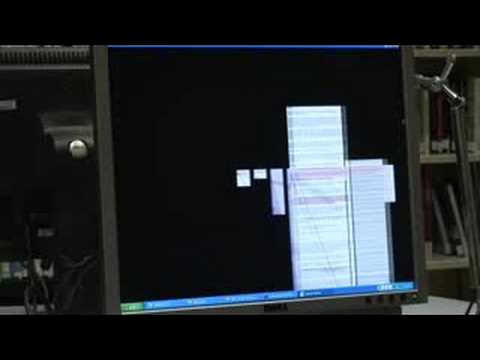
Ted Nelson demonstrates Xanadu Space — photonhunter

photonhunter

Nelson argues modern computing took an absurd regression by imitating paper documents, urging an industry shift to three-dimensional hypertext with universal transclusion.

AI-assisted summary of Ted Nelson demonstrates Xanadu Space — original source. Check the original for full context.

Source published:

Key ideas

  • Ted Nelson argues that mainstream digital document formats like Microsoft Word and Adobe Acrobat fundamentally regressed computing by merely imitating the flat, claustrophobic constraints of paper. (0:00)
  • Project Xanadu demonstrates Xanadu Space, a three-dimensional interface that represents dense clusters of interconnected documents while avoiding visual overload through spatial layering and 'swarfing' transitions. (3:16)
  • The platform replaces conventional one-way hyperlinks with 'transclusion,' allowing the exact same content to exist concurrently in multiple documents with its original provenance fully visible. (3:50)
  • The Xanadu architecture generalizes to time-based media via floating links ('flinks'), ensuring audio soundbites and video clips remain permanently anchored to their original, unedited source recordings. (5:06)

Detailed notes

## Background Published on YouTube by channel photonhunter on September 6, 2008, this video features Ted Nelson demonstrating his Xanadu Space software. According to the page description, the system is designed to represent hypertext in three-dimensional space as it originally should have been.

## TL;DR Hypertext pioneer Ted Nelson critiques modern electronic document formats like Microsoft Word and Adobe Acrobat, arguing they needlessly trap digital thought by imitating the rigid confines of paper. He presents a live demonstration of Xanadu Space, a 3D interface that organizes complex networks of documents through visible transclusions and smooth 'swarfing' transitions. Nelson illustrates how identical text spans between documents maintain their provenance, showing that this architecture can also be generalized to audio and video via 'flinks'. Ultimately, he diagnoses the mainstream tech industry with 'horseless carriage syndrome,' calling for a rejection of skeuomorphic media in favor of deeply interconnected, multi-dimensional literature.

## Atmosphere & style The presentation carries the passionate, slightly exasperated conviction of an iconoclastic prophet vindicating a decades-long crusade from his metaphorical mountaintop. Nelson's delivery blends razor-sharp technical polemic with eccentric metaphors, moving from cutting critiques of mainstream computing directly into an enthusiastic visual demonstration. Watching the interface swoop and morph through deep space feels both retro-futuristic and intellectually urgent, capturing the raw energy of an uncompromising thinker refusing to capitulate to the status quo.

## Bulletin - [00:00](https://www.youtube.com/watch?v=En_2T7KH6RA&t=0s) Ted Nelson argues that mainstream digital document formats like Microsoft Word and Adobe Acrobat fundamentally regressed computing by merely imitating the flat, claustrophobic constraints of paper. - [03:16](https://www.youtube.com/watch?v=En_2T7KH6RA&t=196s) Project Xanadu demonstrates Xanadu Space, a three-dimensional interface that represents dense clusters of interconnected documents while avoiding visual overload through spatial layering and 'swarfing' transitions. - [03:50](https://www.youtube.com/watch?v=En_2T7KH6RA&t=230s) The platform replaces conventional one-way hyperlinks with 'transclusion,' allowing the exact same content to exist concurrently in multiple documents with its original provenance fully visible. - [05:06](https://www.youtube.com/watch?v=En_2T7KH6RA&t=306s) The Xanadu architecture generalizes to time-based media via floating links ('flinks'), ensuring audio soundbites and video clips remain permanently anchored to their original, unedited source recordings.

## Key takeaways - [00:00](https://www.youtube.com/watch?v=En_2T7KH6RA&t=0s) Conventional word processors and PDF tools fail to leverage computers because they trace directly back to Xerox PARC projects designed to simulate physical paper. - [00:30](https://www.youtube.com/watch?v=En_2T7KH6RA&t=30s) Physical paper enforces a restrictive single sequence on thought, turning punctuation conventions like parentheses and footnotes into desperate workarounds for digressions. - [01:25](https://www.youtube.com/watch?v=En_2T7KH6RA&t=85s) Xerox PARC's Bravo project evolved into Microsoft Word and Interpress became Adobe Acrobat, locking computing into a paper-based paradigm with virtually no commercial dissenters. - [02:00](https://www.youtube.com/watch?v=En_2T7KH6RA&t=120s) True hypertext requires parallel streams, marginalia, and multi-directional, typable overlapping links rather than the fragile, one-way links of the World Wide Web. - [02:50](https://www.youtube.com/watch?v=En_2T7KH6RA&t=170s) Project Xanadu spent 47 years developing an alternative digital architecture that preserves full content provenance and accommodates high-density interconnection. - [03:16](https://www.youtube.com/watch?v=En_2T7KH6RA&t=196s) Xanadu Space organizes documents within a 3D cluster, bringing active and companion pages forward while keeping the broader connection web visible in deep space. - [03:50](https://www.youtube.com/watch?v=En_2T7KH6RA&t=230s) Transclusion enables visible side-by-side comparison of shared text, demonstrated by tracing Genesis quotes directly back into the King James Bible. - [04:30](https://www.youtube.com/watch?v=En_2T7KH6RA&t=270s) Document navigation relies on 'swarfing'—a portmanteau of swoop and morph—to smoothly fly companion pages into alignment without disorienting the reader. - [05:06](https://www.youtube.com/watch?v=En_2T7KH6RA&t=306s) Floating links ('flinks') set precise in-and-out points across audio and video, allowing any excerpt or soundbite to be verified against unedited source material. - [05:50](https://www.youtube.com/watch?v=En_2T7KH6RA&t=350s) Technologists suffer from 'horseless carriage syndrome,' mimicking obsolete physical artifacts like paper, vinyl tracks, and linear video just as early cars retained buggy whip sockets. - [06:40](https://www.youtube.com/watch?v=En_2T7KH6RA&t=400s) Nelson defines deep literature as an endlessly branching, non-linear medium where every user acts concurrently as both reader and writer.

## Detailed walkthrough ### [00:00](https://www.youtube.com/watch?v=En_2T7KH6RA&t=0s) The Prison of Paper and the Failure of Electronic Documents

Ted Nelson introduces himself to challenge the modern consensus on electronic text. While most computer users believe they understand electronic documents because they interact daily with Microsoft Word or Adobe Acrobat, Nelson argues that these programs merely imitate paper. Reflecting on his teenage years learning to write, he describes paper as a claustrophobic enclosure with four rigid walls where ideas struggle against the medium. Punctuation and layout conventions are merely symptoms of this captivity: a parenthesis is an idea trying to escape, while a footnote is an idea that jumped off the cliff because paper forcefully enforces a strict single sequence with no room for digression. When Nelson first encountered computers, he believed humanity had finally acquired the means to break free from this prison, a vision that formed the core of his hypertext concept in 1960. Instead, mainstream computing took what he views as an absurd regression: “Contrarily, what did the other people do? They imitated paper, which to me seems totally insane.”

```mermaid flowchart TD accTitle: Lineage of Conventional Documents vs Xanadu Hypertext accDescr: Diagram tracing historical Xerox PARC projects leading to conventional paper imitation versus Nelson's hypertext paradigm. subgraph Imitation["Prevailing Paradigm: Paper Imitation"] direction TB BP["Bravo Project (Xerox PARC)"] --> WD["Microsoft Word"] IP["Interpress Project (Xerox PARC)"] --> AA["Adobe Acrobat"] PT["Flat Paper Model (Single sequence, no true margins)"] end

subgraph Xanadu["Project Xanadu Paradigm"] direction TB HT["Hypertext Vision (1960)"] --> DL["Deep, Typed, Overlapping Links"] HT --> TC["Transclusion (Origins of content preserved)"] HT --> PL["Parallelism & Marginalia"] end ```

Tracing the lineage of commercial software, Nelson observes that the Bravo project at Xerox PARC evolved into Microsoft Word, while Xerox PARC's Interpress project became Adobe Acrobat, creating a digital landscape devoid of genuine dissenters. Even Douglas Engelbart's pioneering work, while maintaining deep linkage, still modeled paper documents. Nelson argues that true digital writing requires completely different affordances that paper cannot provide: - **Parallelism and Marginalia:** Documents must allow parallel columns and genuine marginal notes directly beside text, making it possible to capture complex narratives like history, which consists of many parallel streams of events meeting at critical junctures. - **Deep, Overlapping Links:** Rather than the fragile, one-way, untyped web links that cannot intersect, digital media requires multi-directional, typable links that overlap freely in arbitrary volume. - **Visible Provenance:** Readers should always be able to directly trace content back to its original source.

For 47 years, Project Xanadu has worked from its metaphorical mountaintop to construct an alternative architecture, enduring difficult conditions while struggling against the entrenchment of the prevailing paper paradigm.

---

[03:16](https://www.youtube.com/watch?v=En_2T7KH6RA&t=196s) Inside Xanadu Space: 3D Hypertext, Transclusion, and Swarfing

Nelson presents a live demonstration of Xanadu Space, a software environment designed to represent hypertext in genuine three-dimensional space. Flying the camera through a 3D cluster consisting of 11 document pages interconnected by roughly 27 relationships, he illustrates how connections form an intricate web across spatial planes. Because the system accommodates overlapping, unconstrained connections that could easily scale to hundreds or millions of links, the user interface must prevent visual chaos from overwhelming the reader. Xanadu Space accomplishes this by pulling relevant pages forward into view while keeping the remaining network positioned in deep space.

In the foreground, the interface arranges two primary viewports: the active current page set in large type, and a companion page set in smaller type alongside it. Nelson demonstrates that the connection spanning between them is not a conventional link, but a visible transclusion—the exact same content existing simultaneously in two different contexts. Displaying the opening verse of Genesis (“In the beginning God created the heaven and the earth”), Nelson points out the quote on the active page while the companion page exposes its direct origin in the King James Bible.

```mermaid flowchart LR accTitle: Transclusion Relationship in Xanadu Space accDescr: Visual diagram showing identical text shared between a source Bible and a quoting companion document via transclusion. subgraph SourceDoc["Source: King James Bible"] S1["..."] SText["'In the beginning God created the heaven and the earth'"] S2["..."] end

subgraph CurrentDoc["Quoting Document: Active Page"] C1["Analysis text..."] CText["'In the beginning God created the heaven and the earth'"] C2["Further commentary..."] end

SText ===|"Transclusion (Same content in two places)"| CText ```

As the user steps through connections sequentially, companion documents fly into alignment using an animated transition Nelson terms "swarfing" (a portmanteau of "swoop" and "morph"). The incoming document swarfs into position, making the precise span and meaning of each connection readable without losing the user's broader spatial orientation across the conglomerate. Nelson expresses hope that this implementation of real hypertext with links in true profusion will soon be released as a commercial product.

---

[05:06](https://www.youtube.com/watch?v=En_2T7KH6RA&t=306s) Generalized Media, Buggy Whips, and the True Nature of Writing

Expanding beyond static text, Nelson emphasizes that the structural logic of Xanadu Space applies universally to audio, video, and mixed multimedia. Using floating links—dubbed "flinks"—users can establish precise in-and-out points across recordings, enabling seamless in-place editing and arbitrarily rich transclusive structures. Under this model, any sound bite in a broadcast or any shot in a film remains permanently anchored to its surrounding source material, allowing viewers to immediately inspect the original unedited footage. Nelson insists that settling for less is an unnecessary capitulation: “See, this to me is a real representation in depth of literature as it should always have been, and anything less is a compromise with tradition and shallowness.”

To illustrate why computer scientists remain trapped in obsolete paradigms, Nelson offers the historical parallel of early automobiles: - **The Horseless Carriage Syndrome:** Early motor cars were designed with a dashboard socket for a buggy whip, purely to provide psychological comfort to drivers accustomed to horses, despite the complete absence of a horse to whip. - **Digital Skeuomorphism:** Technologists have similarly clung to antiquated analogs by designing digital media as direct replicas of paper documents, vinyl phonograph tracks, radio broadcasts, and linear movies.

Nelson argues that technology should instead support media that branches endlessly, anchored by Xanadùic structure, persistent marginalia, and universal transclusion. This vision reconfigures the software landscape by treating every human user not as a passive consumer, but as a simultaneous reader and writer.

## Mentioned Ted Nelson, Microsoft Word, Adobe Acrobat, Xerox PARC, Bravo project, Interpress project, Douglas Engelbart, Project Xanadu, Xanadu Space, King James Bible

## Video description Ted Nelson demonstrates his Xanadu Space software for representing hypertext as it should be, in three dimensional space. http://hyperland.com

[Source](https://www.youtube.com/watch?v=En_2T7KH6RA)

中文简报

特德·纳尔逊展示3D Xanadu系统以取代扁平数字纸张 纳尔逊认为现代计算通过模仿纸质文档出现了荒谬的倒退,呼吁行业转向具有通用微包含特性的三维超文本。 超文本先驱特德·纳尔逊批评了微软Word和Adobe Acrobat等现代电子文档格式,认为它们通过模仿纸张的死板限制,不必要地束缚了数字思维。他现场演示了Xanadu Space,这是一个通过可见的微包含和流畅的“swarfing”过渡来组织复杂文档网络的三维界面。纳尔逊展示了文档之间相同的文本片段如何保持其溯源,并说明该架构还可以通过“flinks”推广到音频和视频。最终,他指出主流科技行业患有“无马马车综合征”,呼吁摒弃拟物化媒介,转向深度互联的多维文献。 特德·纳尔逊认为,微软Word和Adobe Acrobat等主流数字文档格式仅仅是在模仿纸张扁平、幽闭的限制,从根本上使计算机技术出现了倒退。 (0:00) 世外桃源项目展示了Xanadu Space,这是一种三维界面,在呈现密集互联文档群的同时,通过空间分层和“swarfing”过渡避免了视觉过载。 (3:16) 该平台用“微包含”取代了传统的单向超链接,使完全相同的内容能够同时存在于多个文档中,并保持其原始来源完全可见。 (3:50) Xanadu架构通过浮动链接(flinks)推广至基于时间的时间序列媒体,确保原声音频和视频片段能永久锚定在其原始、未编辑的源录音录像上。 (5:06)

Reading summary

Hypertext pioneer Ted Nelson argues that mainstream personal computing fundamentally derailed by imitating static paper rather than utilizing the full multidimensional capabilities of digital media, presenting Xanadu Space as an alternative architecture built around genuine 3D hypertext and transclusion. Paper Imitation as Digital Regression (0:00) Nelson contends that conventional digital software merely replicates the rigid limitations of physical paper. In his view, paper restricts thought to a claustrophobic, single linear sequence where parenthetical expressions and footnotes act as desperate attempts to escape physical boundaries. When Nelson coined the concept of hypertext in 1960, he envisioned computers liberating human expression from these physical walls. Instead, mainstream computer design adopted paper imitation: Xerox PARC's Bravo project transitioned into Microsoft Word, and its Interpress project evolved into Adobe Acrobat, while even Douglas Engelbart's early linkage work retained paper document models. Visualizing Hypertext in Xanadu Space (3:16) To counter digital paper imitation, Nelson demonstrates Xanadu Space, a 3D interface showing documents arranged across spatial planes. Demonstrating a cluster of 11 pages connected by approximately 27 relationships, Nelson explains that the architecture can accommodate millions of overlapping, multi-directional connections without visual confusion. The system manages this density by pulling relevant pages forward while keeping the broader network in deep space. Transclusion and Dynamic Document Alignment (3:16) Rather than relying on conventional fragile, one-way web links, Xanadu Space implements transclusion, wherein identical content exists simultaneously across multiple contexts while preserving visible provenance. Nelson illustrates this using Genesis 1:1, showing the exact text present on an active reading page while visibly connecting to its origin in the King James Bible on a companion page. When navigating connections, companion documents realign through an animated transition Nelson terms 'swarfing' (a blend of swoop and morph), enabling readers to inspect source origins without losing spatial orientation. Generalized Media Beyond Skeuomorphic Habits (5:06) Nelson expands this framework to audio and video using floating links ('flinks') that define precise in-and-out points across recordings. This mechanism allows any broadcast sound bite or film clip to stay permanently anchored to its raw context, enabling viewers to inspect uncut source footage directly. He compares modern software design to early horseless carriages that retained dashboard sockets for buggy whips, arguing that computer scientists remain trapped in digital skeuomorphism by treating new media as digitized paper, vinyl records, or linear cinema rather than dynamic, branching structures. Nelson frames Xanadu Space as an uncompromised representation of literature that treats every user as both reader and writer, expressing hope for a future commercial release after decades of development outside the mainstream computing industry.

精炼阅读摘要

超文本概念倡导者 Ted Nelson 指出,现代主流数字文档软件仅仅是对物理纸张的拙劣模仿与倒退;他主张通过 Xanadu Space 架构打破单向线性叙事,依托三维超文本、多向重叠链接与跨包含(Transclusion)机制,重塑深度的文献交互体系。 纸张隐喻的局限与主流计算的倒退 (0:00) Nelson 尖锐批评了当代计算领域对电子文档的共识。他指出,用户虽日常使用 Microsoft Word 和 Adobe Acrobat,但这些工具本质上只是纸张的数字翻版。在 Nelson 看来,纸张是一个由四面硬墙构成的幽闭空间,强制推行严苛的单向线性顺序;现存的排版与标点规则正是这种禁锢的副产物——括号是试图逃离的思绪,而脚注则是因缺乏分流空间而被迫跳下悬崖的观点。早在 1960 年提出超文本概念时,他便坚信计算机能够将人类从纸张牢笼中解救出来,然而主流技术界却走向了相反的拟物路径:Xerox PARC 的 Bravo 项目演变成 Word,Interpress 项目演化为 Acrobat,甚至 Douglas Engelbart 的先驱工作在底层也依然受限于纸质模型。 Nelson 强调,真正的数字写作需要提供纸张无法实现的全新特性:首先是“并行性与旁注”(Parallelism and Marginalia),即支持多栏平行排布与原位边注,以此捕捉历史事件等多条支流交织碰撞的复杂叙事;其次是“深度重叠链接”(Deep, Overlapping Links),彻底摆脱万维网单向、脆弱且无法相交的局限,允许任意数量、具备类型定义的双向链接自由交织;最后是清晰可见的内容溯源机制。在 Nelson 看来,Project Xanadu 历经 47 年的研究,正是在对抗这种根深蒂固的纸质模仿范式。 Xanadu空间的三维超文本与跨包含 (3:16) 在 Xanadu Space 的实机演示中,Nelson 展示了在真实三维空间内操纵复杂超文本的交互设计。演示环境由 11 个文档页面及约 27 个关联关系构成,链接在多维空间中编织成一张复杂的立体网络。为了应对数以百万计的重叠连接可能带来的视觉过载,该界面采用前景与深空分层策略:系统将当前正在阅读的活动页面以大号字体置于前景主视口,同时将关联的参考文档以较小字体并排陈列在侧,其余无关网络则推入三维纵深背景中,从而兼顾了局部阅读专注与全局空间感知。 更为关键的是,这种连接依托于“跨包含”(Transclusion)技术,即相同的内容能够同时存在于两个不同的语境中,而非通过简单跳转将其割裂。Nelson 以《创世记》开篇“起初神创造天地”为例,活动页面中的分析文字与伴随页面中的《钦定版圣经》原文直接由可视化的连线锚定。当用户按序浏览不同关系时,伴随页面会通过被称为“swarfing”(融合 swoop 俯冲与 morph 变形的动态过渡效果)飞入视线并对齐排布。Nelson 表达了希望将这一具备丰富链接密度的真实超文本系统推向商业市场的愿景。 全媒体延伸与无马马车的技术陷阱 (5:06) Nelson 将 Xanadu Space 的组织逻辑从纯文本进一步扩展到音频、视频等多媒体领域。系统借助被称为“flinks”的浮动链接建立精确的出入点,支持原位剪辑与复杂的媒体跨包含。这意味着,任何广播中的声音片段或影片中的剪辑镜头,都能在结构上永久锚定于未经剪辑的原始母带素材,读者和观众随时可以无缝穿透并调阅原始上下文。Nelson 直言,这种深度的文献与媒体架构才是知识本应具备的表现形式,任何对传统线性的妥协都是肤浅的退缩。 为了解释计算机科学家为何长期深陷过时范式,Nelson 引用了早期汽车设计的“无马马车综合征”(Horseless Carriage Syndrome):早期的机动车为了安抚习惯驭马的驾驶者,特意在仪表盘上保留了马鞭插孔,即便当时已经完全没有马匹可用。他认为,当前将数字媒介生搬硬套为纸质文稿、黑胶唱片音轨、无线电广播或线性电影的做法,正是技术人员在数字时代患上的拟物固执。Xanadu 的核心主张是通过无限分支的网络架构与全媒体跨包含打破这种惯性,消除被动的单向消费,让系统中的每一个参与者同时拥有阅读与写作的同等权利。 Ted Nelson 构建的 Xanadu Space 展现了对现代线性文档与万维网架构的彻底反思,其理论核心在于通过深层连接与跨包含恢复思想的立体与多元本质;然而,该演示主要展示了原型界面的概念可行性,在主流软件巨头与既有纸质习惯构筑的壁垒面前,该系统能否成功商业化并在大众市场普及仍面临巨大考验。

Detailed notes — zh

## Background 该视频由 YouTube 频道 photonhunter 于 2008 年 9 月 6 日发布。视频内容为超文本先驱泰德·尼尔森(Ted Nelson)亲身演示其研发的 Xanadu Space 原型软件,旨在展示超文本在三维空间中应有的呈现形态。 ## TL;DR 泰德·尼尔森在视频中尖锐批判了 Microsoft Word、Adobe Acrobat 以及主流万维网对传统纸质媒介的拙劣模仿,指责现代技术在本质上扼杀了人类思维的发散性与多维关联。他现场展示了 Xanadu Space 三维超文本原型,通过空间漫游直观呈现多文档之间由数十条三维连接带交织而成的网络,并深入阐释了核心机制“跨融”(Transclusion)与动态对齐交互“滑移形变”(Swarfing)。此外,尼尔森将这一架构扩展至音频和视频等全媒体形态,提出了专用于时序素材的“浮动链接”(Flinks),并以早期无马马车上保留马鞭筒的荒唐历史作隐喻,呼吁彻底颠覆现有的线性旧媒体体系,将数字世界的每一个人塑造成融阅读与写作于一体的双重主体。 ## Atmosphere & style 整场演示洋溢着一种具有历史纵深感的激进先锋气息,尼尔森语调庄严而又带着几分愤世嫉俗的锋芒,以老派学者的执着向整个计算行业数十年来的路径依赖发起宣战。他的叙述既有对纸张作为“思想监狱”的形象解构与自嘲,又有面对自己数十年构想化作三维动态界面的自豪与热切。观看体验仿佛置身于一场来自数字世界平行宇宙的布道,既让人为错失的计算媒介可能性感到震撼与扼腕,又充满对打破旧范式的纯粹智识召唤。 ## Bulletin - [03:16](https://www.youtube.com/watch?v=En_2T7KH6RA&t=196s) 泰德·尼尔森展示了 Xanadu Space 原型软件,通过三维空间与连接带呈现包含11个页面、27条连接的超文本网络,突破平面纸张的排版限制。 - [03:16](https://www.youtube.com/watch?v=En_2T7KH6RA&t=196s) 尼尔森提出“跨融”(Transclusion)概念,即同一内容在多处同时显现而非传统单向跳转链接,并引入通过滑移形变(Swarfing)动态对齐文档的交互机制。 - [05:20](https://www.youtube.com/watch?v=En_2T7KH6RA&t=320s) 该架构通过浮动链接(Flinks)将深层链接扩展至音视频等多媒体领域,能够精确定位剪辑出入点并实时无损溯源原始上下文。 - [00:00](https://www.youtube.com/watch?v=En_2T7KH6RA&t=0s) 尼尔森批评当代数字文档(如 Microsoft Word 和 Adobe Acrobat)本质上是对纸张的平庸模仿,如同早期无马马车上保留马鞭插筒一般保守。 ## Key takeaways - [00:00](https://www.youtube.com/watch?v=En_2T7KH6RA&t=0s) 纸张在结构上强制推行单一的线性顺序,从底层扼杀了思维发散性与旁逸斜出的思想偏离。 - [00:00](https://www.youtube.com/watch?v=En_2T7KH6RA&t=0s) 尼尔森将括号比喻为“试图越狱的思想”,将脚注比喻为“为了逃离纸面秩序而跳崖的思想”。 - [00:00](https://www.youtube.com/watch?v=En_2T7KH6RA&t=0s) 主流技术延续了纸张范式:施乐 PARC 的 Bravo 演变成 Microsoft Word,Interpress 催生了 Adobe Acrobat。 - [00:00](https://www.youtube.com/watch?v=En_2T7KH6RA&t=0s) 真正的电子文档应当具备纸张无法承载的核心特质:并行性(如多线历史事件流)、相互重叠的深层链接与来源溯源透明性。 - [03:16](https://www.youtube.com/watch?v=En_2T7KH6RA&t=196s) Xanadu Space 采用三维空间排布文档与连接带,可直观呈现网状关系并支撑成千上万条复杂重叠链接。 - [03:16](https://www.youtube.com/watch?v=En_2T7KH6RA&t=196s) 界面采用前台主读页面与侧方伴侣页面配合的双层字体设计,确保用户在海量连接中始终聚焦当前上下文。 - [03:16](https://www.youtube.com/watch?v=En_2T7KH6RA&t=196s) 跨融(Transclusion)机制在底层完全不同于普通链接,它实现同一份内容实体在多个位置的同时并存与复用。 - [03:16](https://www.youtube.com/watch?v=En_2T7KH6RA&t=196s) “滑移形变”(Swarfing,即 Swoop 俯冲飞掠与 Morph 形状变换的合成词)让背景文档在切换连接时自动飞入最佳阅读位置。 - [05:20](https://www.youtube.com/watch?v=En_2T7KH6RA&t=320s) 浮动链接(Flinks)为音视频剪辑提供精确的入点与出点标记,支持就地编辑并保留对原始媒体上下文的直接追溯。 - [05:20](https://www.youtube.com/watch?v=En_2T7KH6RA&t=320s) 尼尔森用“无马马车上保留马鞭筒”的历史隐喻,讽刺技术行业在计算机上盲目套用纸张、黑胶轨道与广播时段等物理限制。 - [05:20](https://www.youtube.com/watch?v=En_2T7KH6RA&t=320s) 世外桃源项目(Project Xanadu)的核心愿景是打破单向消费与封闭创作,将每位用户还原为并存的“阅读者与作者”。 ## Detailed walkthrough ### [00:00](https://www.youtube.com/watch?v=En_2T7KH6RA&t=0s) 纸张的囚笼与电子文档的平庸模仿 计算机文档的本质结构长期以来被严重误解。泰德·尼尔森(Ted Nelson)指出,大多数人以为自己清楚什么是电子文档,因为他们每天都在使用 Microsoft Word 和 Adobe Acrobat,但这些软件所做的不过是在屏幕上对传统纸张进行毫无创意的拙劣模仿。尼尔森回顾自己在十几岁学习写作时,纸张对他而言就像是一座拥有四堵高墙的狭窄监狱,而思想总是在拼命寻找越狱的出口——括号本质上就是试图逃跑的思想,而脚注则是为了逃离纸面秩序而跳下悬崖的思想。纸张以其物理形态强制推行单一的线性顺序,根本容不下旁逸斜出的思想偏离,从结构底层扼杀了思维的发散性。早在1960年,尼尔森第一次见到计算机时便意识到,人类终于迎来了打破纸张囚笼的契机,这正是他提出“超文本”(Hypertext)概念的初心。 令尼尔森深感荒谬的是,整个计算技术行业随后的演进完全走向了反面。施乐帕洛阿尔托研究中心(Xerox PARC)的 Bravo 项目演变成了 Microsoft Word,Interpress 项目则催生了 Adobe Acrobat,整个行业几乎没有人站出来反抗这种倒退。即便是道格·恩格尔巴特(Doug Engelbart)开创性的系统,虽然具备深层链接能力,但在宏观上依然受制于纸质文档的框架。尼尔森质疑,为什么现代电子文档连最基本的边缘批注(marginal notes)都无法自然呈现。真正的电子文档应当具备纸张无法承载的核心特质:首先是并行性(parallelism),例如历史书写本质上是多条平行发生的事件流在特定节点交汇,采用并行结构会使读写都变得更加清晰;其次是能够自由重叠、包含丰富类型的深层链接,而非现代万维网上那些脆弱、单向、无类型区分的普通链接;最后则是必须能随时追溯内容的原始出处。四十余年来,在整个行业盲目顺从纸张范式的大潮下,世外桃源项目(Project Xanadu)在极其艰难的环境中,始终试图建立一套彻底颠覆传统的新范式。 泰德·尼尔森在谈到主流技术对纸张的执迷时尖锐地批评道:“What did the other people do they imitated paper which to me seems totally insane.” 谈及自己的初心与几十年的抗争,他感叹道:“When I saw the computer I said at last we can escape from the prison of paper and that was what my whole hypertext idea was about in 1960 and since.” - 纸张的本质缺陷:强加单一的阅读与书写线性序列,排斥旁逸斜出与多维思维。 - 隐喻表达:括号是“试图越狱的想法”,脚注是“跳崖脱逃的想法”。 - 主流技术源流:Xerox PARC 的 Bravo 演化为 Microsoft Word;Xerox PARC 的 Interpress 演化为 Adobe Acrobat。 - 纸上无法实现的核心能力:页面边缘自由批注、多线叙事的并行结构(如历史事件流)、相互重叠的深层双向链接、内容源头的溯源透明性。 --- ### [03:16](https://www.youtube.com/watch?v=En_2T7KH6RA&t=196s) Xanadu Space:三维超文本与跨融(Transclusion)演示 面对由成千上万个链接交织而成的复杂网络,如何呈现并清晰阅读成为首要挑战。尼尔森展示了名为 Xanadu Space 的三维软件原型,屏幕中呈现着由11个不同页面组成的文档,彼此之间通过27条三维连接带相互穿插。在三维空间中自由漫游时,文档与文档之间的网状关系一览无余,能够轻松支撑任意数量、自由重叠的复杂链接,甚至是潜在的数百万条连接。为了解决连接过多导致的混乱,Xanadu Space 采用了前景与背景相配合的交互设计:当前阅读的页面以大号字体放置在正前方,其关联的“伴侣页面”(companion page)则以略小的字体并排停留在侧方。 ```mermaid flowchart LR accTitle: Xanadu Space Transclusion and Swarfing Mechanism accDescr: Diagram illustrating how current pages connect via transclusion to companion pages and dynamically swarf related documents into view. subgraph ReadingView["当前阅读视口 (Foreground View)"] A["当前页面 (Current Page)<br/>引用文本:创世纪段落"] B["伴侣页面 (Companion Page)<br/>源头:钦定版圣经原文"] end subgraph BackgroundSpace["三维背景空间 (3D Xanadu Space)"] C["关联文档 C"] D["关联文档 D"] end A <==>|"跨融连接 (Transclusion)<br/>同一内容在两处共存"| B A -.->|"步进切换连接"| C C ==>|"滑移形变 (Swarfing: Swoop + Morph)"| ReadingView ``` 尼尔森重点解释了连接当前页与伴侣页的核心机制——“跨融”(Transclusion)。他以屏幕上的文本为例:当前文档中包含一段引号包裹的内容“起初,神创造天地”(In the beginning God created the Heaven and Earth),而侧面的伴侣页面正是其来源——《钦定版圣经》(King James Bible)。跨融并不是普通意义上的超链接,它所表达的是“完全相同的内容在两个不同的地方同时显现”,在底层完全不由传统的链接结构表示。当读者在当前文档中逐个查看不同的引文与连接时,后台相关的文档会执行一种被称为“滑移形变”(swarf,即 swoop 俯冲飞掠与 morph 形状变换的合成词)的动态效果,自动飞入视野并对齐到可读位置。这种机制确保了即使整个文档处于海量链接构成的巨大聚合体中,读者依然能够一次聚焦一条连接,精准明了地洞察其背后的确切含义与上下文。 尼尔森特别强调跨融与普通链接的本质区别:“And this connection is a transclusion that is the same content in two places it is not a link it is not represented by link structures it is differently found.” 描述文档在空间中的动态响应时,他生动地解释道:“As we step through the page the connections on this page that the other documents swarf into position swoop plus morph they swf into position and the connections become exactly uh readable.” - 演示规模:11个页面,27条跨文档连接,在三维空间中穿梭排布。 - 视觉与阅读层级:前台主读页面显示大号字,伴侣页面显示小号字,支持两者的焦点即时互换。 - 跨融(Transclusion)定义:同一份内容实体在多处位置并存与重用,而非通过单向跳转指针实现的普通链接。 - 交互术语 Swarf:由 Swoop(俯冲飞掠)与 Morph(平滑形变)合成的技术动词,指背景文档在用户切换连接时动态滑移到最佳阅读对齐位置的过程。 --- ### [05:20](https://www.youtube.com/watch?v=En_2T7KH6RA&t=320s) 从马车鞭筒到多媒体统一结构:读者即作者的激进构想 Xanadu Space 展现的三维超文本结构不仅适用于文字,更是一种面向音频、视频及图文混合内容的通用媒体格式。在这种统一架构下,音视频能够使用被称为“浮动链接”(Floating Links,简称 Flinks)的机制来精准标记剪辑的入点(In-point)与出点(Out-point)。用户可以在不破坏原素材的前提下就地编辑,构建出任意丰富且相互引用的跨融结构。这种设计使得在庞杂的多媒体网络中,任何人都能瞬间回溯并查验任意一段影视镜头(shot)或声音片段(sound bite)在其原始录制场景中的完整上下文。尼尔森坚信,这才是人类文学与文献体系本应拥有的纵深呈现方式,任何停留在表层的数字化做法都是对传统与肤浅的妥协。 为了揭示当前计算媒体的保守本质,尼尔森引用了汽车发明之初的经典历史隐喻:最早的“无马马车”(Horseless Carriage)上居然保留了一个插马鞭的插筒,仅仅是因为当司机手里握着一根鞭子时会觉得心理更踏实,哪怕当时根本没有马可以抽打。现代技术专家(techies)对旧媒介的模仿如出一辙:他们不假思索地在强大的计算机上复刻纸张文档、黑胶唱片轨道、广播节目以及不可更改的线性电影。尼尔森设想,在真正的 Xanadu 架构下,电影应当能够无限分支、无限衍生,所有分支的去向都被系统严密追踪;人们可以随时对多媒体进行边缘批注、建立平行视轨,并随时调用跨融功能。这是一种颠覆旧媒体形态的激进方案,其终极目标是将每一位用户真正还原为其本质角色——同时并存的阅读者与写作者。 谈到汽车早期的荒唐设计与现代数字媒体的保守现状,泰德·尼尔森打趣道:“When they first built the Horseless Carriage there was a socket for a buggy whip why because it made the driver feel better if he had a whip even if there was no horse to whip with.” 在阐述项目的宏大愿景时,他郑重宣告:“This is a radical proposal for a completely new different system of media and representing each user as a simultaneous reader and writer which is what we really are.” - 媒介通用性:同一套深层链接与跨融结构完全兼容文本、音频、视频及其任意混合形态。 - 浮动链接(Flinks / Floating links):专为音视频入点和出点设计的定位与链接机制,支持就地编辑。 - 溯源能力:任何影视剪辑片段或引述原声均可无损还原至其最初的完整历史语境。 - 历史隐喻(无马马车的鞭筒):批判技术界在全新计算介质上盲目套用纸张、黑胶唱片唱道、广播时段和线性胶片等过时物理限制的惯性心理。 - 核心哲学:彻底打破单向消费与封闭创作的界限,赋能每个人作为“同时性读者与作者”的真实身份。 ## Notable quotes > [00:00](https://www.youtube.com/watch?v=En_2T7KH6RA&t=0s) When I saw the computer I said at last we can escape from the prison of paper and that was what my whole hypertext idea was about in 1960 and since. — Ted Nelson > [05:20](https://www.youtube.com/watch?v=En_2T7KH6RA&t=320s) When they first built the Horseless Carriage there was a socket for a buggy whip why because it made the driver feel better if he had a whip even if there was no horse to whip with. — Ted Nelson ## Mentioned Ted Nelson, Project Xanadu, Xanadu Space, Microsoft Word, Adobe Acrobat, Xerox PARC, Bravo, Interpress, Doug Engelbart, King James Bible, Transclusion, Flinks ## Video description Ted Nelson demonstrates his Xanadu Space software for representing hypertext as it should be, in three dimensional space. http://hyperland.com [Source](https://www.youtube.com/watch?v=En_2T7KH6RA)

Source quotes

[0:00] Ted Nelson: When I saw the computer I said at last we can escape from the prison of paper and that was what my whole hypertext idea was about in 1960 and since. [5:20] Ted Nelson: When they first built the Horseless Carriage there was a socket for a buggy whip why because it made the driver feel better if he had a whip even if there was no horse to whip with.

Original transcript

[0:00] hi I'm Ted Nelson I want to talk about [0:03] the structure of computer [0:05] documents now most people think they [0:09] know [0:10] what electronic documents are because [0:14] they've seen them they've seen Microsoft [0:17] Word they've seen adob Adobe Acrobat and [0:20] what are computer documents like they [0:23] imitate [0:26] paper [0:28] well when I was learning to write in my [0:32] teens it seemed to me that paper was a [0:35] prison four walls [0:37] right and the ideas were constantly [0:40] trying to escape what is a parenthesis [0:42] but an idea trying to escape what is a [0:46] footnote but an idea that tried that [0:48] jumped off the [0:50] cliff because paper enforces single [0:56] sequence and there's no room for [0:59] degression [1:00] it imposes a particular kind of order in [1:04] the very nature of the [1:07] structure when I saw the computer I said [1:11] at last we can escape from the prison of [1:13] paper and that was what my whole [1:15] hypertext idea was about in 1960 and [1:19] since contrarily what did the other [1:22] people [1:23] do they imitated paper which to me seems [1:27] totally insane [1:30] the Bravo project at Xerox Park became [1:34] Microsoft Word the interpress project at [1:38] Xerox Park became Adobe Acrobat and no [1:43] denters even Doug engelbart system the [1:45] original while it modeled paper [1:49] documents had deep linkage whereas uh it [1:53] seems to me that we need entirely [1:55] different structures where are the [1:56] marginal notes why can't you make [1:58] marginal notes on Microsoft Word or [2:00] Adobe Acrobat and that's just the [2:03] beginning what do you want in electronic [2:06] documents that is not possible on paper [2:08] well for one thing parallelism you want [2:11] things on the side marginal notes are [2:13] one thing that can be on the side but [2:14] you can also have consider the writing [2:16] of History what is history it's many [2:18] parallel streams of events which meet at [2:22] certain points so why not create them as [2:24] parallel structures that makes it easier [2:26] to write easier to [2:28] read um [2:30] many links now when we say links these [2:33] days we mean these oneway the oneway [2:35] things that can't overlap and have no [2:36] types I'm not talking about that we want [2:38] to have deep links and finally we want [2:41] to see the origins of content so to me [2:45] the computer was an opportunity to re [2:47] radically redefine the nature of writing [2:49] and the nature of the document and I've [2:51] been on that for the last 47 years so [2:55] while everybody else was imitating paper [2:58] uh project zanadu on on its Mountaintop [3:01] and under various difficult [3:02] circumstances has been endeavoring to [3:04] get something going that's entirely [3:06] different from the prevailing Paradigm [3:07] but if you fight the existing Paradigm [3:09] it's tough so here is the latest we [3:16] have here we are in zanadu space this is [3:21] three-dimensional [3:23] setup [3:24] and we see a document [3:28] of 11 different [3:30] Pages now I'm going to fly through it in [3:33] 3D and you can see the various different [3:36] connections between the documents there [3:38] are only 27 I think connections between [3:40] these 11 pages but you can see how [3:42] complex they get because we are allowing [3:44] overlap and interconnection of any in [3:47] any quantity potentially hundreds or [3:49] millions of links how do we keep them [3:52] sorted out aha that is the nice touch [3:55] here in the front we have two pages [4:00] the the current page with the large type [4:03] and its companion page with the smaller [4:05] type and this connection is a [4:07] transclusion that is the same content in [4:10] two places it is not a link it is not [4:12] represented by link structures it is [4:16] differently found so here we have in the [4:18] beginning God created the Heaven and [4:20] Earth in a quotation and here in the uh [4:24] in the companion document is the origin [4:26] in the King James Bible now I just made [4:28] this I just made the companion document [4:30] the companion page the current page [4:32] we'll go back to the current page to [4:34] this current page and step through to [4:36] various documents and we [4:38] see as we step through the page the [4:42] connections on this page that the other [4:44] documents swarf into position swoop plus [4:47] morph they swf into position and the [4:49] connections become exactly uh readable [4:53] so one connection at a time we can [4:55] follow what the uh what the uh [4:58] connections actually mean even even [4:59] though we are in a huge conglomerate of [5:03] many different connections so that's it [5:06] that is Xanadu space that is the latest [5:08] version and I hope it'll be a product [5:11] soon of a uh document with real [5:14] hypertext and real links in real [5:18] profusion so we have [5:20] transclusion [5:23] parallelism a generalized media format [5:26] so in fact that actually gives us a way [5:28] of looking at the same media format [5:32] pardon me the same structure can be used [5:34] to represent audio video and any mix of [5:36] audio video and text so that you can use [5:42] this type of Link or Flink as we call it [5:43] floating link for in andout points on [5:46] audio and video you can edit in place [5:49] and create arbitrarily Rich transus [5:54] structures of audio and video you know [5:57] you know what I mean by that that you [5:58] can find the original context of any [6:02] sound bite or [6:03] any [6:05] shot in videos or video or movies see [6:09] this to me is a real representation in [6:12] depth of literature as it should always [6:15] have been and anything less is a [6:18] compromise with tradition and [6:23] shallowness when they first [6:26] built the Horseless Carriage there was a [6:29] socket for a buggy whip why because it [6:33] made the driver feel better if he had a [6:36] whip even if there was no horse to whip [6:39] it [6:40] with similarly to whip with it [6:44] similarly the techies have imitated the [6:47] conventional media of the past they have [6:51] imitated paper documents phonograph [6:55] record tracks radio programs and [6:58] sequential movies why when we could have [7:01] movies that branch and branch and Branch [7:02] forever and keep track of them because [7:05] they have xenical structure and you can [7:07] make marginal notes and make uh parallel [7:10] structures of all of them with [7:11] transclusion as an immediate option at [7:14] all times this is a radical proposal for [7:17] a completely new different system of [7:19] media and [7:22] representing each user as a simultaneous [7:25] reader and writer which is what we [7:27] really are [7:30] thank you for your attention