Jason Scott Recovers Lost Prince of Persia Source From Apple II Disks
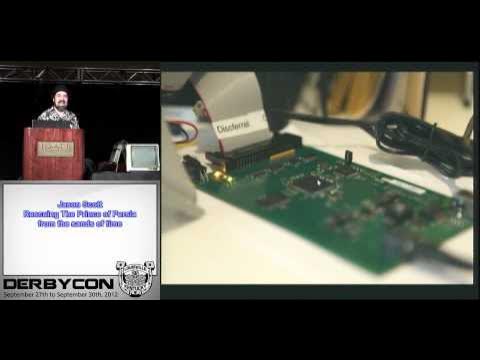
2 1 1 Jason Scott   Rescuing The Prince of Persia from the sands of time — Adrian Crenshaw

Adrian Crenshaw

Archivist Jason Scott urges developers to take proprietary code from employers before institutional neglect and decaying magnetic media permanently erase computing history.

AI-assisted summary of 2 1 1 Jason Scott Rescuing The Prince of Persia from the sands of time — original source. Check the original for full context.

Source published:

Key ideas

  • Jordan Mechner's original master source code for Prince of Persia was recovered from a single 3.5-inch floppy disk discovered in his father's New York apartment decades after being presumed lost. (17:58)
  • Digital archivist Jason Scott and Apple II hardware specialist Tony Diaz successfully dumped and restored the multi-disk archive using both native Apple II hardware and magnetic flux-sampling preservation controllers. (27:44)
  • The recovered code included Roland Gustafsson's proprietary RW18 disk format, which spiraled 18 sectors per track to add 10% to 20% more storage, forcing vintage pirate groups to split the game across two disks. (36:02)
  • During disk recovery, previously unreleased Mechner projects were discovered and preserved, including an unreleased Asteroids clone shelved over legal concerns and the prototype shooter Deathbounce. (31:00)

Detailed notes

## Background This presentation was uploaded to YouTube by Adrian Crenshaw on September 30, 2012. It features footage recorded at DerbyCon 2012, highlighting speaker Jason Scott and directing viewers to Irongeek.com for event video downloads.

## TL;DR Computer historian Jason Scott details the recovery of Jordan Mechner's long-lost original source code for the 1989 Apple II classic *Prince of Persia*, which had sat forgotten on a set of floppy disks in a New York City closet. Scott explains the fragility of magnetic storage media and describes partnering with vintage Apple II specialist Tony Diaz to extract data from Mechner's 3.5-inch and 5.25-inch disks using both period-accurate hardware and modern flux-imaging tools like the DiscFerret. Along the way, the team uncovered forgotten prototypes like an unreleased *Asteroids* clone and Roland Gustafsson's clever RW18 disk routines before uploading the complete 6502 assembly code to GitHub. Scott uses the rescue mission to urge engineers to actively preserve proprietary digital history and maintain continuous data migration rather than trusting fragile hardware.

## Atmosphere & style The talk carries an energetic, irreverent, and comedic tone driven by Scott's rapid-fire delivery as a raconteur who delights in poking fun at tech industry marketing myths, vintage hardware aesthetics, and open-source pedantry. While Scott keeps the audience laughing with absurd anecdotes about high school campaigns and upside-down Apple II disks, there is an underlying current of serious historical urgency regarding the rapid physical decay of magnetic media. The atmosphere feels like an intimate, passionate fireside chat for hardware hackers, balancing vintage computing nostalgia with practical preservation ethics.

## Bulletin - [17:58](https://www.youtube.com/watch?v=FnEWBtCnFs8&t=1078s) Jordan Mechner's original master source code for Prince of Persia was recovered from a single 3.5-inch floppy disk discovered in his father's New York apartment decades after being presumed lost. - [27:44](https://www.youtube.com/watch?v=FnEWBtCnFs8&t=1664s) Digital archivist Jason Scott and Apple II hardware specialist Tony Diaz successfully dumped and restored the multi-disk archive using both native Apple II hardware and magnetic flux-sampling preservation controllers. - [36:02](https://www.youtube.com/watch?v=FnEWBtCnFs8&t=2162s) The recovered code included Roland Gustafsson's proprietary RW18 disk format, which spiraled 18 sectors per track to add 10% to 20% more storage, forcing vintage pirate groups to split the game across two disks. - [31:00](https://www.youtube.com/watch?v=FnEWBtCnFs8&t=1860s) During disk recovery, previously unreleased Mechner projects were discovered and preserved, including an unreleased Asteroids clone shelved over legal concerns and the prototype shooter Deathbounce.

## Key takeaways - [08:30](https://www.youtube.com/watch?v=FnEWBtCnFs8&t=510s) Physical magnetic media like 5.25-inch and 3.5-inch floppy disks are fundamentally fragile, with oxidation and mechanical decay rendering original storage unusable over multi-decade spans. - [13:08](https://www.youtube.com/watch?v=FnEWBtCnFs8&t=788s) Prince of Persia pioneered fluid, lifelike animation on the Apple II through rotoscoping live-action reference footage of Mechner's brother and classic swashbuckler films directly onto monitors. - [14:48](https://www.youtube.com/watch?v=FnEWBtCnFs8&t=888s) Motivated by poorly executed ports of Karateka, Mechner wrote exceptionally clean, heavily documented 6502 assembly code to allow external teams to accurately replicate Prince of Persia across platforms. - [19:04](https://www.youtube.com/watch?v=FnEWBtCnFs8&t=1144s) Mass-produced commercial software binaries survive through natural redundancy, but unique master developer code exists in single-copy isolation and faces permanent loss without direct preservation. - [22:36](https://www.youtube.com/watch?v=FnEWBtCnFs8&t=1356s) Modern hardware preservation devices like DiscFerret and KryoFlux bypass standard controller chips to sample raw magnetic flux transitions directly, expanding 360 KB disks into ~20 MB bitstream captures. - [25:02](https://www.youtube.com/watch?v=FnEWBtCnFs8&t=1502s) Vintage disk-flipping practices required hardware modifications, including adding secondary index-hole optical sensors to stock PC drives to read Apple II flippy disks. - [27:44](https://www.youtube.com/watch?v=FnEWBtCnFs8&t=1664s) Preservationist Tony Diaz demonstrated the forensic diagnostic power of native vintage hardware, reconstructing Mechner's hardware upgrade history solely by inspecting internal Apple II expansion slots. - [31:00](https://www.youtube.com/watch?v=FnEWBtCnFs8&t=1860s) The unreleased Apple II Asteroids clone coded by Mechner was originally shelved by Brøderbund out of fear of copyright litigation following the Atari v. Philips legal precedent. - [34:39](https://www.youtube.com/watch?v=FnEWBtCnFs8&t=2079s) Early games like Roland Gustafsson's Quodtris embedded dedicated boss keys to instantly disguise game screens as fake office spreadsheets like AppleWorks or Lotus 1-2-3. - [37:37](https://www.youtube.com/watch?v=FnEWBtCnFs8&t=2257s) Publicly uploading the Prince of Persia source code to GitHub triggered friction with modern open-source advocates who failed to understand that historical game rights remained tied to corporate publishers. - [41:33](https://www.youtube.com/watch?v=FnEWBtCnFs8&t=2493s) Preserving corporate digital assets before corporate abandonment horizons is critical, as neglected proprietary software frequently converts into culturally significant history once companies lose interest. - [49:19](https://www.youtube.com/watch?v=FnEWBtCnFs8&t=2959s) Modifying single-sided floppy disks into 'flippy disks' with notch punchers gambled with data integrity because manufacturers often stamped single notches on media that failed dual-sided certification testing. - [51:47](https://www.youtube.com/watch?v=FnEWBtCnFs8&t=3107s) Dependable long-term data preservation requires continuous data migration cycles every few years and multi-site redundancy rather than trust in any single 'permanent' archival drive.

## Detailed walkthrough ### [00:07](https://www.youtube.com/watch?v=FnEWBtCnFs8&t=7s) Introduction and Setting the Stage

Jason Scott takes the stage at DerbyCon 2012, joking with the crowd about the room layout, audience energy, and how quickly conference recordings make it online. After marveling that the opening ceremony was already posted on YouTube within hours, he introduces himself as a computer historian, raconteur, and general troublemaker who is thrilled to return for his second DerbyCon—this time staying the entire weekend rather than rushing off.

Addressing attendees who may not know his style, he sets expectations for his presentation, titled "Rescuing Prince of Persia from the Sands of Time." He emphasizes that his presentation is firmly rooted in computing history rather than current zero-days or cutting-edge technical exploits, noting that anyone seeking modern security topics should look elsewhere. Scott describes his role plainly: “I'm merely the guy telling you about what once was and how I have helped to make it live again.”

[02:00](https://www.youtube.com/watch?v=FnEWBtCnFs8&t=120s) The High School Campaign and the Mechner Standard

Scott recounts a humbling formative memory from approximately twenty-five years earlier, when he had his "ass totally kicked in public speaking." Back in high school, he would run for school president primarily because the campaign assemblies forced the entire student body to sit and listen to him. Scott had prepared what he considered a funny speech focused on absurd promises, like installing digital clocks in every classroom and changing the school mascot to a ferret.

His plans were upstaged when another candidate, David Mechner, delivered a satirical speech that Scott likens to the Gettysburg Address. Mechner argued that returning alumni never want to see their high school transformed into something unrecognizable; instead, they want the school to remain exactly as they left it. Mechner’s platform was a pledge to do absolutely nothing all year so the school would remain completely unchanged. Watching Mechner's effortless delivery made Scott realize he had brought junior-varsity effort to an NBA-level stage. The experience left a permanent impression on how Scott prepares and approaches talks: “I still remember it because it was such a powerful sense of maybe you should take what you do seriously.”

[04:48](https://www.youtube.com/watch?v=FnEWBtCnFs8&t=288s) Jordan Mechner, *Karateka*, and Brøderbund

David Mechner’s older brother, Jordan Mechner, had already graduated and moved on to college, pursuing a career as a video game programmer while nurturing ambitions to become a screenwriter. Jordan had developed *Karateka*, a martial arts action game released for the Apple II. The game placed the player at the bottom of a mountain, fighting an escalating ladder of increasingly tough opponents until finally reaching the princess—who would knock the player out if approached in a fighting stance.

*Karateka* became an enormous commercial hit, later ported to platforms including the Commodore 64, Atari computers, Japanese home consoles, and the IBM PC. Scott highlights the stark graphical constraints of the era, displaying the IBM PC CGA version with its limited 320×200 resolution and a three-color palette of cyan, white, and blue. Despite the hardware limitations, Jordan applied a cinematic sensibility that made the game feel vast and dramatic. The game was published by Brøderbund, an influential consumer software company founded by the Carlston siblings (two brothers and a sister) known for titles such as *Lode Runner* and the early word processor *Bank Street Writer*. Crucially for future preservation efforts, Jordan was an obsessive record-keeper. He retained notebooks full of ideas, transcribed thoughts, sketches, photocopied receipts, and complete source code printouts, ensuring that the historical context of his creations remained intact.

[08:30](https://www.youtube.com/watch?v=FnEWBtCnFs8&t=510s) The Fragility of Floppy Disks and Extinct Media

Although Jordan kept meticulous physical documentation, the digital code and master data resided on 5.25-inch magnetic floppy disks. Scott points out that floppy disks have survived the passage of time very poorly. For many younger audience members, magnetic floppies have faded into historical abstraction—much like flappers, radio personality Wolfman Jack, or Gutenberg Bibles—known as a concept or cultural shorthand rather than through hands-on experience.

Scott explains the mechanics of the floppy disk format, demonstrating the center spindle hole used by the drive mechanism to rotate the magnetic sheet, the read/write window where the drive head touches the medium, and the small index hole. By shining a sensor light through the index hole as the disk spun, the drive determined track position and timing: “So without this little index thing it would have no idea where to read or what to do.” Scott notes that billions of disks flooded the market from major brands like Maxell and BASF, alongside obscure, dead-end storage experiments like the compact floppy cartridge that failed to gain adoption and vanished completely, leaving any data stored on them essentially stranded forever.

- 5.25-inch disks relied on physical contact with the drive head, exposing the magnetic substrate to wear, decay, and environmental degradation. - Early drive systems depended on the index hole timing sensor to establish the starting sector of a track. - Proprietary or niche physical disk form factors (such as early compact cartridge floppies) lacked standard drive ecosystems, creating severe preservation challenges when equipment vanished.

[10:54](https://www.youtube.com/watch?v=FnEWBtCnFs8&t=654s) The Aesthetics of Vintage Floppy Storage

Jason Scott highlights the bizarre and charming world of vintage magnetic media storage, noting that anyone uninterested in the unusual capacities and oddities of Apple II disks is definitely at the wrong presentation. In the early 1980s, computer owners were treated to an eccentric range of bespoke accessories designed to organize their floppy disks, cassettes, and ROM cartridges. Showing contemporary product advertisements, Scott singles out items like the mini easel binder, which offered a dedicated space to write a narrative explaining the contents of a single 360 KB floppy disk—at the steep price of $5.50 in 1982 dollars.

Other cases were marketed to organize Atari 2600 cartridges or audio cassettes for a night of home entertainment, designed so users could open them up like an evening media buffet. Scott pokes fun at the narrow, drab aesthetic palette of the home computer era, calling out the three standard finishes manufacturers forced on consumers: chocolate, tan, and simulated wood grain.

- In 1982, custom mini easel binders for 360 KB floppies retailed for around $5.50 each. - Cartridge and cassette storage solutions were sold with the promise of transforming living-room gaming on consoles like the Atari 2600 into an orderly media collection. - Color options for media organizers were overwhelmingly limited to chocolate, tan, and faux wood grain.

---

[13:08](https://www.youtube.com/watch?v=FnEWBtCnFs8&t=788s) Jordan Mechner and the Genesis of *Prince of Persia*

Turning to physical media obsolescence, Scott notes that 8-inch, 5.25-inch, and 3.5-inch floppies cannot simply be read by contemporary computers off the shelf. He built a custom enclosure to read 5.25-inch drives, pointing out that hardware must now be sourced on eBay or through wholesale liquidators because it is impossible to buy such drives locally. He then introduces game creator Jordan Mechner, who had relocated to Hollywood as a successful screenwriter and game developer after creating the landmark title *Karateka*.

Following *Karateka*, Mechner set to work on *Prince of Persia*, which was released in 1989 for the Apple II. The game was celebrated for its fluid, lifelike animation, achieved through rotoscoping. Mechner projected live-action film directly onto his Apple II monitor to trace the frames into digital graphics. While some sword-fighting reference footage came from classic Errol Flynn swashbucklers, the majority of the running, jumping, and climbing was acted out by Mechner’s younger brother, David. Scott jokes that anyone frustrated by the prince's acrobatic deaths in the game can take solace in knowing they are watching Mechner's brother take the hits. Released in full color at the twilight of the Apple II’s commercial dominance, *Prince of Persia* completely surpassed *Karateka* in visual fluidity and level design.

```mermaid flowchart TD accTitle: Prince of Persia Animation and Porting Workflow accDescr: Diagram showing how live-action reference footage was rotoscoped and then turned into clean source code for multiple platform ports.

subgraph MotionCapture["Animation Reference"] A["David Mechner (running/jumping)"] B["Errol Flynn films (swordplay)"] end

subgraph AppleIIDev["Apple II Production (1989)"] C["Rotoscoping via Projector"] D["Ultra-Clean, Documented 6502 Assembly"] end

subgraph TargetPlatforms["Downstream Ports"] E["IBM PC / MS-DOS"] F["Commodore Amiga"] G["Consoles & Other Systems"] end

A --> C B --> C C --> D D --> E D --> F D --> G ```

---

[14:48](https://www.youtube.com/watch?v=FnEWBtCnFs8&t=888s) Clean Code, *The Making of Prince of Persia*, and the Lost Source

When Broderbund originally licensed and ported Mechner's earlier hit *Karateka* to other platforms, third-party developers could not decipher his undocumented, ad-hoc codebase. Rather than untangling it, they simply rewrote the entire game from scratch. This resulted in sloppy ports that ruined the exacting jump timings, physics, and gameplay mechanics Mechner had spent months calibrating.

Determined never to repeat that frustration with *Prince of Persia*, Mechner approached the project with software engineering rigor. He spent immense effort documenting, commenting, and structuring the code from top to bottom so that external porters could replicate the exact mechanics across IBM, Commodore, and arcade-level ports. Mechner documented this process in real-time, maintaining a comprehensive journal that spans his transition from an aspiring college coder to an established industry professional, later published as the 300-page book *The Making of Prince of Persia*.

The franchise was eventually sold to Ubisoft, spawning a blockbuster modern franchise starting with *The Sands of Time* and a big-budget Hollywood feature film starring Jake Gyllenhaal. Mechner had achieved his lifelong creative dream of being a Hollywood screenwriter, but when he went to look back at his digital archive, he discovered a devastating gap. While he possessed his childhood code and *Karateka* 5.25-inch disks, his original master source code for *Prince of Persia* was nowhere to be found. Inquiries to former Broderbund executives and fellow programmers turned up empty; the code was presumed lost to history.

---

[17:58](https://www.youtube.com/watch?v=FnEWBtCnFs8&t=1078s) The Father's Closet and Calling Jason Scott

The breakthrough occurred years later when Mechner’s father was cleaning out his apartment in New York City. Among old boxes being packed up to mail to Jordan was a single 3.5-inch floppy disk labeled with the *Prince of Persia* source code. The irreplaceable artifact had sat forgotten for decades in a closet.

Relieved but facing a format he could no longer read, Mechner published a post on his personal blog asking his readers how on earth one extracts data off a decades-old Apple 3.5-inch floppy. As Scott recounts with evident delight, the second comment left on the blog post read simply: "You have to call Jason Scott." Scott explains that because he actively tracks mentions of his name across the web via RSS feeds, finding people requesting his digital extraction expertise is one of the great joys of modern connectivity. He immediately reached out to Mechner to step into the role of recovery engineer.

---

[19:04](https://www.youtube.com/watch?v=FnEWBtCnFs8&t=1144s) The Myth of the Lifetime Guarantee and Hardware Preservation

Scott reflects on the fundamental unreliability of magnetic storage media, warning the audience against believing original marketing claims regarding disk longevity:

> “The computer industry is 50 years of overpromise and underdeliver and continues to be to this day with beautiful graphics that lie to you, and lie to you, and lie to you, and you go, ‘You're lying to me,’ and it goes, ‘No, I'm not lying to you,’ therefore lying to you more.”

Floppies are not permanent archives; they are thin plastic wafers coated in an extremely delicate layer of magnetic substrate that oxidizes and flakes away over time. Scott references an essay he published two years earlier titled "Floppy Discs: It's Too Late," in which he urged everyone with historical data to pull it off magnetic disks immediately before physical decay renders the media unreadable.

Mass-market commercial games like *Doom* or *Where in the World Is Carmen Sandiego?* are in no danger of disappearing because thousands of copies circulate in the wild, complemented by extensive literature like David Kushner’s book *Masters of Doom* (which Scott sidetracks to note includes the grim trivia of John Carmack having an excessively noisy pet cat euthanized). Unique, unreleased developer source code like Mechner's, however, exists in single-copy isolation. Scott also points out the political minefield inside the retrocomputing space, observing:

> “Preservationism is infested with tiny kingdoms and tiny kings sending little text slings and arrows in their little kingdoms and their fiefdoms going, ‘Oh, no, not the king.’”

Brushing past community infighting, Scott discusses the hardware devices used to pull raw bitstreams off vintage floppies, introducing the DiscFerret—a prototype open-source USB-to-floppy controller board designed to capture magnetic flux transitions directly from standard drives.

- Floppy disk "lifetime guarantees" ignored the physical decay of magnetic substrates over 20- to 30-year spans. - Mass-produced binaries are functionally secure through redundancy, whereas master source code typically exists on only one or two decaying disks. - The DiscFerret interface connects classic floppy disk drives directly over USB to sample raw magnetic flux, bypassing format-restricted disk controller chips.

[22:36](https://www.youtube.com/watch?v=FnEWBtCnFs8&t=1356s) Preserving Magnetic Flux: KryoFlux, DiscFerret, and Hardware Preservation Tools

Jason Scott explains that modern preservation boards are capable of completely taking over the low-level functionality of standard 5.25-inch PC floppy drives, such as TEAC mechanisms. By directly controlling the drive, an off-the-shelf unit can be forced to read Apple II disks, Atari disks, synthesizer data disks, or virtually anything recorded on 5.25-inch magnetic media. This capability includes performing massive raw magnetic flux reads so researchers can analyze the physical encoding long after the physical media has been imaged. Scott points out prominent preservation tools in the community, notably the KryoFlux created by the Software Preservation Society. Because the KryoFlux samples the raw magnetic flux transitions on the physical magnetic surface, a basic 360 KB floppy disk can expand into a 20 MB bitstream image file. That raw flux data preserves not just user files, but disk duplication artifacts, copy-protection schemes, and odd metadata left on the outer tracks by commercial duplication houses.

```mermaid flowchart TD accTitle: Floppy Disk Preservation Approaches accDescr: Flow diagram showing two methods for extracting raw floppy data into digital disk images.

subgraph DirectFlux["Magnetic Flux Imaging"] A["5.25 Inch Floppy Disk"] --> B["TEAC Drive + Controller Board<br/>(KryoFlux / DiscFerret)"] B --> C["Raw Flux Read<br/>(~20 MB per 360 KB Disk)"] C --> D["Magnetic Flux Analysis<br/>& Image Recreation"] end

subgraph NativeHw["Original Hardware Transfer"] A --> E["Original Apple II & Floppy Drive"] E --> F["Native Transfer Utility<br/>(Apple Disk Transfer)"] F --> G["Standard Disk Image File"] end ```

Beyond the KryoFlux—whose developers are particularly well known for their dedication to Commodore Amiga archiving—Scott highlights alternative devices like the FC5025 and the DiscFerret. He praises the competitive tension between independent preservation teams, arguing that friction between rival projects ultimately benefits the end user: “I like it when there's multiple groups even when they hate each other and they do, because I think we really benefit on the outside because we say, ‘Okay, well, you know, they have this and you don't,’ they go, ‘Well, fuck you, we'll put it in tonight,’ whereas before you might say, ‘Well, look, we're your best solution, stick with us.’”

- Off-the-shelf TEAC floppy drives can be controlled at the hardware level to read arbitrary formats (Apple II, Atari, synthesizer disks). - A raw flux capture of an ordinary 360 KB floppy disk yields approximately 20 MB of magnetic timing data. - Flux captures expose hidden duplication-house signatures and physical track anomalies outside the standardized file system. - Competing hardware preservation devices discussed include the KryoFlux, DiscFerret, and the FC5025 USB adapter.

---

[25:02](https://www.youtube.com/watch?v=FnEWBtCnFs8&t=1502s) Flipping Floppies and the *Karateka* Upside-Down Easter Egg

Scott displays a modified TEAC 5.25-inch floppy drive (recommending people look for "GFR" models on eBay and buy ten at a time since many arrive broken). He highlights a custom blue component retrofitted into the drive mechanism: an auxiliary index hole reader. Standard vintage floppy mechanisms often lacked a second sensor on the opposite side of the drive jacket. When users created "flippy disks" by notching the opposite edge and inserting the disk upside down to use the reverse side, standard single-sensor PC drives could not detect the index hole on that flipped track. The developers behind the DiscFerret sent Scott a hand-modified drive with a secondary index sensor specifically so it could read double-sided Apple II disks.

``` Flip-Disk Alignment Problem:

[ Normal Insertion ] [ Flipped Insertion ] +-------------------------+ +-------------------------+ | [O] Index Hole (Sens A) | | | | | | | | ( Magnetic) | == FLIP ==> | ( Magnetic) | | ( Media) | | ( Media) | | | | | | | | [O] Index Hole (Sens B) | +-------------------------+ +-------------------------+ (Stock drive reads Sens A) (Requires 2nd sensor mod) ```

Flipping disks over was ubiquitous on the Apple II, leading Scott to describe one of Jordan Mechner's most famous practical jokes: the *Karateka* Easter egg. When *Karateka* was shipped by Brøderbund, Mechner convinced the company to duplicate the disk so that if the user inserted it upside down, the game still booted and ran—except the entire screen rendered upside down. As Scott recounts: “Jordan tells the story, you know, in a very effective way about, ‘Wow, you know, it's amazing that Brøderbund was so open to doubling the cost of their duplication just to mess with people,’ but they loved that they would get a tech support call of, ‘It's playing upside down,’ and they would say, ‘Well, just flip the disk over and put it back in, it'll work fine,’ because it would, and then they were ruined for games forever.”

---

[27:44](https://www.youtube.com/watch?v=FnEWBtCnFs8&t=1664s) Enter Tony Diaz: Original Hardware and Reading the Apple II

While Scott possessed modern flux-imaging equipment, the optimal solution for recovering the *Prince of Persia* source code arrived in the person of Tony Diaz. Diaz, an authority on Apple II hardware maintenance and preservation, happened to live within 100 miles of Jordan Mechner. When told of the project, Diaz loaded a vehicle full of vintage hardware, diagnostic equipment, and drives to make the trek to Mechner's location. Diaz's philosophy centered on reading the disks using maintained original Apple hardware running utilities like Apple Disk Transfer (ADT), ensuring the disks were handled precisely by the analog systems they were designed for.

Scott explains that the modular design of the Apple II meant opening the chassis was trivial compared to sealed modern devices, exposing internal expansion slots that held critical peripheral cards—such as the Disk II floppy controller interface or aftermarket lower-case character display adapters. When Mechner expressed nervous apprehension about strangers handling his old machine, Diaz immediately won his trust through sheer hardware forensic skill: “Tony opened up Jordan's computer and he was like, ‘Well, it looks like you put in 16K, you bought this thing between August and September of this year, you then put in a second one here, and then you tried to modify this aspect, and then you pulled it out again,’ and Jordan just looked at him and he was like, ‘Yeah, I remember in that summer I went down to New York City and I bought that part, and then I went over here and I bought that part, and we were going to do this and we decided against it.’”

---

[31:00](https://www.youtube.com/watch?v=FnEWBtCnFs8&t=1860s) Recovering the Lost Archives: *Asteroids*, *Deathbounce*, and *Quadris*

The disk recovery operation went smoothly. Mechner had originally created the archive by backing up a small 5 MB hard drive across five 5.25-inch floppy disks, capturing the complete development environment and source code for *Prince of Persia*. While Scott ran preservation tests with the DiscFerret to capture raw flux data, Diaz quickly booted up a period-accurate Apple II backup restoration utility from his library, effortlessly expanding the archive directly on native hardware.

Before daring to touch the *Prince of Persia* floppies, the team practiced their procedure on Mechner's other archive disks, uncovering forgotten programming history:

```mermaid flowchart LR accTitle: Unreleased Jordan Mechner Games Recovered from Floppy Disks accDescr: Three games found during the preservation session: Asteroids clone, Deathbounce, and Quadris.

subgraph Recovered["Recovered Mechner Archives"] direction TB G1["Asteroids Clone<br/>(Shelved due to Atari v. Philips lawsuit)"] G2["Deathbounce<br/>(Shooter prototype, now ported to JS)"] G3["Quadris<br/>(Early Tetris-related development for Brøderbund)"] end ```

- **Unreleased *Asteroids* Clone**: Before *Karateka*, Brøderbund asked Mechner to code an Apple II clone of Atari's arcade hit *Asteroids*. However, around the time Mechner finished it, Atari successfully sued Philips in *Atari, Inc. v. North American Philips Consumer Electronics Corp.* over *K.C. Munchkin!*, establishing early copyright precedent over visual "look and feel" similarities to *Pac-Man*. Fearing a lawsuit, Brøderbund got cold feet and killed Mechner's pixel-perfect *Asteroids* port; the game sat unseen for 20 years until Scott and Diaz recovered and uploaded it. - ***Deathbounce***: Another early arcade-style shooter Mechner coded while publishers were demanding fast-paced action rather than cinematic games. Mechner and the publishers shelved it, but upon its extraction from the floppies, an enthusiast wrote a dedicated Apple II JavaScript emulator specifically to host it online, making *Deathbounce* playable in modern web browsers. - ***Quadris***: A disk containing Mechner's work related to *Tetris*. Brøderbund had originally been offered publishing rights to *Tetris*, but turned it down—partly due to the convoluted and legally murky licensing negotiations surrounding Soviet software at the time—leading to their rejection and return of the property.

[34:39](https://www.youtube.com/watch?v=FnEWBtCnFs8&t=2079s) Roland Gustafsson's "Quodtris" and the Relic of the Boss Key

Jason Scott recounts an anecdote about the developers at Brøderbund who were instructed to delete their local copies of *Tetris* and return all materials. One of their programmers, Roland Gustafsson, loved the game so much that around 1983 or 1984 he quietly rewrote a version entirely from scratch so they could continue playing it. He titled his four-block creation *Quodtris*. While Jason and his collaborators were testing the salvaged floppy disk and marveling at how well Gustafsson had replicated the game, they hit a button trying to figure out the controls and suddenly a full screen of text popped up.

They realized they had stumbled upon a genuine artifact of computing antiquity: the boss key. In the early days of personal computing and arcade-style games, developers built in a dedicated key that instantly replaced the game display with a fake spreadsheet, mimicking applications like AppleWorks or Lotus 1-2-3. If a supervisor walked down the hallway, the player could instantly toggle the screen to look like productive office work, complete with a tiny joke warning at the bottom about wrist fatigue. Gustafsson had secretly embedded a boss key directly into *Quodtris* so no one at Brøderbund would catch him running his unauthorized, home-brewed clone.

[36:02](https://www.youtube.com/watch?v=FnEWBtCnFs8&t=2162s) The Genius of the RW18 Disk Protection Scheme

Scott highlights Roland Gustafsson's eccentric brilliance, pointing to a photograph on MetaFilter of Gustafsson holding a floppy disk he had taken from Brøderbund back in 1982 right up against his computer monitor. Contained on that disk was the secret payload behind the entire *Prince of Persia* preservation effort: the low-level RW18 disk routines. Standard Apple II floppy disks formatted data using 16 sectors per track. Gustafsson managed to engineer a massive data-spiraling routine that squeezed 18 sectors per track onto standard magnetic media, extracting an extra 10% to 20% of storage capacity out of an Apple II floppy disk.

```mermaid flowchart TD accTitle: Standard Apple II Disk vs Roland Gustafsson RW18 accDescr: Diagram contrasting standard 16-sector Apple II disk capacity with Gustafsson's 18-sector RW18 spiraled layout and its impact on crackers.

subgraph Standard["Standard Apple II Format"] S1["16 Sectors per Track"] S2["Fits Standard Disk Size"] S1 --> S2 end

subgraph RW18["Gustafsson RW18 Format"] R1["18 Sectors per Track via Data Spiraling"] R2["Yields +10% to +20% Capacity"] R1 --> R2 end

subgraph Piracy["Cracking & Warez Consequence"] P1["Data Exceeds Single Standard Floppy"] P2["Code Fully Packed, No Slack Space"] P3["Pirates Forced to Split into 2 Disks with Fake Breaks"] P1 --> P3 P2 --> P3 end

RW18 --> Piracy ```

This format severely complicated life for contemporary software crackers. Whenever pirate groups tried to duplicate the disk, the dumped payload was physically too large to write back out to a standard single Apple II floppy. Scouring the binary revealed no empty filler or slack space to prune, as every byte was valid, packed game data. Crackers had no alternative but to split the game across two floppies, inserting dummy transition screens that instructed players to swap to disk two. The entire warez scene grumbled about the sloppy two-disk cracks, entirely unaware that the culprit was Gustafsson's proprietary RW18 low-level encoding.

[37:37](https://www.youtube.com/watch?v=FnEWBtCnFs8&t=2257s) GitHub Release, Culture Clashes, and Licensing Complaints

After recovering the source code from the original magnetic media, the team uploaded the entirety of *Prince of Persia*, alongside the RW18 disk protection routines, directly to GitHub. The code received immediate critical acclaim from industry veterans like John Romero, who wrote to Scott expressing amazement and noting he learned ten new things just by reviewing the vintage, heavily commented code. However, the modern open-source community reacted with vocal outrage over the legal terms. Rather than appreciating the recovery, commenters flooded the repository demanding to know why the game was not licensed under the GPL or another permissive open-source license.

Scott points out the absurdity of demanding open licenses for a game whose rights Jordan Mechner had completely surrendered to Ubisoft back in 1991. Mechner possessed no legal right to relicense the brand or engine under open-source terms; his release was simply an invitation for developers to study the historical source code under the condition that they not sell it or commercially misuse the *Prince of Persia* trademark. Scott compares these internet complaints to someone approaching the Gutenberg Bible and whining about its copyright notice. He mocks a commenter who claimed that dropping non-corporate-cleared code onto GitHub endangered professional software careers: “And this guy explained about how we were putting his career at risk by having this non-Chinese firewalled corporate source code released into the wild without an open license, and I was like, I'll take that rap.”

- The recovered GitHub release contained the primary 6502 assembler source for the game as well as Gustafsson's raw disk protection source routines. - Modern developers routinely posted confusing queries in the issues, baffled by raw assembly and asking where to input the files to compile a running binary. - The project generated widespread mainstream tech press coverage, running in publications such as *Wired* and Gawker roughly five months prior to DerbyCon.

[41:33](https://www.youtube.com/watch?v=FnEWBtCnFs8&t=2493s) The Ethics of Digital Preservation: Steal from Work for Posterity

Scott reflects on the lessons learned from rescuing historical artifacts, emphasizing that contemporary developers and engineers are creating history every day without recognizing its significance. Important code is frequently left behind on forgotten corporate hard drives or discarded altogether unless someone takes the initiative to preserve it before it vanishes. He argues that the timeline between active commercial relevance and total institutional neglect is much shorter than people think.

Scott openly advocates preserving proprietary work from employers so it survives for future generations: “Yes, I am literally telling you to steal from work for later generations—they will thank you.” He observes that an eventual "nobody gives a shit" horizon arrives when corporate owners abandon an intellectual property, at which point archived materials transition from proprietary secrets into vital cultural artifacts.

[42:42](https://www.youtube.com/watch?v=FnEWBtCnFs8&t=2562s) The Ultimate Three-Step Cracking Process

Examining the repository metrics, Scott notes that 2,891 users were watching the *Prince of Persia* GitHub project. While only a handful of developers actually tried modifying the complex assembly code, one particular fork caught his eye. A user analyzed the original anti-tamper logic—which featured multi-layered protection routines such as `LDA red_herring` and nested checks designed to verify whether the integrity-checking code itself had been modified—and successfully purged every single copy-protection check from the source tree.

Scott humorously framed this modification as the ultimate holy grail of software piracy, laying out a foolproof three-step cracking roadmap: - **Step 1:** Game is released. - **Step 2:** Wait 22 years. - **Step 3:** Patch now-released source code. - **Victory.**

[44:01](https://www.youtube.com/watch?v=FnEWBtCnFs8&t=2641s) Hardware History and the Apple II at DerbyCon

Closing out this portion of the presentation, Scott touches on the unique community atmosphere of DerbyCon. He notes that while attendees could easily spend their time at specialized corporate computer security sessions to advance their careers, conventions like this serve a higher social and philosophical purpose. Preserving and studying retro computing illustrates that code is effectively eternal: “There's no such thing as out of date, merely out of reference.”

To make computing history tangible, Scott brought a working Apple II system to display in the vendor hall for attendees to touch and explore. He emphasizes the historical industrial design decisions made by Steve Wozniak and Steve Jobs—contrasting Wozniak’s circuit layout with Jobs’s requirement for a sleek, fanless plastic enclosure, an engineering choice Apple subsequently regretted when heat issues forced them to reconsider active cooling. Finally, Scott gives credit to a local organization, Louisville Arcade, for loaning the actual Apple II hardware for the conference floor, sparing him the logistical nightmare of attempting to transport an ancient, unshielded computer through TSA airport security screening.

[46:40](https://www.youtube.com/watch?v=FnEWBtCnFs8&t=2800s) KansasFest and the Apple II Community

Jason Scott concludes his presentation by highlighting the retrocomputing scene, noting that Louisville itself possesses a remarkably vibrant retro community that is always welcoming. After sharing his contact details and mentioning his involvement in various archiving projects, Jason reveals that he intentionally embargoed the Prince of Persia source code story for about five months. He did this so that Tony Diaz would have the opportunity to break the story and present his own perspective first at KansasFest (KFest), an annual five-day Apple II festival held in Kansas.

The audience reacts with mixed surprise—half stunned by the continued existence of an Apple II convention and the other half bewildered by a five-day duration. Jason explains that the event is truly extraordinary because attendees hold immense passion and genuine love for the vintage hardware. New hardware and software projects are unveiled daily by members of the community, ranging from the CFFA (CompactFlash for Apple) adapter—which allows a user to plug in a CompactFlash card and immediately access thousands of disk images—to modern expansions like Apple II Ethernet and Apple II Twitter clients. Tony Diaz delivered his presentation at KansasFest earlier that year, and Jason expresses immense gratitude toward him. Pointing to a Wired photo of them together, Jason jokes that while Tony looked completely composed, Jason himself looked horrified, quipping: “I look like they've fucked up my plan... It's like halfway through *The Producers*, right? It's just like, ‘Oh no, I was shorting the source code extraction!’”

- **Embargo timeline**: Jason Scott held the Prince of Persia preservation story secret for five months to let Tony Diaz debut it at KansasFest. - **Hardware highlighted**: Modern community-built adapters like the CFFA (CompactFlash for Apple II), Ethernet interfaces, and modern microblogging clients running natively on 8-bit Apple hardware. - **Wired coverage**: A widely circulated photo captured Tony looking completely calm while Jason sported an expression of comedic despair.

---

[49:19](https://www.youtube.com/watch?v=FnEWBtCnFs8&t=2959s) Q&A: Flippy Disks and Practical Data Preservation

Jason opens the floor for questions from the audience, coordinating with the room monitors to ensure he doesn't cut into the next speaker's presentation slot. The first question concerns "flippy disks"—the practice of using a hole puncher on single-sided 5.25-inch floppy disks so the reverse side could be written to. Jason explains the historical reality behind the hardware manufacturing process: floppy disks were tested at the factory, and if the reverse magnetic surface had flaws or failed certification, the manufacturer stamped only one write-enable notch, selling it at a lower price as a certified single-sided disk. Budget-conscious computer users purchased special "flippy disk" notch punches to force drives into writing to the unverified side. Jason criticizes this corner-cutting habit as a gamble with important data, remarking, “That's like waiting for the meat to go into the bargain bin; I just don't think that's a really smart idea.”

```mermaid flowchart TD accTitle: Single-Sided Disk Downgrading and Punching Flow accDescr: Diagram showing how disk manufacturers classified failed double-sided media and how users bypassed it with disk notchers.

subgraph Manufacturing ["Factory Production & Testing"] A["Manufacture 5.25-inch Floppy Disk"] --> B{"Test Media Surface Integrity"} B -->|"Both sides pass"| C["Dual-sided disk packaging"] B -->|"Reverse side fails or has flaws"| D["Cut single notch (Sold as single-sided)"] end

subgraph UserHacks ["Consumer Modification"] D --> E["User buys square notch punch tool"] E --> F["Punch write notch on opposite edge ('Flippy disk')"] F --> G["Write data to uncertified magnetic surface"] end ```

The next question tackles long-term personal digital archiving strategy. Jason outlines a realistic, iterative maintenance approach rather than searching for an elusive permanent storage medium. Archiving, he emphasizes, requires regular migration: “Best way to do that is to realize that it is an ongoing process that's probably once every two to three years... it's like doing your smoke [alarm] batteries, it's just there's nothing you can do, but every two or three years try to get it over to another location.” He advocates adhering to the Google-style standard of maintaining at least five copies across three distinct physical locations.

For organizing files across decades of hardware upgrades, he endorses the "Russian doll" method: when purchasing a replacement drive, simply drag the entire previous hard drive into a single top-level folder on the new one. He reassures the crowd that advancing compute power makes search and retrieval effortless over time; while opening a single JPEG in 1995 could take ninety seconds, modern file managers and photo utilities generate thousands of thumbnails and detect facial features instantly.

---

[51:47](https://www.youtube.com/watch?v=FnEWBtCnFs8&t=3107s) The Reality of Hard Drives and Final Thoughts

An audience member asks about the best durable hard drives for permanent archival storage. Jason bluntly dismisses the notion that any mechanical drive can serve as dependable, long-term archival storage. Hard drives, he points out, are fragile electromechanical machines subject to catastrophic physical failure at any second: “None. There is no good long-term hard drive storage. You are writing on a thing spinning at the speed of fucking light... someone described the situation with a hard drive head is like taking a 747 and plugging it into a field of grass to extract one piece of grass.”

Given this reality, the only viable defense against hardware decay is widespread redundancy: duplicate data onto multiple storage drives, anticipate that individual media will inevitably fail over time, and replace them continuously as they die.

In his closing remarks, Jason encourages DerbyCon attendees to approach him throughout the conference weekend to chat. He asks attendees to share substantive experiences rather than empty stories, concluding: “If you're trying to—we're trying to learn something together to make things better in the world, I would love to speak to you. Thanks a lot.”

- **The nature of HDD storage**: Mechanical drive tolerance margins are microscopically thin, making unmonitored passive storage a guaranteed path to data loss. - **Redundancy imperative**: Relying on single "archival" drives is futile; survival depends on keeping multiple active duplicates across separate locations. - **Community call**: Scott closes with an open invitation for constructive discussions around computing preservation and practical problem-solving.

## Notable quotes > [41:33](https://www.youtube.com/watch?v=FnEWBtCnFs8&t=2493s) Yes, I am literally telling you to steal from work for later generations—they will thank you. — Jason Scott

> [44:01](https://www.youtube.com/watch?v=FnEWBtCnFs8&t=2641s) There's no such thing as out of date, merely out of reference. — Jason Scott

## Mentioned Jason Scott, David Mechner, Jordan Mechner, Brøderbund, Karateka, Prince of Persia, Apple II, Commodore 64, Atari, IBM PC, Lode Runner, Bank Street Writer, Carlston siblings, Wolfman Jack, Maxell, BASF, Atari 2600, Errol Flynn, Ubisoft, Prince of Persia: The Sands of Time, Jake Gyllenhaal, The Making of Prince of Persia, Doom, Where in the World Is Carmen Sandiego?, John Carmack, David Kushner, Masters of Doom, DiscFerret, TEAC, KryoFlux, Software Preservation Society, FC5025, Tony Diaz, Apple Disk Transfer, Asteroids, Deathbounce, Quadris, Tetris, K.C. Munchkin!, Philips, Roland Gustafsson, Quodtris, AppleWorks, Lotus 1-2-3, RW18, GitHub, John Romero, Wired, Gawker, Steve Wozniak, Steve Jobs, Louisville Arcade, KansasFest, CompactFlash for Apple (CFFA)

## Video description Video from Derbycon 2012. All videos, with downloads, can be found at this link shortly: http://www.irongeek.com/i.php?page=videos/derbycon2/mainlist

[Source](https://www.youtube.com/watch?v=FnEWBtCnFs8)

中文简报

Jason Scott 从 Apple II 软盘中恢复遗失的《波斯王子》源码 档案学者 Jason Scott 敦促开发者在机构忽视和磁介质衰变永久抹除计算历史之前,从雇主处带出专有代码。 计算机历史学家 Jason Scott 详细介绍了他是如何找回 Jordan Mechner 失落已久的 1989 年 Apple II 经典游戏《波斯王子》原始源码的;这些代码曾被遗忘在纽约市的一个壁橱里的一堆软盘上。Scott 解释了磁存储介质的脆弱性,并描述了他如何与老式 Apple II 专家 Tony Diaz 合作,利用符合时代背景的硬件以及 DiscFerret 等现代磁通量成像工具,从 Mechner 的 3.5 英寸和 5.25 英寸软盘中提取数据。在此过程中,团队还发现了一些被遗忘的原型,例如一款未发行的《Asteroids》克隆游戏以及 Roland Gustafsson 巧妙的 RW18 磁盘例程,随后将完整的 6502 汇编代码上传至 GitHub。Scott 借这次挽救行动敦促工程师们积极保存专有的数字历史并进行持续的数据迁移,而不是寄希望于脆弱的硬件。 Jordan Mechner 的《波斯王子》原始主源码在一张 3.5 英寸软盘中被找回,该软盘是在其被认定遗失数十年后,于他父亲的纽约公寓中发现的。 (17:58) 数字档案学者 Jason Scott 与 Apple II 硬件专家 Tony Diaz 利用原生 Apple II 硬件和磁通量采样保存控制器,成功转储并恢复了这一多盘归档数据。 (27:44) 恢复的代码中包含了 Roland Gustafsson 专有的 RW18 磁盘格式,该格式在每个磁道盘旋排布 18 个扇区以增加 10% 到 20% 的存储空间,曾迫使当年的盗版组织将游戏拆分到两张磁盘中。 (36:02) 在软盘恢复过程中,Mechner 之前未发行的项目也被发现并得以保存,其中包括一款因法律顾虑而搁置的未发行《Asteroids》克隆游戏以及射击游戏原型《Deathbounce》。 (31:00)

Reading summary

Computer historian Jason Scott details the collaborative rescue of Jordan Mechner's original 1989 Prince of Persia source code from a decaying floppy disk, framing it as a case study in the technical, legal, and ethical challenges of digital preservation. The Fragility of Vintage Media and the Myth of Longevity (19:04) Scott warns that magnetic storage media like floppy disks are highly unstable, decaying as their magnetic substrate oxidizes and flakes away over time. Despite historical marketing claims of "lifetime guarantees," these disks are highly vulnerable. While mass-produced commercial game binaries survive through redundancy, unique developer source code often exists on only a single, decaying disk. To bypass format-restricted controller chips, preservationists use hardware like the DiscFerret and KryoFlux. These devices control standard drives to capture raw magnetic flux transitions, turning a 360 KB floppy into a 20 MB bitstream image that preserves copy-protection schemes and physical track anomalies. The Collaborative Recovery of Prince of Persia (27:44) The search for the Prince of Persia source code ended when Jordan Mechner's father found a 3.5-inch floppy disk in a closet. Mechner contacted Scott, who partnered with Apple II expert Tony Diaz. Diaz brought vintage diagnostic equipment to Mechner, winning his trust by diagnosing his computer's historical modifications through physical inspection. Using native Apple II hardware running Apple Disk Transfer (ADT) alongside modern flux-imaging tools, the team successfully recovered the complete development environment. Mechner had meticulously documented this codebase in 1989 to ensure smooth porting, a practice he adopted after third-party developers produced sloppy ports of his previous hit, Karateka. Unearthing Hidden History and Technical Feats (31:00) Before reading the Prince of Persia disk, the team tested their methods on other archive disks, uncovering several unreleased games: an Asteroids clone shelved by Brøderbund due to copyright fears, an early shooter called Deathbounce, and Quadris, a disk containing Mechner's work related to Tetris. They also found Quodtris, an unauthorized Tetris clone by Roland Gustafsson featuring a hidden "boss key" designed to mimic a spreadsheet to hide gameplay from supervisors. The recovery also preserved Gustafsson's "RW18" routine, which squeezed 18 sectors per track onto standard 16-sector Apple II disks, gaining 10% to 20% more storage capacity. This format frustrated software crackers, who were forced to split the game across two disks because the data was fully packed with no slack space. GitHub Release, Licensing Backlash, and Preservation Ethics (37:37) Once recovered, the source code was uploaded to GitHub. While industry veterans praised the release, some modern developers reacted with outrage, demanding to know why the repository lacked a GPL or other permissive license. Scott highlights the absurdity of these demands, noting that Mechner had sold the rights to Ubisoft in 1991 and possessed no legal authority to relicense the property. This culture clash underscores Scott's broader philosophy: the window between commercial relevance and total corporate neglect is incredibly short. To prevent vital cultural artifacts from vanishing, Scott advocates that developers archive their proprietary work from employers, asserting that once corporate owners abandon an intellectual property, these materials transition into historical heritage. Practical Strategies for Long-Term Digital Archiving (49:19) During the Q&A, Scott addressed practical preservation, criticizing historical shortcuts like "flippy disks"—where users punched a second notch in single-sided floppies to write to the uncertified reverse side—as a dangerous gamble. He asserts that no mechanical hard drive is a reliable long-term archival medium due to microscopically thin tolerance margins. Instead, Scott argues that digital preservation requires active migration and redundancy. He recommends migrating data to new storage media every two to three years and maintaining at least five copies of critical files across three distinct physical locations. For organizing decades of files, he endorses the "Russian doll" method of dragging entire older hard drives into a single folder on new drives. Scott concludes that computing history remains highly relevant, asserting that code is never truly out of date, merely "out of reference." He encourages active community collaboration and hands-on engagement with vintage hardware to keep computing history alive.

精炼阅读摘要

计算机历史学者 Jason Scott 详述了抢救《波斯王子》(Prince of Persia)Apple II 原始源代码的历程,指出磁性介质与硬件的高度脆弱性使得早期数字遗产面临灭顶之灾。他强调,数字保存的关键不在于盲目相信存储介质的永久寿命,而在于依赖硬件层面的精细抢救、社群协作以及通过持续迁移和多重副本来对抗物理衰减。 《波斯王子》源码的失落与偶然找回 (14:48) Jordan Mechner 在 1989 年发布《波斯王子》前,曾因其前作《空手道》(Karateka)在移植时代码难以理解而被第三方开发者随意重写、破坏原作手感而深感痛心。为此,Mechner 在编写《波斯王子》时贯彻了极高的工程标准,撰写了详尽的注释文档并留存了完整的开发日记。然而,在 Mechner 将该游戏版权转让给育碧(Ubisoft)多年后,尽管他保留了大量童年代码与纸质笔记,该作的 Apple II 母版源代码却彻底不知所踪,向 Brøderbund 原管理层与前同事询问均无果,一度被认定永久失传。 直到多年后,Mechner 的父亲在纽约整理公寓壁橱的旧箱子时,偶然发现了一张贴有《波斯王子》源代码标签的 3.5 英寸 Apple 软盘。面对现代计算机无法直接读取的陈旧介质,Mechner 在个人博客发文求助。读者随即留言推荐了长期从事数字打捞的 Jason Scott,促成了随后展开的专业复原行动。 磁介质物理衰变与磁通量级提取技术 (19:04) Scott 直言,软盘厂商所谓的“终身质保”是行业惯用的虚假营销。软盘上的磁性基质极薄,极易随着时间氧化剥落,并在读写头物理接触下磨损。大众商业游戏编译版本由于流通广泛通常不致绝迹,但开发者独一无二的母版源码往往孤悬于一两张老旧软盘之上。由于当代计算机无法原生支持古老驱动器,甚至难以处理 Apple II 依赖索引孔传感器的特殊物理时序,通用硬件已无法完成读取。 为完整抢救数据,数字保护团队采用了 DiscFerret 与 KryoFlux 等硬件转接板接管普通的 TEAC 5.25 英寸 PC 软盘驱动器。此类工具绕过了软盘控制器芯片的逻辑限制,直接采样物理介质表面的磁通量转变(magnetic flux transitions)。通过这种方式,一张原本仅 360 KB 的软盘会被抓取为约 20 MB 的原始磁通量镜像文件,不仅能完整提取文件本身,还能捕获母盘复制过程中的物理特征、异常元数据以及防拷贝机制。 原生硬件介入与被遗忘档案的重现 (27:44) 除了现代磁通量采样技术,Apple II 专家 Tony Diaz 携带着维护良好的原生硬件与 Apple Disk Transfer(ADT)等专用传输程序加入救援。得益于 Apple II 开放的模块化架构,Diaz 通过插卡与走线细节准确还原出 Mechner 当年购置和改装各部件的时间点,消除了原作者对古董硬件受损的顾虑。 在正式读取《波斯王子》软盘前,团队先在 Mechner 留存的其他档案软盘上进行流程验证,意外复原了多部未面世的珍贵软件:因 Atari 诉飞利浦公司侵权判例引发版权寒蝉效应而被 Brøderbund 放弃发行的《Asteroids》像素级克隆版;Mechner 早期开发后被封存的射击游戏《Deathbounce》(被提取后由爱好者制作了 JS 网页模拟器);以及因当时苏联软件授权关系复杂而未由 Brøderbund 出版的《Quadris》。此外,他们还在 Roland Gustafsson 编写的《Quodtris》代码中发现了用于在上班摸鱼时一键切换至伪装电子表格的“老板键”(Boss Key)。 RW18底层防拷机制与开源版权争议 (36:02) 还原出的软盘镜像揭开了程序员 Roland Gustafsson 设计的 RW18 磁盘保护方案。标准 Apple II 软盘每磁道包含 16 个扇区,而 Gustafsson 利用数据螺旋排布硬生生压缩进 18 个扇区,容量扩充了 10% 到 20%。由于整张软盘塞满了有效代码且无空白区,当年的破解组织无法将其重写入单张标准软盘,只能硬性拆分成两张盘并加入虚假的换盘画面,这一度令盗版界百思不解。 当源码与 RW18 保护程序被上传至 GitHub 后,资深开发者 John Romero 等人对其规范的汇编结构赞赏有加,但开源社区却因许可协议引发激烈争论。部分用户指责该项目未采用 GPL 等自由软件许可证,甚至声称引入未经企业合规审查的代码会危及自身职业生涯。Scott 驳斥了这种抱怨,指出 Mechner 早在 1991 年便将商标权转交育碧,在法律上无权开放商用授权;此次发布的目的是作为历史档案供学术研究,而非商业派生。 实用数字归档策略:摒弃永久介质迷信 (49:19) Scott 驳斥了寻找“永久耐久存储介质”的想法,指出机械硬盘本身即为机械公差极微小的脆弱设备,物理损坏无法避免。同时,他以早期用户为节省成本而在单面软盘反面打孔制作“翻面盘”(Flippy disks)为例,指出反面磁质本身往往存在出厂检测缺陷,自行利用未认证介质存储重要数据属于高风险赌博。 Scott 提倡放弃对单一介质寿命的被动信赖,转为主动的迭代维护:每隔两到三年执行一次介质迁移,并保持至少五份副本分散于三个物理位置。在跨代更替硬件时,他推荐使用“俄罗斯套娃”式备份,即直接将旧硬盘整盘拖入新硬盘的独立目录,依靠现代计算设备的快速索引进行检索。此外,他指出当企业项目跨越商业周期进入“无人过问”的状态后,员工应当主动留存专有数据,使被企业遗弃的资产在未来沉淀为人类的文化历史。 Scott 认为计算机历史上不存在真正“过时”的代码,它们只是暂时脱离了被引用的语境。尽管《波斯王子》母版源码最终跨越二十余年得以重现,但这一奇迹依赖于罕见的实物留存与巧合;对于绝大多数未被机构重视的数字资产而言,建立主动迁移与广泛冗余的保存机制,才是抵御物理衰减与信息遗失的唯一现实路径。

Detailed notes — zh

## Background 该视频由 Adrian Crenshaw 于 2012 年 9 月 30 日上传至 YouTube 平台。页面简介说明此视频录制自黑客大会 DerbyCon 2012,属于会议演讲归档的一部分,并附有该届大会完整视频与下载列表的链接。 ## TL;DR 知名计算机历史学家与归档专家 Jason Scott 回顾了传奇游戏《波斯王子》(Prince of Persia)Apple II 原始源代码的抢救全过程。该游戏的源代码曾被判定彻底遗失,直到开发者 Jordan Mechner 的父亲在纽约旧衣橱中翻出当年存有 5MB 硬盘切片备份的 3.5 英寸软盘。Jason 联合 Apple II 资深硬件专家 Tony Diaz,利用专业维保工具与底层磁通量分析手段成功导出了完整数据,意外重现了 Mechner 早年失传的多款未公开游戏以及 Roland Gustafsson 突破容量限制的 RW18 底层磁盘保护方案。源代码随后托管至 GitHub 并引发了一系列关于开源协议与技术遗产生态的讨论,Jason 借此呼吁开发者正视物理介质衰减的残酷现实,定期主动迁移并备份历史数据。 ## Atmosphere & style 整场演讲充满 Jason Scott 标志性的狂热、直率与辛辣幽默,他以强大的舞台声量和自嘲式的开场迅速抓住观众。叙事在诙谐的冷笑话、对软盘“终身保修”谎言的尖锐讽刺,以及对物理硬件不可逆消亡的紧迫感之间自如切换。听众仿佛跟随着一支硬核“数字考古队”,既能体会到在老旧软盘上翻出未公开代码时的狂喜,又能感受到面对技术历史流失时的肃穆与敬畏。 ## Bulletin - [13:08](https://www.youtube.com/watch?v=FnEWBtCnFs8&t=788s) Jordan Mechner 丢失多年的《波斯王子》(Prince of Persia)Apple II 原始开发环境与源码软盘在其父亲纽约公寓的壁橱中被意外找回,促成了历史性的数据挽救行动。 - [02:36](https://www.youtube.com/watch?v=FnEWBtCnFs8&t=156s) 数据抢救专家通过 DiscFerret 与 KryoFlux 等硬件直接读取底层磁通量信号,成功突破了老旧磁介质衰减与非标准编码的限制。 - [03:00](https://www.youtube.com/watch?v=FnEWBtCnFs8&t=180s) 提取软盘不仅找回了原版代码,还发掘出开发者早年未公开的《爆破彗星》克隆作、《Deathbounce》,以及压榨出 18 扇区容量的神秘 RW18 磁盘底层驱动。 - [37:37](https://www.youtube.com/watch?v=FnEWBtCnFs8&t=2257s) 完整源码托管至 GitHub 后引发了开源许可与版权合规的时代认知冲突,同时反衬出早期数字资产保护与持续迁移流程的紧迫性。 ## Key takeaways - [18:23](https://www.youtube.com/watch?v=FnEWBtCnFs8&t=1103s) 商业存储介质的所谓“终身保修”是行业谎言,软盘磁粉随岁月氧化与霉变不可逆,数字资产抢救已迫在眉睫。 - [07:44](https://www.youtube.com/watch?v=FnEWBtCnFs8&t=464s) Jordan Mechner 的极致归档习惯(手稿、发票、打印源码完整保留)是历史能够被重新还原的根本前提。 - [13:08](https://www.youtube.com/watch?v=FnEWBtCnFs8&t=788s) 《波斯王子》通过转描弟弟 David Mechner 的录像打造出惊艳的流畅动作,并为了避免移植手感走样而立誓编写极其清晰严谨的源码与注释。 - [02:36](https://www.youtube.com/watch?v=FnEWBtCnFs8&t=156s) 软盘数据抢救派系林立,KryoFlux 与 DiscFerret 等工具通过抓取全量磁通量(单盘生成达 20MB 原始镜像)实现了底层脱机解析。 - [02:50](https://www.youtube.com/watch?v=FnEWBtCnFs8&t=170s) 早期 Apple II 软盘翻面使用(flippy)依赖索引孔对齐,《空手道》借此特性制作了软盘倒插游戏即倒立运行的实体级物理彩蛋。 - [02:54](https://www.youtube.com/watch?v=FnEWBtCnFs8&t=174s) Apple II 硬件老将 Tony Diaz 凭借对原装硬件跳线与扩展模块的深厚功底,以“硬件验尸”方式无损展开了切片在 5 张软盘上的 5MB 备份数据。 - [03:00](https://www.youtube.com/watch?v=FnEWBtCnFs8&t=180s) 受雅达利 K.C. Munchkin 案对游戏“外观与感觉”侵权判例的影响,Brøderbund 曾撤档雪藏 Mechner 的像素级复刻版《爆破彗星》。 - [34:39](https://www.youtube.com/watch?v=FnEWBtCnFs8&t=2079s) 开发者 Roland Gustafsson 私下编写的《Quadris》内置了伪装成商业套件界面的“老板键”,展现了早期微型计算机独特的职场摸鱼亚文化。 - [36:02](https://www.youtube.com/watch?v=FnEWBtCnFs8&t=2162s) 古斯塔夫森编写的 RW18 底层驱动在每磁道挤出 18 个扇区,额外提升 10%-20% 容量,导致当年盗版组织因单盘无法容纳而被迫切为双盘发布。 - [37:37](https://www.youtube.com/watch?v=FnEWBtCnFs8&t=2257s) 团队将源码开源至 GitHub 遭遇现代开发者的许可协议执念,Mechner 因已将版权出让育碧而无法以 GPL 发布,引发了文化与法务层面的碰撞。 - [41:33](https://www.youtube.com/watch?v=FnEWBtCnFs8&t=2493s) 逆向黑客拔除《波斯王子》层层嵌套的自校验防拷贝逻辑,印证了“发布游戏、等待22年、修补公开源码”的终极可用法则。 - [46:40](https://www.youtube.com/watch?v=FnEWBtCnFs8&t=2800s) KansasFest 展现了极具生命力的 Apple II 极客生态,社区持续为其研发 CFFA 转接卡、以太网接口甚至 Twitter 客户端等现代外设。 - [49:19](https://www.youtube.com/watch?v=FnEWBtCnFs8&t=2959s) 普通用户应摒弃永久介质幻想,采用每隔两三年将旧盘全量打包丢入新盘的“俄罗斯套娃备份法”,以多副本持续迁移对抗机械崩溃。 ## Detailed walkthrough ### [00:07](https://www.youtube.com/watch?v=FnEWBtCnFs8&t=7s) 登台开场与复古计算的使命 Jason Scott 带着他特有的直率与高能量登上了 DerbyCon 2012 的演讲台。现场由于隔壁房间的火爆与本厅的人流反差,他毫不客气地自我调侃并宣称,凭借自己对所做事业的狂热,制造的声量足以盖过周围的一切。他打趣道,主会场开幕式的视频甚至在三分钟前就已经被上传到了 YouTube,足见这场黑客大会的速度。Jason 自我介绍为“计算机历史学家、讲故事的人(raconteur)以及全方位的混蛋(general asshole)”,并表示与去年仅逗留一天便匆匆离开不同,这次他将整整一个周末都留给 DerbyCon。 对于台下的大多数听众而言,这可能是他们第一次听 Jason Scott 的演讲。他坦白地给所有人打了一剂预防针:本次演讲题为《从时间黄沙中拯救〈波斯王子〉》(Rescuing Prince of Persia from the Sands of Time),这是一场彻头彻尾的“复古主题”分享。他明确说道:“I'm merely the guy telling you about what once was and how I have helped to make it live again.”(我不过是那个向你们讲述曾经存在过什么、以及我如何帮助它们重获新生的人。)如果你想了解最前沿的漏洞利用或最新安全技术,应当去旁边的分会场;而留在这个房间里的人,则要跟随他踏上一段充满老故事、怀旧情怀与数据抢救的奇妙旅程。 ### [02:00](https://www.youtube.com/watch?v=FnEWBtCnFs8&t=120s) 高中竞选的惨败与 Mechner 兄弟的初见 为了向听众展示自己如何学会“认真对待登台表达”,Jason 分享了一段发生在大约 25 年前的高中往事。当时极度渴望被全校倾听的他决定竞选学生会主席,尽管明知胜算渺茫,他还是准备了一套自以为十分风趣的恶搞方案——提议在教室里装数字时钟、把学校吉祥物换成雪貂。然而,同台竞选的同学 David Mechner 彻底粉碎了他的自信。David 带来了一场堪比《葛底斯堡演说》般极具讽刺美感的演讲。David 对台下的同学们说:“So when you guys go to your school for your reunions, you don't want to come back to a completely new place where you don't recognize anything and nothing that made this school great for you is still here. What you want is you want as little change as possible and I propose to do nothing for this year to guarantee that what you find in five or ten years is exactly how you left it.”(所以当你们以后回校参加校友聚会时,你们绝不想看到一个完全陌生的校园,那些曾经让这所学校闪光的事物荡然无存。你们希望的是改变越少越好,因此我提议在这一年里什么都不干,以保证你们在五年或十年后回来时,这里同你们离开时一模一样。)这番话让 Jason 深刻意识到自己与真正高水准演讲之间的天壤之别,也促使他在后来的每一次公众表达中都全力以赴。 而这位才华横溢的 David Mechner,正有着一位当时已经高中毕业、名声在外的极客哥哥——Jordan Mechner。彼时的 Jordan Mechner 正在大学深造,同时作为一名独立游戏程序员声名鹊起。在那个个人计算机刚崭露头角的黄金时代,Jordan 凭借在 Apple II 平台上独立研发的一款划时代格斗动作游戏《空手道》(Karateka),彻底席卷了当时的电子游戏市场。 ### [05:17](https://www.youtube.com/watch?v=FnEWBtCnFs8&t=317s) 《空手道》(Karateka)的奇迹与 Brøderbund 的黄金时代 《空手道》在 Apple II 上的表现令人惊叹。玩家控制的主角翻山越岭,迎战力量逐步增强的各路敌人,一路杀向最终关卡。游戏展现出了远超那个时代的流畅动画与压倒性的氛围感,其秘密在于 Jordan 巧妙地控制屏幕重绘区域,以极简的渲染量换取了惊人的运行帧率。这款游戏随后大获成功,被疯狂移植到几乎所有主流平台:Commodore 64、早期日本游戏主机、Atari 系统,甚至还推出了惨不忍睹的 IBM PC 三色移植版——屏幕仅能显示青色(cyan)、白色与蓝色。Jason 借此吐槽现代前端 CSS 开发者面对丰富色彩还要抱怨排版繁琐,而当年的开发者在 320x200 分辨率和仅有三种亮色可用的极限环境下,依然营造出了无可比拟的电影质感。 Jordan Mechner 骨子里一直梦想成为一名电影编剧,但他早年将这种叙事与镜头天赋带入了计算机世界。他当时效力的发行商是传奇的 Brøderbund。这家由 Doug Carlston、Gary Carlston 两兄弟和他们的妹妹 Cathy Carlston 共同创立的公司(名称源自南非荷兰语,意为“兄弟会”),在 20 世纪 80 年代初接连推出了《淘金者》(Lode Runner)、《空手道》以及早期文字处理软件《Bank Street Writer》,在消费者心中树立了极具感染力和温度的品牌形象。 ```mermaid flowchart TD accTitle: Jordan Mechner 早年创作与发行脉络 accDescr: 展示 Jordan Mechner 如何通过 Brøderbund 发行《空手道》并走向电影化游戏设计 subgraph Mechner["创作者背景"] JM["Jordan Mechner<br/>(梦想成为电影编剧的程序员)"] HABIT["保存狂习惯<br/>(手稿、笔记、代码全量打印/归档)"] JM --> HABIT end subgraph Publisher["发行商 Brøderbund"] BRO["Brøderbund<br/>(Carlston 兄妹创办)"] PRODS["经典软件矩阵<br/>(Lode Runner / Bank Street Writer)"] BRO --- PRODS end subgraph KaratekaGame["划时代作品《空手道》(Karateka)"] A2["Apple II 原版<br/>(极高帧率、电影级运镜)"] PORTS["多平台移植<br/>(C64 / Atari / IBM PC 三色版)"] A2 --> PORTS end JM -->|"开发并交付"| BRO BRO -->|"发行推广"| A2 ``` ### [07:44](https://www.youtube.com/watch?v=FnEWBtCnFs8&t=464s) 物理介质的黄昏:软盘与被遗忘的数据 使日后数据救援成为可能的关键,在于 Jordan Mechner 极其惊人的归档习惯。Jordan 是一个彻底的“记录狂”,他会把脑海中的零碎灵感整整齐齐记在笔记本上,复印发票凭证,整理草图手稿,甚至将写出的每一行源代码都打印在纸上。然而,即便有如此严谨的习惯,核心数字资产的物理宿命依然悬于一线——当年存储这些代码与数据的核心媒介是 5.25 英寸软盘。 Jason 指出,磁介质软盘根本经不起漫长岁月的摧残。面对现场许多从未亲手触摸过软盘的年轻面孔,Jason 拿起一张软盘实物进行拆解讲解:中间容纳驱动器转轴旋转的大圆孔、读取磁道数据的狭长读写窗,以及那个充满早期机械玄学色彩的“索引孔(index hole)”。驱动器通过索引孔透过的光束来判定软盘旋转的圈数与起始基准;如果缺乏这个小孔,系统将彻底迷失定位,无法进行任何读写。当时市场充斥着 BASF、Maxell 等品牌铺天盖地的优质耐用宣传,但在数十年的氧化、退磁与物理形变面前,这些磁介质正在无情地走向毁灭。 为了进一步印证存储介质消亡的残酷现实,Jason 还在现场展示了一张罕见的“紧凑型软盘(Compact Floppy Disk / 3英寸硬壳软盘)”。这种如同卡带一般的异类介质在历史的竞争中迅速夭折,如今早已找不到兼容的读取驱动设备。Jason 感叹道,如果当年有人误将珍贵的数据保存在这种早已绝迹的载体上,那些数据恐怕就真的如沉入深海一般,再也没有任何重见天日的可能了。 - Jordan Mechner 的《空手道》(Karateka)最初在 Apple II 上开发并大获成功,奠定了其将电影运镜引入游戏的独特风格。 - IBM PC 移植版的《空手道》画面由于硬件限制被压缩在仅有 320x200 分辨率及青色、白色、蓝色三种有效显色下。 - Brøderbund 公司由 Carlston 兄妹三人共同创建,以发行高品质消费类娱乐与实用软件(如《淘金者》与《Bank Street Writer》)闻名。 - 5.25 英寸软盘严重依赖驱动器主轴孔、读写窗口与索引孔(Index Hole)的机械配合;失去索引孔的光学定位,驱动器将无法校准扇区起始点。 - 历史中昙花一现的冷门物理介质(如 Compact Floppy Disk)一旦失去硬件驱动设备生态,其上承载的数据将面临不可逆的永久性灭失。 ### [10:54](https://www.youtube.com/watch?v=FnEWBtCnFs8&t=654s) 早期软盘的存储形式与复古配件 Jason Scott 谈到了早期软盘存储介质的多样性与时代趣味。在 1980 年代,为 Apple II 等设备保存软盘有着各种各样现在看来十分滑稽但当时极具仪式感的外设。展示的幻灯片中出现了一款“微型画架活页夹”(mini easel binder),上面设计了专用空间,让人可以手写记录这盘 360KB 的软盘上到底存了些什么宏篇大作。在 1982 年,每个活页夹售价仅需 5.50 美元,在当时看来算是一笔划算的买卖。 除了软盘,市面上还有专门收纳磁带(cassette)和 Atari 2600 游戏卡带的收纳架。玩家只要把这台“大家伙”抽出来,就像面对一顿丰盛的娱乐自助餐一样,挑选中意的游戏。不仅如此,这些配件的审美也充满时代特色——Jason 调侃道,如果仔细看当时的广告,会发现厂商给出的颜色垄断选项仅有三种:巧克力色(chocolate)、棕褐色(tan)和木纹色(wood grain)。“你能想象生活中还有什么别的东西,如果给你的三个选项是巧克力色、棕褐色或木纹色,你不会想把那家伙狠狠揍一顿吗?” 在现实层面上,软盘有 8 英寸、5.25 英寸和 3.5 英寸等多种规格。为了能通过现代方式读取老旧软盘,Jason 自己制作了一个定制机箱,内嵌驱动器来适配各类接口。在如今这个年代,5.25 英寸软盘驱动器早已在实体店绝迹,只能去 eBay 等网站网购或寻找库存二手货,这些硬件正在加速走向彻底消亡。 ### [13:08](https://www.youtube.com/watch?v=FnEWBtCnFs8&t=788s) 《波斯王子》的诞生、转折与丢失的源代码 话题转到了传奇游戏制作人 Jordan Mechner 身上。Mechner 后来前往好莱坞发展,参与过众多知名项目,但其职业生涯早期最具代表性的两座里程碑是《空手道》(Karateka)和《波斯王子》(Prince of Persia)。1989 年推出的《波斯王子》将高超的美术水准和惊艳的转描机技术(rotoscoping)发挥到了极致。很多人可能不知道,当年游戏里奔跑、跳跃的主角,实际原型模特正是 Jordan 的亲弟弟 David Mechner;Jordan 用放映机把弟弟奔跑的画面逐帧投射到 Apple II 上进行手工描绘。有时候他也会参考埃罗尔·弗林(Errol Flynn)的老电影,但绝大部分动作都来自弟弟。 《波斯王子》在 1989 年凭借全彩画面和精细的手感一炮而红,远超当年的《空手道》。游戏依然由 Brøderbund 发行,并随后移植到了 IBM PC、Commodore 等诸多平台。由于当年制作《空手道》时,Brøderbund 安排的移植团队嫌代码难读而选择从零重写,导致移植版的操作手感和动作时差(timings)走样,这让 Mechner 极其恼火。因此在开发《波斯王子》时,他立誓要把源码写得极其干净:通篇添加详尽注释、架构清晰,以确保各平台移植版能完美复刻原始手感。 Mechner 后来出版了厚达 300 页的《波斯王子制作日记》(The Making of Prince of Persia),完整记录了他从一名青涩高中生蜕变为专业开发者的全过程。后来 IP 被 Ubisoft 收购并推出《时之沙》等续作,甚至改编为由杰克·吉伦哈尔主演的好莱坞大片,实现了他的好莱坞编剧之梦。 然而,作为一名极具归档意识的人,Mechner 却遭遇了残酷的现实:他保存了早年大量软盘,唯独《波斯王子》的底层源代码彻底失踪了。他写信询问早已退休的 Brøderbund 创始人以及当年的合作开发者,所有人都表示没有备份,源码被判定为彻底遗失。直到多年后,他的父亲在搬离纽约公寓时收拾衣橱,在一堆杂物里翻出了寄给他的旧包裹——里面赫然躺着写着《波斯王子》源代码的 3.5 英寸软盘。 - 《波斯王子》发布于 1989 年,主角动作大量通过转描弟弟 David Mechner 的动作录像生成。 - Mechner 的 300 页开发日记《The Making of Prince of Persia》完整记录了从构思、研发、出版到最终出售给 Ubisoft 的历程。 - 原始源码遗失多年,最终在 Mechner 父亲纽约公寓的壁橱里被偶然找到,存放在 3.5 英寸软盘上。 ### [18:23](https://www.youtube.com/watch?v=FnEWBtCnFs8&t=1103s) 软盘的“终身保修”谎言与抢救数据危机 找到软盘后,Mechner 在个人博客上兴奋发文求助:“我找到了这个,该怎么把它弄出来?”下面的第二条评论就写着:“你得给 Jason Scott 打电话。”Jason 对此感到十分欣喜,表示自己的 RSS 聚合工具经常能在网络各处监控到类似求救信号,并顺理成章地接下了这次数据救援任务。 Jason 随即指出了软盘介质面临的严峻现实。硬件行业宣传的所谓“终身保修”,在现实面前完全站不住脚。“计算机行业就是由整整 50 年的过度承诺与交付不足构成的,直到今天依然如此。”软盘根本不是什么永久存储介质,它们不过是涂有一层极其脆弱磁粉的薄塑料片,随着时间流逝,磁性衰减与霉变正在不可逆地抹去上面的数据。 大约两年前,Jason 曾写过一篇名为《软盘:为时已晚》(Floppy Disks: It's Too Late)的文章,引来了一些乐观主义者的强烈愤怒,对方坚称“一切还来得及”。对此 Jason 的态度非常坚决:“我倾向于认为,你最好赶紧收拾细软走人,真的已经太迟了,最后的撤离通知很久以前就发过了。”他强调,如果有人手头还有需要提取数据的软盘,必须立刻采取行动。 商业游戏(如《毁灭战士》Doom、《神偷卡门》Carmen Sandiego)的备份状况基本不用担心,它们的开发幕后和代码记录早已被全方位保留(例如 David Kushner 撰写的《Doom 启示录》Masters of Doom,里面巨细靡遗地记载了从开发细节到 John Carmack 因为嫌猫太吵而将其安乐死的种种轶事)。但对于《波斯王子》源码这样的孤品,能在它彻底消磁前把它抢救出来,纯粹是一场侥幸的胜利。 ### [21:36](https://www.youtube.com/watch?v=FnEWBtCnFs8&t=1296s) 硬件提取的流派与 DiscFerret 在介绍如何将软盘数据无损读取并转换到现代操作系统的过程中,Jason 指出,数字遗产保护领域并非铁板一块,相反充斥着派系之争与傲慢:“就像地球上的所有其他领域一样,保存主义(preservationism)内部也充斥着无数微小的王国,微小的国王们在各自的小领地里隔空互掷冷箭。” 撇开这些圈子里的争执不谈,业界确实发展出了一些行之有效的提取工具。其中一种代表性工具叫做 DiscFerret。DiscFerret 是一款 USB 软盘控制器板的原型设备,它绕过了传统 PC 软驱控制芯片受限的编码解码逻辑,允许使用者直接以极低的硬件层面去采样软盘磁道上的原始磁通量变化信号,从而为挽救各种非标准格式与受损介质提供了可能。 ```mermaid flowchart TD accTitle: 软盘数据提取与抢救流程 accDescr: 展示从老旧软盘通过底层硬件读取并规避衰减风险的逻辑架构 subgraph Storage["老旧物理介质"] A["5.25 / 3.5 英寸软盘<br/>(磁粉衰减 / 物理降解)"] end subgraph ExtractionTools["抢救与采集硬件"] B["定制软驱外壳 & 转接系统"] C["专用磁通量控制器<br/>(如 DiscFerret 原型板)"] end subgraph Target["现代保存"] D["底层原始磁通量镜像"] E["现代系统可识别源码 / 镜像文件"] end A --> B A --> C B --> D C --> D D --> E ``` ### [02:36](https://www.youtube.com/watch?v=FnEWBtCnFs8&t=156s) 软盘控制板卡与磁通量读取工具:KryoFlux 与 DiscFerret 现代保存老旧软盘的技术正在发生根本性变革。专用的控制板能够彻底接管软盘驱动器的底层功能,例如让普通的 TEAC 软盘驱动器强行读取 Apple II、雅达利(Atari)合成器等各种 5.25 英寸软盘,甚至执行全量磁通量读取,以便“把数据先扒下来,以后再去搞明白到底是什么”。 ```mermaid flowchart LR accTitle: 磁通量软盘读取工作流 accDescr: 展示从老式软盘通过磁通量控制器直接转储为高精度磁通量镜像的过程。 subgraph S1["硬件层"] D["5.25 英寸 TEAC 驱动器"] -->|"读取物理磁信号"| C["磁通量控制板卡<br>(KryoFlux / DiscFerret)"] end subgraph S2["数据层"] C -->|"转储完整原始磁通量"| RAW["20MB 磁通量镜像文件<br>(含盘外圈元数据)"] RAW -->|"后续解析"| DSK["原始 360KB 磁盘数据"] end ``` 软件保存组织(Software Preservation Group)开发的 KryoFlux 是这一领域的先驱工具之一。由于它直接记录原始的磁通量(magnetic flux),一张原本仅有 360KB 容量的软盘,读取后会生成高达 20MB 的超大镜像文件。这种全量抓取不仅记录数据本身,还能捕获当年复制工厂在软盘外圈留下的各种离奇元数据。市场上还有 FC5025 等方案。虽然这些技术阵营之间常常互相看不顺眼,但这反而加速了工具的迭代和改进。Jason Scott 对此谈到了社群竞争带来的好处:“I like a little bit of conflict if it becomes toxic and unusable then it's a little bit of a problem but I think there's something to be said.” - KryoFlux 团队最初由 Amiga 爱好者主导,专注于获取最高精度的软盘原始磁通量镜像。 - FC5025 走轻量化路线,以小巧的体积实现对特定老旧格式的快速读取。 - 360KB 软盘因包含盘片物理边缘的工厂复制痕迹和磁道外元数据,完整磁通量镜像可达 20MB。 --- ### [02:50](https://www.youtube.com/watch?v=FnEWBtCnFs8&t=170s) 翻转软盘与《卡拉卡纪元》的倒置彩蛋 为了读取早期双面写入的 Apple II 软盘,硬件上必须解决一个鲜为人知的机械难题:索引孔(index hole)传感器。许多老式 5.25 英寸驱动器原本设计有两个索引传感器以适应翻面读取,但常规驱动器在软盘翻转后,索引孔位置错位,会导致驱动器根本无法识别磁盘。DiscFerret 的开发者为此特意手工改装了一台 TEAC 软盘驱动器,额外焊接了一个蓝色的副索引传感器。 当年苹果电脑用户常常把软盘翻过来当两张盘用(即所谓的“flippy”盘)。乔丹·麦克纳(Jordan Mechner)早年在 Brøderbund 发行名作《卡拉卡纪元》(Karateka)时,就利用这个物理特性埋藏了一个传奇彩蛋:如果玩家将游戏盘正着放进去,游戏正常运行;如果把盘倒过来插进驱动器,游戏就会完全上下颠倒着倒立运行。麦克纳曾感叹,Brøderbund 当年竟然愿意为了开这种玩笑,将软盘双面复制的生产成本直接翻倍。当玩家困惑地致电技术支持抱怨“游戏倒着显示”时,客服只需回答一句:“把盘翻过来放进去就好了。” - 购买二手 TEAC 软盘驱动器时建议看清型号(如带 GFR 标识的批次),且最好一次性买 10 台,因为老化损坏率极高。 - 改装的第二索引传感器专门用于对齐翻转后 Apple II 软盘的物理通光孔。 - 《卡拉卡纪元》的反面倒置运行是软盘媒介独有的经典物理彩蛋,无法在纯网络模拟器中直接体会其实体翻盘的乐趣。 --- ### [03:14](https://www.youtube.com/watch?v=FnEWBtCnFs8&t=194s) 苹果老将托尼·迪亚兹登场与硬件“验尸” 面对麦克纳这批至关重要的《波斯王子》源代码软盘,Jason 最终放弃了普通的邮寄转储方案,而是请来了 Apple II 硬件圈的权威专家托尼·迪亚兹(Tony Diaz)。巧合的是,迪亚兹就住在距离麦克纳不到 100 英里远的地方。得知此事后,他毫不犹豫地将整车的专业维保设备装箱,亲自驱车前往麦克纳家中。 迪亚兹主张在状态经过精密调校的原装硬件上直接读取数据。在现场,面对麦克纳有些忐忑的神情,迪亚兹打开了麦克纳当年的 Apple II 电脑机箱。主板上插着软盘驱动器控制卡、小写字母转换卡等各种扩展模块。迪亚兹只是扫了一眼插槽和跳线,就当场报出了这台机器精确的加装历史,准确推断出麦克纳在某年夏天买了哪块 16K 扩展卡、做过什么硬件改造又撤销了哪些改动。这番神准的“验尸”分析让麦克纳当场心服口服,信任彻底建立,正如 Jason 所言:“At that point Tony was in.” - 托尼·迪亚兹拥有极为丰富的 Apple II 原装硬件维护经验与工具储备。 - 早期 Apple II 的软盘读写功能并不集成在主板上,必须依赖插在扩展槽中的专用软驱控制卡。 - 原生 Apple II 最初不支持小写字母输入与显示,需要安装专门的小写字符生成芯片和连线卡。 --- ### [03:00](https://www.youtube.com/watch?v=FnEWBtCnFs8&t=180s) 提取数据与发掘麦克纳失传的早期游戏 实际的读取工作出奇顺利:麦克纳当年是将一个 5MB 的外置小硬盘备份成了 5 张软盘,其中封存着《波斯王子》完整的底层开发环境镜像。为了稳妥起见,大家没有先碰《波斯王子》的母盘,而是先用盒子里的其他软盘测试工具。迪亚兹只用了几秒钟便调出了匹配的备份恢复程序,利落地展开并导出了数据。 这一试,意外挖掘出了麦克纳多部尘封了二十多年的早期未公开作品。第一款是他当年在《卡拉卡纪元》之前编写的《爆破彗星》(Asteroids)高仿克隆版。原本 Brøderbund 看中街机热潮想让他跟风开发,但在研发期间,雅达利就《吃豆人》(Pac-Man)抄袭案(即著名的 K.C. Munchkin 诉讼案)大打知识产权官司,确立了游戏“外观与感觉”(look and feel)的侵权标准。Brøderbund 顿时吓破了胆,生怕惹上官司,直接取消了发行计划。这款像素级精准复刻的精品就此沉睡了二十年。另一部作品是名为《Deathbounce》的早期街机风格射击游戏原型。如今随着原始磁盘数据的导出,有爱好者迅速编写了 JavaScript 模拟器,让这些失传的游戏在现代浏览器中重新复活。麦克纳接着又翻出了名为《Quadris》的软盘——这背后牵扯出 Brøderbund 当年亲手拒绝《俄罗斯方块》(Tetris)的历史往事。 - 《波斯王子》源代码环境原为 5MB 硬盘备份,切片存储在 5 张 5.25 英寸软盘中。 - K.C. Munchkin 案是电子游戏史上首批确立“视听外观侵权”判例的重要诉讼,直接导致麦克纳的《爆破彗星》克隆作被撤档雪藏。 - 《Deathbounce》在数据提取后已被移植至 Web 端,依托现代浏览器与 JavaScript 模拟器实现随时游玩。 ### [34:39](https://www.youtube.com/watch?v=FnEWBtCnFs8&t=2079s) 罗兰·古斯塔夫森的 Quadris 与古老的“老板键” 在游戏开发界,版权纠纷往往会导致开发者必须交出或删除所有的本地副本代码。当年 Brøderbund 的开发者 Roland Gustafsson(罗兰·古斯塔夫森)极度痴迷《俄罗斯方块》(Tetris),当相关代码被收回销毁后,他在 1983 至 1984 年间悄悄从零开始用汇编重写了一个全新品类的四方块游戏,取名为 *Quadris*。Jason Scott 与团队在测试这些挖掘出来的软盘镜像时,惊讶于这个自制版本的精良程度。而在四处乱按测试功能键时,屏幕突然弹出一整屏毫无游戏痕迹的文本——他们偶然触发了计算机早期历史遗留下的神秘设计:**老板键(Boss Key)**。 老板键原本是为了街机与早期 PC 游戏设计的紧急避险功能。当员工在工位摸鱼打游戏、老板突然走过走廊时,只要一按这个键,游戏画面瞬间变成 AppleWorks 或 Lotus 1-2-3 等电子表格软件的界面;由于它同时还具备暂停功能,员工就能镇定自若地假装正在处理业务,等老板离开后再切回游戏。古斯塔夫森给自己写的《Quadris》加上老板键,正是因为害怕被公司发现自己私下用工作环境重写了俄罗斯方块;甚至在屏幕最下方,他还幽默地标注了一行警告:“可能导致手腕疲劳”。 - 开发者必须删除受版权影响的代码副本,但古斯塔夫森选择凭记忆从零手写替代品。 - 老板键是早期微型计算机文化中的经典防抓机制,通过伪装成商业套件(如 Lotus 1-2-3)蒙混过关。 - 提取软盘后意外唤醒这类未公开特性,为软件考古增添了生动的人文色彩。 --- ### [36:02](https://www.youtube.com/watch?v=FnEWBtCnFs8&t=2162s) 神秘的 RW18 磁盘底层驱动与盗版克星 随后,Jason 转向古斯塔夫森在技术层面最惊艳的贡献:**RW18 磁盘保护方案**。古斯塔夫森曾在一张贴着屏幕拍摄的 MetaFilter 论坛照片中展示了他 1982 年离开 Brøderbund 时随身带走的代码软盘,Jason 调侃道:“你心里忍不住想喊‘老兄,别把磁盘紧贴着屏幕放啊!’,但好吧,随他去吧。”这张磁盘里沉睡的核心资产,正是《波斯王子》(*Prince of Persia*)源码库里最令人震撼的底层瑰宝——RW18。 标准的 Apple II 软盘每磁道只有 16 个扇区(16 sectors per track)。古斯塔夫森通过对磁盘数据进行极度精巧的螺旋式排列编码(spiraling),硬生生在每条磁道挤出了 18 个扇区,为 Apple II 软盘额外增加了 10% 到 20% 的可用容量。这种底层魔改对当年的盗版破解者造成了巨大打击: ```mermaid flowchart TD accTitle: RW18 导致盗版者磁盘溢出的流程 accDescr: 展示了盗版者克隆 RW18 保护格式游戏时因容量超标被迫做成双盘的过程。 A["原始 Apple II 标准软盘<br/>(16 扇区/磁道)"] -->|容量限制| B["标准存储空间不足"] C["古斯塔夫森的 RW18 驱动<br/>(螺旋式排列数据)"] -->|压榨出 18 扇区/磁道| D["游戏额外增加 10%-20% 容量"] D --> E["《波斯王子》全量代码与资源"] E -->|盗版者尝试完整 Dump| F{"目标:写回普通 16 扇区软盘"} F -->|文件超出单盘物理极限| G["被迫分割为两张软盘 (Disk 1 & Disk 2)"] G --> H["伪造换盘提示:'按此键进入第二部分'"] H --> I["被玩家吐槽发布方式太蹩脚"] ``` 由于 Apple II 标准磁盘写不下被 RW18 扩展的数据量,破解组织排查汇编代码确认没有冗余空闲扇区后,只能绝望地将其硬拆成两张软盘发布,甚至还要手工在代码里插入一条伪造的等待指令:“按此键插入第二盘”。所有人都以为是这群盗版小组水平差,却没人知道这一切源于古斯塔夫森在硬件驱动层编写的 RW18 保护机制。 --- ### [37:37](https://www.youtube.com/watch?v=FnEWBtCnFs8&t=2257s) GitHub 开源引发的文化冲突与开源许可争议 团队提取出全部源码后,按照现代开放软件的最佳实践,把完整的《波斯王子》Apple II 源码托管到了 GitHub 上。然而,这次跨越数十年的文化遗产释放却引发了剧烈的时代认知冲突。Jason 感叹道,团队为现代开发者打包奉上了一枚“法贝热彩蛋(Fabergé egg)”般的稀世珍宝,代码保存完好、注释极度详尽;连《毁灭战士》的传奇缔造者 John Romero 都特地发信惊叹自己通过通读这段代码学到了十几个全新绝招。然而,互联网社区却在纠缠一个完全不搭界的焦点——**开源许可证**。 很多人在仓库中发帖抱怨,质问为什么不能用 GPL 或标准开源协议发布。原作者 Jordan Mechner 早在 1991 年就把《波斯王子》的所有版权全部卖给了育碧(Ubisoft)。Mechner 只能声明:“你们想怎么看怎么学都行,但不能叫它《波斯王子》,也不要拿去卖钱。”Jason 痛斥这种迂腐心态犹如有人站在《古腾堡圣经》原件前质问它的版权归属;甚至有一名开发者在网上抨击他们,声称这种没有设立公司级防火墙隔离保护、没有标准开源协议的古董源码公开发布,“危及了自己的职业生涯”,生怕自己看了代码后写汇编被起诉。Jason 毫不客气地当场回击: > “I'll take that rap. I hope you go to jail and can't eat or feed your kids because someone goes, 'Man, you totally lifted that from Prince of Persia Apple II version assembler.'” 面对那些对着汇编代码不知所措、反复追问“我该把这些文件粘贴到哪里才能运行出游戏”的现代开发者,Jason 感到既无奈又好笑。但无论争议如何,包括 RW18 磁盘底层驱动、防拷贝检测在内的全部汇编源文件最终都完整呈现在了大众眼前,引来 *Wired*、*Gawker* 等主流媒体的大篇幅报道。 - Mechner 将版权出让给 Ubisoft,决定了他无权以 GPL 等自由软件协议重新授权历史代码。 - 现代开发者受公司法务协议约束,对非授权公开源码产生了近乎荒诞的法律恐惧。 - 源码包含完整的磁盘操作方案,展现了 80 年代极限压榨 Apple II 硬件性能的底层技艺。 --- ### [41:33](https://www.youtube.com/watch?v=FnEWBtCnFs8&t=2493s) 盗版三步法则与历史留存的真正使命 Jason 借此向在场的所有黑客与安全研究员传达了一个深刻的理念:每个人在日常工作中都在创造历史,很多极其出色的技术成果往往因为公司保密或项目废弃而沉没。如果不是古斯塔夫森在当年离职时把 RW18 拷在软盘上带走封存,这项技术就将彻底失传。Jason 甚至半开玩笑地鼓励大家:“我这是字面意思上告诉你们:为了后代,悄悄把工作成果存一份带出来,他们未来会感谢你的;因为‘没人在乎’的事件视界(The nobody gives a shit Event Horizon),比你想象的来得要快得多。” 在源码公布后,GitHub 仓库引来了近三千名关注者,也有人开始对其进行 Hack。其中最精妙的一个分支修改是去除了所有的防拷贝检测。该开发者逆向出原版代码中层层嵌套的防御逻辑——不仅使用红鲱鱼(Red Herring)指令校验硬件数值,还使用校验代码去“校验那些校验程序本身”的大小与完整性。这位开发者将所有暗桩全部拔除。这让 Jason 总结出了游戏工业中一条永远无法被打破的终极定理——**让所有软件最终永久可用的破解三步法则**: > “He had found the three-step process to ensure that all content will always be available and you will always be able to pirate any game no matter what: Step one, game is released. Step two, wait 22 years. Step three, patch now-released source. Victory!” --- ### [44:01](https://www.youtube.com/watch?v=FnEWBtCnFs8&t=2641s) 计算机历史的持久敬畏与现场的 Apple II 在演讲的尾声,Jason 回到了 DerbyCon 的精神内核。他坦言,在这个专注于现代信息安全的硬核大会上,讲一段二十多年前的 Apple II 游戏挖掘史,可能很难回去找老板报销差旅费(除非老板神志不清)。但他强调,编程与工程智慧是永恒的,技术并不存在真正的“过时”,有的只是“失去参照物”: > “Programming is forever, that we learn all the time from things new and old; there's no such thing as out of date, merely out of reference. And so when you see things like this and you hear about caches of history, you know, treat them with respect, treat them with love, because they are part of what made you you, even if you didn't know it.” 为了让大家亲身感受这一段历史,Jason 在展区布置了一台真正可以上机操作的 Apple II 电脑。他解释说,老一辈极客虽然看惯了这台机器,但年轻一代很多从未亲眼见过沃兹尼亚克(Steve Wozniak)天才般的硬件电路布局,以及乔布斯(Steve Jobs)为了追求工业美感、坚持不加风扇却最终不得不妥协的外壳设计。由于带着老旧电脑很难通过机场安检(免得安检人员以为是爆炸物),这台展出的 Apple II 是由本地组织 Louisville Arcade 赞助提供的,供参会者在整个周末亲手触摸这段鲜活的计算机编年史。 ### [46:40](https://www.youtube.com/watch?v=FnEWBtCnFs8&t=2800s) 致敬复古社区与堪萨斯苹果盛会(KansasFest) 在接近演讲尾声时,Jason Scott 赞扬了路易斯维尔(Louisville)当地极具活力的复古计算机社区,并向台下观众致谢。随后,他正式向大家介绍自己,并提到关于《波斯王子》(Prince of Persia)源代码恢复这个项目,他其实故意对外界进行了约五个月的信息封锁(embargo)。这样做的目的是为了给关键技术功臣 Tony Diaz 一个机会,让 Tony 能在每年于堪萨斯州举办的为期五天的 Apple II 嘉年华(KansasFest)上首次向外界公开并讲述该项目。 Jason Scott 笑着对观众说,台下听众的反应往往分成两半:一半人惊讶于“都这年头了居然还有专门的 Apple II 盛会”,另一半人则震惊于“这活动居然能开整整五天”。他直言这是自己经历过最神奇的时光之一,因为参加 KansasFest 的这群人由衷地热爱并信奉这台古老的机器与硬件。这五天里,每天都有人展示他们为 Apple II 新开发的技术与配件,例如支持 CompactFlash 存储卡直接转换映射所有软盘镜像的 CFFA 转接卡、给 Apple II 接以太网(Ethernet),甚至是让 Apple II 刷 Twitter 的插件。 ```mermaid flowchart TD accTitle: Apple II 社区 KansasFest 创新链 accDescr: 社区玩家每年在 KansasFest 展示为 Apple II 开发的新硬件与现代扩展功能 subgraph KFest["KansasFest 社区生态"] A["复古硬件信奉者"] --> B["现代存储扩展: CFFA 转接卡"] A --> C["现代网络互通: 以太网接口"] A --> D["网络社交移植: Apple II 专用 Twitter"] end KFest --> E["首发公布: 《波斯王子》源代码提取全纪录"] ``` 关于这次历史性的数据拯救,《连线》(Wired)杂志刊登了一张两人的合影。Jason 调侃那张照片是他这辈子最喜欢的留影:“照片里 Tony 在左边,而我看起来就像被人彻底搞砸了全盘计划一样——简直像电影《金牌监制》(The Producers)演到一半时的表情,心里想着‘见鬼,我本来还指望着做空这趟源代码提取行动呢!’”,而 Tony 全程都是那种沉稳专注的神情。Jason 感慨,世界上能有 Tony 这样全心全意深爱并拯救老旧设备的人,是一件无比幸运的事。 - Jason Scott 为让 Tony Diaz 在 KansasFest 率先宣讲,对提取《波斯王子》源码一事严格保密了五个月。 - KansasFest 每年在堪萨斯州举行,会期长达五天,聚集了一批持续为 Apple II 开发全新现代硬件(如 CFFA 卡、网络模块)的资深极客。 --- ### [49:19](https://www.youtube.com/watch?v=FnEWBtCnFs8&t=2959s) 问答环节:软盘打孔器的荒谬历史与数据备份的“俄罗斯套娃”法则 演讲转入问答环节后,一位听众提到了当年风靡一时的软盘打孔器(flippy disc punches)。Jason 绘声绘色地解释了这种技术背后的荒唐逻辑:厂商在生产制造软盘时会对盘片进行质量检测,如果反面磁介质表现不佳,厂商就会将其作为“单面盘”出售,并在软盘边缘开设防写保护缺口,让驱动器只能读写正面。然而很多用户为了省下一块钱,抱着“质量再烂能用就行”的省钱心态,专门买一个打孔器在边缘打出缺口,强行让驱动器读写原本质检不合格的另一面。对此,Jason Scott 犀利地讽刺道:“这简直是最愚蠢的想法之一,就像是专门在超市里等着去特价处理区买快过期的烂肉一样,绝不是什么聪明决定。” 随后,后排观众询问如何才能长久、安全地妥善保存数据。Jason 指出,数据归档绝不是“一次性存完就高枕无忧”的动作,而必须被视作一个持续维护的流程。这就如同定期更换家里的烟雾报警器电池一样,人们大约每两到三年就必须将数据翻新并迁移到新的物理介质上。他建议遵循 Google 的多地备份准则,即在三个不同的地理位置存放至少五份备份。针对普通用户,他极力推荐“俄罗斯套娃备份法”(Russian doll method): > “直接采用‘俄罗斯套娃’的方法完全没问题:把你旧硬盘里的东西原封不动打包做成一个文件夹,丢进新硬盘里;等买了下一块更大的硬盘,再把这块硬盘整体丢成下一个硬盘里的一个文件夹。” 他指出,技术硬件的运算与检索能力呈指数级提升。在 1995 年,打开一张 JPEG 图片可能需要一分半钟;而到了 2000 年,系统已经能够默认以缩略图方式瞬间加载所有图片;如今像 Facebook 或 Apple 的 iPhoto 甚至能自动识别人脸并识别照片里有几个人。算力在飞速过剩,用户不用过分纠结繁琐的整理逻辑,“只管把那些该死的数据持续存下来并每隔两三年迁移一次”,让底层硬件去匹配日益增长的数据规模即可。 --- ### [51:47](https://www.youtube.com/watch?v=FnEWBtCnFs8&t=3107s) 机械硬盘的脆弱本质与闭幕致辞 有观众追问是否存在能长期安全保存数据的优质硬盘介质,Jason 给出了解构式的现实回应。他严肃指出:“根本不存在所谓能够长期安全存储的硬盘。”他用生动的比喻打破了人们对现代磁介质的盲目信任:硬盘内部的盘片在以极高速度飞速旋转,磁头在其表面极其微小的间距上寻道读写,这无异于开着一架巨大的波音 747 客机贴地疾驰、将机头直接插入一片草地中,只为了拔出其中特定的一根草。 ```mermaid flowchart LR accTitle: 机械硬盘运作脆弱性示意 accDescr: 比喻机械硬盘磁头高速悬浮读取微观磁轨,如同波音747贴地草坪拔草般脆弱 A["高速旋转盘片"] --> B["悬浮微观间距"] B --> C["高精磁头极速寻道"] C -.->|"生动比喻"| D["波音 747 贴地飞行拔草"] D --> E["极易物理崩溃与介质老化"] ``` 面对这种极端脆弱的物理极限,他的建议是尽可能多做冗余,把数据打印出来或分散拷到多块介质上,然后眼睁睁看着它们一块接一块地死去——现实虽然令人沮丧,但这就是数据保存的残酷真相。 最后,Jason Scott 宣布本场演讲结束,并表示整个周末他都会留在现场交流。他强调自己热爱聆听大家关于复古计算与数据挽救的故事,但前提是这些交流必须有实质内容,而不是空洞的闲聊。他真诚地向大家呼吁:“如果我们能一起学到一些东西,让这个世界变得更好一点,那我非常希望能与你好好聊聊。”在全场掌声中,他正式结束了这场关于从时间流沙中抢救《波斯王子》源代码的演讲。 ## Notable quotes > [51:47](https://www.youtube.com/watch?v=FnEWBtCnFs8&t=3107s) 根本不存在所谓能够长期安全存储的硬盘。 — Jason Scott > [49:19](https://www.youtube.com/watch?v=FnEWBtCnFs8&t=2959s) 直接采用‘俄罗斯套娃’的方法完全没问题:把你旧硬盘里的东西原封不动打包做成一个文件夹,丢进新硬盘里;等买了下一块更大的硬盘,再把这块硬盘整体丢成下一个硬盘里的一个文件夹。 — Jason Scott ## Mentioned Jason Scott, Jordan Mechner, David Mechner, Tony Diaz, Roland Gustafsson, Doug Carlston, Gary Carlston, Cathy Carlston, John Carmack, John Romero, Steve Wozniak, Steve Jobs, Brøderbund, Ubisoft, Apple, Atari, Commodore, TEAC, Karateka, Prince of Persia, Lode Runner, Bank Street Writer, Doom, Deathbounce, Quadris, Tetris, Apple II, RW18, DiscFerret, KryoFlux, FC5025, KansasFest, DerbyCon ## Video description Video from Derbycon 2012. All videos, with downloads, can be found at this link shortly: http://www.irongeek.com/i.php?page=videos/derbycon2/mainlist [Source](https://www.youtube.com/watch?v=FnEWBtCnFs8)

Source quotes

[51:47] Jason Scott: 根本不存在所谓能够长期安全存储的硬盘。 [49:19] Jason Scott: 直接采用‘俄罗斯套娃’的方法完全没问题:把你旧硬盘里的东西原封不动打包做成一个文件夹,丢进新硬盘里;等买了下一块更大的硬盘,再把这块硬盘整体丢成下一个硬盘里的一个文件夹。

Source quotes

[41:33] Jason Scott: Yes, I am literally telling you to steal from work for later generations—they will thank you. [44:01] Jason Scott: There's no such thing as out of date, merely out of reference.

Original transcript

[0:07] I'm over [0:09] it what the [ __ ] all right I I'll [0:13] totally take full credit for that [0:15] whatever that [0:23] was so uh I usually wait a minute or two [0:27] before each one but I guess this is what [0:28] we're getting we got this thing over [0:30] here completely open we got this group [0:32] over here completely packed but [ __ ] [0:34] them I make more noise than both of them [0:35] combined because I'm passionate about [0:37] what I care about so I guess we're [0:40] starting we'll figure out later when we [0:42] start this thing on the video you know [0:44] that the opening ceremony's video is [0:46] already up on [0:49] YouTube [0:51] amazing come on people GNA be like so [0:54] when did the videos come out three days [0:56] ago that's amazing all right hi [0:59] everybody my name is Jason Scott [1:01] computer historian Rak Contour General [1:04] [ __ ] and more than happy to be at his [1:06] second beautiful derby con last year I [1:09] was only here for a day because I had to [1:10] run off somewhere else not this time I'm [1:13] here all weekend so if you have stuff [1:15] you want to tell me about I am really up [1:17] for hearing from you for pretty much the [1:19] whole weekend I'm going to really enjoy [1:21] this time here name of the talk is [1:23] called rescuing Prince of Persia from [1:25] the sands of time this is a retro talk [1:28] I'm not talking about new things if [1:29] you're if you're looking for the latest [1:30] things you want to go to that side and [1:32] if you want to talk about dealing with [1:34] the latest things you want to go to that [1:35] side I'm merely the guy telling you [1:37] about what once was and how I have [1:39] helped to make it live again how many [1:42] people here have seen a talk have not [1:43] seen a talk by me before wow okay so [1:48] already you're like I'm going up this [1:50] little Hill on the thing going I don't [1:51] think this was what I wanted I was [1:52] actually kind of looking for the teacup [1:54] ride the [ __ ] is going on [1:56] here he tends he tells a lot of stories [2:00] let me tell you a little bit about the [2:01] time that I had my ass totally totally [2:04] kicked in public speaking um if it's not [2:07] obvious I'm a little comfortable on [2:08] stage so I uh when I was in high school [2:12] would run for school president because [2:14] it would force the entire school to [2:16] listen to [2:17] me my chances of election were very low [2:20] but you know when you start to get up [2:22] towards the big presentation and you [2:24] whipped out this whole thing you've been [2:25] working on and uh you know nobody runs [2:29] for for school president even as a joke [2:32] without some little part of them going [2:34] but wouldn't it be awesome if holy [ __ ] [2:37] I would shake this little town up well I [2:40] got up and I did my stupid talk and my [2:42] talk was [2:43] essentially uh going to be a bunch of [2:47] random stupid let's put digital clocks [2:50] in the classrooms this is I should [2:51] mention this is a while back um you know [2:55] I wanted to make our school mascot a fet [2:57] and anyway I had this stupid little plan [2:59] to do this really funny hilarious talk [3:02] and this other classmate of mine got in [3:06] in front of me of the five of us who [3:08] were running there was the just the [3:10] little standup kid Glenn who we knew was [3:12] going to win but anyway [3:14] so suddenly on on comes David mechner [3:18] and David mechner was this really cool [3:22] uh social friend of mine he got up and [3:24] he gave a speech so beautiful in its [3:28] satire and it delivery that I realized [3:32] that I had been playing you know [3:33] basically JV basketball and I was [3:35] totally totally unprepared for the NBA [3:39] Style quality David's platform and when [3:42] I say this I'm describing it as one [3:45] might describe the Gettysburg address as [3:47] and here we dedicate this [3:49] spot um he basically said so when you [3:53] guys go to your school for your reunions [3:56] you don't want to come back to a [3:58] completely new place where you don't [4:00] recognize anything and nothing that made [4:02] this school great for you is still here [4:05] what you want is you want as little [4:07] change as possible and I propose to do [4:11] nothing for this year to guarantee that [4:15] what you find in five or 10 years is [4:18] exactly how you left it and it was [4:20] delivered with such beauty and I got up [4:23] and I realized that I had not brought my [4:25] aame and so I always remember that this [4:28] has to be 25 years years ago and I still [4:30] remember it because it was such a [4:32] powerful sense of maybe you should take [4:34] what you do seriously I say this also [4:36] because I go to a lot of conventions [4:37] where I listen to talks where the person [4:39] starts to talk explaining to you exactly [4:41] why you don't want to stay and listen to [4:43] them and that can be improved just say [4:48] now David mechner had a brother who I [4:50] knew of but David he had already [4:52] graduated from school his name was [4:53] Jordan mechner and Jordan mechner was a [4:56] computer kid he had like been involved [4:58] in computers and he had made a game and [5:01] I knew that game was selling out there [5:03] and that it was very popular you know I [5:05] knew David and we were social but Jordan [5:07] had gone on in his life and he had like [5:09] gone off to college and he was living [5:11] the life of being a computer game [5:13] programmer and the game that he had made [5:15] was a game called karatica [5:17] now karatica was a game that was a [5:21] fighting game for the Apple 2 in which [5:23] your character after climbing a mountain [5:26] would face off against a ever growing in [5:29] power set of enemies who would then [5:32] proceed to fall at your feet and then [5:34] you would walk up with the princess and [5:35] she' kick your [ __ ] out um well this [5:39] game has very beautiful graphics for the [5:43] Apple 2 era very beautiful Graphics I [5:46] mean it was just a beautifully created [5:48] piece of work and um it's got this very [5:52] strong sense of atmosphere and strength [5:55] and you feel like you're seeing more [5:56] than you are I mean if you go back and [5:58] you really piece it through you realized [6:00] how little of the screen is being drawn [6:02] and therefore how fast it works but this [6:04] game sold like Gang Busters it was [6:07] transferred everywhere it was uh turned [6:10] into a Commodore 64 game it was in an [6:13] early uh Japanese game console system it [6:16] went for the Atari it went for a [6:18] terrible three-color version for the IBM [6:20] which I have here where your basic [6:23] awesome colors are cyan white and [6:26] blue that's going to change the [ __ ] [6:28] world isn't it cyan white and blue is [6:31] your palette you know um I'm I'm one of [6:35] those people who's like the CSS people [6:37] they got it so easy they're like oh no [6:40] it's all format I'm like you don't have [6:42] three colors this by the way is a 320 x [6:46] 200 image but still it still radiates [6:50] this amazing atmosphere right something [6:52] about the way Jordan approached it was [6:54] almost cinematic in the way he did it [6:57] and the fact was Jordan had dreams of [6:59] becoming a screenwriter becoming a [7:01] writer of movies but computers had been [7:04] what he had initially gotten involved in [7:06] um he worked for a company called Brun [7:10] which was uh a word meaning Brotherhood [7:12] that was run by two brothers and a [7:14] sister the carlston and it existed in [7:16] the early 1980s and they produced a [7:19] whole variety of games that people might [7:21] remember like load Runner and uh [7:24] obviously karatica and they produced [7:26] something called the bank Street writer [7:28] which was one of the early easier word [7:29] processors and so this company produced [7:32] what we think of as consumer software [7:33] and had a strong brand image and were [7:36] very much people who produced uh uh [7:39] emotional reaction in the audience that [7:41] they were right so this is actually [7:44] Jordan's cartica disc and what's [7:47] interesting to it to me about it is that [7:49] the thing is obviously on the outs right [7:53] you know here this thing has been stored [7:55] as best as he could for years and years [7:57] and I think this has to be we have to [7:59] make this clear Jordan saved everything [8:02] everything you see he would like collect [8:05] notes about what his ideas were and he [8:07] would put them into a notebook he would [8:10] uh photocopy receipts he would [8:12] transcribe ideas he would do rough [8:14] drawings he kept everything all of his [8:17] code is printed out everything he was [8:19] working on and so as a result he um uh [8:23] uh had the medium and the writing for [8:27] kartica so he was able to keep that [8:29] forever [8:30] now he kept it on floppy discs here's [8:32] the thing about floppy discs they [8:34] haven't really stood the test of time [8:36] very well not very well at all um who [8:39] here is not familiar with a floppy [8:42] disc who's here not who here is not [8:44] personally familiar with a floppy [8:47] disc big difference the thing is there [8:49] so much in life we hear about and they [8:52] become lore and they become these kind [8:54] of um kind of shorthand ideas right like [8:58] some people here will know about about [8:59] Wolfman Jack some people here will know [9:01] about Flappers some people here will [9:03] know about Gutenberg Bibles and they'll [9:05] know about these items even though [9:07] they've never actually met [9:10] one this is a floppy disc and it's got [9:14] this nice little hole in it that you put [9:17] the spindle in it spins like that it's [9:19] got a window over here that reads it's [9:22] got this I like the two people leaving [9:24] all he did was talk about a [ __ ] [9:25] floppy [9:26] disc there's a little thing here called [9:28] the index hole which again now we're [9:30] starting to get to the weird Voodoo [9:31] basically every once in a while when it [9:33] would spin you could shine a light [9:36] through here and you would know how many [9:37] times the disc actually spun so without [9:41] this little index thing it would have no [9:42] idea where to read or what to do so [9:45] anyway these are floppy discs and the [9:47] fact is that there were a lot of them [9:49] sold um very similar to what we have now [9:51] with USB these things were everywhere [9:53] and there were companies like bassi and [9:55] maxel who would produce these amazing [9:57] you know creations and so the max cells [10:02] had all the marketing of being brilliant [10:04] and wonderful and providing you all this [10:06] amazing you know uh [10:10] material well my pause is recorded [10:13] forever but still is everyone happy here [10:16] yes I I no you're all happy you're [10:18] delighted no I'm just talking with the [10:19] sound guys anyway so I thought I'd first [10:22] of all just show you this this is a [10:24] compact Flappy disc uh this doesn't [10:28] exist [10:30] uh you will not find any of these this [10:32] is basically a cartridge based floppy [10:34] disc nobody wanted this it's gone I hope [10:39] nobody saved anything on it because it's [10:42] gone but it was presented to people back [10:45] then as just another option historically [10:48] and so you know perhaps some people [10:50] actually put something on these and I [10:51] feel so bad for them because it's never [10:53] going to come out because there's [10:54] nothing left there's no machine to read [10:56] it from and so [10:57] on and believe me if if you're not [11:01] excited about the capacity for storage [11:06] and the amazing ways you could store [11:08] your Apple two diss this is not the talk [11:11] for [11:12] you cuz there were a whole variety of [11:15] awesome ways to store these things as [11:17] you can see you can have your sexy [11:19] binder see if you'll notice I don't have [11:21] a laser pointer here you can see on the [11:23] top left the a the mini e the mini easel [11:27] binder has a place where you can write a [11:30] long story about what this 360k floppy [11:34] contains on [11:37] it and it's I mean each binder is only [11:40] $550 in $1 1982 so it's a bargain you [11:44] were taking this home I know [11:47] it and I just wanted to also point out [11:49] that there were ones for cassettes and [11:51] for cartridges so you can see you know [11:54] this bad boy comes out it's a night of [11:56] entertainment on your 2600 [11:59] you just pull that thing out and you're [12:01] like well what does tonight's Buffet [12:04] present [12:07] us and I also wanted to point out [12:09] because you see this old stuff really [12:11] has its own humor if you look on the [12:13] bottom right you can see the Monopoly of [12:16] colors you are offered which is [12:18] chocolate tan and wood [12:21] grain you imagine anything else in life [12:25] where if your three options were [12:27] chocolate tan or wood grain you would [12:29] not punch the guy's [ __ ] [12:33] out [12:34] um so anyway floppies like them there's [12:37] a 5 and a qu inch there's a three and A2 [12:40] inch there are 8 inch floppies out there [12:42] this is a custom case that I had made to [12:45] be able to read from uh uh floppies [12:49] through various mem so um in the modern [12:52] era it's harder to buy 5 and a qu inch [12:55] floppy drives you got to kind of go [12:57] shopping and you're not going to be able [12:59] to go shopping locally [13:02] so you buy them on eBay you buy them [13:04] through wholesaling and so on they're on [13:06] their way [13:08] out this is Jordan mechner now um Jordan [13:13] uh had gone on to work in Hollywood he [13:16] lives in Hollywood now and he was uh [13:20] successfully involved with a whole bunch [13:22] of projects most notably the Prince of [13:24] Persia now Prince of Persia was [13:26] something he was working on after [13:27] karatica and and produced this game and [13:31] uh it's got many of the same elements of [13:33] really welldone graphics and amazing [13:37] rotoscoping um ironically and I don't [13:39] know how many people know this but uh he [13:41] used models and then rotoscoped them [13:43] using a projector onto his Apple 2 and [13:47] the model was David so his brother is [13:50] the little guy running so if you want to [13:52] punch the [ __ ] out of Jordan's brother [13:54] just go play Prince of Persia because [13:56] that's him running and jumping and uh [13:59] some cases they're using Errol Flynn [14:00] movies but mostly it's mostly his [14:02] brother running around and Prince of [14:04] Persia even more beautiful such [14:06] wonderful Graphics now working in full [14:08] color and this is all in [14:11] 1989 so in 1989 Prince of Persia is the [14:15] way to go it's a running jumping sword [14:17] fighting game that just left Kara in the [14:20] dust and Jordan again made a good amount [14:23] of money from it and again sold it [14:25] through broer Bund but his time with [14:28] broer Bund and Run's time was was coming [14:30] to a close as was the Apple 2 now [14:34] again Prince of Persia was ported to IBM [14:39] to Commodore to a whole variety of [14:41] platforms because it worked out really [14:43] nicely here's a port that was done later [14:46] in a much higher Graphics mode because [14:48] it worked right he worked on the game [14:49] and then the graphics were secondary [14:51] they were nice but he made sure the game [14:52] was fun and he had he had a problem you [14:56] see with karatica which was [14:59] he didn't expect it to be ported and [15:01] when it was sold to broderbund broer [15:05] turned around and said okay we're going [15:06] to Port this and the developers who were [15:09] assigned to Port it would look at the [15:12] code and they're like we don't get [15:14] it so they would just from scratch [15:16] rewrite it because it was [15:18] FAS this really bothered the hell out of [15:21] Jordan because he would see that the [15:24] action was different all the work he' [15:25] done on timings was different he [15:27] resolved that with when he was working [15:29] on Prince of Persia if this thing was to [15:31] be ported it was going to be the [15:33] cleanest Source ever he was going to [15:36] comment it he was going to make it all [15:38] obvious he was going to document this [15:39] thing top to bottom so that he could [15:42] guarantee that the ports would work [15:43] exactly the same and he did and it was [15:47] ported and it was [15:51] good I want to point out that he wrote a [15:53] book called The Making of Prince of [15:55] Persia where he kept a near Daily [15:57] Journal from the early days of thinking [16:00] about doing this game all the way up [16:02] through its publication and then later [16:04] it's being sold to Ubisoft and it's on [16:07] his site and it's a wonderful book it is [16:09] 300 Pages it is massive if you want to [16:12] understand a developer growing from a [16:15] teenager or an early college student [16:18] into a full professional developer this [16:20] is a great fraking book Prince of Persia [16:23] was sold to a company called Ubisoft and [16:26] Ubisoft proceeded to produce a [16:29] additional titles so this is when you [16:31] say to somebody hey you know about [16:32] Prince of Persia they're going to [16:34] respond one of two ways oh yeah I played [16:37] sands of [16:38] time um I played squl squl SQL squel or [16:43] yeah I saw that movie or more or more [16:46] likely I didn't see that [16:48] movie it was made into a movie with Jake [16:50] lion Hall it was a it was an action [16:52] adventure flick having a white guy [16:53] playing Arabic crits well whatever but [16:55] the people it was a good uh use of it it [16:59] had a lot of the same sense of his his [17:02] his stuff so in other words it had it [17:05] had achieved his dream he was now a [17:07] Hollywood produced screenwriter who was [17:10] now with this game so of course he would [17:12] be this guy who saved everything would [17:15] want his old [17:17] stuff and he had lots of his old discs [17:20] his old karatica discs his old pieces of [17:23] uh code that he had written when he was [17:25] younger and everything but they were [17:27] generally on 5 and a/4 inch floppy [17:30] and to his horror he discovered he did [17:32] not have the Prince of Persia source [17:33] code it was completely gone he wrote to [17:37] the uh now retired uh owners of broer [17:41] bun he wrote to developers he'd worked [17:43] with nobody had a copy it was completely [17:46] lost and he was really sad about this [17:49] because he was somebody who kept a small [17:51] but well-maintained history of himself [17:54] and an admirable piece of work for what [17:55] he's done and so that's where he stood [17:58] for years until when his father was [18:01] moving out of his apartment his father [18:04] said hey I found some of your old stuff [18:06] mailed it to him and in there was this [18:08] the Prince of Persia source code so the [18:11] Prince of Persia source code had been [18:12] sitting on a three and a half inch [18:14] floppy for many years in the closet of a [18:17] nice old guy in New York and it was now [18:20] in Jordan's hands Jordan wrote to his [18:23] blog which he obviously maintains very [18:25] well and said whoa look what I found [18:29] how do I get this [18:31] off how do I remove this and bless their [18:35] hearts the second comment is you have to [18:36] call Jason [18:39] Scott how delightful I am so delighted [18:42] that when I have my name being searched [18:44] for by my various RSS feed readers that [18:46] look for mentions of me I there are some [18:49] conversations out there where someone's [18:51] like how do I rescue this old thing call [18:52] Jason Scott and then I go hello [18:55] what that's the magic of the modern [18:57] world I'm very delighted by [18:59] it well you know he called me in and [19:04] just so you understand you know one of [19:06] the problems with floppies is that they [19:09] kind of like they kind of lied about the [19:11] whole lifetime guarantee [19:14] thing hasn't worked out uh the the [19:17] computer industry is 50 years of [19:20] overpromise and underd deliver and [19:23] continues to be to this day with [19:25] beautiful Graphics that lie to you and [19:27] lie to you and lie lie to you and you go [19:29] you're lying to me and it goes no I'm [19:31] not lying to you therefore lying to you [19:33] more and the thing is is that they were [19:35] presented as this kind of permanent [19:38] storage but they're not they're little [19:41] pieces of plastic with a very thin [19:43] coating of magnetism that then are being [19:45] used to read but more likely are being [19:48] used to Decay and lose everything on [19:50] them you know I I wrote an article [19:53] called floppy discs it's too late about [19:55] two years ago to the great anger of some [19:59] people who were like it's not too late [20:00] and I was like it's kind of [20:05] late I'm gonna I'm going to go on the [20:07] side of probably should gather your [ __ ] [20:10] up and leave it's really late last call [20:13] happened a while ago if you want to [20:15] extract data from floppies please do it [20:18] now [20:20] because yeah some people they get 100% [20:22] reads they get the date off other people [20:26] not so lucky if you have something like [20:28] old commercial games problem's not so [20:32] bad we do not have to worry about [20:34] whether anyone has a copy of [20:37] Doom it's been handled we got it okay we [20:43] got it we got we got we got TOS of [20:46] information about how Doom was made we [20:48] have recordings of every developer [20:51] associated with doom talking about it [20:53] from his perspective we have a book [20:55] called masters of Doom that talks about [20:57] every single second as far as I can tell [21:00] it's the one where John carac kills the [21:02] cat it's a great [21:04] book you're like no he doesn't kill a [21:06] cat yeah he kills a cat and the thing is [21:10] is um the cat was too loud so he just [21:12] had it put to sleep because it annoyed [21:13] him anyway [21:16] so that counts as murder I think murder [21:19] cat didn't know cat didn't cat was [21:21] imprisoned for a crime it didn't know it [21:23] committed and then died anyway so Doom [21:26] is handled we in k s Diego is handled [21:30] and now Prince of Persia is handled [21:32] because we were lucky to be able to [21:33] extract it when we did there's a whole [21:36] bunch of variety of ways to extract data [21:38] off of floppy discs right obviously um [21:42] uh an ideal world would be where you [21:44] take a floppy disc and you convert it to [21:46] whatever modern platform you're in that [21:48] would be an ideal situation now I want [21:51] to preface this by saying that like [21:53] everything else in the entire [21:56] planet preservation ism is infested with [22:00] tiny kingdoms and Tiny Kings sending [22:04] little text slings and arrows in their [22:07] little kingdoms and their foms going oh [22:10] no not the [22:13] king putting that aside there's a [22:16] variety of methods and so one of them is [22:19] the disc faret which is a USB to uh [22:24] floppy controller and so what you see [22:27] there is um you can see the [22:31] uh the the [22:33] the this is a prototype [22:36] board but the what's interesting about [22:38] it is that it utterly takes over the [22:42] functionality of the floppy drive so [22:45] your floppy drive your your teak floppy [22:47] Drive can be forced to read Apple 2 [22:50] Atari synthesizer discs it can read uh [22:54] anything that used a 5 and a qu inch [22:56] floppy basically up to an including [22:58] doing a massive magnetic read so that we [23:01] can figure that [ __ ] out later so [23:04] there's all sorts of options read the [23:06] format read outside the format um [23:09] there's a program out there that's [23:11] called the kryoflux from the software [23:13] preservation group it is an excellent [23:15] piece of Hardware um it has all sorts of [23:18] accommodations for floppies they are [23:21] particularly proud of their efforts in [23:24] being able to make sure that you have [23:26] the best possible copy they work very [23:29] hard to make sure so they're called the [23:31] cryofx because it is just reading the [23:33] magnetic flux a [23:37] 360k floppy Drive will will end in a 20 [23:42] megabyte image of that floppy disc [23:46] because it will have not just the data [23:49] but sometimes we'll have the data done [23:51] by the duplication company putting [23:53] something on the outside for itself [23:55] we're finding all of this crazy metadata [23:57] in the outside of these pieces of [23:59] plastic that are inside this disc so the [24:02] cryofx is one of the leaders part of the [24:04] software preservation group they really [24:06] dig the Amiga but they work with a whole [24:08] variety of others and I also wanted to [24:10] mention the FC [24:12] 5025 same idea little tiny package reads [24:15] them I like it when there's multiple [24:17] groups even when they hate each other [24:20] and they [24:21] do because I think we really benefit on [24:24] the [24:25] outside because we say okay well you [24:28] know they have this and you don't they [24:29] go well [ __ ] you we'll put it in tonight [24:31] whereas before you might say well look [24:34] we're your best solution stick with us I [24:35] like a little bit of conflict if it [24:37] becomes toxic and unusable then it's a [24:39] little bit of a problem but I think [24:41] there's something to be said so now you [24:42] know there's this and there's other [24:43] attempts to read you know people care [24:46] about these old floppies so I knew there [24:48] was all these Solutions out there when [24:50] he contacted me and I said I'm going to [24:52] fly out to you and we're going to go [24:55] over this but I discovered there was a [24:57] much better [24:58] solution um uh this is not that solution [25:02] this is a uh connection to I wanted to [25:05] point this out very quickly actually [25:07] okay so this is a flop this is this is a [25:08] teak floppy Drive the the [25:11] GFR um always ask for the GFR on your [25:14] eBay and buy 10 because they probably [25:16] are all broken and if you look there's [25:20] this weird little like you look at that [25:22] one part in the middle that's blue and [25:24] you're like that's not stock and that is [25:28] in in fact an additional index hole [25:31] reader let me tell you about a problem [25:33] you didn't know you had until [25:38] now the older floppy drives had two [25:41] index readers so you would read it and [25:45] now you're reading it like this you [25:47] could read from the opposite side as [25:50] well and then you wanted your thing to [25:52] read over here see you can't read over [25:55] here now it's not in the same place so [25:57] for the audience that isn't in the [25:59] ceiling let's try that [26:02] again right there you can read it flip [26:05] it around oh [ __ ] up [ __ ] Mountain [26:08] nothing for [26:10] you like I said a lot of these just had [26:12] two index readers this this is the uh [26:16] guys who made the disc faret sending me [26:18] a hand modified second index so that it [26:22] could read Apple 2 discs that were [26:23] flipped over did they flip over Apple [26:25] two discs all the time I don't know how [26:28] many people are aware of the karatica [26:29] Easter [26:30] egg karate Easter egg and oh please run [26:34] home right now and try [26:37] this because you can't do it [26:40] online you put it in and you play [26:43] kartica you take it out and you put it [26:45] in upside down kartica plays upside [26:53] down um and Jordan tells the story you [26:57] know in a very effective way about wow [26:59] you know it's amazing that broer Bond [27:01] was so open to doubling the cost of [27:03] their duplication just to mess with [27:06] people but they loved that they would [27:08] get a teex support call of it's playing [27:10] upside [27:13] down and they would say well just flip [27:15] the disc over and put it back in it'll [27:17] work fine because it [27:20] would and then they were ruined for [27:22] games [27:25] forever so modific ations like this have [27:29] to be done to be able to read these [27:30] crazy discs and like I said I I had all [27:34] these options but um I ended up going [27:37] with the best option of all which is [27:40] you're calling a guy named [27:44] Tony so on the right there is Tony Diaz [27:47] on the left is Jordan mechner Tony Diaz [27:51] is a badass in the world of Apple 2 and [27:54] it turned out that he lived within a 100 [27:56] miles of Jordan mner and if it sounds [27:59] odd that Tony would then load up his car [28:02] full of all the equipment he needed and [28:03] drive 100 miles to read Prince of Persia [28:07] you don't know [28:08] Tony Tony brought a lot of [28:12] equipment but we were going to guarantee [28:15] there was no chance that this was going [28:16] to go away Tony wanted to read it on [28:19] original Hardware that had been [28:20] maintained that is the crazy other [28:23] option read it from the original stuff [28:26] and there are ways to do this there's [28:27] programs called called Apple dis [28:29] transfer that puts up a little client on [28:31] an Apple 2 and forces it to read that [28:33] way they have it for commodor and other [28:34] things Tony wanted to just look at the [28:37] thing like it was meant to and he did [28:40] this thing that was amazing to me I'll [28:43] still remember this because Jordan of [28:45] course was a little nervous I'm bringing [28:47] in a [28:49] guy and so [29:14] I [29:28] when you get your [ __ ] cement lose [29:30] site block stuck inside of another black [29:33] lose site block that gets you arrested [29:35] for 12 years for opening it or staring [29:37] at it too long remember before we [ __ ] [29:40] it up please [29:42] okay so the way that the Apple 2 worked [29:45] was that as you can see it was a little [29:47] easy to get into inside of the Apple 2 [29:50] are a variety of slots for you to put in [29:52] these cards this is the card that gives [29:55] it the ability to read from a floppy [29:57] disc [29:58] not built in automatically similarly [30:01] this is something that enables it to do [30:08] lowercase just so you understand when [30:10] we're getting back to [30:11] basics and I'm not let's let's put this [30:14] straight okay I'm not I'm not I'm not uh [30:18] you know I'm not a full horse doctor [30:20] here I'm not able to look at this thing [30:21] and tell you much but [30:23] Tony Tony opened up uh Jordan's computer [30:28] and he was [30:29] like well it looks like you put in 16k [30:32] you bought this thing between August and [30:34] uh September of this year you then put [30:37] in a second one here and then you tried [30:38] to modify this aspect and then you [30:40] pulled it out again and Jordan just [30:42] looked at him and he was like yeah I [30:45] remember in that summer I went down to [30:46] New York City and I bought that part and [30:49] then I went over here and I bought that [30:50] part and we were going to do this and we [30:51] decided against it at that point Tony [30:55] was in [31:00] so it turned out actually that reading [31:03] it was I wouldn't say it was [31:04] anticlimactic but it was certainly [31:06] something where because all of the [31:09] appropriate pieces were in place knowing [31:12] who to find having the stuff there [31:14] getting the trust setting things up made [31:16] the actual process really simple turned [31:19] out that what he had done was he had [31:21] backed up a small 5 megabyte hard drive [31:25] onto five floppy discs producing proding [31:28] a modified disc image of the development [31:32] environment of Prince of kersia so it [31:35] was there was some stuff to be done but [31:37] Tony didn't think anything of it he just [31:39] booted up the thing that read it read it [31:42] straight off I meanwhile tried taking [31:45] the discs and running them through a [31:47] disc faret so here you can see where [31:49] it's doing this massive calibration [31:51] massive pull in it's trying to read the [31:54] how much acquired data there is and [31:56] convert it so it's trying to be very [31:58] careful but Tony knew exactly what he [31:59] was doing so within seconds he had a [32:02] backup program booted up from his [32:04] collection undid the backup and had it [32:06] written out and initially we did it of [32:10] course with everything but the Prince of [32:11] Persia disc because we were nervous so [32:13] we were running with some other things [32:15] for [32:16] instance we booted up and found this [32:20] Jordan mechner had written an asteroids [32:23] clone in his first try before karatica [32:28] and this was because broer buun said man [32:30] we could really go for an asteroids [32:31] clone that game selling like hot [32:34] cakes in between when he started to [32:36] write it and when he finished it Atari [32:39] had sued over Pac-Man the Casey munchkin [32:43] case um if anyone here doesn't know the [32:46] Casey munchkin case well good you're not [32:47] wasting your so much time as I am I'm [32:49] wasting the life you don't have [32:52] to but the Casey munchkin case was one [32:54] of the first look and feel cases where a [32:56] game was just enough enough like Pac-Man [32:58] that Atari who had the license for the [33:00] home version of Pac-Man was able to [33:02] successfully say too much like Pac-Man [33:05] get out of [33:06] here and so they got cold feet and [33:09] instead of calling it blasteroids or [33:12] running rocks or huray were shooting at [33:14] things they ended up just killing the [33:16] project so this beautifully done and I [33:19] mean it is beautifully done Picture [33:20] Perfect Pixel Perfect emulation of of [33:24] asteroids had been lost for 20 years [33:27] it's now up on the Internet similarly [33:30] program he wrote Called Death bounce [33:33] death bounce itself was a really silly [33:35] program but he had done some work on it [33:38] and he had this interesting game idea [33:40] that he was working out and at the time [33:42] they want shooty shooty they don't want [33:44] cinematic the light and so he did that [33:47] one they decided against it he decided [33:49] against it and when he put it up for [33:52] people to look at um somebody wrote a [33:56] JavaScript um Ator of of of the Apple 2 [33:59] and so it's possible now to go online [34:01] look for death bounce in JavaScript and [34:03] you can immediately play it anywhere on [34:05] anything because of the fact that now [34:08] all we need is the [34:10] data now [34:13] Quadris is an interesting [34:16] story all right so broer Bond was [34:20] offered Tetris and they turn that [ __ ] [34:24] down no thank you [34:28] I'm under the impression some of it [34:29] might have been a little bit that there [34:30] was a little bit of sketchiness involved [34:31] and everything else but basically they [34:33] said no we don't want this product [34:34] anymore this ain't working for us and so [34:36] they returned it now by returning it the [34:39] developers had to you know give it all [34:41] back they had to delete their local [34:43] copies right but one of their developers [34:46] Roland Guston really liked the game so [34:49] he quietly in from scratch rewrote a [34:52] whole new version of Tetris just so they [34:54] could play it and he called it quadis [34:57] it has four blocks remember this is 1983 [35:01] 84 and so he wrote this crazy [35:05] thing and we're playing with it we're [35:07] like damn boy did a good job of Tetris [35:11] and we hit this button because we're [35:12] like where the hell do you do this and [35:14] this screen of text comes [35:16] up and we realize we have stumbled onto [35:19] one of the long lost relics of the [35:22] ancient era the boss [35:25] key the boss key was created for the [35:27] whole variety of arcade games where you [35:30] press them and they turned into [35:32] spreadsheets so that if you were playing [35:34] and the boss came down the hall you'd be [35:35] like boom Apple [35:37] Works boom Lotus [35:40] 123 yeah boss boom keep going where [35:43] you're going because it was a pause key [35:45] and you're just like [35:46] yep he had written one there because he [35:48] didn't want anyone to know that he had [35:50] Rewritten quad [35:52] Tris from the scratch of of that also [35:55] note may cause R risk faat faue warning [35:59] at the bottom now Roland Guston is a [36:02] very interesting [36:03] character this is a weird [36:06] thing this is Roland [36:09] Guston talking on meta filter about a [36:13] routine he wrote with his copy of that [36:18] routine on the floppy disc that he took [36:20] with him from brbn in [36:22] 1982 and a part of you was like don't [36:24] put it up against the screen dude but [36:26] okay fine [36:28] this is [36:29] rw8 now rw8 is the secret great payload [36:33] of the Prince of Persia source [36:35] code and again keeping in mind the [36:38] historical value of this apple diss had [36:41] 16 sectors per [36:45] track he got [36:47] 18 He Did It by doing this massive [36:50] spiraling of the data and was able to [36:53] get another 10 20% of data on an Apple 2 [36:58] dis this really [ __ ] up Pirates [37:01] because you would pirate the game and [37:03] when you were done it was bigger than [37:05] your disc and you'd go through the code [37:08] and you're like this is all valid code [37:10] there's no empty spots and you're like [37:13] what the [37:15] [ __ ] and so you'd have to release it as [37:17] two [37:18] floppies and everyone would be like [37:20] what's up with the lame two floppy [37:21] released they're like we can't do [37:23] anything about it that's what it is they [37:27] would put a little fake Break in that [37:28] says press this for part two cuz they [37:31] had nothing to do because it was [37:32] secretly the rw8 protection [37:37] scheme we got the code off and we did [37:40] what you should do we put it on [37:43] GitHub where it is to this [37:45] day now this to me is one of the things [37:47] that I wanted to to to Really mention is [37:49] just the massive cultural clash between [37:52] the years of Jordan mechner doing Prince [37:55] of Persia and this year [37:58] because we sat here we wrapped up a [38:00] fraking golden egg for these guys right [38:04] we got this [ __ ] fabri egg of of of [38:08] vintage well sourced well commented [38:12] program code from a game from night [38:14] something where John Romero went on to [38:17] it and wrote us and was like wow I [38:18] learned like 10 new things reading this [38:20] thing like this thing was an amazing [38:22] piece of work and what did people get [38:24] hung up on [38:28] who wants to guess what the big problem [38:32] was with our release of the source code [38:35] on [38:37] GitHub the [ __ ] [38:41] license the [ __ ] license the people [38:44] who were like well can you release it [38:46] under GPL can you release it under open [38:49] and Jordan's like [38:51] no I can't here's why in 1991 he sold [38:57] all All rights to Ubisoft he sold [39:00] absolutely All rights to Ubisoft and he [39:05] um he was in a weird place with this he [39:08] basically said do what you want to look [39:10] at it learn it but uh you know you can't [39:13] call it Prince of Persia because [39:14] somebody owns that and uh you know don't [39:17] sell [39:18] it and it was like come look and it's [39:22] like they're St it's like somebody [39:23] standing over the Gutenberg Bible going [39:25] well what's the copyright on this thing [39:28] and I had somebody who mentioned who had [39:31] the balls to show up and mention oh the [39:33] internet you create incredible things [39:36] you know that thing where you [39:38] squeeze like and the thing that you cut [39:40] its hair the little Play-Doh thing it's [39:42] like that but [39:45] [ __ ] and this guy explained about how we [39:48] were putting his career at risk by [39:50] having this non-chinese firewalled [39:53] corporate source code released into the [39:56] wild without an open [39:58] license and I was [40:02] like I'll take that rap I hope you go to [40:06] jail and can't eat or or feed your kids [40:10] because someone goes man you totally [40:12] lifted that from Prince of Persia Apple [40:14] 2 version [40:17] assembler oh that was the other thing it [40:19] was an assembler of course so there were [40:20] a lot of people came and said what is [40:22] this I always love that but it but it [40:24] was even funnier cuz like where do I put [40:26] this like they were just like where do I [40:28] put this to make a [40:29] game [40:31] lost so you can see down there there's [40:34] the Prince of Persia source and then [40:36] there's the dis routines and dis [40:38] protection and that's the secret thing [40:40] all of the rw8 source code is out there [40:43] now right all this amazing effort to do [40:46] something cool and all the ways that he [40:48] learned to do this amazing trick are now [40:50] out there in the open exactly how [40:51] they're created and like I said [40:53] unbelievably commented I mean it has [40:55] been a brilliant time when this thing [40:56] came out this thing came out about five [40:58] months ago uh we got in wired we got in [41:02] Gawker we got in a whole bunch of places [41:04] because the story tells itself right [41:06] it's just ancient game now released [41:08] Prince of Persia awesome rescued from [41:10] the sands of time um he had the sword [41:15] the knife that like makes the sands of [41:16] time go backwards and we put it on the [41:18] Apple [41:21] too and to my surprise a few [41:24] people have hacked it not [41:28] many but a few people have [41:31] hacked and [41:33] um um I want to end this this this [41:37] release of this code with with a a [41:40] couple notes before I tell you about my [41:42] favorite branch of Prince of Persia but [41:47] the lesson I want to get along is you [41:49] know this history is important if you [41:52] have access to this history it is [41:54] important and the fact is is you are [41:56] generating history history now in your [41:58] modern lives you're creating these [42:00] amazing things and nobody knows it and [42:03] try to [42:04] imagine if you are the guy if you're the [42:07] rle in Guston and you're creating an rw8 [42:10] and nobody knows it and you're you're [42:12] leaving it on various files or you're [42:14] leaving it at work you know some of the [42:17] best work has been Spirited Away out of [42:18] a company and stored away until nobody [42:21] gives a [ __ ] I promise you the nobody [42:23] gives a [ __ ] Event Horizon is closer [42:25] than you think [42:28] don't get hung up on that yes I am [42:30] literally telling you to steal from work [42:33] for later [42:35] generations they will thank [42:40] you so all these different things came [42:42] in and some people went in and screwed [42:44] around and you know they they kind of [42:45] twe tweaked with it if you look up [42:47] there's 2,891 people watching which is [42:49] kind of funny um but this one guy did [42:52] this one [42:54] modification which was he removed all [42:56] the copy protection [42:59] checks and you can see there a little [43:00] bit of the code LDA red herring red [43:03] herring 2 where it was basically not [43:06] just using the code to check for numbers [43:09] but then it was using the checks to [43:11] check the [43:13] check and saying are all the checks [43:15] still the same amount of code or have [43:17] they been modified too and any of that [43:20] to get rid of it and then that's when I [43:24] really realized this guy had done it he [43:27] had found the Holy Grail he found the [43:31] threep process to ensure that all [43:34] content will always be available and you [43:37] will always be able to Pirate any game [43:39] no matter [43:40] what step one game is released step two [43:45] wait 22 [43:48] years step three patch now relased [43:53] Source victory [44:01] I just want to say you know um um this [44:03] kind of stuff is really weird you could [44:05] be learning something about security and [44:07] actually helping your [44:08] job uh I believe that derbycon is a a [44:11] place that people have come to uh when [44:14] there's many other cons like it because [44:15] they feel a special affinity for both [44:17] the organizers and the approach of this [44:19] place and I think that if this place has [44:21] any kind of a theme it's really working [44:23] hard to be as social as possible and to [44:26] share as much and so I know that you [44:30] cannot possibly justify this cost to [44:32] anyone you work for anywhere that you [44:35] were in [44:36] here well except for yeah except for [44:39] boss is on meth [44:40] but meth bosses approve everything but [44:44] but the thing is is I just want to I I [44:46] mean I realize that this this is [44:47] something that uh you don't have to be [44:50] here for so if if if if you need [44:52] something to take away that that's just [44:54] that's going to be like the thing that [44:55] justifies it it's that uh programming is [45:00] forever that we learn all the time from [45:03] things new and old there's no such thing [45:05] is out of date merely out of reference [45:08] and so when you see things like this and [45:11] you see and you hear about caches of [45:13] History you know treat them with respect [45:16] treat them with love because they are [45:18] part of what made you you even if you [45:19] didn't know [45:21] it [45:24] finally I'm going to have this Apple 2 [45:27] out on the vendor area we haven't [45:29] figured out where for the weekend for [45:31] you to enjoy to maybe get your hands on [45:34] it because I know it's funny because as [45:36] we're getting as we're getting around [45:38] you know some of the older people in the [45:39] audience are like well yeah an apple too [45:41] thanks but other people they may they [45:43] may have never seen one and I think [45:44] there's a benefit to being able to [45:45] actually touch one to understand what uh [45:49] jobs and wnc did here you know wnc's [45:52] incredible design and then Jobs's idea [45:54] of encasing it in plastic in this way to [45:56] produce form factor that worked this way [45:59] with no fan that they later regretted [46:01] and had to add a fan [46:03] to um you know there's there's so much [46:06] to learn from just being able to touch [46:08] the history and so I'm going to give [46:10] finally one more shout out [46:15] to the Louisville arcade.com who are [46:19] local because guess what I did not [46:21] [ __ ] bring this thing through [46:23] TSA because that would have been hard to [46:25] explain oh this is is a bomb but anyway [46:29] so this is a um the other half I've just [46:33] noticed this the other half is a tattoo [46:35] parlor ad so if you want a tattoo or if [46:38] you want to learn about [46:40] arcades um Louisville has a very very [46:43] vibrant retro community and I'm sure [46:46] they would welcome you even from where [46:47] you are now thank you very much my name [46:49] is Jason Scott [46:57] that's that's one way to reach me I've [46:59] been involved in a lot of other projects [47:01] I wanted to talk about this I embargoed [47:03] it for about five months to give tony [47:05] the chance to talk about it at stick [47:08] with me here the five-day Apple 2 [47:11] Festival that is held in Kansas every [47:14] year I have [47:17] never you see half of you were like [47:20] apple to and half of you were like five [47:24] days that's what I think is so brilliant [47:29] it is one of the most magical times I've [47:31] ever had I've been there twice it is [47:34] magical because they really do believe [47:37] in their equipment and their and and and [47:39] this hardware and this machine and they [47:40] love it so much and it just [47:43] effusively why do they have it five days [47:45] because every day a few people show [47:47] their brand new Apple 2 products that [47:50] they've made somebody has made um just [47:52] last year we had the release of the I [47:54] believe it's called the uh CFA um oh I'm [47:57] oh I'm sorry I don't want to misspell it [47:59] so I'm not going to do that but it is a [48:01] compact flash to Apple 2 [48:04] converter that allows you to plug in a [48:06] compact flash and have every floppy [48:09] right there presenting [48:12] itself yeah Apple 2 ethernet got it [48:15] Apple 2 Twitter they got [48:18] it it is one of the most honest lovely [48:21] folks I have ever met those people are [48:24] amazing uh and it's called they it's [48:25] called Kansas fest. or it's amazing [48:28] anyway uh so so Tony got the chance this [48:32] year to talk about it at kansasfest [48:33] about it from his point of view and why [48:35] he did it and uh I I have to send so [48:38] much love to this guy he's there on the [48:40] left you can see me absolutely delighted [48:42] thanks wired favorite photo of me [48:45] ever um I look like theyve [ __ ] up my [48:50] plan I mean that's pretty much the look [48:52] on that face right he's like oh [ __ ] [48:55] it's like halfway through the producers [48:57] right it's just like oh no I I had I was [49:01] shorting the source code [49:07] extraction [ __ ] a anyway [49:10] so so anyway so but Tony Tony that's [49:13] what Tony looked like the whole time [49:14] what a great fact that we have people [49:15] like this who care enough about the old [49:17] equipment does anyone have any questions [49:19] about [49:21] anything let's okay we're GNA go how [49:23] much time do I have red shirt [49:35] okay is the next speaker here oh does [49:39] the next speaker never want to have his [49:41] slot I'm sure he does uh all right let's [49:43] go very quickly you yes go was yeah oh [49:46] what's [49:50] you a flippy disc what yes people have [49:53] them flippy disc punches which are [49:55] punches because here's deal with this [49:57] you would have a floppy disc okay and [49:59] they would test it if the other side was [50:01] kind of bad they made it a single-sided [50:02] disc so that you would have a notch on [50:05] the side that would say you can read [50:06] this readwrite this side but you can't [50:08] read this side people went okay well [50:10] shitty works for me I can save a buck so [50:13] they would make a little thing that [50:14] would punch out the side and let it read [50:16] that side one of the stupidest ideas [50:18] that's like I don't know that that's [50:20] like waiting for the meat to go into the [50:22] Bargain Bin I just don't think that's a [50:23] really smart idea in the back there with [50:26] yeah right there [50:30] go [50:32] yeah best way to do that is to realize [50:34] that it is an ongoing process that's [50:36] probably once every two to three years [50:38] sorry it's like doing your smoke [50:40] batteries it's just there's nothing you [50:42] can do but every two or three years try [50:44] to get it over to another location I try [50:46] to follow the Google rule five copies in [50:49] three [50:50] locations um and and you you move it [50:52] forward it's perfectly okay to do the [50:55] Russian doll method just take your hard [50:57] drive make it a folder on the new hard [50:59] drive take this hard drive make it a [51:00] folder on the next hard [51:02] drive it's perfectly okay in 1995 I tell [51:06] people 1995 it used to take a minute and [51:08] a half to open up a JPEG by 2,000 [51:10] thumbnail views of the default view okay [51:13] we have things that can just do this now [51:14] this is why Facebook is now going is [51:16] this your [51:17] friend or Apple's Apple some of Apple's [51:20] ioto is going like is this a two-person [51:22] photo we're fine just keep storing the [51:25] [ __ ] but about every two or three years [51:27] because it has to keep up who else is [51:29] anybody else I didn't know this is going [51:30] to become an auction you you worse than [51:47] you none there is no good long-term hard [51:50] drive storage you are writing on a thing [51:53] spinning at the speed of [ __ ] light [51:55] into a were basically taking a a you [51:58] know did someone describe like the [51:59] situation with a hard drive head is like [52:01] taking a 747 and plugging it into a [52:03] field of grass to extract one piece of [52:05] grass [52:08] okay [52:10] no yes print that [ __ ] out and put it on [52:13] a bunch of them and then watch as they [52:14] all die one by one I'm sorry it's a [52:17] little Downer but it's true thank you [52:21] are we [52:24] done I will be around all all weekend I [52:28] love stories about this I don't like [52:30] stories so much in which you tell me [52:32] nothing I've gotten too many of those in [52:34] my life please don't do that I'll let [52:35] you know that but if you're trying to we [52:37] trying to learn something together to [52:38] make things better in the world I would [52:40] love to speak to you thanks a lot