Chomsky Model Shows Corporate Media Manufacture Public Compliance
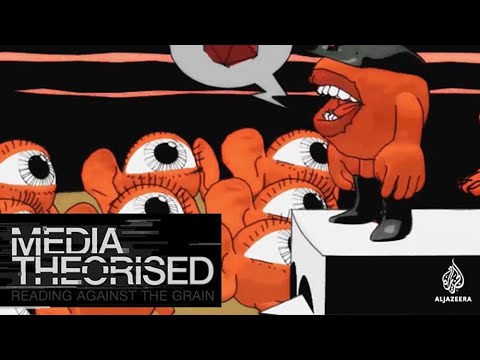
Noam Chomsky: The five filters of the mass media machine | The Listening Post — Al Jazeera English

Al Jazeera English

Western news outlets operate as corporate propaganda machines that package audiences for advertisers and marginalize dissent to protect elite political power.

AI-assisted summary of Noam Chomsky: The five filters of the mass media machine | The Listening Post — original source. Check the original for full context.

Source published:

Key ideas

  • Western media acts as a staged propaganda machine to manufacture public consent rather than holding power accountable, challenging the assumption that press freedom flourishes in democracies. (0:04)
  • Media organizations operate under a dual economic filter: corporate ownership prioritizes profit over investigative reporting, while advertising turns the audience into the product sold to corporate buyers. (1:25)
  • Elite access, institutional flak, and manufactured common enemies structurally discipline journalists and steer public consensus to align with state and corporate interests. (2:35)

Detailed notes

## Background Published on March 2, 2017, by Al Jazeera English on YouTube as part of The Listening Post's #MediaTheorised project, this video breaks down American linguist and political activist Noam Chomsky's propaganda model. Narrated by Amy Goodman and animated by Pierangelo Pirak, it details how mass media functions through five distinct institutional filters: ownership, advertising, sourcing, flak, and the common enemy.

## TL;DR The video dismantles the assumption that Western news outlets act as independent watchdogs upholding democracy, framing them instead as corporate propaganda apparatuses that manufacture public consent. Drawing on the 1988 book *Manufacturing Consent* by Noam Chomsky and Edward S. Herman, it identifies five systemic filters that process information: corporate ownership prioritizing profit, reliance on advertisers where the audience itself is the sold commodity, complicit sourcing that rewards compliance and punishes dissent, aggressive flak deployed to discredit inconvenient reporting, and the fabrication of common enemies like terrorists or immigrants to induce fear. Together, these structural pressures ensure media output aligns with elite interests while staging democratic participation.

## Atmosphere & style The presentation carries a sharp, analytical, and subversive tone that methodically deconstructs the self-satisfied myth of Western press freedom. Amy Goodman's calm, measured, and authoritative narration gives the breakdown a sense of undeniable, clinical clarity, cutting through journalistic self-delusion without raising its voice. Paired with Pierangelo Pirak's stylized animation, the experience feels like an illicit insider briefing that strips back the glossy veneer of the evening news to expose the corporate machinery whirring beneath.

## Bulletin - [00:04](https://www.youtube.com/watch?v=34LGPIXvU5M&t=4s) Western media acts as a staged propaganda machine to manufacture public consent rather than holding power accountable, challenging the assumption that press freedom flourishes in democracies. - [01:25](https://www.youtube.com/watch?v=34LGPIXvU5M&t=85s) Media organizations operate under a dual economic filter: corporate ownership prioritizes profit over investigative reporting, while advertising turns the audience into the product sold to corporate buyers. - [02:35](https://www.youtube.com/watch?v=34LGPIXvU5M&t=155s) Elite access, institutional flak, and manufactured common enemies structurally discipline journalists and steer public consensus to align with state and corporate interests.

## Key takeaways - [00:04](https://www.youtube.com/watch?v=34LGPIXvU5M&t=4s) A double standard exists where non-Western states are labeled as propaganda regimes while Western nations claim press freedom and freedom of thought. - [00:04](https://www.youtube.com/watch?v=34LGPIXvU5M&t=4s) Noam Chomsky and Edward S. Herman's 1988 book 'Manufacturing Consent' argued that Western media functions as a propaganda system staging democracy. - [01:25](https://www.youtube.com/watch?v=34LGPIXvU5M&t=85s) Filter 1 (Ownership): Mass media are large corporate entities within conglomerates that prioritize profits and financial self-interest over critical journalism. - [01:25](https://www.youtube.com/watch?v=34LGPIXvU5M&t=85s) Filter 2 (Advertising): Because subscriptions do not cover news production costs, media outlets package and sell their audiences to corporate advertisers. - [02:35](https://www.youtube.com/watch?v=34LGPIXvU5M&t=155s) Filter 3 (Sourcing): Powerful institutions secure favorable coverage by providing pre-packaged scoops and access, fostering complicity between journalists and elites. - [02:35](https://www.youtube.com/watch?v=34LGPIXvU5M&t=155s) Reporters who challenge the establishment risk exclusion from essential leaks, official sources, and routine news cycles. - [02:35](https://www.youtube.com/watch?v=34LGPIXvU5M&t=155s) Filter 4 (Flak): Dissenting reports and whistleblowers are neutralized through coordinated attacks that discredit sources, trash reporting, and redirect debate. - [02:35](https://www.youtube.com/watch?v=34LGPIXvU5M&t=155s) Filter 5 (Common Enemy): Mass media uses scapegoats and bogeymen—such as communists, terrorists, or immigrants—to manipulate fear and enforce public compliance.

## Detailed walkthrough ### [00:04](https://www.youtube.com/watch?v=34LGPIXvU5M&t=4s) The Illusion of Press Freedom and Manufacturing Consent

The discourse around information control often suffers from a sharp double standard. When discussing countries viewed as authoritarian through the lens of Western media—such as North Korea, Kazakhstan, and Iran—people readily deploy the word "propaganda." In stark contrast, societies like the United States, France, and Australia are routinely labeled "democracies" characterized by ideals like "press freedom" and "freedom of thought."

This self-congratulatory view was fundamentally dismantled in 1988, when linguist and political activist Noam Chomsky co-authored the seminal book *Manufacturing Consent* alongside Edward S. Herman. The work shattered the pervasive myth that modern Western media exists to hold power accountable, inform citizens, and empower everyday people to engage meaningfully in political life. Instead, the media serves to manufacture public compliance. Narrator Amy Goodman explains that under this model, “Democracy is staged with the help of media that work as propaganda machines.” Rather than functioning as independent watchdogs, news outlets communicate precisely what those in authority require them to say to ensure that the public falls in line.

```mermaid flowchart TD accTitle: The Five Filters of Manufacturing Consent accDescr: Flowchart illustrating the five filters that process raw news into manufactured consent. subgraph Filters["The 5 Filters of Mass Media"] F1["1. Ownership: Corporate profit motive"] F2["2. Advertising: Audience as the product"] F3["3. Sourcing: Elite access and complicity"] F4["4. Flak: Disciplining dissent and off-narrative stories"] F5["5. Common Enemy: Scapegoats that corral public fear"] end Raw["Raw News & Information"] --> F1 F1 --> F2 F2 --> F3 F3 --> F4 F4 --> F5 F5 --> Out["Manufactured Consent & Staged Democracy"] ```

[01:25](https://www.youtube.com/watch?v=34LGPIXvU5M&t=85s) The First Two Filters: Ownership and Advertising

The system of media control operates through five distinct institutional filters. The first filter is ownership. Mass media operations are massive corporate enterprises, often embedded within even larger transnational conglomerates. Because their ultimate goal is raw profit, these companies naturally prioritize and promote whatever protects and expands their bottom line. Consequently, critical and investigative journalism is routinely subordinated to corporate interests and commercial viability.

The second filter involves the structural role of advertising. Producing news content costs significantly more money than consumers are ever willing to pay out of pocket. To bridge this substantial financial deficit, media organizations rely on corporate advertisers. This business model fundamentally reshapes the nature of the industry: media organizations are not simply providing news content as a product to their readership. As Amy Goodman puts it, “They are also selling advertisers a product — YOU.” Audiences are packaged, measured, and sold directly to corporate buyers, ensuring media outlets remain deferential to advertiser sensitivities.

[02:35](https://www.youtube.com/watch?v=34LGPIXvU5M&t=155s) Sourcing, Flak, and the Common Enemy

The third filter centers on how the establishment manages the press through complicity and access. Governments, major corporations, and institutional power players know precisely how to manipulate news cycles by supplying journalists with pre-packaged scoops, official statements, and vetted expert interviews. By embedding themselves into the day-to-day workflow of newsrooms, the establishment and the reporters tasked with investigating them form an incestuous relationship: “So, those in power and those who report on them are in bed with each other.” Any reporter or organization bold enough to challenge institutional power faces immediate ostracization—losing insider access, being kept off source lists, and forfeiting essential stories.

When individual journalists, whistleblowers, or dissenting sources break away from established orthodoxy, they collide with the fourth filter: flak. Whenever an inconvenient narrative threatens elite interests, an aggressive disciplinary apparatus activates to undermine the reporting. The flak machine operates by discrediting sources, trashing damaging reporting, and redirecting the broader public debate away from the core issues.

Finally, the fifth filter is the creation of a common enemy to unify and corral the public mind. Manufacturing consent relies on a tangible bogeyman designed to evoke fear and rally public sentiment behind state agendas, whether that target is labeled communism, terrorists, or immigrants. Working in tandem, these five structural mechanisms ensure that consent is continuously produced and maintained around citizens at all times.

- **The Five Filters of the Media Machine:** - *Ownership:* Corporate conglomeration demands that maximizing profit supersedes critical, independent reporting. - *Advertising:* Audiences are the actual product sold to commercial sponsors to cover operational costs. - *Sourcing & Access:* Institutional elites trade vital leaks and interviews for cooperative coverage, marginalizing critical voices. - *Flak:* A coordinated counter-offensive to smear, discredit, and distract from reporting that strays from official consensus. - *Common Enemy:* External threats and scapegoats (e.g., communists, terrorists, immigrants) weaponized to keep the populace fearful and compliant.

## Notable quotes > [00:04](https://www.youtube.com/watch?v=34LGPIXvU5M&t=4s) Democracy is staged with the help of media that work as propaganda machines. — Amy Goodman

## Mentioned Noam Chomsky, Edward S. Herman, Amy Goodman, Pierangelo Pirak, Manufacturing Consent, The Listening Post, Al Jazeera English, Democracy Now!, United States, France, Australia, North Korea, Kazakhstan, Iran

## Video description According to American linguist and political activist, Noam Chomsky, media operate through 5 filters: ownership, advertising, the media elite, flak and the common enemy.

Follow #MediaTheorised, an online project by Al Jazeera English’s media analysis show The Listening Post

Facebook: /AJListeningPost Twitter: @AJListeningPost Narrated by Amy Goodman, Executive Producer of Democracy Now! Designed and animated by Pierangelo Pirak

#AlJazeeraEnglish #MediaTheorised #TheListeningPost

[Source](https://www.youtube.com/watch?v=34LGPIXvU5M)

中文简报

乔姆斯基模型揭示企业媒体如何制造公众顺从 西方新闻机构充当企业宣传机器,将受众打包出售给广告商,并边缘化异见以保护精英政治权力。 该视频打破了西方新闻机构作为维护民主的独立监督者的假设,将它们界定为制造公众同意的企业宣传机构。视频借鉴了诺姆·乔姆斯基和爱德华·S·赫尔曼于1988年出版的《制造共识》一书,指出了处理信息的五个系统性过滤机制:以盈利为先的企业所有权;将受众本身作为出售商品的广告依赖;奖励顺从、惩罚异见的话语来源合谋;用于抹黑不利报道的猛烈抨击;以及虚构恐怖分子或移民等共同敌人以引发恐惧。这些结构性压力共同确保了媒体输出与精英利益保持一致,同时营造出民主参与的假象。 西方媒体充当精心策划的宣传机器以制造公众同意,而非追究权力责任,这挑战了新闻自由在民主国家蓬勃发展的假设。 (0:04) 媒体机构在双重经济过滤机制下运作:企业所有权将利润置于调查性报道之上,而广告则将受众转化为出售给企业买家的产品。 (1:25) 精英准入机制、机构抨击以及人为制造的共同敌人,在结构上规训了记者,并引导公众共识与国家及企业利益保持一致。 (2:35)

Reading summary

In their 1988 work Manufacturing Consent, Edward S. Herman and Noam Chomsky argue that Western mass media operates as a propaganda system designed to manufacture public compliance rather than serve as an independent democratic watchdog. The Myth of Democratic Press Freedom (0:04) Western discourse frequently applies the label of propaganda to authoritarian states like North Korea, Kazakhstan, and Iran, while presenting Western nations such as the United States, France, and Australia as bastions of free thought and open journalism. Herman and Chomsky challenged this distinction by arguing that Western news outlets largely communicate what institutional authorities require to ensure the public conforms, with narrator Amy Goodman describing democracy under this framework as being staged with the aid of media propaganda machines. Economic Filters: Ownership and Advertising (1:25) The first institutional filter is corporate ownership. Mass media outlets are corporate enterprises—frequently parts of larger transnational conglomerates—driven by profit motives that subordinate critical, investigative reporting to commercial viability and the protection of their bottom line. The second filter is advertising, which bridges the gap between high production costs and consumer prices. Under this commercial model, media companies do not simply deliver news to a paying public; as Goodman notes, audiences are packaged and sold directly to commercial advertisers as the primary product, forcing news organizations to stay deferential to corporate sponsor interests. Discipline and Narrative Control: Sourcing, Flak, and Scapegoating (2:35) The remaining three filters discipline newsroom operations and shape public alignment. Sourcing creates an interdependent relationship where governments and major corporations trade official statements, leaks, and vetted interviews for compliant coverage, threatening non-compliant reporters with the loss of critical insider access. When critical stories or whistleblowers breach the consensus, the fourth filter—flak—deploys an apparatus to discredit sources, disparage unfavorable reporting, and divert public attention. Finally, the fifth filter manufactures external scapegoats or common enemies—such as communism, terrorists, or immigrants—to stoke fear and rally public sentiment behind state agendas. Operating in unison, these five structural mechanisms ensure that public consent is continuously engineered and maintained, leaving mainstream reporting structurally aligned with state and corporate interests.

精炼阅读摘要

政治活动家Noam Chomsky与Edward S. Herman在1988年出版的《制造共识》(Manufacturing Consent)中指出,现代西方主流媒体并非监督权力的独立守门人,而是依循五重制度过滤器运转的宣传机器,其核心功能是为统治阶层制造公众顺从。 破除自由神话:制造共识的宣传机器 (0:04) 西方舆论在信息控制议题上长期采取双重标准:在涉及朝鲜、哈萨克斯坦或伊朗等被西方定性为威权主义的国家时,“政治宣传”(propaganda)一词被频繁使用;而在面对美国、法国与澳大利亚等社会时,则惯用“新闻自由”和“思想自由”等理想化概念进行粉饰。节目叙述者Amy Goodman指出,这种宣称西方媒体能够监督权力、启蒙公众并赋权民众参与政治生活的传统叙事,实质上掩盖了媒体的真实职能。根据Chomsky与Herman的观点,西方民主是在扮演宣传机器的媒体协助下被“排演”出来的。新闻机构并未扮演客观中立的独立监督角色,而是准确传达掌权者所要求的信息,以确保公众步调一致并服从既定秩序。 所有权与广告:利润驱动与受众商品化 (1:25) 媒体控制系统依赖的第一道过滤器是企业所有权。大众媒体本身是规模庞大的商业实体,且多从属于跨国企业集团。由于其终极目标是获取纯粹利润,这些媒体机构必然优先维护并扩大自身的商业收益,导致具有批判性和独立性的深度调查报道在商业利益面前被边缘化。第二道过滤器则是广告收入的结构性支柱。由于新闻制作成本远高于受众愿意直接支付的订阅费用,媒体机构必须严重依赖企业广告来填补赤字。这一盈利模式重构了行业本质:媒体并非单纯向读者售卖新闻,而是如Amy Goodman所述,“是在向广告商兜售受众”。读者被打包、计量并作为商品出售给企业买家,促使媒体机构在报道议题时高度顾忌广告商的偏好与敏感利益。 信源共谋与反击规训:建制派的审查防线 (2:35) 第三道过滤器体现在体制精英通过特定渠道与共谋机制对新闻界的管控。政府机关、大型企业与权威机构深谙操纵新闻周期的手段,常态化向记者提供预先包装好的独家消息、官方声明及经审查的专家访谈。由于体制力量深度嵌入新闻编辑室的日常运作,报道者与被报道者之间形成了互利共生的同盟关系。任何试图挑战体制权威的记者或新闻机构,都将面临被切断消息源、移出通报名单及失去核心新闻素材的制度性孤立。一旦有记者、揭发者或异见人士突破官方防线,第四道过滤器——“抨击”(Flak)机制便会启动。当不利报道威胁到精英利益时,建制派会动用纪律惩戒机制,通过抹黑信源声誉、攻击报道真实性以及蓄意挑起争端来转移公众视线,从而压制异见。 树立共同敌人:借恐惧动员实现公众顺从 (2:35) 第五道过滤器是通过构陷“共同敌人”(Common Enemy)来统合与规训公众思想。制造共识的过程高度依赖确凿的假想敌与替罪羊,以此在社会中制造恐惧感,并驱使公众情绪顺应国家政策议程。无论是被贴上共产主义、恐怖分子还是外来移民的标签,外部威胁都被工具化以收拢民意。上述五大结构性过滤器相互交织、协同运作,确保原始信息在传递给大众之前受到系统性过滤,使共识的生产与维护能够持续笼罩普通公民。 该节目通过梳理所有权、广告、信源依赖、抨击机制及共同敌人这五重制度过滤器,阐明了大众媒体如何在商业利益与政治权力的规训下沦为宣传工具,揭示了所谓独立自由的新闻体制实质上服从于既得利益集团制造服从的根本目的。

Detailed notes — zh

## Background 该视频由半岛电视台英语频道(Al Jazeera English)旗下的媒体分析栏目《The Listening Post》于2017年3月2日在YouTube平台发布。视频由《Democracy Now!》执行制片人艾米·古德曼(Amy Goodman)担任解说,旨在通过动画形式阐释美国语言学家兼政治活动家诺姆·乔姆斯基(Noam Chomsky)所提出的现代大众媒体五道过滤机制。 ## TL;DR 视频深入剖析了乔姆斯基与爱德华·赫尔曼在《制造共识》一书中提出的媒体宣传模型,打破了西方民主制度下“新闻自由与制衡权力”的神话。内容详细拆解了大众媒体如何通过五道过滤器系统性地规训舆论:驱动利润的资本所有权、将受众作为产品兜售给广告商的商业模式、媒体与建制派精英信源之间的利益共生、针对异见者的舆论抨击与抹黑机制,以及通过塑造“共同敌人”制造集体恐惧。这些层层嵌套的滤网最终使得媒体沦为统治阶层的宣传机器,确保公众在不知不觉中顺从既有的权力与资本秩序。 ## Atmosphere & style 全片充斥着冷静、犀利且极具解构意味的批判氛围,古德曼沉稳而坚定的旁白声调如手术刀般精准刺破主流媒体的崇高光环。配合紧凑洗练的动画视觉呈现,内容以层层递进的逻辑推导剥开新闻生产背后的资本逻辑与权力共谋,带给观众一种由表及里、击碎认知惯性的清醒震慑感。 ## Bulletin - [00:04](https://www.youtube.com/watch?v=34LGPIXvU5M&t=4s) 乔姆斯基与赫尔曼在《制造共识》中打破了西方民主制度下“新闻自由”的神话,指出大众媒体本质上是协助当权者维系统治秩序的宣传机器。 - [01:25](https://www.youtube.com/watch?v=34LGPIXvU5M&t=85s) 大众媒体的商业逻辑决定了受众并非服务对象,而是被媒体打包出售给广告商的“产品”,核心利润导向压制了真正的批判性新闻。 - [02:35](https://www.youtube.com/watch?v=34LGPIXvU5M&t=155s) 新闻生产机制通过垄断信源准入,迫使记者与政府及大企业精英共谋,挑战权力者将面临失去采访资格并被边缘化的惩罚。 - [00:04](https://www.youtube.com/watch?v=34LGPIXvU5M&t=4s) 媒体宣传模型依靠所有权、广告、信源、抨击与树立共同敌人五道过滤器运作,持续规训舆论并制造服从统治的主流共识。 ## Key takeaways - [00:04](https://www.youtube.com/watch?v=34LGPIXvU5M&t=4s) 主流舆论常将威权国家的信息传播定性为“宣传”,却误以为西方民主社会享有真正的“新闻自由”与“思想自由”。 - [00:04](https://www.youtube.com/watch?v=34LGPIXvU5M&t=4s) 大众媒体并非监督公权力的第四权力,其核心功能是替掌权者制造公众认同与共识,使大众服从统治秩序。 - [01:25](https://www.youtube.com/watch?v=34LGPIXvU5M&t=85s) 第一道过滤器是媒体所有权:主流媒体通常隶属于追求利润最大化的跨国企业联合体,新闻报道必须屈从于资方的商业利益。 - [01:25](https://www.youtube.com/watch?v=34LGPIXvU5M&t=85s) 第二道过滤器是广告模式:媒体运营的高额成本依赖广告商填补,受众本质上是被媒体出售给广告金主的交易产品。 - [02:35](https://www.youtube.com/watch?v=34LGPIXvU5M&t=155s) 第三道过滤器是精英信源依赖:政府与大型企业精通公关规则,通过提供官方内幕和专家发声,将新闻媒体绑定为共谋者。 - [02:35](https://www.youtube.com/watch?v=34LGPIXvU5M&t=155s) 新闻信源的准入权被当权者垄断,任何试图挑战权威的记者都会被取消采访资格并推向边缘。 - [02:35](https://www.youtube.com/watch?v=34LGPIXvU5M&t=155s) 第四道过滤器是舆论抨击与施压(Flak):一旦出现不利于当权者的报道,反制机器便会启动抹黑信源、贬损报道真实性并转移视线。 - [02:35](https://www.youtube.com/watch?v=34LGPIXvU5M&t=155s) 第五道过滤器是树立共同敌人:通过将共产主义、恐怖分子或移民等塑造为集体恐慌对象,高效整合并规训涣散的公众舆论。 - [02:35](https://www.youtube.com/watch?v=34LGPIXvU5M&t=155s) 恐惧是现代媒体操弄大众心理的最高效工具,外部假想敌构成了维护现行阶级利益的舆论安全阀。 ## Detailed walkthrough ### [00:04](https://www.youtube.com/watch?v=34LGPIXvU5M&t=4s) 制造共识:破除民主制度下的新闻神话 人们在谈论朝鲜、哈萨克斯坦或伊朗等被西方媒体定义为专制威权的国家时,往往会自然而然地使用“宣传”(propaganda)一词;而当提及美国、法国、澳大利亚等“民主国家”时,人们口中充斥的则是“新闻自由”(press freedom)与“思想自由”(freedom of thought)。然而,1988年诺姆·乔姆斯基(Noam Chomsky)与爱德华·赫尔曼(Edward Herman)合著的《制造共识》(*Manufacturing Consent*)彻底打破了这一传统幻觉。 该书毫不留情地击碎了所谓“媒体是政治权力的制衡力量、媒体向公众传递信息并为公众服务以促进政治参与”的崇高神话。解说员艾米·古德曼(Amy Goodman)一针见血地指出:“Democracy is staged with the help of media that work as propaganda machines.”(民主是在充当宣传机器的媒体协助下上演的一场戏。)现代媒体的真正作用是替掌权者“制造公众的认同与共识”,媒体告知公众统治阶层希望公众获知的内容,从而使大众俯首听命。为了系统性地维系这一运转机制,大众媒体设立了五道精密的“过滤器”。 ```mermaid flowchart TD accTitle: 乔姆斯基媒体宣传模型的五道过滤器 accDescr: 展现从原始新闻事件经过所有权、广告、信源、抨击与共同敌人五道过滤机制,最终产出制造出的共识。 subgraph Filters ["五道过滤机制"] F1["第一道过滤器:媒体所有权<br>(所有权集中与资本利润驱动)"] F2["第二道过滤器:广告业务<br>(受众沦为兜售给广告商的产品)"] F3["第三道过滤器:精英信源<br>(权力机构共谋与信源准入依赖)"] F4["第四道过滤器:抨击与施压<br>(打压异见、抹黑信源与转移焦点)"] F5["第五道过滤器:共同敌人<br>(塑造恐惧对象以整合公众舆论)"] end RAW["原始现实事件与批判声音"] --> F1 F1 --> F2 F2 --> F3 F3 --> F4 F4 --> F5 F5 --> OUT["制造出的共识<br>(服从统治秩序的主流叙事)"] ``` - 传统观点认为媒体是监督公权力的第四权力,但乔姆斯基与赫尔曼论证了媒体实际上是权力机构的同谋。 - “制造共识”的本质在于确保大众在不知不觉中步调一致,维系既有阶级与制度的利益。 --- ### [01:25](https://www.youtube.com/watch?v=34LGPIXvU5M&t=85s) 前两道过滤器:所有权集中与广告导向的商业模型 第一道过滤器涉及媒体的“所有权”(ownership)。主流大众媒体本身就是庞大的商业公司,且往往隶属于规模更为宏大的跨国企业联合体。这类资本巨头运作的终极目标只有一个,那就是利润。追求利益最大化的驱动力,决定了媒体必然极力推动符合其商业利益的内容。在资本的逻辑之下,客观尖锐的批判性新闻报道不得不退居二线,彻底屈从于大企业的生存需求与核心商业利益。 第二道过滤器则揭示了“广告”(advertising)的真正本质。制作与运营媒体的成本极为高昂,单靠读者和消费者的购买费用根本无法填补收支缺口。填补这一巨大鸿沟的金主正是广告商,但广告商付费购买的并不是媒体内容本身,而是受众群体。正如艾米·古德曼所言:“They are also selling advertisers a product - YOU.”(他们同时也在向广告商出售一件产品——那就是你。)媒体生产内容的根本目的,实质上是将聚拢起来的受众群体作为打包商品转卖给广告出资方。 - 媒体资本的集团化与垄断化使得涉及资方利益的深度批判报道被边缘化。 - 读者与观众不再是传统意义上的“服务对象”,而是被媒体打包出卖给企业广告商的“商品”。 --- ### [02:35](https://www.youtube.com/watch?v=34LGPIXvU5M&t=155s) 后三道过滤器:精英共谋、舆论抨击与树立共同敌人 第三道过滤器关乎建制派如何管控媒体,即对“媒体精英与信源”(the media elite and sources)的依赖。新闻业之所以无法有效制衡权力,是因为整个生产体系本身就在鼓励媒体与权力机构同谋。政府、大型企业与权威机构精通操弄媒体的规则,它们向记者投喂独家内幕、官方说法并提供所谓“专家访谈”,使自己成为新闻生产过程中不可或缺的核心环节。报道者与被报道者形成了紧密的利益共生关系,正如古德曼所强调:“If you want to challenge power, you'll be pushed to the margins.”(如果你想要挑战权力,你就会被推向边缘。)任何试图忤逆权威的记者都会被取消采访资格、被剥夺信源准入,进而彻底失去挖掘真相的机会。 第四道过滤器是“舆论抨击与施压”(flak)。当个别记者、举报人或内部信源偏离官方建构的“共识”时,庞大的反制机器便会启动。一旦出现对当权者不利的新闻报道,相关利益方会立刻通过各种渠道抹黑信息源、贬损报道真实性,并强行转移公众关注焦点。 第五道过滤器则是寻找与塑造“共同的敌人”(common enemy)。为了制造共识,统治者必须树立一个靶子或让人畏惧的假想敌。从过去的“共产主义”,到后来的“恐怖分子”乃至“移民群体”,树立一个用以制造集体恐慌的“妖怪”,能够极其高效地将散漫的公众舆论规训并圈禁在既定轨道之内。通过这五道过滤机制,“制造共识”在现实社会的每一个角落持续不断地发生。 - 权力机构通过垄断“新闻准入权”(access),迫使记者对官方机构妥协共谋。 - “抨击机器”(flak machine)的核心运作方式包括破坏爆料者声誉、摧毁报道公信力及制造议题转移注意力。 - 恐惧是操控大众心理的最高效武器,共同的外部假想敌成为聚合和驯化公共意志的最终安全阀。 ## Notable quotes > [00:04](https://www.youtube.com/watch?v=34LGPIXvU5M&t=4s) Democracy is staged with the help of media that work as propaganda machines. — Amy Goodman > [02:35](https://www.youtube.com/watch?v=34LGPIXvU5M&t=155s) If you want to challenge power, you'll be pushed to the margins. — Amy Goodman ## Mentioned Noam Chomsky, Edward Herman, Amy Goodman, Pierangelo Pirak, Al Jazeera English, The Listening Post, Democracy Now!, 制造共识 ## Video description According to American linguist and political activist, Noam Chomsky, media operate through 5 filters: ownership, advertising, the media elite, flak and the common enemy. Follow #MediaTheorised, an online project by Al Jazeera English’s media analysis show The Listening Post Facebook: /AJListeningPost Twitter: @AJListeningPost Narrated by Amy Goodman, Executive Producer of Democracy Now! Designed and animated by Pierangelo Pirak #AlJazeeraEnglish #MediaTheorised #TheListeningPost [Source](https://www.youtube.com/watch?v=34LGPIXvU5M)

Source quotes

[0:04] Amy Goodman: Democracy is staged with the help of media that work as propaganda machines. [2:35] Amy Goodman: If you want to challenge power, you'll be pushed to the margins.

Source quotes

[0:04] Amy Goodman: Democracy is staged with the help of media that work as propaganda machines.

Original transcript

[0:04] 'Propaganda'. [0:06] Many use the word when talking about countries [0:09] like North Korea, Kazakhstan, Iran. [0:18] Countries viewed as authoritarian through the lens of the western media. [0:26] 'Press freedom'. 'Freedom of thought'. [0:29] People use those terms when talking about [0:32] countries like the United States, France, Australia. [0:37] 'Democracies'. [0:40] In 1988, Noam Chomsky co-authored a book with [0:44] Edward Herman called 'Manufacturing Consent'. [0:49] It blasted apart the notion that media acts as a check on political power. [0:56] That media inform the public, serve the public [1:00] so that we can better engage in the political process. [1:05] In fact, media manufacture our consent. [1:09] They tell us what those in power need them to tell us ... so we can fall in line. [1:17] Democracy is staged with the help of media that work as propaganda machines. [1:25] Media operate through five filters. [1:29] The first has to do with ownership. [1:31] Mass media firms are big corporations. [1:35] Often, they are part of even bigger conglomerates. [1:39] Their end game? [1:40] Profit. [1:42] And so it's in their interests to push for whatever guarantees that profit. [1:47] Critical journalism takes second place to the needs and interests of the corporation. [2:00] The second filter exposes the real role of advertising. [2:06] Media costs a lot more than consumers will ever pay. [2:10] So who fills the gap? [2:13] Advertisers. [2:15] And what are the advertisers paying for? [2:18] Audiences. [2:20] And so it isn't so much that the media are selling you a product - their output. [2:26] They are also selling advertisers a product - YOU. [2:35] How does the establishment manage the media? [2:38] That's the third filter. [2:42] Journalism cannot be a check on power [2:44] because the very system encourages complicity. [2:51] Governments, corporations, big institutions know how to play the media game. [2:58] They know how to influence the news narrative. [3:01] They feed media scoops, official accounts, interviews with the 'experts'. [3:08] They make themselves crucial to the process of journalism. [3:11] So, those in power and those who report on them are in bed with each other. [3:18] If you want to challenge power, you'll be pushed to the margins. [3:22] Your name won't be down. You won't be getting in. [3:25] You've lost your access. [3:28] You've lost the story. [3:31] When the media - journalists, whistleblowers, sources - stray away from the consensus, [3:38] they get 'flak'. [3:39] That's the fourth filter. When the story is inconvenient for the powers [3:44] that be, you'll see the flak machine in action discrediting sources, trashing stories [3:52] and diverting the conversation. [3:57] To manufacture consent, you need an enemy - a target. [4:03] That common enemy is the fifth filter. [4:06] Communism. [4:07] Terrorists. [4:09] Immigrants. [4:10] A common enemy, a bogeyman to fear, helps corral public opinion. [4:18] Five filters. [4:19] One big media theory. [4:22] Consent is being manufactured all around you, all the time.