Claudia Christian Backs Naltrexone to Replace Standard Alcohol Rehab
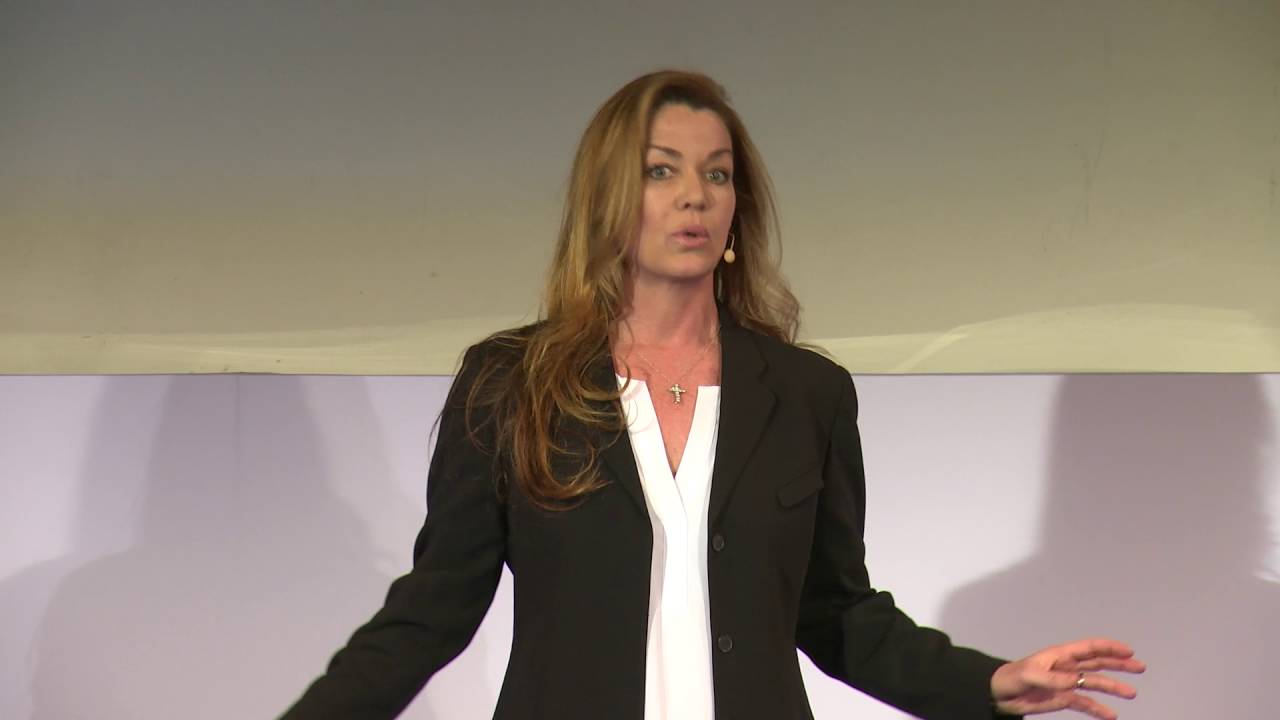
How I overcame alcoholism | Claudia Christian | TEDxLondonBusinessSchool — TEDx Talks

TEDx Talks

Traditional abstinence and talk therapies fail because alcohol addiction is biological, requiring targeted opiate blockers to extinguish neural reward pathways.

AI-assisted summary of How I overcame alcoholism | Claudia Christian | TEDxLondonBusinessSchool — original source. Check the original for full context.

Source published:

Key ideas

  • Alcohol use disorder claims an estimated 3.3 million lives globally each year—outnumbering deaths from malaria, tuberculosis, and AIDS combined—with a fatality occurring every ten seconds. (10:17)
  • The Sinclair Method (TSM) utilizes targeted opiate blockers like Naltrexone taken one hour before drinking to block endorphin rewards, achieving a documented 78% long-term success rate through pharmacological extinction. (6:48)
  • Between 80% and 90% of individuals suffering from AUD never enter care due to the intimidating requirement of total lifelong abstinence, while up to 90% of those in traditional treatment relapse within four years. (10:17)
  • Conventional treatment models frequently fail because they treat a biologically and genetically driven neurological addiction with non-medical interventions like talk therapy, willpower, and punitive shame. (2:03)

Detailed notes

## Background Published on YouTube by TEDx Talks on May 31, 2016, this presentation features actress Claudia Christian speaking at an independently organized TEDxLondonBusinessSchool event. According to the video description, Christian recounts how her successful acting career and personal life were tested by addiction, sharing her journey to recovery and presenting new perspectives on treating alcohol use disorder.

## TL;DR Claudia Christian recounts her harrowing decade-long battle with alcohol use disorder (AUD), emphasizing that her condition was a biological and genetic disease rather than the product of psychological trauma. After enduring roughly twenty relapses and spending tens of thousands of dollars on ineffective conventional rehabilitation, therapy, and twelve-step programs, she suffered dangerous withdrawal seizures. Her life turned around when she discovered The Sinclair Method (TSM), an evidence-based protocol using the opiate blocker Naltrexone to achieve pharmacological extinction of alcohol cravings. Highlighting the 78% long-term success rate of TSM, Christian calls for an end to punitive, shame-based abstinence models and urges the medical community to adopt accessible, science-backed treatments.

## Atmosphere & style The talk strikes an articulate balance between raw, unflinching vulnerability and sharp, impassioned advocacy. Christian speaks with theatrical clarity and authoritative composure, yet her recounting of violent detox seizures and commercial rehab exploitation carries a palpable undercurrent of indignation. The emotional trajectory shifts from the suffocating exhaustion of cyclical relapse to absolute empowerment, leaving the audience with an urgent, scientifically grounded sense of hope that challenges long-held cultural stigmas around addiction.

## Bulletin - [10:17](https://www.youtube.com/watch?v=6EghiY_s2ts&t=617s) Alcohol use disorder claims an estimated 3.3 million lives globally each year—outnumbering deaths from malaria, tuberculosis, and AIDS combined—with a fatality occurring every ten seconds. - [06:48](https://www.youtube.com/watch?v=6EghiY_s2ts&t=408s) The Sinclair Method (TSM) utilizes targeted opiate blockers like Naltrexone taken one hour before drinking to block endorphin rewards, achieving a documented 78% long-term success rate through pharmacological extinction. - [10:17](https://www.youtube.com/watch?v=6EghiY_s2ts&t=617s) Between 80% and 90% of individuals suffering from AUD never enter care due to the intimidating requirement of total lifelong abstinence, while up to 90% of those in traditional treatment relapse within four years. - [02:03](https://www.youtube.com/watch?v=6EghiY_s2ts&t=123s) Conventional treatment models frequently fail because they treat a biologically and genetically driven neurological addiction with non-medical interventions like talk therapy, willpower, and punitive shame.

## Key takeaways - [00:00](https://www.youtube.com/watch?v=6EghiY_s2ts&t=0s) The medical community replaced the narrow label 'alcoholism' with 'alcohol use disorder' (AUD) to cover a wider spectrum ranging from binge drinking to chronic daily dependency. - [00:00](https://www.youtube.com/watch?v=6EghiY_s2ts&t=0s) Abrupt cold-turkey cessation can trigger the alcohol deprivation effect, escalating biological cravings and making ordinary environmental cues intense relapse triggers. - [02:03](https://www.youtube.com/watch?v=6EghiY_s2ts&t=123s) Alcohol use disorder is fundamentally a physiological and genetic disease rather than a moral defect or an inevitable consequence of emotional trauma. - [02:03](https://www.youtube.com/watch?v=6EghiY_s2ts&t=123s) Non-medical recovery methods such as talk therapy, alternative wellness retreats, and willpower alone routinely fail to resolve the underlying biological mechanisms of addiction. - [04:09](https://www.youtube.com/watch?v=6EghiY_s2ts&t=249s) Severe relapse cycles can induce extreme physical withdrawal symptoms, including motor breakdown and life-threatening seizures requiring emergency medical detox. - [06:48](https://www.youtube.com/watch?v=6EghiY_s2ts&t=408s) The Sinclair Method requires taking an opiate antagonist, such as Naltrexone or Nalmefene, exactly one hour prior to consuming alcohol. - [06:48](https://www.youtube.com/watch?v=6EghiY_s2ts&t=408s) Pharmacological extinction operates by blocking endorphin receptors in the brain, uncoupling alcohol consumption from its neurochemical reward until cravings fade. - [10:17](https://www.youtube.com/watch?v=6EghiY_s2ts&t=617s) The World Health Organization estimates 3.3 million deaths occur annually from alcohol-related causes, yet conventional treatment models remain largely inaccessible or ineffective. - [10:17](https://www.youtube.com/watch?v=6EghiY_s2ts&t=617s) The strict demand for immediate, lifelong abstinence discourages 80% to 90% of individuals with AUD from ever seeking professional help. - [10:17](https://www.youtube.com/watch?v=6EghiY_s2ts&t=617s) Punitive interventions, confrontation, and waiting for individuals to hit 'rock bottom' run counter to medical evidence and exacerbate addiction outcomes. - [12:25](https://www.youtube.com/watch?v=6EghiY_s2ts&t=745s) Sufferers typically battle alcohol addiction for roughly a decade before finding help, making 30-day abstinence programs inadequate for reversing long-term neurological rewiring. - [13:03](https://www.youtube.com/watch?v=6EghiY_s2ts&t=783s) Expanding access to The Sinclair Method could scale a 78% recovery rate, substantially curbing alcohol-related domestic abuse, economic losses, and fatal accidents.

## Detailed walkthrough ### [00:00](https://www.youtube.com/watch?v=6EghiY_s2ts&t=0s) The Onset of AUD and the Illusion of Control

Claudia Christian begins by sharing that she has spent over three decades working in the entertainment industry. For much of her adult life, alcohol was not an overwhelming issue: she was a very light drinker throughout her 20s, transitioned into a social drinker in her 30s, and then, in her early 40s, developed alcohol use disorder (AUD). She explains that the medical community has shifted away from the term “alcoholism” because it is overly narrow; AUD provides a broader umbrella that encompasses everything from an occasional binge drinker to a chronic daily drinker. She first realized that her relationship with alcohol was broken when social patterns shifted around her: she was consistently the last person standing at the bar or remaining at dinner tables quaffing wine long after everyone else had switched over to coffee.

Recognizing the issue, she decided to stop cold turkey. However, that sudden abstinence triggered the alcohol deprivation effect. Once the initial honeymoon period of sobriety wore off, she was left grappling with persistent physical cravings. Ordinary life became an agonizing minefield: driving past a liquor store acted as an instant trigger, walking by a pub provoked bitter anger at the inability to step inside for just one drink, and socializing eroded as she isolated herself from friends and family simply because they drank. For someone accustomed to being entirely in control, this loss of agency was profoundly disorienting.

> “Addiction is a monster, and it affects every ethnicity, social class, race, sex, age; it doesn't matter.”

[02:03](https://www.youtube.com/watch?v=6EghiY_s2ts&t=123s) The Cycle of Relapse and the Expensive Search for a Cure

Realizing she was no longer in the driver’s seat, Christian embarked on a nearly decade-long struggle against what she calls “the monster.” Believing she could beat it through sheer effort, she tried every conceivable treatment option regardless of cost. She checked into a beachfront rehabilitation center for $30,000, which amounted to little more than drinking wheatgrass and doing tai chi. She paid $200 per session for two and a half years of talk therapy, paid $400 an hour to see a hypnotherapist who claimed to have cured a member of the Grateful Dead, and attended twelve different Alcoholics Anonymous (AA) meetings across two countries. She tried going macrobiotic, adopted veganism, had her chakras realigned, and literally prayed until her knees were black and blue.

Despite this exhausting array of interventions, she relapsed close to 20 times. Each successive relapse was progressively harder to recover from and grew steadily worse. She emphasizes that her drinking was not rooted in psychological pain: she had not experienced a crummy childhood or unresolved trauma, had a loving family, a supportive circle of friends, a beautiful home, and a thriving career. Rather, her issue was purely physiological:

> “I was drinking because I was physically addicted to alcohol.”

With a genetic predisposition on both sides of her family, engaging in the behavior of drinking inevitably triggered full-blown biological addiction. She concluded that swanky retreats, equine therapy, and tai chi were fundamentally incapable of fixing an underlying biological disease.

- **Rehabilitation facility cost:** $30,000 (focused on wheatgrass and tai chi) - **Talk therapy:** 2.5 years at $200 per session - **Specialist hypnotherapy:** $400 per hour - **AA involvement:** 12 distinct meetings attended across two separate countries - **Total relapse count:** Approximately 20 times over nearly a decade

[04:09](https://www.youtube.com/watch?v=6EghiY_s2ts&t=249s) The Relapse, the Seizures, and Discovering Naltrexone

Toward the close of 2008, Christian had attained six months of continuous sobriety. At that juncture, the deceptive internal voice of the disease intervened, whispering that she was no longer an addict and could safely handle a single drink. She capitulated and had one glass of wine at dinner. Feeling triumphant when she managed not to overindulge that evening, she believed the voice was right. However, the pattern rapidly spiraled: on day two she had two glasses; on day three she drank three glasses and purchased a full bottle to drink on the way home; by day five she was engulfed in a catastrophic binge, drinking anything in sight to the point where she would have consumed vanilla extract had it been available.

When she became too ill to drink any further, she attempted her standard cold-turkey detox, but her body gave out. She experienced severe physical seizures, suffered a total breakdown of her motor controls, and was unable to dress herself or stand up. A friend rushed her to an inpatient medical detox clinic. The facility refused to administer medication to halt her violent shaking until they had secured $3,000 from her. Humiliated and degraded by the experience, she checked herself out as soon as she received the medicine. On her way out the door, she noticed a stack of informational brochures for AUD treatments, including an advertisement for an injectable medication priced at over $1,000 a month that promised to wipe out alcohol cravings.

Desperate for a solution, she went home and researched the shot online. She learned its active component was Naltrexone—an FDA-approved, non-addictive medication used in AUD treatment since 1994. Her search also unearthed the book *The Cure for Alcoholism* by Dr. Roy Eskapa. Reading the sample chapter captivated her scientific sensibility, introducing her to The Sinclair Method (TSM).

```mermaid flowchart TD accTitle: The Sinclair Method Mechanism accDescr: Diagram illustrating the biological pathway of alcohol reinforcement versus pharmacological extinction via opiate blockers.

subgraph StandardDrinking["Standard Drinking Cycle"] A["Drink Alcohol"] --> B["Endorphins Release in Brain"] B --> C["Reward Pathways Activated"] C --> D["Intense Cravings & Escalation"] end

subgraph TSMProtocol["The Sinclair Method (TSM)"] E["Take Opiate Blocker (Naltrexone / Nalmefene)"] --> F["Wait 1 Hour (Medication Enters Bloodstream & Brain)"] F --> G["Drink Alcohol"] G --> H["Endorphins Blocked at Receptor Sites"] H --> I["No Reinforcement or Euphoric Rush"] I --> J["Extinction: Cravings Gradually Subside"] end ```

[06:48](https://www.youtube.com/watch?v=6EghiY_s2ts&t=408s) Pharmacological Extinction via The Sinclair Method

Christian outlines the precise biological mechanics behind The Sinclair Method, developed by American researcher Dr. David Sinclair. In a standard addicted brain, alcohol triggers a massive release of endorphins that floods neural pathways, delivering a heavy chemical reward that reinforces addictive synapses and makes the person crave more. Under TSM, an opiate blocker—such as Naltrexone, or Nalmefene in the UK—is ingested one hour prior to consuming alcohol. The medication acts as a physical barrier, effectively slamming the door shut and locking endorphins inside so they cannot access and stimulate the brain's addiction centers. By denying the brain its accustomed chemical reward, the behavior is gradually unlearned through pharmacological extinction, drinking decreases dramatically, and cravings steadily wither away.

Unable to find a physician willing to prescribe Naltrexone—most greeted her inquiries with blank incomprehension—Christian took matters into her own hands and ordered 50 mg pills from an online pharmacy based in India. When the package arrived two weeks later, she was terrified that it might fail and precipitate another disastrous relapse. Steeling herself, she followed the protocol: she took the 50 mg tablet, waited the full hour, and poured a glass of wine. The result felt miraculous. There was no obsessive internal chatter and no compulsion to pour another drink; the wine sat largely untouched while she ate dinner, and after a couple of unenthusiastic sips, she felt completely indifferent and stopped.

Three months into the method, she experienced a profound mental shift while driving past a prominent Los Angeles billboard displaying a massive glass of red wine—her former drink of choice. In the past, that advertisement would immediately trigger an obsessive urge to drink or provoke frustration if she was attempting sobriety. On this drive, she looked up and simply thought, “That's just a billboard.” Her neural pathways had normalized, and her cravings had evaporated. By six months, she was essentially abstinent, drinking only on rare, planned occasions preceded by a one-hour Naltrexone waiting window.

> “It meant that my thought processes were normal again. It meant that my brain was fixed. It meant that I was me again.”

[10:17](https://www.youtube.com/watch?v=6EghiY_s2ts&t=617s) Systemic Failures, Stigma, and the Flaws of Punitive Care

Moved by her recovery, Christian reached out to author Dr. Roy Eskapa to express her gratitude and asked him to pass her thanks to Dr. David Sinclair. When she asked Eskapa how she could help spread the word about the treatment, he urged her to write a book. Her ensuing research exposed alarming statistics about alcohol use disorder and the widespread inadequacy of existing treatment models:

- **Global mortality:** The World Health Organization (WHO) estimates that 3.3 million people die annually from alcohol-related causes, outnumbering fatalities caused by malaria, tuberculosis, and AIDS. - **Treatment avoidance:** Between 80% and 90% of individuals suffering from AUD never seek treatment, often deterred by the daunting and unrealistic demand of total lifelong abstinence. - **Relapse rates:** Among the 10% of individuals who do enter conventional treatment, up to 90% relapse within their first four years.

Christian critiques the dominant societal and clinical approach that relies on shame, confrontational tough love, and waiting for an addict to hit rock bottom, noting that evidence shows these tactics worsen outcomes rather than improve them. She highlights the perspective of Stanford University’s Dr. Keith Humphreys:

> “It's remarkable that people believe what's needed is more punishment. If punishment worked, there wouldn't be any addiction. It's a punishing enough experience.”

She concludes that while patients with conventional physical illnesses are met with care, sympathy, and medical support, people suffering from AUD are instead blamed for their condition, confronted with simplistic demands to “just say no,” and subjected to a profound cultural lack of compassion.

[12:25](https://www.youtube.com/watch?v=6EghiY_s2ts&t=745s) Rethinking Conventional Addiction Treatment

Claudia Christian confronts the common misconceptions surrounding recovery, pointing out that the vast majority of individuals battling alcoholism endure roughly a decade of suffering before ever finding help. Despite the chronic, entrenched nature of the condition, society clings to an unrealistic expectation that several years of physical and neurological dependence can simply vanish overnight. As Christian sharply asks the audience: “So, why do so many people believe that a long-term battle with alcohol addiction can be simply stopped in 30 days or less with nothing but talk therapy and willpower?”

She pauses to emphasize how astonishing that assumption is, highlighting the devastating human toll of the status quo. According to estimates by health authorities, someone dies every ten seconds from alcohol use disorder. In light of this staggering mortality rate, Christian challenges the audience to critically reassess conventional rehabilitation approaches, asking: “Is our current treatment system really the best we can do?”

- Most people suffer from alcohol addiction for approximately 10 years before receiving effective help. - A person dies every 10 seconds globally from alcohol use disorder.

---

[13:03](https://www.youtube.com/watch?v=6EghiY_s2ts&t=783s) The Promise and Societal Impact of The Sinclair Method

Turning to the solution that transformed her own life, Christian highlights that The Sinclair Method (TSM) boasts a documented 78% long-term success rate. She invites listeners to envision the profound, ripple-effect transformation that reaching such an outcome on a broad scale would bring to society at large. A 78% reduction in alcohol addiction would translate directly to 78% fewer broken families, 78% fewer abused children, fewer missed workdays, slashed healthcare and insurance expenditures, and a dramatic drop in alcohol-related accidents. Rather than relying on shame, white-knuckling, or isolation, the method leverages medical science to empower individuals, their families, and their friends to achieve genuine recovery.

On a personal level, Christian reflects on the liberation the treatment provided her, stating: “Thanks to the Sinclair Method, I was able to Ctrl-Alt-Del my addiction to alcohol.” Rather than living under the perpetual cloud of being an addict who is entirely powerless, she declares that the monster no longer dictates her life—she is firmly in control. Concluding her talk with an impassioned plea, Christian shares her dream of seeing TSM recognized as a frontline, universally accessible treatment option. She begs the audience to share the knowledge of this lifesaving protocol and ensure that those suffering from addiction are finally given the scientific options they deserve.

```mermaid flowchart TD accTitle: Societal Impact of The Sinclair Method accDescr: Diagram illustrating how the scientific intervention of The Sinclair Method reduces alcohol addiction and improves societal outcomes.

subgraph Intervention["Targeted Medical Intervention"] TSM["The Sinclair Method (TSM)"] --> Science["Uses Science to Extinguish Craving"] end

subgraph Individual["Personal Transformation"] Science --> Reboot["'Ctrl-Alt-Del' Addiction"] Reboot --> Control["Regains Agency & Control"] end

subgraph Societal["78% Long-Term Success Rate"] Control --> Impact["Broad Societal Impact"] Impact --> Families["78% Less Broken Families & Child Abuse"] Impact --> Economy["Fewer Lost Work Days & Insurance Costs"] Impact --> Safety["Fewer Accidents & Preventable Deaths"] end ```

- The Sinclair Method demonstrates a 78% long-term success rate. - Christian views TSM as an empowering scientific tool rather than a moral trial, stating: “I am no longer powerless. The monster is no longer in control. I am.” - Her ultimate goal is for TSM to evolve into a standardized, routinely prescribed medical treatment for anyone struggling with alcohol use disorder.

## Notable quotes > [10:17](https://www.youtube.com/watch?v=6EghiY_s2ts&t=617s) It's remarkable that people believe what's needed is more punishment. If punishment worked, there wouldn't be any addiction. It's a punishing enough experience. — Keith Humphreys

> [12:25](https://www.youtube.com/watch?v=6EghiY_s2ts&t=745s) So, why do so many people believe that a long-term battle with alcohol addiction can be simply stopped in 30 days or less with nothing but talk therapy and willpower? — Claudia Christian

> [00:00](https://www.youtube.com/watch?v=6EghiY_s2ts&t=0s) Addiction is a monster, and it affects every ethnicity, social class, race, sex, age; it doesn't matter. — Claudia Christian

## Mentioned Claudia Christian, David Sinclair, Roy Eskapa, Keith Humphreys, The Sinclair Method, The Cure for Alcoholism, Naltrexone, Nalmefene, Alcoholics Anonymous, World Health Organization, Stanford University, Grateful Dead

## Video description A hugely successful actress who saw her personal life and career tested by addiction, Claudia shares her journey of overcoming alcoholism and offers fresh perspectives on alcohol use disorder treatments.

Claudia Christian landed her first TV series at 18 on NBC’s nighttime drama Berringers and her first studio feature at 20 in New Line Cinema’s cult hit “The Hidden.” Over 50 films, hundreds of TV shows and 5 music albums later, Claudia has worked with George Clooney, Kirk Douglas, Faye Dunaway, Nicolas Cage and countless other luminaries.

This talk was given at a TEDx event using the TED conference format but independently organized by a local community. Learn more at http://ted.com/tedx

[Source](https://www.youtube.com/watch?v=6EghiY_s2ts)

中文简报

克劳迪娅·克里斯蒂安支持以纳曲酮替代传统戒酒模式 传统戒断和谈话疗法之所以失败,是因为酒精成瘾具有生理根源,需要靶向阿片类受体拮抗剂来消退神经奖赏通路。 克劳迪娅·克里斯蒂安回顾了自己与酒精使用障碍(AUD)长达十年的艰苦抗争,强调该病症是一种生理和遗传性疾病,而非心理创伤所致。在经历约二十次复发、在无效的传统康复、心理咨询和十二步项目中花费数万美元后,她曾遭遇危险的戒断性癫痫发作。后来,她发现了辛克莱方法(TSM)——一种利用阿片类受体拮抗剂纳曲酮实现酒精渴求药物性消退的循证方案,生活由此迎来转机。克里斯蒂安强调TSM具有78%的长期成功率,呼吁废除惩罚性、基于羞耻感的戒断模式,并敦促医学界采用普惠且有科学依据的治疗手段。 全球每年估计有330万人死于酒精使用障碍——超过疟疾、结核病和艾滋病死亡人数的总和——相当于每十秒就有一人丧生。 (10:17) 辛克莱方法(TSM)通过在饮酒前一小时服用纳曲酮等靶向阿片类受体拮抗剂来阻断内啡肽奖赏,借助药物性消退实现了有据可查的78%长期成功率。 (6:48) 由于终身彻底戒断的要求令人望而却步,80%至90%的AUD患者从未接受过治疗,而在接受传统治疗的人群中,高达90%在四年内复发。 (10:17) 传统治疗模式往往以失败告终,因为它们试图用谈话疗法、意志力和惩罚性羞耻感等非医学干预手段,来解决由生理和遗传驱动的神经系统成瘾。 (2:03)

Reading summary

Actress Claudia Christian argues that alcohol use disorder is primarily a physiological disease that cannot be cured by willpower or punitive rehabilitation, advocating instead for the wider adoption of pharmacological extinction via The Sinclair Method. The Biological Reality and Failure of Conventional Care (2:03) Christian describes how her drinking evolved from light social consumption in her 20s and 30s into severe alcohol use disorder (AUD) in her early 40s. She emphasizes that her condition was not rooted in psychological trauma or unhappiness, as she had a supportive family, good health, and a successful career, but rather stemmed from a genetic predisposition on both sides of her family. When she attempted sudden abstinence, the resulting alcohol deprivation effect triggered intense physical cravings, demonstrating that her addiction was fundamentally biological. Over nearly a decade of attempting to recover, Christian relapsed approximately 20 times. She pursued numerous costly, non-pharmacological interventions, including a $30,000 beachfront rehabilitation stay that relied on wheatgrass and tai chi, 2.5 years of talk therapy at $200 per session, $400-an-hour hypnotherapy, and 12 distinct Alcoholics Anonymous meetings across two countries. These approaches failed to prevent escalation; following a six-month period of sobriety in late 2008, a single glass of wine triggered a severe binge that culminated in physical seizures, loss of motor control, and an expensive $3,000 medical detox. Pharmacological Extinction via The Sinclair Method (6:48) Seeking an evidence-based alternative, Christian discovered The Sinclair Method (TSM), developed by Dr. David Sinclair and detailed in Dr. Roy Eskapa's book *The Cure for Alcoholism*. The protocol targets the neurological reward cycle: in an addicted brain, alcohol releases endorphins that reinforce addictive neural pathways. Under TSM, an individual takes an opiate blocker—such as Naltrexone (FDA-approved since 1994) or Nalmefene—one hour before drinking. The medication prevents endorphins from stimulating addiction receptors, allowing the brain to gradually unlearn the compulsion through pharmacological extinction. After obtaining generic 50 mg Naltrexone from an online pharmacy due to local doctors' unfamiliarity with the treatment, Christian tested the protocol. Her compulsion subsided immediately during her first session, leaving her indifferent to the rest of her drink. Within three months, visual cues such as alcohol billboards ceased to provoke cravings, and within six months, she was virtually abstinent, demonstrating that targeted pharmacological intervention could normalize her neural pathways. Systemic Shortcomings and Stigmatizing Treatment Paradigms (10:17) Christian points out that conventional addiction models fail on a structural level. Citing World Health Organization figures, she notes that 3.3 million people die annually from alcohol-related causes—surpassing deaths from malaria, tuberculosis, and AIDS combined—with someone dying every ten seconds globally. Despite this toll, 80% to 90% of individuals with AUD avoid treatment entirely, largely deterred by demands for immediate, lifelong abstinence. Furthermore, among the 10% who do enter standard rehabilitation, up to 90% relapse within four years. Society routinely expects people who have suffered from addiction for an average of 10 years to resolve their condition in 30 days using only talk therapy and willpower. Christian criticizes the cultural tendency to rely on shame, confrontation, and waiting for individuals to hit rock bottom. Citing Stanford University's Dr. Keith Humphreys, she observes that if punishment were an effective deterrent, addiction would not exist, arguing that AUD patients deserve standard medical care rather than moral condemnation. Societal Benefits of Scalable Medical Treatment (13:03) Highlighting a documented 78% long-term success rate for The Sinclair Method, Christian asserts that scaling pharmacological extinction could drastically lessen the societal burdens of alcohol addiction. A proportional reduction would lead to fewer broken families, decreases in child abuse, fewer missed workdays, reduced healthcare expenditures, and fewer alcohol-related accidents. Christian credits the protocol with allowing her to regain agency and 'Ctrl-Alt-Del' her addiction, urging medical institutions to establish TSM as a standard, universally accessible frontline treatment. Christian frames The Sinclair Method as a compassionate, biologically targeted alternative to traditional abstinence-only regimens, though widespread implementation remains hindered by systemic stigma and low physician awareness.

精炼阅读摘要

演员 Claudia Christian 结合自身经历指出,酒精使用障碍(AUD)本质上是由基因易感性与神经生化奖赏强化的生理疾病,而非道德缺陷或心理创伤;传统依赖意志力、羞辱与强制终身戒断的治疗模式失败率极高,而基于阿片受体拮抗剂的辛克莱方法(The Sinclair Method)能够通过药理学消退机制阻断大脑奖赏回路,为成瘾治疗提供了具备医学实证的高效替代方案。 生理成瘾本质与传统戒瘾手段的失效 (2:03) Christian 在四十岁出头患上酒精使用障碍。她明确指出,医学界已用范畴更广的 AUD 代替狭隘的“酗酒”概念。她的成瘾并非由不良童年或心理创伤诱发,其家庭和睦且事业成功,致病根源在于家族双亲的遗传易感性引发的纯生理成瘾。当她试图通过直接骤停(cold turkey)戒酒时,随即触发了强烈的酒精匮乏效应,陷入严重的身体渴求与失控感中。 在近十年的求治过程中,Christian 尝试了几乎所有昂贵的主流手段,包括花费 3 万美元在仅提供小麦草和太极练习的海滨康复中心修养、接受持续两年半且每节 200 美元的谈话治疗、支付每小时 400 美元的催眠治疗,以及在两国参加 12 个不同的匿名戒酒会(AA)。她还尝试过严格素食与祈祷,但仍经历了近 20 次复发,且每次复发都愈发严重。2008 年末在维持戒断六个月后,她因饮用一杯红酒而迅速恶化为严重暴饮,骤停戒酒时甚至出现剧烈抽搐和运动失调。这使她确信,豪华静修与非医学心理干预根本无法解决生物学层面的器质性疾病。 全球酒精危机与惩戒性戒瘾体制的困境 (10:17) 根据世界卫生组织(WHO)的估算,全球每年约有 330 万人死于酒精相关原因,死亡人数超过疟疾、结核病和艾滋病的总和,相当于全球平均每 10 秒就有一人死于酒精使用障碍。尽管这种疾病通常深嵌并持续近十年,现行社会与医疗观念却普遍抱有不切实际的幻想,认为仅凭谈话治疗和意志力就能在 30 天内彻底消除长期的神经和身体依赖。 Christian 强调,现行戒断体系存在严重的制度性缺陷与人道关怀缺失。由于传统机构往往严苛要求终身彻底戒断,导致 80% 至 90% 的 AUD 患者因恐惧而从未寻求帮助;而在进入传统治疗的 10% 人群中,高达 90% 的人会在前四年内复发。她援引斯坦福大学 Keith Humphreys 教授的观点指出,依赖羞辱、对抗性严管或等待成瘾者“跌入谷底”的做法只会恶化后果。如果惩罚有效,成瘾问题早就复原了。躯体疾病患者通常能获得同情与医疗关怀,而 AUD 患者却承受着道德责备与惩罚性对待。 辛克莱方法与药理学消退的生物机制 (6:48) 在经历戒断抽搐并送医后,Christian 接触到了 Roy Eskapa 博士的著作《The Cure for Alcoholism》,从而了解了 David Sinclair 博士创立的辛克莱方法(TSM)。正常情况下,成瘾大脑在摄入酒精时会大量释放内啡肽,刺激大脑奖赏中枢并强化神经突触,诱发持续升级的渴求。TSM 打破了立即强制戒酒的前提,要求患者在饮酒前一小时服用阿片受体拮抗剂(如 50 毫克纳曲酮 Naltrexone,或英国使用的纳美芬 Nalmefene)。 该药物在体内形成物理屏障,阻断内啡肽与大脑受体结合,使大脑无法获得预期的欣快感与化学奖赏。通过这一被称为“药理学消退”(pharmacological extinction)的神经机制,大脑逐渐对饮酒行为进行去习得(unlearned),从而使强迫性渴望与饮酒量自然下降。在难以获得当地医生处方的情况下,Christian 自行从印度网购纳曲酮并严格执行方案。首次尝试时,她在服药一小时后小酌,以往的强迫性思维即刻消失;治疗 3 个月后,她面对曾是严重触发点的巨幅红酒广告已毫无波澜;到第 6 个月时,其神经回路恢复正常,基本实现自发性戒断,仅在极少数预先服药的场合饮酒。 TSM疗效对公共健康与社会的重构潜力 (13:03) Christian 援引临床记录指出,辛克莱方法具有 78% 的长期成功率。她测算并呼吁公众关注该方法普及后带来的巨大社会效益:成瘾率降低 78% 意味着相应减少 78% 因酗酒破裂的家庭和受虐儿童,同时能大幅减少因病缺勤、削减沉重的医疗与保险支出,并直接遏制酒驾事故与可预防的死亡。 通过将自身康复过程形容为对大脑成瘾机制的“Ctrl-Alt-Del”重启,Christian 强调 TSM 并非依靠痛苦的隐忍或孤立,而是赋予了成瘾者重新掌控生活的科学工具。她呼吁医疗体系消除对成瘾治疗的陈旧偏见与惩罚性文化,推动辛克莱方法被确立为全球普遍可及的一线标准化医疗方案,让患者获得基于循证医学的真正救助。 Christian 的核心主张在于倡导以精准药理阻断替代传统道德规训与强制戒绝,将酒精依赖回归为纯粹的医学课题。然而,演讲也反映出该方法在推广中所面临的现实阻力,包括基层医生对其科学机制的普遍无知、医疗体系开具抗成瘾处方的滞后,以及传统戒瘾产业根深蒂固的商业与观念惯性,表明医学范式的革新仍需跨越广泛的体制障碍。

Detailed notes — zh

## Background 该视频由 TEDx Talks 官方频道于 2016 年 5 月 31 日发布在 YouTube 平台上,记录了知名女演员克劳迪娅·克里斯蒂安(Claudia Christian)在 TEDxLondonBusinessSchool 活动中的演讲。视频简介指出,克劳迪娅在经历个人生活与演艺事业遭遇成瘾挑战后,分享了自己战胜酒精依赖的历程,并为酒精使用障碍(AUD)的治疗提供了全新视角。 ## TL;DR 在长达近十年的酒精使用障碍(AUD)抗争中,克劳迪娅·克里斯蒂安尝试了昂贵的康复机构、心理咨询、AA 互助会等传统戒断手段,却经历了近 20 次痛苦复发与严重的生理戒断危机。随后,她发现了基于神经科学的辛克莱疗法(The Sinclair Method,简称 TSM)——在饮酒前一小时服用阿片受体拮抗剂纳曲酮,通过药理学去条件反射阻断大脑突触的奖赏反馈,最终成功消除了生理渴求并重获理性控制。克劳迪娅结合全球卫生数据,深刻抨击了传统戒瘾体系依赖意志力、充斥道德羞辱且高复发率的弊病,呼吁社会普及拥有 78% 长期成功率的科学医疗方案以拯救更多生命。 ## Atmosphere & style 整场演讲充满坦诚、震撼且极具感召力的情感张力。克劳迪娅毫无保留地剥开光鲜演艺光环下的崩溃与屈辱,将戒瘾过程中的生理绝望刻画得淋漓尽致,语调在沉痛回忆与坚定控诉之间自然转换。随着科学疗法的引入,演讲由窒息的绝望转向理性的清醒与振奋,最终在重掌人生掌控权的呐喊中达到情绪顶峰,带给观众极具冲击力的救赎感与社会反思。 ## Bulletin - [10:06](https://www.youtube.com/watch?v=6EghiY_s2ts&t=606s) 全球每年约有 330 万人死于酒精相关原因,致死人数超过疟疾、肺结核与艾滋病的综合,每十秒就有一人丧命,而绝大多数酒精使用障碍(AUD)患者在获得有效救治前平均独自抗争长达十年。 - [10:06](https://www.youtube.com/watch?v=6EghiY_s2ts&t=606s) 现行主流戒瘾体系成效低劣,80% 至 90% 的患者因严苛的终身禁酒要求而从未就医,而在接受传统治疗的少数患者中,高达 90% 会在四年内复发。 - [05:51](https://www.youtube.com/watch?v=6EghiY_s2ts&t=351s) 基于神经科学的辛克莱疗法(TSM)通过在饮酒前一小时服用阿片受体拮抗剂纳曲酮,阻断内啡肽奖赏突触关联,实现了 78% 的长期成功率。 - [02:03](https://www.youtube.com/watch?v=6EghiY_s2ts&t=123s) 成瘾是一种纯粹的神经生物学生理性病变与基因易感性表现,全社会的道德污名、严厉惩罚与强制碰触‘人生谷底’无法治愈疾病,反而进一步加剧了病情。 ## Key takeaways - [00:00](https://www.youtube.com/watch?v=6EghiY_s2ts&t=0s) 医学界已逐渐弃用定义狭隘的‘酗酒’(Alcoholism),转而采用酒精使用障碍(AUD),以全面涵盖从偶发性狂饮到慢性酗酒的完整谱系。 - [00:00](https://www.youtube.com/watch?v=6EghiY_s2ts&t=0s) 凭毅力强行戒断(Cold Turkey)常会触发‘酒精剥夺效应’,当清醒蜜月期消退后,身体会陷入更加剧烈的生理性渴求与心理失控。 - [02:03](https://www.youtube.com/watch?v=6EghiY_s2ts&t=123s) 酒精成瘾不分阶层、性别与自律程度,它是一场纯粹的大脑生理性成瘾与基因易感性导致的神经病变,而非个人道德或情感创伤缺陷。 - [02:03](https://www.youtube.com/watch?v=6EghiY_s2ts&t=123s) 花费高昂的传统疗法(如奢华康复所、长期谈话治疗、名流催眠及祈祷)无法修复大脑生物学病变,复发率极高且往往越陷越深。 - [04:09](https://www.youtube.com/watch?v=6EghiY_s2ts&t=249s) 严重的酒精戒断反应可能导致运动神经瘫痪与全身剧烈抽搐,需要正规医疗干预,但现有医疗排毒常伴随着冷漠与对患者尊严的践踏。 - [05:51](https://www.youtube.com/watch?v=6EghiY_s2ts&t=351s) 辛克莱疗法(TSM)采用药理学去条件反射原理,利用纳曲酮在饮酒前阻断阿片受体,逐步斩断内啡肽带来的神经回路奖赏。 - [08:06](https://www.youtube.com/watch?v=6EghiY_s2ts&t=486s) 纳曲酮(Naltrexone)本身无成瘾性且极度安全,早在 1994 年就获得 FDA 批准用于 AUD,但临床医生对其知晓度与处方意愿依然极低。 - [08:06](https://www.youtube.com/watch?v=6EghiY_s2ts&t=486s) 坚持 TSM 治疗能让患者的大脑机制重新恢复理性,将原本强烈的酒精刺激源降级为毫无情绪波动的普通日常物件。 - [10:06](https://www.youtube.com/watch?v=6EghiY_s2ts&t=606s) 严苛的‘终身滴酒不沾’教条吓退了大量年轻患者,导致全球 80% 至 90% 的成瘾人群从未踏入专业医疗机构寻求治疗。 - [10:06](https://www.youtube.com/watch?v=6EghiY_s2ts&t=606s) 惩罚、当众羞辱或逼迫成瘾者跌入所谓‘人生谷底’不仅毫无疗效,反而与科学治疗背道而驰,成瘾本身已是巨大痛苦。 - [12:25](https://www.youtube.com/watch?v=6EghiY_s2ts&t=745s) 妄图在三十天内仅凭意志力和谈话疗法彻底终结长达十年的酒精成瘾是一种不切实际的迷思,亟需现代神经科学方案的介入。 - [13:09](https://www.youtube.com/watch?v=6EghiY_s2ts&t=789s) 辛克莱疗法高达 78% 的成功率若能推广为主流方案,将从根本上重塑社会,大幅削减家庭破裂、虐童事件、医疗开支及意外事故。 ## Detailed walkthrough ### [00:00](https://www.youtube.com/watch?v=6EghiY_s2ts&t=0s) 娱乐产业的光鲜与成瘾的开端 克劳迪娅·克里斯蒂安(Claudia Christian)开场分享了自己在娱乐圈打拼超过三十年的经历。二十多岁时,她还是一个饮酒极少的人;步入三十岁,她成了普通的社交饮酒者;直到四十出头,她患上了酒精使用障碍(Alcohol Use Disorder,简称 AUD)。克劳迪娅特别指出,医学界如今已很少使用“酗酒”(alcoholism)这个旧称,因为其定义过于狭隘,而 AUD 能够涵盖从偶尔发作的狂饮暴饮(binge drinker)到长期每日酗酒(chronic daily drinker)的完整谱系。 她的生活并非一开始就彻底失控,但异样逐渐显露:在酒吧或晚宴聚会上,她永远是最后离开的那个人;当所有人都已经转去喝咖啡醒酒时,她依然在不停地大口灌红酒。意识到自己的饮酒习惯已经严重失衡后,克劳迪娅决定凭毅力硬抗戒酒(cold turkey),完全断绝酒精。然而,这种断然戒绝却引发了所谓的“酒精剥夺效应”(Alcohol Deprivation Effect):一旦清醒初期的“蜜月期”消退,身体便会陷入对酒精持续不断的生理性渴求。路过酒铺会触发强烈的喝酒冲动;经过酒吧会因为自己无法“只喝一杯”而怒火中烧;为了逃避诱惑,甚至开始主动疏离身边的亲朋好友。 对于一个习惯掌控一切、掌控欲极强的人来说,AUD 的到来是一场前所未有的混乱与挫败。克劳迪娅回顾这场长达近十年的绝望拉锯战时感慨道:“成瘾是一个怪兽,它不论种族、社会阶层、性别、年龄;它一视同仁。你可以是世界上最具自律性的人……当它抓住了你,它就彻底拥有了你。” ### [02:03](https://www.youtube.com/watch?v=6EghiY_s2ts&t=123s) 耗尽家财的传统疗法与复发循环 当克劳迪娅意识到方向盘已经完全被体内的“怪兽”接管后,她开始四处求医,尝试了所有能找到、能负担得起的治疗手段。然而,主流戒瘾体系不仅昂贵,而且收效甚微: - **高昂的康复中心**:花费 30,000 美元入住康复机构,日常内容却仅仅是喝小麦草汁和打太极拳。 - **漫长的谈话治疗**:坚持了两年半以上的心理咨询,每节课收费高达 200 美元。 - **名流催眠疗法**:以每小时 400 美元的高价,聘请号称治愈过感恩至死乐队(Grateful Dead)成员的催眠师。 - **匿名戒酒互助会(AA)**:辗转在两个不同的国家,参加了 12 处不同的 AA 聚会。 - **替代疗法与精神寄托**:尝试过大自然生机饮食法(macrobiotic)、脉轮重排、纯素饮食,甚至“祈祷到双膝跪得发青乌黑”。 在与 AUD 苦战的漫长岁月里,她反反复复复发了将近 20 次,且每一次复发的破坏力都远胜以往。克劳迪娅强调,她喝酒绝不是因为童年凄惨或经历了严重的情感创伤;从外界看来,她事业有成、住着漂亮的房子、拥有深爱并支持她的家人朋友。她深陷其中的根本原因在于身体对酒精产生了纯粹的生理成瘾:“我之所以喝酒,是因为我对酒精产生了生理性成瘾。仅此而已。一旦我开始喝,我就停不下来。”她家族双方都有成瘾遗传史,天生的基因易感性结合后天的饮酒行为,最终将她推入了成瘾的深渊。她清醒地意识到,在海滨奢华戒瘾所里练习马匹疗法或打太极,根本解决不了大脑神经中发生的生物学病变。 ### [04:09](https://www.youtube.com/watch?v=6EghiY_s2ts&t=249s) 戒断惊魂与医疗排毒的屈辱 2008 年底,克劳迪娅已经保持了整整六个月的清醒,但成瘾机制中最险恶的一面在此刻悄然浮现——当患者累积了一段清醒时间后,脑海中的声音便会悄悄低语:“去吧,喝一杯,你完全能控制住,就喝一杯而已。”克劳迪娅听信了内心的蛊惑,在当晚晚餐时喝了一杯红酒,回家后甚至还暗自庆幸自己战胜了心魔。 然而,溃败接踵而至:第二天喝了两杯,第三天喝了三杯,并在回家路上顺手买了一整瓶红酒边走边喝。到了第五天,她彻底陷入了完全失控的暴饮状态,疯狂搜刮手边能找到的任何酒精,甚至到了只要有香草精也会一饮而尽的地步。 当身体终于病重到连一滴酒都咽不下去时,她再次尝试凭毅力硬戒排毒。但这一次,身体的戒断反应急剧恶化,全身出现严重抽搐,运动神经彻底瘫痪,既无法站立也无法自己穿衣服。在朋友的搀扶下,她前往诊所进行了人生中唯一一次医疗排毒。然而整个过程充满屈辱与冷漠,诊所人员在她交出 3,000 美元费用之前,甚至拒绝为她提供止颤药物。感到尊严扫地的克劳迪娅拿了药后便愤然自行出院。 ### [05:51](https://www.youtube.com/watch?v=6EghiY_s2ts&t=351s) 发现辛克莱疗法(The Sinclair Method) 在离开排毒诊所的大门时,前台散落的一叠宣传单引起了克劳迪娅的注意。其中一张传单宣传一种每月花费超过 1,000 美元、号称能彻底消除酒瘾的注射针剂。当时为了摆脱痛苦“连灵魂都愿意出卖”的克劳迪娅回家后立即上网搜索,发现该针剂的核心成分是纳曲酮(Naltrexone)——一种非成瘾、极其安全且早在 1994 年就获得 FDA 批准用于治疗 AUD 的药物。 在检索过程中,罗伊·埃斯卡帕博士(Dr. Roy Eskapa)所著的《酒精使用障碍的终结》(*The Cure for Alcoholism*)跳入了她的视线。书中介绍的由美国研究员大卫·辛克莱博士(Dr. David Sinclair)开创的“辛克莱疗法”(The Sinclair Method,简称 TSM)彻底颠覆了传统的戒瘾认知。 ```mermaid flowchart TD accTitle: 辛克莱疗法与成瘾大脑机制对比 accDescr: 对比传统饮酒对成瘾通路的强化与服用阿片受体拮抗剂后的药物阻断机制 subgraph Normal["常规成瘾机制"] A["饮酒"] --> B["内啡肽大量涌入大脑通路"] B --> C["强化成瘾神经突触"] C --> D["渴求加剧,越喝越多"] end subgraph TSM["辛克莱疗法(TSM)"] E["服药(如 50mg 纳曲酮 / 纳美芬)"] --> F["等待 1 小时进入血液与大脑"] F --> G["正常饮酒"] G --> H["阿片受体被牢牢阻断"] H --> I["神经突触奖赏消失"] I --> J["生理渴求递减,自然实现去条件反射"] end ``` TSM 的核心逻辑在于药理学去条件反射(Pharmacological Extinction): 1. 正常情况下,成瘾者饮酒会引发体内大量内啡肽释放,激活大脑成瘾区域并带来巨大的奖赏反馈,驱动患者无休止地渴求更多。 2. TSM 要求患者在饮酒前整整一小时服用阿片受体拮抗剂(如纳曲酮,或英国使用的纳美芬 Nalmefene)。 3. 克劳迪娅形象地将其比喻为大脑内关着内啡肽的房间:每次饮酒,内啡肽都会夺门而出在神经回路中掀起狂风巨浪;而阿片拮抗剂就像直接把大门重重关死锁住。 4. 随着每次饮酒都无法获得预期的神经奖赏,大脑突触与酒精之间的刺激关联被逐步斩断,身体在数天或数周内逐渐完成去成瘾化,酒量自然大幅锐减。 ### [08:06](https://www.youtube.com/watch?v=6EghiY_s2ts&t=486s) 跨国网购药片与思维的重生 当时并没有医生愿意为克劳迪娅开具纳曲酮处方,身边的医生对此甚至闻所未闻。绝望之下,她冒着风险从一家印度在线药房订购了药片,她称之为“50 毫克的希望”。 等待药片寄达的两周里,她内心充斥着巨大的恐惧,唯恐新疗法会引发更严重的复发。药片送达后,她严格遵循 TSM 规程:服下一粒 50 毫克纳曲酮,静待一小时,随后为自己倒了一杯红酒。克劳迪娅用“彻底的奇迹”来形容那一刻的体验:她一边吃晚餐,红酒就静静放在一旁;以往脑海中疯狂叫嚣的冲动、挣扎和对酒精的强迫欲荡然无存。喝了两口之后,她内心的感受仅仅是:“呃,我喝够了。” 坚持 TSM 三个月后,克劳迪娅迎来了认知层面的关键时刻。在洛杉矶居所附近有一块巨大的红酒广告牌,以往每次开车经过,那杯红酒都会成为强烈的刺激源——若处于暴饮期,她会渴望立刻喝到更多;若在戒酒期,她会陷入无法饮酒的痛苦与愤怒。而在治疗三个月后的这一天,当她再次驾车路过时,大脑传递出的第一反应却是极其平静的念头:“那不过就是块广告牌而已。”这种思维重归理性的瞬间让她深刻体会到,自己的大脑机制终于被彻底修复了。 ### [10:06](https://www.youtube.com/watch?v=6EghiY_s2ts&t=606s) 传统戒瘾体系的破产与全社会污名化 实行 TSM 六个月后,克劳迪娅的生活已基本恢复正常,除了偶尔在服药一小时后进行有计划的饮酒外,其余时间完全保持清醒。深怀感激的克劳迪娅主动联系了埃斯卡帕博士,并向辛克莱博士表达救命之恩。埃斯卡帕博士建议她动笔将亲身经历写成书,由此推动克劳迪娅深入调查全球戒瘾领域的现状与冰冷数据: - **全球死亡规模**:世界卫生组织(WHO)估计,全球每年有多达 330 万人死于酒精相关原因,这一致死人数超过了疟疾、肺结核以及艾滋病(AIDS)的致死总和。 - **巨大的就医鸿沟**:多位研究学者估计,80% 至 90% 的 AUD 患者从未寻求专业治疗;由于主流观念过度宣传“必须终身滴酒不沾”,这种严苛且脱离实际的目标往往将二三十岁的年轻患者吓退。 - **惊人的复发概率**:在仅存 10% 寻求治疗的患者中,高达 90% 的人会在前四年内彻底复发。克劳迪娅严厉质问,医学界究竟还有哪一种本可医治的疾病,其治愈成功率会如此悲惨低劣。 克劳迪娅进一步批评了现行文化中对成瘾者的道德惩罚。研究表明,所谓的严厉敲打(tough love)、当众羞辱或逼迫成瘾者跌入所谓“人生谷底”(rock bottom),不仅毫无疗效,反而会加剧病情。她援引斯坦福大学基思·汉弗莱斯博士(Dr. Keith Humphreys)的精辟论断: > “令人震惊的是,人们居然认为成瘾者需要的是更多的惩罚。如果惩罚管用的话,这世界上早就没有成瘾这回事了,因为成瘾本身就已经是足够痛苦的惩罚。” 克劳迪娅沉痛地总结道,如果成瘾者患上的是任何一种常规疾病,全社会都会给予同情、安慰和科学救治;但面对酒精成瘾,患者遭遇的却永远是居高临下的“你为什么就不能戒掉?直接说不很难吗?”等毫无同理心与科学认知的冷漠斥责。 ### [12:25](https://www.youtube.com/watch?v=6EghiY_s2ts&t=745s) 传统戒酒疗法的困境与辛克莱疗法(TSM)的科学希望 绝大多数与酒精成瘾抗争的人,在真正获得有效帮助之前,平均要独自忍受长达十年的痛苦折磨。面对这样一场漫长而残酷的持久战,现存的主流治疗观念却显得脱离实际。克劳迪娅·克里斯蒂安(Claudia Christian)尖锐地质问这种普遍的迷思:“So, why do so many people believe that a long-term battle with alcohol addiction can be simply stopped in 30 days or less with nothing but talk therapy and willpower?” 仅仅依靠谈话疗法和纯粹的个人意志力,就妄想在短短三十天或更短的时间内彻底终结酒精成瘾,这种期待令人感到不可思议。 与此同时,现实数据却触目惊心。世界卫生组织相关评估显示,全球每十秒钟就有一人死于酒精使用障碍。面对如此惨痛的生命代价,克劳迪娅发问:现有的戒瘾治疗体系真的已经是我们能做到的极限了吗?答案显然是否定的。基于药理学消除奖赏机制的辛克莱疗法(The Sinclair Method,简称 TSM)展现出了高达 78% 的长期成功率,为彻底改变这一困局提供了经科学验证的全新路径。 - 酒精成瘾患者在找到有效治疗途径前,平均经受约十年的痛苦挣扎。 - 全球因酒精使用障碍导致的死亡频率高达每十秒一人。 - 辛克莱疗法(TSM)拥有 78% 的长期成功率,打破了仅靠意志力与短期封闭治疗的局限。 ### [13:09](https://www.youtube.com/watch?v=6EghiY_s2ts&t=789s) 78% 的社会变革展望与重获掌控的呼吁 如果能将酗酒人群减少 78%,整个社会将迎来极其深远的正向重塑。克劳迪娅描绘了一幅充满希望的社会图景:这意味着破裂的家庭将减少 78%,遭受虐待和忽视的儿童将减少 78%,同时还能大幅削减因酗酒造成的误工损失、医疗与保险开支以及恶性事故。辛克莱疗法借助现代神经科学的力量,赋能身边的朋友、家人乃至每一个身陷泥潭的个体,让他们重新掌握康复的主动权。 对于克劳迪娅自身而言,辛克莱疗法不仅治愈了疾病,更彻底改写了她的人生轨迹。她用计算机快捷键打了个生动的比方,表示这项疗法让她成功对自己的酒精成瘾执行了“Ctrl-Alt-Del”彻底重启。克劳迪娅掷地有声地宣告:“I am no longer powerless. The monster is no longer in control. I am.”成瘾的怪兽不再主宰她的人生,主动权终于回到了自己手中。最后,她向全场观众发出由衷的恳求,呼吁大家共同传播这一能拯救生命的科学疗法,让 TSM 成为临床上常规提供的主流方案,给予所有成瘾者本就应得的治疗选择。 ```mermaid flowchart TD accTitle: 辛克莱疗法带来的个人与社会转变 accDescr: 展示从辛克莱疗法的科学干预到个人戒瘾重启,再到广泛社会正面影响的流程链条。 subgraph Intervention ["科学干预"] A["引入辛克莱疗法 (TSM)"] --> B["阻断神经奖赏通路"] end subgraph Individual ["个体改变"] B --> C["执行成瘾重启 (Ctrl-Alt-Del)"] C --> D["重获掌控权:告别无力感"] end subgraph Society ["社会效益 (78% 改善)"] D --> E["减少家庭破裂与儿童虐待"] D --> F["降低工作缺勤与保险成本"] D --> G["减少意外事故与人员伤亡"] end ``` ## Notable quotes > [00:00](https://www.youtube.com/watch?v=6EghiY_s2ts&t=0s) 成瘾是一个怪兽,它不论种族、社会阶层、性别、年龄;它一视同仁。你可以是世界上最具自律性的人……当它抓住了你,它就彻底拥有了你。 — 克劳迪娅·克里斯蒂安(Claudia Christian) > [02:03](https://www.youtube.com/watch?v=6EghiY_s2ts&t=123s) 我之所以喝酒,是因为我对酒精产生了生理性成瘾。仅此而已。一旦我开始喝,我就停不下来。 — 克劳迪娅·克里斯蒂安(Claudia Christian) ## Mentioned 克劳迪娅·克里斯蒂安 (Claudia Christian), 大卫·辛克莱博士 (Dr. David Sinclair), 罗伊·埃斯卡帕博士 (Dr. Roy Eskapa), 基思·汉弗莱斯博士 (Dr. Keith Humphreys), 乔治·克鲁尼 (George Clooney), 柯克·道格拉斯 (Kirk Douglas), 费·唐纳薇 (Faye Dunaway), 尼古拉斯·凯奇 (Nicolas Cage), 感恩至死乐队 (Grateful Dead), 世界卫生组织 (WHO), 美国食品药品监督管理局 (FDA), 匿名戒酒互助会 (Alcoholics Anonymous / AA), 辛克莱疗法 (The Sinclair Method / TSM), 纳曲酮 (Naltrexone), 纳美芬 (Nalmefene), 《酒精使用障碍的终结》 (The Cure for Alcoholism), Berringers, 《幽灵终结者》 (The Hidden) ## Video description A hugely successful actress who saw her personal life and career tested by addiction, Claudia shares her journey of overcoming alcoholism and offers fresh perspectives on alcohol use disorder treatments. Claudia Christian landed her first TV series at 18 on NBC’s nighttime drama Berringers and her first studio feature at 20 in New Line Cinema’s cult hit “The Hidden.” Over 50 films, hundreds of TV shows and 5 music albums later, Claudia has worked with George Clooney, Kirk Douglas, Faye Dunaway, Nicolas Cage and countless other luminaries. This talk was given at a TEDx event using the TED conference format but independently organized by a local community. Learn more at http://ted.com/tedx [Source](https://www.youtube.com/watch?v=6EghiY_s2ts)

Source quotes

[0:00] 克劳迪娅·克里斯蒂安(Claudia Christian): 成瘾是一个怪兽,它不论种族、社会阶层、性别、年龄;它一视同仁。你可以是世界上最具自律性的人……当它抓住了你,它就彻底拥有了你。 [2:03] 克劳迪娅·克里斯蒂安(Claudia Christian): 我之所以喝酒,是因为我对酒精产生了生理性成瘾。仅此而已。一旦我开始喝,我就停不下来。

Source quotes

[10:17] Keith Humphreys: It's remarkable that people believe what's needed is more punishment. If punishment worked, there wouldn't be any addiction. It's a punishing enough experience. [12:25] Claudia Christian: So, why do so many people believe that a long-term battle with alcohol addiction can be simply stopped in 30 days or less with nothing but talk therapy and willpower? [0:00] Claudia Christian: Addiction is a monster, and it affects every ethnicity, social class, race, sex, age; it doesn't matter.

Original transcript

[0:00] Reviewer: Queenie Lee [0:08] I've been in the entertainment industry for over 30 years. [0:12] I was a very light drinker in my 20s. [0:15] In my 30s, I was a social drinker, [0:18] and somewhere in my early 40s, I developed alcohol use disorder, [0:22] which is abbreviated AUD. [0:25] We don't really use the term alcoholism that much anymore, [0:28] because it's too narrow of a term. [0:30] AUD covers everything [0:31] from the occasional binge drinker to the chronic daily drinker. [0:36] I started to realize that something was very wrong with me [0:39] when I was always the last person standing at the bar or at dinner parties [0:44] when everybody else had switched to coffee, I was still quaffing wine. [0:49] Yeah. [0:52] I realized then that I definitely had a problem, [0:55] so I decided that I would just go cold turkey, sober, and I did. [1:01] But what I didn't realize is [1:02] that could cause what's called the alcohol deprivation effect, [1:06] where once the honeymoon period of sobriety wears off, [1:09] you're left with constant physical cravings for alcohol. [1:14] Think about it. [1:15] You drive by a liquor store, and you're triggered, you want a drink. [1:18] You walk by a pub, and you get angry [1:20] because you can't go in there and have just one drink. [1:23] You start isolating from your friends and families because they drink. [1:28] Developing AUD was an incredibly confusing thing [1:31] for somebody who, admittedly, likes to be in control. [1:35] I was definitely not in control of this at all. [1:39] In fact, I was swept up in a nearly decade long battle [1:42] with something I refer to as "the monster." [1:46] Addiction is a monster, and it affects every ethnicity, [1:50] social class, race, sex, age; it doesn't matter. [1:53] You can be the most disciplined person in the world ... [1:57] When it gets you, [1:58] it has you. [2:00] "It" is in control. [2:03] When I finally realized that I was not in the driver's seat, [2:06] that the monster was, [2:07] I sought out every single treatment I could possibly find or afford. [2:12] I went to rehab for $30,000 [2:14] to basically drink wheat grass and do tai chi. [2:18] I went to talk therapy for over two-and-a-half years [2:21] for 200 bucks a session. [2:23] I actually sought out a hypnotherapist [2:25] who claimed that he had cured a member of the Grateful Dead - [2:28] that was 400 bucks an hour. [2:30] I went to 12 different meetings of AA in two different countries. [2:34] I went macrobiotic. I got my chakras realigned. [2:39] I tried veganism. [2:41] You name it, I tried it, and I - I prayed. [2:45] I prayed until my knees were black and blue, [2:49] and I still kept relapsing, time and time again. [2:53] I mean, I think that in the years that I was suffering from AUD [2:56] and really battling it, [2:58] I probably relapsed close to 20 times. [3:02] And each relapse became more difficult to recover from, [3:06] and they got worse and worse and worse. [3:08] And here's the thing: I wasn't drinking because I had a crummy childhood, [3:13] or because I was suffering from any personal trauma. [3:16] I mean, if you look at it from the outside, I had a great life! [3:19] I was in my chosen career. I had a beautiful home. [3:23] I had friends and family who loved me and supported me. [3:27] I was drinking because I was physically addicted to alcohol. [3:32] That's it. [3:34] Once I started, I could not stop drinking. [3:38] I have addiction on both sides of my family, [3:41] and the genetic predisposition coupled with engaging in the behavior, [3:45] which for me is drinking, made me an addict. [3:51] I knew one thing for sure after trying all of these treatments, [3:55] and this became very clear: [3:58] doing equine therapy or tai chi [4:00] in some swanky beachfront expensive rehabilitation facility [4:05] was not going to fix my biological addiction. [4:09] By the end of 2008, I had six months of sobriety under my belt, [4:14] and that's when the addict started to talk to me in my head. [4:17] That's the insidious thing about addiction, [4:19] is once you have a bit of sobriety under your belt, [4:22] you go, "Hey, I'm not an addict." [4:23] It whispers to you, "Go ahead, have a drink. [4:28] You'll be able to control it. Just one drink." [4:31] So I listened to that idiot in my head, and I went out to dinner that night, [4:35] and I had a glass of wine, came home, and I was so chuffed, [4:38] "Well, look, the idiot is right. I'm not an addict. [4:40] I only had one glass." [4:43] Right ... [4:44] Day 2, I had two glasses; day 3, I had three glasses - [4:47] plus I picked up a bottle to bring home and drink on the way home. [4:50] Day 5, I was in a full-blown binge; [4:53] I was drinking anything and everything, [4:56] I would have probably drunk vanilla extract if I had it. [5:01] When I was finally too ill to drink one more drop of alcohol, [5:05] I did what I always did: went cold turkey and tried to detox. [5:11] This time, something went very wrong. [5:14] I started to suffer from seizures in my body. [5:18] I lost all control of my motor controls. [5:21] I couldn't stand up; I couldn't get dressed. [5:25] So I called a friend, and she took me to my one and only medical detox. [5:32] Where, I got to tell you, I was not treated very well. [5:34] In fact - until they had my $3,000 - [5:37] they finally gave me my medication that I needed to stop shaking. [5:41] At that point, I felt so humiliated and so down and so embarrassed [5:46] by the whole experience that I checked myself out and I left. [5:51] On the way out, there was this little stack of flyers [5:54] for all these different various treatments for AUD. [5:57] One of them was for a shot, [5:59] and this shot promised to eliminate all cravings for alcohol. [6:03] The shot was over $1,000 a month, [6:06] but at this point, I would have sold my soul to get better. [6:10] When I got home, I Googled that shot. [6:13] It turns out that the main ingredient in it is Naltrexone, [6:17] an FDA approved, non-addictive, safe medication [6:21] that's been used to treat AUD since 1994. [6:25] As I was searching, a book popped up: [6:27] the rather boldly named The Cure for Alcoholism, [6:31] by Dr. Roy Eskapa. [6:33] And there was this little sample chapter, [6:35] so I read the chapter, and I was absolutely hooked. [6:38] This made complete sense to the science lover in my head. [6:42] It described a treatment called The Sinclair Method, or TSM, [6:48] where one takes an opiate blocker, [6:50] you wait for an hour so the medication can get into your bloodstream and brain, [6:55] and then you drink alcohol. [6:57] Sounds counterintuitive, I know, but hear me out. [7:01] Usually when an addict drinks, they get a huge reward from alcohol, [7:07] and that's what makes them want more and more and more. [7:10] But if you drink an opiate blocker, [7:13] like Naltrexone, or Nalmefene if you're here in the UK, [7:16] instead of the alcohol reinforcing the addictive synapses in the brain, [7:22] the opiate blocker blocks the endorphins [7:25] from activating the part of the brain responsible for addiction. [7:30] It's as if you have a huge room of endorphins living in your brain? [7:34] And every time you drink alcohol, those endorphins rush through the door, [7:38] and they raise hell in your brain and your neuro pathways. [7:41] The opiate blocker stops those endorphins from even leaving the room. [7:47] It slams that door, and it locks it, so they can't even get out and play. [7:52] Over the course of a couple days, or weeks for some people, [7:56] the body is slowly detoxed, [7:58] drinking levels dramatically decrease [8:01] because your cravings for alcohol subside. [8:06] I didn't have a doctor that would prescribe me Naltrexone back then; [8:10] in fact, when I mentioned it to anybody, they said, "What?" [8:13] So I ordered my pills from an Indian pharmacy online, [8:18] 50 mg of hope. [8:21] Took a couple of weeks for the pills to come to me, [8:23] and when they did, I got to tell you I was scared out of my mind [8:26] because I thought, "What if it doesn't work? [8:30] What if it makes me relapse again? [8:32] What if it's a worse relapse than the last one?" [8:36] But at this point, I was so desperate - I took my chance. [8:41] So I took the pill; I waited the hour; [8:45] I poured myself a glass of wine, and it was a miracle. [8:50] I mean, the wine just sat there while I ate my dinner. [8:54] There was no head games, no compulsion, [8:56] no "I want more, more, more" - nothing. [8:59] I took a couple of sips, and I went, "Meh. I'm done." [9:04] It was a complete miracle. [9:08] Three months into TSM, I had my true aha moment. [9:12] There was this billboard - I hate this billboard - [9:16] near where I lived in Los Angeles, [9:18] and every time I drove by it, it had a huge glass of red wine on it, [9:21] which was my particular poison, massive glass of red wine, [9:25] every time I drove by that billboard, it would trigger me. [9:28] If I was in drink mode, [9:29] it would trigger me, I'd go, "I want more." [9:31] If I was in sober mode, I would drive by that billboard, [9:34] and I'd go, "Uh, damn it, I can't have a glass of wine." [9:39] This particular day, I drove by that billboard, [9:43] and my brain said to me, "That's just a billboard." [9:48] I can't even explain to you what a profound moment this was, [9:53] because it meant that my thought processes were normal again. [9:59] It meant that my brain was fixed. [10:02] It meant that I was me again. [10:06] Six months into TSM I was mostly sober, [10:10] except for the occasional planned drink one hour after taking Naltrexone. [10:17] TSM worked so well for me that I decided to contact Dr. Roy Eskapa [10:21] and thank him for writing his book. [10:24] I also asked him to thank American researcher Dr. David Sinclair, [10:28] whose life's work, quite literally, saved my life. [10:33] I asked him, "What can I do to help spread the word about this treatment?" [10:37] He said, "Well, why don't you write a book?" So I did. [10:40] That's when my journey of discovery really began. [10:44] I found out that the World Health Organization estimates [10:47] that a person dies - [10:48] 3.3 million people die every single year from alcohol-related causes. [10:54] That's more than malaria, tuberculosis, AIDS. [10:57] I also found out that multiple researchers [11:00] estimate that 80 - 90% of people suffering from AUD do not seek treatment, [11:06] and many of these people don't seek treatment [11:08] because they've been falsely led to believe [11:10] that they have to give up alcohol for the rest of their lives, [11:13] which to a 20- or 30-year-old can be utterly daunting, [11:17] not to mention kind of unrealistic. [11:20] I also found out that of the 10% who do seek treatment, [11:25] up to 90% of those people are relapsing within the first four years! [11:31] I mean, what other treatable disease can you think of [11:33] that has this abysmal of a success rate? [11:38] Studies show that tough love and humiliating an addict, [11:41] or making them hit rock bottom is not helping them; [11:44] it's actually making people worse. [11:48] As Dr. Keith Humphreys from Stanford University said, [11:51] "It's remarkable that people believe what's needed is more punishment. [11:56] If punishment worked, there wouldn't be any addiction. [12:00] It's a punishing enough experience." [12:03] He is absolutely right. It is punishing. [12:07] If we addicts had a normal disease, [12:09] we would be treated with sympathy and comfort; [12:12] instead, we're faced with a barrage of "Why can't you just quit? Just say no," [12:18] and a complete lack of understanding or compassion. [12:22] Many people suffer for much longer than I did, [12:25] but the majority of us suffer for about a decade before finding help. [12:31] So, why do so many people believe [12:34] that a long-term battle with alcohol addiction [12:38] can be simply stopped in 30 days or less [12:42] with nothing but talk therapy and willpower? [12:48] It's amazing. It's amazing. [12:50] The World Health Institute estimates [12:52] that a person dies every ten seconds from alcohol use disorder. [12:57] Is our current treatment system really the best we can do? [13:03] The Sinclair Method has a 78% long-term success rate. [13:09] Imagine a world [13:11] with 78% less alcohol addicted people. [13:17] Imagine the profound impact that would have on our society. [13:24] 78% less broken families. [13:27] 78% less abused children, [13:30] lost days of work, [13:34] insurance costs, accidents, and on and on and on. [13:40] The Sinclair Method uses science to empower your friends, your family, [13:47] or even yourself to achieve recovery. [13:52] Thanks to the Sinclair Method, [13:54] I was able to Ctrl-Alt-Del my addiction to alcohol. [14:01] I am no longer powerless. [14:04] The monster is no longer in control. [14:08] I am. [14:10] TSM works wonders for alcohol-addicted people. [14:14] It is my dream to see it become a go-to, [14:18] regularly offered treatment for those in need. [14:22] I encourage all of you, [14:24] I beg you to please help spread the word of this lifesaving treatment. [14:29] And let's give addicts the option they deserve. [14:34] Thank you very much. [14:35] (Applause)