Larken Rose Rejects Constitutional Tax Power as Formalized Theft
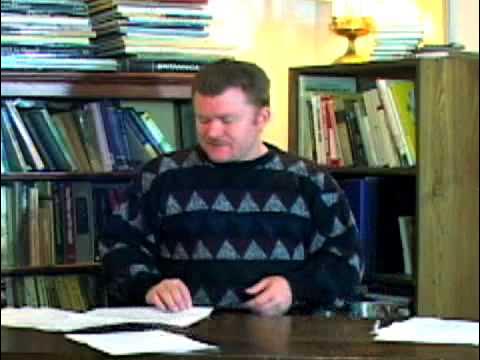
I'm Allowed to Rob You! — Larken Rose

Larken Rose

Rose argues that believing the U.S. Constitution grants Congress the moral right to tax citizens is more irrational than accepting a handwritten note that authorizes personal robbery.

AI-assisted summary of I'm Allowed to Rob You! — original source. Check the original for full context.

Source published:

Key ideas

  • Larken Rose presents a thought experiment in which he drafts handwritten documents and formal charters granting himself permission to rob the viewer, demonstrating that writing words on paper cannot generate a moral right to extort others. (0:00)
  • Rose equates constitutional taxation directly with armed robbery, pointing out that an IRS enforcement apparatus of roughly 100,000 employees rests entirely on the assumption that an 18th-century parchment altered fundamental morality. (2:50)
  • Rose argues that the Constitution's taxation claim is logically more absurd than a petty thief's demand note because it purports to empower unborn politicians to confiscate wealth from unborn citizens into perpetuity. (6:36)

Detailed notes

## Background Published on YouTube by Larken Rose on November 25, 2009, this video asks viewers whether they want to see a piece of paper that gives someone the moral right to rob them. The accompanying description provocatively challenges the audience to question their certainty that such a document does not exist.

## TL;DR Larken Rose begins by presenting an escalating series of handwritten and formal documents that humorously grant himself the moral authority to steal the viewer's property, highlighting the absurdity of writing down permission to commit extortion. He then contrasts his paper with the U.S. Constitution's taxation clauses, arguing that both rely on the irrational assumption that ink on parchment can magically transform forced wealth confiscation into a moral right. Rose further contends that the Constitution is even more absurd than his personal demand, as it purports to allow unborn politicians to confiscate the wealth of unborn citizens in perpetuity without identifying where that right originated. Ultimately, he urges viewers to recognize their conditioning and acknowledge that no legislative ritual or document can legitimize theft.

## Atmosphere & style The video carries a deadpan, satirical tone that swiftly transitions into an uncompromising philosophical confrontation. Rose engages the audience with direct, sharp-witted delivery, using an absurd opening thought experiment to expose deep-seated cognitive dissonance regarding state power. The experience feels provocative, incisive, and intellectually jarring, compelling viewers to reflect critically on assumptions they have taken for granted their entire lives.

## Bulletin - [00:00](https://www.youtube.com/watch?v=ngpsJKQR_ZE&t=0s) Larken Rose presents a thought experiment in which he drafts handwritten documents and formal charters granting himself permission to rob the viewer, demonstrating that writing words on paper cannot generate a moral right to extort others. - [02:50](https://www.youtube.com/watch?v=ngpsJKQR_ZE&t=170s) Rose equates constitutional taxation directly with armed robbery, pointing out that an IRS enforcement apparatus of roughly 100,000 employees rests entirely on the assumption that an 18th-century parchment altered fundamental morality. - [06:36](https://www.youtube.com/watch?v=ngpsJKQR_ZE&t=396s) Rose argues that the Constitution's taxation claim is logically more absurd than a petty thief's demand note because it purports to empower unborn politicians to confiscate wealth from unborn citizens into perpetuity.

## Key takeaways - [00:00](https://www.youtube.com/watch?v=ngpsJKQR_ZE&t=0s) Rose introduces a satirical premise where being strapped for cash leads him to grant himself the moral right to inspect and take the viewer's valuables. - [00:00](https://www.youtube.com/watch?v=ngpsJKQR_ZE&t=0s) Escalating a theft demand from a handwritten note to a multi-signature endorsement and a formal charter does not make extortion legitimate. - [00:00](https://www.youtube.com/watch?v=ngpsJKQR_ZE&t=0s) Any rational observer immediately recognizes that creating documents, holding meetings, and drafting formal texts cannot create a moral right to steal. - [02:50](https://www.youtube.com/watch?v=ngpsJKQR_ZE&t=170s) The constitutional clause authorizing Congress to lay and collect taxes is described as a group of men centuries ago writing down that they had the right to take property by force without consent. - [02:50](https://www.youtube.com/watch?v=ngpsJKQR_ZE&t=170s) Government substitutes polite euphemisms like 'taxation' and enacts legislative rituals to disguise the underlying reality of forcible confiscation. - [02:50](https://www.youtube.com/watch?v=ngpsJKQR_ZE&t=170s) The entire federal tax enforcement machine—including approximately 100,000 IRS personnel, asset seizures, bank levies, and prison sentences—traces its moral authority to a single patch of parchment. - [02:50](https://www.youtube.com/watch?v=ngpsJKQR_ZE&t=170s) Public conditioning leads citizens to celebrate the prosecution and imprisonment of 'tax cheats' who simply desire to keep their own earnings. - [02:50](https://www.youtube.com/watch?v=ngpsJKQR_ZE&t=170s) Believing parchment can transform theft into virtue requires an irrational belief in 'magic ink' that alters universal moral principles. - [06:36](https://www.youtube.com/watch?v=ngpsJKQR_ZE&t=396s) Unlike Rose's personal note, the Constitution fails to explain where delegates acquired the authority to delegate a power of confiscation that no individual citizen possesses. - [06:36](https://www.youtube.com/watch?v=ngpsJKQR_ZE&t=396s) The Constitution presumes to bestow enforcement powers onto politicians who were not even alive when the document was drafted. - [06:36](https://www.youtube.com/watch?v=ngpsJKQR_ZE&t=396s) The document presumes to bind and extract wealth from citizens born hundreds of years later, comparable to authorizing one's great-great-grandchildren to rob someone else's descendants. - [06:36](https://www.youtube.com/watch?v=ngpsJKQR_ZE&t=396s) Rose concludes that while believing Congress holds the moral right to rob the public is widespread, it remains just as mentally irrational as accepting his own demand note.

## Detailed walkthrough ### [00:00](https://www.youtube.com/watch?v=ngpsJKQR_ZE&t=0s) Granting Myself the Moral Right to Rob You

The presentation opens with a cheeky disclaimer warning that the video contains ideas that are "not government approved." Larken Rose introduces himself, explaining that like many people facing tough times, he is fairly strapped for cash. To solve this problem, he explains that having to actually earn money is simply too inconvenient, so he decided to grant himself permission to rob the viewer. He announces that he will stop by the viewer's house around noon the next day to inspect and choose which valuables he wants to take. He emphasizes that this is not merely an extortionate physical threat; rather, by writing down his intent, he claims to have granted himself the actual moral right to take another person's property.

```mermaid flowchart TD accTitle: Escalation of Self-Granted Authority accDescr: Diagram illustrating Larken Rose's progressive attempts to document his right to rob someone. subgraph Progression ["Progression of Fabricated Authority"] A["1. Personal Handwritten Claim<br/>('I grant myself the right')"] --> B["2. Group Endorsement<br/>(Friends sign the document)"] B --> C["3. Formal Official Charter<br/>(Verbose, quasi-legal document)"] end C --> D{"Viewer's Reaction:<br/>Rejection as absurd"} ```

Rose refines the document to make it sound increasingly authoritative, drafting a statement: “I hereby grant to myself the absolute moral right to steal your stuff.” To address any skepticism that an individual cannot unilaterally give themselves permission to steal, Rose brings out documents with escalating levels of formality. First, he shows a version signed by several friends, arguing that multiple people have now signed off on his right to rob the viewer. Next, he displays a very official-looking, verbose, formal charter drawn up in a meeting with his friends. Rose expects the viewer, as a fine, upstanding citizen, to have their valuables neatly laid out by noon. When the audience inevitably reacts with disbelief, Rose confronts the absurdity, noting that anyone looking at his documents immediately recognizes that writing words on a page cannot legitimize extortion or create moral rights.

[02:50](https://www.youtube.com/watch?v=ngpsJKQR_ZE&t=170s) The U.S. Constitution and the "Magic Ink" of Taxation

Rose shifts the demonstration by holding up a copy of the United States Constitution. He points to the clause stating that Congress shall have the power to lay and collect taxes, bluntly translating this legal text into plain English: a group of men gathered hundreds of years ago and wrote down on a piece of paper that they possessed the right to rob the public. While they substituted the word "taxation" because it sounds more polite, the underlying reality remains identical: taking someone’s property by force without their consent. Rose notes that they drafted extensive procedural rituals specifying how the robbers would be selected, what legislative formalities must precede the taking, and which varieties of confiscation were permissible.

Rose challenges the viewer's cognitive dissonance, asking why they immediately scoff at his handwritten document yet accept the Constitution as sacred truth. As Larken Rose observes:

> “If you're like 99.9999% of the population, you have accepted as unquestionable gospel the notion that this piece of paper gave to some mere mortal human beings the moral right to forcibly confiscate wealth from other people and call it taxation.”

Rose points out that the entire federal tax apparatus—including the IRS with its roughly 100,000 employees, hundreds of regional offices, asset seizures, bank levies, prosecutions, and prison sentences, spanning income, estate, employment, and excise taxes—traces its moral and legal authority entirely back to this single patch of parchment. He highlights the public's moral conditioning, pointing out that citizens routinely cheer when "tax cheats"—people who simply try to keep their own property—are raided and imprisoned, all based on the supernatural assumption that ink scribbled on parchment centuries ago possessed the power to fundamentally alter morality and transform theft into virtue.

- **Constitutional taxation power:** Interpreted as taking property by force without consent under an alternative name. - **Scale of enforcement:** Hundreds of IRS branch offices and 100,000 personnel enforcing tax claims. - **Tax categories impacted:** Income, estate, employment, and excise taxes all derive from the same parchment clause.

[06:36](https://www.youtube.com/watch?v=ngpsJKQR_ZE&t=396s) Why Constitutional Authority Is More Absurd Than Rose's Claim

Rose reflects that anyone with common sense instantly recognizes that no piece of paper, no vote, no legislative ritual, and no group signature can grant someone the moral right to rob or murder another person. Yet, despite being indoctrinated through schooling to accept the state's parchment as legitimate authority, Rose argues that believing the Constitution grants Congress the right to tax is far more irrational than accepting his own handwritten demand note.

```mermaid flowchart LR accTitle: Comparison of Robbery Claims accDescr: Contrast between Larken Rose's personal claim of robbery and the Constitution's claim of taxation power. subgraph Rose ["Rose's Document"] R1["Names a specific source<br/>(Self & friends)"] R2["Living author/agent<br/>(Rose himself)"] R3["Living target<br/>(The current viewer)"] end subgraph Const ["The U.S. Constitution"] C1["Specifies no origin<br/>('Congress shall have power')"] C2["Empowers unborn agents<br/>(Officials 200+ years later)"] C3["Binds unborn targets<br/>(Citizens into perpetuity)"] end ```

Rose breaks down three specific reasons why the Constitution's claim is objectively more absurd: 1. **Source of the power:** Rose’s document openly states its source (he and his friends granted it), whereas the Constitution simply declares that Congress has the power to tax without explaining where those delegates obtained the moral right to grant a power that no individual citizen possesses. 2. **Identification of the perpetrator:** Rose’s document identifies an actual living person (himself) claiming the power, whereas the Constitution purports to grant power to politicians who were not even born when the document was drafted, extending forward centuries later. 3. **Identification of the victim:** Rose’s document targets a living, contemporary person, whereas the Constitution presumes to bind and rob individuals born hundreds of years into the future with no expiration date.

Rose likens this perpetual claim to writing a document stating that his own great-great-grandchildren have the moral right to rob the viewer's great-great-grandchildren into perpetuity. Rose summarizes his ultimate conclusion bluntly:

> “If you believe that this piece of paper gave me the moral right to rob you, you're out of your mind. If you believe that this piece of paper gave to Congress the moral right to rob you, you're certainly not alone. But you're still out of your mind.”

He closes with a call for viewers to wake up, use their critical faculties, and reconsider the unexamined beliefs they were taught all their lives.

## Mentioned Larken Rose, United States Constitution, United States Congress, Internal Revenue Service

## Video description Want to see a piece of paper that gives me the RIGHT to rob you? You don't believe there is such a thing? Are you SURE you don't believe it?

[Source](https://www.youtube.com/watch?v=ngpsJKQR_ZE)

中文简报

拉肯·罗斯驳斥宪法征税权,指其为形式化的盗窃 罗斯认为,相信美国宪法赋予国会向公民征税的道德权利,比接受一张授权个人抢劫的手写纸条更加荒谬。 拉肯·罗斯首先展示了一系列手写及正式文件,以诙谐的方式赋予自己偷窃观众财产的道德权威,以此凸显用白纸黑字写下敲诈许可的荒谬性。随后,他将自己的纸条与美国宪法中的征税条款进行对比,认为两者都依赖于一种非理性的假设,即羊皮纸上的墨水能够不可思议地将强行没收财富转化为一项道德权利。罗斯进一步主张,宪法甚至比他的个人要求更荒谬,因为宪法声称允许未出生的政客永久没收未出生公民的财富,却从未说明这种权利究竟源自何处。最终,他敦促观众认清自己所受的思想灌输,并承认任何立法仪式或文件都无法使盗窃合法化。 拉肯·罗斯提出了一个思想实验,他在实验中起草了手写文件和正式宪章,允许自己抢劫观众,以此证明在纸上写字根本无法产生敲诈他人的道德权利。 (0:00) 罗斯将宪法规定的征税直接等同于持械抢劫,并指出拥有大约10万名雇员的美国国税局执法机构,完全建立在“一份18世纪的羊皮纸改变了基本道德”这一假设之上。 (2:50) 罗斯认为,宪法关于征税的主张在逻辑上比小偷的索要字条更荒谬,因为宪法声称赋予了未出生的政客向未出生的公民永久没收财富的权力。 (6:36)

Reading summary

Political commentator Larken Rose argues that taxation is morally indistinguishable from robbery, asserting that the belief that the U.S. Constitution legitimizes the forcible taking of property relies on an irrational faith in written documents. Fabricating Moral Authority on Paper (0:00) Rose illustrates the absurdity of self-granted authority by presenting a hypothetical scenario in which he decides to rob the viewer because earning money is inconvenient. To justify his actions, he creates an escalating series of documents, beginning with a personal handwritten statement granting himself the moral right to take the viewer's property, progressing to a document signed by friends, and culminating in a formal, verbose charter. Rose contends that viewers instinctively recognize that drafting words on paper, gathering signatures, or adopting legalistic terminology cannot grant an individual the moral right to commit extortion. Taxation as Institutionalized Robbery (2:50) Applying this logic to the U.S. Constitution, Rose argues that the constitutional clause authorizing Congress to collect taxes merely substitutes the polite term 'taxation' for non-consensual taking by force. He notes that the public widely rejects personal robbery notes yet treats the Constitution as unquestionable gospel, despite the fact that an entire federal enforcement apparatus—spanning the IRS's roughly 100,000 employees, hundreds of branch offices, asset seizures, bank levies, and prosecutions—traces its authority entirely back to that single text. The Logical Contradictions of Constitutional Authority (6:36) Rose maintains that accepting the Constitution's taxation power is logically more absurd than accepting his personal robbery claim. He outlines three comparative defects: first, his note explicitly identifies its source, whereas the Constitution never explains where delegates acquired a moral right that no individual possesses. Second, his claim involves a living person, while the Constitution purports to empower politicians unborn at its drafting. Third, Rose's demand specifies a living target, whereas the Constitution presumes to bind individuals hundreds of years into the future without an expiration date, functioning like an agreement granting one person's descendants the right to rob another's into perpetuity. Rose concludes that while those who reject a personal claim of theft but accept constitutional taxation represent the vast majority of the population, their belief remains fundamentally irrational. He urges individuals to apply consistent critical thinking to the unexamined political doctrines they have been conditioned to accept.

精炼阅读摘要

拉肯·罗斯(Larken Rose)指出,美国宪法赋予国会的征税权本质上与个人自行签署文件赋予自己抢劫权毫无二致,社会大众将前者视为合法道德权威完全是出于盲目顺从与道德驯化。 虚构纸面授权无法确立抢劫的道德合法性 (0:00) 罗斯以一种极具讽刺意味的思想实验展开论述:他声称由于自己缺钱且不想靠实际工作赚钱,便单方面拟定了一份书面声明,正式赋予自己抢劫观众财物的道德权利,并通知对方在次日正午备好财物以供挑选。为了测试权威感的递进效果,他先后展示了由多位朋友联名签署的文件,以及一份在友人会议中起草的冗长且形式正规的特许状,以此主张集体背书赋予了他合法的剥夺权。罗斯指出,任何具有基本常识的观众在面对这些文件时都会本能地斥之为荒谬,因为理性人显然明白,在纸上书写文字、罗列条文或召集同伙签名,无论措辞多么严谨正式,都绝不可能凭空创造出夺取他人财产的道德正当性,更无法将勒索与抢劫合理化。 宪法征税权与强制征收机构的道德荒谬性 (2:50) 随后,罗斯将批判焦点转向美国宪法,明确指出宪法中关于国会有权规定并征收税款的条款,其实质不过是数百年前的一群人聚集在一起,于羊皮纸上写下他们拥有抢劫公众的权利。他认为,官方虽然采用“税收”(taxation)这一更为温和礼貌的措辞,但其未经他人同意而通过武力强行剥夺财产的运作机制与抢劫完全相同,所附带的各种立法手续与官员遴选程序仅仅是掩盖强制本质的仪式。罗斯强调,当今整个联邦税收执行体系——涵盖针对所得税、遗产税、雇佣税与消费税的强制执行,以及由国税局(IRS)约100,000名雇员、数百个分支机构、资产冻结、银行查封、起诉乃至监禁构成的庞大网络——其所谓的合法性全部建立在几个世纪前的一纸文书之上。公众甚至被规训到为搜捕和监禁维护自身财产的“抗税者”而喝彩,深信墨水与羊皮纸具有逆转道德是非的魔力。 宪法赋权机制在法理与逻辑上的深层矛盾 (6:36) 罗斯进一步展开严密的逻辑对比,论证宪法主张的合法性比个人起草抢劫授权更为荒谬。其核心矛盾体现在三个不可调和的维度:首先是权力来源不明,个人的抢劫凭条至少明确表明权力源于自己和同伴的单方赋予,而宪法断言国会享有征税权,却从未解释制定者自身根本不具备强制剥夺他人的道德权利,又是如何凭空将此种权利授予国会的;其次是行使主体的虚无性,个人凭条由当下的在世行为人直接主张并承担责任,而宪法却宣称能跨越数百年,将强行剥夺财产的特权授予当时尚未出生的未来政客;最后是受害对象的不对称性,个人索求仅针对当下的具体受害者,而宪法却试图建立一种无期限的永久拘束力,直接剥夺数百年后出生的无辜后代。罗斯将此比作某人签署文件宣称自己的玄孙有权永久掠夺受害者的玄孙,直斥这种永恒延续的制度化强权在逻辑与道德上均站不住脚。 罗斯总结强调,无论是一纸羊皮纸、多数投票还是立法程序,都不可能赋予任何人抢劫他人的道德正当性;他呼吁公众摆脱长期接受的制度灌输,运用独立批判性思维重新审视支撑国家税收与强权体系的核心假设。

Detailed notes — zh

## Background 该视频由拉肯·罗斯(Larken Rose)于 2009 年 11 月 25 日发布在 YouTube 平台上。页面简介以极具挑衅性的反问开篇,询问观众是否想看看一张赋予他抢劫权利的纸,并质疑人们是否真能坚信这种荒谬的授权凭证并不存在。 ## TL;DR 拉肯·罗斯在视频中首先拿出自己手写或打印的“抢劫授权书”,一本正经地声称自己拥有洗劫观众财产的道德权利,随后将这种荒唐举动直接与《美国宪法》中的征税条款挂钩。他指出,国家和大众将两百年前羊皮纸上写下的“国会有权征税”奉为神明,实际上只是将未经同意、依靠武力剥夺他人财富的抢劫行径冠以体面的称谓。罗斯通过对比自制纸条与宪法条文,严厉剖析了立纸赋权在道德逻辑上的不可能,揭露了宪法在权利来源、跨代授权及永续抢劫上的极端荒谬性,最终呼吁观众挣脱终身被灌输的盲从思想。 ## Atmosphere & style 视频开篇带着一种讽刺、荒诞且近乎戏谑的挑衅感,演讲者以极其冷静乃至理所当然的口吻陈述着极其离谱的抢劫要求,令观众在哑然失笑的同时感受到强烈的思想冲击。随着他掏出《美国宪法》副本,语调迅速转为犀利、激昂且不留情面的逻辑解剖,彻底撕下政治修辞的伪装。整场演说如同一记响亮的当头棒喝,观看过程既像是在目睹一场荒谬短剧,又像是在直面一场摧毁既定道德常识的沉重哲学诘问。 ## Bulletin - [00:00](https://www.youtube.com/watch?v=ngpsJKQR_ZE&t=0s) 拉肯·罗斯通过自制“抢劫授权书”的思想实验,揭露了通过纸质文件凭空确立道德特权的荒谬逻辑。 - [02:50](https://www.youtube.com/watch?v=ngpsJKQR_ZE&t=170s) 视频直指税收的本质即是未经同意强行夺取财产,与抢劫在底层逻辑上毫无区别,《美国宪法》不过是将强取行为包装为“税收”。 - [06:36](https://www.youtube.com/watch?v=ngpsJKQR_ZE&t=396s) 罗斯深入剖析了宪法赋权的逻辑漏洞:相比于自制纸条,宪法既未交代权力来源,又荒谬地将抢劫许可与受害关系跨时空延续给数百年后尚未出生的人。 ## Key takeaways - [00:00](https://www.youtube.com/watch?v=ngpsJKQR_ZE&t=0s) 罗斯以手写纸条宣布自己拥有抢劫观众的“道德权利”,以此建立反讽情境。 - [00:45](https://www.youtube.com/watch?v=ngpsJKQR_ZE&t=45s) 拉拢朋友联合签名或通过正式会议炮制冗长文件,均无法改变强夺他人财物的非正义本质。 - [02:50](https://www.youtube.com/watch?v=ngpsJKQR_ZE&t=170s) 《美国宪法》中关于“国会有权规定并征收税捐”的条款,在本质上等同于一群人写下一张“我们有权抢劫你”的纸条。 - [03:15](https://www.youtube.com/watch?v=ngpsJKQR_ZE&t=195s) “税收”是政府对强制剥夺财产行为的修辞包装,其核心仍是在必要时诉诸武力的非自愿掠夺。 - [03:55](https://www.youtube.com/watch?v=ngpsJKQR_ZE&t=235s) 社会大众对自制抢劫纸条报以嘲弄,却对两百年前写在羊皮纸上的同类文本奉若神明,形成了根深蒂固的双重标准。 - [04:35](https://www.youtube.com/watch?v=ngpsJKQR_ZE&t=275s) 国税局(IRS)的十万名员工、庞大办公体系以及查封账户与监禁公民的权力,全部建立在两百多年前羊皮纸上的几笔墨水之上。 - [05:30](https://www.youtube.com/watch?v=ngpsJKQR_ZE&t=330s) 大众在社会灌输下不仅接受了这一特权,甚至站在道德高地上鄙视并欢呼惩罚那些反抗财产掠夺的人。 - [06:36](https://www.youtube.com/watch?v=ngpsJKQR_ZE&t=396s) 没有任何仪式、文件、签名或立法程序能够凭空创造出伤害或抢劫他人的道德权利。 - [07:30](https://www.youtube.com/watch?v=ngpsJKQR_ZE&t=450s) 宪法条款在逻辑上从未解释剥夺他人财产的特权最初究竟源自何处,属于无根之权。 - [08:05](https://www.youtube.com/watch?v=ngpsJKQR_ZE&t=485s) 宪法试图将强征财富的特权预先授予起草时尚未出生的后代,使现代议员得以继承这种权力。 - [08:35](https://www.youtube.com/watch?v=ngpsJKQR_ZE&t=515s) 宪法荒唐地假定两百年前的人可以合法签发抢劫数百年后尚未出生者的永久许可证,且没有任何失效期限。 - [09:20](https://www.youtube.com/watch?v=ngpsJKQR_ZE&t=560s) 如果相信宪法赋予了国会抢劫的道德权利,其荒谬程度与相信私人纸条赋予个人抢劫权利完全一致。 ## Detailed walkthrough ### [00:00](https://www.youtube.com/watch?v=ngpsJKQR_ZE&t=0s) 荒诞的抢劫许可与自制文件 视频以一行警示语开篇:“警告:本视频包含未经政府批准的思想。”随后,拉肯·罗斯(Larken Rose)直奔主题。他开玩笑地表示,和如今许多人一样,自己最近手头有点紧,但他想出了一个“绝妙的解决办法”——直接抢劫观众。罗斯以讽刺而随意的口吻说道:“赚钱实在太麻烦了,所以我刚刚授权自己去抢劫你。”他通知观众,自己明天中午左右会去对方家里,挑挑看中哪些东西。为了证明这不是单纯的威胁,他展示了一张写有字迹的纸,声称通过把这行字写下来,自己便拥有了抢劫的“道德权利”。他甚至一板一眼地念出纸上的措辞:“我特此授予我自己绝对的道德权利来偷窃你的东西。” 罗斯进一步加码这一荒谬情境。如果观众怀疑单凭个人无法自我赋权,他便拿出一份有朋友联合签名的版本,声称现在不再只是他一个人,而是“许多人”赋予了他抢劫的权利。接着,他又拿出一份看似极其正规、措辞冗长的打印文件,称这是他和朋友们举行了一场正式会议后炮制出来的“官方文件”。他满不在乎地告诉观众,文件细节想读就读,核心结论只有一个:现在他被合法且合乎道德地允许抢劫了。他理所当然地要求观众明天中午前把贵重物品全部摆好,以便他挑选,并质问观众为何露出难以置信的表情。 罗斯在面对观众预期的质疑时反问道:“你当然不会质疑这份文件的合法性,你当然不会依然声称我没有权利抢劫你。我有,看,上面写得清清楚楚。” ### [02:50](https://www.youtube.com/watch?v=ngpsJKQR_ZE&t=170s) 宪法授权、税收本质与民众的盲从 当观众对自制授权书的效力嗤之以鼻时,罗斯拿出了真正的对比物——一份《美国宪法》(United States Constitution)的副本。他指出,宪法中明文规定“国会有权规定并征收税捐”(The Congress shall have power to lay and collect taxes)。在罗斯看来,这在本质上毫无二致:“换句话说,很久以前,一群人聚在一起,在一张纸上写下了:‘我们有权抢劫你。’”他们为了让听上去更体面,不用“抢劫”这个词,而是发明了“税收”这一称谓。然而剥离修辞后,其核心就是未经当事人同意、在必要时通过武力强行夺取财产。宪法里虽然充斥着各种关于如何选拔劫掠者、抢劫前必须走完的立法仪式以及允许实施何种抢劫的细则,但其底层逻辑从未改变。 罗斯对比了人们在面对这两种文件时的截然反应:当他在纸上写下抢劫许可时,观众投来的是怀疑与嘲弄的目光;但当两百年前的一群人在羊皮纸上写下同样的话时,整个社会却奉若神明。罗斯强调,如果观众像全美 99.999% 的普通人一样,就会把这几行字当成毋庸置疑的信条,认定这张纸赋予了某些肉体凡胎的人以道德特权,可以强行没收他人财富。 整个庞大的国家机器——拥有全美数百个办事处、10 万名员工的美国国税局(IRS)、无数被冻结清空的银行账户、被查封没收的房产,以及所有被起诉关进监狱的人——全都源自这张羊皮纸上的几笔墨水。罗斯感叹,大众不仅盲目接受了这种被施加了“强力魔法墨水”的特权,甚至会站在道德制高点上鄙视那些反抗抢劫的所谓“偷税漏税者”(tax cheats),将他们视作卑劣罪犯,并在这些人的账户被清空、房屋被没收、人被关进监狱时拍手称快。 罗斯针对这种根深蒂固的双重标准指出:“如果像 99.999% 的人口一样,你已经把‘这张纸赋予了某些凡人以合法道德权利去强行没收他人财富并称之为税收’这一观念,当成了毋庸置疑的信条。” ### [06:36](https://www.youtube.com/watch?v=ngpsJKQR_ZE&t=396s) 道德荒谬性剖析:宪法与私人纸条的致命对比 罗斯严密地拆解了“立纸赋权”在逻辑上的不可能。他直言,无论是用记号笔手写、用电脑打印,还是拉来一群人签字,没有任何仪式、文件或立法能够凭空创造出伤害或抢劫他人的道德权利,这就像没有任何文件能赋予一个人谋杀他人的权利一样。然而,学校和主流社会却成功灌输给大众一种荒谬观念:两百多年前羊皮纸上的几行字,确实创造了抢劫数百万人的道德权利。 在罗斯看来,相信宪法能赋予征税权,比相信他手中的自制纸条更加荒诞绝顶。他列举了三个决定性的结构性荒谬之处: ```mermaid flowchart TD accTitle: 自制抢劫纸条与宪法征税条款的荒谬性对比 accDescr: 对比拉肯·罗斯自制的抢劫授权书与美国宪法征税条款在权利来源、行为主体及受害者界定上的差异 subgraph PaperComparison ["荒诞授权逻辑对比"] direction TB subgraph MyPaper ["罗斯的自制纸条"] A1["明确列出权利来源<br/>(声称‘因为我说行’或‘我朋友说行’)"] B1["明确指出行使特权的具体活人<br/>(拉肯·罗斯本人)"] C1["明确指出具体的现实受害人<br/>(当下的受众/个人)"] end subgraph Constitution ["美国宪法条款"] A2["完全没有交代权利从何而来<br/>(凭空宣告‘国会有权’)"] B2["将特权预先赋予未来数百年<br/>根本尚未出生的人"] C2["预先假定抢劫未来两百年乃至<br/>永恒世代尚未出生的人"] end end MyPaper -.->|"逻辑对比:宪法反而更加脱离常理"| Constitution ``` - **权利来源缺失**:罗斯的纸条至少还胡诌了一个来源(“因为我自己或我的朋友同意”);而宪法干脆宣称国会有权征税,却根本未说明这种剥夺他人财产的特权最初究竟是从何处获得的。 - **特权主体跨越时空**:罗斯的纸条赋予的是一个活生生、能呼吸的人(他自己);而宪法却把特权授予了起草时尚未出生的后代,甚至授予了两百年后才出生的现代议员。 - **受害者跨越时空且无期限限制**:罗斯的纸条针对的是眼前具体的活人;宪法则荒唐地假定两百年前的人可以签发一张允许抢劫两百年后尚未出生之人的永久许可证。这相当于写下一张“我的曾曾孙有权抢劫你的曾曾孙”的欠条,而且宪法没有任何失效期限,声称这种强征财富的特权将一直延续到时间尽头。 在视频的尾声,罗斯发出了直截了当的当头棒喝:“如果你相信这张纸赋予了我抢劫你的道德权利,你就是疯了;如果你相信这张纸赋予了国会抢劫你的道德权利,你当然不是一个人在犯傻,但你依然是疯了。”他呼吁观众找回自己的理智,开始重新审视并推翻那些被灌输了一辈子的彻头彻尾的胡说八道。 ## Mentioned 拉肯·罗斯, 《美国宪法》, 美国国会, 美国国税局 ## Video description Want to see a piece of paper that gives me the RIGHT to rob you? You don't believe there is such a thing? Are you SURE you don't believe it? [Source](https://www.youtube.com/watch?v=ngpsJKQR_ZE)

Original transcript

[0:00] Warning, this video contains ideas which [0:02] are not government approved. [0:08] Hello, my name is Lurin Rose and uh like [0:11] a lot of people these days, I'm fairly [0:14] strapped for cash, but I think I've come [0:16] up with a [0:20] solution. I'm allowed to rob you. Having [0:25] to earn money is just too inconvenient. [0:28] So, I just gave myself permission to rob [0:31] you. So, I'll be by your house around, [0:34] let's say, noon tomorrow to uh see which [0:37] of your stuff I want to take. Now, this [0:40] isn't just a threat. I'm not just saying [0:42] I'm going to rob you. I by writing this [0:46] down gave myself the moral right to rob [0:49] you. So, maybe maybe I should have done [0:51] it like [0:52] this. I hereby grant to [0:55] myself the absolute moral right to steal [0:59] your [0:59] stuff. So, since I just gave myself the [1:02] moral right to take your stuff, um I'm [1:05] sure when I show up you'll give me a [1:08] warm welcome. And uh in case you think I [1:12] can't give to myself the right to rob [1:15] you, uh some friends of mine helped me [1:19] out with this one. They they signed this [1:21] one. So, it isn't just me now. A lot of [1:23] people have given me the right to rob [1:25] you. Uh, and in case you weren't [1:28] impressed with these sort of simple [1:30] printouts, uh, my friends and I had a a [1:33] very formal meeting and and put together [1:36] this somewhat verbose but very official [1:39] looking document. You can read all the [1:42] details if you really want, but the long [1:44] and short of it is now I'm allowed to [1:46] rob you. So, this document makes it all [1:49] legit. Um, I now have moral permission [1:53] to rob you. And since I'm sure you're a [1:54] fine upstanding citizen, I'm sure you're [1:56] going to uh cooperate when I show up [1:59] tomorrow. So, if you can have your uh [2:01] valuables all laid out uh by noon [2:04] tomorrow so I could see which which of [2:06] your stuff I want to take, that would be [2:08] good. And then we [2:11] can What? Why are you giving me that [2:14] look? Yeah. Surely you don't doubt that [2:18] this gives me the right to rob me. [2:21] Surely you're not questioning the [2:23] legitimacy of this document. Surely you [2:27] wouldn't still claim that I don't have [2:28] the right to rob you. I do. See, it says [2:30] so right [2:32] there. What? You don't think this is [2:34] good enough? You don't think that this [2:37] is binding on you? You don't think that [2:39] this gives me the right to rob [2:42] you? Let me show you something. [2:50] This is a copy of the United States [2:53] Constitution. And what it says, among [2:55] other things, is that the Congress shall [2:57] have power to lay and collect [3:00] taxes. In other words, a long time ago, [3:03] a bunch of guys got together and wrote [3:06] down on a piece of paper, we have the [3:08] right to rob you. Now, they didn't call [3:10] it robbery. They called it taxation [3:12] because it sounds nicer. But it's [3:15] essentially the same thing. We have the [3:17] right to take your property from you by [3:19] force if necessary without your [3:22] consent. Now, they also wrote a whole [3:24] lot of rules about how the robbers would [3:28] be appointed and the legislative rituals [3:30] which would have to preede the robbery [3:33] and the different kinds of robbery [3:34] they'd be allowed to do. But in essence, [3:37] what this piece of the constitution says [3:38] is we have the right to rob you. And did [3:42] you believe [3:44] them? When I did it, when I wrote down [3:47] on paper that I had the right to rob [3:48] you, you gave me a funny [3:50] look. When they did it, did you believe [3:54] them? Did you accept that this gave them [3:57] moral permission to take your property [4:00] without your consent? I bet you did. [4:04] If you're like [4:06] 99.9999% of the population, you have [4:09] accepted as unquestionable gospel the [4:13] notion that this piece of paper gave to [4:15] some mere mortal human beings the moral [4:19] right to forcibly confiscate wealth from [4:23] other people and call it [4:25] taxation. In fact, if you're like [4:28] 99.999% of the population, you've never [4:31] even thought about this until right now. [4:34] the IRS. It's hundreds of offices across [4:37] the country. It's 100,000 [4:40] employees. All the properties they've [4:42] seized, all the bank accounts they've [4:44] wiped out, all the people they've [4:46] prosecuted and thrown in prison. All [4:48] federal taxes, income, estate, uh [4:51] employment, excises, all of them, all [4:54] federal tax collection stems from this [4:58] scribble of ink on a piece of parchment. [5:01] This is supposedly the source of the [5:04] authority for every bit of that. These [5:07] few words scrolled on a piece of [5:09] parchment a couple hundred years [5:12] ago. By writing this, they claim to [5:15] bestow upon those people calling [5:16] themselves Congress a right that you [5:19] don't have and I don't have. The right [5:21] to take money by force if necessary from [5:24] other people. And I bet that up till now [5:28] you have accepted that as unquestionably [5:32] legitimate. You accepted the notion that [5:35] this little bit of ink on a piece of [5:37] parchment written hundreds of years ago [5:40] actually gave moral permission for [5:42] certain people to rob millions of other [5:45] people. And I bet you look down on any [5:48] who don't believe it. that people who [5:50] are called tax cheats because they try [5:52] to not get robbed even though this piece [5:55] of parchment says that somebody is [5:57] allowed to rob them. I bet you think [5:59] they're despicable criminals. I bet you [6:02] cheer when those people have their bank [6:03] accounts wiped out and their houses [6:05] seized and get thrown in jail because [6:07] you really believe that this little bit [6:09] of ink on a piece of parchment from a [6:11] couple hundred years ago gave the moral [6:14] right for some people to steal from [6:17] other [6:18] people. Wow. Now, they must have had [6:20] some powerful magic ink that by writing [6:24] down on a piece of paper, we have the [6:26] right to rob you, they actually altered [6:29] morality. They made stealing into a good [6:32] thing in certain situations. [6:36] Now, I'm betting that you immediately [6:39] realized when I showed you this piece of [6:41] paper that it was bogus, that it was [6:43] silly for me to claim that a piece of [6:46] paper could give me the right to rob [6:49] you. And it doesn't matter if it was [6:52] done in magic marker. It doesn't matter [6:54] if I printed it out. It doesn't matter [6:56] if I did it myself or had other people [6:58] sign it. Nothing. No ritual, no [7:02] document, no [7:04] legislation that I could do, that any [7:06] number of people could do could give to [7:08] me the right to rob you any more than [7:11] they could give me the right to murder [7:13] you. But that's not what you were taught [7:16] in school. [7:18] You and most of your friends and most of [7:20] your neighbors were all taught and all [7:22] believed that this scribble on a piece [7:25] of parchment gave the moral right to [7:28] certain people to rob millions of other [7:32] people. Well, that belief, as widely [7:35] held as it is, is more absurd by several [7:39] degrees than believing that I could give [7:42] myself the right to rob you with this [7:44] piece of paper. [7:47] For [7:48] starters, at least my piece of paper [7:50] claims a source for this alleged right [7:54] to steal. I have the right to rob you [7:56] because I said so or because my friend [7:58] said so. The Constitution doesn't even [8:00] do that. It says Congress shall have [8:03] power to lay and collect taxes. Doesn't [8:04] say where they got it. [8:08] Second, my scribble on a piece of paper [8:12] identifies a living, breathing person to [8:15] whom this right to steal is supposedly [8:18] being given. [8:20] Me. The [8:22] Constitution claims to grant this power [8:24] to people who weren't even born when the [8:27] document was written, who weren't born [8:29] for 200 years after the document was [8:31] written. Likewise, while my scribble on [8:34] a piece of paper identifies a living, [8:36] breathing victim, you, the Constitution [8:40] pretends to give the right to rob people [8:42] who wouldn't be born until 200 years [8:45] after the Constitution was written. [8:48] That's like me [8:50] writing, "My great great grandchildren [8:53] shall have the right to rob your great [8:55] great grandchildren." [8:57] In fact, it's worse than that because [9:00] there are no time limits in the [9:02] Constitution. In short, what this [9:05] scribble of ink on parchment alleges is [9:08] that the people calling themselves [9:09] Congress will until the end of time have [9:13] the moral right to forcibly confiscate [9:15] wealth from people without their [9:19] consent. Let me put this as bluntly as I [9:21] can. [9:23] If you believe that this piece of paper [9:25] gave me the moral right to rob you, [9:27] you're out of your [9:29] mind. If you believe that this piece of [9:31] paper gave to Congress the moral right [9:34] to rob you, you're certainly not alone. [9:37] But you're still out of your [9:40] mind. It's time to get back in your mind [9:43] and start rethinking some of the [9:44] absolute bunk that you've been taught [9:46] all your life. [9:52] [Music]