Paul Graham Says Operating Like Nonprofits Gives Startups Market Edge
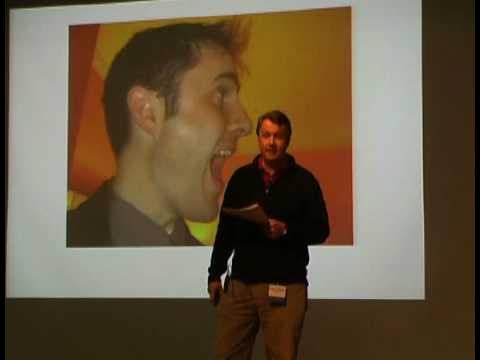
Paul Graham at Startup School 08 — startupschool

startupschool

Startups that prioritize user benevolence over early monetization survive high-mortality downturns and secure decisive long-term pricing power against entrenched incumbents.

AI-assisted summary of Paul Graham at Startup School 08 — original source. Check the original for full context.

Source published:

Key ideas

  • Combining Y Combinator's core tenets—make something people want and defer monetization—reveals that the most successful early-stage startups functionally operate like benevolent nonprofits. (0:02)
  • Benevolence acts as a competitive moat and moral compass, protecting founder morale, attracting world-class engineering talent, and establishing a 'weather gauge' advantage over revenue. (2:04)
  • Launching quickly triggers a 'Tamagotchi effect' where real, daily dependent users motivate founders to persist through severe emotional downturns and near-death experiences. (10:44)
  • Operating purely in the interest of users provides a 'stateless' decision heuristic that dramatically reduces cognitive overhead and prevents unscalable corporate exceptions. (17:27)

Detailed notes

## Background Published on YouTube by the startupschool channel on January 30, 2009, this video captures Y Combinator co-founder Paul Graham speaking at the Startup School 08 conference. According to the video description, the talk provides foundational advice from Graham on how to create a successful startup.

## TL;DR Paul Graham argues that combining Y Combinator's core advice—making something people want while deferring monetization—reveals that the most resilient startups initially operate like benevolent nonprofits. Drawing on examples such as Craigslist, early Google, and Octopart, he demonstrates that acting purely in the interest of users protects founder morale through the 'Tamagotchi effect,' attracts top engineering talent, and provides a clear, stateless heuristic for decision-making. Urging founders to surpass 'Don't be evil' by actively striving to be good, Graham frames benevolence not as moral righteousness, but as an indispensable competitive strategy. During the closing Q&A, he discusses the risks of dropping out of college prematurely, how to locate startup ideas by observing broken problems, and why commercial execution remains a prerequisite for achieving social good.

## Atmosphere & style The presentation carries an unpolished, intimate, and refreshingly candid vibe, opening with Graham dryly recounting how he had to reconstruct his presentation on the podium due to unreleased presentation software malfunctioning. He delivers his insights with self-deprecating humor and pragmatic intellectual clarity, disarming audience cynicism by admitting he is no saint and merely speaks good as a second language. The session feels like an unfiltered fireside chat within early Silicon Valley culture, oscillating smoothly between high-level philosophical thought experiments and frank, spontaneous audience sparring over university degrees and venture capital realities.

## Bulletin - [00:02](https://www.youtube.com/watch?v=q7K0vRUKXKc&t=2s) Combining Y Combinator's core tenets—make something people want and defer monetization—reveals that the most successful early-stage startups functionally operate like benevolent nonprofits. - [02:04](https://www.youtube.com/watch?v=q7K0vRUKXKc&t=124s) Benevolence acts as a competitive moat and moral compass, protecting founder morale, attracting world-class engineering talent, and establishing a 'weather gauge' advantage over revenue. - [10:44](https://www.youtube.com/watch?v=q7K0vRUKXKc&t=644s) Launching quickly triggers a 'Tamagotchi effect' where real, daily dependent users motivate founders to persist through severe emotional downturns and near-death experiences. - [17:27](https://www.youtube.com/watch?v=q7K0vRUKXKc&t=1047s) Operating purely in the interest of users provides a 'stateless' decision heuristic that dramatically reduces cognitive overhead and prevents unscalable corporate exceptions.

## Key takeaways - [00:02](https://www.youtube.com/watch?v=q7K0vRUKXKc&t=2s) Y Combinator's core advice to build what people want without immediate monetization paradoxically mirrors the operational blueprint of a nonprofit organization. - [02:04](https://www.youtube.com/watch?v=q7K0vRUKXKc&t=124s) Securing the 'weather gauge' of revenue means building massive user goodwill upfront so that monetization can be engaged at will rather than forced via aggressive sales. - [02:04](https://www.youtube.com/watch?v=q7K0vRUKXKc&t=124s) Google operated for its entire first year with zero advertisements, functioning essentially as a benevolent web index before monetizing. - [02:04](https://www.youtube.com/watch?v=q7K0vRUKXKc&t=124s) Startups and benevolent public projects naturally converge at scale, as seen when open-source initiatives require corporate structure to survive. - [08:39](https://www.youtube.com/watch?v=q7K0vRUKXKc&t=519s) Young startups must rely on goodwill and charm because they lack the market leverage to bully customers the way large incumbents do. - [08:39](https://www.youtube.com/watch?v=q7K0vRUKXKc&t=519s) Paul Buchheit's motto 'Don't be evil' functions as an elixir of corporate youth that protects companies from organizational lethargy and hostility. - [08:39](https://www.youtube.com/watch?v=q7K0vRUKXKc&t=519s) Founder morale is the single most critical survival variable; emotional despair paralyzes founders and becomes a self-fulfilling prophecy. - [10:44](https://www.youtube.com/watch?v=q7K0vRUKXKc&t=644s) The 'Tamagotchi effect' occurs when an early launch introduces live users whose reliance keeps founders working through catastrophic downturns. - [12:42](https://www.youtube.com/watch?v=q7K0vRUKXKc&t=762s) Indifference to outside capital makes startups hard to kill and paradoxically increases their appeal to venture capitalists. - [14:41](https://www.youtube.com/watch?v=q7K0vRUKXKc&t=881s) Idealistic missions act as talent magnets because elite software engineers have their choice of employers and prefer projects that improve the world. - [17:27](https://www.youtube.com/watch?v=q7K0vRUKXKc&t=1047s) Focusing strictly on what is best for users is an inherently 'stateless' strategy that removes the mental friction of managing hidden agendas or corporate exceptions. - [21:52](https://www.youtube.com/watch?v=q7K0vRUKXKc&t=1312s) Crafting corporate mission statements should never delay launching a product into the hands of real users. - [21:52](https://www.youtube.com/watch?v=q7K0vRUKXKc&t=1312s) Undergraduates are generally better off remaining in school to mature and learn rather than impulsively dropping out to pursue early, half-formed ideas. - [26:08](https://www.youtube.com/watch?v=q7K0vRUKXKc&t=1568s) Viable startup ideas are best discovered by observing broken problems in daily work rather than attempting to forecast future industry buzzwords. - [27:24](https://www.youtube.com/watch?v=q7K0vRUKXKc&t=1644s) Infrastructure startups appear underrepresented in accelerator portfolios primarily because they require far longer development cycles before public launches. - [29:03](https://www.youtube.com/watch?v=q7K0vRUKXKc&t=1743s) Commercial execution ability is the fundamental limiting factor on benevolent impact, as failed startups never get the opportunity to do good.

## Detailed walkthrough ### [00:02](https://www.youtube.com/watch?v=q7K0vRUKXKc&t=2s) The Startup Accidental Nonprofit Paradox

Paul Graham opens his presentation with a candid behind-the-scenes look at the high stress of startup life, noting that he had to remake his presentation right at the podium while the audience watched. He reveals he was using an unreleased web-based presentation software called 280 Slides, built by the startup 280 North, dryly adding that it was fortunate their team was standing around when it malfunctioned.

Graham then reflects on the earliest days of Y Combinator. About a month after launching the accelerator, the partners settled on a phrase that became their permanent motto: "Make something people want." Graham observes that although they have changed their minds on many startup topics over the years, this principle remains untouchable, remarking that if it were possible to compress it to fewer than three words, he would be the first to try. The second most frequent piece of advice Y Combinator gives to founders is not to stress excessively over their business model or monetization at the outset—not because making money is unimportant, but because monetizing is far easier than building something great. However, Graham explains that combining these two core tenets leads to an unexpected revelation:

> “What you've got is a description of a nonprofit.”

When faced with such a paradox, Graham suggests there are only two possibilities: either it is a logical defect proving by *reductio ad absurdum* that one of the premises is false, or it represents an entirely new discovery. He concludes it is the latter, explaining that viewing startups through the lens of benevolent nonprofits makes a multitude of otherwise puzzling startup realities suddenly fall into place.

```mermaid flowchart TD accTitle: The Startup Non-Profit Paradox accDescr: Flowchart showing how combining Y Combinator's two main rules leads to the concept of a nonprofit and the synthesis of benevolent companies.

subgraph Advice["YC Core Advice"] A["Rule 1: Make something people want"] B["Rule 2: Don't worry about money at first"] end

subgraph Paradox["The Synthesis"] A & B --> C{"Combined Outcome"} C --> D["Operates like a Nonprofit"] end

subgraph Resolution["Theoretical Implication"] D --> E["Not a contradiction / bug"] E --> F["Discovery: The most successful startups behave benevolently"] end ```

---

[02:04](https://www.youtube.com/watch?v=q7K0vRUKXKc&t=124s) Craigslist, Google, and the "Weather Gauge" of Revenue

To illustrate why operating like a charity can be a sound corporate strategy, Graham points to Craigslist. Although Craigslist is technically a for-profit entity, it is run largely like a nonprofit, with an employee count so small in proportion to its traffic that on lists of top websites it looks like a misprint. Graham estimates that Craigslist likely generates more revenue per employee than Google does. While they could extract substantially more money if they focused intensely on monetization, almost any conventional startup would eagerly trade places with them.

To describe their structural advantage, Graham borrows a naval warfare metaphor from Patrick O'Brian’s Aubrey–Maturin novels, where sailing captains constantly battle to secure the "weather gauge"—the upwind position relative to their adversary:

> “If you're up wind, you decide when and if to engage the other ship.”

In this analogy, Craigslist sits firmly upwind of massive revenues; turning on monetization would simply be a matter of managing public relations and spin. That is a vastly superior position to tacking upwind against the gale—spending ten times as much on aggressive sales teams as on engineering just to force an inferior product down the throats of ambivalent customers. Graham clarifies that founders should not necessarily aim to mimic Craigslist’s permanent structure, which stems from unique historical conditions, but should absolutely copy it during their initial phases.

Google followed this exact pattern: during its entire first year, it had zero advertisements. Year-one Google was essentially the mathematical limit of what a purely benevolent web index would have been. Graham recounts his own past experience building spam filters, where he conceived a free webmail service with world-class spam protection simply because the world needed it. He ultimately abandoned the project because he realized that to execute it properly, it could not survive merely as an open project; it had to be organized as a commercial business. Startups and benevolent projects continually converge: when you try to execute a purely benevolent project at scale, it often takes the shape of a company, and the most enduring companies often start out acting like public services.

---

[04:39](https://www.youtube.com/watch?v=q7K0vRUKXKc&t=279s) How Far Does Benevolence Reach? From Malaria to Microsoft

Examining the boundaries of this dynamic, Graham asks whether all worthwhile nonprofits could function as companies. Skeptics might argue Google succeeded because its user base had money to spend, meaning benevolence toward wealthy people eventually yields lucrative returns. But Graham questions whether benevolence could work even when directed at populations without money. Taking an extreme example, he contemplates whether an enterprise could generate wealth by tackling an unfashionable, devastating disease like malaria. Because endemic malaria acts as a severe drag on the economic output of entire regions, lifting that burden would unlock massive growth that an organization might participate in. While humorously warning the audience not to submit Y Combinator applications to cure malaria unless they hold a genuinely brilliant breakthrough, he uses the thought experiment to show how dangerous it is to bet against the economic utility of benevolence.

Benevolence is not limited to consumer internet software. Graham recalls that in its earliest days, Microsoft operated much like Robin Hood relative to the incumbent monopoly, IBM:

> “When IBM produced the IBM PC, they thought they were going to make money by selling people hardware at really high prices.”

Microsoft broke IBM's model by establishing control of the operating system and opening the hardware standard to any manufacturer. This triggered a price collapse that made personal computers affordable to millions who could never have bought one previously—an outcome remarkably similar to modern Google initiatives.

Over time, Microsoft's posture inverted. Graham jokes that today, all the verbs associated with Microsoft's treatment of users seem to begin with the letter *F*, such as "frustrate" and "foist"—a trend exemplified by forcing Windows Vista onto customers who preferred Windows XP, or simply driving them toward Apple's OS X. Yet Graham points out that bullying has not rewarded Microsoft financially; its stock price remained stagnant for years, whereas during its benevolent, "Robin Hood" phase, its valuation climbed rapidly.

---

[08:39](https://www.youtube.com/watch?v=q7K0vRUKXKc&t=519s) The Elixir of Corporate Youth and the Three Powers of Benevolence

Graham explains the underlying corporate life cycle: young startups lack market leverage, so they cannot bully their customers and must rely entirely on charm and goodwill. Large incumbents, by contrast, can exploit and mistreat their customer base simply because bullying requires less effort than building great products. Companies grow large by being nice, but they often stay large by being mean—a dynamic evident in the historical conduct of the major record labels. This bullying works only until technological or market shifts provide an opening, at which point their captive users break free and escape.

Because of this trap, Graham argues that Paul Buchheit's famous corporate motto for Google, "Don't be evil," may be his most valuable creation—outstripping even Gmail:

> “Don't be evil may actually be the most valuable thing that Paul Buchheit made for Google, more valuable than Gmail because it may turn out to be an elixir of corporate youth.”

Even if Google's leadership finds the motto restrictive, its real value is safeguarding the firm against the organizational lethargy and hostility that doomed IBM and Microsoft. Best of all, this "elixir" is unpatented and freely available to any startup bold enough to adopt it, though legacy industries such as tobacco firms or record labels could never use it because society would hold them accountable to the standard.

Drawing on Y Combinator's dataset from funding dozens of early-stage teams, Graham breaks down the concrete mechanisms through which benevolence empowers a young company into three distinct advantages: - **It protects founder morale**, keeping the team resilient through volatile swings. - **It makes outside people eager to help you**, turning users and observers into active supporters. - **Above all, it provides moral clarity that makes founders decisive.**

Focusing on the first point, Graham emphasizes that founder morale is the single most critical variable in determining whether a startup lives or dies. Founders inevitably endure a violent emotional roller coaster, oscillating between visions of world domination and crushing despair. The fatal danger of despair is not merely personal unhappiness, but that the sensation of feeling doomed paralyzes founders and stops them from doing the work.

[10:44](https://www.youtube.com/watch?v=q7K0vRUKXKc&t=644s) The Tamagotchi Effect and Surviving the Downhill Slopes

Paul Graham discusses the psychological dynamics of startups, emphasizing how the emotional lows are far more dangerous than the highs because they act as self-fulfilling prophecies. While optimistic momentum naturally drives founders to work harder and improve their odds, despair causes them to stop working altogether, which virtually guarantees collapse. Genuine benevolence serves as a critical defense against this fatal stall: when founders feel they are genuinely helping people, they maintain the motivation to push through even when facing apparent doom. Graham points out that humans possess an innate drive to assist others who depend on them. When founders build an application that requires daily user engagement, they essentially create an emotional dependent:

```mermaid flowchart TD accTitle: The Tamagotchi Effect Feedback Loop accDescr: Diagram showing how rapid launch triggers the Tamagotchi effect and user demand to keep founders working. subgraph Launch["Launch Stage"] A["Launch Quickly"] --> B["Acquire Daily Active Users"] end subgraph Survival["Survival Loop"] B --> C["Tamagotchi Effect Kicks In<br/>(Duty to Care)"] C --> D["Founders Keep Working<br/>Through Lows"] D --> E["Discover True User Needs"] E --> B end ```

Graham interrupts himself to nervously check on the performance of his own systems, asking how the server is holding up and whether the response times are solid. He points to Blogger as the quintessential example of weathering catastrophic downturns. When Blogger ran out of money, the entire team left until Evan Williams was the only person who returned the following day. Graham explains that the sole anchor keeping Williams at his desk was the undeniable fact that active users still relied on the service: “Beneath everything else like the hope of making money from a startup or the fear of looking like a failure to your friends, you have like this server with all these users that they need you and you know the response time has to be good.” Launching rapidly is invaluable because it immediately triggers this "Tamagotchi effect," compelling founders to discover exactly what users want.

[12:42](https://www.youtube.com/watch?v=q7K0vRUKXKc&t=762s) Indifference to Investors and Becoming Hard to Kill

Helping users breeds authentic confidence, which radically shifts the balance of power when dealing with venture capitalists. Graham shares an anecdote about Chatterous (a chat service built specifically for events like Startup School). The two founders sat down and made a resolute pact: what they were building was so critical that they would see it through regardless of outside support, even if it forced them to relocate to Canada and live in their parents' basement. The moment they embraced that mindset, they stopped worrying about what prospective investors thought. Paradoxically, the moment they walked into pitch meetings unconcerned with whether they received funding, investors became substantially more interested because they realized the founders did not need them. Graham notes that even Y Combinator operates under this filter:

> “Frankly, we're looking for startups that would do better with us, not startups that would die without us.”

Graham insists that being lean and deeply committed makes a startup virtually indestructible, urging founders to adopt Craigslist and cockroaches—rather than bloated failures like Webvan—as their true spiritual models.

- Extreme frugality combined with mission-driven conviction makes a company "very hard to kill." - Virtually every startup, even the most legendary success, faces near-death experiences, and founders are lucky if they only encounter that crisis once. - The intrinsic resilience gained from a meaningful mission far outweighs any short-term advantage gained from chasing selfish, shallow ideas.

[14:41](https://www.youtube.com/watch?v=q7K0vRUKXKc&t=881s) Good vs. Evil: The Octopart Story and Hacker Magnetism

Graham argues that benevolence naturally inspires outside support because humans are evolutionarily wired to help those who do good. He points to Y Combinator-funded Octopart, an industrial component search engine founded by two Berkeley physics Ph.D. dropouts seeking to solve an issue they faced in their own lab research. Although parts search might sound unglamorous, Octopart created a functioning discovery tool that users embraced. However, they found themselves locked in a classic battle against Digi-Key, the dominant industry distributor. Despite Octopart sending free, paying customer traffic to Digi-Key, the distributor actively fought to force Octopart to remove their pricing data. Digi-Key's existing business model relied on overcharging customers trapped by incomplete pricing information, making transparent search a threat to their margins.

Graham explains that Digi-Key's bullying triggered an aggressive desire within him to champion Octopart, leading him to dedicate far more time and public advocacy to their cause than to an ordinary company. Benevolence attracts an entire ecosystem of advocates—customers, investors, partner companies, and especially top engineering talent. Top hackers are rarely desperate for employment; because they can choose to work anywhere, they gravitate toward idealistic missions that improve the world. As Graham frames it: “So, if you have a project that makes the world better, you're like a magnet for all the smart people to come and work for you.”

[17:27](https://www.youtube.com/watch?v=q7K0vRUKXKc&t=1047s) The Moral Compass and Stateless Decision-Making

Benevolence solves the agonizing dilemma of resource allocation. Early-stage teams face thousands of tasks with only two or three founders available to execute them, making vacillation fatal. Graham offers an absolute heuristic: “Here's the answer: just do whatever is best for your users, right? You can hold on to that like a rope in a hurricane and it will save you if anything can.” Focusing entirely on making users happy even solves unrelated startup hurdles, such as fundraising. While charismatic founders might attempt to smooth-talk investors, most engineers lack sales polish; the most direct route to investment is generating explosive word-of-mouth growth among real users. Showing the Octopart traffic chart on the screen, Graham highlights their classic exponential hockey-stick curve (pointing out a brief seasonal dip by joking that nobody buys industrial components as Christmas gifts).

Graham highlights the operational efficiency of altruism: doing good is an inherently "stateless" strategy. Just like telling the truth frees a person from tracking past lies, acting purely in the best interests of users removes the mental overhead of hidden agendas. This stateless principle is essential for scaling:

| Entity | Scale / Challenge | Stateless Operating Principle | Operational Advantage | |:--- |:--- |:--- |:--- | | **Y Combinator** | Advising 57 active portfolio companies (out of 80 total investments) simultaneously | “Our rule is just try and do whatever is best for the startups, right?” | Eliminates ulterior motives that advisors would otherwise have to memorize across dozens of boardrooms. | | **Google** | Ranking millions of search results across the entire web | Strictly refuses to manipulate or "munch" organic search results for commercial favors | Avoids an unscalable web of bespoke exceptions, maintaining automated algorithmic consistency. |

Closing this line of thought, Graham clarifies that he does not preach virtue out of personal righteousness, acknowledging candidly that he was never an exceptionally noble kid himself.

[20:44](https://www.youtube.com/watch?v=q7K0vRUKXKc&t=1244s) Speaking Good as a Second Language and the Case for Benevolence

Paul Graham closes his talk by confronting the natural cynicism people feel when someone preaches morality from a stage. Recalling his childhood, he notes that whenever adults used the word "good," it always seemed synonymous with "quiet," making him grow up deeply suspicious of the term. He readily admits that people do not describe him as a saintly figure: the best compliment he usually receives is that “he means well.” Acknowledging his own limitations, he explains that he is merely average and speaks good as a second language.

Because of this, Graham insists his advice should not be dismissed as self-righteous posturing. He advocates goodness not out of moral superiority, but because it functions as an effective, practical strategy. Benevolence can serve as a guide to corporate strategy and a functional design specification for building software, leading directly to a higher standard than Google's famous motto: “So don't just not be evil, be good.”

[21:52](https://www.youtube.com/watch?v=q7K0vRUKXKc&t=1312s) Company Mottos and the Value of Staying in School

Transitioning to questions from the audience, Graham consults the event clock and jokes that he can fetch a question from memory and execute it. An attendee named Gabor references Jim Collins's book *Built to Last*, noting that enduring, massive companies frequently center themselves around credos or mission statements, and asks whether early-stage startups should prioritize adopting mottos. Graham concedes that Google has one and that it might be worth encouraging, but cautions against letting it become a distraction. If agonizing over a motto delays a launch by even a few hours, founders are better off waiting until after their product is out in the wild. When someone in the crowd quips about organizing the world's information, Graham chuckles and moves on.

```mermaid flowchart TD accTitle: Practical Startup Guidance Flow accDescr: Flowchart illustrating Paul Graham's advice on education, idea generation, and founder selection.

subgraph CollegeDecision["Education Decision"] A["In College with an Idea"] --> B{"Drop Out or Stay?"} B -->|"Recommendation"| C["Stay in School: Learn, Meet People, Mature"] B -->|"Common Trap"| D["Drop Out on a Premature Idea"] end

subgraph IdeaFinding["Idea Generation"] E["Observe Daily Work & Friction"] --> F["Identify Broken Problems"] F --> G["Let Problems Drive Solutions"] end

subgraph YCSelection["Startup Funding Criteria"] H["Candidate Evaluation"] --> I["Likelihood of Startup Success"] I --> J["Ability to Execute Benevolent Impact"] end ```

Another audience member brings up an article on Graham’s website regarding whether it is better to obtain an undergraduate degree versus a graduate degree, asking whether an undergraduate with a compelling idea should drop out immediately to make money. Graham advises against prematurely rushing into the startup world, pointing out that initial ideas are rarely as brilliant as founders think they are in the moment. College offers distinct value beyond wealth generation—allowing students to learn, socialize, and build friendships. Graham emphasizes that waiting rarely hurts: “And it's certainly even more likely that if you wait till you finish school, there'll be some other idea you'll think of that will be even better, right?”

- Founding teams should launch software first rather than delaying to craft brand mission statements or corporate credos. - Dropping out of college is often romanticized because famous founders did so, but college provides time to explore concepts and mature as a thinker. - Better startup ideas naturally surface later as personal experience and technical knowledge expand.

[25:01](https://www.youtube.com/watch?v=q7K0vRUKXKc&t=1501s) The Debate Over Dropping Out to Pursue Startups

A member of the audience strongly objects to Graham’s defense of staying in school, arguing that fifteen years of consulting alongside executive advisers at companies like Apple, Cisco, and Nokia proved the opposite. The commenter insists that degree holders inevitably end up working for the dropouts who have the courage to execute, asserting that school will always be there, whereas founders must follow their passion and ignore their parents. Graham responds with lighthearted, noncommittal humor, refusing to be drawn into an ideological war against higher education while speaking from the stage of a university. As the commenter urges everyone to follow their passion regardless of school, Graham simply smiles and replies, “Maybe.”

[26:08](https://www.youtube.com/watch?v=q7K0vRUKXKc&t=1568s) Finding Ideas by Finding Broken Problems

The session shifts to the mechanics of ideation when an attendee asks how founders can anticipate technological trends three or four years out—such as transitioning from Web 2.0 to Web 3.0—without pitching redundant concepts that competitors are already prototyping. Graham rejects the approach of trying to forecast buzzwords or consciously inventing futuristic solutions from scratch. Instead, he argues that the best way to uncover viable startup concepts is to focus on genuine friction in the present day.

```mermaid flowchart LR accTitle: Problem-Driven Ideation accDescr: Flowchart contrasting the flawed top-down approach to ideation with Graham's problem-driven methodology.

subgraph IneffectiveApproach["Top-Down Ideation"] X["Speculate on Future Buzzwords"] --> Y["Invent Theoretical Solution"] Y --> Z["Discover Competitors Already Built It"] end

subgraph EffectiveApproach["Problem-Driven Ideation"] A["Work in an Applied Field"] --> B["Notice Broken Everyday Tools"] B --> C["Octopart: Component Search"] end ```

He recommends searching for things that are noticeably broken and letting those problems dictate the resulting product. To illustrate, he points to Octopart, a Y Combinator company created by applied physics researchers who struggled with the fragmented, cumbersome process of purchasing electronic components for their lab. Graham quips that if the founders had been theoretical physicists rather than applied researchers, they probably would have launched a website to buy yellow legal pads. As Graham puts it, “Don't don't try and think of solutions. Just try and find good problems and let them drive the solutions.”

[27:24](https://www.youtube.com/watch?v=q7K0vRUKXKc&t=1644s) Web 2.0 Versus Infrastructure and What VCs Actually Fund

A questioner challenges Y Combinator's portfolio composition, asking why there appears to be such an overwhelming emphasis on lightweight Web 2.0 applications instead of deep, fundamental technical problems such as computer security, core search, or software that accelerates hardware performance. Graham pushes back on the premise that building an electronic component search engine is not a fundamental problem, and clarifies that YC has indeed funded heavy infrastructure projects, including two database companies. The reason infrastructure startups lack the high visibility of social consumer software is simply that they take far longer to build and launch.

Graham explains that Y Combinator ultimately funds what comes through the applicant pool. The portfolio reflects user submissions, and a significant portion of applicants inevitably pitch either a variation of Facebook or an application geared toward independent music. When the audience member asks why traditional venture capitalists fund so many Web 2.0 companies, Graham explains that investors can only catch the fish swimming down the stream in front of them rather than inventing companies out of thin air.

- Infrastructure companies (such as database engines) require lengthy gestation periods before making public launches, creating the illusion that incubators only fund consumer web tools. - Startup applications consistently cluster around prevailing cultural trends, especially social networks and independent music platforms. - Investors and incubators are inherently constrained by inbound applicant distribution.

[29:03](https://www.youtube.com/watch?v=q7K0vRUKXKc&t=1743s) Benevolence and Success in Startup Selection

The final question addresses how Y Combinator balances the benevolence factor against purely commercial metrics when choosing which applicants to back. Graham explains that funding founders they genuinely like began as an act of personal self-indulgence. However, the overarching selection filter remains whether the founders possess the capability and drive to actually succeed. Pragmatically, benevolence alone is completely inert without commercial execution: a well-meaning founder who fails never gets the opportunity to do good in the world.

Graham compares investing to athletics, noting that just as a soccer player aims to kick the ball into the opponent's net rather than their own, an investor must back companies capable of winning. Execution ability sets the absolute ceiling on any charitable or social outcome. Graham wraps up his address by connecting commercial competence back to core moral intentions: “So basically succeeding as founders is a limiting factor on how benevolent we can get.” Because benevolent founders naturally build things that work, choosing founders poised for success ultimately drives the most ethical and productive outcomes.

## Notable quotes > [12:42](https://www.youtube.com/watch?v=q7K0vRUKXKc&t=762s) Frankly, we're looking for startups that would do better with us, not startups that would die without us. — Paul Graham

> [26:08](https://www.youtube.com/watch?v=q7K0vRUKXKc&t=1568s) Just try and find good problems and let them drive the solutions. — Paul Graham

> [17:27](https://www.youtube.com/watch?v=q7K0vRUKXKc&t=1047s) Here's the answer: just do whatever is best for your users, right? You can hold on to that like a rope in a hurricane and it will save you if anything can. — Paul Graham

> [08:39](https://www.youtube.com/watch?v=q7K0vRUKXKc&t=519s) Don't be evil may actually be the most valuable thing that Paul Buchheit made for Google, more valuable than Gmail because it may turn out to be an elixir of corporate youth. — Paul Graham

> [14:41](https://www.youtube.com/watch?v=q7K0vRUKXKc&t=881s) So, if you have a project that makes the world better, you're like a magnet for all the smart people to come and work for you. — Paul Graham

> [20:44](https://www.youtube.com/watch?v=q7K0vRUKXKc&t=1244s) So don't just not be evil, be good. — Paul Graham

## Mentioned Paul Graham, Y Combinator, 280 Slides, 280 North, Craigslist, Google, Patrick O'Brian, IBM, Microsoft, Windows Vista, Windows XP, Apple, OS X, Paul Buchheit, Gmail, Evan Williams, Blogger, Chatterous, Octopart, Digi-Key, Jim Collins, Built to Last, Facebook, Webvan, Cisco, Nokia

## Video description Paul Graham, founder of YCombinator, speaks at Startup School 08 about how to create a successful startup.

[Source](https://www.youtube.com/watch?v=q7K0vRUKXKc)

中文简报

保罗·格雷厄姆:像非营利组织般运作能为初创公司带来市场优势 优先考虑用户善意而非早期变现的初创公司,能够挺过高死亡率的低谷期,并在面对根深蒂固的行业巨头时确立决定性的长期定价权。 保罗·格雷厄姆认为,将Y Combinator的核心建议——打造人们想要的东西并推迟变现——结合起来便会发现,最具韧性的初创公司在初期运作时往往类似于仁善的非营利组织。他以Craigslist、早期谷歌和Octopart等为例指出,纯粹为了用户利益行事能够通过“拓麻歌子效应”保护创始人士气,吸引顶尖工程人才,并为决策提供清晰且无状态的启发式准则。格雷厄姆敦促创始人超越“不作恶”,积极践行“做好事”,他将善意定义为一种不可或缺的竞争策略,而非单纯的道德说教。在最后的问答环节中,他探讨了过早大学退学的风险、如何通过观察未解决的痛点寻找创业点子,以及为何商业执行力仍是实现社会价值的前提。 结合Y Combinator的核心信条——打造人们想要的东西并推迟变现——表明最成功的早期初创公司在职能上运作如同仁善的非营利组织。 (0:02) 善意既是竞争护城河也是道德指南针,它能够保护创始人士气,吸引世界级工程人才,并在竞争中建立超越纯粹追求收入的“上风”优势。 (2:04) 快速上线产品会触发“拓麻歌子效应”,每天产生真实依赖的用户会激励创始人在严重的情绪低潮和濒死危机中坚持下去。 (10:44) 完全从用户利益出发能提供一种“无状态”的决策启发准则,极大地减少认知负担,并防止出现无法规模化扩展的商业特例。 (17:27)

Reading summary

Paul Graham argues that genuine benevolence is an effective corporate strategy rather than mere moral posturing, operating as an unpatented advantage that bolsters founder morale, attracts talent, and simplifies critical decisions. The Accidental Nonprofit Paradox (0:02) Y Combinator's foundational advice pairs two directives: 'Make something people want' and avoid premature optimization of monetization. Graham notes that combined, these principles effectively describe a nonprofit enterprise. Rather than indicating a logical flaw, this overlap reveals that leading startups often emulate public services in their infancy. Turning to examples like Craigslist and early Google—which operated without advertisements throughout its first year—Graham illustrates how companies that prioritize utility secure the 'weather gauge' of revenue. In this upwind position, turning on monetization remains an administrative choice, far superior to expending massive sales efforts on pushing an inferior product to ambivalent buyers. Corporate Lifecycles and Organizational Youth (4:39) Startups lack the market leverage to bully customers and must rely entirely on goodwill, whereas mature incumbents often resort to coercive tactics because bullying demands less effort than building great products. Graham observes that Microsoft initially operated like Robin Hood against IBM by unbundling software and driving down personal computing costs, yet later stalled while attempting to force unappealing products like Windows Vista on users. Consequently, Graham characterizes Paul Buchheit's Google motto 'Don't be evil' as a potential elixir of corporate youth that protects growing organizations from the lethargy and customer hostility that historically plagued established tech giants. Psychological Resilience and the Tamagotchi Effect (10:44) Founder morale represents a primary determinant of startup survival, as despair paralyzes founders into stopping work. Benevolence mitigates this risk by establishing what Graham terms a 'Tamagotchi effect.' When founders launch quickly and acquire active users who depend on their service, an innate sense of duty compels them to persevere through steep emotional downturns. Graham cites Evan Williams continuing to maintain Blogger after the rest of his team departed as an example of this dynamic, noting that lean, mission-focused operations become exceptionally difficult to kill and naturally project an authentic confidence that attracts venture capital. External Magnetism and Stateless Decision-Making (14:41) Benevolence generates outside advocacy and draws elite technical talent, who possess the luxury of employment choice and gravitate toward meaningful missions. Recounting Octopart's clash with parts distributor Digi-Key over component price transparency, Graham highlights how obvious goodwill rallied public support and investor advocacy behind the underdog. Furthermore, prioritizing user interest functions as a 'stateless' operating strategy. Much like telling the truth eliminates the cognitive burden of maintaining lies, focusing purely on what benefits users resolves complex resource dilemmas, allowing lean teams and organizations like Y Combinator and Google to scale without navigating tangled ulterior motives. Practical Ideation and Selection Realities (21:52) Addressing practical execution, Graham rejects forecasting artificial buzzwords like Web 3.0, advising prospective founders instead to uncover real problems in their daily work and let those frictions dictate the product. He cautions college students against prematurely dropping out based on early, unrefined ideas. Responding to audience inquiries regarding Y Combinator's evaluation process, Graham clarifies that commercial competence remains an unavoidable prerequisite for doing good. Because a failed startup achieves no benevolent impact, an investor must select founders capable of winning, making founder execution the ultimate limiting factor on social outcomes. Graham concludes that benevolence serves as a practical design specification and operational compass rather than an ethical sermon, advising founders to transcend 'Don't be evil' and actively 'be good.' However, he emphasizes that ethical intent remains entirely dependent on operational execution, as commercial failure negates any intended benevolent impact.

精炼阅读摘要

Paul Graham 认为,最成功的初创企业在初期往往呈现出非营利机构的特征,而“主动行善”(Benevolence)绝非空洞的道德说教,而是一套极具实战价值的商业战略与产品设计准则,能在竞争壁垒、团队士气、人才吸引与决策效率上赋予初创公司系统性优势。 初期的非营利悖论与“上风向”商业优势 (2:04) Graham 指出,Y Combinator 成立以来不可动摇的核心原则是“做出人们想要的东西”,其次则是“起步阶段切勿过早为盈利模式焦虑”。将这两者结合,所得到的逻辑定义恰恰就是一个非营利组织。他认为这并非理论谬误,而是揭示了商业规律:极具生命力的公司往往始于纯粹的公共服务形态。例如 Google 在第一年完全没有投放广告,而 Craigslist 仅凭极少的人手便支撑了海量流量,其人均创收甚至可能高于 Google。 借助帆船海战中占据“上风向”(Weather Gauge)的比喻,Graham 解释称,全心服务用户能让企业牢牢占据战略主动权,未来开启变现仅需协调公关与节奏;相比之下,那些花费十倍于研发的资金去强行推销平庸产品的公司,则始终在逆风挣扎。早期微软也曾通过开放硬件标准、压低个人电脑价格扮演过打破 IBM 垄断的“罗宾汉”,但当企业长大后转而依靠垄断地位欺凌用户(如强推 Windows Vista)时,其市值与财务增长往往会陷入长期停滞。 创始人心理防线与“拓麻歌子效应” (10:44) 在早期创业的激烈震荡中,创始人士气是决定项目生死的最关键变量。创始人常在征服世界的幻象与灭顶之灾的绝望间剧烈摇摆,而绝望最致命的危害在于导致创始人行动瘫痪,从而使失败演变为自我实现的预言。Graham 认为,真诚的利他动机能够构筑抵御绝望的心理防线:当产品拥有了每天都需要它的真实用户,便会激发人类照料依赖者的本能,产生类似饲养“拓麻歌子”的责任羁绊。 典型例证是 Blogger 在资金耗尽、团队全员离职的至暗时刻,Evan Williams 次日依然回到工位的唯一原因,正是服务器上的活跃用户仍然需要这项服务。快速发布产品能尽早触发这种牵绊并驱动迭代。此外,这种专注解决用户需求的信念还能让团队在面对风险投资人时具备极高底气。正如 Chatterous 创始人抱定即使搬去父母地下室也要完成产品的决心,反而因展现出不依赖投资人的独立生存能力,获得了投资机构更强烈的追捧。 黑客磁铁效应与“无状态”决策准则 (17:27) 善意对外部资源具有极强的号召力。顶级工程师和黑客拥有充足的就业选择,更倾向于为能够改善世界的崇高使命工作,使利他项目自然成为聪明人才的聚集磁铁。与此同时,善意能够激发外部生态的同情与支持。例如 Octopart 为电子元件提供透明搜索比价服务时,遭到了依赖信息不透明牟利的传统分销巨头 Digi-Key 的封锁与施压,这种行业欺凌反而促使包括 Graham 在内的外界力量主动倾斜资源为其辩护。 在日常运营层面,善意还提供了一种极具效率的“无状态”(Stateless)决策工具。早期团队面临千头万绪的琐务时,“只做对用户最有利的事”是一条能对抗混乱的风暴绳索。正如说真话无需费力记忆谎言,纯粹以用户利益为中心消除了隐藏动机带来的心智内耗。这一原则在规模化扩张中同样关键:无论是指导同时在孵的 57 家公司(累计投资 80 家),还是 Google 坚持不对搜索结果进行商业干预,坚持中立利他都避免了复杂的例外妥协,维护了自动化系统的一致性。 破损问题驱动与商业成功的底线制约 (26:08) 在回应现场提问时,Graham 否定了通过预测 Web 2.0 或 Web 3.0 等宏观概念来自上而下构想创业方向的路径。他主张创业者应立足于日常工作中观察切实破损、体验糟糕的实际问题,由问题本身驱动解决方案,正如 Octopart 的物理学研究者创始人正是因实验室采购电子元件困难而搭建了搜索工具。对于过早退学创业,Graham 持保留态度,指出大学时光有助于思想成熟与结识伙伴,创业团队更无需在产品上线前浪费时间推敲企业口号。 针对 YC 挑选项目的考量,Graham 澄清善意必须以商业执行力为前提。如同足球比赛的首要法则是必须将球踢入对方球门,若创始人缺乏商业取胜的硬实力,再良好的利他初衷也无法落地。商业成功是初创企业发挥善意的硬性上限,唯有先建立起能够在残酷市场中存活并胜出的执行能力,团队的利他愿景才能最终转化为真实的社会影响。 Graham 总结指出,将“不作恶”升级为“主动行善”并非空泛的道德标榜,而是初创企业构建竞争壁垒、凝聚团队并简化决策的高效工具。然而这种善意战略能够生效的前提,是团队必须兼备扎实的商业生存与执行能力,否则无法在真实商业竞争中存活。

Detailed notes — zh

## Background 该视频由 YouTube 频道 startupschool 于 2009 年 1 月 30 日发布。根据页面简介,Y Combinator 联合创始人 Paul Graham 在 Startup School 08 上发表演讲,深入探讨了如何打造一家成功的初创公司。 ## TL;DR Paul Graham 提出,初创公司早期遵循“做出人们想要的东西”且“不急于赚钱”的原则,在本质上等同于非营利组织的运作逻辑。他论证了“善意”(Benevolence)绝非单纯的道德说教,而是一种高效的商业战略与系统设计准则:它能通过“拓麻歌子效应”在至暗时刻维系团队士气、吸引外界援助与顶尖人才,并作为“无状态算法”帮助创始人在高压混沌中迅速做出以用户为核心的决策。在随后的问答环节中,他进一步探讨了大学学业与退学创业的权衡、从真实问题中发掘创业灵感的方法,并强调善意的愿景必须以团队具备商业成功的实力为前提。 ## Atmosphere & style 现场氛围既幽默接地气又充满硬核的思辨色彩,Graham 开场甚至当众调试出故障的幻灯片软件,瞬间拉近了与台下黑客观众的距离。他的叙述风格极其平实自嘲,将抽象的道德哲学拆解为计算机科学中的“无状态算法”与生动的“电子宠物”隐喻。在面对台下观众激进主张退学创业的尖锐交锋时,他以一句温和克制的“也许吧”举重若轻地化解争端,整场演讲在坦诚、理性且极具启发性的黑客务实主义氛围中徐徐推进。 ## Bulletin - [00:02](https://www.youtube.com/watch?v=q7K0vRUKXKc&t=2s) Paul Graham 指出,YC 的两大核心原则“做出人们想要的东西”与“初期不要过分焦虑变现”相结合,在逻辑上直接推导出非营利组织的运作特征,而像 Craigslist 这样运作类似慈善机构的公司反而占据了随时可变现的战略“上风位”。 - [06:51](https://www.youtube.com/watch?v=q7K0vRUKXKc&t=411s) 善意在商业竞争中具备强大的实操价值,能够化解创业情绪过山车导致的放弃循环、激发“拓麻歌子效应”维系团队韧性,并像无状态算法一样让创始人在复杂决策中始终以用户利益为唯一罗盘。 - [21:52](https://www.youtube.com/watch?v=q7K0vRUKXKc&t=1312s) 针对大学创业与寻找点子的讨论,Graham 建议学生不必急于退学,最好的创意来源永远是现实生活中体验糟糕、运转失灵的具体问题,而非凭空构想未来概念。 - [29:08](https://www.youtube.com/watch?v=q7K0vRUKXKc&t=1748s) YC 的投资逻辑强调“成功是实现善意的物理前提”,投资人无法扶持无法生存的企业,唯有创始人具备极高的胜率,其利他抱负才能真正落地并产生正面价值。 ## Key takeaways - [00:02](https://www.youtube.com/watch?v=q7K0vRUKXKc&t=2s) 将“做出人们想要的东西”与“不急于赚钱”两条核心建议结合,得出的逻辑推论恰好是非营利组织的定义,而这正是早期伟大公司的典型特征。 - [02:20](https://www.youtube.com/watch?v=q7K0vRUKXKc&t=140s) 打磨出真正优秀的产品远比后期商业变现要困难得多,早期企业应优先占据产品上的“上风位”,而非逆风向摇摆客户强推平庸产品。 - [03:25](https://www.youtube.com/watch?v=q7K0vRUKXKc&t=205s) 许多看似纯粹出于善意的设想(如消灭垃圾邮件的免费邮箱),若要真正落地并做好,往往必须披上营利性商业实体的外衣才能持续运转。 - [06:51](https://www.youtube.com/watch?v=q7K0vRUKXKc&t=411s) 微软早年通过打破 IBM 垄断推动 PC 普及,其暴涨阶段得益于罗宾汉式的善意;但后期滥用垄断地位强推系统、欺凌用户,导致股价长期停滞。 - [08:50](https://www.youtube.com/watch?v=q7K0vRUKXKc&t=530s) Google 的“不作恶”口号是抵御大企业官僚惰性的长生不老药,因为公众会以此进行监督,劣迹斑斑的行业根本不敢使用此类信条。 - [10:05](https://www.youtube.com/watch?v=q7K0vRUKXKc&t=605s) 善意是初创公司最强大的战略武器之一,具体表现在提振团队士气、吸引外界援助愿望,以及赋予创始人清晰果断的决策准则三个维度。 - [10:44](https://www.youtube.com/watch?v=q7K0vRUKXKc&t=644s) 创业低谷期最危险的是因绝望而停工并形成自毁预言,而真诚帮助用户带来的责任感能够成为托底的抗体,避免公司走向夭折。 - [11:40](https://www.youtube.com/watch?v=q7K0vRUKXKc&t=700s) 产品上线后会触发“拓麻歌子效应”,真实用户的依赖会迫使创始人像照顾电子宠物一样死守系统,Blogger 资金耗尽时 Evan Williams 孤身留守正是此机制的体现。 - [12:42](https://www.youtube.com/watch?v=q7K0vRUKXKc&t=762s) 发自内心利他且做好“住地下室也要把事情干成”准备的创始人,其毫无求生渴求的笃定气场反而会引发投资人的狂热追逐。 - [13:40](https://www.youtube.com/watch?v=q7K0vRUKXKc&t=820s) 创业公司应追求成为低成本、生命力极强且“难以被杀死”的蟑螂型企业,而不是挥金如土、极度脆弱的 Webvan 型公司。 - [14:41](https://www.youtube.com/watch?v=q7K0vRUKXKc&t=881s) 善意能形成强大的磁场效应,帮助 Octopart 这种对抗行业巨头垄断、消除信息不对称的初创团队凝聚顶级黑客与行业援助。 - [17:27](https://www.youtube.com/watch?v=q7K0vRUKXKc&t=1047s) 坚守善意与只讲真话一样,属于没有历史记忆负担的“无状态算法”,让导师与创始人在高并发、超高速变化的环境中快速作出最优决策。 - [20:44](https://www.youtube.com/watch?v=q7K0vRUKXKc&t=1244s) “做个好人”不是道德绑架或伪善说教,而是可切实落地的商业战略指南与软件设计规范,应当超越“不作恶”进一步做到“做好人”。 - [21:52](https://www.youtube.com/watch?v=q7K0vRUKXKc&t=1312s) 早期初创公司没有必要为了推敲企业信条或口号而推迟产品发布,一切形式主义都应让位于尽快上线验证。 - [23:15](https://www.youtube.com/watch?v=q7K0vRUKXKc&t=1395s) 大学生不必急于退学创业,大学经历能够拓宽认知与人脉,过早执着于当下的不成熟点子反而可能错失未来更优秀的创意。 - [26:08](https://www.youtube.com/watch?v=q7K0vRUKXKc&t=1568s) 寻找创业创意的最佳路径是去发现现实中体验糟糕、运转失灵的具体问题,让问题本身驱动解决方案,而非生搬硬套 Web 3.0 等宏大概念。 - [27:24](https://www.youtube.com/watch?v=q7K0vRUKXKc&t=1644s) VC 的投资组合受制于申请池的供给分布,早期 Web 应用偏多不仅因为其研发周期短,更因为投资者只能“捞取顺流而下的鱼”。 - [29:08](https://www.youtube.com/watch?v=q7K0vRUKXKc&t=1748s) 投资决策中,创始团队的生存与取胜能力是达成所有善意目标的物理先决条件,无法成功的初创公司再有利他愿景也无法产生实际价值。 ## Detailed walkthrough ### [00:02](https://www.youtube.com/watch?v=q7K0vRUKXKc&t=2s) 现场演示的尴尬与两个核心创业理念的交汇 Paul Graham 走上讲台时以幽默开场,感叹初创企业的压力之大,甚至不得不当着全场观众的面在讲台上重新制作演讲幻灯片。他这次使用的是 280 North 开发且尚未正式发布的在线幻灯片工具 280 Slides;幸运的是开发团队就在现场,因为软件在演示前出了故障,但他打趣说相信等软件正式发布时一定能跑通。随后他切入正题,回顾了 Y Combinator 成立大约一个月时确立的座右铭——“做出人们想要的东西”(make something people want)。Graham 表示,虽然 YC 之后在很多事情上改变了看法,但如果今天重新选择,他依然会选这句话,因为没有任何一句话能比这六个单词更精炼。紧接着,他提到 YC 给初创公司的第二条最常见建议:创业初期不要过分担心商业模式和赚钱问题。这并不是说赚钱不重要,而是因为赚钱比起“做出优秀产品”来说要容易得多。然而,几周前他突然意识到,如果把这两条原则放在一起,会产生一个非常奇怪的推论:“做出人们想要的东西”加上“不要太在乎赚钱”,实际上恰恰构成了对一个非营利组织(nonprofit)的定义。 当面对这样荒谬的结合时,逻辑上通常只有两种可能:要么这是一个逻辑错误(bug),用归谬法证明最初的前提之一是错误的;要么这是一个全新的发现。Graham 认为这正是后者,因为一旦接受这个视角,许多原本看似孤立的现象瞬间都能解释通了。最典型的例子就是 Craigslist。虽然它并不是慈善机构,但它的运作方式极其类似慈善机构,并且取得了不可思议的成功。Graham 推测 Craigslist 每位员工创造的收入可能比 Google 还要高;在全美最受欢迎的网站排行榜上,Craigslist 那点员工人数看起来就像是排版印刷错误一样少得惊人。尽管他们为了不把重心放在赚钱上而放弃了大量潜在收入,但绝大多数初创公司都梦寐以求能与他们互换位置。 ```mermaid flowchart LR accTitle: YC两条核心理念的交汇逻辑 accDescr: 展示做出人们想要的东西与不急于赚钱结合后形成的非营利性逻辑闭环及其商业优势。 subgraph Principles["YC 核心建议"] P1["做人们想要的东西<br/>(Make something people want)"] P2["早期不急于赚钱<br/>(Don't worry about money)"] end subgraph Intersection["逻辑交汇"] NP["非营利组织运作模式<br/>(Like a Nonprofit)"] end subgraph StrategicAdvantage["战略站位"] WG["占据上风位<br/>(The Weather Gauge)"] REV["随时可变现的庞大收入"] end P1 --> NP P2 --> NP NP --> WG WG --> REV ``` - Y Combinator 核心格言:“做出人们想要的东西”(Make something people want)。 - 第二大建议:起步阶段不要对商业模式和金钱过于焦虑,因为打磨出真正伟大的产品远比琢磨怎么变现困难得多。 - 借用帕特里克·奥布莱恩(Patrick O'Brian)航海小说中的战术术语“占据上风位”(weather gauge):处于上风向的战舰可以自主决定何时开战或是否开战;Craigslist 面对巨额收入正处于这种上风位,他们面临的只是如何把控公关与节奏的小挑战,而不是那些产品糟糕、销售费用是研发费用十倍、逆风强推给摇摆客户的初创公司所面临的生死挑战。 > Paul Graham 指出:“Don't worry too much about money, not because it's not important, but because it's so much easier than making something great.” --- ### [03:25](https://www.youtube.com/watch?v=q7K0vRUKXKc&t=205s) 善意与商业的统一:从 Google、免费邮箱到对抗疟疾 Graham 强调,Craigslist 虽然是特殊环境下的产物,不应被当作所有公司最终形态的模板,但它为初创公司的早期阶段提供了一个极佳的模型。早期的 Google 在第一年完全没有投放任何广告,其纯粹程度几乎达到了微积分极限意义上一个“非营利性网页索引”所能做到的极致。Graham 回忆起自己当年研究垃圾邮件过滤器时的经历:他曾想做一个带有顶尖垃圾邮件过滤功能的免费网页邮箱,纯粹因为这是个利他且优秀的想法;然而深入思考后他发现,要把这件事彻底做好,它必须以一家营利性实体的形式存在。许多商业公司标榜自己心怀善意,但反过来,许多纯粹出于善意的设想,若想落到实处也必须披上商业公司的外衣。这种规律无论从哪端出发都会汇聚到同一点:极度成功的初创公司往往表现得像非营利组织,而优秀的非营利构想在很多时候都能转化为出色的商业实体。 关于“善意是否总能转化为好生意”的边界,Graham 展开了思想实验。Google 之所以极具价值,部分原因在于它的用户群体本身拥有财富;如果你对有钱人展现善意并让他们爱上你,你自然能从中获取商业回报。但如果对身无分文的人行善,还能赚到钱吗?他以消灭恶性疟疾为例指出,虽然乍看之下这绝不可能成为初创公司的项目,但疟疾本质上是对整个地区生产力的巨大拖累;如果能帮人们卸下这个沉重的包袱,创业者完全有可能从由此激发的经济增长中分得红利。尽管他并不是真的鼓励台下的黑客们递交消灭疟疾的创业申请,但他借此论证:押注“善意会失败”就像押注“某项技术永远无法突破”一样愚蠢,低估这种强大的力量必然会自取其辱。 - Google 创立首年未上线任何商业广告,其运作形态近乎纯粹的公益索引系统。 - 善意(Benevolence)与技术突破一样,是极具威力的底层推力,创业者应当将其转化为自己的顺风优势。 - 极端假设:即使是针对贫困人口或落后地区的公益项目(如根除传染病),只要能切实解放生产力,其带来的外溢红利在理论上依然能支撑起庞大的商业价值。 > Paul Graham 总结道:“Whichever direction you start from, you end up at the same place: very successful startups often behave like nonprofits, and when you think about nonprofit ideas, surprisingly often, they'd make good companies.” --- ### [06:51](https://www.youtube.com/watch?v=q7K0vRUKXKc&t=411s) 微软的转变、企业长青之药与善意的三大现实力量 这一原则并非互联网公司的专属。Graham 回顾早期微软时指出,在与 IBM 竞争的年代,微软扮演的其实是罗宾汉(劫富济贫)的角色。当时 IBM 企图通过高昂的硬件售价榨取利润,而微软通过掌握 PC 兼容机标准,允许任何硬件厂商参与竞争,导致电脑价格暴跌,让成千上万原本买不起电脑的人拥有了个人计算机。然而壮大之后的微软逐渐丧失了这份善意;如今人们谈起微软对待用户的手段,脑海中浮现的几乎都是诸如“受挫”(frustrate)和“强加”(foist)这类词汇,强迫用户接受新系统(如 Windows Vista)并停止支持旧系统(如 Windows XP)。随之而来的代价是:微软的股价多年停滞不前,而当年以罗宾汉形象示人时的暴涨态势荡然无存。小公司无法霸凌用户,只能通过善意去打动他们;而大公司往往因为惰性选择欺凌用户,正如唱片公司一样,“靠善意做大,靠作恶守成”,直到环境彻底颠覆、受害者全部逃离。 正因如此,Graham 认为 Paul Buchheit 为 Google 提出的非官方座右铭“不作恶”(Don't be evil),其价值甚至超过了他发明 Gmail 的贡献,因为这句箴言是能够防止公司陷入官僚惰性的“长生不老药”(elixir of corporate youth)。虽然任何公司都可以自由采用这句口号,但唯一的门槛在于公众会认真拿它来约束你,因此烟草公司和唱片巨头绝不敢使用它。根据 YC 投资海量初创公司所积累的数据,Graham 总结了善意对创业团队最具实操价值的三大推动力:提升士气、赢得外界帮助,以及最重要的一点——帮助创始人迅速做出决断。创业就像情绪过山车,上一分钟觉得自己要统治世界,下一分钟就觉得自己注定完蛋;而内心的崇高善意正是帮团队在至暗时刻撑住士气的核心支柱。 ```mermaid flowchart TD accTitle: 善意推动初创成功的机制 accDescr: 解释善意如何通过士气、外部援助和决策力三大机制帮助初创公司。 BEN["企业初期的善意<br/>(Benevolence)"] subgraph Advantages["善意的三大优势"] M["提升团队士气<br/>(Improves Morale)<br/>抗衡创业情绪过山车"] H["吸引外界支持<br/>(Makes People Want to Help)<br/>赢得用户与生态信任"] D["赋予果断决策力<br/>(Helps You Be Decisive)<br/>以用户利益为指南针"] end BEN --> M BEN --> H BEN --> D ``` - 微软早年通过打破 IBM 垄断、降低 PC 普及门槛赢得市场,当时其股价走势堪比后来的 Google;后期滥用垄断地位强推 Vista,导致股价长期横盘。 - 大企业作恶的根本原因在于管理偷懒:小公司必须靠讨好赢得用户,大公司则能以最低工作量维持垄断,直到底层技术发生范式转移。 - 善意是初创企业的战略武器,它从三个维度发挥直接作用:提振内部士气(Morale)、激发外部援助愿望(Help)、赋予清晰果断的决策准则(Decisiveness)。 > Paul Graham 在谈到企业文化时断言:“Don't be evil may actually be the most valuable thing that Paul Buchheit made for Google, more valuable than Gmail, because it may turn out to be an elixir of corporate youth.” ### [10:44](https://www.youtube.com/watch?v=q7K0vRUKXKc&t=644s) 善意与“拓麻歌子效应”:让创业公司免于自毁的动力 Paul Graham 指出,创业是一场剧烈的情绪过山车,而下坡阶段往往比上坡阶段更容易演变成自我实现的预言。当创始人觉得公司前途光明时,这种乐观会促使他们更加努力工作,从而切实提升成功的几率;然而,一旦创始人被失败的恐惧笼罩并陷入绝望,他们就会彻底停工,“而那种觉得要完蛋就干脆停工的心态,几乎百分之百保证了失败的结局”。正是在这种生死关头,善意(benevolence)发挥了不可替代的托底作用。如果创始人真切感到自己的产品正在帮助真实的人,即便身处注定失败的阴云下,内心的责任感也会驱使他们继续前行。人类天生具有互助的本能,仅仅是“有人需要帮助”这一事实,就足以激发行动力。 ```mermaid flowchart TD accTitle: 创业下坡期心态与善意托底效应 accDescr: 对比放弃心态与善意驱动的拓麻歌子效应如何决定创业死活 subgraph FailureLoop["恶性放弃循环"] F1["情绪陷入低谷"] --> F2["停止写代码与运营"] F2 --> F3["走向彻底失败"] end subgraph BenevolenceLoop["善意托底循环"] B1["启动拓麻歌子效应"] --> B2["用户依赖与真实需求"] B2 --> B3["哪怕绝望也坚持维护"] B3 --> B4["快速迭代摸清用户真实需求"] end ``` 这种机制被 Graham 形象地比作“养了一只巨大的拓麻歌子”(电子宠物)。一旦产品上线并拥有了每天回访的忠实用户,创始人就背负起照顾这个生命的责任。他拿现场开玩笑,询问台下当天的服务器响应时间如何,坦承自己一早没查服务器状态就忍不住提心吊胆。Blogger 则是凭借这种机制死里逃生的经典案例:当年公司资金耗尽、所有员工全部离职,Evan Williams 第二天回到办公室时只剩自己孤身一人。支撑他继续敲代码、守住服务器的,正是屏幕另一端那些依赖 Blogger 的真实用户。快速发布产品(Launch quickly)最大的好处就在于此:一旦上线,拓麻歌子效应立即启动,倒逼团队搞清楚用户究竟需要什么,从而沉淀出极其宝贵的认知。 - Blogger 曾耗尽资金,全员离职,仅剩联合创始人 Evan Williams 一人留守维系系统运行。 - 绝望导致的停工是杀死创业公司最直接的自实现预言;善意驱动的照看本能则是对抗停工的最强抗体。 ### [12:42](https://www.youtube.com/watch?v=q7K0vRUKXKc&t=762s) 坚不可摧的底层自信与“难以被杀死”的物种 真诚帮助用户带来的另一个意想不到的副产品,是赋予创始人一种无懈可击的自信,这种心态在与投资人博弈时极为致命且有效。Graham 以 Chatterous 的创始人为例,两位年轻人在创办初期就达成一致:他们所做的事情无比重要,无论如何都要做下去,哪怕最终被迫搬回加拿大去住父母的地下室也在所不惜。当创始人彻底想通这一点后,他们对投资人的态度发生了根本性转变——会议照常参加,但心里完全不在乎对方给不给钱。这种毫无求生渴求的气场反而引发了投资人的狂热追逐,因为资本一眼就能看出这群人无论有没有钱都会把事情干成。 Graham 直言,这就是投资人和 Y Combinator 梦寐以求的特质。YC 虽处于投资圈内偏向友善的一端,但也只想投资那些“有了 YC 能发展得更好”的团队,而不是“没有 YC 就会死掉”的团队,因为如果一家公司脆弱到离开外界输血就暴毙,即便拿到投资最终也大概率难逃一死。创业公司的理想模型不应是挥金如土的 Webvan,而应是极低成本运行、野蛮生长的 Craigslist,以及拥有极强生命力的“蟑螂”(Cockroaches)。正如 Graham 所强调的:“如果你发自内心全力投入,且创业公司的运营成本足够低廉,你就会变得极其难以被杀死。”所有伟大的公司在早期都曾数次濒临死亡,如果为世界创造价值的善意能带来这种免死护甲,它带来的收益就远远超过了选择自私短期项目所能捞到的好处。 - 融资心理悖论:当创始人做好了住地下室也要把产品做出来的准备时,投资人反而会因团队的绝对独立性而蜂拥而至。 - 创业公司的生存典范是低成本且具备极强韧性的“蟑螂型”企业,而非重资本铺张的 Webvan。 ### [14:41](https://www.youtube.com/watch?v=q7K0vRUKXKc&t=881s) 善意的磁场效应:Octopart 与 Digi-Key 的正邪交锋 做善事的另一个巨大优势在于能够唤起周遭所有人的天然援助欲,这种互助本能甚至在人类进化早期便已扎根在基因之中。Graham 详细剖析了 YC 投资的元器件搜索引擎 Octopart 当前深陷的一场“善与恶的经典对决”。在工业电子元器件领域,工程师极难检索到透明的配件信息,两名 Berkeley 物理学博士中途退学创办 Octopart,纯粹是为了解决自己在科研中亲身经历的痛点。然而,行业最大的分销商 Digi-Key 却百般刁难,要求 Octopart 撤下网站上的价格数据。哪怕 Octopart 完全免费为其导流高意向买家,Digi-Key 依然竭力封杀,原因正是传统巨头的商业模式建立在利用信息不对称对客户进行过度收费上,他们害怕搜索工具让价格透明化。 面对这种大公司恶意阻碍技术进步的行为,创业者的善意激发起强烈的同仇敌忾。Graham 调侃两名创始人戴帽子的模样“要么是危险的黑帮成员,要么是全天下最善良的人”,正是因为他们是为了全球工程师的福祉在打破信息壁垒,Graham 愿意主动为他们投入远超普通项目的精力和时间,甚至在全场听众面前花数分钟为他们公开站台。善意能够像磁铁一样把投资人、用户、合作伙伴以及最核心的资产——顶尖 Hacker 凝聚在周围。最顶尖的工程师从来不愁找工作,他们具有强烈的理想主义情怀,只会选择那些能让世界变得更好的事业;唯有向善的使命,才能在人才竞争中击败平庸的薪酬诱惑。 - Octopart 创始人背景:加州大学伯克利分校(UC Berkeley)物理学博士退学生。 - 行业巨头 Digi-Key 阻击原因:依靠元器件价格信息不对称过度收费,因此抗拒让元器件搜索变得高效透明。 ### [17:27](https://www.youtube.com/watch?v=q7K0vRUKXKc&t=1047s) 善意即罗盘:无状态算法与无招胜有招的决策法则 对于早期团队而言,善意最本质的价值在于扮演“终极罗盘”。创业维艰,眼前往往堆积着成千上万件杂务,却只有两三个人去处理,而犹豫不决是创业公司最致命的毒药。Graham 给出的解题方法极为纯粹:“直接去做对用户最有利的事情。”他将这一原则形容为暴风雨中唯一可以死死抓住的缆绳,只要拽住这根绳子,顺应“搞清用户想要什么、让他们开心、持续加大投入”的逻辑,一切行动就能迎刃而解。这种思维甚至解决了融资的难题:黑客通常拙于销售话术,但只要专注于服务好用户,形成自发传播与指数级增长,展示出漂亮的“曲棍球棒图”(Hockey stick graph,Graham 现场指着 Octopart 排除机器流量后持续攀升的真实图表,并笑称中间唯一的一处凹陷只是因为“没人会买电子元器件当圣诞礼物”),投资人自然会被无可辩驳的数据说服。 ```mermaid flowchart LR accTitle: 基于善意的无状态决策机制 accDescr: 对比有状态的谎言维护与无状态的用户利益优先原则 subgraph ComplexLies["复杂/有状态模型(有私心)"] L1["预设多种私利目的"] --> L2["记忆历史言论与利益纠葛"] L2 --> L3["面临剧烈变动时系统崩溃"] end subgraph StatelessTruth["无状态算法(善意驱动)"] T1["唯一指针:对用户/企业最有利"] --> T2["无需背负历史谎言记忆"] T2 --> T3["从容应对高并发与超高速变化"] end ``` 从系统架构的角度来看,“坚守善意”是一种极其高效的“无状态”(Stateless)策略,就像讲真话一样。撒谎之所以极其艰难,是因为撒谎者必须记住过去编造的所有细节以防前后矛盾;而讲真话则不需要任何记忆负担,这在环境飞速变化的领域具有无可比拟的优势。以 Y Combinator 为例,当时其累计投资了 80 家创业公司,其中 57 家以某种形式存活,其余部分走向死亡、合并或被收购。在同时为 57 家公司提供咨询时,导师根本无法携带复杂的私心杂念,因为人脑的记忆带宽无法负荷这种算力开销。唯一的解法就是执行一条无状态规则:在任何当下,纯粹从对该创业公司最好的角度给出建议。这与 Google 不去人为篡改搜索结果是同一个底层逻辑——一旦开始夹带私货介入结果排序,系统的规模化扩张(Scale)便从数学上化为泡影。Graham 在最后剖析自身,坦言自己登台演讲绝非自诩为道德圣人,并回忆起自己童年时也曾深陷利己思维的真实往事。 - 投资数据统计:截至演讲时,Y Combinator 共累计投资了 80 家创业公司,其中 57 家仍处于存活状态。 - 决策算法:在超大规模与快速变化环境下,唯有“只做对用户/创业者最有利的事”这一无状态算法(Stateless algorithm)才能支撑系统的规模化运转。 ### [20:44](https://www.youtube.com/watch?v=q7K0vRUKXKc&t=1244s) “做个好人”不是道德说教,而是一套有效的商业战略与软件设计规范 Paul Graham 在演讲结尾澄清了自己对“善良(Good)”这一概念的态度。他回忆说,从小时候起,大人们口中的“好”往往就是“安静”的同义词,这让他对这个词一直抱有怀疑。生活中人们评价一个人,常会说“他人真好”,但别人绝不会这么评价 Paul Graham,顶多客气地来一句“他出发点是好的(he means well)”。他自嘲自己的道德水准大概只有普通平均线,最多算把“善良”当成第二语言在讲。因此,他绝不是站在台上道貌岸然地充当卫道士,呼吁大家去当那种自命清高的烂好人。 相反,提倡“善良”是因为它在现实中切实可行且极具威力。Paul Graham 强调,“善良”不仅是一句挂在墙上的企业价值观口号,更是企业制定商业战略的指南,甚至可以作为软件开发的设计规范。他借此升华了 Google 著名的座右铭,向全场创业者发出呼吁:“不要只是不作恶,要做好人(So don't just not be evil, be good)。” ```mermaid flowchart TD accTitle: 善良在创业中的落地维度 accDescr: 展示善良从一种个人品德转化为企业多层级实践指导的逻辑结构。 A["善良作为底层驱动<br/>(Being Good)"] --> B["企业价值观<br/>Corporate Values"] A --> C["商业战略指南<br/>Corporate Strategy"] A --> D["软件设计规范<br/>Software Design Spec"] B & C & D --> E["超越'不作恶'<br/>Don't just not be evil, be good"] ``` --- ### [21:52](https://www.youtube.com/watch?v=q7K0vRUKXKc&t=1312s) 问答环节开启:企业信条(Credo)与大学学业取舍的辩论 演讲结束后进入提问环节。第一位提问者引用斯坦福大学学者撰写的商业名著《基业长青》(*Built to Last*),指出那些伟大成功的公司大多拥有明确的企业信条或使命宣言(Credo/Mission Statement),并询问 Y Combinator 投资的初创团队中有多少拥有自己的口号或信条。Paul Graham 认同这类口号是个好主意,但幽默地指出早期创业团队忙得不可开交:“如果想个口号会让你把产品发布推迟几个小时,那大概就不值得了(if making up a motto makes you delay launching for a couple hours when you think of one, it's probably not worth it)。”这类事情完全可以等产品上线后再慢慢推敲。 随后,一位经常浏览 Paul Graham 博客的观众提问:如果大学生萌生了一个好想法,是应该坚持读完本科,还是干脆退学创业?提问者提到许多富豪并没有研究生学历,既然全职创业赚钱更好,是否连本科都该直接放弃?Paul Graham 给出了非常审慎的建议: - 赚钱和创业并不是人生的全部,大学时光充满乐趣,可以学习知识、结识朋友、拓展社交圈,没有必要急于一时。 - “不要着急(Don't hurry)。”创业者当下自认为惊艳的想法,往往在现实中并没有想象的那么好;等完成学业之后,完全可能萌生出更出色、更成熟的创意。 此时,台下一位观众强烈反对 Paul Graham 劝人留在学校的观点。该观众声称自己与苹果、思科、诺基亚等大公司打过 15 年交道,高层顾问普遍认为拥有学士和硕士学位的人最终都是在给退学创业的人打工。尽管这位观众言辞激烈地高呼“跟随你的激情(Follow your passion)”,甚至主张“管他学校和父母,去追随激情”,Paul Graham 则温和而克制地用一句“也许吧(Maybe)”四两拨千斤地化解了争论,并提醒大家今天现场正是在斯坦福大学校园内,不能对大学教育全盘否定。 --- ### [26:08](https://www.youtube.com/watch?v=q7K0vRUKXKc&t=1568s) 寻找创业创意的诀窍:从具体问题出发,而非死磕未来概念 针对观众提问“如何在已有大量同质化产品的情况下想出面向未来的创业点子(如从 Web 2.0 预测 Web 3.0)”,Paul Graham 给出了经典的创业方法论: > “我认为寻找创意最好的方式是寻找问题,不要试图去硬想解决方案。只要试着找出好问题,让问题去驱动解决方案。(I think the best way to look for ideas is look for problems. Don't try and think of solutions. Just try and find good problems and let them drive the solutions.)” 他建议创业者多留意身边那些体验糟糕、运转失灵(broken)的事物。他以 YC 投资的元器件搜索引擎 Octopart 为例:创始人原本从事应用物理学研究,平时需要采购海量的电子元器件,切身体会到元器件搜索的混乱与低效,这才决定做个专门的元器件搜索引擎;如果他们当年是搞纯理论物理的,可能最后就只会去做一个买便签本的网站了。 --- ### [27:24](https://www.youtube.com/watch?v=q7K0vRUKXKc&t=1644s) 为什么 YC 看起来总在投 Web 2.0,而不是底层基础架构? 一位观众质疑 YC 投资的项目似乎过度集中在轻量级的 Web 2.0 应用上,而不是搜索、计算机提速等硬核底层架构或安全问题。 Paul Graham 对此作出了坦率回应: - **项目类型差异与研发周期**:YC 实际上投资了包括底层数据库在内的一系列基础设施公司。由于底层基础架构研发耗时长,两家数据库团队当时都尚未正式对外发布产品,因此知名度不如面向消费者的产品。 - **项目源头的供需现实**:投资机构只能在申请者的池子里挑选项目,“基本上大家递上来的申请要么是某种形态的 Facebook,要么是某种与独立音乐相关的网站”,这也是最终 Web 应用占比颇高的现实原因。 - **投资人的客观局限**:针对其他 VC 为何也热衷于追逐 Web 2.0,Paul Graham 打了个生动的比方:“你只能捞从溪流顺流而下的鱼。(you can only like catch the fish that are floating down the stream.)” --- ### [29:08](https://www.youtube.com/watch?v=q7K0vRUKXKc&t=1748s) 投资决策的核心逻辑:善意愿景必须以“能够成功”为物理前提 在最后一个问题中,观众探讨了在挑选创业项目时,“善意(Benevolence)”这一考量究竟占多大比重。Paul Graham 坦承,起初选择投自己喜欢的人做喜欢的事带有某种“任性与放纵(self-indulgence)”,但归根结底,投资人最核心考察的永远是团队是否具备成功的潜质。 ```mermaid flowchart LR accTitle: YC 投资选择中善意与成功的逻辑依赖 accDescr: 阐述团队成功是落实一切善意目标的先决条件。 A["团队成功的能力<br/>Ability to Succeed"] -->|"先决条件 / 限制因素"| B["实现善意目标<br/>Achieve Benevolent Aims"] B --> C["被投企业产生正面价值<br/>Being Good Works"] ``` 他形象地用踢足球作比喻:投资人必须把球踢进对方的球门,而不是自摆乌龙踢进自己身后的球门。更关键的现实逻辑在于: > “如果一个创业公司抱有善良的目标却无法生存成功,它无论如何也实现不了那些抱负。因此,能否作为创始人取得成功,是限制我们能做多大善事的决定性因素。(if a startup has benevolent aims and it doesn't succeed, it's not going to achieve them anyway, right? So basically succeeding as founders is a limiting factor on how benevolent we can get.)” 最终,YC 的投资策略始终高度聚焦于挑选那些他们发自内心喜欢、并且有极大概率能做成的创始人。实践证明,这类优秀的创始人往往会选择去做有益于世界的事情——这恰恰印证了 Paul Graham 整场演讲的核心论点:“因为做好人是行得通的(because being good works)。” ## Notable quotes > [12:42](https://www.youtube.com/watch?v=q7K0vRUKXKc&t=762s) 如果你发自内心全力投入,且创业公司的运营成本足够低廉,你就会变得极其难以被杀死。 — Paul Graham > [26:08](https://www.youtube.com/watch?v=q7K0vRUKXKc&t=1568s) I think the best way to look for ideas is look for problems. Don't try and think of solutions. Just try and find good problems and let them drive the solutions. — Paul Graham > [00:02](https://www.youtube.com/watch?v=q7K0vRUKXKc&t=2s) Don't worry too much about money, not because it's not important, but because it's so much easier than making something great. — Paul Graham > [17:27](https://www.youtube.com/watch?v=q7K0vRUKXKc&t=1047s) 直接去做对用户最有利的事情。 — Paul Graham > [20:44](https://www.youtube.com/watch?v=q7K0vRUKXKc&t=1244s) So don't just not be evil, be good — Paul Graham > [29:08](https://www.youtube.com/watch?v=q7K0vRUKXKc&t=1748s) if a startup has benevolent aims and it doesn't succeed, it's not going to achieve them anyway, right? So basically succeeding as founders is a limiting factor on how benevolent we can get. — Paul Graham > [03:25](https://www.youtube.com/watch?v=q7K0vRUKXKc&t=205s) Whichever direction you start from, you end up at the same place: very successful startups often behave like nonprofits, and when you think about nonprofit ideas, surprisingly often, they'd make good companies. — Paul Graham > [06:51](https://www.youtube.com/watch?v=q7K0vRUKXKc&t=411s) Don't be evil may actually be the most valuable thing that Paul Buchheit made for Google, more valuable than Gmail, because it may turn out to be an elixir of corporate youth. — Paul Graham ## Mentioned Paul Graham, Y Combinator, 280 North, 280 Slides, Craigslist, Google, Patrick O'Brian, IBM, Windows Vista, Windows XP, Paul Buchheit, Gmail, Blogger, Evan Williams, Chatterous, Webvan, Octopart, Digi-Key, 加州大学伯克利分校, 《基业长青》, 苹果, 思科, 诺基亚, 斯坦福大学, Facebook ## Video description Paul Graham, founder of YCombinator, speaks at Startup School 08 about how to create a successful startup. [Source](https://www.youtube.com/watch?v=q7K0vRUKXKc)

Source quotes

[12:42] Paul Graham: 如果你发自内心全力投入,且创业公司的运营成本足够低廉,你就会变得极其难以被杀死。 [26:08] Paul Graham: I think the best way to look for ideas is look for problems. Don't try and think of solutions. Just try and find good problems and let them drive the solutions. [0:02] Paul Graham: Don't worry too much about money, not because it's not important, but because it's so much easier than making something great. [17:27] Paul Graham: 直接去做对用户最有利的事情。 [20:44] Paul Graham: So don't just not be evil, be good [29:08] Paul Graham: if a startup has benevolent aims and it doesn't succeed, it's not going to achieve them anyway, right? So basically succeeding as founders is a limiting factor on how benevolent we can get. [3:25] Paul Graham: Whichever direction you start from, you end up at the same place: very successful startups often behave like nonprofits, and when you think about nonprofit ideas, surprisingly often, they'd make good companies. [6:51] Paul Graham: Don't be evil may actually be the most valuable thing that Paul Buchheit made for Google, more valuable than Gmail, because it may turn out to be an elixir of corporate youth.

Source quotes

[12:42] Paul Graham: Frankly, we're looking for startups that would do better with us, not startups that would die without us. [26:08] Paul Graham: Just try and find good problems and let them drive the solutions. [17:27] Paul Graham: Here's the answer: just do whatever is best for your users, right? You can hold on to that like a rope in a hurricane and it will save you if anything can. [8:39] Paul Graham: Don't be evil may actually be the most valuable thing that Paul Buchheit made for Google, more valuable than Gmail because it may turn out to be an elixir of corporate youth. [14:41] Paul Graham: So, if you have a project that makes the world better, you're like a magnet for all the smart people to come and work for you. [20:44] Paul Graham: So don't just not be evil, be good.

Original transcript

[0:02] We're on time. That is how stressful a [0:04] startup is, man. You got to like remake [0:06] a speaker's presentation at the podium [0:09] like with the audience sitting there [0:10] watching. Um, a demonstration of [0:13] startups in action. All right. So, I'm [0:16] make I'm using I'm using this new thing [0:18] called 280 slides uh made by 280 North [0:21] to make my presentation and it's not [0:22] released yet. Um, and in fact, it's a [0:24] good thing I had them standing around [0:26] while it was being made because it [0:28] didn't work. Um, but I'm sure it will [0:30] work by the time it's [0:34] released. All right. So, about a month [0:37] after we started Y Combinator, we we [0:39] sort of stumbled upon the the phrase [0:41] that became our motto, make something [0:43] people want. Um, and we've changed our [0:45] minds about a lot of things since then. [0:47] But if I were choosing again today, this [0:49] is still the one I would choose. I don't [0:51] think you can get it down to three [0:52] words. Um, of course, if you could, I [0:55] would be the first to try. Uh, another [0:58] thing we tell startups, probably the [1:00] second most common we thing we tell [1:02] startups is not to worry too much about [1:04] the business model at the [1:07] beginning. Don't worry too much about [1:09] money. Um, not because it's not [1:11] important, but because it's so much [1:13] easier than making something great. [1:15] Well, a couple weeks ago, I realized [1:18] that when you put these two ideas [1:20] together, you get something [1:23] strange. H [1:27] make something people want, don't worry [1:29] too much about making money. What you've [1:31] got is a description of a nonprofit. All [1:33] right. So, when something when you get a [1:35] weird result like this, uh there's two [1:38] possibilities. Either it's a bug or a [1:40] new discovery. Either businesses are not [1:43] supposed to be like charities and you've [1:45] just proved by redu absurdum that one or [1:48] both of the principle you started with [1:50] is false or we've got a new idea. Um, [1:54] and I think actually it's the latter [1:56] because when I thought of this, a whole [1:58] bunch of other things fell into [2:01] place. For example, [2:04] Craigslist. It's not a charity, but they [2:07] run it like one, and they're amazingly [2:09] successful. I haven't actually done this [2:11] math, but I suspect that they make more [2:13] money per employee than Google does. [2:15] Right? When you look down the list of [2:17] the most popular websites, the number of [2:19] employees at Craigslist looks like a [2:21] misprint, you know? I mean, that's very [2:24] impressive. Now, they don't make as much [2:26] money as they could, you know, because [2:28] they don't concentrate that hard on [2:29] making money, but most startups, [2:31] frankly, would love to trade places with [2:35] Craigslist. In Patrick O'Brien's novels, [2:37] his captains are always trying to get [2:40] the weather gauge of their opponents, [2:42] meaning to stay upwind of them. If [2:44] you're up wind, you decide when and if [2:46] to engage the other ship. Well, [2:48] Craigslist is effectively upwind of [2:51] enormous revenues. They would have to [2:53] face some challenges if they wanted to [2:55] make more money, but they'd be like spin [2:59] challenges, right? Not the kind of [3:01] challenges you face when you're tacking [3:02] up wind trying to force a crappy product [3:06] on ambivalent customers by spending 10 [3:08] times as much on sales as you do on [3:10] development. So, I'd rather be in [3:12] Craigslist [3:13] position. I'm not saying that startups [3:15] should try to end up like Craigslist. [3:18] They're a product of fairly unusual [3:20] circumstances. However, they are a [3:21] really good model for the first [3:25] phases. Google looked a lot like a [3:28] nonprofit in the very beginning. They [3:30] didn't have ads for the whole first [3:32] year. Google at year one was basically [3:35] the limit in the calculus sense of what [3:38] a nonprofit index of the web would have [3:41] produced. Right? They will be lucky if [3:43] that weird thing they're doing over in [3:44] France and Germany looks this good after [3:46] a year. [3:48] Um, back when I was working on spam [3:51] filters, at one point I thought of [3:53] making a a sort of a a a free web-based [3:56] email service with really good spam [3:58] filters, right? Not because I wanted to [3:59] start another business, but just because [4:01] it would be a good idea. But the more I [4:03] thought about this project, the more I [4:04] realized it would actually have to be a [4:06] company to be done, right? And since I [4:08] didn't want to start another company, I [4:10] didn't do it. Um, but it was a [4:12] realization to me to think that there [4:15] were company there were ideas that to be [4:17] done right had to be embodied as [4:19] profit-making companies, right? Um, [4:21] there are often companies that claim to [4:23] be benevolent. But there are purely [4:25] benevolent projects that if you did them [4:27] right would have to look like companies. [4:29] I think if you had a purely benevolent [4:31] project to index the web, it wouldn't it [4:33] couldn't really come out that much [4:35] better than Google [4:37] did. So notice the pattern here. [4:39] Whichever direction you start from, you [4:41] end up at the same place. Very [4:44] successful startups often behave like [4:46] nonprofits. And when you think about [4:48] nonprofit ideas, surprisingly often, [4:50] they'd make good [4:53] companies. Well, how wide is this [4:55] territory? Would all good nonprofits [4:58] make good companies? Possibly not. [5:01] Possibly not. Um, one reason Google's so [5:04] valuable is that their users have money. [5:06] If you behave benevolently towards [5:09] people who have money and make them fall [5:11] in love with you, then you can probably [5:13] get some of it, right? Could you make [5:15] money by behaving benevolently to people [5:17] who have no money? Um, well, you might [5:20] be surprised actually. Um, you might be [5:23] surprised, you know, could you could you [5:25] make money, say, in an extreme case by [5:27] uh trying to cure a, you know, a deadly [5:31] but unfashionable disease like malaria, [5:34] right? Um, surely that wouldn't work as [5:37] a startup idea. But think about this. [5:39] Um, something like malaria must really [5:42] be sort of a weight on the productivity [5:44] of a of a region. Maybe if you could [5:46] lift that weight off the people, you [5:48] could benefit from the growth that would [5:49] result. So, I am not suggesting this as [5:52] a startup startup idea. Please do not [5:54] apply um unless you're you have a really [5:58] great idea. Um, all right. If you want [6:01] to apply to cure malaria, we'd be we'd [6:03] look at it. [6:04] Um, I'm really not suggesting that as a [6:07] serious idea, just to show how far this [6:10] parallel between nonprofits and startups [6:13] may actually extend, right? I mean, you [6:15] might actually be able to make money by [6:17] doing something like [6:18] this. One way to tell how far an idea [6:22] extends is to ask yourself at which [6:24] point you'd be prepared to bet against [6:26] it. Right? And the idea of betting [6:29] against benevolence is really [6:31] frightening in exactly the same way as [6:33] predicting that some sort of technology [6:35] could never be developed. You are just [6:37] asking to be made a fool of yourself [6:39] when you do that kind of thing because [6:41] these are such powerful forces. [6:43] Benevolence too. And powerful forces are [6:46] a good thing to have on your side in a [6:49] startup. So for example, initially I [6:52] thought maybe this principle only [6:53] applied to internet startups, right? [6:56] Yeah, it applied to Google, but you know [6:58] what about Microsoft? Surely Microsoft [7:00] isn't [7:01] benevolent. But when I think back to the [7:03] very beginning, they were compared to [7:07] IBM, they were like Robin Hood. When IBM [7:10] produced the IBM PC, they thought they [7:13] were going to make money by selling [7:15] people hardware at really high prices. [7:18] Microsoft had another idea. By gaining [7:20] control of the PC standard, they enabled [7:24] any manufacturer to to compete in this [7:26] market. Prices plummeted and a lot of [7:29] people got computers who otherwise [7:30] couldn't have afforded them. It's just [7:33] the sort of thing you'd expect Google to [7:35] do. Well, Microsoft isn't so benevolent [7:38] now. Now when one thinks of what [7:41] Microsoft does to users, all the verbs [7:44] uh that come to mind begin with f [7:48] like [7:51] frustrate and foist [7:54] um and yet it doesn't seem to [7:58] pay. Their stock price has been flat for [8:01] years. Back when they were goo when they [8:03] were Robin Hood, their stock price went [8:06] up like Google's. Could there be a [8:09] connection? You can see how there might [8:11] be. When you're small, you can't bully [8:14] users. So, you have to charm them. You [8:16] can't say, "This is Vista, and we're not [8:18] going to give you XP anymore. You're [8:20] going to take it and like it, you know." [8:23] Um, or switch to [8:28] OSX. Yeah. [8:31] Um, where were [8:33] we? Got a little bit excited there. [8:38] All right. All [8:39] right. When you're small, you can't [8:41] bully your users, so you have to charm [8:43] them. Whereas, when you're big, you can [8:45] maltreat them at will, and you tend to [8:48] because that's less work. You grow big [8:51] by being nice, but you can stay big by [8:53] being mean. Just ask the record [8:56] companies. You get away with it till the [8:59] underlying conditions change, and then [9:01] your victims all escape. [9:04] So, don't be evil may actually be the [9:07] most valuable thing that Paul Bukhite [9:09] made for Google, more valuable than [9:11] Gmail because it may turn out to be an [9:13] elixir of corporate youth. I'm sure they [9:16] find it constraining, you know. Um, but [9:19] think how valuable it will be if it [9:21] saves them from lapsing into the same [9:24] laziness that Microsoft and IBM [9:27] did. The curious thing is this elixir is [9:30] freely available to any company that [9:32] wants it. any company can adopt don't be [9:35] evil as their motto, right? Google [9:37] doesn't have a any kind of IP protection [9:39] on this one. Um, the only catch is that [9:43] people will hold you to it. So, I don't [9:46] think you're going to see record labels [9:47] or tobacco companies taking advantage of [9:50] this new technology. Um, well, there's a [9:53] lot of evidence that benevolence works. [9:56] How exactly does it work? One of the [9:58] advantages of investing in a huge number [10:00] of startups is that you get a lot of [10:01] data about what happens inside them. So, [10:04] I figured out that there's three ways [10:05] that benevolence will help your startup. [10:07] Um, it improves your morale. It makes [10:10] other people want to help you. And above [10:14] all, it helps you be [10:16] decisive. [10:18] Morale is tremendously important to a [10:21] startup. So important that that alone is [10:24] almost enough to determine success. You [10:26] will hear people describe startups as an [10:28] emotional roller coaster. One minute you [10:31] feel like you're going to take over the [10:32] world, the next minute you feel like [10:34] you're doomed. The problem with feeling [10:37] that you're doomed is not just that it [10:39] makes you unhappy. I could deal with [10:41] that, right? Um the problem is that it [10:44] makes you stop working. So the downhill [10:48] parts of the emotional roller coaster [10:50] are actually more of a self-fulfilling [10:52] prophecy than the uphill parts. If [10:54] feeling like you're gonna succeed makes [10:56] you work harder, that will probably [10:58] improve your chances of succeeding, [10:59] right? But if feeling like you're gonna [11:02] fail makes you feel like makes you feel [11:04] makes you stop working, that practically [11:07] guarantees that you will [11:09] fail. Here's where benevolence comes in. [11:12] If you feel like you're really helping [11:14] people, you'll keep working even when [11:16] you feel like you're doomed. Most of us [11:18] have some amount of natural benevolence. [11:20] The mere fact that someone needs your [11:23] help makes you inclined to help [11:25] them. So if you start building [11:28] something, the kind of startup where [11:30] users come back every day, basically [11:33] you've built yourself a giant [11:36] Tamagotchi, you've made something that [11:38] you need to take care of. By the way, [11:40] how is the server today? Is it is the [11:42] response time good? Seriously, I haven't [11:45] checked this morning, but I see that and [11:47] I worry. God damn it. [11:50] Um, Blogger is a famous example of a [11:53] startup that went through very low lows [11:55] and survived. At one point, they ran out [11:58] of money and everyone left and Evan [12:00] Williams came back the next day and he [12:02] was the only one there, right? So, what [12:06] keeps you going? What keeps you going in [12:08] a situation like this? Well, one thing [12:09] that must have kept him going was simply [12:11] that users needed him, right? Beneath [12:14] everything else like the hope of making [12:15] money from a startup or the fear of [12:17] looking like a failure to your friends, [12:19] you have like this server with all these [12:20] users that they need you and you know [12:22] the response time has to be good. You [12:24] can't let it just die. There are many [12:26] advantages of launching quickly but the [12:29] most important may be that as soon as [12:30] you launch the Tamagotchi effect kicks [12:33] in. Once you have users to take care of [12:36] you're forced to figure out what they [12:38] want and that information is actually [12:40] very valuable. [12:42] One of the unexpected side effects of [12:44] helping people is that it makes you more [12:45] confident and that turns out to be very [12:48] helpful with investors. One of the [12:50] founders of Chatterus which you can use [12:52] you you you may now use the internet. Um [12:55] one of the founders of Chatterus which [12:58] you can use to talk actually I don't [13:00] know if they already gave you this URL [13:01] but you can use this to chat. Um this is [13:04] just for startup school. Um, one of the [13:07] founders told me that at one point the [13:08] two of them had sat down and said that [13:10] they decided that what they were [13:11] building was so important that they were [13:13] going to build it no matter what, even [13:14] if they had to go back to live to move [13:16] back to Canada and live in their [13:18] parents' basement. Um, the funny thing [13:22] was once they realized this, they [13:24] stopped caring about what investors [13:25] thought of them. They kept going to [13:27] investor meetings, but they didn't care [13:28] anymore whether investors gave him any [13:30] money. Strangely enough, investors got a [13:34] lot more interested because they could [13:36] tell that these guys didn't need [13:38] them. The chatteruses were going to do [13:40] this startup with them or without them. [13:42] That's what investors are looking for. [13:44] That's even what we're looking for. Even [13:46] though we're, you know, on the [13:47] benevolent end of the spectrum, frankly, [13:49] we're looking for startups that would do [13:51] better with us, not startups that would [13:53] die without us. Because, you know, [13:54] frankly, if they're that close to dying, [13:56] they'll probably die with us, too. [13:59] If you're really committed and your [14:00] startup is cheap to run, you become very [14:04] hard to [14:06] kill. And that I'm telling you, this [14:09] should be your model for a startup, [14:10] right? Not web van, Craigslist, and [14:13] cockroaches. [14:15] Um, that is really just about the most [14:18] valuable quality you can have in a [14:20] startup because practically all [14:21] startups, even the most successful ones, [14:24] come close to death at some point. In [14:26] fact, you're lucky if it's only one [14:28] point. [14:29] So if doing good for the world gives you [14:32] a sense of mission that makes you harder [14:33] to kill, that alone may more than [14:36] compensate but for whatever you lose by [14:39] not choosing more selfish [14:41] projects. Another advantage of being [14:43] good is that it makes people want to [14:45] help you. That too is an inborn trait [14:48] that probably goes back before humans [14:50] were really human. One of the startups [14:53] we've funded, Octapart, is currently [14:56] locked in a classic battle of good [14:58] versus evil. They're a search site for [15:00] industrial components. Sounds boring, [15:03] but a lot of people need to search for [15:04] industrial components. And before [15:06] Octapart, there was no good way to do [15:08] it. That, it turned out, was no [15:10] coincidence. Octapart has built the [15:13] right way to search for components. [15:15] Users like it. They're growing rapidly. [15:17] And yet for most of Octapart's life, the [15:20] biggest distributor, Digike Key, [15:22] everyone get that name, Digi [15:24] Key, has been trying to force them to [15:27] take their prices off the site. Octapart [15:30] is sending them traffic for free, [15:31] customers who buy things, and Digike Key [15:34] wants to force them to stop sending them [15:36] people. Why? Because their current [15:39] business model depends on overcharging [15:42] people who have incomplete information [15:44] about prices. They don't want search to [15:47] work. The [15:49] octoparts are the nicest guys in the [15:52] world. I mean, anyone who wears their [15:54] hat like that is either a dangerous gang [15:56] member or the nicest guy in the world. [16:01] Um, maybe the guy on the right is a [16:03] dangerous gang member. Um, they dropped [16:06] out of the PhD program in physics at [16:08] Berkeley to do this. They just wanted to [16:09] solve a problem that they were [16:11] encountering in their own research. [16:12] Imagine how how great it would be if all [16:14] the world's engineers could do part [16:16] searches online. So when I hear that a [16:19] big evil company is trying to stop them [16:22] in order to keep search broken, it makes [16:24] me want to do everything I can to help [16:26] them. It just made it makes me spend [16:28] more time on them than I do on most of [16:30] the startups we funded. It just made me [16:32] spend several minutes telling an entire [16:34] room full of people how great they are. [16:36] Why? Because they're good guys and [16:38] they're doing a good project and I want [16:39] to help them. If you're benevolent, [16:42] people will rally around you. Investors, [16:45] customers, other companies, and [16:47] potential employees. In the long term, [16:50] that may be the most important, the [16:52] potential employees. I think everyone [16:54] probably knows, especially in this room, [16:56] that good hackers are much more valuable [16:59] pound-forpound than mediocre ones. And [17:01] if you can attract the best hackers to [17:03] work for you like Google has, that is a [17:05] huge advantage. [17:07] The thing about the very best hackers is [17:09] they tend to be idealistic. They're not [17:12] desperate for a job. They can work [17:13] anywhere, right? So, they get to pick [17:15] and choose and they're going to choose [17:16] the kind of things that make the world [17:17] better. So, if you have a project that [17:20] makes the world better, you're like a [17:21] magnet for all the smart people to come [17:22] and work for [17:23] you. But the most important thing of all [17:27] about being good is that it acts as a [17:29] compass. [17:32] One of the hardest parts about a startup [17:33] is that there tend to be thousands of [17:35] things to do and only two or three of [17:37] you to do them. How do you decide what [17:39] to do? Well, you got to decide because [17:41] the one thing you can't do is [17:43] vacasillate. Here's the answer. Here's [17:45] the answer. Just do whatever is best for [17:48] your users, right? You can hold on to [17:51] that like a rope in a hurricane and it [17:54] will save you if anything can. You just [17:56] pull on that rope and it will guide you [17:57] through everything you have to do. [17:59] figure out what they want, make them [18:01] happy, keep doing more of that, right? [18:03] Um, it'll even give you the answer to [18:05] questions it doesn't seem to be the [18:07] answer to, like how to raise money from [18:09] investors. If you're a good salesman, [18:11] you could try to just talk them into it. [18:13] But, you know, most hackers aren't that [18:14] great salesman. The straightforward [18:16] approach is just to go to investors [18:20] through your customers. If you make [18:22] something that users like enough to tell [18:24] your f to tell their friends about you, [18:27] that is a recipe for exponential [18:29] growth. That's the traffic graph for [18:31] Octopart. That's their actual traffic. [18:34] Um they distinguish between human and [18:36] non-human users. [18:40] Uh that will convince investors. That's [18:43] what they call the hockey [18:45] stick. That's Christmas, by the way. [18:49] Nobody buys components for Christmas [18:53] presents. Being good is a particularly [18:56] useful strategy for making decisions in [18:59] situations where things change fast [19:01] because it's stateless. It's like [19:04] telling the truth. The trouble with [19:06] lying, as I discovered when I was a kid, [19:08] is that you have to remember everything [19:10] you said in the past in order not to say [19:12] anything that will contradict yourself. [19:14] If you tell the truth, you don't have to [19:16] remember anything. And that is a really [19:18] useful property in domains where things [19:20] change fast. For example, Y Combinator [19:24] now has invested in 57 57 Oh, look, we [19:28] got a little glitch there. Um, actually [19:30] that kind of is a real reflection of [19:32] what it feels like sometimes. Um, we've [19:35] invested in 80 startups, 57 of which are [19:38] still alive for some definition of [19:40] alive. Um, the rest have died or merged [19:44] or been acquired. When you're trying to [19:46] advise 57 startups at once, it turns out [19:49] that you have to have a stateless [19:51] algorithm. You can't have ulterior [19:54] motives because you can't remember [19:57] them. So our rule is just try and do [20:01] whatever is best for the startups, [20:03] right? May not be optimal for us, but [20:04] it'll be reasonably close. And frankly, [20:07] you know, it's not because we're [20:08] particularly benevolent, but it's just [20:10] the only algorithm that works on that [20:12] scale. It's the same reason probably [20:15] that Google doesn't munch search [20:16] results, right? It's just once they [20:19] started like messing around with search [20:21] results, how could they possibly scale [20:23] that? Well, when you give a talk telling [20:27] people to be good, you seem to be [20:29] claiming to be good yourself. In fact, [20:31] that's probably the reason most such [20:33] talks happen. So, I want to say [20:35] explicitly that I am not a particularly [20:38] good person. [20:40] Seriously, when I was a kid, I was [20:42] firmly in the camp of [20:44] bad. The way adults used the word good, [20:47] it seemed to be synonymous with quiet. [20:50] So, I grew up very suspicious of it. You [20:54] know how there are some people that [20:55] people talk about and say, "He's such a [20:57] great guy, right?" People don't say that [21:00] about me. Like, the best I get is he [21:04] means well. [21:07] So, I am not claiming to be good, right? [21:09] I am like about average. At best, I [21:11] speak good as a second language. So, [21:14] please don't tune this out the way you'd [21:16] automatically tune out someone standing [21:18] up on a stage and telling you to be [21:20] good. I'm not suggesting you be good in [21:22] the usual sanctimonious goody two shoes [21:24] way. I'm suggesting it because it works. [21:28] It will work not just as a corporate a [21:30] statement of corporate values, right? It [21:33] will work as a guide to corporate [21:35] strategy. It will work as a design spec [21:37] for software. So don't just not be evil, [21:42] be good. Thank [21:44] [Applause] [21:52] you. Do we have time for questions? All [21:57] right. Our clock tells me that I can [21:59] fetch a question from memory and execute [22:01] it. Um, so does anybody have a [22:08] question? Gabbor. [22:13] So there was a book written once here at [22:15] Stanford called Built to Last and um it [22:18] was looking at companies that make it [22:20] really big and you know are successful [22:24] and do good things and one of the things [22:26] they had in common was that they all had [22:29] sort of credos mission statement and it [22:32] seems like you have one at at Cominator. [22:35] How many startups that you found or fund [22:38] have credos? How many startups have [22:41] mods? Um, you [22:44] know, Google does, doesn't it? Um, I [22:47] think that's probably a good idea. I [22:49] think you may be on to something. Maybe [22:50] we should try and encourage people to [22:52] make up mods. They barely have time, [22:53] though. I mean, like if if if making up [22:57] a motto makes you delay launching for a [22:58] couple hours when you think of one, it's [23:00] probably not worth it. Um, maybe after [23:03] launching people can come up with mods. [23:04] Yeah, inbox backwards didn't work [23:07] really. [23:09] Well, you could make a motto out of [23:11] that. [23:12] How about organizing the world's [23:13] information? [23:16] Good idea. We'll think about it. All [23:19] right. Yes. Uh yeah, I I read on your [23:23] website um which I go to frequently uh [23:26] probably too frequently uh that um you [23:29] recommend doing uh an undergraduate [23:31] degree as opposed to a graduate degree [23:33] because more wealthy people tend to have [23:35] undergraduate degrees because they spend [23:37] more time making money. I I I may have [23:40] misread you. Most people don't simply [23:41] get to choose between getting an [23:42] undergraduate degree or a graduate [23:44] degree. They have to do the [23:45] undergraduate degree first. Right. [23:47] Right. Well, what what I mean is what [23:49] what I mean is uh well, I may have [23:51] misqued you, but I mean the general idea [23:53] there is uh is it better to start a [23:55] startup first? And if I recall [23:57] correctly, the answer was yes to that. [23:59] But my question uh is should you even [24:02] get the undergraduate degree or if you [24:04] have a good idea, should you just like [24:05] run with it and get the heck out of [24:06] there and start making money? N it might [24:09] not be such a great idea as you think. [24:11] Um and you know also like it's not like [24:14] okay so the question is you have a good [24:16] idea and you're in college should you [24:18] stay in college or should you just like [24:19] go do the startup right because a lot of [24:21] successful founders you know never [24:23] finished college or never went to it [24:24] stuff like that. That's a good point. Um [24:27] but but uh for one thing like making [24:31] money and doing startups is not the only [24:33] thing in your life, right? Like you can [24:35] have a lot of fun in college, maybe even [24:37] learn something. Um so you know, you [24:40] could there's no huge rush. You could [24:42] just like hang out in college, learn [24:45] stuff, meet people, have friends. Very [24:48] likely that idea that you think is so [24:49] great that it makes you want to drop out [24:51] of school might not turn out to be that [24:52] great. And it's certainly even more [24:54] likely that if you wait till you finish [24:56] school, there'll be some other idea [24:57] you'll think of that will be even [24:58] better, right? So, I wouldn't hurry. [25:00] Don't [25:01] hurry. Yes. Um, I've got to disagree [25:04] with you firmly and vigorously. Um, most [25:08] of the companies we work with, Apple, [25:09] Cisco, Nokia, we do a lot of very [25:11] intelligent people, very well educated. [25:13] And I'll tell you what the top advisers [25:15] from the guys from Apple and others [25:16] said, and I agree. I've seen it in 15 [25:18] years. The people who get undergrad [25:21] degrees and graduate degrees work for [25:23] people who drop out and do the business [25:25] and execute. Yeah, maybe. No, uniformly [25:30] at the top level. [25:34] Uniformly. We can't be too down on [25:36] school. I mean, we're at a university. [25:38] It's great to go back and give some [25:40] money and learn by teaching other people [25:42] and endowed department but uniformly cuz [25:45] school is always going to be there and [25:46] you'll have better expertise and [25:48] experience to apply in the research and [25:50] have the passionate thing. Follow your [25:52] passion. Yeah. Maybe school the parents, [25:54] school everybody else. Follow your [25:57] passion. [26:05] Maybe. All right. Do you have a [26:08] question? Yes. I have a question [26:10] regarding ideas. Uh usually, you know, [26:13] when I think about ideas, uh looking at [26:16] stuff that's happening today, you almost [26:18] end up coming up with ideas that [26:20] somebody has already ran with or already [26:22] is like halfway building a prototype for [26:25] I guess what are some of the best things [26:27] to and I think with ideas, the thing is [26:29] that if you're going to think today, [26:31] you're going to come up with something [26:32] that's already done. How do you think [26:34] about ideas? How do you think about [26:36] stuff that is going to happen in three [26:38] or three or four years? For example, [26:40] you're in web 2.0. How do you think [26:42] about what's going to happen in web 3.0? [26:43] What kind of stuff you need to do? What [26:45] are some of the material that you read? [26:47] Is it just being in the right company? I [26:49] mean, I think the best way to look for [26:51] ideas is look for look for problems. [26:53] Don't don't try and think of solutions. [26:55] Just try and find good problems and let [26:57] them drive the solutions. So, just look [26:58] for stuff that seems broken, right? Like [27:02] component search is broken. Um, so and [27:05] and the octoparts noticed it because [27:07] they had to buy a lot of components in [27:09] their research. They they did applied [27:11] physics with components. You know, if [27:13] they'd been theoretical physicists, they [27:15] would have just been like starting a [27:16] website to buy legal [27:19] pads. So, [27:22] thank you. [27:24] Yes. Uh, why do you have so much [27:26] emphasis on web 2.0 companies? like all [27:29] your companies that are that are funded [27:32] so far seem to be in the area of uh [27:35] creating a web 2.0 application rather [27:38] than like focusing on like fundamental [27:40] problems like search or security [27:44] searching for components isn't [27:45] fundamental problems. Well, it is but uh [27:49] some of that the project you have shown [27:51] that is certainly it's very uh useful [27:53] thing but there are other things that [27:56] don't require a website uh like if [27:58] you're building a pro program for like [28:00] uh to make computers faster it doesn't [28:03] require a website we have funded a bunch [28:06] of companies doing infrastructure type [28:07] stuff like databases they just tend not [28:10] to be as well known um some of I mean [28:13] the two database companies neither of [28:14] them have actually launched yet because [28:16] it takes so long to build stuff like [28:17] that. But we do fund infrastructure [28:19] stuff. Basically, we fund the stuff [28:21] people apply with and everybody applies [28:23] with some form of Facebook. So that's [28:27] that's what we end up funding just or [28:29] something involving independent music. A [28:32] related question. Uh why do VCs fund the [28:35] fund these kind of these kind of [28:37] companies? I mean other VCs. [28:40] Why do other VCs fund which kind of [28:42] companies? these web two pointer kind of [28:44] companies where probably they fund what [28:46] what people apply with too, right? I [28:49] mean, you got to you got to fund you got [28:51] to you can only like um catch the fish [28:53] that are floating down the stream. So, [28:55] there are too many of them. You're [28:57] saying are there? No, you're saying [28:59] there are too many of [29:00] them. I don't have a problem. All right. [29:03] Is one more question? All right. One [29:05] more question. We'll have one from this [29:07] side. Um so I guess [29:09] when you know thinking of which startups [29:13] to fund this benevolence factor really [29:15] comes into play. We do we try to we [29:18] found that we try to fund people who do [29:20] things we like. Um actually it was [29:22] really self-indulgence at first. Um so [29:25] what what other factors too if you want [29:26] to just summarize besides benevolence [29:28] evil I think [29:32] any [29:33] neutraliz. No, I mean really we look for [29:37] people we look for people who seem like [29:38] they're going to succeed, you know? I [29:40] mean it's it's there's so many reasons [29:43] it's good to fund startups that seem [29:44] like they're going to succeed. I mean it [29:45] would seem obvious to any other investor [29:47] they should fund startups that were [29:49] going to succeed, right? It's like [29:50] you're playing a game of soccer. You [29:52] want to kick the ball into that goal and [29:53] not the one behind you. Um but [29:57] uh it's there's like startups that [30:00] succeed like if a startup has benevolent [30:03] aims and it doesn't succeed, it's not [30:05] going to achieve them anyway, right? So [30:07] basically succeeding as founders is a [30:10] limiting factor on how benevolent we can [30:11] get. Um so you know we we just we really [30:17] just try to fund the kind of founders we [30:19] like and we think are going to succeed. [30:22] And it turns out that they tend to do [30:23] benevolent things [30:25] because being good works, right? All [30:28] right, on that note, thanks very much.