Pink Floyd Denies Intent as 'Echoes' Mirrors Kubrick's '2001' Finale
barrettproduction
Pink Floyd's 23-minute composition mirrors the structural transitions and climaxes of Stanley Kubrick's final cosmic sequence despite the band maintaining the audiovisual alignment is purely coincidental.
AI-assisted summary of Pink Floyd Echoes & 2001 A Space Odyssey HD — original source. Check the original for full context.
Source published:
Key ideas
- Rumors have long highlighted an uncanny synchronization between Pink Floyd's 23-minute 1971 track 'Echoes' and the 'Jupiter and Beyond the Infinite' finale of Stanley Kubrick's 1968 film 2001: A Space Odyssey.
- Although band members consistently denied any intentional alignment, Roger Waters has cited Pink Floyd's failure to contribute to 2001's official score as his greatest regret.
- The track mirrors the film's dynamic shifts, moving from atmospheric piano pings to a funk-driven jam, avant-garde reverse wah-pedal screeches during the Stargate sequence, and a massive dynamic crescendo. (10:00)
- The audiovisual journey concludes as descending Shepard tones and choral glissandos accompany Dave Bowman's transformation into the Star Child. (20:00)
Detailed notes
## Background Published on YouTube by channel barrettproduction on June 8, 2012, this video presents an audiovisual synchronization between Pink Floyd's 1971 track "Echoes" and the climactic "Jupiter and Beyond the Infinite" segment of Stanley Kubrick's 1968 film 2001: A Space Odyssey. The accompanying description explores the long-standing rumors surrounding this unintentional pairing—reminiscent of the Dark Side of the Rainbow phenomenon—noting specific sonic alignments like choral glissandos and alien sound effects, as well as Roger Waters' stated regret that the band never scored the film officially.
## TL;DR The video aligns Pink Floyd's 23-minute epic "Echoes" with the surreal final chapter of 2001: A Space Odyssey, beginning with sonar-like piano pings set against celestial planetary alignments. As astronaut Dave Bowman ventures into deep space, the audio transitions from melancholic vocal harmonies into an extended funk-rock instrumental jam before dissolving into avant-garde ambient soundscapes. Piercing reverse-wah guitar screeching and dissonant drones mirror the disorienting slit-scan visuals of the Stargate sequence. The tension peaks with a dramatic organ crescendo as Bowman arrives in a neoclassical chamber, eventually tapering into meditative glissandos that accompany his aging and rebirth as the Star Child.
## Atmosphere & style The presentation evokes a deeply hypnotic, eerie, and transcendent mood that amplifies the existential vastness of deep space. Without spoken dialogue, the experience feels like an avant-garde sensory immersion, swinging from quiet cosmic dread during the screeching, dissonant Stargate sequence to majestic catharsis as the rhythm section crashes back in. The marriage of slow-burning psychedelic rock and Kubrick's surreal imagery creates a disorienting, contemplative journey that feels both ancient and futuristic.
## Bulletin - Rumors have long highlighted an uncanny synchronization between Pink Floyd's 23-minute 1971 track 'Echoes' and the 'Jupiter and Beyond the Infinite' finale of Stanley Kubrick's 1968 film 2001: A Space Odyssey. - Although band members consistently denied any intentional alignment, Roger Waters has cited Pink Floyd's failure to contribute to 2001's official score as his greatest regret. - [10:00](https://www.youtube.com/watch?v=rn7MmS3vazU&t=600s) The track mirrors the film's dynamic shifts, moving from atmospheric piano pings to a funk-driven jam, avant-garde reverse wah-pedal screeches during the Stargate sequence, and a massive dynamic crescendo. - [20:00](https://www.youtube.com/watch?v=rn7MmS3vazU&t=1200s) The audiovisual journey concludes as descending Shepard tones and choral glissandos accompany Dave Bowman's transformation into the Star Child.
## Key takeaways - [00:00](https://www.youtube.com/watch?v=rn7MmS3vazU&t=0s) Pink Floyd's 23-minute composition 'Echoes' matches the approximate runtime and pacing of the concluding 'Jupiter and Beyond the Infinite' segment in 2001: A Space Odyssey. - [00:00](https://www.youtube.com/watch?v=rn7MmS3vazU&t=0s) The song opens with a high-frequency piano ping fed through a Leslie speaker, pairing with imagery of planetary alignments and cosmic emptiness. - [00:00](https://www.youtube.com/watch?v=rn7MmS3vazU&t=0s) Early vocal verses weave aquatic and cosmic imagery that evoke themes of isolation, human limitation, and awakening as Bowman journeys through space. - [05:00](https://www.youtube.com/watch?v=rn7MmS3vazU&t=300s) A transition into a funk-driven instrumental jam mirrors the spacecraft accelerating past celestial bodies and the moons of Jupiter. - [05:00](https://www.youtube.com/watch?v=rn7MmS3vazU&t=300s) The rhythmic breakdown of drums and bass marks a transition into an ambient expanse of wind effects and slide guitar, reflecting entry into unfamiliar cosmic dimensions. - [10:00](https://www.youtube.com/watch?v=rn7MmS3vazU&t=600s) Experimental reverse wah-pedal guitar screech effects and subterranean bass pulses directly mirror Kubrick's slit-scan photography in the Stargate sequence. - [10:00](https://www.youtube.com/watch?v=rn7MmS3vazU&t=600s) The sustained drones and choral glissandos convey disorientation across alien landscapes without relying on a conventional rhythm or tonal anchor. - [15:00](https://www.youtube.com/watch?v=rn7MmS3vazU&t=900s) A rising Farfisa organ arpeggio triggers a layered crescendo that dramatically peaks as Bowman arrives in the sterile neoclassical room. - [15:00](https://www.youtube.com/watch?v=rn7MmS3vazU&t=900s) The return of the verse melody and lyrics focused on morning light and awakening syncs with Bowman appearing inside the ornate bedchamber. - [20:00](https://www.youtube.com/watch?v=rn7MmS3vazU&t=1200s) The outro deploys descending Shepard tones and ascending glissandos, generating an auditory illusion of simultaneous infinite descent and ascent. - [20:00](https://www.youtube.com/watch?v=rn7MmS3vazU&t=1200s) The composition's slow dissolution into oceanic wind noise and fading piano notes accompanies Bowman's confrontation with the Monolith and rebirth as the Star Child. - The band had prior soundtrack experience on 1969's More, and director Adrian Maben later paid homage to the Echoes-2001 connection in his director's cut of Live at Pompeii.
## Detailed walkthrough ### [00:00](https://www.youtube.com/watch?v=rn7MmS3vazU&t=0s) Opening Sequence and First Vocal Movements
The video opens with the distinctive high-frequency sonar ping (a sustained piano note fed through a Leslie speaker) that initiates Pink Floyd's "Echoes," synchronized against the visual sequence of Stanley Kubrick's *2001: A Space Odyssey* during the final segment, "Jupiter and Beyond the Infinite." As planetary alignments and the vast emptiness of space unfold on screen, the instrumentation slowly gathers texture with gentle organ swells, cymbal washes, and sparse bass notes before easing into the main slow-tempo groove.
The vocals enter to narrate the surreal, aquatic-cosmic imagery: “Overhead the albatross hangs motionless upon the air. And deep beneath the rolling waves in the labyrinths of coral caves, the echo of the distant tide comes willowing across the sand.” The song captures a feeling of existential isolation and searching, moving into lines that observe human limitation: “No one showed us to the night, and no one knows the way or why. But something stars and something tries, and starts to climb to all the night.” The harmonies build toward the invitation to connect and comprehend: “Take you by the hand and lead you through the land. And help me understand the best I can.” The movement concludes its introductory lyrical passages with the lingering sentiment that “No one calls us to move on and no one forces down our eyes. No one speaks and no one tries. No one flies around us all.”
- Features the synchronization between the 23-minute composition "Echoes" and the final sequence of *2001: A Space Odyssey*. - Establishes the contrast between expansive aquatic/planetary imagery in the lyricism and the cosmic visual voyage of astronaut Dave Bowman.
[05:00](https://www.youtube.com/watch?v=rn7MmS3vazU&t=300s) The Funk Groove and Transition to Deep Space Drift
Following the vocal verses, the track pivots sharply into an extended, mid-tempo instrumental jam driven by a funk-influenced rhythm section, distorted rhythm guitar riffs, and soaring blues-tinged guitar solos. On screen, the spacecraft journey accelerates past celestial bodies and Jupiter's moons, matching the dynamic rhythm and evolving lead guitar passages.
As the jam progresses past the midway point of the section, the rhythmic drive begins to dissolve. The drums recede, the bass patterns break apart, and the music shifts into an ambient, abstract expanse characterized by eerie wind noises, echoing delay effects, and sparse slide guitar phrases, accompanying the visual transition into unfamiliar cosmic dimensions.
[10:00](https://www.youtube.com/watch?v=rn7MmS3vazU&t=600s) The Experimental Stargate Section and Drone Textures
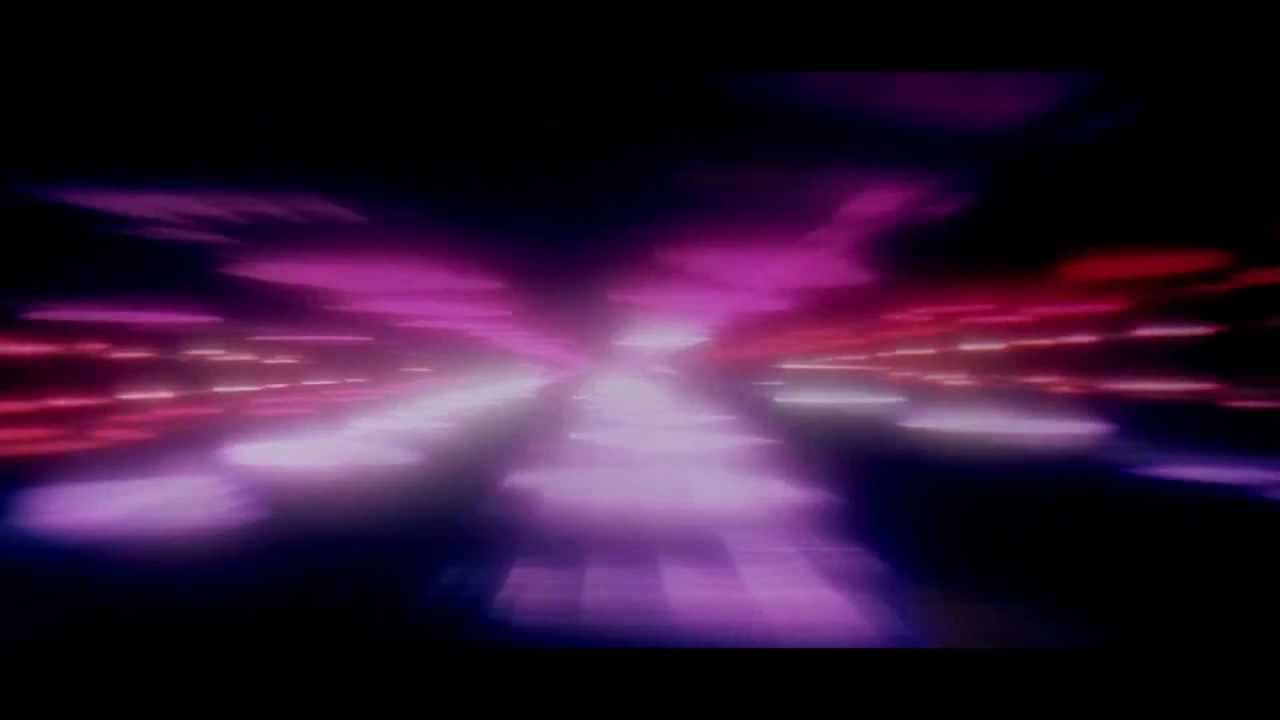
Entering the heart of the "Jupiter and Beyond the Infinite" sequence, the audio enters its most experimental and avant-garde phase, mirroring the Stargate light show. Piercing, seagull-like screech effects—produced by plugging a wah-pedal in reverse into a guitar amplifier—cut through dense washes of organ drones and discordant, subterranean bass pulses.
The unsettling, dissonant atmosphere directly mirrors the surreal slit-scan photography, altering planetary landscapes, and shifting psychedelic colors of Kubrick's visual effects. The sustained, haunting drones and echoing vocal glissandos convey the intense disorientation of traversing alien topography and entering higher planes of perception without a traditional beat or tonal anchor.
```mermaid flowchart TD accTitle: Sonic Progression of Echoes in the Stargate Sequence accDescr: Visual flowchart outlining the transition of Pink Floyd's Echoes through the instrumental and Stargate sections.
subgraph JamPhase ["Rhythmic Section"] A["Funk Groove & Lead Guitar Solos"] --> B["Gradual Dissolution of Drums & Bass"] end
subgraph AmbientPhase ["Experimental Stargate Section"] B --> C["Reverse Wah-Pedal Screeches"] C --> D["Discordant Drone Textures & Organ Swells"] D --> E["Ascending Choral & Keyboard Crescendo"] end
JamPhase --> AmbientPhase ```
[15:00](https://www.youtube.com/watch?v=rn7MmS3vazU&t=900s) The Climax, Final Verse, and Cosmic Return
The atmospheric drones slowly resolve into a rising, celestial Farfisa organ arpeggio. Layer by layer, the bass, rolling tom-toms, and rhythm guitars rejoin in a steady, monumental crescendo that builds tension to a cinematic peak, perfectly accompanying Dave Bowman's arrival into the sterile neoclassical room.
As the tension releases back into the main verse melody, the final set of lyrics re-enters: “The power is every day you fall upon my waking eyes, inviting and inciting me to rise. The window in the walk, I'm streaming in on sunlight wings, a million bright ambassadors of morning.” The song approaches its conclusion with the realization of human awakening: “No one sees me love at boys, and no one makes me close my eyes. So I throw the windows wide, all to you, I'm scoured.”
- Features the iconic dynamic build-up where the rhythm section crashes back in after several minutes of ambient drift. - Synchronizes the thematic themes of rebirth and sensory illumination with the appearance of the older Bowman in the ornate bedchamber.
[20:00](https://www.youtube.com/watch?v=rn7MmS3vazU&t=1200s) Outro Fade and the Star Child Sequence
The composition resolves into an extended, meditative coda dominated by descending Shepard tones and ascending choral-like glissandos, giving the auditory illusion of infinite upward and downward motion simultaneously. On screen, the film moves through the rapid aging of Bowman, his confrontation with the Monolith at the foot of his bed, and his ultimate transformation into the Star Child.
The music gradually dissolves into soft, oceanic wind sound effects and fading piano resonances as the Star Child floats suspended in orbit above Earth, bringing both the 23-minute synchronized odyssey and the conceptual musical journey to a silent, contemplative finish.
## Mentioned Pink Floyd, Stanley Kubrick, 2001: A Space Odyssey, Echoes, Jupiter and Beyond the Infinite, Dark Side of the Rainbow, Roger Waters, Adrian Maben, Live at Pompeii, More, Dave Bowman, Star Child, Leslie speaker, Farfisa
## Video description Pink Floyd Echoes synchronized with 2001 A Space Odyssey - Jupiter and Beyond The Infinite.
Similar to the Dark Side of the Rainbow effect, at-large rumors suggested that "Echoes" coincidentally synchronizes with Stanley Kubrick's 1968 film 2001: A Space Odyssey, when played concurrently with the final segment (titled "Jupiter and Beyond the Infinite").
"Echoes" was released three years after the film's production and is 23 minutes and 31 seconds in length, quite similar to the "Infinite" segment. Sound effects in the middle section of the song convey the feeling of travelling through, or flying over, an alien world. The drone vocalizations heard in the final scenes of 2001 seem to match with the discordant bass vibrations in the middle of "Echoes" as well as the choral glissandos of its finale. Another notable link occurs during a change in scene at precisely the moment when guitar and keyboards crescendo as the lyrics re-enter for the final verse. The early lyrics vaguely convey reference to planets, which seems entirely suitable for the film's depiction of Jupiter and its moons. Adrian Maben re-created this marriage of music and image in his director's cut of Live at Pompeii using CGI.
The members of the band always denied that the synchronization was intentional. Furthermore, the technology to play back film in a recording studio circa 1971 would have been expensive and difficult for the band to acquire(although it is not clear why such equipments would be necessary). However, the band had experience with creating film soundtracks by that point, having created the soundtrack to the French art house film More in 1969. Roger Waters is sometimes quoted as saying that the band's failure to contribute music to 2001's official score was his "greatest regret".
This video is presented for review only in the hopes the viewer will be pleased to the extent to promote the viewer to buy the film.
We believe this constitutes a 'fair use' of any such copyrighted material as provided for in section 107 of the US Copyright Law. In accordance with Title 17 U.S.C. Section 107, the material on this site is distributed without profit to those who have expressed a prior interest in receiving the included information for research and review purposes only.
This video is not rendered to the full quality extent of the DVD, does not include the full volume of the DVD and is presented for review only in the hopes the viewer will be pleased to the extent to promote the viewer to buy the full dvd.
We believe this constitutes a 'fair use' of any such copyrighted material as provided for in section 107 of the US Copyright Law. In accordance with Title 17 U.S.C. Section 107, the material on this site is distributed without profit to those who have expressed a prior interest in receiving the included information for research and review purposes only.
[Source](https://www.youtube.com/watch?v=rn7MmS3vazU)