Captain Disillusion Debunks Flight of the Navigator All-CGI Legend
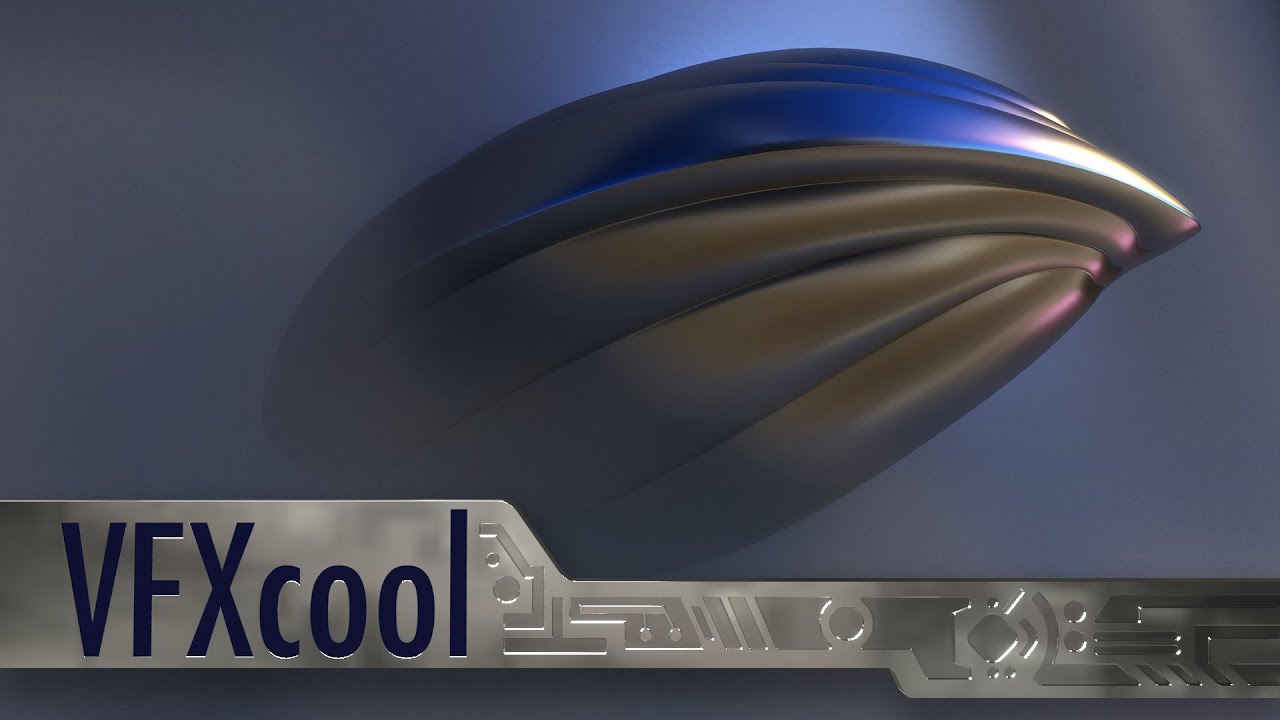
Flight of the Navigator | VFXcool — Captain Disillusion

Captain Disillusion

The 1986 film's groundbreaking digital mirror hull obscured that traditional motion-control miniatures and practical in-camera optical tricks drove over two-thirds of its visual effects shots.

AI-assisted summary of Flight of the Navigator | VFXcool — original source. Check the original for full context.

Source published:

Key ideas

  • Alan steps in for Captain Disillusion to debut 'VFXcool', a format dedicated to analyzing groundbreaking practical and digital effects in classic cinema, beginning with 1986's Flight of the Navigator. (0:02)
  • Flight of the Navigator made cinematic history as the first feature film to implement reflection mapping, rendering photorealistic chrome reflections using Omnibus Computer Graphics' Foonly F-1 supercomputer. (8:15)
  • Despite promotional claims framing the production as an all-CGI milestone, only 18 of the film's 61 optical effects shots used computer graphics, with the remaining 43 relying on motion control miniatures, in-camera optical tricks, and stop-motion replacement animation. (13:53)
  • Nearly every visual effects company involved in the production, including Omnibus Computer Graphics and Fantasy II, has since dissolved, and the original physical spaceship props were largely discarded or repurposed as theme park shade structures. (36:16)

Detailed notes

## Background This video was written, directed, and published by Alan Melikdjanian on the YouTube channel Captain Disillusion on May 20, 2021. According to the description, Captain Disillusion leaves Alan in charge of the show, leading to a nostalgic deep dive launched under the experimental format title "VFXcool."

## TL;DR Stepping in for Captain Disillusion, Alan sets aside typical internet hoax debunking to examine the pioneering visual effects behind Randal Kleiser's 1986 sci-fi film *Flight of the Navigator*. He breaks down the fabrication and on-set handling of the two full-scale fiberglass ship props, dispels the myth that the craft was entirely digital, and explores Omnibus Computer Graphics' historic use of reflection mapping rendered on the Foonly F-1 supercomputer. The retrospective also details the extensive practical miniatures shot on the Cruciflex motion control rig, Gene Warren Jr.'s stop-motion replacement animation for the liquid steps, and the puppetry mechanics behind the robotic commander Max. Concluding on the fate of the original props and visual effects houses, Alan examines unused script elements and playfully pitches his own legacy sequel before the Captain abruptly reclaims the channel.

## Atmosphere & style The presentation blends deeply affectionate 1980s childhood nostalgia with meticulous, technical film scholarship. Framing the piece through Alan's nervous, earnest persona creates an endearing contrast with Captain Disillusion's cynical, abrasive showmanship. Watching it feels like a patient, revelatory masterclass in practical visual effects history, balancing dry self-deprecating humor with genuine reverence for the craft of pre-digital cinematic illusion.

## Bulletin - [00:02](https://www.youtube.com/watch?v=tyixMpuGEL8&t=2s) Alan steps in for Captain Disillusion to debut 'VFXcool', a format dedicated to analyzing groundbreaking practical and digital effects in classic cinema, beginning with 1986's Flight of the Navigator. - [08:15](https://www.youtube.com/watch?v=tyixMpuGEL8&t=495s) Flight of the Navigator made cinematic history as the first feature film to implement reflection mapping, rendering photorealistic chrome reflections using Omnibus Computer Graphics' Foonly F-1 supercomputer. - [13:53](https://www.youtube.com/watch?v=tyixMpuGEL8&t=833s) Despite promotional claims framing the production as an all-CGI milestone, only 18 of the film's 61 optical effects shots used computer graphics, with the remaining 43 relying on motion control miniatures, in-camera optical tricks, and stop-motion replacement animation. - [36:16](https://www.youtube.com/watch?v=tyixMpuGEL8&t=2176s) Nearly every visual effects company involved in the production, including Omnibus Computer Graphics and Fantasy II, has since dissolved, and the original physical spaceship props were largely discarded or repurposed as theme park shade structures.

## Key takeaways - [01:10](https://www.youtube.com/watch?v=tyixMpuGEL8&t=70s) Flight of the Navigator's unique tonal balance of family drama, chase sequences, and musical interludes stemmed from competing mandates between Disney and international distributor PSO. - [03:28](https://www.youtube.com/watch?v=tyixMpuGEL8&t=208s) The iconic mirror-finish ship was realized practically via two distinct 20-foot fiberglass craft: an enclosed 700-pound lightweight shell for suspended shots and a 1,450-pound load-bearing model mounted to a custom hydraulic crane truck. - [08:15](https://www.youtube.com/watch?v=tyixMpuGEL8&t=495s) Omnibus Computer Graphics achieved the film's metallic aerial visuals by inventing an early reflection mapping pipeline mapped across 3D wireframe models derived from hand-digitized clay maquettes. - [10:25](https://www.youtube.com/watch?v=tyixMpuGEL8&t=625s) Hardware limits on the Foonly F-1 required rendering at 6000x4000 pixels to eliminate jagged edges optically, with a washing-machine-sized drive buffer capable of holding only two rendered frames at a time. - [12:45](https://www.youtube.com/watch?v=tyixMpuGEL8&t=765s) The climactic, psychedelic time storm sequence overwhelmed the Foonly and had to be offloaded to the Cray X-MP supercomputer at the San Diego Supercomputer Center to meet release deadlines. - [13:53](https://www.youtube.com/watch?v=tyixMpuGEL8&t=833s) Motion blur serves as the reliable visual giveaway distinguishing the physical motion control miniature shots from the blur-free CGI sequences rendered by Omnibus. - [15:48](https://www.youtube.com/watch?v=tyixMpuGEL8&t=948s) Cinema Research Corporation captured motion control passes of the chrome miniatures using army surplus parachutes as diffused light canopies and Nestlé Streaks 'n Tips hairspray to create temporary holdout mattes. - [21:23](https://www.youtube.com/watch?v=tyixMpuGEL8&t=1283s) The sequence where the ship exits the hangar was shot entirely in-camera using a dual-mirror Schüfftan setup engineered by visual effects supervisor Peter Donen to conceal the miniature's support rig. - [23:49](https://www.youtube.com/watch?v=tyixMpuGEL8&t=1429s) The melting staircase transformation was crafted via replacement stop-motion animation using dozens of hand-carved resin models that had to be sculpted twice following a mid-production design change. - [26:15](https://www.youtube.com/watch?v=tyixMpuGEL8&t=1575s) Bruce Block and maritime artist Ken Marschall of Matte Effects hand-painted acrylic patches on black cardstock to manually conceal crane mounting hardware and convert Ship B into Ship A on film. - [28:09](https://www.youtube.com/watch?v=tyixMpuGEL8&t=1689s) To fulfill Norwegian co-financing expenditure requirements, the ship's two-tier interior set was erected inside a soundproofed, abandoned aircraft hangar near Oslo featuring vacuum-metalized UVEX two-way chrome walls. - [31:09](https://www.youtube.com/watch?v=tyixMpuGEL8&t=1869s) Puppeteers Tony Urbano and Tim Blaney operated the robotic character Max via an overhead gantry trolley using levers, triggers, and an experimental $25,000 fiber-optic projection lens. - [34:40](https://www.youtube.com/watch?v=tyixMpuGEL8&t=2080s) Cinema Research created a multi-pass optical composite combining motion-control mattes and hand-animated smoke layers to invisibly erase the visible crane mounting arm from the power plant landing shot. - [38:06](https://www.youtube.com/watch?v=tyixMpuGEL8&t=2286s) Archival Japanese promotional materials and original draft scripts reveal that an unfilmed alternate ending featured David encountering a 12-year-old version of Carolyn McAdams back in 1978.

## Detailed walkthrough ### [00:02](https://www.youtube.com/watch?v=tyixMpuGEL8&t=2s) Prologue: Alan Takes the Helm

Captain Disillusion is swamped with work and passes host duties off to Alan, insisting that the endless wave of obvious viral video hoaxes will not debunk itself. Alan is visibly hesitant and confesses his anxiety about public speaking, but the Captain brushes it aside with cynical showmanship advice: “Look right into their eyes and... talk like you’re certain they care.” When Alan pleads that he does not even have a topic prepared, the Captain offers a parting pun as he departs, telling him to let his imagination take flight and navigate his way to something. Left alone in front of the camera, Alan seizes on those two words and nervously pitches a new format: stepping away from debunking fake internet videos to examine the groundbreaking visual effects in major motion pictures and honor the artists behind them. He dubs this endeavor "VFXcool"—a pun that fuses visual effects with "cool," while cheekily sounding like "school."

[01:10](https://www.youtube.com/watch?v=tyixMpuGEL8&t=70s) Subjectively Amazing

Alan reflects on how certain films transcend objective artistic merit to become subjectively amazing simply because you caught them at the exact right age. For him, director Randal Kleiser's 1986 sci-fi adventure *Flight of the Navigator* is that definitive childhood touchstone. He humorously distills the bizarre narrative arc: a young boy has a crush on a girl, gets abducted by an extraterrestrial AI spacecraft, reappears eight years later without aging a second, is held for intense medical study by an all-powerful NASA, breaks out, reunites with the ship to return the star charts inadvertently backed up in his brain, and embarks on a worldwide joyride without ever sparing another thought for his crush. Alan asserts that “if that doesn't sound awesome, then you weren't a kid in 1986,” and lays the blame squarely on anyone who missed out.

Looking back with adult eyes, Alan recognizes that the movie's unique atmosphere was somewhat accidental, forged by conflicting commercial mandates: Disney pushed for sentimental American family drama, while international distributor PSO demanded less dialogue and more action-driven spectacle. Despite a string of high-profile genre flops the previous year, Randal Kleiser balanced these competing demands, effortlessly shifting between breathless chase sequences, heartfelt family moments, and moody musical interludes composed by Alan Silvestri—who came directly off scoring *Back to the Future*. Alan acknowledges other famous bits of film trivia—Silvestri's all-digital score performed on the Synclavier system, Sarah Jessica Parker's debut in a feature film role, Paul Reubens voicing Max under a pseudonym, and lead actor Joey Cramer's subsequent real-life troubles—as well as tiny continuity quirks Captain Disillusion would usually fixate on, such as an extra insert shot of a falling raw turkey in a music video David watches that does not appear in the official real-world broadcast. However, Alan sets all of that aside to focus entirely on the main attraction: the spacecraft itself and the craftsmanship required to bring it to life.

[03:28](https://www.youtube.com/watch?v=tyixMpuGEL8&t=208s) Designing and Fabricating the Silver Ship

The sleek, mirror-finish hull remains one of the boldest aesthetic statements in sci-fi vehicle history, yet its complex, flowing curves make it notoriously difficult to replicate. Alan points out that fan art consistently misses the mark, official promotional materials botch the silhouette, and even high-end modern releases—such as Rich Davies' painted poster for the 2019 limited edition Blu-ray—suffer from an overly wide wingspan, a shrunken hatch, and an erroneous dimple. This elusive geometry arose because the craft was not drafted by a single hand, but rather evolved across an extensive collaborative pipeline:

```mermaid flowchart TD accTitle: Design and Fabrication Pipeline of the Trimaxion Drone Ship accDescr: Diagram tracing the spaceship from initial concept to full-scale Florida props.

subgraph Concept ["Concept & Prototyping"] A["William Creber<br>(Shell-inspired alien vessel)"] --> B["Randal Kleiser<br>(Metallic, shape-shifting concept)"] B --> C["Edward Eyth<br>(Sci-fi production sketches)"] C --> D["Daniel Gluck<br>(Clay sculpt refinements)"] D --> E["Jim Casey<br>(5-foot reference maquette)"] end

subgraph Construction ["Full-Scale Construction"] E --> F["Steve Austin & Yacht Crew<br>(Full-scale fiberglass mold)"] F --> G["Florida Marine Fabricator<br>(Two 20-foot functional crafts)"] G --> H["Ship A: 700 lbs<br>(Sealed lightweight shell)"] G --> I["Ship B: 1,450 lbs<br>(Open door, interior mockup, crane anchor)"] end ```

Production designer William Creber first pitched an organic craft inspired by sea shells, which Randal Kleiser adapted into a reflective metallic vessel capable of altering its shape. Concept artist Edward Eyth—who would later contribute to the futurist design of *Back to the Future Part II*—drew the preliminary schematics. Sculptor Daniel Gluck refined those concepts in clay, and Jim Casey hand-sculpted the definitive five-foot maquette used as a master reference throughout the entire shoot. Yacht builder Steve Austin and his crew then fabricated an enormous fiberglass master mold, transporting it across the country to Florida, where two identical 20-foot-long physical craft were built for production:

- **Ship A (Sealed Lightweight Shell):** Weighed roughly 700 pounds, completely enclosed for hovering and transport shots. - **Ship B (Load-Bearing Practical Shell):** Weighed 1,450 pounds, featuring an open doorway, an interior aluminum mockup, and an internal steel load-bearing pillar designed to anchor directly onto heavy-duty construction cranes.

[05:35](https://www.youtube.com/watch?v=tyixMpuGEL8&t=335s) Operating the Full-Scale Props on Location

Filming took place largely in Florida, which made local prop fabrication practical. Alan momentarily wanders off-topic to recount his childhood pilgrimages to Disney-MGM Studios, where both retired ships were parked along the Studio Backlot Tour, only to be snapped back to reality by a painful electric shock from Captain Disillusion's desk alarm. Alan explains that building full-sized props granted an invaluable sense of physical weight and realism. Rather than relying entirely on optical composites, almost every sequence where the ship hovers near ground level utilized one of the two full-scale fiberglass shells.

Ship A appears in the hangar sequence when David first rediscovers the impounded vessel. The crew suspended the 700-pound shell on a single, slender aircraft cable, relying on background plastic sheeting and layered drapes to conceal the wire. As the ship rotates to initiate its escape, stagehands manually spun the suspended prop, supplemented in post-production by hand-drawn optical energy arcs. For sequences requiring the open doorway, special effects supervisor Jack Bennett engineered a massive, one-of-a-kind truck-mounted crane that anchored through a structural port on the ship's bow. Bennett's crane could swing the 1,450-pound Ship B up to 32 feet in the air while safely carrying Joey Cramer and the interior puppeteers. Its showpiece sequence occurs at the service station, where the Bennett crane coordinated with a camera mounted on a separate Titan crane to pull off a dynamic, swooping landing. In a clever production sleight of hand, Bennett's hydraulic crane truck is parked right in the background of the shot, disguised as an ordinary commercial vehicle. Kleiser carefully restrained his usage of the physical craft, withholding any clear view of the ship until nearly halfway through the movie to build narrative tension.

[08:15](https://www.youtube.com/watch?v=tyixMpuGEL8&t=495s) Big Slow Computers: The Birth of Digital Reflections

To portray the ship in high-speed aerial flight, the filmmakers had to venture into the nascent field of 3D computer graphics. *Flight of the Navigator* made cinema history as the first feature film to use reflection mapping to render a photorealistic, metallic 3D surface on screen—an extraordinary computational feat for an era when portable computer storage rarely exceeded a single megabyte. The monumental task was entrusted to Omnibus Computer Graphics, an ambitious Canadian firm looking to move past television logos and broadcast commercials into Hollywood feature films. Omnibus acquired two American visual effects companies, set up shop on the Paramount Pictures lot, and purchased the legendary Foonly F-1 supercomputer from Information International, Inc. (Triple-I), which had previously supplied digital animation for Disney's *Tron*.

The Foonly F-1 was not a user-friendly modern machine; it was an unwieldy complex of towering, interconnected metal processor cabinets that demanded constant hardware maintenance from engineers like Dave Sieg. There were no commercial software suites or intuitive graphic user interfaces; virtually every command had to be typed into raw command-line prompts. To reconstruct the ship digitally, a team including the director's brother, Jeff Kleiser, mapped out coordinate points by hand directly onto physical clay sculptures representing both the blunt low-speed and pointed high-speed configurations:

- Creative leads manually marked matching coordinate grids across physical sculptures of both ship variants. - Technicians methodically digitized cross-sections point-by-point using a stylus on a massive 4×6-foot Calcomp digitizing tablet. - An in-house software algorithm—a key precursor to the PRISMS software package that eventually evolved into SideFX Houdini—connected the digitized points using smooth mathematical splines to generate a polygonal surface of triangle meshes. - Because both the slow and aerodynamic models shared identical point topology, the software could interpolate between them, enabling smooth, dynamic in-flight shape-shifting. - This underlying digital wireframe mesh was also output directly for display on the monitors inside the NASA research facility during David's brain-wave analysis.

While modern visual effects pipelines rely on processor-heavy ray tracing to simulate realistic optical physics and bounced lighting, 1986 hardware constraints made ray tracing impossible for complex cinematic sequences, forcing the Omnibus team to invent an ingenious shortcut: reflection mapping.

[10:25](https://www.youtube.com/watch?v=tyixMpuGEL8&t=625s) Environment Spheres and Rendering on the Foonly

Mapping a flat image directly onto a 3D surface simply looks like texture wrapping. To fake a dynamic reflection, the computer has to assume the image lives on an imaginary sphere encasing the model, calculate how the angle of each face on that sphere differs from the surface faces relative to the camera, and distort the image to match the viewing perspective. In the mid-1980s, commercial software packages for this did not exist; software engineer Bob Hoffman had to write the algorithms from scratch specifically for Omnibus Computer Graphics. Once initial tests validated the approach, visual effects supervisor Jeff Kleiser accompanied the live-action and second-unit shoots to capture background video plates at every location. Still frames were extracted and stitched into crude environment spheres to feed the reflection calculations for each setup. Dialing in the correct color and tonal balance against the 35mm film plates took substantial trial and error, but the team successfully produced photorealistic chrome reflections.

```mermaid flowchart TD accTitle: Foonly CGI Rendering and Film Pipeline accDescr: Step-by-step rendering, recording, and optical compositing process used for Omnibus CGI shots in Flight of the Navigator. subgraph Render ["Digital Stage (Foonly F-1)"] A["TRANEW Software: 6000x4000 Render (20 min/frame)"] --> B["Two-Frame Buffer (50MB Drive + Striped Pair)"] end subgraph Transfer ["Film Output"] B --> C["PFR-80 Film Recorder (CRT + Acme Camera)"] C --> D["3 Color Passes onto 35mm Film"] D --> E["Delete Frame Buffer & Advance Camera"] end subgraph Composite ["Optical Stage (Optical Printer)"] E --> F["Combine Beauty Strip + Rendered Matte Pass"] F --> G["Extra Highlight Pass + Background Plate"] G --> H["Final Composite Print"] end ```

The true bottleneck was getting those digital images out of the computer and onto actual celluloid. Omnibus rendered on the Foonly F-1 using their proprietary TRANEW software, which lacked anti-aliasing capabilities and could not smooth jagged pixel edges. The team bypassed the aliasing limitation by rendering each frame at a massive resolution of 6000 by 4000 pixels—considerably higher than the resolution limit of their film recorder—relying on optical reduction during the film transfer to naturally soften the edges. Even with the Trimaxion Drone filling only a modest portion of the screen, a single frame took roughly 20 minutes to compute. Hardware storage constraints were razor-thin: the machine operated on a washing-machine-sized 50-megabyte drive for the system and a striped pair for data, holding a maximum of two rendered high-resolution images at any one time.

As soon as a frame finished computing, it was piped immediately into a PFR-80 film recorder, essentially an ultra-precise CRT monitor coupled to a vintage Acme animation camera. The CRT projected the image through three sequential color filter passes onto a physical 35mm frame. Once exposed, the digital buffer was permanently wiped to make room for the next frame, and the film advanced. An uninterrupted shot could tie up the hardware for days, leaving operators terrified of finding a jammed film magazine upon opening the camera at the end of a run. While Navigator avoided catastrophic jams, a successful render merely yielded an isolated strip of film showing the animated ship against black. The computer could not composite elements together. Creating the final shot required optical printer compositors to render a high-contrast matte pass, burn an unexposed ship-shaped hole into a duplicate of the background plate, lay in the full-color ship element, expose a separate highlight pass for shiny specular hotspots, and occasionally paint in a rudimentary hand-drawn drop shadow.

Toward the end of production, Omnibus faced the climactic "time storm" sequence where the ship slips into another dimension. The sequence demanded full-screen, psychedelic computer animation that would have overwhelmed the Foonly's processing capacity under strict release deadlines. To prevent a production failure, Dave Sieg leveraged a personal connection at the San Diego Supercomputer Center to secure compute time on the Cray X-MP, one of the fastest supercomputers on earth. The Cray blasted through the complex mathematical frames in a fraction of the time, turning out an abstract interdimensional voyage that stands out dramatically from the early test footage shown in retrospectives.

- Bob Hoffman coded the reflection mapping software from scratch on Omnibus computers. - Jeff Kleiser gathered live-action location footage to stitch into the environment spheres. - Rendering resolution was locked at 6000x4000 pixels to eliminate aliasing naturally upon film exposure. - Render time averaged 20 minutes per frame. - Storage capacity was restricted to a 50 MB system drive alongside a striped pair, holding only two uncompressed frames simultaneously. - Final film recording ran through an Acme camera rigged to a PFR-80 CRT display. - Supercomputing cycles for the climactic time storm were offloaded to the Cray X-MP supercomputer in San Diego.

---

[13:53](https://www.youtube.com/watch?v=tyixMpuGEL8&t=833s) The Myth of "All-CGI" and Motion Control Miniatures

Despite the legendary status of the film's digital reflections, the shiny spaceship soaring across the screen in most of the movie's sequences is not a computer model at all—it is a physical miniature. Alan steps away from the breakdown to reflect on the long tradition of visual effects marketing, observing: “For as long as effects have been part of movies, producers and studios have been crafting... misleading narratives around them as a promotional tool.” In modern entertainment journalism, studios actively downplay computer graphics, insisting that productions were realized with physical props, real stunts, practical miniatures, and heartfelt craftsmanship while downplaying the army of digital artists polishing every frame. In the mid-1980s, the studio publicity machine operated in the exact reverse: computer graphics were viewed as a groundbreaking selling point, prompting marketing departments to boast that entire films were made with CGI even when digital artists only touched a handful of scenes.

Out of the 61 optical effects shots produced for *Flight of the Navigator*, a modest 18 shots involved computer animation. The remaining 43 opticals relied on traditional methods, predominantly motion control miniature photography. Motion control had spent the previous decade as the gold standard for cinematic spaceships. The process mounted models on mechanized, robotic tracks capable of executing intricate, multi-axis flight paths and repeating the exact same camera trajectory indefinitely. This precision allowed cinematographers to photograph distinct lighting, shadow, and matte passes that matched frame-for-frame.

Furthermore, motion control rigs allowed camera exposures to stay open while the camera or model moved smoothly, generating natural, authentic motion blur. Because 1986 computer graphics software could not calculate or render motion blur, optical compositors had to fake it using awkward double-exposure passes. For eagle-eyed viewers assessing whether a flying shot in *Flight of the Navigator* is a computer model or a practical miniature, Alan provides an effortless rule of thumb: “Just look for the blur.”

- Total optical visual effects shots in the film: 61. - Optical shots utilizing CGI: 18. - Remaining visual effects shots: 43, dominated by motion control miniature passes. - Natural motion blur serves as the telltale signature separating the physical models from the sharp, blur-free CGI ship passes.

---

[15:48](https://www.youtube.com/watch?v=tyixMpuGEL8&t=948s) Hacking the Mirror Hull: The Cruciflex and Low-Tech Solutions

Photographing a flawless chrome miniature via motion control presented an operational nightmare for Cinema Research Corporation’s effects crew, led by effects cinematographer George Muhs. A mirror-smooth, organic hull offers nowhere to conceal a mounting arm, meaning any traditional rod bolted to the model would instantly reveal itself in the reflections. The team resolved this by fabricating five distinct physical models—three built in the standard, rounded cruising profile and two in the aerodynamic, sharp-edged high-speed configuration—each constructed with support brackets in completely different locations so the crew could choose a model whose rig remained hidden from the camera's line of sight.

```mermaid flowchart TD accTitle: Practical Miniature Motion Control Passes accDescr: Photography passes and low-tech techniques used by Cinema Research Corporation to shoot the chrome miniature. subgraph Rig ["Rigging & Stage Setup"] A["Cruciflex Track (40-60 ft)"] B["Surplus Army Cargo Parachutes (Diffused 'Cloud' Enclosure)"] C["Model Mounted on Reverse Side of Roll Axis"] end subgraph Passes ["Sequential Camera Passes"] D["Beauty Pass: Light Gray Backing + Diffuse Reflection"] E["Sun Pass: Overhead ENH Projector Bulb Through Hole"] F["Matte Pass: Nestlé Streaks 'n Tips Spraypaint Layer"] end Rig --> Passes Passes --> G["Wipe Off Hairspray & Touch Up Chrome Bumper Paint"] ```

Camera movement was driven by the IMC motion control system, an imposing mechanical rig known on set as the Cruciflex. The Cruciflex rode along a 40- to 60-foot floor track, providing motorized multi-axis control over boom, pan, tilt, track, and lens focus. To prevent the camera mount from appearing in the mirror finish, the miniature was secured either to an off-camera C-stand or to a secondary motorized mover attached to the reverse side of the roll axis. Generating realistic environmental reflections required inventive low-tech ingenuity. Muhs visited an Army surplus store and purchased two massive white cargo parachutes, draping them completely around the motion control stage. The parachute fabric diffused the studio lighting into soft, cloud-like textures. Technicians flagged off hard lighting hotspots and cut a small opening in the overhead canopy, projecting a single ENH projector bulb through the hole on a dedicated camera pass to simulate the direct glare of the sun. Shooting the sun as an isolated exposure allowed optical compositors to dial its intensity up and down or flash it on and off to simulate the ship darting behind passing clouds. Rather than framing the ship against pure black, Muhs often backed the model with light gray bounce cards during beauty passes so the hull's rim reflections blended harmoniously into bright daytime skies.

Generating high-contrast silhouette mattes posed another hurdle: the chrome ball reflected everything, making traditional blue-screen illumination or stark black velvet backdrops useless. The production solved the issue with consumer cosmetics: - Following completion of the beauty and lighting passes, model wrangler Mark Wolf coated the pristine miniature in Nestlé Streaks 'n Tips white hairspray. - The resulting matte-white, non-reflective shell was filmed against black to capture a clean holdout matte. - Crew members washed the water-soluble hairspray off with warm water and touched up minor blemishes using the same off-the-shelf chrome bumper spray paint used on the life-sized ship set piece.

Complex action sequences demanded further practical stage tricks: - For the ship's vertical ascent outside the NASA hangar, the miniature was rigged on its side while a wooden board matching the ground was mounted directly to the moving camera base. A single yellow Post-it note was slapped onto the board to represent the reflection of a worker in a yellow hazmat suit, keeping the reflection stationary relative to the ground plane as the ship pulled away. - For the ship's low-altitude nighttime arrival into Fort Lauderdale, the crew laid out a sheet of black cardboard perforated with tiny holes covered in colored lighting gels, lit the board from underneath, and tossed miniature white Christmas tree lights across the top to reflect streetlights across the hull. - For the flight over the Florida Everglades, the Cruciflex rig dragged a rolling bolt of blue cloth painted with sky and clouds underneath the miniature, capturing swamp water reflections on the ship's underbelly. The model was subsequently flipped upside-down on its mounting rig and re-filmed along the same flight path to provide the ship's rippling reflection in the marsh water below. - For the interdimensional time storm, the team bounced erratic multi-colored light off a large sheet of foamcore covered in a mosaic of colored gels, filming independent passes for the top and bottom hulls. - To reduce generational film degradation in optical printing, complex nighttime setups were shot as multi-pass exposures right inside the camera gate, rewinding the film magazine to the exact start frame between runs.

---

[19:44](https://www.youtube.com/watch?v=tyixMpuGEL8&t=1184s) Fantasy II and the Underwater Miniature Puzzle

Not every miniature sequence relied on motion control rigs or dry soundstages. A set of underwater shots fell to Fantasy II Film Effects, an independent visual effects house founded by industry veteran Gene Warren Jr., whose family legacy in practical cinema effects stretched across three generations. The Fantasy II studio housed an indoor 850,000-gallon water tank where artists constructed a miniature ocean floor set complete with sand, rocks, and aquatic dressing to frame the submerged ship.

The underwater shot shows the ship sitting on the seabed, reflecting its surroundings with real liquid caustics, and accelerating smoothly out of frame with genuine hydrodynamic drag and motion blur. The mechanics of the takeoff remain an open technical curiosity. While one might guess the model was suspended on overhead wires and hoisted toward the surface, the hollow miniature was aggressively buoyant, meaning tension wires would have pulled up rather than held down. Conversely, anchoring the ship to the floor with submerged wires and releasing them would cause the model to shoot upward violently like an uncontrolled float. Instead, the onscreen craft moves deliberately, pushing forward in distinct phases and banking cleanly into a controlled right turn before clearing the water—hinting at a sophisticated, submerged mechanical track or puppeteering arm hidden completely from the lens.

[20:44](https://www.youtube.com/watch?v=tyixMpuGEL8&t=1244s) Miniature Ship Secrets and Forced Perspective

Alan continues unraveling the mystery of the underwater shot featuring the ship, which appears so pristine that it looks like another motion control shot at first glance. However, motion control compositing at the time had distinct limits, and apart from the separately filmed, hand-rotoscoped bubbles, the shot is completely flawless—showing no visible mounts, rods, or wires that had to be painted out. The mystery deepens when Alan reveals that the motion control crew explicitly confirmed they did not work on it. In an exaggerated burst of dramatic frustration, Alan shouts at the screen: “Tell me your secrets!”

He deduces that the miniature was likely utilized again later in the film when a driver spots the craft in his rearview mirror. In that instance, the effect did not require high-tech compositing; the crew most likely just hung the model from strings and puppeteered it across frame as a simple, clever forced-perspective gag.

- The underwater shot lacked any telltale compositing flaws, support rods, or wires, leaving Alan baffled until recognizing its miniature origins. - The motion control crew confirmed they had no involvement in that specific shot. - The rearview mirror sighting was accomplished by puppeteering the model across the camera's field of view to create forced perspective.

---

[21:23](https://www.youtube.com/watch?v=tyixMpuGEL8&t=1283s) The Hangar Exit and Peter Donen's In-Camera Schüfftan Shot

When the story moves into the hangar, the ship becomes the central focus, requiring the visual effects team to pull out all the stops. While audiences might assume the triumphant moment where the ship glides straight out of the blast doors was done with a full-sized prop, practical realities dictated otherwise. The hanging "Ship A" was designed to be cable-suspended, and "Ship B" was mounted to a crane that could only swing in an arc. Neither could be easily rigged to travel in a straight, forward line for a brief insert, meaning the shot had to be a miniature placed near the camera. When the miniature moves outside, it appears as though a real, full-sized ship is being driven out by a forklift, with dark framing that conceals the mechanism—yet this too is an optical trick.

The entire sequence was pulled off in-camera using a classic technique called a Schüfftan shot, masterminded by visual effects supervisor Peter Donen (son of legendary director Stanley Donen). Because the ship miniature sat just a few feet from the camera lens, its support rig protruded out in front of the hangar building. Rather than painting out the rig later, Donen set up a mirror aligned perfectly with the blast door edge to conceal the support structure. To avoid misaligned sunlight or perspective mismatches, the mirror did not reflect the open set behind the camera; instead, a second large mirror was placed out of frame to relay an image of the actual area behind the concealing mirror, functioning just like a giant periscope. A neutral density filter was applied over the rest of the camera lens to equalize the light loss from the reflections, achieving a seamless in-camera composite before the film even went to the lab.

“By lining up the first mirror exactly with the edge of the blast door, and using a neutral density filter on the rest of the frame to compensate for the loss of light in the reflection, Peter Donen achieved a nearly flawless composite in-camera.”

```mermaid flowchart LR accTitle: Schüfftan Two-Mirror In-Camera Rig accDescr: Flow diagram showing how two mirrors relay the background to hide the miniature support rig. subgraph Scene["Physical Staging"] BG["Hangar Wall & Background"] Rig["Miniature Ship & Moving Rig"] end subgraph Mirrors["Optical Relay"] M2["Relay Mirror (Periscope Angle)"] M1["On-Camera Mirror (Aligned with Blast Door)"] end Cam["Camera with ND Filter"]

BG -->|"Reflects clean background"| M2 M2 -->|"Relays image around rig"| M1 M1 -->|"Covers rig at door edge"| Cam Rig -->|"Ship moves into frame"| Cam ```

---

[23:49](https://www.youtube.com/watch?v=tyixMpuGEL8&t=1429s) Sculpting the Liquid Steps: Stop-Motion Replacement Animation

While the hangar exit was completed right in the camera gate, creating the ship's descending steps proved to be one of the most labor-intensive practical effects in the entire film. In static hero shots, the floating steps were supported by thin steel rods angled carefully so that each step hid its own mount from the camera's perspective. However, the transformation sequence—where the ship’s reflective hull liquifies, opens an entrance hatch, and solidifies the molten metal into steps—demanded frame-by-frame fabrication.

The sequence was brought to life via replacement stop-motion animation created by Fantasy II. Sculptors hand-carved dozens of individual resin phases depicting the metal flowing, undulating in waves, and breaking off into droplet forms. Alan reveals authentic, hand-painted resin sculptures from the production, noting that after the original batch was sculpted, the production changed the required number of steps, forcing the sculptors to scrap their work and start completely from scratch. In reviewing the animation, the door metal flows, pulses, and drips sequentially from top to bottom, allowing the final fully formed step sculptures to be repurposed as each step locks into place. Gene Warren, Jr. lamented that intense post-production deadlines prevented them from sculpting a unique closing transformation, forcing the film to simply run the opening animation in reverse.

“Gene Warren, Jr.’s one complaint was that the time crunch prevented his team from sculpting a different animation for the door closing.”

- Steps in static shots relied on precision-angled metal rods hidden behind the geometric face of each step. - The melting transformation was accomplished through physical resin replacement sculptures filmed frame-by-frame. - A mid-production decision to alter the step count meant the entire set of replacement sculptures had to be completely remade. - At the gas station scene, square support pegs remain briefly visible inside the rotoscoped edge before painted spiral patterns dissolve in to conceal them.

---

[26:15](https://www.youtube.com/watch?v=tyixMpuGEL8&t=1575s) Matte Effects and Hand-Painted Rig Removal

When the hatch opens on the full-sized ship, another physical conundrum arose: the crew could not swap the sealed 3,400-cubic-foot Ship A prop for the open-hatched Ship B in the middle of a continuous live-action setup without displacing the rigging chains. Consequently, Ship B had to be present the entire time, with its opening hidden prior to the steps forming. In 1986, solving this problem did not involve digital touch-up; it required literal paint.

The work fell to Matte Effects, an outfit formed by effects cameraman Bruce Block and famed maritime artist Ken Marschall, working out of a corner room at Fantasy II. Marschall executed meticulous rig removals and touch-ups by hand. To hide Ship B's opening, Marschall painted matching sealed and open versions of the ship's lower hull on black cardstock with acrylics, meticulously recreating the chrome-like environment reflections. He repeated this painstaking hand-painting process to paint sky patches over crane arms holding the ship aloft. Matte artists had to evaluate color swatches using film strips on light tables, shoot the cardstock, send film out for processing, check the composite match, and re-paint until seamless—often adjusting hues counterintuitively to compensate for color shifts inside intermediate film stocks.

“Matching the color and tone of footage is challenging even for modern day matte artists using digital tools, but imagine trying to judge the colors from a strip of film on a light table, painting the element with acrylics on black cardstock, filming that, developing the film, checking how well it matches, then going back to make adjustments on the painting, and repeating the whole process until you get it right.”

- Matte Effects was housed in a dedicated soundstage room at Fantasy II, run by Ken Marschall and Bruce Block. - Acrylic matte paintings on black cardstock were used to conceal crane supports and disguise Ship B as the sealed Ship A. - Artists intentionally distorted paint colors to accommodate the optical quirks and contrast buildups of interpositive film processing.

---

[28:09](https://www.youtube.com/watch?v=tyixMpuGEL8&t=1689s) Panoramic Backdrops and Norway's Giant Interior Stage

For sweeping high-altitude sequences, matte artist Jena Holman and cameraman David Stipes produced breathtaking photorealistic panoramas measuring four by eight feet. These expansive paintings depicted the earth from the stratosphere down to tropical terrain and were detailed enough to withstand extreme close-ups. While some backdrop plates were recorded via motion control rigs at Cinema Research, Stipes shot others in real time on a custom tracking rig that rotated and dollied to replicate the ship's aerial maneuvers directly onto the cockpit view screen.

The view screen inside the ship's cabin was fully integrated into the practical set rather than being blue-screened, with only a single late pickup shot utilizing chroma key. The ship interior was filmed far from Hollywood due to Viking Films providing Norwegian co-financing that required capital to be spent inside Norway. Because no studio stage in Oslo was large enough to accommodate the ship cockpit along with the massive 150-foot horizontal throw distance needed for the rear projection system, the crew repurposed and soundproofed a cavernous abandoned aircraft hangar outside the city.

“Anything that could be staged for real, was.”

- Jena Holman created vast 4x8-foot acrylic panoramas that were filmed by David Stipes with motion control and custom live rigs to supply view-screen footage. - The ship interior was filmed in an abandoned, custom-soundproofed aircraft hangar near Oslo, Norway, to fulfill Viking Films co-production spending rules. - The cockpit's rear projection system required an immense 150-foot projection throw distance behind the screen.

---

[29:48](https://www.youtube.com/watch?v=tyixMpuGEL8&t=1788s) UVEX Shells, Two-Way Chrome, and the In-Camera Cabin Distortion

The interior set was fabricated in Burbank by Design Centers, dismantled, and freighted to Norway for reassembly. The set consisted of modular metal scaffolding supporting two interior tiers that let puppeteers and mechanics operate beneath and above the cabin floor. The cockpit's futuristic alien walls were vacuum-formed using transparent UVEX plastic panels, which were vacuum-metalized with chrome on their reverse sides. This safeguarded the reflective coating against accidental scuffs from the crew while mimicking the optical properties of two-way mirrored sunglasses: the walls looked entirely metallic under normal front lighting, but embedded backlight fixtures could easily shine patterns, colors, and alerts directly through the translucent chrome.

When the craft shifts gears and powers down, the cabin lights turn off, leaving only the front rear-projection screen and physical mockup paintings bouncing soft illumination into the set. Alan singles out his favorite ship transformation effect—the spatial distortion when the ship first alters its geometry—which relied on pure cinematography rather than set mechanics: a classic dolly zoom where the camera tracks while adjusting focal length, stretching the cabin space dynamically in-camera.

“It might be the most literal use of a dolly zoom in movie history.”

- The interior walls were constructed out of vacuum-formed UVEX plastic panels metalized with chrome on the back surface. - The two-way chrome finish allowed vibrant lighting schemes to illuminate through the walls to denote ship modes and emotional atmospheres. - The cabin interior's spatial shift was created practically using a dolly zoom (vertigo shot) to warp perspective in real time.

[31:09](https://www.youtube.com/watch?v=tyixMpuGEL8&t=1869s) Engineering and Puppeteering Max

The robotic commander of the Trimaxian drone ship, Max, required an intricate physical mechanism concealed underneath sleek panels. Designed and engineered by David Goldberg at Design Centers, the core consisted of a steel frame packing sophisticated chain- and cable-driven mechanisms. Bringing Max to life fell to the puppeteering duo Tony Urbano and Tim Blaney. This master-and-apprentice pair had already established their robotic-puppetry credentials, having recently animated Johnny 5 on the 1986 comedy sci-fi classic *Short Circuit*.

```mermaid flowchart TD accTitle: Max Puppetry Rig Setup accDescr: Diagram showing the gantry tracks, rolling trolley, puppeteers, and cable-controlled puppet.

subgraph Overhead ["Overhead Rigging"] A["Top Tracks (Set Ceiling)"] --> B["Gantry (X-Y Rig)"] B --> C["Rolling Trolley"] end

subgraph Operation ["Operator Platform"] C --- D["Grips (Push/Pull Planks)"] C --- E["Urbano & Blaney (Puppeteers)"] end

subgraph Puppet ["Max Mechanism"] E -->|"Levers & Triggers"| F["Chains & Cables in Steel Frame"] F --> G["Max Eye & Head Display"] end ```

To enable Max to glide smoothly through the ship's interior, the main puppet was suspended from a trolley mounted to an overhead gantry that ran on tracks along the ceiling of the set. Grips on an X-Y rig pushed and pulled the assembly using wooden planks, while Urbano and Blaney rode directly inside the trolley, manipulating Max's movements through an array of levers and squeeze triggers. Beyond this primary rig, several specialized versions of Max were built for particular camera needs:

- **Hand Puppet:** A heavy variation operated from beneath the floor for scenes where Max emerges upward. - **Stunt Version:** A stripped-down, lightweight build used to traverse along walls. - **Marionette:** A suspended string puppet crafted for exterior location scenes, operated by Tony Urbano, who Alan praises as a “virtuoso marionettist.”

Max’s shifting electronic eye was achieved through two swappable head designs. The primary version routed an illuminator located up on the operator trolley down through the mechanical neck via a flexible bundle of fiber-optic strands, terminating at a frosted glass dome on the face. The secondary head was far more exotic: a $25,000 ultra-fine fiber-optic projection system acquired from an optics research laboratory. It projected razor-sharp, high-resolution imagery from a film projector directly onto an integrated lens in Max's face. However, this high-end bundle was far too stiff to snake through the articulating neck, limiting its use to static setups during our very first and last glimpses of the character.

---

[32:45](https://www.youtube.com/watch?v=tyixMpuGEL8&t=1965s) Daylight Fiber-Optics and the Spaceship Creatures

While the internal fiber-optic heads produced striking visuals inside the gloomy ship interior, they were easily washed out by outdoor sunlight or by the bright stage lights used for fake exterior doorway inserts. During the extended pasture dialogue where David and Max converse among grazing cows, the glowing ocular pattern on Max's face had to be faked in post-production. Footage of an animated graphic was painstakingly double-exposed and match-moved onto the face dome across roughly a dozen separate, lengthy shots. Because the face dome was spherical and the pattern naturally chaotic, head rotations did not betray the seam. Alan admits: “the match ended up looking so convincing that I for one didn’t notice it was a composite until... literally today!”

```mermaid flowchart LR accTitle: Max Eyeball Display Methods accDescr: Comparison of practical fiber-optics indoors versus optical compositing outdoors.

subgraph Interior ["Ship Interior (Dim Light)"] I1["Trolley Illuminator"] --> I2["Flexible Fiber Strands"] I2 --> I3["Frosted Glass Dome"] I4["Optics Lab Projector ($25k)"] --> I5["Rigid Lens Head (Static Shots)"] end

subgraph Exterior ["Exterior Cow Pasture (Bright Sun)"] E1["Filmed Screen Pattern"] --> E2["Optical Double Exposure"] E2 --> E3["Manual Match-Move onto Dome"] end ```

Tony Urbano and Tim Blaney were also tasked with manipulating the bizarre alien creatures preserved in specimen containment aboard the craft, with Blaney providing the voice for the puckish, fan-favorite Puckmarin. While the menagerie occasionally draws criticism from fans who find the puppets crude alongside the film’s cutting-edge digital work, Alan defends the craftsmanship. A giant floating eyeball was simply a prop rental sourced from CBS Studios, but most of the menagerie was sculpted by special makeup and creature artist Laine Liska.

Because Liska ran tight on time, the puppeteers never had an opportunity to test or rig the creatures until unpacking them on set in Oslo, Norway, forcing them to repaint several overly bright paint jobs on location. They even improvised an entirely new creature from scratch: the runny-nosed slime worm, which Alan singles out as his personal favorite. Fabricated out of random packing materials, the creature was coated in a slippery mixture of Prell hair lotion and KY Jelly. While wide shots of the specimen room required Urbano and Blaney to wrangle multiple creatures simultaneously on the main set, an auxiliary insert stage was built so each alien could be performed individually with nuanced detail for their respective close-ups.

---

[34:40](https://www.youtube.com/watch?v=tyixMpuGEL8&t=2080s) The Crane Erasure: Cinema Research's Invisible Matte

Turning to the film's visual effects achievements, Alan highlights what he considers the single most impressive shot in the production: the first full-profile reveal of the landed spaceship at the power plant. While viewers typically assume the dense atmospheric fog naturally masked the crane truck supporting the floating hull—similar to the earlier gas station reveal—the physical realities of the prop dictate otherwise. The large cutout mounting socket on practical Ship B was located on its front left quarter, meaning the structural attachment arm was in plain view of the camera lens.

```mermaid flowchart TD accTitle: Optical Cleanup of Ship B Crane Mount accDescr: Flowchart of the multi-pass optical composite used by Cinema Research to hide the support crane.

A["Original Footage with Exposed Crane Arm"] --> B["Step 1: Motion Control Animation Stand Matte"] B -->|"Rebuild hull silhouette matching deep shadow density"| C["Step 2: Hand-Drawn Background Smoke"] C -->|"Fill upper-right background to cover crane arm"| D["Step 3: Overlay Smoke Pass"] D -->|"Low-density wash to blend edges together"| E["Finished Seamless Shot"] ```

To eliminate the crane arm, Cinema Research executed an intricate, multi-layered optical composite:

1. **Hull Edge Recreation:** Using a motion-control animation stand, artists match-moved an opaque matte over the damaged silhouette to redraw the ship's clean curved hull, exposing it to match the density of the hull’s deepest ambient shadows. 2. **Background Patching:** Hand-drawn smoke was animated frame by frame across the upper-right section of the frame, burying the crane arm behind billows of mist. 3. **Atmospheric Blending:** A third, lower-density pass of animated smoke was overlaid across the entire composite to homogenize the layers and hide matte lines.

The only flaw left behind is a tiny, misaligned wedge flashing at the very beginning of the take. Remarking on how digital toolsets have recontextualized manual craft, Alan reflects: “It’s hard to appreciate the difficulty of this in an age when artists can do far more elaborate things on their laptops for fun.” To prove his point, Alan casually paints out the plugged Ship B crane socket using modern software right on screen.

---

[36:16](https://www.youtube.com/watch?v=tyixMpuGEL8&t=2176s) Industrial Decay, Nostalgia, and Reboot Realities

Looking back across the production history, Alan observes that the pioneering visual effects landscape of 1986 has vanished: “The world has changed. Every effects company I talked about has either gone out of business or faded into dormancy over the years.” Omnibus Computer Graphics famously collapsed under $30 million of debt, leaving nearly 150 employees displaced. The physical spaceship props met an equally unceremonious fate: after sitting exposed to the elements along the curb of the Disney-MGM Studios Backlot Tour for years, one hull was hollowed out to serve as the awning of an outdoor beverage stand before the entire tour attraction was demolished. Even the Port Everglades power plant in Fort Lauderdale, whose red-and-white candy cane cooling stacks served as the iconic backdrop for the ship's discovery, was brought down in a controlled implosion to make way for a modern clean-energy facility.

Alan acknowledges that *Flight of the Navigator* is not without flaws, highlighting cringe-inducing lines like Max shouting fatphobic taunts at a stranger: “Hey Blimpo! Oink oink! Too many twinkies, ha-ha!” Yet he maintains that its emotional core endures:

> “Flight of the Navigator is not a perfect movie. It’s got a few... outdated elements. But there’s also a lot of warmth and spirit, and the earnestness with which the story is told wins me over every time.”

He addresses long-standing rumors of a contemporary Hollywood reboot, which spent years stalled in development hell under figures like *Jurassic World* director Colin Trevorrow. Trevorrow suggested in a 2015 interview that his pitch would center on the dynamic between brothers—a direction Alan criticizes as misunderstanding the original, given that David and Jeff’s fraternal arc was already resolved cleanly.

---

[38:06](https://www.youtube.com/watch?v=tyixMpuGEL8&t=2286s) Pitching a Direct Sequel

Instead of a ground-up remake, Alan digs into the original film's narrative loose ends for sequel potential. Examining an original Japanese theatrical promotional brochure, he noticed a production still of David speaking with a young girl on the docks at the climax. A review of an early shooting script confirmed the scene: the girl was not David's neighborhood crush Jennifer, but rather a 12-year-old version of Carolyn McAdams—the NASA intern played by Sarah Jessica Parker whom David had met as an adult in 1986. The script had also featured an unfilmed subplot where the Phaelonian aliens marked Max for decommissioning due to his navigational error.

Alan rattles off the unanswered narrative questions left lingering in 1986: - What is Phaelonian civilization actually like? - Did the Puckmarin survive as an invasive alien species introduced into Florida's ecosystem? - How did David cope with the psychological trauma of an eight-year leap that only he remembers? - Did David look up Carolyn McAdams in his original timeline, and would Jennifer have found that strange?

This leads Alan to pitch his own legacy sequel: rather than rebooting the property, make Jennifer the central hero. Transport an older Jennifer from the 1990s forward into the 2020s, bringing back Sarah Jessica Parker and Howard Hesseman (Dr. Louis Faraday), while welcoming back original star Joey Cramer, who has overcome personal hardships and returned to acting.

Midway through pitching himself as the ideal director—an experienced VFX creator with two decades of sci-fi comedy experience and an online following—Captain Disillusion suddenly bursts into the studio, snapping Alan out of his pitch: “Hey, we’ve got a verbal contract pal. Get back to your intern station! Go!” Taking over the microphone, Captain Disillusion demonstrates his cluelessness, reading generic trivia off a Blu-ray booklet, claiming Omnibus pioneered computer graphics for the very first time, misremembering visible support wires on the ship, and dismissing the film as an inferior *E.T.* knockoff before muttering, “What a dork.”

- **Brochure Discovery:** Japanese promotional material confirmed an unreleased alternate ending where David encounters a youthful 1978 version of Carolyn McAdams. - **Cast Potential:** A legacy sequel could incorporate original stars Joey Cramer, Sarah Jessica Parker, and Howard Hesseman. - **Narrative Premise:** Alan's concept shifts focus to Jennifer time-traveling from the 1990s into the 2020s.

## Notable quotes > [13:53](https://www.youtube.com/watch?v=tyixMpuGEL8&t=833s) For as long as effects have been part of movies, producers and studios have been crafting... misleading narratives around them as a promotional tool. — Alan Melikdjanian

> [00:02](https://www.youtube.com/watch?v=tyixMpuGEL8&t=2s) Look right into their eyes and... talk like you’re certain they care. — Captain Disillusion

## Mentioned Flight of the Navigator, Captain Disillusion, Alan Melikdjanian, Randal Kleiser, William Creber, Edward Eyth, Daniel Gluck, Jim Casey, Steve Austin, Jack Bennett, Omnibus Computer Graphics, Jeff Kleiser, Dave Sieg, Bob Hoffman, Foonly F-1, Cray X-MP, Cinema Research Corporation, George Muhs, Mark Wolf, Gene Warren Jr., Fantasy II Film Effects, Peter Donen, Matte Effects, Ken Marschall, Bruce Block, Jena Holman, David Stipes, Viking Films, Design Centers, David Goldberg, Tony Urbano, Tim Blaney, Laine Liska, Joey Cramer, Sarah Jessica Parker, Paul Reubens, Alan Silvestri, Howard Hesseman, Colin Trevorrow, Disney, Disney-MGM Studios

## Video description Captain Disillusion leaves Alan in charge of an episode and things get rapidly nostalgic.

Please consider supporting my work on: http://www.patreon.com/CaptainDisillusion

CHAPTERS:

00:00 - Prologue 01:10 - Subjectively Amazing 08:15 - Big Slow Computers 14:13 - Motion, but Controlled 19:51 - Get in the Camera! 27:00 - Arts & Crafts 35:27 - The World Has Changed

CREDITS:

Written & Directed by Alan Melikdjanian

Research & Additional Writing Samantha Kuk

Camera Emily Wood Vilen Melikdjanian

Visual Effects & Animation Alan Melikdjanian Joey Deutsch

Prop Support Bill & Brittany Doran 3D Printing Nerd

Transportation Michael Wood

Intro Theme by Hachik0

‘Robot Romp’ Music Cover by Joey Deutsch

Stories & Images Provided by Dave Sieg Jeff Kleiser Doug MacMillan George Muhs Peter Cook Tony Urbano Tim Blaney David Goldberg Special Thanks to Andrew James Spooner Glenn Campbell Ami Yamato Ian Hubert Disney Dan Tony Hipwell & All of Captain Disillusion’s Patreon Supporters!

[Source](https://www.youtube.com/watch?v=tyixMpuGEL8)

中文简报

幻象船长破除《领航员》全电脑特效传言 这部1986年电影开创性的数字镜面船体,掩盖了超过三分之二的视觉特效镜头实则由传统运动控制模型和机内光学戏法完成的事实。 艾伦代班“幻象船长”,暂搁常规的网络骗局揭秘,转而审视兰德尔·克莱泽1986年科幻电影《领航员》背后的开创性视觉特效。他详细剖析了两个全尺寸玻璃纤维飞船道具的制作与片场调度,打破了飞船完全由数字制作的传闻,并探讨了Omnibus Computer Graphics在Foonly F-1超级计算机上渲染反射贴图的历史性应用。回顾中还详述了在Cruciflex运动控制支架上拍摄的大量实体模型、小吉恩·沃伦用于液体阶梯的定格替换动画,以及机器人指挥官麦克斯背后的木偶操纵机械结构。在梳理了原始道具和视效公司的最终命运后,艾伦检视了未使用的剧本元素,并开玩笑地构想了自己的正统续集,随后船长突然现身收回了频道控制权。 艾伦替班幻象船长推出“VFXcool”专栏,该栏目致力于分析经典电影中开创性的实体与数字特效,首期节目聚焦1986年的《领航员》。 (0:02) 《领航员》创造了电影历史,成为首部应用反射贴图的长片电影,利用Omnibus Computer Graphics的Foonly F-1超级计算机渲染出了逼真的镀铬反射效果。 (8:15) 尽管宣传称该片为全电脑生成的里程碑,但在全片61个光学特效镜头中,仅有18个使用了计算机图形,其余43个则依赖于运动控制模型、机内光学戏法以及定格替换动画。 (13:53) 几乎所有参与制作的视觉特效公司(包括Omnibus Computer Graphics和Fantasy II)现已解散,而原版的实体飞船道具大都被遗弃,或被改造成了主题公园的遮阳设施。 (36:16)

Detailed notes — zh

## Background 本期视频由 YouTube 频道 Captain Disillusion(幻象船长)于 2021 年 5 月 20 日发布。根据页面简介,船长在开头将频道暂时托付给搭档艾伦(Alan Melikdjanian)代班主持,而节目随即迅速演变成一场针对 1986 年经典科幻电影《领航员》(Flight of the Navigator)的深度怀旧与视觉特效技术考据。 ## TL;DR 艾伦以全新的“VFXcool”板块为依托,系统性解构了电影《领航员》中那艘极具标志性的外星镜面飞船是如何被创造出来的。他逐一剖析了 Omnibus 公司在 Foonly 超级计算机与 CRAY X-MP 辅助下开创的环境反射贴图技术,并打破“全片皆由 CGI 制作”的公关神话,揭示了真正主导成片的运控微缩摄影、白色染发喷雾做遮罩等硬核实体戏法。此外,视频还详细梳理了全尺寸实体双飞船联动、特种起重机吊装、舒夫坦机内双镜面反射、Fantasy II 的纯手工定格流体台阶、奥斯陆机库背投座舱以及木偶机器人 Max 的精密机械构造。在回顾老牌特效工坊倒闭与道具风化消逝的同时,艾伦探讨了未公开剧本废案与续集设想,最终在幻象船长回归并大放厥词的元幽默反差中收尾。 ## Atmosphere & style 全片洋溢着对 1980 年代手工特效黄金时期与早期数字计算机图形学的深情致敬与极客硬核考据氛围。代班主持艾伦表现得沉静、真诚且充满技术敬畏,但只要稍一偏题怀旧就会被电击装置惩罚的搞笑设定,为严谨的工业级特效拆解注入了幽默自嘲的张力。伴随着传统电影胶片时代的工匠巧思与现实中道具厂房消逝的宿命感,结尾幻象船长粗暴打断并满嘴跑火车的元戏剧冲突,让整场干货满满的技术朝圣在极其讽刺且接地气的网梗狂欢中达到了情绪高潮。 ## Bulletin - [07:49](https://www.youtube.com/watch?v=tyixMpuGEL8&t=469s) 1986年科幻电影《领航员》是影史上首部在电影胶片上使用环境反射贴图(Environment Mapping)呈现金属3D表面的作品,开创了照片级三维渲染的新纪元。 - [13:53](https://www.youtube.com/watch?v=tyixMpuGEL8&t=833s) 尽管当时宣传大肆鼓吹CGI技术,但全片61个光学特效镜头中仅有18个由电脑生成,绝大部分高难度飞行镜头实由运动控制微缩摄影(Motion Control)完成。 - [03:33](https://www.youtube.com/watch?v=tyixMpuGEL8&t=213s) 剧组耗资制造了两艘20英尺长的全尺寸实体玻璃纤维飞船,并配备了带定制32英尺挥幅起重臂的卡车系统,以拍摄真实的演员进出与近景交互镜头。 - [10:25](https://www.youtube.com/watch?v=tyixMpuGEL8&t=625s) Omnibus在超高分辨率渲染时受限于仅能存放两张图像的150MB硬盘阵列,不得不采用边渲染、边曝光至PFR-80记录仪、边删除缓冲区的极限流水线,并在后期求助CRAY X-MP超级计算机处理超维空间序列。 ## Key takeaways - [01:10](https://www.youtube.com/watch?v=tyixMpuGEL8&t=70s) 《领航员》的视觉魅力源于迪士尼的家庭剧诉求与PSO国际发行的动作奇观诉求之间的奇妙平衡,阿兰·西尔韦斯特里的全数字Synclavier配乐强化了其科幻质感。 - [03:33](https://www.youtube.com/watch?v=tyixMpuGEL8&t=213s) 流线型贝壳造型由威廉·克雷伯与爱德华·埃斯等团队共同设计,通过游艇建造技术制造出轻量密封型(A船)与开舱承重型(B船)两艘全尺寸实体道具。 - [06:01](https://www.youtube.com/watch?v=tyixMpuGEL8&t=361s) 贴地悬停镜头依赖极细航空钢缆隐藏于背景幕布褶皱中,而登船与大动作降落则依赖杰克·贝内特特制的卡车车载大型起重机(Bennett Crane)。 - [07:49](https://www.youtube.com/watch?v=tyixMpuGEL8&t=469s) Omnibus团队通过在实体雕塑上取点并用Calcomp绘图板数字化输入,构建了拓扑结构完全一致的双形态网格,为早期的插值混合变形(Morphing)奠定了基础。 - [10:25](https://www.youtube.com/watch?v=tyixMpuGEL8&t=625s) 因TRANEW软件缺乏抗锯齿算法,制作团队采用以6000×4000超高分辨率渲染后自然曝光至底片的方式平滑锯齿,单帧渲染耗时约20分钟。 - [13:53](https://www.youtube.com/watch?v=tyixMpuGEL8&t=833s) 电影工业宣传存在时代话语权偏见:80年代为制造噱头往往把微缩模型工作归功于CGI,而现代宣发则反向神话实拍以掩盖泛滥的数字修饰。 - [15:48](https://www.youtube.com/watch?v=tyixMpuGEL8&t=948s) 针对铬合金镜面反光容易穿帮的难题,运控摄制组运用白色军用降落伞充当柔光倒影棚,并用雀巢临时染发喷雾(Streaks 'n Tips)快速制作漫反射遮罩通道。 - [18:21](https://www.youtube.com/watch?v=tyixMpuGEL8&t=1101s) 飞船垂直起飞等高难度运镜通过把布景水平翻转90度、用贴有便签纸的木板随镜头移动提供地面倒影等低成本巧妙方案得以解决。 - [20:44](https://www.youtube.com/watch?v=tyixMpuGEL8&t=1244s) 视效总监彼得·多宁在防爆门冲出镜头中利用双反光镜潜望光路(舒夫坦法)遮挡模型机械臂,并加装ND滤镜平衡光量,实现了机内一次性无缝实拍。 - [23:45](https://www.youtube.com/watch?v=tyixMpuGEL8&t=1425s) 液化凝结台阶特效是由Fantasy II团队通过逐帧雕刻翻模树脂部件完成的纯手工定格动画,并在舱门关闭时由于工期限制直接倒放使用。 - [26:16](https://www.youtube.com/watch?v=tyixMpuGEL8&t=1576s) Matte Effects公司的肯·马歇尔通过高超的实体遮罩手绘技术修除起重吊臂,甚至在画板上故意绘制失真色以补偿中间正片翻拍带来的色彩漂移。 - [28:45](https://www.youtube.com/watch?v=tyixMpuGEL8&t=1725s) 飞船实景内景因维京影业的注资规定而迁往挪威奥斯陆废弃机库拍摄,舱壁采用背面真空镀膜的UVEX塑料板实现单向镜变光效果,配合推拉变焦表现空间扭曲。 - [31:09](https://www.youtube.com/watch?v=tyixMpuGEL8&t=1869s) 机器人Max的外壳内隐藏着复杂的机械连杆系统,由木偶师乘坐在布景顶部的龙门滑车上操作,面部眼球则融合了光纤投影与外景光学合成技术。 - [34:49](https://www.youtube.com/watch?v=tyixMpuGEL8&t=2089s) 大雾电厂中飞船初次露面的经典镜头并非纯实拍,而是由Cinema Research通过动画台对位蒙版补全外轮廓,并叠合手绘烟雾动画遮盖起重开口的传统光学修复壮举。 - [36:16](https://www.youtube.com/watch?v=tyixMpuGEL8&t=2176s) 传统特效产业随数字化浪潮发生巨变,Omnibus因债务倒闭,实体道具与标志性发电厂外景均在岁月变迁中朽坏拆除。 ## Detailed walkthrough ### [00:00](https://www.youtube.com/watch?v=tyixMpuGEL8&t=0s) 序幕:艾伦临危受命与《领航员》的开端 幻象船长(Captain Disillusion)将节目托付给了他的搭档艾伦(Alan Melikdjanian)。船长表示自己事务缠身,那些显而易见是伪造的低劣病毒式广告可不会自己主动去辟谣。面对缺乏公开演讲经验、满腹犹豫的艾伦,船长留下了极具个人风格的建议:“Talk like you're certain they care.”(说话时要表现得坚信他们真的在乎。)随后借着双关语扬长而去:“Just let your imagination take flight. I'm sure you'll navigate your way to something.”(让你的想象力展翅高飞,我相信你一定能为自己导航出一条出路。) 独自留在镜头前的艾伦显得有些局促,清了清嗓子后,他试图确立这一期不同寻常的节目基调——暂时告别揭穿网络虚假短视频的日常,转而探索大制作电影的视觉特效,以及创造这些奇迹的艺术家们。他给这个栏目取名为“VFXcool”,既代表“视觉特效很酷”(Visual Effects Cool),又巧妙谐音“学校”(School),意指在轻松中学习特效背后的硬核知识。 随着 1986 年科幻经典《领航员》(Flight of the Navigator)那充满冒险氛围的交响主题乐响起,艾伦将话题引向了这部彻底点燃他童年想象力的冷门佳作。 --- ### [01:10](https://www.youtube.com/watch?v=tyixMpuGEL8&t=70s) 主观上的神作:跨越时空的童年经典 艾伦反思了经典电影带给观众的双重价值标准,指出一部作品的魅力往往与个人的成长时机息息相关。正如他所总结的那样:“Sometimes a movie is objectively good and sometimes it's subjectively amazing because you saw it at the right time and were the target audience.”(有时候一部电影在客观上是优秀的,而有时候它在主观上堪称神作,因为你恰好在正确的时间看到了它,并且刚好就是它的目标受众。)《领航员》的故事情节在今天看来充满复古科幻的奇想:一个小男孩暗恋同班女生,却被一艘来自外星系的 AI 飞船绑架;当他在八年后重返地球时容颜未改,随即被势力强大的 NASA 严密控制与研究;逃脱拘禁后,他与需要借助他大脑中存储的星际导航数据的飞船重聚,展开了一场环球狂飙,甚至把原本暗恋的女孩抛到了九霄云外。 从成年人和电影制作的角度审视,艾伦承认这部电影奇特的基调在一定程度上属于“美妙的意外”。当时两家投资制作方拉扯出两种截然不同的创作诉求:迪士尼(Disney)希望将其打造成一部温情脉脉的家庭剧,而负责国际市场的制片销售组织(PSO, Producers Sales Organization)则要求减少对白,增加快节奏、强视觉的动作奇观。在上一年度同类型科幻片接连票房失利的不利环境下,导演兰德尔·克莱泽(Randal Kleiser)不可思议地平衡了这一切。他让影片在疯狂的飞行追逐、深情的内心交流以及阴郁的配乐之间自如切换。影片配乐由刚刚完成《回到未来》创作的阿兰·西尔韦斯特里(Alan Silvestri)操刀,全片音乐均由当时最前沿的 Synclavier 数字化合成系统打造。 艾伦克制住了讨论诸多周边琐事的冲动:这既是莎拉·杰西卡·帕克(Sarah Jessica Parker)的电影处女作,又有保罗·雷宾斯(Paul Reubens)以标志性声线为外星飞船“麦克斯”(Max)献声;童星主演乔伊·克雷默(Joey Cramer)在成名后则遭遇了令人唏嘘的现实人生挫折;若换作船长本人来讲解,多半会纠结于片中主角大卫看电视短片时,火鸡被摔在地上的一记特写镜头为何在官方 MV 里神秘消失。但艾伦直截了当地声明,本期节目的核心只有一个:那艘飞船,以及赋予它逼真生命力的全部电影艺术。 - 《领航员》上映年份:1986 年。 - 配乐创作者:阿兰·西尔韦斯特里(Alan Silvestri),使用 Synclavier 全数字音频合成系统制作。 - 配音角色:保罗·雷宾斯(Paul Reubens)化名配音飞船核心 AI“麦克斯”(Max)。 --- ### [03:33](https://www.youtube.com/watch?v=tyixMpuGEL8&t=213s) 绝妙外形:群智荟萃与双实物模型的打造 飞船的外壳造型堪称科幻设计史上最具标志性、也最难复制的典范。艾伦甚至毫不吝啬地夸赞:“The look of the hull alone might be the biggest flex in the history of sci-fi vehicle design.”(单凭外壳的外形设计,就足以成为科幻载具设计史上最不可一世的实力炫耀。)这种流线型兼具镜面质感的几何形态极难精准还原,不论是早期的官方宣传海报,还是插画师里奇·戴维斯(Rich Davies)为 2019 年限量版蓝光绘制的封套,都在翼展宽度、舱门比例或曲面凹陷等细节上出现偏差。 这种无与伦比的设计并非出自一人之手,而是多位大师通力合作的结果: 1. **概念源头**:艺术总监兼制作设计师威廉·克雷伯(William Creber)最先提出了以自然界贝壳为灵感的外星飞船概念。 2. **动态设想**:导演兰德尔·克莱泽构想飞船应具备金属质感并能在飞行中改变形体。 3. **科技深化**:曾参与《回到未来 2》概念设计的爱德华·埃斯(Edward Eyth)负责设计片中所有的科幻构件。 4. **实体雕塑**:设计师丹尼尔·格鲁克(Daniel Gluck)将草图塑造成黏土雕塑。 5. **模型定型**:雕塑师吉姆·凯西(Jim Casey)制作出用于整个剧组现场参考的 5 英尺高原型模型(Maquette)。 为了在佛罗里达实地拍摄,剧组找来游艇建造工程师史蒂夫·奥斯汀(Steve Austin)及其团队,打造了一个横跨美国运送的巨型玻璃纤维模具,并最终制造出两艘长度均达 20 英尺(约 6.1 米)的全尺寸实体飞船: - **A 飞船(Ship A)**:轻量级密封版本,重量仅为 700 磅(约 317 公斤),专门用于无内景拍摄的悬浮与移动。 - **B 飞船(Ship B)**:重达 1450 磅(约 658 公斤),带有可开合舱门、铝制内饰模型,内部横贯一根承重实心立柱,用于固定起重机。 艾伦在回忆自己初到美国、在迪士尼米高梅影城(Disney-MGM Studios)外景地导览巡游中多次瞻仰这两艘退役真机的往事时,因过于沉溺个人怀旧,触发了防跑题电击警报,被脖子上的装置狠狠电击惩罚。 ```mermaid flowchart TD accTitle: 实体飞船制作流程 accDescr: 展示从贝壳灵感与概念设计到玻璃纤维模具,最终制成两艘实物飞船的生产流程。 subgraph Design["概念与原型阶段"] A["威廉·克雷伯<br/>贝壳灵感造型"] --> B["兰德尔·克莱泽<br/>金属质感与形变概念"] B --> C["爱德华·埃斯<br/>科幻构件草图"] C --> D["丹尼尔·格鲁克<br/>黏土形体雕塑"] D --> E["吉姆·凯西<br/>5英尺参考原型模型"] end subgraph Manufacturing["实体建造阶段"] E --> F["史蒂夫·奥斯汀团队<br/>全尺寸玻璃纤维模具"] F --> G["A 飞船 (Ship A)<br/>700 磅 / 密封轻量型"] F --> H["B 飞船 (Ship B)<br/>1450 磅 / 开舱与内部承重型"] end ``` --- ### [06:01](https://www.youtube.com/watch?v=tyixMpuGEL8&t=361s) 真实重力:钢缆悬吊与贝内特特种起重机 建造两艘全尺寸实物飞船的核心目的在于追求极致的拟真质感,这使得所有贴地悬停的镜头无需依赖粗糙的微缩模型合成。两艘飞船分工明确: - **A 飞船的机动**:在 NASA 机库亮相与越狱逃脱的场景中,飞船仅依靠一根极细的高强度航空钢缆悬挂在半空中。剧组利用背景中垂挂的层叠塑料幕布褶皱,在视觉上完美隐匿了钢缆的存在。当飞船原地旋转调头时,镜头记录下的正是它在钢缆拉扯下旋转的真实物理动态,后期再辅助以手工逐帧绘制的光学能量电弧,强化科幻的磅礴气势。 - **B 飞船与贝内特起重机(Bennett Crane)**:需要主角登船或舱门敞开的镜头则完全依赖 B 飞船。特效总监杰克·贝内特(Jack Bennett)亲自定制了一台独一无二的卡车车载巨型起重机,吊臂通过飞船左舷切出的专用安装孔穿入内部骨架。这台起重机不仅能承受舱内多名演员的重量,还能在空中实现高达 32 英尺(约 9.8 米)的挥幅回转。 这套系统的巅峰表现在加油站着陆场景中:剧组将主摄影机架设在另一台大型泰坦起重机(Titan Crane)上,配合贝内特起重机吊装的 B 飞船,完成了一组动态极强、气势逼人的同步俯冲着陆镜头。更有趣的是,特效团队在后景中将那辆巨大的贝内特起重机卡车伪装成了普通民用车辆,神不知鬼不觉地融入了画面。 导演兰德尔·克莱泽十分克制,并未滥用全尺寸实体模型的拍摄便利,而是耐心铺陈,直到电影进程过半才让飞船露出全貌。在此处,艾伦又忍不住吐槽电影从未交代主角大卫与初恋珍妮弗·布拉德利(Jennifer Bradley)的感情结局,结果再次遭遇电击装置的无情电击。 --- ### [07:49](https://www.youtube.com/watch?v=tyixMpuGEL8&t=469s) 庞大笨拙的算力孤岛:Omnibus、Foonly 巨兽与早期 3D 拓扑 无论实物模型多么逼真,飞船全速翱翔的画面必须借助电脑特效完成。艾伦指出,本片在计算机图形学历史上确立了无可动摇的里程碑地位:“It was the first movie to use reflection mapping to depict a realistic, metallic 3D surface on film, at a time when portable data storage devices maxed out at about one megabyte.”(它是第一部在电影胶片上使用环境反射贴图来呈现逼真金属 3D 表面的电影,而那个时代的便携式数据存储设备容量上限大概只有区区 1MB。) 承担这一艰巨任务的是当时野心勃勃的加拿大数字动画先驱——Omnibus Computer Graphics。这家最初主营电视片头与商业广告的公司为了在好莱坞站稳脚跟,接连收购了两家美国 CG 公司,入驻派拉蒙片场,并不惜重金从著名图形公司 Triple-I(Information International, Inc.)手中购得了一台独一无二的 Foonly F-1 超级计算机。这台曾在《电子世界争霸战》(Tron)中渲染过标志性矢量视觉的机器,被 Omnibus 寄予了攻克照片级真实感(Photorealism)的厚望。 在那个个人工作站算力孱弱的时代,即便拥有 SGI IRIS 工作站,也无法独立承担此类计算任务。Foonly F-1 并不是一台体面的集成机箱,而是一排通过杂乱飞线和接插件拼凑起来的巨型机柜矩阵,必须由计算机鬼才戴夫·西格(Dave Sieg)这样的专家进行全天候维护。由于当时没有任何现成的商业三维建模与动画软件,图形界面也极其原始,绝大多数操作均通过纯命令行完成。 为了在虚拟世界中重建飞船,包括导演亲兄弟杰夫·克莱泽(Jeff Kleiser)在内的 Omnibus 团队采用了一套充满匠心的数据采集流程: - 他们在慢速巡航与高速俯冲两种形态的物理实体雕塑表面绘制对应的数据点网格; - 操作人员手持数字化触控笔,在 4×6 英尺(约 1.2×1.8 米)的巨型 Calcomp 数字化绘图板上一笔一笔输入截面坐标; - 这些离散的点数据被导入计算机后,通过一套后来被整合进 PRISMS(工业级三维软件 Houdini 的前身)的原型工具进行平滑样条线连接,进而生成三角网格模型表面。 这套线框模型在片中大卫接受 NASA 脑电波扫描的显示器上多次清晰出镜。至关重要的是,团队赋予了巡航和高速两种形态完全相同的网格拓扑结构(Topology),这使得计算机能够平滑地在两种形体间进行顶点插值混合变形(Morphing/Blend Shape)——这一三维动画的核心理念至今仍被广泛应用。而在着色计算上,受制于当年算力无法负担光线追踪(Ray Tracing)的客观局限,Omnibus 转向了一种开创性的基础贴图技术。 - **三维模型数字化输入设备**:4×6 英尺 Calcomp 绘图板配电磁笔。 - **软件演进脉络**:Omnibus 内部开发的曲面生成工具演化为 PRISMS 软件,最终发展成为当今工业级视觉特效核心工具 Houdini。 - **形变基础**:两套网格模型必须保证点与面的数量和拓扑关系完全一致,从而实现完美的形体过渡变换。 ### [10:25](https://www.youtube.com/watch?v=tyixMpuGEL8&t=625s) 早期计算机图形的环境映射与渲染极限 在电影《领航员》(Flight of the Navigator)制作期间,要让三维物体表面呈现反射效果并非易事。如果仅仅将一张贴图直接包裹在 3D 物体表面,它看起来就只是贴在上面的静态图案;但如果假设这张图像存在于围绕物体的外包球体上,并根据球体表面法线与物体模型表面法线相对于摄影机视角的角度差异对图像进行变形扭曲,画面就会呈现出逼真的环境反射质感。在今天看来这或许不过是基础的环境映射(Environment Mapping),但在当时,没有任何现成商业软件可用,一切都必须针对特定计算机系统从底层手写代码实现。 负责这项突破性工作的是 Omnibus 公司的 Bob Hoffman。在初步测试证实该算法可行后,Jeff Kleiser 加入制作团队,并在实地拍摄以及第二摄影组工作期间,使用摄像机采集了所有取景地的现场环境视频素材。团队将这些定格画面拼接成近似的环境球全景,作为片中各个镜头反射贴图的数据来源。虽然为了匹配胶片底片的色彩与色调经历了大量的反复试错,但这套工作流最终取得了惊人的视觉成果。 然而,更大的技术瓶颈在于输出环节。当时的 Omnibus 使用一台名为 Foonly 的超级计算机,搭配名为 TRANEW 的渲染软件。TRANEW 软件内部完全没有抗锯齿(Anti-aliasing)算法,无法平滑三维渲染边缘的阶梯状锯齿像素。团队采取的解决策略是以高达 6000×4000 像素的超高分辨率直接渲染——这一规格甚至超过了胶片记录仪本身的物理分辨率,从而让渲染图像在曝光转移到物理胶片的过程中自然完成平滑软化。 ```mermaid flowchart LR accTitle: Foonly 渲染与胶片记录仪输出流程 accDescr: 展示超高分辨率单帧在内存与缓冲受限下直接曝光并从硬盘删除的线性管线 subgraph RENDER ["渲染阶段"] A["6000x4000 渲染帧<br/>(耗时约 20 分钟)"] end subgraph STORAGE ["有限存储 (150MB)"] B["仅够暂存 2 张图像"] end subgraph OUTPUT ["物理输出"] C["PFR-80 记录仪<br/>(CRT 显像管 + Acme 摄影机)"] D["三色通道逐次曝光胶片"] E["从缓冲区永久删除该帧"] end A --> B B --> C C --> D D --> E ``` 即便飞船在大多数镜头中仅占据屏幕的一小部分,每单帧画面的渲染时间仍长达 20 分钟左右。当时配备的硬盘体积堪比洗衣机,系统盘容量仅有 50MB,加上用于数据存储的双盘条带化阵列,全部可用空间充其量只能同时存下两张这种超高分辨率渲染图。因此系统只能走极其严苛的即时流水线: - 单帧渲染一完成,便立刻通过线缆输送给 PFR-80 胶片记录仪(该设备本质上是一台高精度 CRT 屏幕与老式 Acme 动画摄影机对接的装置)。 - 记录仪通过三原色分色曝光(Three Color Passes)将图像投射到底片上。 - 曝光完成的瞬间,该帧数据就会从缓冲区中被永久删除,摄影机随后进片一格,开始等待下一帧。 - 渲染一个完整镜头往往需要耗费数天时间;影视工业里曾流传着打开暗盒却发现整卷胶片在机身内卡成一团废纸的恐怖惨剧,所幸在《领航员》的项目中从未发生过这种意外。 --- ### [12:30](https://www.youtube.com/watch?v=tyixMpuGEL8&t=750s) 光学合成与超级计算机救援行动 在胶片记录仪顺利曝光完成后,特效人员拿到的也仅仅是一卷记录了三维飞船动作的动画胶片孤本。在数字合成技术诞生之前,电脑根本无法直接把 CG 元素与实拍背景合成到一起,所有图层叠合必须仰赖光学打印机(Optical Printer)。这就要求团队同时渲染出一份纯黑白的高对比度遮罩(Matte)胶片,然后通过一系列复杂的物理接触曝光工序,在最终胶片上留出飞船轮廓的未曝光区域,最后再将飞船本体彩色胶片压合曝光进去。 为了表现高反光金属外壳在阳光下刺眼的亮斑(Hotspots),特效师还需要额外单独渲染一层高光通道(Highlight Pass)。合成师偶尔还会手工绘制并叠加阴影,尽管以今天的标准来看效果有些粗糙。 Omnibus 真正面临的严峻考验出现在影片高潮的“时间风暴”(Time Storm)序列。该场景中飞船穿越到了异次元空间,需要全屏铺满完全由计算机生成的复杂动态环境。面对呈指数级暴增的渲染时间与步步紧逼的公映交片死线,Foonly 计算机的算力彻底捉襟见肘。 关键时刻,Dave Sieg 动用私人人脉,与圣地亚哥超级计算机中心(San Diego Supercomputer Center)的一位朋友达成借用协议,成功调用了当时世界上运算速度最快的计算机之一——CRAY X-MP。这台超级计算机以 Foonly 望尘莫及的速度,在极短时间内啃下了整个超维空间序列的渲染任务。Jeff Kleiser 近年在回顾访谈中展示了该序列的早期测试镜头,与正片中令人眼花缭乱的成片相比,更显出当年技术攻坚的艰难与惊艳。 --- ### [13:53](https://www.youtube.com/watch?v=tyixMpuGEL8&t=833s) 特效宣传的叙事偏见与运动控制模型的真相 当观众沉浸在时间风暴令人震撼的计算机动画时,Alan 却揭露了一个反直觉的事实:镜头中那艘流线型的飞船本体,根本不是 CG 制作的,而是一个微缩实体模型(Miniature)。 由此,Alan 尖锐地剖析了电影视觉特效领域长久以来的宣传话语权骗局。电影制片方和各大制片厂历来喜欢把特效技术当作宣发噱头,编造具有误导性的幕后故事。在当代,主流舆论普遍对“滥用 CGI”存在偏见,各大片厂便极力宣称即将上映的大片全靠“手工打造、实物模型、木偶特技与热忱初心”,拼命隐瞒实拍背后浩繁的数字擦除与 CG 润色;而在 1980 年代,舆论风向恰恰完全相反——计算机图形被奉为颠覆性的前沿视觉奇迹,只要一部电影沾了一点电脑特效的边,宣发通稿就会宣称整部电影的特效“全由 CGI 打造”。 事实上,在《领航员》全片总计 61 个光学特效镜头中,真正使用电脑动画的只有区区 18 个。其余绝大部分飞船翱翔镜头的幕后功臣,是统治科幻电影工业数十年的基石技术:运动控制微缩摄影(Motion Control Miniatures)。 不同于传统手工逐格定格动画,运动控制摄影是将模型架设在可编程的工业机械臂或轨道支架上。机械装置能够以毫厘不差的精度成百上千次重复同一套空间运动轨迹,使特效组能够把复杂镜头的不同光效要素拆分为多次曝光通道(Passes)分别捕捉。更重要的是,运动控制支持在长时间曝光中让模型缓慢移动,从而自然生成真实的动态模糊(Motion Blur)。在当时的计算机图形尚且无法计算运动模糊的年代(CG 仅能依靠后期双重曝光来拙劣模仿),动态模糊成了区分该片中镜头究竟是实体模型还是电脑生成的关键肉眼判据。 --- ### [15:48](https://www.youtube.com/watch?v=tyixMpuGEL8&t=948s) 镜面难题与“十架车”上的低技术奇迹 对于熟悉特效工业的人来说,拍摄一艘表面如镜面般光滑的铬合金飞船几乎是一场自杀式挑战:镜面会像凸面镜一样无死角地映出摄影棚里的一切,包括摄影机、灯架、穿帮的机械臂,甚至连模型本身的支撑点都无处遁形。 由特效摄影指导 George Muhs 带领的 Cinema Research Corporation 运动控制摄制组,为此开发了一连串不可思议的硬核“土法黑客”技术: | 挑战环节 | 传统做法为何失效 | 《领航员》剧组的创新解决方案 | |:--- |:--- |:--- | | **机械支撑点隐藏** | 船体无缝镜面,任何卡扣均会穿帮且倒影自身 | 制作了 5 艘不同模型(3 艘慢速版、2 艘高速版),将支撑接口开在背对镜头的不同方位 | | **广角大范围运镜** | 普通机械臂活动范围受限且易在镜面中映出导轨 | 采用被称为“十字架”(Cruciflex)的 IMC 运控系统,在 40 至 60 英尺长轨道上平移升降旋转,支撑柱藏在翻转轴背面 | | **环境倒影模拟** | 摄影棚杂物穿帮,若用蓝幕会彻底毁掉镜面反射 | 从军品剩余店淘来 2 顶白色军用货运降落伞包围整个拍摄区,伞布既充当柔光罩,又映出类似真实云层的柔和倒影 | | **太阳高光再现** | 多组棚灯直射会在镜面上产生大量杂乱穿帮光斑 | 用黑旗板严密遮挡所有杂光;在伞顶开孔,用单颗 ENH 投影灯泡在独立通道拍摄,在后期可自由控制亮度乃至闪烁模拟穿云 | | **边缘遮罩生成** | 镜面反光无法打背光剪影,更绝不能上蓝幕抠像 | 拍完所有光效通道后,道具师用白发胶喷白模型拍遮罩,随后洗净并用汽车镀铬自喷漆补漆修整 | Alan 特别指出了摄制组如何利用极其简陋的日常材料解决复杂的物理反光: > “Instead, after every other pass of a particular shot was done, model wrangler Mark Wolf spraypainted the ship with Nestle Streaks 'n Tips white hairspray!” 通过这罐雀巢 Streaks 'n Tips 白色临时染发喷雾,模型被瞬间改造成完全漫反射的哑光白体,拍摄完黑白遮罩通道后,剧组只要用清水把发胶洗掉,用当时涂装全尺寸道具飞船剩下的同款汽车保险杠铬合金喷漆稍作局部修补,这艘微缩模型就能立刻投入下一组镜头的拍摄。 --- ### [18:21](https://www.youtube.com/watch?v=tyixMpuGEL8&t=1101s) 极致巧思:从垂直起落到水下特技 在面对更为刁钻的特技飞行动作时,摄制组的即兴创造力被推向了极限: - **机库外垂直起飞镜头**:实际拍摄时整个布景被水平翻转了 90 度侧向架设。摄影机托架前端固定了一块木板来充当“地面”,木板上甚至贴着一张亮黄色报事贴(Post-it Note),用来代替实拍背景胶片中地勤人员穿的亮黄色连体服。随着摄影机拉开,模拟地面的木板始终与镜头保持相对静止,从而在飞船光滑的腹部制造出了极为真实的地面退行倒影衰减。 - **劳德代尔堡夜景俯冲**:剧组在一块大黑纸板上扎出大量小孔并贴上各种颜色的彩色滤光色片,从纸板下方打光,再在纸板表面散落铺设白色的圣诞树彩灯串,成功在微缩模型底部投射出了逼真的现代城市夜景灯火倒影。 - **大沼泽地与水面双重倒影**:在伴随着海滩男孩(The Beach Boys)歌曲的大沼泽地镜头终盘,运控摄影机底座拖拽着一卷绘有云朵图案的蓝色布匹向前移动,提供水中天空的反光;随后将模型底朝天颠倒吊装再单独拍摄一次,制作出飞船本身映在水面上的动态倒影。 - **机内多次曝光的节省神技**:面对繁杂的时间风暴反射与夜景光斑,剧组有时直接在摄影机内手动倒卷底片,在完全相同的胶片格上多次曝光不同通道,直接省去了昂贵且容易损失画质的光学合成步骤。 对于这种实体特效的独特美感,Alan 感叹道: > “It’s amazing what natural nuances you get for free when working with physical models.” 并非所有特技镜头都需要昂贵的运控机械臂。片中那场飞船潜入大洋底部的奇观镜头,交由好莱坞著名的特效工作室 Fantasy II Film Effects 操刀。该工作室由出身三代特效世家的 Gene Warren Jr. 创立,其设施内配备有一个容量高达 850,000 加仑的巨型专业水下拍摄水箱。 剧组在水箱底部搭建了极简的海底微缩布景,并将飞船实体模型沉入水中实拍。画面中的飞船具有无懈可击的水底环境折射与自然的运动模糊,百分之百是真实存在的实体。然而,关于这个镜头究竟是如何驱动飞船完成起飞出水动作的,幕后细节却充满谜团:模型由于内部密封或材质原因具有极强的自发浮力;若最初使用钢丝将它强行固定在池底然后切断钢丝让其自主上浮,画面上飞船的轨迹却呈现出阶梯式推进、前行并伴有向右侧倾的受控姿态,完全不像单纯浮力上冲的物理表现,让专业特效拆解者也陷入了深深的思索。 ### [20:44](https://www.youtube.com/watch?v=tyixMpuGEL8&t=1244s) 强透视模型与机库冲刺的“舒夫坦”镜面戏法 在审视水中镜头时,解说员一度怀疑这又是另一处运动控制(Motion Control)合成,但这与该技术的局限性存在矛盾:画面除了单独拍摄、手工逐帧转描(rotoscope)的气泡层之外,几乎毫无瑕疵,既看不到任何固定支架、操纵杆,也没有能被掩盖的悬挂线缆。更令人困惑的是,运动控制团队的负责人向解说员证实他们根本没有参与这个镜头的制作。解说员半开玩笑地崩溃喊道:“告诉我你的秘密吧!”同样的小比例模型很可能还出现在后视镜看到飞船的镜头中,当时大概只是用细线牵引模型掠过,完成了一次巧妙的强透视(forced perspective)视觉把戏。 真正将特效复杂度推向高潮的是飞船冲出机库的段落。当飞船成为剧情核心焦点时,全片的视觉特效全面升级:形变与离去是计算机图形(CG),垂直起降是运动控制合成,机库内的掉头动作则是由悬挂在缆绳上的全尺寸 A 船完成。至于飞船穿过防爆大门的特写,许多观众会下意识以为是全尺寸道具或叉车在暗处推行,但实操中 A 船只能吊在缆绳上,B 船只能用吊车旋转,为短短一个插入镜头搭建复杂导轨是完全不切实际的。 这里的特写实际上是近机位的小模型,而全景冲出的镜头更是结合了经典的机内特效——舒夫坦法(Schüfftan shot)。该方案由视效总监彼得·多宁(Peter Donen,著名导演斯坦利·多宁之子)一手策划。由于飞船模型距离摄影机仅有数英尺,驱动它的机械支架必然会横在建筑前方。为了隐去支架,多宁在防爆门边缘放置了一面倾斜反射镜。但这面镜子并不是反射垂直墙面或摄影机后方的场景——因为清晨强烈的直射阳光会导致光影方向彻底穿帮——而是反射它自身遮挡住的那片真实背景。剧组利用第二面大型反光镜构成了类似潜望镜的光路系统,将后方区域精准转折投射到主镜面上;配合轻微移动的透视补偿、建筑墙面纹理的掩护,以及在画幅其余部分加入中性灰度滤镜(ND 滤镜)以平衡反射造成的光量衰减,彼得·多宁直接在摄影机内完成了一场几乎无可挑剔的无缝合成。解说员对此赞叹道:“Must be nice to go home from the shoot with the effect already done.”(拍完就能直接收工把做好的特效带回家,感觉一定棒极了。) ```mermaid flowchart LR accTitle: Schüfftan Shot Dual Mirror Setup accDescr: Diagram showing how a dual mirror periscope rig concealed the miniature ship's support while matching sunlight and background. subgraph Scene["实景与模型"] A["背景建筑与防爆门"] B["小比例飞船模型及支架"] end subgraph Optics["反射与平衡"] M2["转接反射镜二<br>(获取被遮挡背景)"] M1["镜头前反射镜一<br>(贴齐防爆门边缘)"] ND["ND减光滤镜<br>(平衡全画幅曝光)"] end CAM["摄影机<br>(机内一次成型)"] A -->|"真实光线"| M2 M2 -->|"潜望式光路传递"| M1 B -->|"模型实拍"| CAM M1 -->|"遮盖支架并拼合背景"| ND ND --> CAM ``` - 该镜头由视效总监彼得·多宁(Peter Donen)设计,其父亲是好莱坞知名导演斯坦利·多宁(Stanley Donen)。 - 主镜精准卡位在机库防爆门的边缘接缝处,配合墙面原有的几何线条彻底隐匿拼接边缘。 - 使用中性灰度滤镜(Neutral Density Filter)是为了精确拉平实景光线与经过镜面反射后的亮度落差。 --- ### [23:45](https://www.youtube.com/watch?v=tyixMpuGEL8&t=1425s) 定格动画液化台阶与倒放妥协 如果说机库冲刺是制作效率最高的特效之一,那么飞船台阶的形成过程则是全片最耗费工时的工程。在物理空间中,踏板看似不可思议地悬浮在半空中,剧组实际在机内使用斜向金属细杆支撑每一阶台阶,利用台阶本身的几何角度挡住支撑结构;然而在正片中除了几个特写镜头外,许多中远景都存在肉眼可见的穿帮和妥协。 真正无法投机取巧的是台阶生成的动态过程:飞船船体表面液化并露出舱门,融化的液态金属在空中凝结形成阶梯。这一效果完全依赖纯手工的定格动画(Stop-motion)完成。特效公司 Fantasy II 的艺术家们手工雕刻并翻模了数十个树脂部件,逐帧展现外壳熔化流淌的形态。解说员甚至在镜头前展示了保存了 34 年的树脂雕刻原件,并感慨这凝聚着特效史的痕迹。这项工作在制作初期就已拍摄完毕,但由于实拍阶段临时决定更改飞船台阶的数量,导致先前的所有雕塑与逐格拍摄全部推倒重来。 重新还原这组动画可以清楚看到其设计逻辑:门框形态首先呈直线向下流动,接着产生波状脉冲,随后液滴从上至下依次断开分离;由于每个台阶是按时序先后凝固成型,后半段成型的最后几尊雕塑在不同台阶间进行了复用。一旦这套替换模型(replacement series)制作完成,便能反复打光拍摄以匹配现场的不同摄影机机位。例如在加油站场景中,观众甚至能在转描边缘内隐约看到原本固定台阶的方形支撑插孔,随后才被遮罩绘制的螺旋纹理渐变覆盖。视效负责人小吉恩·沃伦(Gene Warren, Jr.)唯一的遗憾是由于工期极其紧张,团队无法为舱门关闭专门雕刻另一套逆向动画,最终只能妥协:“Instead they ended up just running the opening sequence in reverse.”(他们最终只能将开门的定格动画序列倒放来应付关门。) --- ### [26:16](https://www.youtube.com/watch?v=tyixMpuGEL8&t=1576s) 胶片时代的遮罩手绘:Matte Effects 与巨幅太空全景 定格动画合成到实拍画面时,带来了一个棘手的道具穿帮难题:画面中原本挂着完全密封的全尺寸 A 船,当叠加的台阶动画开始时,必须切换成带有开放舱口的 B 船。然而在拍摄现场,绝不可能在保持多条悬挂铁链静止的前提下,瞬间把一个体积高达 3400 立方英尺的庞大实体道具精准替换掉。唯一的解法是全程悬挂 B 船,但在开头用画笔将其“封死”。 这项手绘修图任务落在了特效摄影师布鲁斯·布洛克(Bruce Block)与艺术家肯·马歇尔(Ken Marschall)创立的 Matte Effects 公司身上。他们藏身在 Fantasy II 片场一角搭建的暗室中,为包括本片在内的大量电影绘制精密遮罩(Matte Painting)。马歇尔不仅要用实体丙烯颜料在黑色卡纸上画出封死状态的飞船下半截,还要精准模拟外壳反射的实景环境光,以便与后续镜头无缝剪辑;在吊车起重臂悬挂飞船的镜头中,也是由他手工绘制天空色块将机械臂遮除擦亮。解说员强调了那个时代纯手工校色的极致难度:艺术家需要对着看片台上的微缩胶片肉眼判断色彩,在黑卡纸上调色作画,送去翻拍、冲洗胶片、比对匹配度,然后再回到画板反复修改微调。更困难的是,为了弥补中间正片(Interpositive stock)带来的色彩漂移并减少合成翻拍代数以保留画质,画家甚至必须故意在画板上画出“失真”的补偿颜色,解说员由衷赞叹:“The guy was kind of a genius.”(这家伙简直是个天才。) 电影中另一组令人惊叹的背景画作则来自大卫·斯蒂佩斯(David Stipes)与珍娜·霍尔曼(Jena Holman)。飞船冲入平流层及游历异星时看到的壮丽画卷,均出自霍尔曼亲手绘制的 4×8 英尺写实巨幅全景画。这些画作精度极高,即使在摄影机极致贴近特写下也毫无破绽。部分镜头是在 Cinema Research 公司使用运动控制摄影系统逐格抓拍,而另一些镜头则是斯蒂佩斯临时搭建了一套活动机械支架,以实时推拉和旋转运镜模拟战机翻滚俯冲,投射为飞船主视窗内的全景视野。 --- ### [28:45](https://www.youtube.com/watch?v=tyixMpuGEL8&t=1725s) 挪威机库里的外星座舱:背投、单向镀铬与眩晕变焦 除了影片结尾由于补拍导致小演员乔伊·克莱默(Joey Cramer)戴着显眼假发并在蓝幕(chroma key)前拍摄的一个角度外,飞船内部的所有视觉呈现全部是真实搭建的实景。“This seems to be a recurring theme with this production. Anything that could be staged for real, was.”(这似乎是本片制作中反复出现的一个法则:只要能做成实景的,就一定要实做。) 这一实景座舱的落地本身就伴随着一段有趣的跨国制片插曲:影片的部分投资来自挪威的维京影业(Viking Films),合同规定这笔钱必须在挪威本土花掉。然而面对挪威举世闻名的壮美峡湾和冰川雪山,剧组在佛罗里达实拍杀青后,却把整套班底拉到挪威专门用来封闭拍摄“飞船内景”。当时奥斯陆市内没有一间摄影棚能容纳这套庞然大物,因为视窗背后庞大的背投系统(Rear projection)需要足足 150 英尺的水平投射距离(throw distance)。制作组最终在奥斯陆郊区找到了一座废弃的大型飞机机库,专门进行全方位隔音改装后作为内景基地。 整个飞船座舱先由伯班克的布景制作公司 Design Centers 模块化预制完成,拆解后海运送往挪威首都组装。它由多层可拆装的金属脚手架支撑,顶部和底部留有检修活动平台,用于执行飞船形变机械结构以及操控智能核心“麦克斯”(Max)。座舱舱壁的异形花纹是以透明 UVEX 塑料真空吸塑成独立板材,并在背面进行真空金属化镀膜(Vacuum metallized)。这种背面镀膜设计能防止拍摄期间的磕碰划伤,且其物理特性酷似反光墨镜(单向透视镜):在正面常规受光时呈现不透明的镜面金属光泽,但后方强光一亮,光线便能直接穿透板材。剧组正是借助精密复杂的舱后灯光矩阵,随着操作模式和情节氛围动态改变光效流动;在麦克斯断电的桥段中,舱内瞬间失去了背光,仅剩屏幕画面或临时色板的反光,质感差异尤为鲜明。而在飞船首次变形时,剧组没有依赖机械拉伸布景,而是巧妙运用了一次影史上最切合字面意义的推拉变焦(Dolly zoom,即眩晕镜头),利用镜头焦段与机位反向移动产生的空间扭曲,直观呈现了座舱结构的非欧几何变动。 - 挪威维京影业(Viking Films)的联合注资直接促成了内景拍摄地从好莱坞迁移至奥斯陆。 - 奥斯陆废弃飞机机库改造的核心指标是解决背投投射距离(150 英尺)和录音隔音。 - UVEX 塑料板材采用背面真空镀铬工艺,兼顾了耐磨抗划痕与半透光单向镜光学效果。 - 飞船首次变形放弃了机械形变假人,采用希区柯克式的推拉变焦(Dolly zoom)来直观表现维度空间畸变。 ### [31:09](https://www.youtube.com/watch?v=tyixMpuGEL8&t=1869s) 机器人 Max 的机械构造与操纵系统 《领航员》(*Flight of the Navigator*)中飞船的机载电脑兼机器人 Max 绝非简单的道具。在外壳之下,它是由 Design Centers 的 David Goldberg 精心设计、安装在钢制骨架上的复杂链条与钢缆驱动机构。幕后负责为 Max 赋予生命的是木偶师组合 Tony Urbano 与 Tim Blaney。这对师徒搭档在机械木偶领域早已名声在外,此前刚合作完另一部 1980 年代科幻喜剧经典《霹雳五号》(*Short Circuit*,Blaney 正是机器人 5 号的配音与操纵者)。 在拍摄飞船内景时,Max 被悬挂在一个能够在龙门架(gantry)上来回滚动的滑车(trolley)上,而龙门架本身又架设在影棚布景顶部的轨道上。两名场务工人(grips)利用木板在这个 X-Y 轴滑轨结构上来回推拉滑车,木偶师们则直接坐在滑车上方,使用各种操纵杆和挤压式触发扳机来实时控制 Max 的肢体动作。为了适应不同的拍摄需求,制作团队还打造了多种 Max 躯体变体: - **下半身提线/插手木偶版(heavy hand puppet version)**:用于让 Max 从布景下方探出头。 - **特技简化版(minimal stunt version)**:专用于贴着墙壁移动的动态镜头。 - **提线木偶版(marionette)**:用于某些外景场面的实地拍摄,由技艺超群的提线木偶大师 Tony Urbano 亲自操刀。 ```mermaid flowchart TD accTitle: Max 机械木偶系统结构 accDescr: 展示 Max 机器人的悬挂滑轨系统及其不同版本的躯体实现 subgraph Rig["布景顶部滑轨系统 (X-Y Rig)"] Track["布景顶部轨道"] --> Gantry["滑行龙门架 (Gantry)"] Gantry --> Trolley["悬挂滑车 (Trolley)"] Grip["场务工人操作木板推拉"] -.-> Trolley Puppeteers["木偶师 (Urbano & Blaney)<br>乘坐在滑车上,操作拉杆与扳机"] --> MaxBase["Max 机械躯体"] end subgraph Variants["不同场景变体"] MaxBase --> V1["常规高空悬挂版"] MaxBase --> V2["底部手偶版 (自下探出)"] MaxBase --> V3["轻量特技版 (贴墙移动)"] MaxBase --> V4["提线木偶版 (外景拍摄)"] end ``` --- ### [32:10](https://www.youtube.com/watch?v=tyixMpuGEL8&t=1930s) 光纤投射之眼与外景光学合成 Max 头部极具未来感的眼睛是通过可替换的头部部件来实现的,主要包含两种不同技术路线: 1. **基础光纤线束头**:使用一束普通光纤,将光源从上方滑车上的照明器一路穿过机械手臂,引导至面部磨砂玻璃球顶(frosted glass dome),用于常规活动镜头。 2. **高端光纤投影头**:专门从光学实验室耗资 25,000 美元购置的超细光纤投影系统。它可以将胶片放映机播放的高清锐利图像传输到面部的特制透镜上。然而,由于这套线束过于僵硬,无法穿过机械臂活动关节,因此只能作为静态机位,用于电影开场和结尾 Max 首次与最后一次亮相的少数固定镜头中。 尽管光纤在昏暗的飞船内景中效果拔群,但在外景刺眼的阳光下,或者人工强光打亮的人造舱门插件镜头中,其亮度完全无法抗衡。于是在大卫(David)置身牛群之中与 Max 对话的整场戏里,Max 脸部的图案实际上是后期光学合成(optical composite)上去的。制作团队将高阶光纤投影装置所播放的动态图案胶片,经过精细的运动匹配(match-moving)与二次曝光,精确贴合到了约十几个冗长镜头中的面部球顶上。得益于球顶本身的几何曲面和图案的无序流动,头部转动带来的透视偏差几乎被完美掩盖。Alan 惊叹地表示:“匹配的效果看起来是如此令人信服,以至于连我直到……今天才真正注意到它竟然是个合成镜头!” --- ### [33:24](https://www.youtube.com/watch?v=tyixMpuGEL8&t=2004s) 外星生物标本:从布偶工艺到史莱姆虫 飞船内部收集的外星生物样本在粉丝群体中偶尔会遭到非议。Alan 认为这主要是因为这些布偶在极致高科技的视觉特效烘托下略显突兀,且有些道具确实相对粗糙——比如那个巨大的独眼生物,实际上只是从 CBS 演播室租来的现成道具。飞船内绝大多数生物是由特技化妆与特效艺术家 Laine Liska 制作的。由于 Liska 耗时较长,木偶师们直到抵达挪威奥斯陆拍摄地后才首次见到并组装这些道具。面对过于鲜艳刺眼的漆面涂装,两位木偶师不得不在现场重新手工上漆修正。 甚至,他们还用包装材料在现场从零捏造了一个全新角色——那只患了感冒、不停流鼻涕的史莱姆鼻涕虫(slime worm)。制作组往它身上豪放地涂抹了大量的 Prell 护发乳液以及 KY 润滑剂,制造出极为黏稠恶心的效果。在拍摄飞船全景时,Urbano 和 Blaney 在主布景里同时拉动多根线绳让所有生物一起摆动;随后摄制组又专门搭建了一个特写插拍机位(insert stage),由两人逐个单独操控每个生物以捕捉精细表情。Alan 驳斥了那些贬低这些生物的评论:“所以别跟我说这不厉害。这需要真功夫!”他同时打趣道,如果真要在片中选一个最露怯的画面,那必须是某只小外星生物拙劣的走位镜头,但总体而言木偶技术仍极具匠心。 --- ### [34:49](https://www.youtube.com/watch?v=tyixMpuGEL8&t=2089s) 飞船首度亮相:瞒天过海的经典光学修复 在整部电影中,Alan 认为最绝妙的特效发生在我们初次窥见整艘飞船全貌的标志性镜头(位于大雾弥漫的工业发电厂区)。长久以来,许多影迷都以为这和加油站镜头一样,只是一次巧妙遮挡视角的透视错觉拍摄,借助浓重的大雾隐藏了背景中的起重吊车。然而结合实际拍摄道具来看,这正是飞船的正面,而 B 号实拍飞船(Ship B)用于连接起重机的吊装开口恰恰位于左前侧,在画面中本应清晰暴露。 事实证明,吊臂开口确实拍进去了,但后期特效团队 Cinema Research 施展了一连串繁复的传统光学修补魔法将其抹去: - **机动动画台运动匹配**:使用动作控制动画台逐帧追踪飞船边缘,制作出一块船体形状的蒙版(matte)来重建缺失的外轮廓,并调整至与船体最深阴影相同的密度。 - **手绘烟雾动画遮盖**:在右上角背景上手工绘制烟雾动画,严密遮盖住悬挂飞船的巨大起重臂。 - **全层流体烟雾融合**:最后再手绘一层密度较低的烟雾动画覆盖在画面最表层,让补绘边缘与真实拍摄素材天衣无缝地交融在一起。 整个镜头唯一的破绽仅仅是片头一瞬间由于对位微小偏差漏出的一处微型色块。Alan 感叹,在如今特效师用笔记本电脑随手就能完成惊人视效的时代,人们很难体会当年手工完成这种修复有多么艰难。Alan 还在视频中开玩笑地顺手用现代数字技术抹平了 B 号飞船左侧残留的方形舱盖板缝隙。 --- ### [36:16](https://www.youtube.com/watch?v=tyixMpuGEL8&t=2176s) 时代的落幕、未竟的剧本与重启畅想 随着时代变迁,曾经辉煌的传统特效公司多半走向衰亡。在《领航员》中承担重要 CGI 工作的 Omnibus 因激进扩张背负了 3,000 万美元的巨额债务而轰然倒闭,波及近 150 名员工。两艘实物飞船道具在迪士尼影城外景游览区(backlot tour)的路边日晒雨淋、逐渐朽烂,其中一艘甚至一度沦为小吃饮料摊的遮阳棚顶,直到整个游览区被彻底拆除。片中作为关键外景地的佛罗里达劳德代尔堡 Port Everglades 发电厂那两根标志性的红白相间糖果条纹大烟囱,也已被爆破拆除,改建为现代化的清洁能源中心。 Alan 动情地回顾道,尽管《领航员》带有一些时代局限性的陈旧笑料(如 Max 嘲弄胖子的粗俗台词),但故事内核所蕴含的真诚与勇气依然无比打动人心。针对好莱坞多年来陷入“开发地狱”的重启传闻——包括《侏罗纪世界》导演 Colin Trevorrow 曾提议将故事重心放在兄弟关系上(Alan 吐槽 Trevorrow 显然没看懂原作早已将兄弟情结圆满收尾)——Alan 提出了自己的见解。通过查阅当年的日本宣传册和原始制作剧本,Alan 发现大卫在片尾与女孩交谈的删减镜头并非邻家暗恋对象 Jennifer,而是 12 岁版本的 Carolyn McAdams(大卫在成年后遇到的女配角,由 Sarah Jessica Parker 饰演)。此外,剧本还包含了 Max 的外星造物主因其搞砸任务而打算将其销毁的黑暗支线。 关于电影遗留的悬念与可能的续集方案,Alan 梳理出诸多值得挖掘的设定: - 那些高维度外星人(Phaelonians)究竟是怎样的存在? - 被当成宠物非法带回地球的外星入侵物种 Puckmarin 后来怎样了? - 大卫回到 1978 年后,如何面对这起只有自己知晓的创伤性时间跳跃经历? - 续作完全可以抛弃简单的重启(Reboot),改为以女主角 Jennifer 或一名来自 1990 年代、跨越时空来到 2020 年代的女性新“领航员”展开正统续集(Sequel),并邀请成年的 Joey Cramer(已戒毒康复准备复出)、Sarah Jessica Parker 与 Howard Hesseman 回归客串。 Alan 半开玩笑半认真地暗示,这种项目正需要一位精通视效、擅长执导青年演员、拥有 20 年科幻喜剧创作经验且在网络上拥有死忠受众的资深创作者来执掌导筒——显然就是在毛遂自荐。 --- ### [40:06](https://www.youtube.com/watch?v=tyixMpuGEL8&t=2406s) Captain Disillusion 现身打断与片尾反讽 正当 Alan 满怀憧憬地描摹自己执导《领航员》续集的宏图大愿时,房间门猛然被推开,真正的频道主角 **Captain Disillusion** 顶着标志性的银白面容高调回归,厉声质问 Alan 是不是背着他在找下家,并呵斥道:“嘿,我们可是签了口头协议的,伙计。回你的实习生工位上去!快去!” Alan 被赶走后,Captain Disillusion 面对镜头,装模作样地翻看着手中的蓝光压盘手册,开始大放厥词,满嘴跑火车地将 Alan 前面讲了四十分钟的技术史实挨个踩雷:他宣称这电影“有史以来第一次使用电脑三维图像”,功劳全归于 Omnibus;又指责大卫在太空中失重漂浮的场景“能清清楚楚看到吊着他的一根大钢柱,假得要命”;甚至断言整部电影彻头彻尾就是在抄袭《E.T. 外星人》,顺带踩一脚《领航员》里的外星木偶远不如《E.T.》精致逼真。最后,他冲着幕后的 Alan 戏谑地嘲讽:“好了,这些素材够了吗?你能把这剪成一期节目吧,Alan?……《领航员》,嗤,真是个死宅。”整部深度考据视频在精妙的元幽默与角色反差中落下帷幕。 ## Notable quotes > [01:10](https://www.youtube.com/watch?v=tyixMpuGEL8&t=70s) Sometimes a movie is objectively good and sometimes it's subjectively amazing because you saw it at the right time and were the target audience. — Alan Melikdjanian > [18:21](https://www.youtube.com/watch?v=tyixMpuGEL8&t=1101s) It’s amazing what natural nuances you get for free when working with physical models. — Alan Melikdjanian > [00:00](https://www.youtube.com/watch?v=tyixMpuGEL8&t=0s) Talk like you're certain they care. — Captain Disillusion ## Mentioned Alan Melikdjanian, Captain Disillusion, 领航员, Randal Kleiser, Alan Silvestri, Synclavier, Paul Reubens, Joey Cramer, Sarah Jessica Parker, William Creber, Edward Eyth, Daniel Gluck, Jim Casey, Steve Austin, Jack Bennett, Omnibus Computer Graphics, Triple-I, Foonly F-1, Dave Sieg, Jeff Kleiser, Calcomp, Houdini, Bob Hoffman, CRAY X-MP, George Muhs, Cinema Research Corporation, Fantasy II Film Effects, Gene Warren Jr., Peter Donen, Bruce Block, Ken Marschall, David Stipes, Jena Holman, Viking Films, Design Centers, David Goldberg, Tony Urbano, Tim Blaney, Laine Liska, Colin Trevorrow, Howard Hesseman ## Video description Captain Disillusion leaves Alan in charge of an episode and things get rapidly nostalgic. Please consider supporting my work on: http://www.patreon.com/CaptainDisillusion CHAPTERS: 00:00 - Prologue 01:10 - Subjectively Amazing 08:15 - Big Slow Computers 14:13 - Motion, but Controlled 19:51 - Get in the Camera! 27:00 - Arts & Crafts 35:27 - The World Has Changed CREDITS: Written & Directed by Alan Melikdjanian Research & Additional Writing Samantha Kuk Camera Emily Wood Vilen Melikdjanian Visual Effects & Animation Alan Melikdjanian Joey Deutsch Prop Support Bill & Brittany Doran 3D Printing Nerd Transportation Michael Wood Intro Theme by Hachik0 ‘Robot Romp’ Music Cover by Joey Deutsch Stories & Images Provided by Dave Sieg Jeff Kleiser Doug MacMillan George Muhs Peter Cook Tony Urbano Tim Blaney David Goldberg Special Thanks to Andrew James Spooner Glenn Campbell Ami Yamato Ian Hubert Disney Dan Tony Hipwell & All of Captain Disillusion’s Patreon Supporters! [Source](https://www.youtube.com/watch?v=tyixMpuGEL8)

Source quotes

[1:10] Alan Melikdjanian: Sometimes a movie is objectively good and sometimes it's subjectively amazing because you saw it at the right time and were the target audience. [18:21] Alan Melikdjanian: It’s amazing what natural nuances you get for free when working with physical models. [0:00] Captain Disillusion: Talk like you're certain they care.

Source quotes

[13:53] Alan Melikdjanian: For as long as effects have been part of movies, producers and studios have been crafting... misleading narratives around them as a promotional tool. [0:02] Captain Disillusion: Look right into their eyes and... talk like you’re certain they care.

Original transcript

[0:02] -But... why, Captain? [0:04] -Because, Alan, [0:06] I've got a lot on my plate! [0:07] The inconsequential viral ads everyone knows are fake aren't going to debunk themselves. [0:12] I'm really not good at public speaking. [0:14] It's easy. [0:15] Just sit right here. [0:17] Look right into their eyes and... [0:20] Talk like you're certain they care. [0:22] I'm off. [0:23] [electric motor buzzes] [0:24] But I don't even know what to talk about! [0:26] -Just let your imagination take flight. -[intro music starts] [0:28] I'm sure you'll navigate your way to something. [0:31] [mechanisms click and buzz] [0:33] [metal thud] [0:34] [Alan] Flight? [0:37] Navigate? [0:39] Hmm. Navigate. [0:43] [Alan clears throat] [0:44] Every now and then it's good to get away from the f-fake [0:47] you know, viral... videos and... look at the effects from movies... [0:51] from big movies because-- [0:53] And the people also, the... the artists who create them. [0:56] And, um... even if you don't know about visual effects [0:59] they're fun to learn about because they're just plain cool. [1:02] And also it's like "school". [1:04] The title is two words at the same time. [1:06] [triumphant theme from the film plays] [1:09] [static noise cuts off music] [1:11] Sometimes a movie is objectively good [1:14] and sometimes it's subjectively amazing [1:17] because you saw it at the right time and were the target audience. [1:21] It ignited your imagination, shook you with possibilities. [1:25] As far as I'm concerned, Flight of the Navigator is such a film. [1:29] It's a classic tale. [1:31] You know: a boy has a crush on a girl, [1:34] gets kidnapped by an AI spaceship from another galaxy, [1:37] returns eight years later having not aged a day, [1:40] becomes the subject of intense study by the all-powerful... NASA, [1:44] manages to escape their clutches, [1:46] reunites with the spaceship, [1:48] which needs navigation data it stored in his brain, [1:50] and goes on a joyride around the world, [1:53] never even thinking about his crush again! [1:56] If that doesn't sound awesome, then you weren't a kid in 1986. [1:59] And that's on you. [2:01] But as a... kind of adult now, [2:05] I admit, the unusual tone of the movie may have partly been an accident, [2:09] a result of two companies pulling in two different directions. [2:12] For the American audience, Disney wanted heart-warming family drama. [2:16] For the international market, PSO needed less dialogue, more action-driven spectacle. [2:21] And somehow, against all odds, [2:24] Despte a bunch of similar genre movies failing at the box office the previous year, [2:29] The director, Randal Kleiser, pulled it off. [2:33] He made a film that leaps effortlessly from wild flying chases [2:37] to heart-to-heart chats, [2:38] to moody musical interludes, composed by Alan Silvestri [2:42] who had just finished scoring another little film called [2:45] Back to the Future! [2:47] But I don't want to talk about the Synclavier system he used [2:50] to make an entirely digital score on this movie [2:53] or how it was Sarah Jessica Parker's first feature film role, [2:57] what lessons Paul Reubens' performance as the voice of Max [3:00] teaches us about future first contact scenarios, -- [3:02] [Max chuckles like Pee-wee Herman] [3:03] or how the young lead actor Joey Cramer, went on to face some serious life challenges. [3:08] You can check out trivia blogs [3:10] or insightful crowdfunded documentaries for that. [3:14] The Captain would probably focus on how [3:16] when the turkey is thrown down in the music video David is watching, [3:19] there's an insert of it hitting the floor, [3:22] but in the song's official music video that shot isn't there! [3:25] But I'm here to talk about one thing. [3:28] The ship. [3:29] And all the artistry that made it feel real. [mysterious motif from the film plays] [3:34] The look of the hull alone might be the biggest flex [3:36] in the history of sci-fi vehicle design. [3:38] It's iconic and recognizable, but not easy to reproduce. [3:42] No fan art I've seen ever nails the shape. [3:45] But that's understandable. The film's own promo art can't get it right. [3:49] What the heck is that? [3:51] Even this painted poster by Rich Davies [3:54] for the 2019 limited edition Blu-ray release [3:57] doesn't have exactly right proportions. [3:59] The wingspan's too wide, the hatch is too small, [4:02] and there's a weird extra dimple, come on! [4:06] It's as if you have to obsess about it your whole life, [4:09] trying over and over, to even get close. [4:13] I guess that's because the design isn't the product of any one artist. [4:17] Edward Eyth is credited with designing all the sci-fi elements in the movie. [4:21] After all, he's also a concept artist who's contributed to the futurist aesthetic [4:24] of a little movie called [4:26] Back to the Future Part II! [4:28] But on Navigator it was production designer William Creber [4:31] who first envisioned an otherworldly vessel, inspired by shells, [4:35] Randal Kleiser came up with the idea of it being metallic and able to change shape. [4:39] Some of Eyth's initial concept sketches were then refined as clay sculptures [4:43] by designer Daniel Gluck, [4:45] and the work of finalizing the look and making the 5-foot maquette [4:48] that would be used as reference throughout the production [4:49] was done by sculptor Jim Casey! [4:52] It was a group effort, is my point. [4:54] And it didn't stop there. [4:55] Steve Austin, a... yacht builder... and his team [4:59] constructed a giant fiberglass mold that was hauled across the entier continent [5:04] to a company in Florida which used it to build two identical-looking [5:08] full-scale 20-foot-long ships. [5:10] One was a sealed, lightweight version, at 700 pounds. [5:14] Let's call it Ship A. [5:17] Ship B was a 1450-pound open-door version, [5:22] complete with an aluminum mockup of the interior [5:24] and a big load-bearing post through the center, for anchoring to a crane. [5:29] They were built in Florida because... well, that's where the movie was set [5:33] and mostly filmed. [5:34] [static noise] [5:35] When I first moved to America as a kid [5:37] high on my list of places to visit was Disney MGM Studios [5:41] where both ships were put on permanent display after the movie came out. [5:45] Like many people, I have home video from the studio backlot tour, [5:49] going by those majestic things. I made sure to check them out [5:51] every time I was at the park. [alarm beeps] [5:54] Uh-oh. [5:54] [loud electric zap] [Alan yelps] [5:56] [loud electric zap] [Alan grunts] [5:57] [exhales] [5:59] I guess this isn't about me. Let's stay on topic. [6:02] Why did they build the ship full-sized, anyway? [6:05] Well, this helped a lot with realism. [6:07] Almost all the scenes where the ship hovers close to the ground [6:10] were shot using the two full-sized props. [6:13] Ship A was featured early on, when it's transported into the NASA hangar, [6:17] discovered there by David, and then begins its escape. [6:20] They hung it on a single, thin aircraft cable, [6:23] counting on the folds in the surrounding plastic drapes to disguise it. [6:26] You can kind of spot it sometimes. [6:28] Here, as the ship starts to turn around, it's being spun, still hanging on the cable. [6:34] And a few hand-animated optical energy arches make things more epic. [6:38] In scenes where the door is open, [6:40] Ship B was supported by an enormous truck-mounted crane [6:44] attached through a cut-out hole on the port bow. [6:46] This custom-built, one-of-a-kind crane [6:49] was made by special effects supervisor Jack Bennett [6:52] and could swing the ship up to 32 feet, and support the weight of the actors inside. [6:57] Its shining moment is in the gas station scene, [6:59] when the camera is mounted on a second Titan crane to capture a dynamic landing. [7:04] Later you can actually see the Bennett Crane truck in the shot, [7:07] disguised as a practical vehicle in the background. [7:10] Pretty sneaky. [7:12] Having a real ship that holds up in closeups and wide shots [7:15] gave a lot of directorial freedom, [7:18] but Kleiser didn't abuse it. [7:20] We barely even catch a glimpse of the ship until half way through the film. [7:23] Prior to then, the director took time to build up anticipation [7:27] and set up various story elements. [7:30] Although, you know... even as a kid, I felt it was weird [7:33] that the whole plot about liking Jennifer Bradley never got resolved. [7:37] [static noise] [7:38] I mean... he should've seen her again at the end of the movie somehow [7:42] and had the courage to strike up a conversation, [7:44] just like his dad taught him. [alarm beeps] [7:46] Damn it! [loud electric zap] [7:47] [loud electric zap] [Alan sighs] [7:49] Ok, the giant ship is fun and all, but at some point [7:51] they had to actually show the thing flying, right? [7:54] And if you've heard anything about Flight of the Navigator at all, [7:57] it's probably that it featured early computer animation. [8:00] It was the first movie to use reflection mapping to depict a realistic, metallic 3D surfce [8:06] on film, [8:07] at a time when portable data storage devices maxed out at about one megabyte. [8:13] How? [8:16] The task fell to an ambitious Canadian company called [8:20] Omnibus Computer Graphics, [8:21] one of the first digital animation vendors. [8:24] They mostly worked on commercials and TV intro graphics, [8:27] but eager to expand, the bought up two American CG companies, [8:31] opened a facility on the Paramount lot, [8:34] and purchased a one-of-a-kind machine called the Foonly F-1 [8:38] from another established computer tech firm, "Triple-I." [8:41] They had previously used it to create some of the iconic stylized visuals in Tron. [8:45] But Omnibus wanted to push it all the way into photorealism. [8:50] This was beyond even the most powerful desktop computers of the day, [8:53] like an SGI IRIS workstation, which Omnibus also had. [8:57] Only a supercomputer would do. [8:59] The Foonly was part of a messy arrangement of huge cabinets, patched together, [9:04] requiring specialists like computer wizard Dave Sieg to run and maintain. [9:08] There was no off-the-shelf modeling or animation software. [9:12] There were barely graphic interfaces. [9:13] Everything was pretty much run through command line. [9:16] To build a digital replica of the ship, the Omnibus creative team, [9:20] which included Jeff Kleiser, the director's brother, [9:23] took sculptures of both the slow and high-speed versions [9:26] and drew a matching set of points on them. [9:29] Then cross sections were digitized with a stylus [9:32] on a 4x6-foot Calcomp tablet. [9:34] 3D scanners or even digitizing arms weren't a standard yet. [9:38] Those points had to be put back together in the computer. [9:41] A utility, which would eventually be put into PRISMS, [9:44] the predecessor of Houdini software, [9:46] helped connect the points with smooth splines that then defined the surface of a triangle mesh. [9:51] This wireframe shows up throughout the first half of the movie on computer screens, [9:55] when David's brain is analyzed. [9:58] Both versions of the ship having the exact same topology [10:01] made it possible to blend from one to the other, [10:04] a principle that's still a major part of 3D animation today. [10:08] But for shading, these days we use sophisticaded ray tracing algorithms [10:12] to simulate the behavior of light and depict reflective surfaces realistically. [10:16] Back then they had to rely on a much more basic technique. [10:20] [old news reel fanfare] [10:22] If you wrap an image around a 3D object, [10:25] it looks... like an image wrapped around a 3D object. [10:28] But if you assume the image is on a sphere around the object, [10:31] check how the angle of the faces on that sphere differs from the angle of the faces on the object, [10:36] in relation to the camera, and distort the image accordingly, [10:39] it looks like a reflection. [10:41] Might sound simple, but back then, things like this had to be figured out [10:45] and coded for specific computers from scratch. [10:48] At Omnibus this was done by a guy named Bob Hoffman. [10:51] Once a few tests proved the technique would work, [10:54] Jeff Kleiser joined the production team and gathered video footage [10:58] at all the locations during the shoot and second unit photography. [11:01] Stills of this were stitched into approximate environment spheres [11:05] and used for the reflections in each shot. [11:07] It took some trial-and-error to match the color and tone of the film footage, [11:10] but it worked! [11:12] [triumphant theme from the film plays] [11:14] Just one small problem. [11:15] How do you put it in the movie? [11:17] Adobe Media Encoder wouldn't exist for another quarter century. [11:21] The TRANEW software used for rendering on the Foonly [11:24] had no anti-aliasing. [11:25] It couldn't smooth the jagged pixel edges in the rendered images. [11:29] But it rendered them at whopping 6000x4000 pixels, [11:33] which was higher than the resolution of the film recorder. [11:36] So the smoothing happened naturally when it was put on film. [11:39] Even though the ship usually filled a small part of the screen, [11:42] each frame took around 20 minutes to render. [11:45] And with a washing machine-sized hard drive of... [11:48] 50 megabytes for the system, [11:50] and another striped pair for data, [11:53] there was only enough space to hold two of these high-res images. [11:56] So once a frame finished rendering, [11:58] -[metal clang] -It was sent directly to a PFR-80 film recorder, [12:03] basically a high-quality CRT screen interfaced with an old Acme animation camera. [12:08] The recorder would expose the image onto a film frame, in three color passes, [12:13] then delete it from the buffer forever and advance the film to the next frame. [12:17] Completing a shot this way could take days [12:20] and there are horror stories of opening the magazine at the end [12:23] to find the whole film roll jammed in the camera! [12:26] But by all accounts, this didn't happen on Flight of the Navigator. [12:30] Even after a successful render, [12:32] all you had was a strip of film with the ship animation. [12:35] The computer couldn't be used to combine it with a background. [12:38] That kind of stuff was still done... optically. [12:41] It meant also rendering a matte of the animation, [12:44] slapping that against a print of the background and making a copy onto a new strip, [12:48] which left an unexposed area in the shape of the ship. [12:51] Then that was laid against the full-color ship animation [12:54] and printed again for the final composite. [12:58] That's the simple version. [13:00] To create realistic hotspots on the shiny surface, [13:03] they had to render an extra highlight pass. [13:05] Sometimes a hand-animated shadow was also thrown in by compositors, [13:09] although it's... well, nothing to write home about. [13:12] The real test for Omnibus came later, with the "time storm" sequence. [13:16] At the climax of the movie, the ship travels through another dimension, [13:20] requiring full-screen CGI. [13:22] Facing much longer render times and a looming deadline, [13:25] it was clear the Foonly simply wasn't fast enough. [13:29] So Dave Sieg worked out a deal with a friend at the San Diego Supercomputer Center, [13:34] to let them use the CRAY XMP, then one of the fastest computers in the world, [13:39] able to render the frames in a fraction of the time. [13:42] In a recent retrospective, Jeff Kleiser shows some test footage of the sequence, [13:46] which makes the final result all the more impressive. [13:50] [sci-fi storm noise rises] [13:51] [noise stops] [13:53] But here's the thing... [13:55] This ship, right here... [13:57] is not CG. [13:59] [ominous music] [14:00] It's a model. [14:02] [chuckles] [14:02] A miniture. [14:07] Let's take a moment to talk about visual effects journalism. [14:14] For as long as effects have been part of movies, [14:16] producers and studios have been crafting... [14:19] misleading narratives around them as a promotional tool. [14:22] [Kopelson] We used an actual railroad. [14:24] This was not miniatures, it was not trick photography -- [14:26] [dramatic music sting] [14:27] [Alan] These days there's a prejudice against "too much CGI." [14:30] So studios love to pretend their upcoming blockbuster [14:33] was crafted by hand, with models and puppets and love. [14:37] And that computers were barely involved. [14:39] Reporting on the massive digital work that was done on top of all that is... [14:43] discouraged. [14:45] But a while back, the trend was opposite. [14:47] CGI was the new, revolutionary storytelling tool, [14:50] so if you used it in any capacity, your film's effects were "done with CGI." [14:56] But out of the 61 optical effects shots in Flight of the Navigator, [15:00] just 18 used computer animation. [15:02] The rest were done with... [15:04] well, just about every other technique available at the time, [15:07] but chief among them... motion control miniatures. [15:11] This was the standard way to get sci-fi vehicles flying for many years [15:15] and Captain Disillusion has talked about it before. [15:18] Models were shot in stop-motion, only not by hand, [15:21] but on robotic supports, [15:23] which could repeat pre-programmed motions exactly, multiple times, [15:27] making it possible to capture different aspects of a shot as separate passes. [15:31] Motion blur was also possible by moving slowly during longer exposures. [15:35] In fact, that's how you can tell which shots were motion control in this movie. [15:39] Just look for the blur. [15:40] CG animation couldn't do that yet. [15:43] Although they tried to use some double exposure tricks in compositing [15:46] to approximate it. [15:48] [Helen] Jeff! [15:50] [Alan] For those of you more familiar with visual effects, [15:52] -[static noise] - alarms might be going off about now. [15:54] "How could they've possibly shot motion control with that smooth mirror surface?" [15:59] You're right to be skeptical. [16:01] The Cinema Research Corporation motion control crew, [16:04] headed by effects cinematographer George Muhs, [16:07] had to hack their way around a ton of unique challenges. [16:10] For one thing, the ship's seamless hull made it impossible to hide any attachment points on it. [16:16] Instead, they used five different ships, [16:18] three slow and two high-speed versions, [16:21] each with a different mounting point, away from the camera view. [16:24] The IMC motion control rig, appropriately nicknamed the Cruciflex, [16:29] travelled on a 40 to 60 foot track that could lift, slide and rotate the camera, [16:34] and control focus. [16:35] All kinds of sweeping moves were possible. [16:38] The ship model would either be on a simple c-stand [16:41] or sometimes on a separate model mover base, [16:43] but mounted on the reverse side of the roll axis [16:46] so the ship's hull wouldn't reflect it. [16:48] It did, of course, need to reflect some approximation of the environment [16:52] in the live-action plate. [16:53] But unlike with CG, the solutions here were as low-tech as it gets. [16:58] Muhs bought two white cargo parachutes from an Army surplus store. [17:02] They were draped around the staging area and acted as light diffusers [17:06] with a vague appearance of clouds. [17:08] This worked for most shots. [17:10] All the hotspots from the lights were carefully flagged off [17:13] and instead, a single ENH projector bulb, shining through a top hole [17:17] in one of the parachutes, was shot in a separate pass, [17:20] simulating the sun. [17:21] That way, its intensity could be controlled in compositing [17:24] and even blinked on and off to imitate cloud breakup. [17:27] And instead of the traditional black, light gray cards were often used [17:31] behind the model in the beauty pass, so the reflected tone could [17:34] blend with the rest of the environment. [17:37] And then there was the challenge of matte passes. [17:39] See, normally you could backlight a model over a bright backdrop [17:43] or overexpose it on black velvet to create a matte. [17:47] But neither approach worked with this giant, shiny Christmas ball. [17:53] You certainly couldn't blue-screen it. [chuckles] [17:56] That would be a disaster! [17:58] Instead, after every other pass of a particular shot was done, [18:02] model wrangler Mark Wolf spraypainted the ship [18:05] with Nestle Streaks 'n Tips white harispray! [18:09] This diffuse white version was filmed for the matte, [18:12] then the white layer was washed off, [18:14] requiring only minor touch-ups with the same chrome bumper spray paint [18:17] used on the full-sized ships, [18:19] and the model was ready for the next scene. [18:21] For some of the wilder aerial maneuvers, they had to get really creative. [18:25] The vertical takeoff and landing outside the hangar was set up sideways, [18:29] with a wooden board attached to the camera platform, [18:32] simulating the ground. [18:33] Complete with a post-it note to stand in for the yellow jumpsuit [18:37] of a background actor in the footage. [18:38] As the camera moved away, the "ground" stayed with it, [18:42] giving a realistic falloff to the reflection. [18:44] To get the lighting pass of the nighttime approach into Ft. Lauderdale [18:48] the crew laid a black cardboard sheet with color gelled holes, lit from below, [18:53] and some white Christmas lights laid on top. [18:55] In the last shot of the Beach Boys sequence of the the Everglades, [18:58] the camera base gragged a blue cloth roll with painted clouds, [19:02] providing the reflected sky in the water reflecting in the bottom of the ship. [19:06] Then the model was filmed again, rigged upside-down [19:10] to provide its own reflection in the water. [19:12] For the dreaded "time storm" shots, they bounced light from [19:16] a huge sheet of foamcore and a crazy tapestry of color gels [19:19] onto the bottom of the ship in one pass [19:22] and the top in another, to imitate the chaotic inter-dimensional CG environment. [19:27] On some of the more complex nighttime shots, [19:29] they even combined multiple lighting passes in-camera [19:33] by rewinding the film and shooting across the exact same frames [19:37] to save on compositing steps. [19:39] It's amazing what natural nuances you get for free when working with physical models. [19:44] And not all of them needed motion control. [19:47] This one seems to have been used in the underwater scene. [19:52] A few of these specialty shots were handled by [19:55] Fantasy II Film Effects, [19:57] a company with a rich history of adding magic to movies. [20:01] Its founder Gene Warren Jr. was one of three generations of effects artists. [20:05] The studio included an 850,000-gallon tank for underwater work. [20:10] There they dressed a minimal ocean floor set to surround the ship model. [20:14] It's obviously really there. [20:16] It's reflecting the environment perfectly, moving with motion blur. [20:19] So at first I thought maybe they suspended it on these wires [20:23] and simply yanked it up for takeoff. [20:25] Except... the miniature is buoyant, [20:28] aggresively so, [20:29] So then I thought maybe they did the opposite [20:31] and held it down by the wires, through the floor, [20:34] then cut them, causing it to shoot up. [20:36] But its trajectory seems controlled, [20:38] pushing in stages, going forward and banking to the right. [20:42] Maybe I got it all wrong [20:44] and this was another motion control shot. [20:46] But we already know there were limitations to how cleanly they could composite those. [20:50] And other than the separately filmed, hand-rotoscoped bubbles element, [20:54] this looks flawless. [20:55] There are no mounts or rods or wires that could be obscured! [20:58] Plus, the motion control guy literally told me they didn't work on this! [21:02] I don't... know that to think! [21:04] -I just... I can't... I just... -[tense musical pulse builds] [21:06] -[dramatic music sting] -Tell me your secrets! [21:08] [clears throat] [21:09] I’m not a hundred percent sure, but I think this same model [21:13] might have also been used in the scene where a guy sees the ship in his rearview mirror. [21:17] It was probably just puppeteered across on strings, [21:21] as a sort of forced perspective gag. [21:23] Speaking of forced perspective, [21:25] there’s even more to unpack in the hangar sequence. [21:28] It’s when the ship becomes the focal point of the story, so they really had to step up the effects. [21:33] We already know that the transformation and departure were CG, [21:37] the vertical takeoff and landing were motion control composites, [21:40] and the U-turn inside the hangar was the full-sized Ship A on a cable. [21:44] But what about the triumphant exit through the blast doors? [21:47] You might assume that this simple close-up is a full-sized ship too, [21:51] but let’s think about it practically. [21:53] Ship A is designed to be suspended on a cable [21:56] and Ship B can only be swung around in an arc by a crane. [21:59] It would be super impractical to rig up either of these huge props [22:03] to move perfectly straight forward for just a brief insert. [22:06] This is a miniature rigged close to camera. [22:10] Well then, this has got to be a full-sized ship being pushed out by a forklift, right? [22:15] You can kind of see a support hiding in the dark right there. [22:18] Nope. This is actually the same miniature, [22:21] combined with a classic in-camera effect known as the Schüfftan shot. [22:26] Along with may other practical effects on Flight of the Navigator, [22:29] it was masterminded by visual effects supervisor Peter Donen, [22:33] son of respected director Stanley Donen, [22:35] who did, you know, this thing. [22:37] [jovial musical score plays] [22:40] The ship model is only a few feet away from the camera, [22:42] so whatever rig is supporting and moving it, extends in front of the building. [22:47] It’s covered beyond the edge of the blast door by... a mirror. [22:51] Okay, but exactly what is this mirror reflecting? [22:54] Maybe it’s aligned perpendicular to the wall, [22:57] showing the part of it that continues behind the camera, [23:00] with the two extras there, looking the opposite way? [23:02] Well, then the highly directional morning sunlight [23:06] would be hitting them completely differently, and obviously not match. [23:09] No, the mirror is actually reflecting... the very spot it’s covering up! [23:14] This production photo clearly shows a second large mirror [23:18] set up to relay a clear view of the area behind the on-camera mirror onto it, [23:23] like a periscope. [23:24] Of course the perspective is shifted slightly, [23:27] but the distance and the pattern on the wall help disguise that. [23:30] By lining up the first mirror exactly with the edge of the blast door, [23:34] and using a neutral density filter on the rest of the frame [23:37] to compensate for the loss of light in the reflection, [23:39] Peter Donen achieved a nearly flawless composite in-camera. [23:44] -[David] Wow! [23:45] Must be nice to go home from the shoot with the effect already done. [23:49] Although, if the hanger exit was the fastest produced effect in Flight of the Navigator, [23:53] the most time consuming might 've been the steps. [23:57] They float securely in mid-air and you can guess how this was done in-camera. [24:02] Each step was supported by a thin rod, [24:04] angled just right to be hidden from the camera by the step itself. [24:08] Other than a few hero shots though, [24:10] they had to cut a lot of corners with this throughout the movie. [24:13] It’s not perfect. [24:14] But the way the steps form couldn’t be improvised. [24:17] Part of the hull liquifies, revealing the entrance, [24:20] while the melted excess solidifies into the steps. [24:23] And this was achieved with… [24:25] -[happy chime] -Good old stop-motion animation. [24:28] Artists at Fantasy II sculpted dozens of individual carvings [24:32] depicting the melting action frame-by-frame. [24:36] I know that because... here they are! [24:38] [drum roll] [24:39] Genuine, hand-painted resin. [24:41] [sniffs] [24:43] Mmm, 34 years of visual effects history. [24:46] This was one of the first elements shot at the start of production. [24:50] But during principle photography they decided to change the number of steps the ship had, [24:54] so all this had to be redone from scratch. Can you imagine? [24:58] Hey, let’s reanimate it ourselves to see what we can learn! [25:02] [upbeat synth music from the film plays] [25:23] [music crescendos] [25:24] [spacey melting sound] [25:26] [metallic clicks] [25:28] The door shape starts flowing in a straight line, [25:31] then pulses with waves until individual blobs break off from top to bottom. [25:36] And because each step finishes forming in sequence, [25:39] the last few sculptures are recycled across them. [25:42] It clearly took incredible skill and patience to craft this, [25:46] but, once the replacement series existed, it could be shot repeatedly [25:50] to match whatever live action angles were captured in different scenes. [25:53] At the gas station, you can actually spot these square peg supports [25:57] within the rotoscoped boundary of the steps [25:59] before the matte-painted spiral patterns fade on to cover them. [26:03] Gene Warren, Jr.’s one complaint was that the time crunch prevented his team [26:07] from sculpting a different animation for the door closing. [26:10] Instead they ended up just running the opening sequence in reverse. [26:15] Hey, what’s going on... there? [26:17] What’s with this funky matte line? [26:19] Well, let’s think about it practically again. [26:22] You’ve got a full-sized Ship A, which is sealed, hanging in your shot. [26:27] Then, as the superimposed animation of the steps begins, [26:30] you need to change it to Ship B, which has an open hatch. [26:33] But how do you swap one 3400 cubic foot prop for another, [26:38] line it up exactly, [26:39] and not disturb the multiple chains hanging off it? [26:42] You can’t. Instead, you have to use Ship B the whole time, [26:46] and make it look like it’s sealed at the start. [26:49] But how do you do that in 1986? [26:52] Well... you paint it. [26:55] And I mean paint it, with actual paint. [27:00] Founded by effects cameraman, Bruce Block [27:02] and artist, and Titanic enthusiast, Ken Marschall, [27:06] Matte Effects operated out of a room built in the corner of a sound stage at Fantasy II, [27:11] where the duo produced sophisticated matte work for a ton of movies, [27:15] including Flight of the Navigator. [27:16] Some of it was rig removal and touch-ups. [27:19] In that first door-opening shot, Marschall needed to paint [27:21] a sealed and open versions of the entire bottom half of the ship, [27:25] with closely matching reflections to the real one [27:28] so they could be seamlessly intercut. [27:30] In this scene, the area that contains the crane arm supporting the ship, [27:34] was replaced with a painted patch of the sky. [27:36] Matching the color and tone of footage is challenging [27:39] even for modern day matte artists using digital tools, [27:42] but imagine trying to judge the colors from a strip of film on a light table, [27:47] painting the element with acrylics on black cardstock, [27:50] filming that, developing the film, checking how well it matches, [27:53] then going back to make adjustments on the painting, [27:56] and repeating the whole process until you get it right. [27:59] Not to mention sometimes having to paint with altered colors [28:02] to accommodate the quirks of interpositive film stocks [28:05] and save steps in the compositing process to preserve quality. [28:07] The guy was kind of a genius. [28:09] The most striking matte work on the movie though, [28:12] was done by another cameraman and artist duo, [28:15] David Stipes and Jena Holman. [28:17] Holman painted the vast 4x8 foot photorealistic panoramas [28:21] seen when the ship flies up into the stratosphere and other exotic locations. [28:25] These stunning, intricate paintings hold up even in extreme close-ups. [28:29] For some scenes, they were captured with motion control at Cinema Research, [28:33] but for others, they were shot real-time on a makeshift rig built by Stipes, [28:38] with spins and dolly moves to simulate [28:40] the aerial maneuvers seen on the ship’s view screen. [28:43] And that view screen was... real. [28:45] Really there, I mean. [28:47] Other than an angle at the end of the movie, which was clearly picked up as chroma key, [28:51] with Joey Cramer wearing a funny wig, [28:53] everything seen inside the ship actually existed as it appears. [28:58] This seems to be a recurring theme with this production. [29:00] Anything that could be staged for real, was. [29:04] [static noise] [29:05] Some of the financing for the movie came from a Norwegian production company [29:08] called Viking Films, which meant that money had to be spent in Norway, [29:12] a country known for its stunning mountains, glaciers and coastal fjords. [29:17] So naturally, after wrapping up in Florida, [29:20] the production moved there to shoot all the... spaceship interiors. [29:25] From the first moment David catches a glimpse of what awaits him through the door, [29:29] we’re seeing Norway unit photography. [29:32] Even the largest studio in Oslo couldn’t accommodate [29:35] this huge structure, with 150 feet of horizontal throw [29:39] required for the view screen’s rear projection system. [29:41] So the production found a massive abandoned aircraft hangar [29:45] on the outskirts of the city and soundproofed it just for the shoot. [29:48] The set itself was built back in Burbank [29:51] by the scenery fabrication company, Design Centers, [29:53] and shipped disassembled all the way to the Norwegian capital. [29:57] It was a series of modular metal scaffolds [29:59] supporting the shape of the cabin with levels above and below [30:03] for various transformations and the rigging of Max. [30:06] The alien patterns on the walls were vacuum-formed [30:09] out of transparent UVEX plastic as individual panels. [30:12] Each was then vacuum metalized from the back [30:15] so bumps and scratches during filming wouldn’t damage this chrome coating. [30:19] The coating worked like mirrored sunglasses. [30:22] It looked opaque when lit normally, [30:24] but direct light from the other side could shine through. [30:28] This is what really gave the ship’s interior its other-worldly look. [30:32] It was intricately lit through the walls, [30:34] the colors and patterns changing with the mode of operation [30:38] or the mood of the scene. [30:39] You can see the difference this made in the sequence where [30:41] Max powers down and only the projection screen [30:44] or sometimes mockup paintings bounce light into the cabin. [30:47] But my favorite interior effect happens early on [30:50] when the ship changes shape for the first time. [30:52] And it has nothing to do with the mechanics of the set. [30:55] [David] Uh-oh. [30:56] [Alan] It might be the most literal use [30:58] of a dolly zoom in movie history. [31:00] The space is supposed to be distorting, so it does. [31:04] Also there were puppets. [31:06] Max was made of the same = UVEX panels as the walls, [31:09] but they were covering sophisticated chain and cable driven mechanisms [31:13] in a steel frame, [31:14] engineered by David Goldberg at Design Centers, [31:17] and puppeteered by the duo of Tony Urbano and Tim Blaney. [31:21] This master and apprentice were no strangers to making robots come alive, [31:26] having just come off another iconic ‘80s comedy sci-fi project, Short Circuit. [31:30] [Number 5] Whoa! [31:32] [mumbles] [31:34] [cow moos] [31:36] [Max] Moo! [31:38] Max was hung from a trolley that rolled back and forth on a gantry, [31:42] which in turn traveled on tracks along the top of the set. [31:45] Pushed and pulled with planks operated by a couple of grips on this X-Y rig, [31:50] the puppeteers rode in the trolley and controlled Max with levers and squeeze triggers. [31:54] There were also other variations of Max’s body: [31:57] a heavy hand puppet version for appearing from below, [32:00] A minimal stunt version for traveling along a wall, [32:03] And even a marionette for some of the exterior location scenes. [32:06] Tony Urbano was a virtuoso marionette…tist. [32:10] Max’s intricate eye was achieved with a couple of interchangeable heads. [32:14] One used a simple bundle of fiberoptic strands [32:17] that transmitted light from an illuminator up on the trolley with the puppeteers, [32:21] all the way down through the arm to the frosted glass dome of the face. [32:24] The other head used a $25,000 dollar ultra-fine fiber-optic projection system, [32:30] purchased from an optics lab. [32:31] It could transmit crisp, high-res images from a film projector to a special lens in the face. [32:37] But it wasn’t flexible enough to be snaked through the arm, [32:39] so it set up statically for a handful of shots the first and last time we see Max. [32:45] The fiber-optics look great in the dim ship interior scenes, [32:48] but they were no match for the bright sunlight of exteriors, [32:52] or even the artificially lit fake exterior door inserts. [32:55] So during this whole conversation between David and Max amid the cows, [32:59] Max’s face is actually an optical composite. [33:03] Footage of what seems like a pattern playing on the advanced fiber-optic rig [33:07] was double exposed and painstakingly match-moved onto the face dome [33:11] in about a dozen lengthy shots. [33:13] Luckily, the spherical shape and the chaotic pattern [33:15] made the rotations of the head irrelevant [33:17] and the match ended up looking so convincing [33:20] that I for one didn’t notice it was a composite until... literally today! [33:24] Urbano and Blaney also handled the alien creatures David encounters on the ship, [33:29] including the adorable Puckmarin, whom Blaney voiced. [33:32] [Puckmarin emits buzzing laugh] [33:34] [Number 5 guffaws robotically] [33:37] Now, the creatures get a bad rap from the fans sometimes and I’m not sure why. [33:41] I guess, they’re jarring to see in the midst of all the high-tech visual effects. [33:46] and some of the puppets are kind of basic. [33:49] -[eye ululates] -[Alan] The giant eyeball was just a prop rental [33:51] from CBS Studios. [33:53] Most of the others were built by special makeup and effects artist, Laine Liska. [33:57] He took his time, so the puppeteers didn’t have a chance [34:01] to examine or rig the puppets until arriving in Oslo. [34:04] Not happy with some of the overly bright paint work, they had to redo it on location. [34:08] They also fabricated an extra character from scratch [34:12] and I think it’s the coolest one -- [34:13] the slime worm that has a cold. [34:16] Made out of packing material, it was generously coated [34:18] in Prell hair lotion and... KY jelly. [34:22] -[David] Gross! -[worm slurps] [34:24] [Alan] The wide shots of the creatures were filmed in the interior set [34:27] with Urbano and Blaney giving some general movement to most of the puppets at once. [34:31] But a separate insert stage was built where the pair performed [34:34] each individual creature in close-ups. [34:37] So don’t tell me it’s not impressive. This took real skill! [34:40] I mean... fine, if I had to pick the dodgiest shot in the movie, [34:45] it’s probably this. [34:46] But I prefer to focus on the positive. [34:49] To me, the best effect in the entire film [34:52] happens when we’re given our first glimpse of the entire ship. [34:55] -[dog barks] -[mysterious theme from the film plays] [34:58] I’ve seen this moment so many times over the years [35:01] and I always assumed it’s another obscured perspective shot, [35:04] like at the gas station, [35:06] with the atmospheric fog hiding the crane truck in the background. [35:09] But let’s think about it practically one more time. [35:13] This is the front of the ship [35:15] and we know the hole in Ship B for attaching the crane [35:18] was in the front left section, [35:20] so it should be visible here. [35:21] Well, in fact, it was. [35:23] And it took a lot to get rid of it. [35:28] First, a motion control animation stand at Cinema Research [35:32] was used to match move a matte in the shape of the hull to rebuild the edge. [35:36] It was given about the same density as the deepest shadows in the ship hull. [35:40] Then, hand-drawn smoke was animated to fill the upper right area of the background, [35:45] hiding the crane arm. [35:46] Finally, another less dense pass of smoke [35:50] was animated flowing on top of everything to blend the elements together. [35:53] The only remaining clue is a tiny misaligned wedge at the start of the shot. [35:58] It’s hard to appreciate the difficulty of this in an age when [36:01] artists can do far more elaborate things on their laptops for fun. [36:05] In fact, it’s always bugged me how they had to use Ship B here, [36:09] plugged up with a clearly visible hatch. [36:11] I’m just gonna fix it real quick. [36:13] And... there. [36:16] The world has changed. [36:17] Every effects company I talked about has either gone out of business [36:21] or faded into dormancy over the years. [36:23] Omnibus famously over-expanded into 30 million dollar debt [36:27] and shut down, affecting almost 150 people. [36:30] I kept looking in on the practical ships as they decayed on the curb of the backlot tour. [36:35] Eventually, one was repurposed as the roof of a refreshment stand. [36:39] Then the whole tour was demolished to build something new. [36:42] Much like the Port Everglades power plant where those first glimpses of the ship were filmed. [36:47] [loud demolition explosions] [36:50] [concrete crumbling] [36:54] -[static noise] -The iconic candy cane striped stacks [36:56] are gone forever, [36:58] replaced by a "next-generation clean energy center," [37:01] which... I guess is good. [37:04] Flight of the Navigator is not a perfect movie. [37:07] It’s got a few... outdated elements. [37:10] [Max] Hey Blimpo! Oink oink! Too many twinkies, ha-ha! [37:14] But there’s also a lot of warmth and spirit, [37:17] and the earnestness with which the story is told wins me over every time. [37:21] I can still feel how scary it is to walk through those woods, [37:25] to be trapped, to step into the unknown, [37:28] to rebel, to break free. [37:32] It probably won’t surprise you there’s talk of a modern reboot. [37:35] Like the original, it’s been stuck in "development hell" for years, [37:39] with various people slated to write and direct, [37:41] including at one point, Jurassic World’s Colin Trevorrow. [37:45] In a 2015 interview he hinted that the story was going to be "about brothers," [37:51] which, you know, sounds okay [37:53] if you don’t remember the plot of the original film at all. [37:56] The brother relationship arc was brought to a pretty satisfying conclusion already. [38:02] Personally, I like to research the weak aspects of a movie for reboot potential. [38:06] For example, that Jennifer plot hole? [38:09] I came across this Japanese promotional brochure from when the movie came out there. [38:13] It’s got lots of cool stills and production photos [38:17] and buried among them is this image: [38:20] David, in the waterfront setting at the end of the movie, talking to a girl. [38:24] Could it be that the resolution to that story actually existed but was cut out? [38:29] I wanted to know more. [38:31] So I dug up a production script. And guess what? [38:35] There is a scene of him talking to a girl at the end. [38:37] Only it’s not Jennifer, it’s the twelve year old version of Carolyn McAdams, [38:42] Sarah Jessica Parker’s character whom David met as an adult woman. [38:45] That’s crazy! [38:46] There’s also a whole subplot about Max’s alien masters [38:49] intending to destroy him because he screwed up the mission. [38:53] So much is left unexplored. [38:55] What are the Phaelonians like? [38:56] What happened to the Puckmarin, an invasive alien species left on Earth for fun? [39:00] What was David’s life like after this traumatic experience [39:03] that only he knows really happened? [39:06] Did he eventually pursue Carolyn? [39:08] And did Jennifer find that weird? [39:10] Was it a cosmic disruption of the space-time continuum? [39:12] What if Jennifer, the token crush of the original movie, [39:16] were the central character of a new story that also started in the relative past. [39:21] You have a new, slightly older female Navigator from the 1990s [39:25] winding up in the 2020s for some reason. [39:27] Sarah Jessica Parker and Howard Hesseman could reprise their roles, [39:31] not to mention Joey Cramer himself [39:33] who’s rehabilitated and ready to return to acting. [39:35] I say reboots are over! [39:37] Sequels are the new reboots again. [39:39] It’s worked for other ‘80s properties. [39:41] Of course, you’d need the right director. [39:44] Someone experienced, but not too old and jaded either. [39:47] Someone with a devoted online following, [39:50] well versed in visual effects [39:52] and in directing young actors. [39:54] Someone who’s been creating sci-fi and comedy content for over 20 years. [39:59] Someone with encyclopedic knowledge of the would-be franchise [40:02] and a passion for revitalizing it if only given the chance! [40:06] [Captain D] Hey! [40:08] I'm back. What’s going on? [40:10] I... I'm explaining-- [40:12] -Are you trying to get another job? -No, I was just-- [40:15] Hey, we’ve got a verbal contract pal. [40:17] Get back to your intern station! Go! [40:21] What are we talkin’ about here? [40:23] Flight of the Navigator, huh? [40:24] -[outro music starts] -Oh, yeah. I know all about that movie. [40:27] It’s where they used computer graphics for the first time ever. [40:30] Says so right here in this Blu-ray booklet. [40:32] Also that it was done by a company called "Omnibus Computer Animation." [40:37] That’s what it says. [40:38] Ooh, that’s a really good drawing of the ship. [40:41] Hey, remember when he was weightless up in space or whatever? [40:44] You could totally see a big pole holding him up. [40:47] Looked so fake. [40:48] The whole movie is basically a rip-off of ET. [40:51] Now that’s a good effects movie. [40:53] The puppet was so cool. [40:55] Much better than the puppets on Flight of the Navigator. [40:58] Anyway, is that enough? You can edit this into something, right Alan? [41:03] [chuckles] [41:04] Flight of the Navigator. [laughs] [41:08] What a dork.