Topol, Microsoft Say AI Cuts Diagnostic Costs as Health Systems Stall
Researchers across the Microsoft research community
While agentic AI models nearly double physician diagnostic accuracy at lower costs, clinical deployment stalls because single-year insurance cycles eliminate economic incentives for preventative care.
AI-assisted summary of Can AI help build a healthier future? — original source. Check the original for full context.
Source published:
Key ideas
- A Microsoft-led Science cover study showed that modeling sequential clinical cognition in an AI agent nearly doubled the diagnostic accuracy of generalist physicians while simultaneously reducing total testing costs. (5:00)
- Despite over 44 randomized controlled trials in colonoscopy and trials with over 100,000 participants in mammography, proven computer vision AI tools face an implementation gap driven by institutional conservatism and thin operating margins. (5:00)
- Token serving costs on fixed models are plummeting by 4x to 10x annually, positioning computation as an active-learning guide to minimize expensive physical wet-lab iterations. (30:00)
- Eric Horvitz predicts that within ten years, AI will help transform multiple fatal cancers into manageable chronic conditions and substantially delay the onset of Alzheimer's disease. (50:48)
Detailed notes
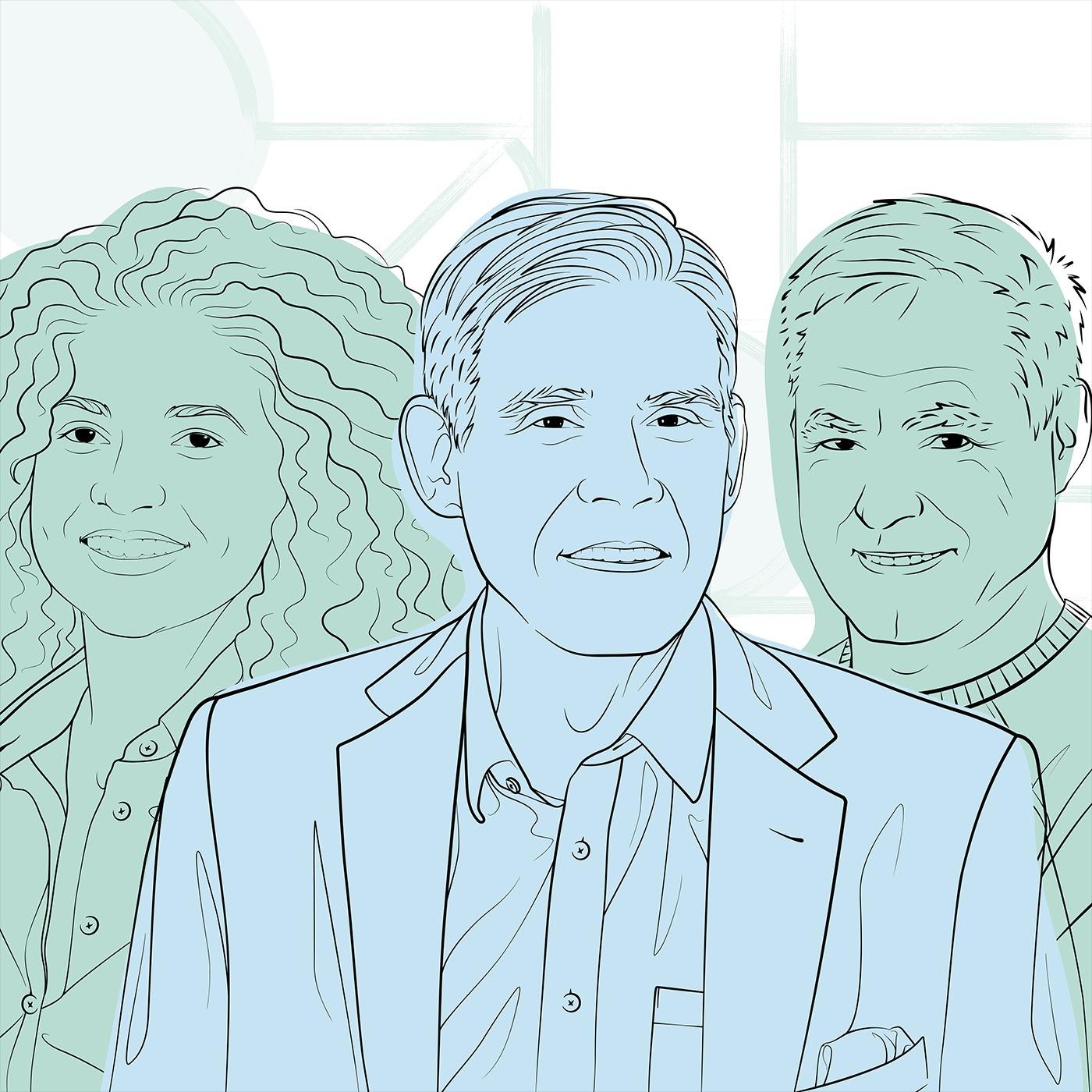
## Background This episode of the podcast series The Shape of Things to Come was published by researchers across the Microsoft research community on November 17, 2026, via RSS and web audio. Hosted by Microsoft Research lead Doug Burger, the discussion features Microsoft Principal Research Manager Ava Amini, Microsoft Chief Scientific Officer Eric Horvitz, and physician-scientist Eric Topol of Scripps Research exploring what artificial intelligence can enable in medicine and how to achieve those breakthroughs.
## TL;DR The panel examines the transformative convergence of AI, multiscale biology, and clinical medicine, tracing how agentic models and generative tools are shifting diagnostic reasoning, drug discovery, and biological simulation. While AI demonstrates superhuman diagnostic accuracy and deep administrative relief through ambient clinical scribes, its real-world implementation is severely constrained by health system inertia, economic misalignments, and the physical bottlenecks of wet-lab validation. Looking toward the horizon, the experts contrast silicon-style abstractions with biological complexity, highlighting breakthroughs in immunome profiling, dynamic activity-first datasets, and synthetic biology. Ultimately, the guests express radical optimism, forecasting that AI will turn terminal cancers into manageable conditions, delay or avert neurodegenerative diseases like Alzheimer's, and make future medical practice unrecognizable compared to today.
## Atmosphere & style The conversation carries an intellectually charged, visionary, and collegiate atmosphere, blending cutting-edge scientific rigor with effortless personal camaraderie. Doug Burger steers the dialogue with warm, self-deprecating wit—frequently poking fun at his own computer-hardware biases—while Eric Topol, Eric Horvitz, and Ava Amini provide deep, measured perspectives spanning clinical reality and theoretical machine learning. Listening in feels like sitting at a high-level research symposium where pragmatic frustrations over healthcare conservatism smoothly give way to radical, infectious optimism about rewriting the very foundations of human biology.
## Bulletin - `05:00` A Microsoft-led Science cover study showed that modeling sequential clinical cognition in an AI agent nearly doubled the diagnostic accuracy of generalist physicians while simultaneously reducing total testing costs. - `05:00` Despite over 44 randomized controlled trials in colonoscopy and trials with over 100,000 participants in mammography, proven computer vision AI tools face an implementation gap driven by institutional conservatism and thin operating margins. - `30:00` Token serving costs on fixed models are plummeting by 4x to 10x annually, positioning computation as an active-learning guide to minimize expensive physical wet-lab iterations. - `50:48` Eric Horvitz predicts that within ten years, AI will help transform multiple fatal cancers into manageable chronic conditions and substantially delay the onset of Alzheimer's disease.
## Key takeaways - `00:00` Medicine and biosciences possessed a digital head start for deep learning due to early standardization, including curated protein repositories and widespread electronic health records. - `05:00` Evaluating medical AI by simulating interactive clinician cognition outperforms static vignette tests, demonstrating that agents can balance diagnostic value against procedural cost. - `10:00` Clinical AI adoption lags behind research validation largely due to low hospital profit margins and a lack of organized consumer or physician advocacy for validated tools. - `12:12` Biological modeling faces a multiscale hierarchy spanning molecular dynamics, single cells, tissues, and organ systems that cannot easily be bridged using silicon-style clean abstractions. - `20:00` Whole-patient models that synthesize electronic health records with risk scores are likely to deliver clinical value well before complete virtual cell models are achieved. - `20:00` Single-year commercial insurance contracts in the United States disincentivize preventative AI investments that only yield economic returns decades later. - `22:50` Effective drug discovery does not require deterministic, atom-by-atom interpretability; instead, models need to generate actionable hypotheses testable in wet labs over one- to two-year horizons. - `25:40` Diagnostic errors account for an estimated 800,000 deaths and serious disabilities annually in the United States, providing a critical operational target for diagnostic AI. - `25:40` Ambient clinical scribes and empathetic patient-facing conversational models are helping alleviate physician administrative burdens and restore doctor-patient face time. - `30:00` Physical wet labs will remain an unavoidable bottleneck, making AI's primary value the guidance of experimental spend toward areas of highest informational yield. - `34:58` Life sciences lack comprehensive, longitudinal multimodal datasets comparable to the Protein Data Bank, making dynamic, activity-first datasets the critical missing asset for foundation models. - `40:00` AI-assisted profiling of the human immunome and functional thymus retention is overturning textbook dogmas and refining biological versus chronological age tracking. - `43:20` Targeting systemic biological aging mechanisms and epigenetic decay holds higher therapeutic leverage than tackling isolated late-onset diseases individually. - `47:30` Synthetic biology is transitioning from simple genetic logic gates in bacteria toward multimodal generative foundation models that synthesize de novo proteins from natural language prompts. - `50:48` Advances in real-time embryonic genome editing and generative modeling are rapidly compressing the timeline toward fully programmable biological systems. - `55:00` Long-term medical AI progress aims to shift healthcare entirely from reactive treatment to proactive prevention of complex conditions like cancer and Alzheimer's disease.
## Detailed walkthrough ### `00:00` Framing the Frontier: AI at the Intersection of Biology and Medicine
Doug Burger opens the episode of *The Shape of Things to Come*, setting out to venture to the bleeding edge of AI capabilities and explore how they will alter the future of healthcare, biological understanding, and medical breakthroughs. To tackle these themes, he brings together a trio of experts from medicine, biology, and machine learning:
- **Eric Horvitz**, Microsoft’s Chief Scientific Officer, an MD/PhD whose foundational work has shaped machine learning for decades (with Burger joking, “How you spend all those years in school, I have no idea”). - **Eric Topol**, Executive Vice President of Scripps Research—the largest nonprofit biomedical research institute in the United States—who has authored four books and published over 1,300 peer-reviewed papers, an output Burger characterizes as “shockingly productive.” - **Ava Amini**, a Principal Research Manager at Microsoft Research and co-lead of Project Ex Vivo, a joint initiative between Microsoft and the Broad Institute focused on defining, engineering, and targeting cancer cell states.
Setting the stage, Burger observes an accelerating disruption across the field: AI models are uncovering structural biology, extracting actionable medical representations, and even enabling anecdotal reports of cancer scientists designing their own therapeutic interventions. Horvitz traces the roots of this inflection point to decades of data accumulation. Unlike areas caught unprepared by deep learning, medicine and biosciences benefited from early digital standardization, including decades of curated protein structures and the widespread adoption of electronic health records (EHRs).
This established digital backbone allowed both discriminative and generative AI models to hit the ground running over the last five to eight years. Horvitz points out that while the emergence of systems like AlphaFold captured global attention, it represented only the visible crest of a much larger wave now transforming experimental design, data interpretation, and hypothesis generation. As Eric Horvitz puts it:
> “AlphaFold's breakthrough was tip of the iceberg, and we see just a whole, in some ways, a crest and a crashing of a wave of possibilities now when it comes to experimental platforms, experimental design, data interpretation in the biosciences, hypothesis generation, I should say, as an assistant and a companion to scientific reasoners and human scientists.”
`05:00` Benchmarking Medical Cognition and the Clinical Efficiency Paradox
```mermaid flowchart TD accTitle: Sequential Diagnosis Workflow in Clinical Cognition accDescr: An AI agent acts as a clinician, iteratively asking questions, selecting diagnostic tests based on cost and value, and reaching a final diagnosis.
subgraph AmbInput["Clinical Intake"] A["Ambulatory Patient Presentation"] end
subgraph AgentLoop["Agentic Medical Cognition Loop"] B["Formulate Differential Hypotheses"] C["Evaluate Next Action\n(Questions or Tests)"] D["Balance Information Value vs. Financial/Physical Cost"] B --> C C --> D D -->|Gather new data| B end
subgraph FinalStep["Resolution"] E["Convergent Diagnostic Decision"] F["Initiate Targeted Therapy"] end
A --> B D -->|Sufficient certainty| E E --> F ```
Horvitz describes a recent *Science* cover article produced by his team at Microsoft that reframes AI diagnostic evaluation. Historically, diagnostic benchmarks simply fed an entire, completed clinical vignette to a model and graded its static differential diagnosis. Horvitz’s team pivoted to modeling active "medical cognition." By placing the model inside the interactive posture of an ambulatory clinician, the system begins with minimal initial presentation data. The agent must sequentially deduce what questions to ask, weigh the diagnostic information value of laboratory or imaging tests against their financial and procedural costs, and determine the exact inflection point at which to stop testing and commit to a convergent diagnosis to initiate treatment. When evaluated against human generalist physicians, frontier language models demonstrated remarkable aptitude in orchestrating this sequential problem-solving under real-world constraints.
Eric Topol reinforces the significance of this work from his vantage point outside Microsoft, highlighting that the study broke an entrenched pattern where healthcare AI is predominantly deployed for administrative billing optimization or "upcoding" that drives up expenses. This work offered the first agentic demonstration that nearly doubled diagnostic accuracy over generalist physicians while simultaneously reducing diagnostic costs—an outcome Topol likens to an impossible ideal: “It's kind of like eat more, weigh less, or it tastes better.”
At the same time, Topol flags a frustrating clinical paradox: medicine has become mesmerized by the "shiny object" of four-year-old generative AI while dragging its feet on mature, deeply validated deep learning applications in computer vision. Despite robust evidence—such as randomized trials covering more than 100,000 women in mammography and 44 randomized trials in colonoscopy—the healthcare sector has failed to broadly harvest the superhuman features AI extracts from retinal scans, electrocardiograms (ECGs), and chest X-rays. Topol argues that fully capitalizing on this missed foundation is critical because it represents the essential substrate for the next true frontier: "whole patient models" that fuse raw medical images with longitudinal EHR records, genomics, proteomics, and exposome data to forecast disease trajectories for individual patients.
- Microsoft's *Science* cover paper shifted AI evaluation from passive, complete-case diagnostic classification to an agentic sequential diagnosis process that mimics clinician cognition. - The agentic architecture nearly doubled the diagnostic accuracy of generalist physicians while driving down total testing costs. - Over 44 randomized clinical trials validate AI in colonoscopy, and trials exceeding 100,000 participants validate it in mammography, yet practical clinical implementation continues to lag behind research validation.
`10:00` The Implementation Gap and Healthcare System Inertia
The discussion centers on the disconnect between breakthrough medical AI research and actual clinical deployment. While AI models can evaluate counterfactual "what-if" scenarios to prevent or defer disease using rich health data sets, Eric Topol warns that medicine remains stagnant at the bedside: “I'm still waiting for that to happen, in medicine to say the least.” When Doug Burger asks what the research and clinical communities are missing, Topol points directly to execution and deployment rather than a lack of compelling science. Groundbreaking, peer-reviewed, randomized real-world trials are consistently published in top-tier journals, yet their findings never reach patient care.
According to Topol, health systems offer numerous excuses, but the underlying barrier is cultural and economic conservatism. Hospitals and health networks operate on razor-thin financial margins, making leadership hesitant to invest in technologies they do not fully understand or trust. Compounding this inertia is a surprising lack of advocacy from both clinicians and the public. Topol highlights mammography screening as a stark example: despite proven AI models that improve diagnostic accuracy, almost no women in the United States receive state-of-the-art AI interpretation unless they pay out of pocket or belong to niche networks. As Topol puts it:
> “You know, one thing that's noteworthy is the physicians are not clamoring for these advances. I mean, if you're a woman undergoing mammography and you don't get state of the art AI, which almost no women in the United States do, you'd think you might run a revolt, or you have to pay for it to get that interpretation in a very limited network.”
- **Real-world trial disconnect:** High-quality randomized controlled trials supporting AI tools are languishing in academic journals instead of being integrated into clinical workflows. - **Economic constraints:** Low operating margins across health systems disincentivize capital investment in unproven, novel infrastructure. - **Absence of grassroots demand:** Neither physicians nor patients are actively demanding or revolting over the lack of access to validated, life-saving AI diagnostics.
---
`12:12` Multiscale Biology and the Challenge of Real-World Implementation
Turning to the biosciences side of AI, Ava Amini emphasizes that while excitement, capital investment, and optimism are currently surging, biological AI faces the exact same bottleneck as medicine: practical implementation. Building predictive and generative models for biological systems means very little if researchers cannot pinpoint the specific problems they solve or successfully integrate them into wet-lab experimental workflows. To address this friction, Microsoft is collaborating directly with the Broad Institute, co-designing research from the bottom up to ensure machine learning methods genuinely interface with laboratory biology.
Beyond adoption, Amini identifies an enormous computational and modeling hurdle: biology is fundamentally a multiscale hierarchy. Living systems function across drastically different layers of organization—from molecular dynamics to single cells, structured tissues, coordinated organ systems, and ultimately the whole organism. Each layer interacts dynamically to produce coherent physiological function. Bridging these distinct scales so that molecular details yield actionable insights at the whole-patient level is an AI problem with almost no equivalent in other engineering domains. Consequently, AI researchers face fundamental questions regarding data representation, data diversity, and deciding whether to pursue depth on narrow, high-priority diseases versus broad platform democratization.
> “And really the question in my mind is, what are these actually going to solve? What questions can we deploy them towards? How are we going to implement them? How will they be adopted by experimental scientists and integrated into our workflows? And that is a gap that I think still the community needs to bridge.”
```mermaid flowchart TD accTitle: Multiscale Biological Hierarchy in AI Modeling accDescr: A hierarchy illustrating biological scales from molecules to the whole organism and patient insights.
subgraph MolecularAndCellular["Microscopic Scales"] M["Molecular Level\n(Proteins, DNA, chemical compounds)"] C["Single-Cell Level\n(Cellular phenotypes & states)"] M --> C end
subgraph TissueAndOrgan["Macroscopic Systems"] T["Tissue Level\n(Cell-cell organization)"] O["Organ Systems\n(Physiological networks)"] C --> T T --> O end
subgraph WholePatient["Clinical Integration"] P["Whole Patient Model\n(Organismal health & disease)"] O --> P P --> I["Actionable Medical Insights\n& Counterfactual Scenarios"] end ```
- **The deployment dilemma:** AI for biology risks producing powerful generative architectures that lack concrete, deployable experimental utility. - **Collaborative co-design:** The partnership between Microsoft and the Broad Institute aims to integrate machine learning and laboratory workflows from inception. - **Cross-scale computation:** Translating data across biological strata—from molecular interactions up to organ-level human pathology—demands novel representation techniques and data diversity strategies.
---
`15:18` Silicon Abstractions vs. Biological Complexity
Doug Burger introduces a philosophical and architectural comparison drawn from his background as a computer architect. In chip design, engineers place billions of circuits onto a postage-stamp-sized piece of silicon. Although the physics inside the PN junctions and transistor gates are governed by messy, stochastic quantum mechanics and electrostatic forces, engineers successfully tame that disorder by constructing rigid, deterministic hierarchies of clean abstraction. Burger asks the panel whether biology can ever be mapped into a similar stack of clean, predictable abstractions where every component is fully understood, or if biological systems are doomed to remain irreducibly messy.
Eric Horvitz points out an ironic symmetry: even in computing, once researchers deploy massive, deep generative models across those pristine silicon architectures, algorithmic behavior becomes complex, emergent, and stochastic once again. Turning to human physiology, Horvitz argues that the body is an extraordinarily complex, multiscale dynamical system. While we may never achieve atomic-level deterministic certainty across all biological layers, AI can manage this complexity by discovering causal models, developing interpretability methods, and untangling both intra-level and cross-level dynamics. Burger lightens the academic exchange with a joke, reducing Horvitz’s nuanced response to a single bit of information:
> “My sense is carrying the analogy forward to a multi-scale dynamical system, the human body, is that there's going to be very high degrees of complexity when it comes to the dynamics and interactions of parts at different levels of abstraction.”
> “I think that was a no,” Burger quipped. “I did a low-rank approximation on Eric Horvitz and got one. Sorry to boil you down.”
- **The computer architecture parallel:** Clean abstractions allow humans to design billions of functioning components despite underlying quantum and electrostatic noise. - **The return of stochasticity:** Modern generative AI reintroduces non-deterministic, messy dynamics on top of deterministic hardware stacks. - **Causal modeling in biology:** Horvitz emphasizes that managing biological complexity requires principled causal models and interpretability tools rather than brute-force atomic accounting.
---
`18:41` The Virtual Cell vs. The Virtual Patient
Eric Topol challenges the pessimistic view that biology will forever remain an untameable, messy black box. He points out that the scientific community is already making serious progress toward creating a "virtual cell"—an in silico simulation capable of predicting how a single cell will react to arbitrary perturbations and genetic interventions. If realized, virtual cell models will crack open previously opaque mechanisms of cellular biology.
However, Topol acknowledges that progressing from a single-cell model to a "virtual human" or "virtual patient" remains a massive, unresolved leap. Current clinical tools illustrate just how weak medicine's holistic models currently are. While clinicians can calculate a polygenic risk score or sequence an individual's entire genome to identify an elevated risk for complex conditions such as coronary heart disease, they still cannot predict whether, when, or how that disease will actually manifest in the individual patient.
> “Firstly, as you know, there's a lot of interest in creating the virtual cell, where you would be able to do any number of perturbations and predict its response, unravel a lot of biology.”
- **Virtual cell ambitions:** Simulating cellular perturbation responses is within reach and represents the first major milestone in formalizing biological abstractions. - **The virtual patient gap:** Medicine currently lacks the cross-scale models needed to connect genomic or polygenic risk predictions to concrete clinical outcomes for individual patients.
`20:00` Whole-Patient Models and the Disincentives for Prevention
The discussion opens with the realization that simply telling a patient they are at risk for a disease at some vague point—whether at age 50 or 90—is fundamentally unhelpful. Existing models trained on electronic health records (EHR) paired with lifestyle factors or polygenic risk scores are already beginning to provide actionable timing and context, even before medicine has gathered deep, longitudinal multi-omic data at scale. Because of this, mature whole-patient models are likely to arrive well before complete virtual cell models. While a patient model cannot simulate every possible cellular perturbation across the body's trillions of diverse cells, its ultimate clinical value lies in shifting healthcare beyond passive risk assessment toward genuine prevention.
```mermaid flowchart TD accTitle: US Healthcare Prevention Disincentive Model accDescr: Diagram illustrating how short insurance cycles create structural disincentives for preventative medicine in the US compared to single-payer models.
subgraph US_System["United States Model"] A["1-Year Insurance Cycles"] --> B["Short-Term Financial Interests"] B --> C["Disincentive to Fund Long-Term Prevention"] C --> D["Reactive Sick-Care at Hospitals"] end
subgraph Alternative_System["Unified / International Systems"] E["Long-Term Population Health Mandate"] --> F["Reduced Long-Term Economic Burden"] F --> G["Structural Incentive to Invest in Preventative AI"] end ```
Doug Burger notes that at a recent conference exploring the intersection of AI and medicine, speakers argued that the prevailing economic framework of healthcare is structurally incompatible with preventative care. Under current models, patients only seek care when acutely sick, meaning systems profit from acute intervention rather than keeping people well. When asked whether the system has any financial incentive to invest in long-term prevention, Eric Topol points out that this flaw is uniquely acute in America: “Well, I would just say welcome to the United States.” Topol emphasizes that other nations with universal models maintain powerful economic and population-health incentives to avoid chronic disease burden. In contrast, the United States relies on fragmented, one-year commercial insurance contracts where payers have virtually no financial incentive to fund disease prevention that will only pay off decades later when the patient is on Medicare or enrolled with a different insurer.
- Even without massive longitudinal datasets, existing models combining EHRs with polygenic risk scores already offer predictive timing for onset rather than generic lifetime probabilities. - Whole-patient clinical models are projected to reach clinical utility ahead of comprehensive virtual cells due to the staggering complexity and diversity of cellular perturbations across the human body. - Single-year commercial insurance coverage in the United States creates a severe structural disincentive against preventative investments, whereas foreign single-payer systems are economically aligned to minimize long-term chronic disease burden.
---
`22:50` The Necessity of Precision vs. Biological Stochasticity
Doug Burger turns to Ava Amini, revisiting the tension between digital hardware design—where precise, deterministic logic abstractions are constructed on top of noisy semiconductor physics—and biological systems. Burger asks whether researchers will ever discover clean, deterministic abstraction layers on top of biology’s stochastic mess. Amini pushes back against the premise itself: “I would like to almost turn the question on its head. Instead of saying, will we get there? Do we need to get there?” She argues that drug discovery and biomedical breakthroughs do not require atom-by-atom interpretability of every moving molecule or deterministic tracking of cellular responses. Instead, the priority must be engineering coordinated orchestrations of models capable of generating actionable hypotheses that bench scientists can experimentally validate within one to two years.
Eric Horvitz supports Amini's perspective, emphasizing that systems engineers must recognize the fundamental difference between silicon architecture and biology: “There's a huge headroom, Doug, between what you asked for when it came to the precision of a systems architect and a hardware architect and what we can do to deliver incredible, incredible benefits to patients under, under some uncertainty under stochasticity with, with, much deeper knowledge about causation across the levels of understanding in human physiology.” Burger takes the critique in stride, joking that both researchers are politely telling him that his thirty years as a hardware architect have biased his worldview and that he should stop trying to force computer architecture paradigms onto living organisms.
- Modern drug discovery and experimental biology require predictive outputs that can be validated in wet labs over one- to two-year horizons rather than complete, fine-grained mechanistic interpretability. - Inherent thermodynamic entropy and biological dynamism make full deterministic modeling unlikely, but clinical utility does not require hardware-grade determinism. - Understanding multi-scale physiological causation under uncertainty offers enormous headroom for life-saving interventions without reaching absolute molecular precision.
---
`25:40` Clinical Frontlines: Ambient Scribes, Diagnostic Errors, and Artificial Empathy
The conversation turns to how real clinicians and patients interact with artificial intelligence on the ground. While an entrepreneurial explosion is generating thousands of health tech startups, the broader healthcare infrastructure remains notoriously slow-moving due to its immense regulatory footprint and share of the gross domestic product. Eric Topol highlights three distinct waves of AI integration currently transforming care:
```mermaid flowchart LR accTitle: Three Waves of Clinical AI Integration accDescr: Flowchart showing the operational, diagnostic, and patient-relationship impacts of AI in healthcare.
subgraph Wave1["1. Administrative Relief"] A["Ambient Scribes"] --> B["Automate Charting & Orders"] B --> C["Reduce Data Clerk Burden"] end
subgraph Wave2["2. Clinical Accuracy"] C --> D["Diagnostic Oversight"] D --> E["Mitigate 800,000 Annual Errors"] end
subgraph Wave3["3. Restoring Care"] E --> F["Patient Access & Empathy"] F --> G["Reclaiming the Doctor-Patient Bond"] end ```
The first wave is operational: ambient clinical scribes that capture doctor-patient conversations and generate clinical notes. These ambient tools eliminate massive amounts of administrative keyboard time for physicians, while producing documentation that is cleaner and more accurate than traditional medical charts. These systems can autonomously draft lab orders, schedule follow-ups, and generate patient reminders.
The second wave directly tackles diagnostic accuracy. Topol underscores that diagnostic error represents a silent public health crisis, citing research that underscores the human stakes: “That is, our diagnostic accuracy, he referred to treatment accuracy, but our diagnostic accuracy is horrible, and they wind up with all sorts of disability and deaths estimated by Johns Hopkins at 800,000 a year.”
The third wave is consumer-facing and involves an unexpected dynamic: artificial empathy. Because overloaded clinicians are forced to rush through appointments, patients are turning to conversational LLMs to review lab results and ask follow-up questions. Surprisingly, patients frequently rate these tools as far more compassionate, patient, and responsive than their human caregivers. Topol candidly admits his initial surprise: “Now, I would never have predicted that because a machine wouldn't know empathy if it fell on it. But it turns out it can channel it.” Rather than replacing physicians, Topol hopes this efficiency will grant doctors the "gift of time," reversing decades of erosion in the sacred doctor-patient relationship. Burger resonates with this loss, noting that while he can still vividly remember the name of his childhood family doctor, he cannot name his last five physicians. Burger then begins to frame how this rapid transformation mirrors—and potentially eclipses—the historic exponential trajectories of computing and Moore's Law.
- Ambient clinical scribes are rapidly being adopted throughout the US to relieve clinicians of excessive electronic medical record documentation, improving note accuracy and handling downstream orders and follow-ups. - Diagnostic errors contribute to an estimated 800,000 deaths and serious permanent disabilities annually in the United States, representing a primary target for diagnostic AI assistance. - Chatbots are increasingly sought out by patients for unhurried, empathetic reviews of lab results, compensating for the severe time constraints imposed on modern clinicians. - The overarching goal of clinical AI adoption is to automate data entry and administrative overhead to restore meaningful doctor-patient face time.
`30:00` Plummeting Token Costs, the Analog Bottleneck, and AI-Guided Experimentation
Doug Burger kicks off the discussion by highlighting an astonishing trend in computing economics: the cost of serving tokens on a fixed-size model has been plummeting by roughly 4x to 10x per year. While explosive model growth often masks these savings, Burger wonders what this means for whole-patient models, virtual cells, and the broader healthcare system. Will these computational cost curves drive down the cost of medical care and drug discovery, or will advanced personalized medicine become so complex that it turns into an unaffordable luxury accessible only to a select few?
Ava Amini responds that on both the biosciences and drug discovery discovery fronts, the real promise lies in trading computation for physical experimentation. By using in silico queries to model causal interventions—predicting how an output state changes based on an input intervention—researchers can prioritize high-confidence regions of the vast search space. This lets laboratories drastically reduce physical spend on reagents, personnel, and money while shortening development timelines:
> “And as the cost of tokens goes down, the hope is that that acceleration will amplify because now the computational side is the faster iteration side of this whole discovery loop versus the experimental one.”
Burger pushes back, predicting that over the next five years, token costs for running such experiments could fall by another 1,000x to 10,000x. He questions whether this extreme disparity simply makes the analog, physical world the inescapable bottleneck. Amini acknowledges the constraint directly:
> “I think the fact is the real world will always be the bottleneck, right? You cannot replace the real world entirely by virtual experimentation, will always need the real world.”
Rather than replacing wet-lab science, she explains, computational models will direct experimentalists to allocate real-world effort to areas backed by rigorous computation. Doug Burger wryly observes: “I think it's a very strange world we live in where the real world will always be the bottleneck, is a quote that we all just heard and probably agree with.”
Eric Horvitz builds on this idea, describing his excitement for models that compute where the greatest informational value lies based on expected probability distributions. Rather than running blind trials, AI can perform active learning to pinpoint where the most surprising or impactful findings will occur. Burger compares this targeting mechanism to “beam forming to save lives,” which Horvitz confirms: “Guiding experimentation, in other words, and faster computing and cheaper tokens will help us do that better, which basically addresses directly the bottleneck.”
```mermaid flowchart LR accTitle: Trade-off between In Silico and Wet-Lab Workflows accDescr: Computational simulations prioritize high-confidence candidates to guide expensive physical wet-lab experiments.
subgraph InSilico["In Silico (Computational Loop)"] A["Low-Cost Tokens & Models"] --> B["Causal Intervention Queries"] B --> C["Value-of-Information Beam Forming"] end
subgraph Physical["Physical Lab (Analog World)"] D["Prioritized High-Confidence Tests"] --> E["Wet-Lab Verification Reagents & Cells"] end
C -->|"guides experimental spend"| D E -.->|"ground truth data feedback"| A ```
---
`34:58` The Data Bottleneck and the Shift from Labeling to Supercomputing
Eric Topol shifts the conversation from computing power to what he sees as the true limiting factor: datasets. While billions of dollars are being poured into life science data, longitudinal, deep multimodal patient records are nearly nonexistent. While standard electronic health records exist, they lack the rich, layered biological depth required for true modeling. Topol points out that the field's hallmark success story relied on a unique historical asset:
> “I mean, so, you know, remember, Eric pointed out early on that AlphaFold has been the signature contribution. And that was because we had the Protein Data Bank. The data set was all there. All it took was, you know, milking it for what it could do with AI. Now, we don't have any data set like that in life science or in medicine.”
Burger draws an analogy to computer science in the 2010s. His engineering teams built inference-serving platforms for Recurrent Neural Networks (RNNs), where progress was severely bottlenecked by the need for scarce labeled data. That constraint vanished with the advent of the Transformer architecture, which unlocked self-supervised training on massive corpora of unlabelled text and instantly shifted the challenge from a data problem into a pure supercomputing challenge. Burger asks whether the biosciences could experience a similar architectural inflection point that renders current data shortages obsolete.
- **Token cost deflation:** Serving tokens on fixed-size models has dropped 4x–10x annually, with expectations of a 1,000x–10,000x drop over five years. - **The AlphaFold precedent:** AlphaFold succeeded because decades of experimental crystallography were consolidated in the open-access Protein Data Bank (PDB). - **The 2010s paradigm shift:** Machine learning transitioned from hand-labeled supervised RNN pipelines to self-supervised Transformer models scaled purely by compute clusters.
---
`37:32` The Wish List: Dynamic Activity-First Biological Datasets
Eric Horvitz reflects on Burger's historical comparison, noting that opportunistic utilization of genomic libraries and nucleic acid sequence collections is already yielding novel predictive models without relying strictly on protein structural templates. Horvitz then poses an "Aladdin's lamp" thought experiment to Ava Amini: if she possessed a magic wand and could summon three massive biological or clinical databases linking phenotypes to molecular sequences, what would she ask for?
Amini points out that while the Protein Data Bank was pivotal for AlphaFold, it suffers from a fundamental limitation: it captures static, frozen structures. Biological entities, by contrast, depend on dynamic, time-dependent movement to carry out their functions:
> “It is limited because these are static structures of proteins and we know that proteins are dynamic and they're active, right? They execute function through activity. And so I think the real missing thing is these kind of activity first datasets for different layers of the biological stack.”
Amini argues that biology desperately needs scaled datasets mapping protein sequence directly to activity across diverse functional profiles, replacing the isolated, small-scale datasets scattered across historical literature. She stresses that this need is even more acute at the cellular level. Because the human body contains a vast array of specialized cell types, it is impossible to brute-force test every single cell against every possible chemical perturbation. Instead, progress will depend on designing principled, activity-first datasets that allow models to systematically generalize across both cellular behavior and expansive chemical search spaces.
`40:00` Functional Readouts and the Missing Layer of the Immunome
Ava Amini emphasizes that a critical blind spot in modern computational biology is how researchers decide which parts of biological space to sample to build diverse datasets. In particular, she points out the acute shortage of functional readouts across molecular, cellular, and tissue scales. Describing ongoing work, she explains:
> “And in our ex vivo collaboration, we're tackling part of this in the context of cancer cell development, cancer cell measurements, looking at trying to build what we call state to function maps that look at a spectrum of cancer cell states and measure functional outcomes.”
These maps track functional behaviors such as resistance to immunotherapies or targeted treatments. While bridging cell states to clinical outcomes is only one slice of the problem, Amini insists that prioritizing functional biological readouts over static snapshots is essential.
```mermaid flowchart TD accTitle: Mapping Biological State to Functional Outcome accDescr: Flowchart showing cell state measurements translated to functional biological readouts and therapeutic response. subgraph S1["Cellular Profiling"] A["Cancer Cell Spectrum"] --> B["Cell State Signatures"] end subgraph S2["State-to-Function Mapping"] B --> C["State-to-Function Maps"] end subgraph S3["Clinical Readouts"] C --> D["Immunotherapy Resistance"] C --> E["Targeted Therapy Resistance"] end ```
Doug Burger turns the floor over to Eric Topol to start an "around the horn" series of insights on the most exciting current developments before pushing the discussion into more radical territory. Topol immediately highlights the immune system as the fundamental missing link in human health profiling:
> “Well, you know, I think the missing layer in humans is the immune system, the immunome. And everything we've learned to date points to that as a critical underpinning of the healthspan.”
Topol shares that his group published a paper in *Nature* that very day detailing the immunome. Modern AI capabilities are reshaping long-held immunological dogmas. For example, while textbooks previously taught that the thymus gland involutes into an inert structure by age 20, new imaging and analytical tools show that some 80-year-olds retain a fully intact, functioning thymus. This structural preservation correlates with cancer susceptibility and immunotherapy efficacy. Coupled with immune-cell proteomic clocks that track biological versus chronological age, deep immune profiling can finally move beyond tiny academic cohorts of 20 patients into scalable, granular models that clarify mechanisms in cancer, neurodegeneration, and atherosclerosis.
- **Nature publication**: Eric Topol's team published an analysis of the human immunome on the day of the recording. - **Thymus gland dynamics**: Historically assumed to become non-functional after age 20, intact thymuses are now observable in healthy 80-year-olds via advanced AI-assisted imaging. - **Proteomic immune clocks**: Tracking divergence between immune age and chronological age clarifies vulnerability to cardiovascular diseases, brain degeneration, and malignancies.
---
`43:20` Foundations of Aging and the Mystery of Late Penetrance
Eric Horvitz zooms out to address the systemic biology of aging, arguing that investigating foundational aging mechanisms will yield far higher dividends than studying isolated diseases. He raises the fundamental puzzle of disease penetrance: why do specific genetic liabilities remain silent for decades before causing overt clinical damage?
> “Even genetic lesions like LRRK2, something called LRRK2 transposition for Parkinson's disease, it shows up in the 60s and 70s. But why? Why did the body hold off until then?”
Horvitz points out that the same delayed onset governs Alzheimer’s disease and most neurodegenerative disorders. He draws an analogy to computer hardware, describing epigenetic gene expression marks as microscopic DIP switches turning cellular programs on and off to maintain differentiated cell types. Over time, that coherence decays into biological noise, entropy, and chaos. Uncovering the causal mechanisms behind why those switches falter—and developing interventions to stabilize them—could resolve entire classes of age-related illnesses simultaneously.
The discussion prompts a warm, humorous exchange: Burger quips about the inevitability of physical entropy, while Horvitz notes Topol’s dedicated work on super-agers, apologizing jokingly for wandering onto Topol's academic turf.
---
`45:00` Creative Computation, Multiscale Measurement, and Systems-Level Phenotypes
Asked what excites her most, Ava Amini splits her perspective into technical and biological horizons:
> “On the technical side, coming back to our data discussion, I think innovations that allow for creative utilization of existing data such that we can turn it into a supercomputing problem, as you pointed out, Doug, is something of great interest and excitement for us here and in general in the field.”
Amini argues that while certain critical measurements are still missing, massive reserves of biological data already exist. Developing algorithms that creatively reframe this dormant data into massive compute challenges allows researchers to exploit supercomputing infrastructure fully.
On the biological side, Amini champions novel measurement technologies that bridge distinct layers of the biological hierarchy. Rather than fixating on the current industry hype around building isolated "virtual cells," she urges the field to focus on higher-order, systems-level readouts—such as whole-organism aging and systemic immune behavior—where multiscale inputs genuinely determine patient phenotypes.
---
`47:30` DNA as Software and the Realization of Synthetic Biology
Doug Burger pushes the conversation into speculative territory, questioning whether humanity will ever reach the point of fully compiling complex organisms from scratch. DNA indirectly specifies the self-assembly of specialized tissues, neural networks, and whole organ systems through emergent rules. Burger wonders aloud whether bioengineers might eventually author genetic programs that generate arbitrary, macro-scale multicellular systems—such as an engineered cellular mass designed to extract carbon dioxide from the atmosphere and secrete marine algae.
Amini responds that this ambition lies at the very core of synthetic biology:
> “Yeah, I think that programmability is kind of the promise, right? Can we do functional design and engineering of biology through interfaces that make sense to us as humans, whether that's natural language, whether that's other modalities, even perhaps images...”
Recalling her undergraduate engineering days, Amini reveals that her entry point into the discipline was constructing finite-state machines inside *Escherichia coli*. By designing synthetic genetic circuits capable of executing logical state transitions in response to specific combinations and sequences of chemical inputs, her team treated cells as living computational engines.
```mermaid flowchart LR accTitle: Paradigm Evolution of Biological Programmability accDescr: Timeline comparing undergraduate genetic logic circuits with modern AI-driven functional protein design. subgraph Early["Early Synthetic Biology"] A["Chemical Inputs"] --> B["Genetic State Machines in E. coli"] B --> C["Engineered Logic Output"] end subgraph Modern["Modern Generative AI"] D["Natural Language / Image Prompts"] --> E["AI Generative Models"] E --> F["100+ Functional Candidate Proteins"] end ```
The paradigm has rapidly evolved from primitive gene circuits into multimodal generative foundation models capable of parsing natural language functional prompts and automatically spitting out 100 de novo protein candidates engineered to execute that exact function. Horvitz adds an illustrative example of this engineering mindset: integrating miniature digital counter circuits into human lineages to record cell replication cycles, allowing a clinician to read out directly whether a cell has divided four times or a thousand times to flag malignant proliferation.
- **Synthetic state machines**: Programming DNA sequences to act like logic gates and register sequential chemical states inside bacterial chassis. - **Generation counting circuits**: Theoretical genetic circuits designed to measure division milestones to detect senescence or early oncogenesis. - **Multimodal functional prompts**: Specifying desired biochemical properties via text or visual interfaces to generate targeted molecular structures.
---
`50:48` Real-Time Genome Editing and Ten-Year Healthcare Predictions
Burger jokingly teases Horvitz and Amini, remarking that by arguing for such rigorous, programmable genetic circuits, they are slipping back into biological determinism despite their earlier warnings about biological stochasticity. Topol laughs in agreement and affirms that the timeline toward programmable biology is compressing dramatically:
> “The things that we're seeing recently, you know, like Jay Shendure up at UW with being able to do genome editing during embryogenesis in real time. These are things that were inconceivable a year or two ago, maybe even a month ago.”
Topol notes that while concepts of engineered organisms designed to clean up environmental catastrophes have existed for years in primitive iterations, modern analytics, generative tools, and editing platforms make functional biological design an inevitable reality—it is purely a question of when.
Wrapping up the episode, Burger invites the panel to share their ultimate takeaways. Amini reflects on why she entered the field: computer science offers an unmatched conceptual tool set and abstraction system for deciphering and redesigning biology to help patients and the planet.
Horvitz offers a concrete prediction for the next decade of clinical medicine:
> “Ten years from now, the average person, the public, will recognize AI as having led to impressive breakthroughs in healthcare. And this will include transforming a number of fatal cancers into chronic diseases by then and making a headway into delaying onset and progression of Alzheimer's disease, among other breakthroughs.”
`55:00` Radical Optimism and Closing Reflections on the Future of Medicine
Looking beyond near-term milestones, Eric Topol expresses profound optimism about the transformative reach AI will have on human health in the coming decades. He argues that the true measure of success will not merely be incremental treatment enhancements, but the fundamental capability to stop debilitating conditions before they take root. Pointing toward diseases that currently lack effective preventive solutions, he envisions a systemic shift toward proactive interventions. As Topol puts it: “Yeah, my optimism extends even beyond that, that we will have the ability to prevent Alzheimer's disease and prevent cancers that we aren't today.” Despite the institutional and technical friction points discussed throughout the conversation that continue to hold adoption back, he projects that the discipline is heading toward an inevitable, comprehensive reimagining: “But we eventually will have a medicine of practice that is unrecognizable from today.”
Doug Burger brings the episode to a close by expressing deep gratitude to the panel—Eric Topol, Eric Horvitz, and Ava Amini—for sharing their insights. Acknowledging the heavy demands placed on researchers and clinician-scientists who operate directly on the frontier of AI and healthcare, Burger notes that every hour committed to such dialogues is a deliberate pause in their ongoing work, observing that “time spent away from their research is time spent away from inventing the future.” Calling the exchange a genuine privilege, he bids farewell as the guests exchange closing thanks to wrap up the discussion.
- **Key preventive frontiers:** AI-driven medicine aims to unlock the ability to prevent conditions such as Alzheimer's disease and various cancers that modern healthcare currently cannot avert. - **Pace of adoption:** While structural bottlenecks remain, the long-term trajectory points toward a medical practice that will look completely unrecognizable compared to contemporary standards.
## Notable quotes > `50:48` Ten years from now, the average person, the public, will recognize AI as having led to impressive breakthroughs in healthcare. — Eric Horvitz
> `40:00` I think the missing layer in humans is the immune system, the immunome. And everything we've learned to date points to that as a critical underpinning of the healthspan. — Eric Topol
## Mentioned Doug Burger, Eric Horvitz, Eric Topol, Ava Amini, Jay Shendure, Microsoft, Microsoft Research, Scripps Research, Broad Institute, Project Ex Vivo, Science, Nature, Johns Hopkins, AlphaFold, Protein Data Bank, The Shape of Things to Come
## Video description <p>What can AI enable in medicine, and how do we get there? Microsoft Research lead Doug Burger, Microsoft Principal Research Manager Ava Amini, Microsoft Chief Scientific Officer Eric Horvitz, and physician-scientist Eric Topol of Scripps Research explore these questions and more.</p><p><a href="https://www.microsoft.com/en-us/research/podcast/can-ai-help-deliver-the-health-breakthroughs-we-need/">Show notes</a></p><p><a href="https://www.microsoft.com/en-us/research/story/the-shape-of-things-to-come/">The Shape of Things to Come podcast series</a></p>
[Source](https://media.blubrry.com/microsoftresearch/content.blubrry.com/microsoftresearch/MRP-2026-11-30-332.mp3)